Top 5 Castles around Fígols
Castles around Fígols, a municipality in Berguedà, Catalonia, offer a glimpse into the region's historical structures. The area features both medieval castle ruins and more modern, castle-like mansions, reflecting its past from ancient times to industrial heritage. These sites provide a tangible connection to Fígols' history, from noble fealty to mining operations. The landscape of Berguedà provides a backdrop for exploring these historical landmarks.
Best castles around Fígols
- The most popular castles is Castell de Saldes and Santa Maria del…
Last updated: June 20, 2026
Castell de Saldes and Santa Maria del Castell Chapel
Highlight • Castle
Translated by Google •
Tip by

Gósol Village and Castle Ruins
Highlight • Settlement
Translated by Google •
Tip by

Sign up now to discover places like this
Get recommendations on the best single tracks, peaks, & plenty of other exciting outdoor places.
Sign up for free
Castell de Sant Ferran
Highlight • Castle
Translated by Google •
Tip by

Gósol Castle
Highlight • Castle
Translated by Google •
Tip by

Blancafort Castle
Highlight • Castle
Translated by Google •
Tip by

Start today with a free account
Your next adventure awaits.
Login or Signup


Tips from the Community

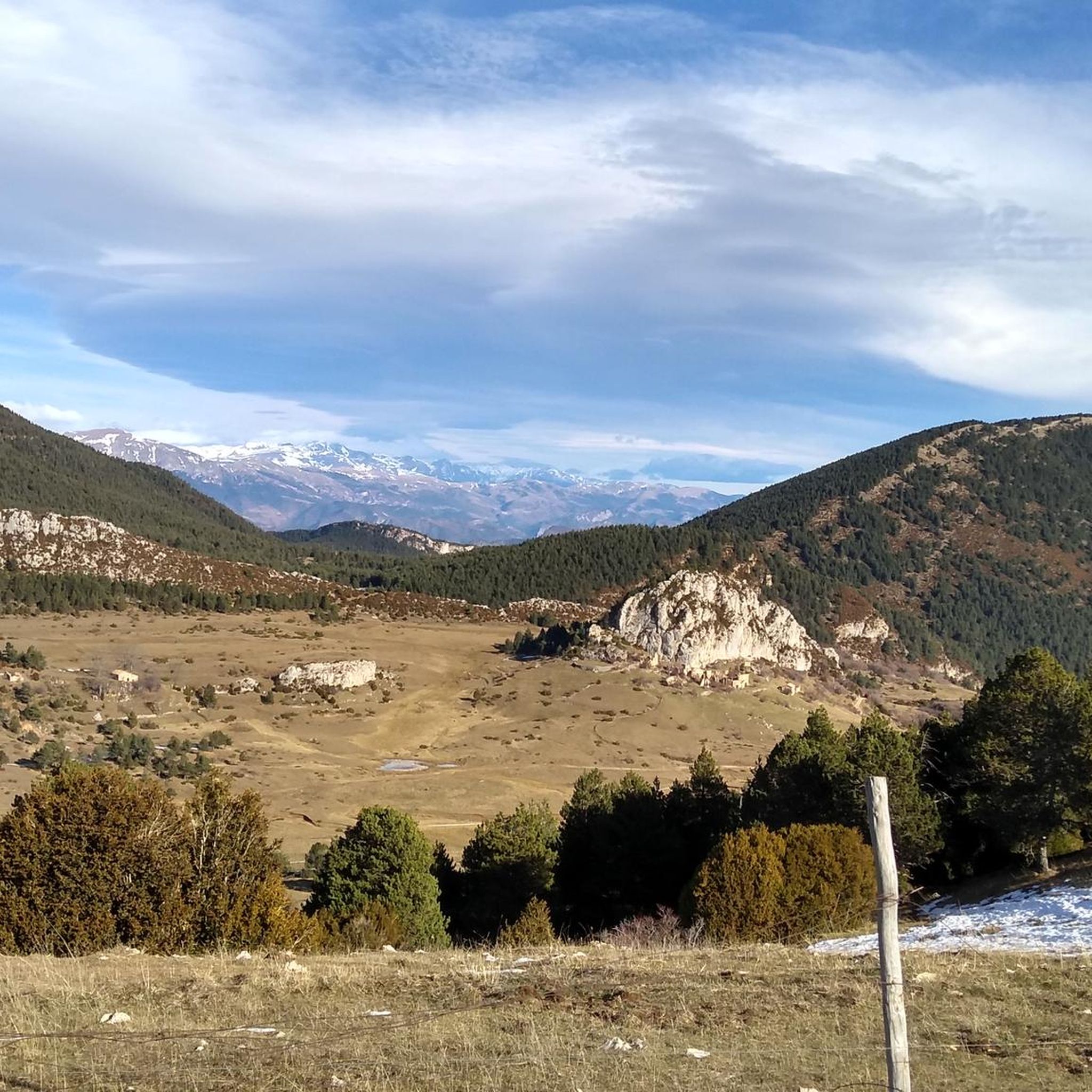
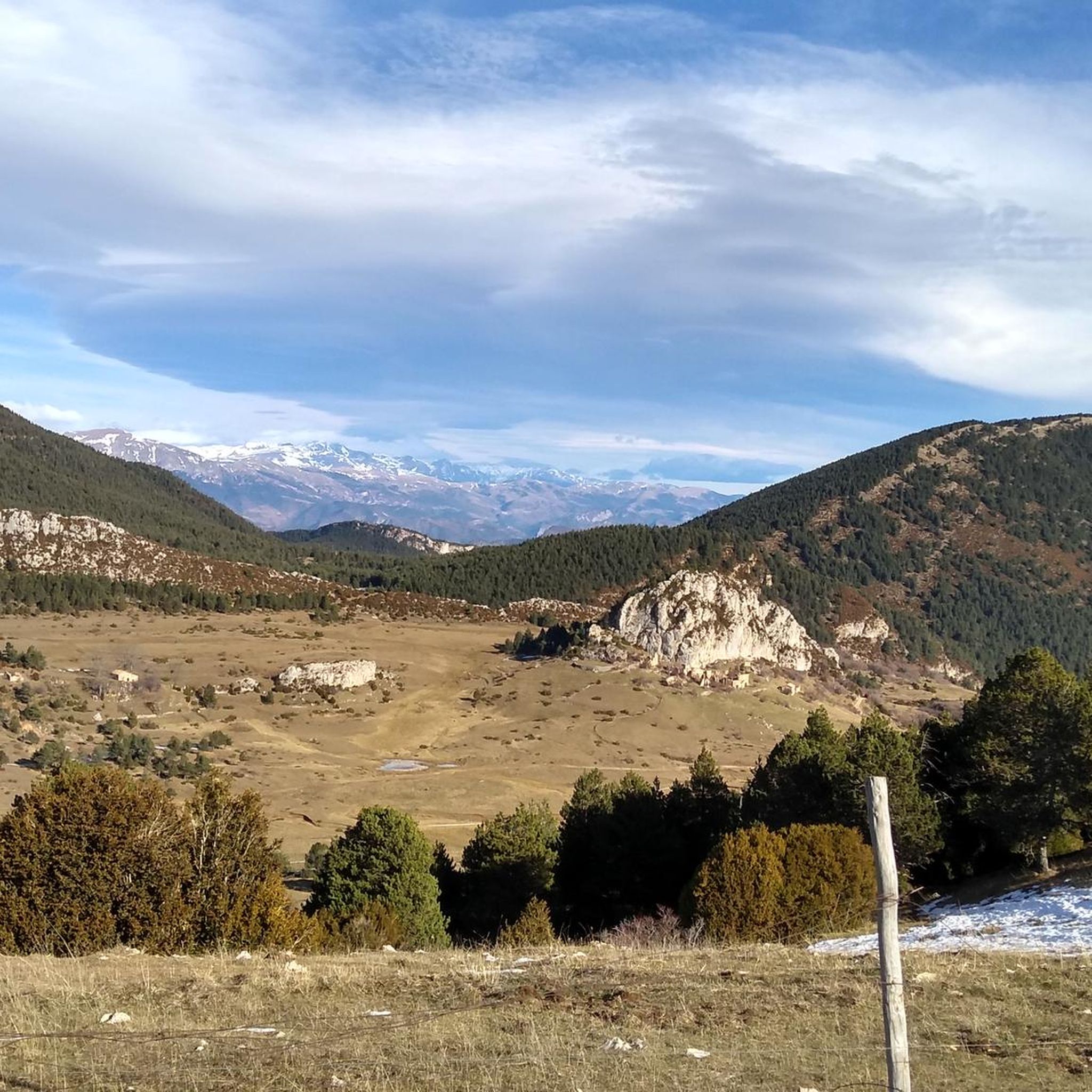
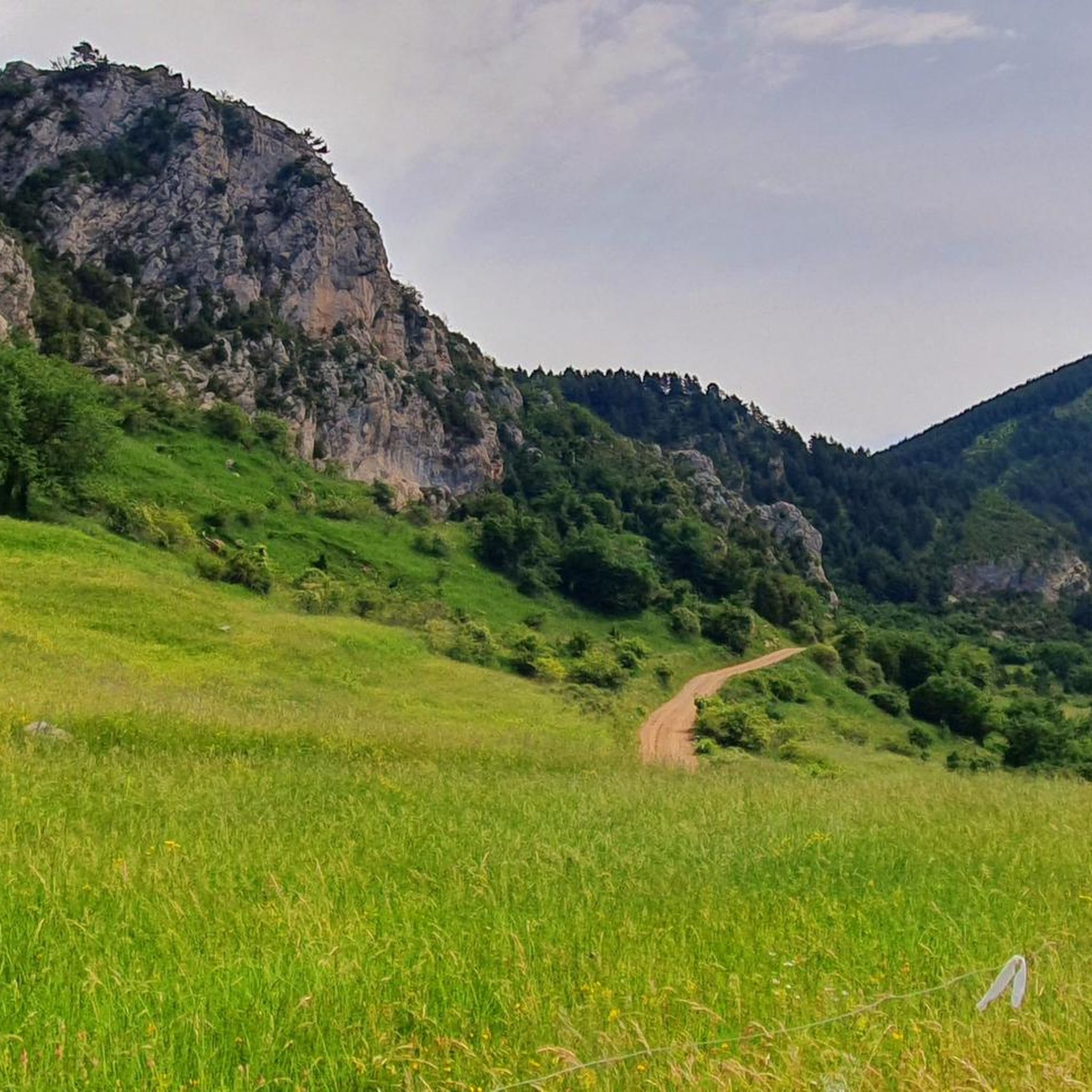
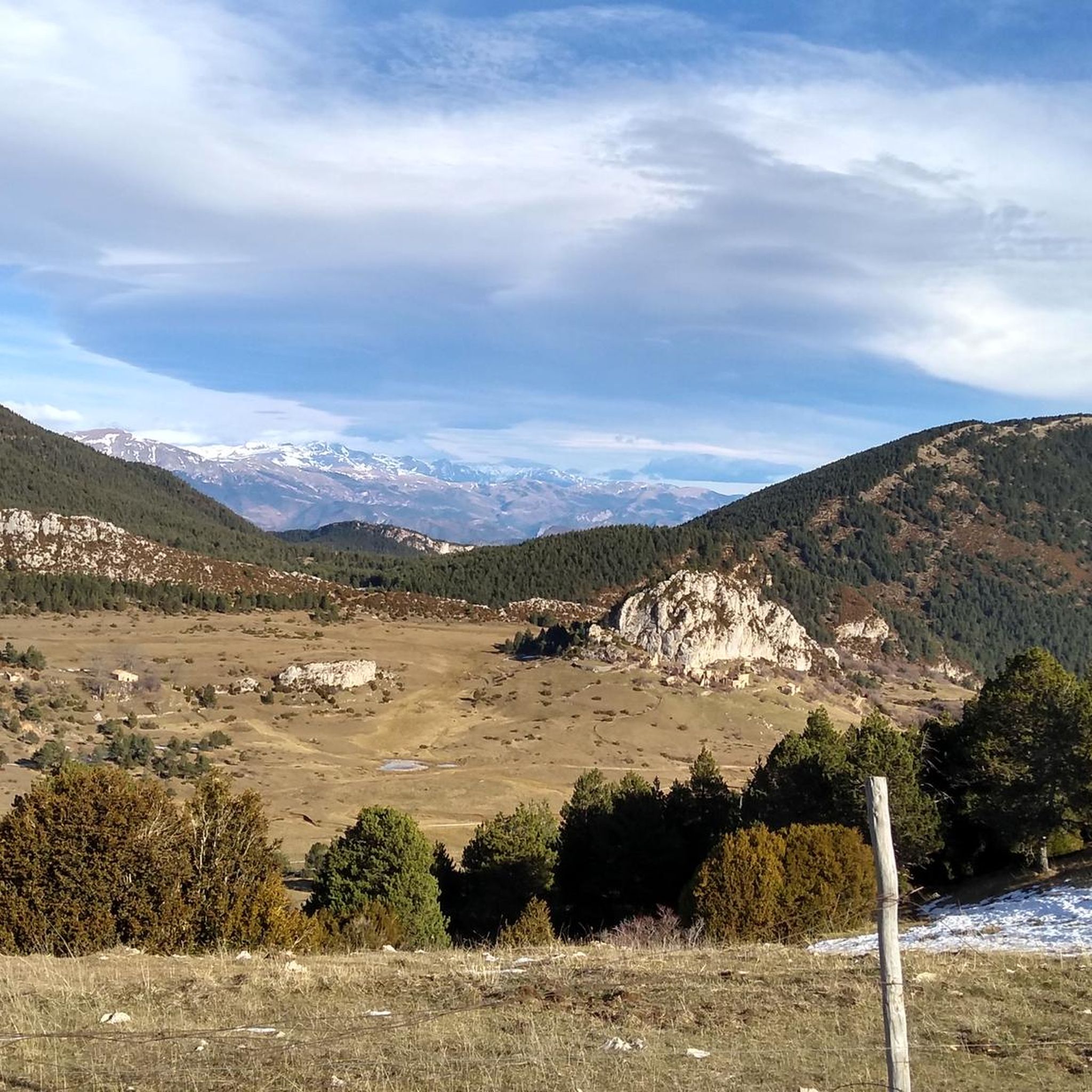
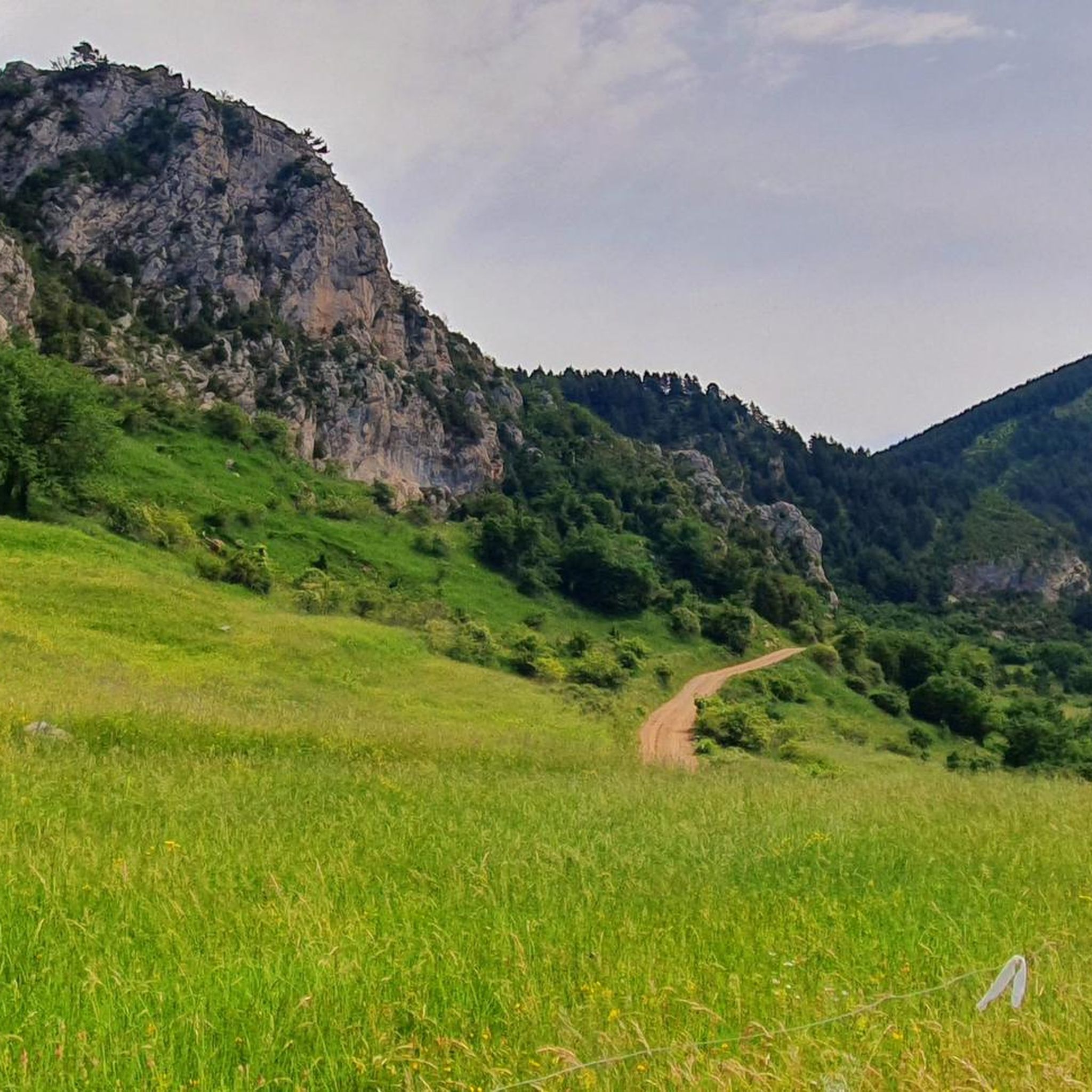
A magnificent vantage point. Blancafort Castle is a cultural asset of national interest. It is located on a rocky peak of the Sierra de Blancafort (1,176 m).
1
0

The first written references are from between the years 1068 and 1095. It still preserves a part of the exterior walls, the hermitage of Santa Maria and the patio. There is also a large room from the 13th century, covered with a pointed vault and a semicircular arch door. The hermitage of Santa Maria del Castillo is a small church, of which there is news from the 13th century when it was the castle church. , consists of a small nave topped by an oval apse and covered with a pointed vault
0
0

It is a very well preserved mountain town, located in a unique enclave. If you cycle through on a long-distance route, there is a bar in the town's main square that is very pleasant, especially on hot days.
0
0

Gósol is a small, but spectacular, mountain town in the heart of the Cadí-Moixeró natural park. Apart from having the ruins of an ancient castle, it enjoys magnificent views of the surrounding mountains. Its location makes it ideal to start routes or make a stop along the way. Just as Picasso himself did in 1906, who is said to have changed his style after a brief stay.
0
0

The ruined castle of Saldes dates back to the 11th century. A Gothic vaulted hall is well preserved below the imposing walls of the main building. Next to it is a small church.
0
1

Documented in 1095 and under the rule of the counts of Cerdanya, this fortification is built on the ancient remains of an Iberian defensive construction. The castle was considerably enlarged during the 13th century, connecting its walls with those of the city of Berga. Scene of conflicts and assaults, it was rebuilt again in the 18th century and again in the 19th century, due to the fact that Berga was the center of the Carlist wars.
2
0

Castle from the 11th century around which the old town of Gósol has developed. Now it is in ruins, but you can still see the streets, the walls and the old tower next to the church of Santa María.
1
0
Church of the XI century, now completely open and in ruins. Next to the nave there is an old castle tower later used as a bell tower. It is possible to climb to the top through a modern metal staircase inside. Very good view of the surroundings and Pedraforca.
1
0
Frequently Asked Questions
What are the most notable castles to visit around Fígols?
Beyond the local Castell de Fígols ruins and the historicist Torre del Comte de Fígols, other significant sites include Castell de Saldes and Santa Maria del Castell Chapel, which preserves parts of its exterior walls and a Gothic vaulted hall. You can also explore Gósol Village and Castle Ruins, offering magnificent mountain views, and Castell de Sant Ferran, built on ancient Iberian defensive remains.
Are there any family-friendly castles or activities near Fígols?
Yes, Gósol Village and Castle Ruins is noted as family-friendly, offering a chance to explore ancient ruins and enjoy the surrounding mountain views. The area also has the Fumanya paleontological site with dinosaur footprints, which can be an engaging activity for families.
What kind of historical significance do the castles around Fígols hold?
The castles in the Fígols area span various historical periods. The Castell de Fígols is a medieval ruin first documented in 1062, reflecting ancient feudal structures. Castell de Saldes dates back to the 11th century, and Castell de Sant Ferran was built on Iberian defensive remains and significantly enlarged in the 13th century. The Torre del Comte de Fígols, while not medieval, is an early 20th-century mansion built in a historicist style, representing the region's industrial heritage and the influence of mining entrepreneurs.
Can I find good viewpoints at the castles in the Fígols region?
Many castles in the region offer excellent viewpoints. Gósol Village and Castle Ruins provides magnificent views of the surrounding mountains. Similarly, Gósol Castle, though in ruins, allows visitors to climb an old tower for a very good view of the surroundings and Pedraforca. Blancafort Castle is also described as a magnificent vantage point.
What outdoor activities can I do near these castles?
The Fígols area, set against the backdrop of Berguedà's natural landscapes, offers various outdoor activities. You can find cycling routes like the 'Rasos de Peguera - Circular from Berga' or 'Pedraforca 360º' for touring bicycles. For mountain biking, trails such as 'Cingles de Vallcebre' or 'Track to Vallcebre Road – Saldes River Trail' are available. Gravel biking options include routes like 'Llobregat Greenway Bridge – Graugés Lake loop'. You can find more details on these activities in the Cycling around Fígols, MTB Trails around Fígols, and Gravel biking around Fígols guides.
Are there hiking trails around the castles near Fígols?
While specific hiking trails directly linked to each castle are not detailed, the region is known for its natural landscapes and offers many opportunities for walking and hiking. The area around Gósol Village and Castle Ruins is ideal for starting routes or making a stop. Many of the cycling and MTB routes mentioned in the nearby guides can also be adapted for hiking or walking, offering scenic paths through the Berguedà region.
What is the best time to visit the castles around Fígols?
The Berguedà region, where Fígols is located, experiences varied weather. Spring and autumn generally offer pleasant temperatures for exploring historical sites and engaging in outdoor activities like hiking and cycling. Summer can be warm, especially at lower altitudes, while winters can be cold, particularly in the mountainous areas. Checking local weather forecasts before your visit is recommended.
What do visitors enjoy most about the castles in the Fígols area?
Visitors appreciate the tangible connection to the region's ancient past offered by the medieval ruins, such as the Castell de Fígols. The unique historicist design of the Torre del Comte de Fígols and its connection to industrial heritage also fascinate many. The magnificent views from sites like Gósol Village and Castle Ruins and the well-preserved Gothic hall at Castell de Saldes are also highly valued by explorers.
Are there any hidden gem castles or lesser-known historical sites to explore near Fígols?
While the Castell de Fígols itself is a ruined medieval site that invites imagination, the Torre del Comte de Fígols, an abandoned early 20th-century mansion, offers a unique experience for those interested in urban exploration and industrial heritage. Its distinctive architecture and storied past make it a compelling, though less conventional, historical site.
Is public transport available to reach the castles around Fígols?
Fígols is a small municipality, and while specific public transport routes directly to each castle might be limited, it's generally advisable to check local bus schedules or consider driving for greater flexibility when visiting the various castles scattered across the Berguedà region. For connections to larger cities like Barcelona, public transport options would typically involve reaching a larger town in Berguedà first.
Are there any dog-friendly routes or areas around the castles?
The natural landscapes surrounding the castles in the Fígols area, including many hiking and walking trails, are generally dog-friendly. However, it's always recommended to keep dogs on a leash, especially in areas with wildlife or near historical ruins, and to check specific site regulations before visiting. The open spaces of the Berguedà region offer ample opportunities for walks with your dog.
Most popular routes around Fígols
Most popular attractions around Fígols

Get inspired with the komoot mobile app


Explore more
Looking for the best castles somewhere else? Discover other guides around Fígols:
