Top 4 Caves around Capçanes
Best caves around Capçanes are primarily known for their significant collection of prehistoric rock paintings, rather than traditional geological formations. These archaeological sites are concentrated across 19 locations within the Barranc de la Vall and Barranc de Parellada ravines. This area holds the largest discovery of cave art in Catalonia since the early 1980s, offering insight into ancient communities. The sites feature extensive depictions, including human and animal figures, and are considered among the oldest rock art in the region.
…Last updated: October 6, 2026
Nadell Cave
Highlight • Cave
22 meter long cave in L'Hospitalet de l'Infant.
Cave with an opening of 14 x 19 meters. Inside, the ascending gallery measures 11 x 8 meters, almost at …
Translated by Google •
Tip by

Llena Caves
Highlight • Cave
Translated by Google •
Tip by

Sign up now to discover places like this
Get recommendations on the best single tracks, peaks, & plenty of other exciting outdoor places.
Els Meners Mines
Highlight (Segment) • Cave
Translated by Google •
Tip by
Rock Art Shelter of Grauet de les Mugues
Highlight • Historical Site
You can see human figures, a goat and other vague silhouettes.
It is close to the point where the Grauet de les Mugues begins to climb.
Translated by Google •
Tip by
Els avencs del Masroig
Highlight • Cave
Translated by Google •
Tip by

Start today with a free account
Your next adventure awaits.

Tips from the Community

For the Avencs Pass, it can be very useful to carry some ropes to help you climb the large rocks.
0
0

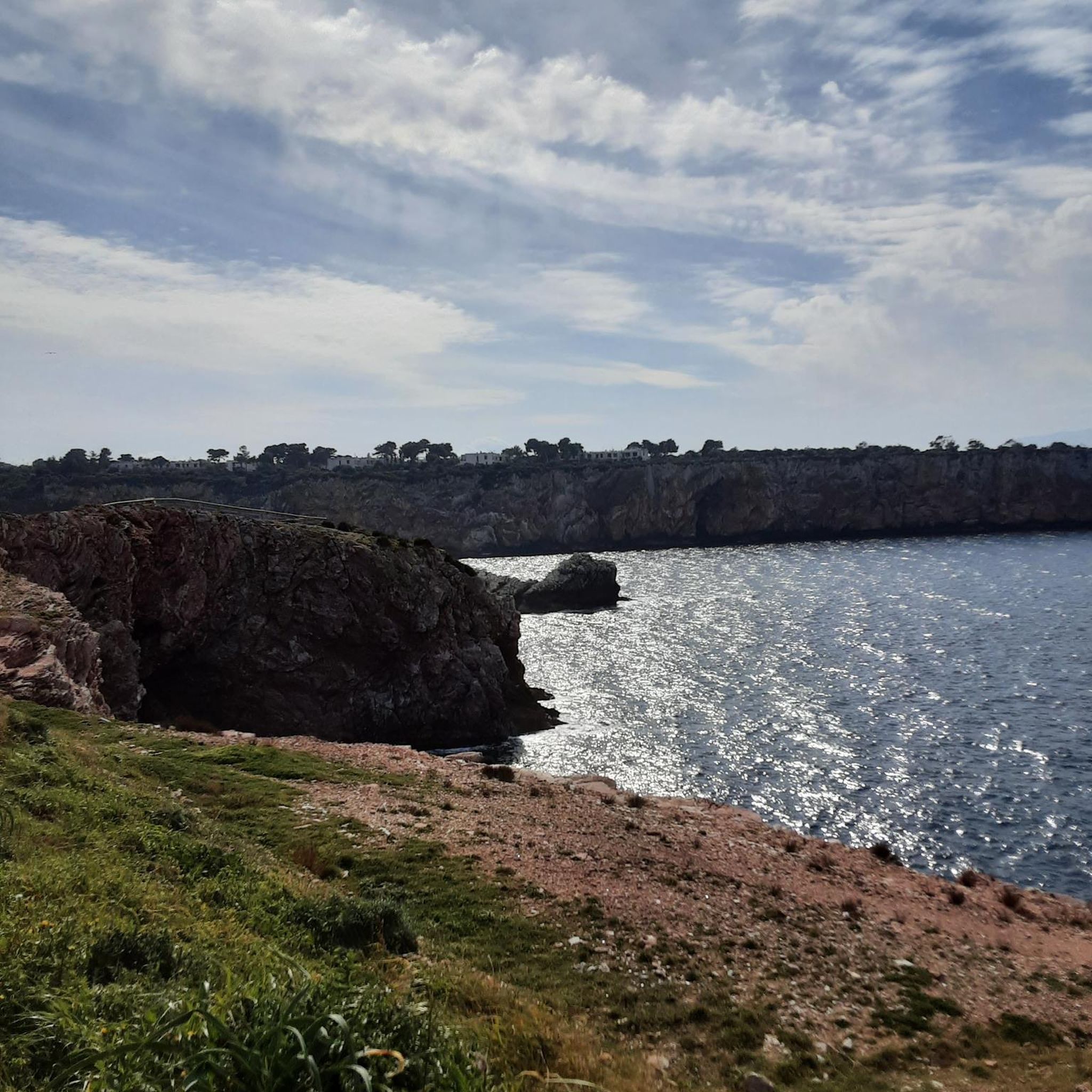
The view of the sea and the coast is fantastic
0
0

needle cave 22 meter long cave in L'Hospitalet de l'Infant. Cave with an opening of 14 x 19 meters. Inside, the ascending gallery measures 11 x 8 meters, almost at the end and on the right there is a short gallery ending in a small room of 3 x 1.50 x 3.45 meters.
9
0

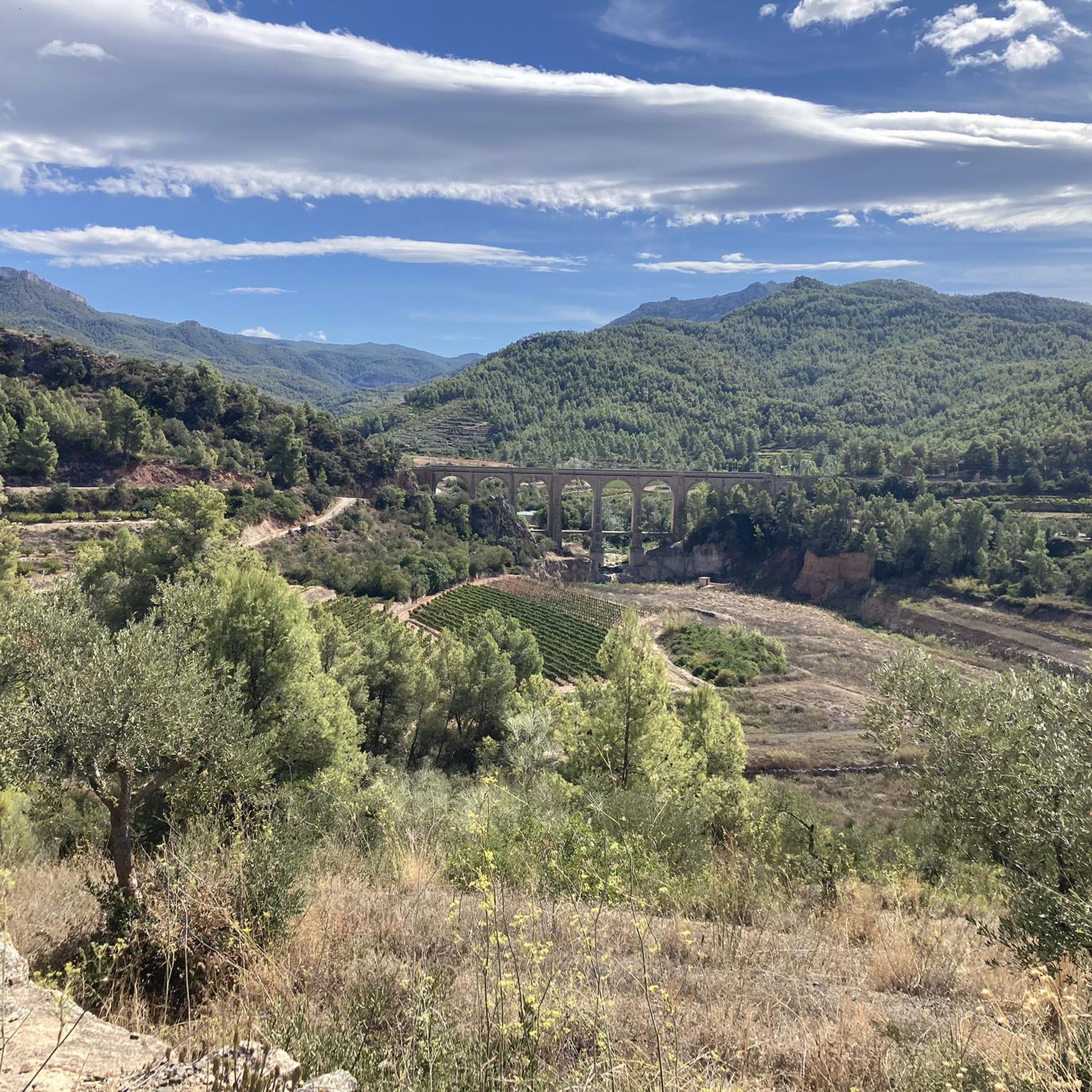
It is a balma 25 meters wide by 7.86 meters deep and 8 meters high. The floor of the balma is on an inclined plane of 14º and inside there are some drips that fall from the ceiling, in addition we also find some climbing routes. Going up from Tivissa, on the curve of the road before the balma, we find another balma, this one circular in shape of about 5 meters in diameter but only about 3 meters deep, in the set of both known as Llena caves.
0
0
There are four separate mouths that give entrance to the mines, the most beautiful are the no. 1, 3 and 4 the latter has two galleries. The mouth no. 2 is on the other side of the signpost, and has a small landing where the miners probably lived. Little is known about these mines, as they were probably mined by outsiders. It seems that they were operational from the middle to the end of the 19th century, from where galena - now depleted - and low quality iron (goethite) were extracted, which were commonly called ores.
0
0
Coat where you can see what look like cave paintings (pending confirmation). You can see human figures, a goat and other vague silhouettes. It is close to the point where the Grauet de les Mugues begins to climb.
0
0
Frequently Asked Questions
What makes the caves around Capçanes unique?
The caves and rock shelters in Capçanes are primarily renowned for their exceptional collection of prehistoric rock paintings, rather than traditional geological formations. These archaeological sites represent the largest discovery of cave art in Catalonia since the early 1980s, offering a rare glimpse into ancient communities and their beliefs.
Can I see ancient rock art in the Capçanes area?
Yes, Capçanes is a significant hub for cave art in Catalonia. You can visit sites like the Rock Art Shelter of Grauet de les Mugues, which displays human figures, a goat, and other silhouettes. The region features approximately 150 human and animal figures across 19 different sites.
Are there guided tours available for the Capçanes cave paintings?
Yes, the Capçanes City Council, in collaboration with the Generalitat de Catalunya's Department of Culture, offers guided tours. These typically take place on the first Saturday of every month, and group visits can be arranged by reservation. Tours usually last about three hours and cover rock art in both the Barranc de la Vall and Barranc de la Parellada.
What kind of geological features can I explore besides rock art?
Beyond the rock art, you can explore natural balmas and historical mine entrances. For example, Llena Caves is a large balma where you can observe drips falling from the ceiling and find climbing routes. You can also visit Els Meners Mines, which are historical mine entrances from the 19th century.
Are there any caves with scenic views?
Yes, Nadell Cave, a 22-meter-long cave, offers fantastic views of the sea and the coast from its location in L'Hospitalet de l'Infant.
What is the best time to visit the Capçanes caves?
While specific seasonal recommendations for the caves are not provided, guided tours are available year-round, typically on the first Saturday of each month. For outdoor activities in the region, spring and autumn generally offer the most pleasant weather for exploring.
Are there family-friendly options for visiting the caves?
The guided tours of the rock art sites are suitable for families interested in history and culture. These tours often combine vehicle transport with walking, making them accessible. However, some geological sites like Els avencs del Masroig are challenging and may require ropes, making them less suitable for young children.
What outdoor activities can I do near the Capçanes caves?
The Capçanes area offers a variety of outdoor activities. You can find numerous road cycling routes, mountain hikes, and gravel biking trails. For mountain hikes, consider routes like the 'Mountaineering loop from Colldejou' or the 'Cova de la Llena loop from Tivissa'. Explore more options on the Mountain Hikes around Capçanes guide.
Are there hiking trails that incorporate cave visits?
Yes, some hiking routes in the area can lead you to or near cave sites. For instance, the 'Cova de la Llena loop from Tivissa' is a difficult mountain hike that includes the Llena Caves. Another option is the 'Nadell Cave loop from l'Hospitalet de l'Infant', which visits Nadell Cave. You can find more details in the Mountain Hikes around Capçanes guide.
What should I bring when visiting the cave art sites?
For guided tours of the rock art sites, comfortable walking shoes are recommended as tours involve walking. It's also advisable to bring water, sun protection, and a camera. If you plan to explore more challenging geological features like Els avencs del Masroig, carrying ropes might be useful for navigating large rocks.
Where can I find accommodation or places to eat near Capçanes?
Capçanes is a small town in the Priorat region, known for its wine. You can find local cafes and restaurants within the town itself. For accommodation, there are options ranging from rural guesthouses to hotels in Capçanes and nearby towns, offering a chance to experience the local culture and cuisine.
Most popular routes around Capçanes
Most popular attractions around Capçanes

Get inspired with the komoot mobile app


Explore more
Extend your search for the best caves by checking out these guides of the top ones around Capçanes:
