Top 12 Gorges around Órgiva
Best canyons around Órgiva are situated in the Alpujarras region of Granada, offering access to various canyons and barrancos. This area, located in the Sierra Nevada foothills, provides diverse experiences for outdoor enthusiasts. The landscape features significant vertical walls, distinctive rock formations, and clear waters, suitable for exploration. The region is known for its natural beauty and varied terrain.
Best canyons around Órgiva
- The most popular canyons is Cahorros de Nigüelas Waterfall, a waterfall that maintains water flow even during dry periods. This highlight includes a short section with a ladder and rope, making it accessible for various visitors.
- Another must-see spot is Path through the Trevélez Gorge, a gorge featuring a narrow path leading down to a bridge over the Río Trevélez. This path connects to the GR-142 long-distance hiking trail, offering a route between villages.
- Visitors also love El Salado Ravine, a gorge named after the resilient Verdelaga bush. This ravine is characterized by its ferruginous and carbonated waters, which contribute to its unique mineral content.
- Órgiva is known for its waterfalls, gorges, and ravines. The area offers a variety of canyons to see and explore, from technical routes to more accessible paths.
- The canyons around Órgiva are appreciated by the komoot community, with more than 40 upvotes and over 20 photos shared by visitors.
Last updated: May 6, 2026
Cahorros de Nigüelas Waterfall
Highlight • Waterfall
Translated by Google •
Tip by

Tajo de Cortés Waterfall
Highlight • Waterfall
Translated by Google •
Tip by

Sign up now to discover places like this
Get recommendations on the best single tracks, peaks, & plenty of other exciting outdoor places.
Sign up for free
Path through the Trevélez Gorge
Highlight • Gorge
Translated by Google •
Tip by

El Salado Ravine
Highlight • Gorge
Translated by Google •
Tip by
Interesting Trail in a Narrow River Valley
Highlight (Segment) • Trail
Translated by Google •
Tip by
Sign up for free to discover even more gorges around Órgiva.
Sign up for free
Already have an account?
Start today with a free account
Your next adventure awaits.
Login or Signup
Popular around Órgiva
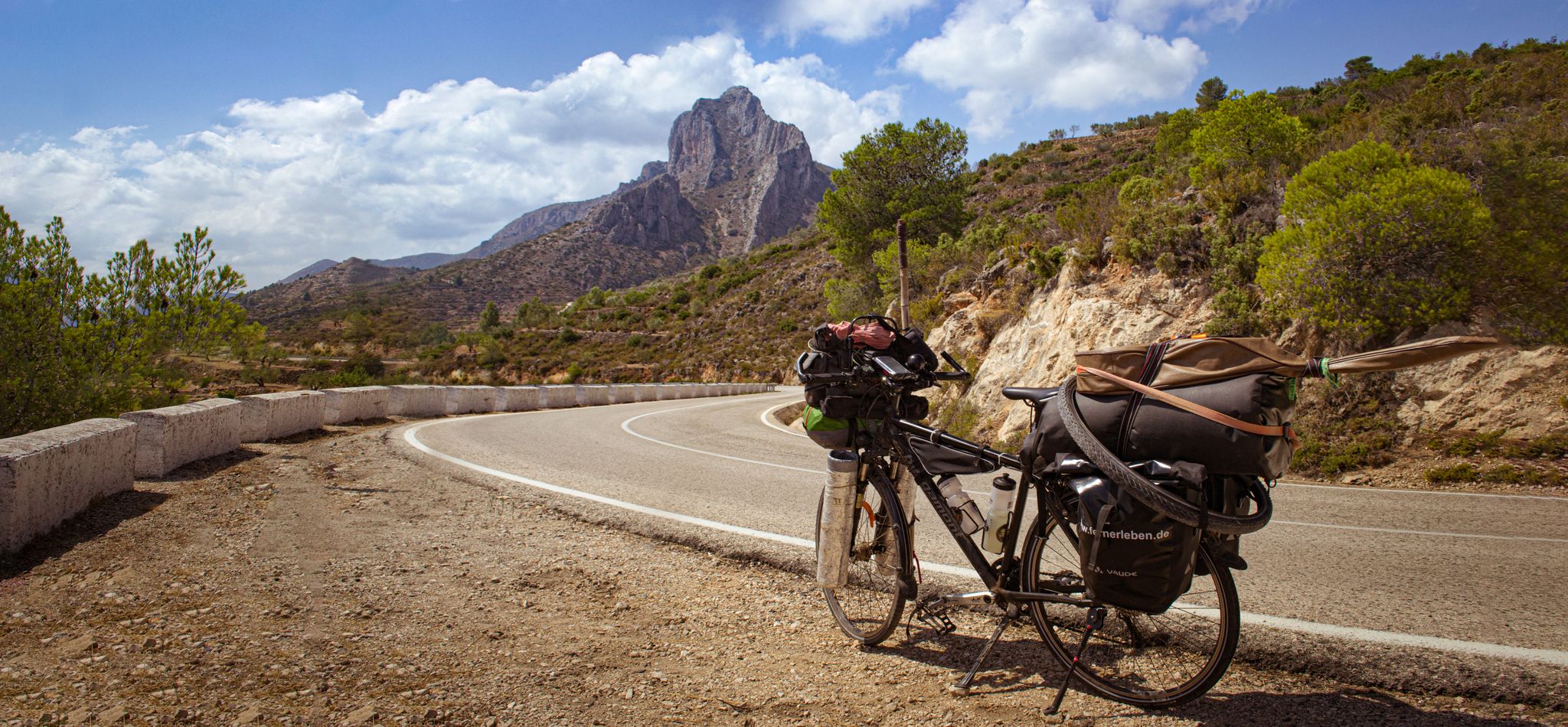
On the road to the sun — bikepacking to southeast Spain
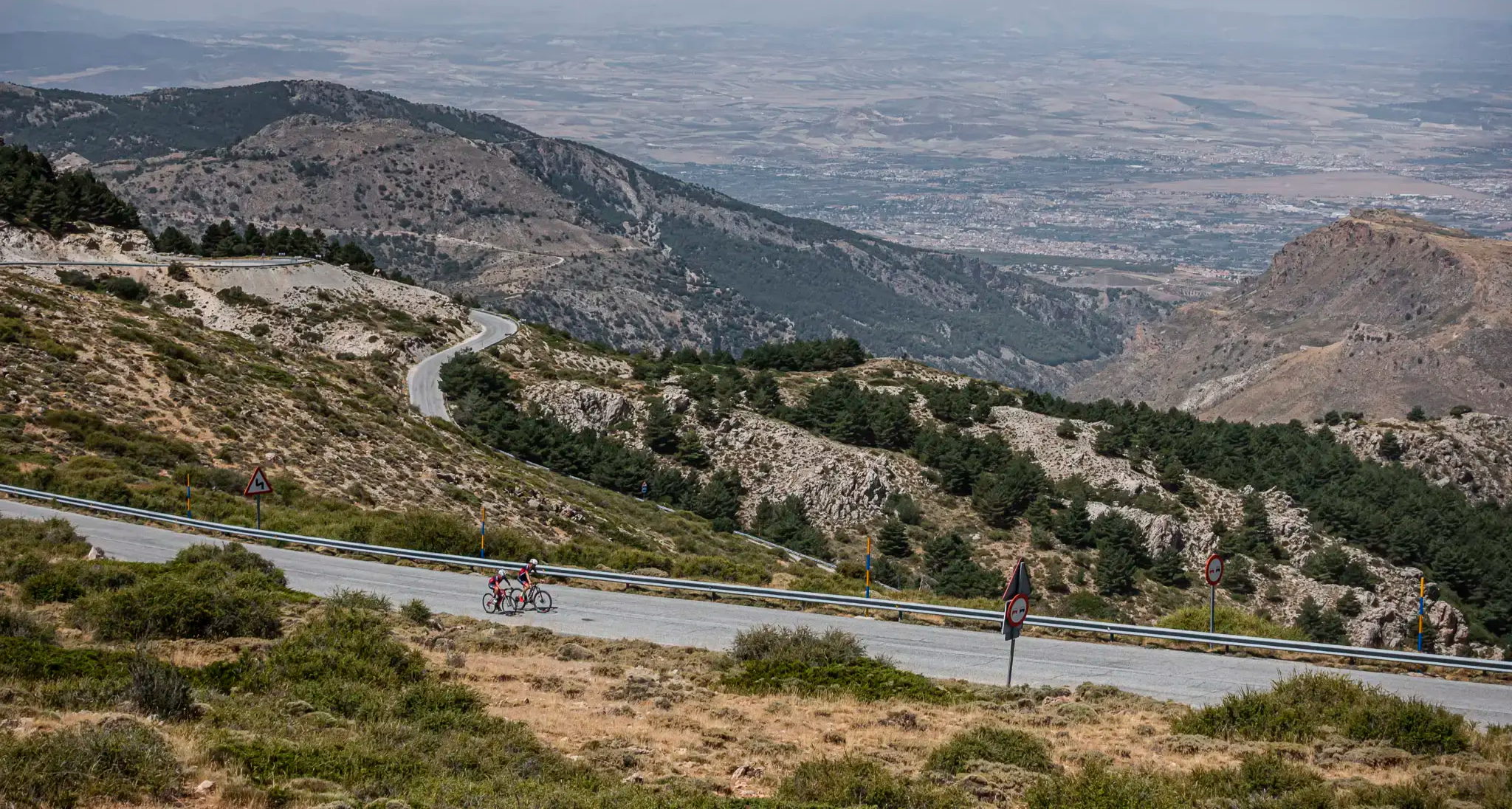
The challenge of the south - Routes through Sierra Nevada
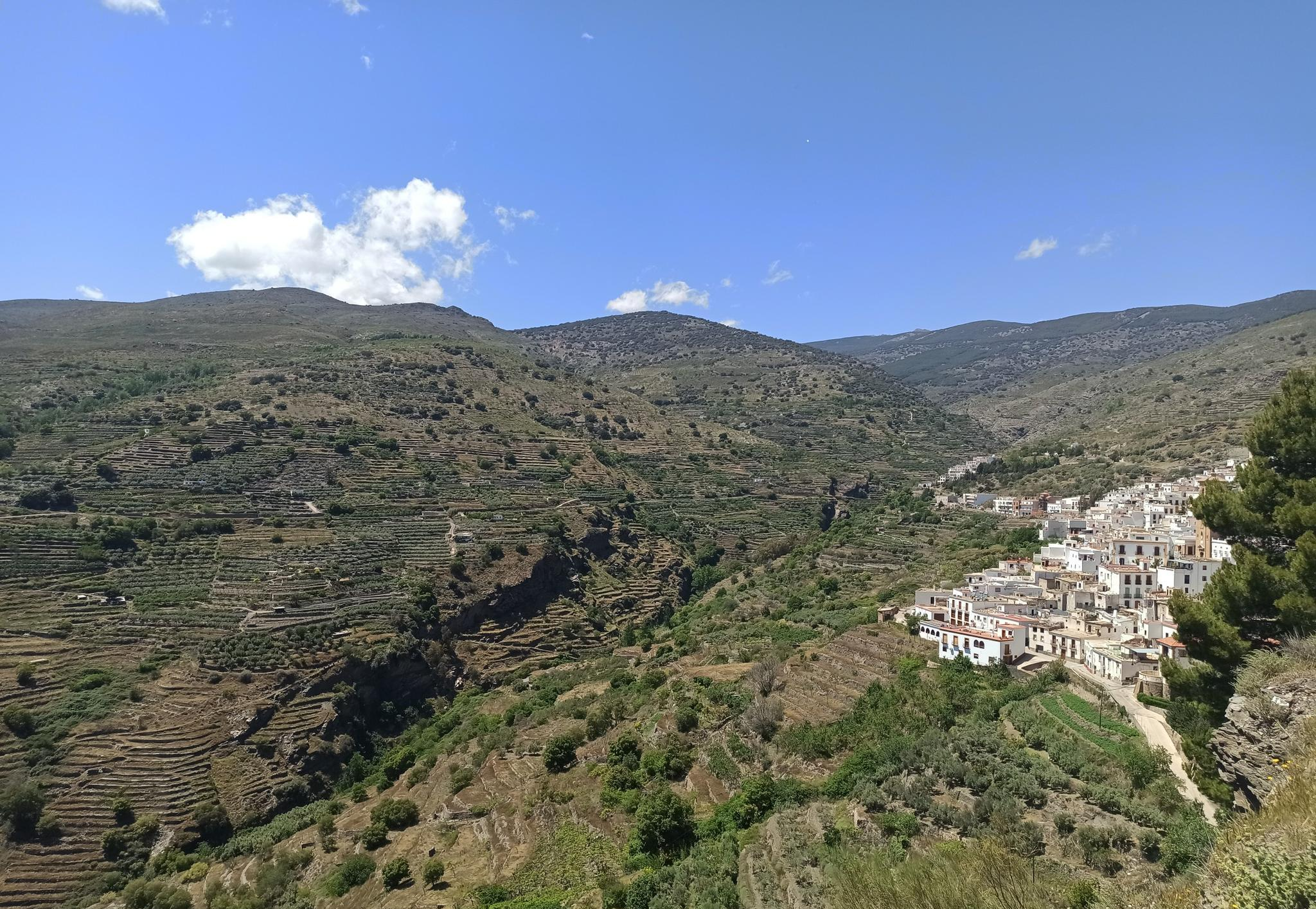
Among white villages - Path of the Alpujarra (GR 142)
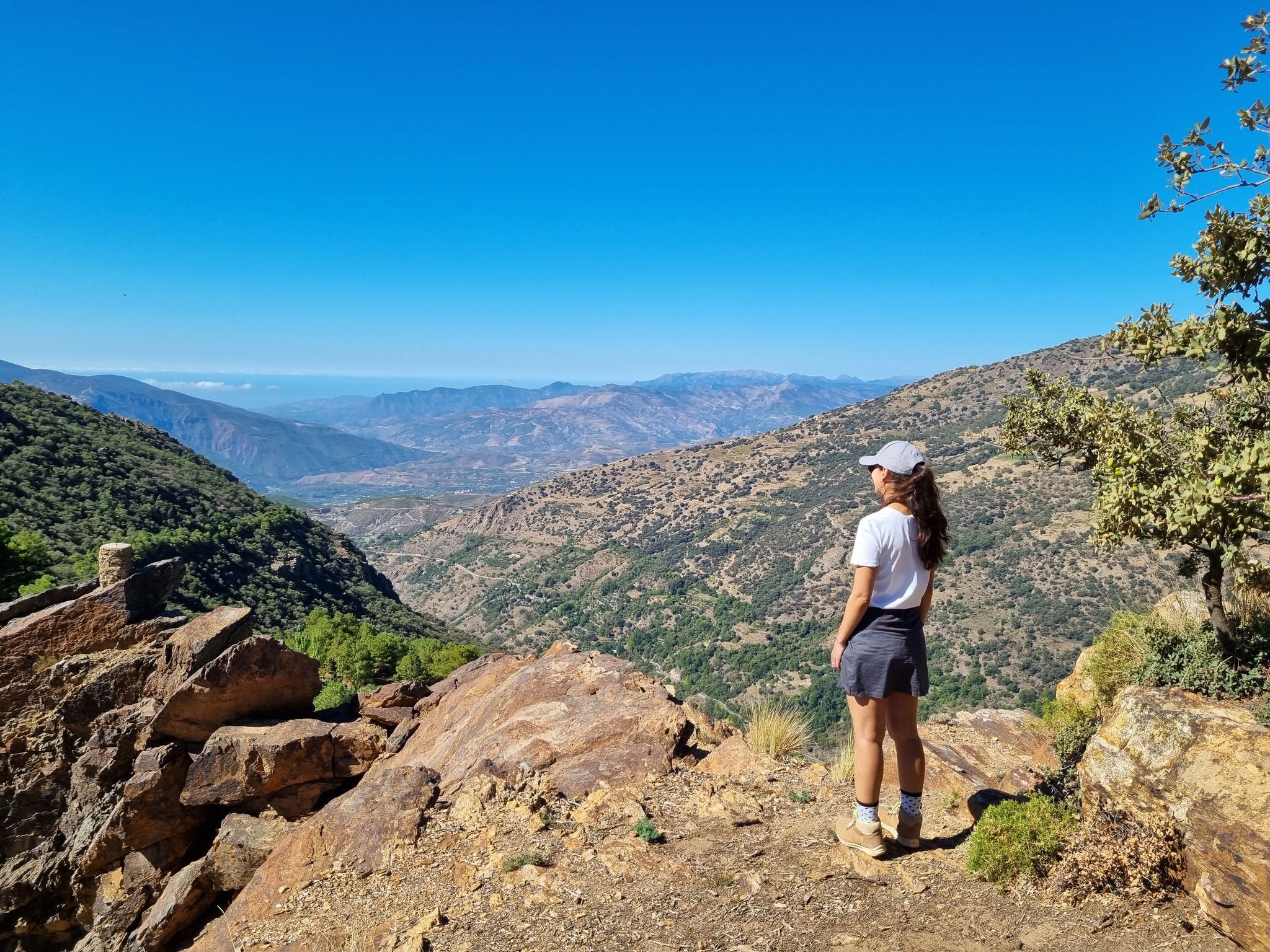
Lanjarón to Trevélez – five days in the Alpujarra of Granada
From the Alcazaba to the Alcazar – an Andalusian Adventure
Hiking around Órgiva
MTB Trails around Órgiva
Road Cycling Routes around Órgiva
Cycling around Órgiva

Gravel biking around Órgiva
Other adventures around Órgiva


Tips from the Community

Exciting path on the eastern slope of the Poqueira River between Capileira and the Abuchite bridge over the river with magnificent views into the valley.
1
0

It is a short section, with a ladder and a rope, which the little ones usually like.
0
0

The Tajo de Cortés Waterfall is an impressive waterfall located in the Alpujarra Granadina, near the towns of Pitres and Pórtugos in Andalusia. Two routes that will take you to this beautiful waterfall: Sendero PR-A 29 from Pórtugos or the somewhat shorter Circular Route from Pitres.
1
1

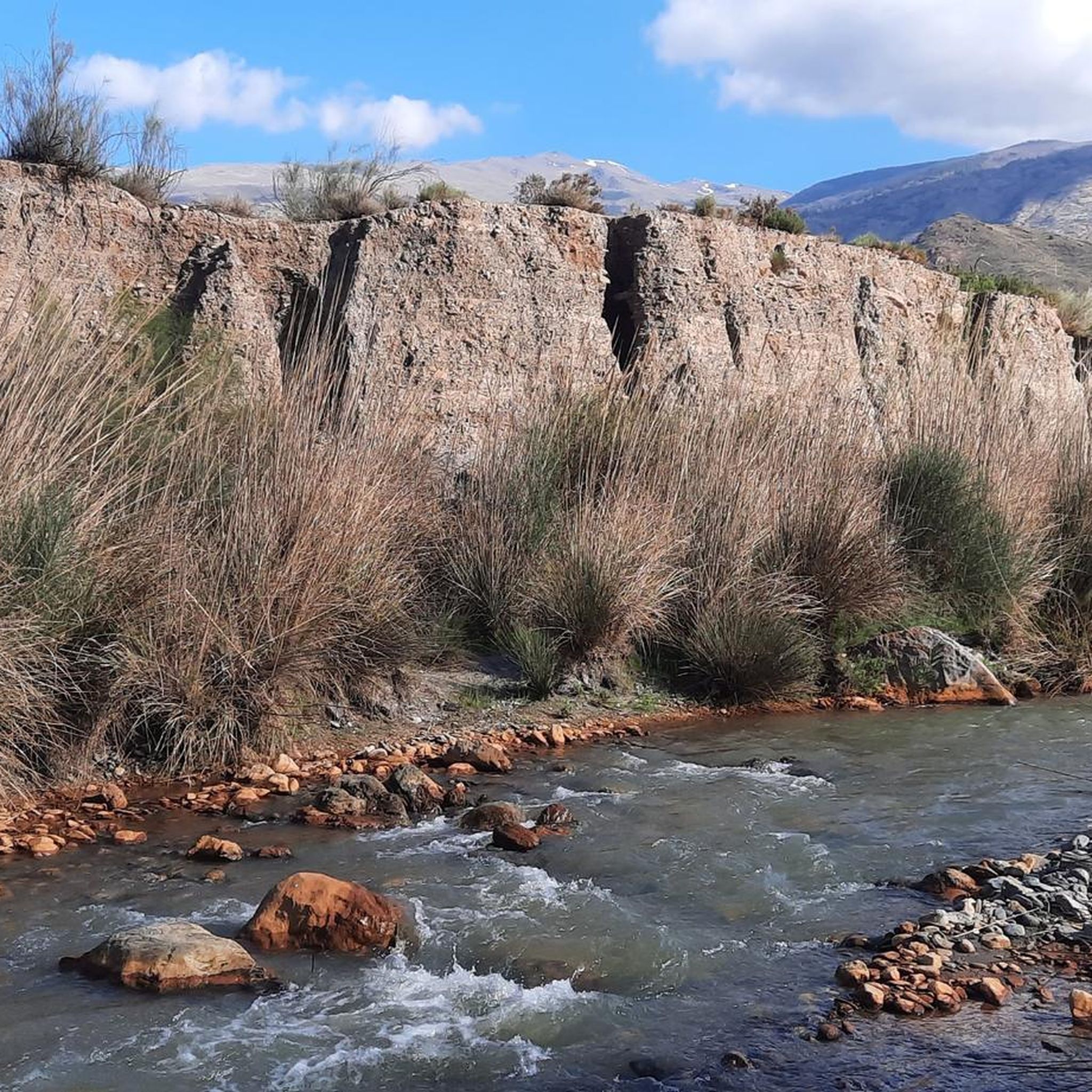
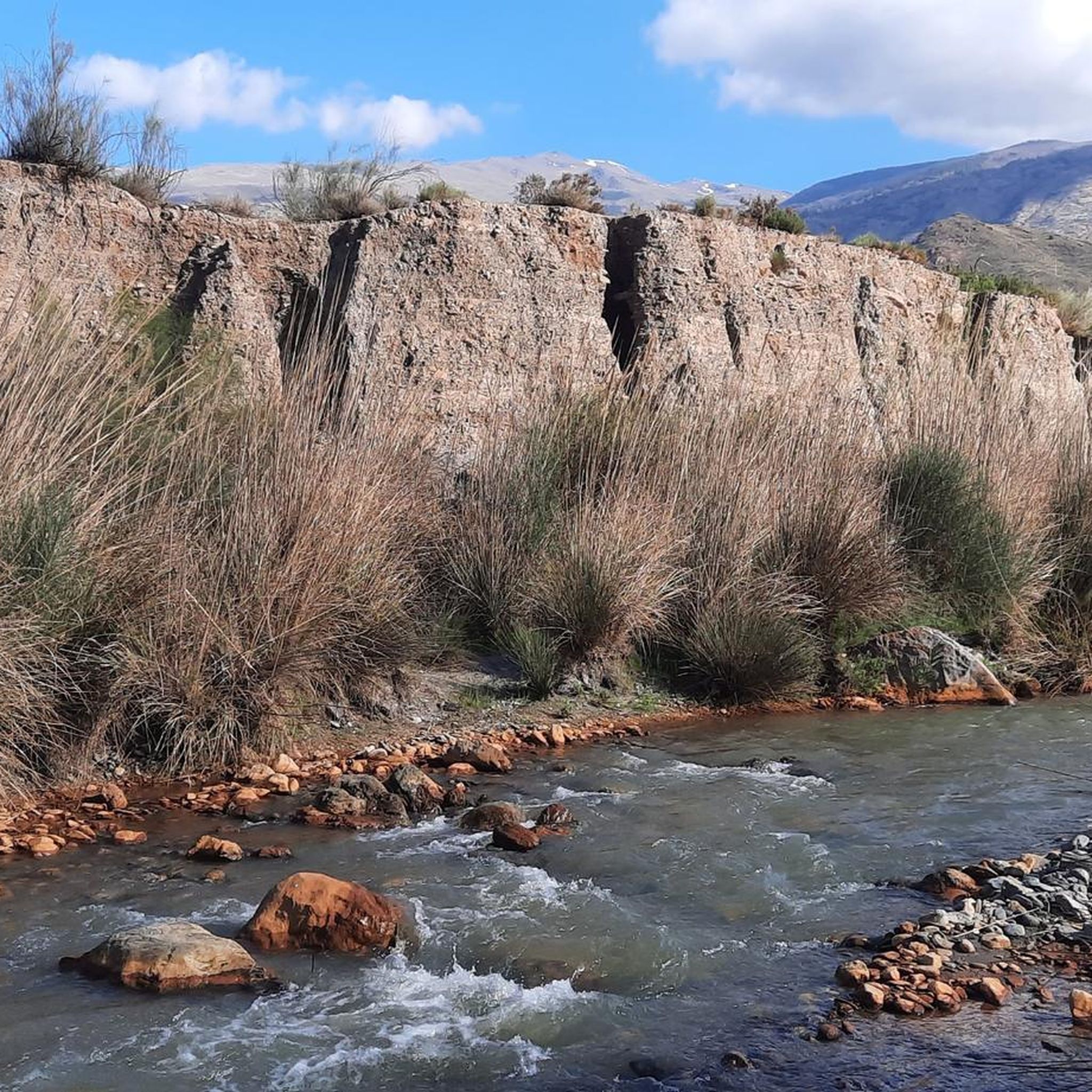
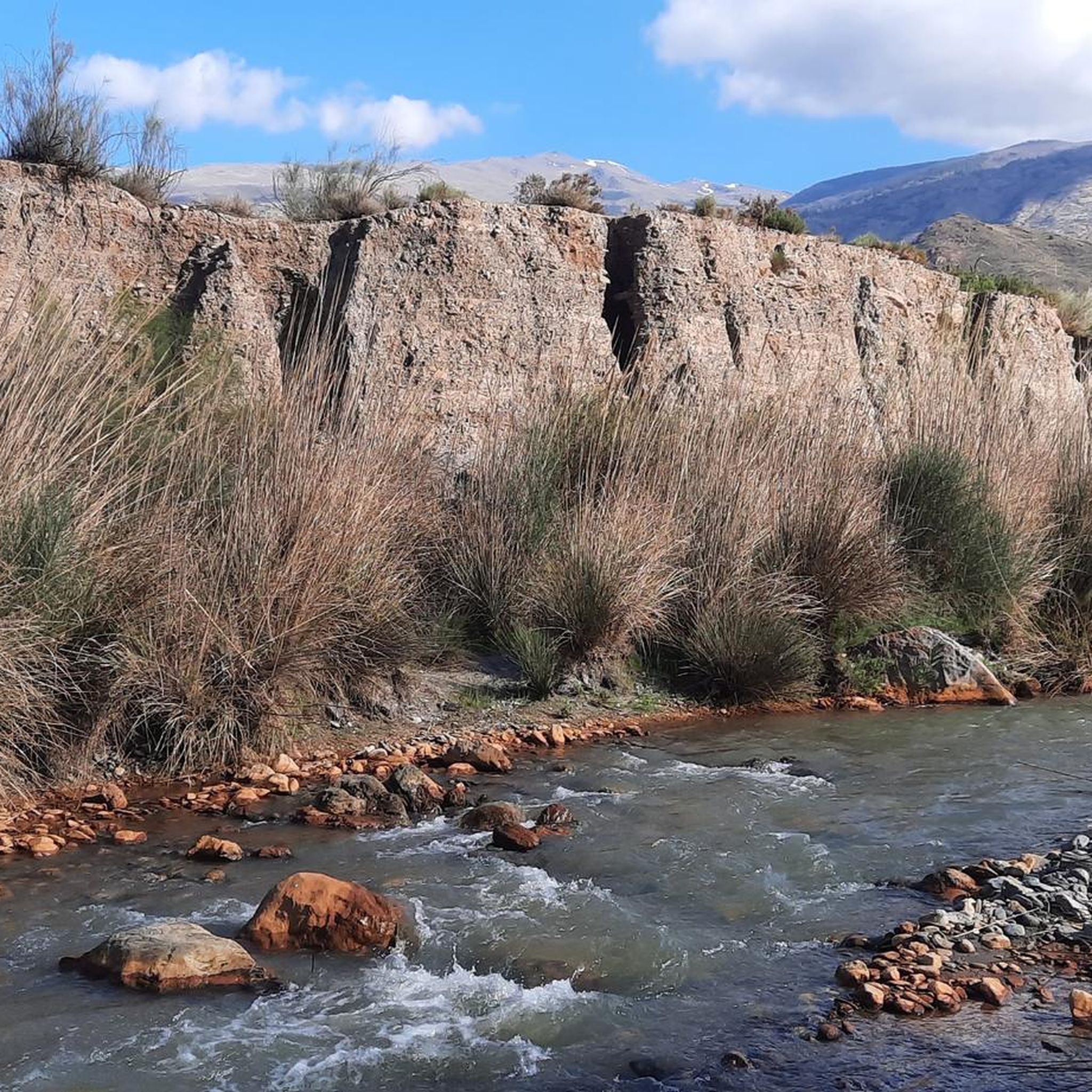
This ravine is named after the dry or salty Verdelaga bush, which resists very well waters with a high content of salts and minerals like those of this ravine, which are ferruginous and carbonated.
0
1
15 m waterfall on the Bermejo river, in the municipality of Pórtugos. The river is born from the confluence of the ravines of La Chorrera and El Jabali. Through waterfalls like this one, the Bermejo River bridges a 900-meter drop in just 3.5 kilometers.
2
0
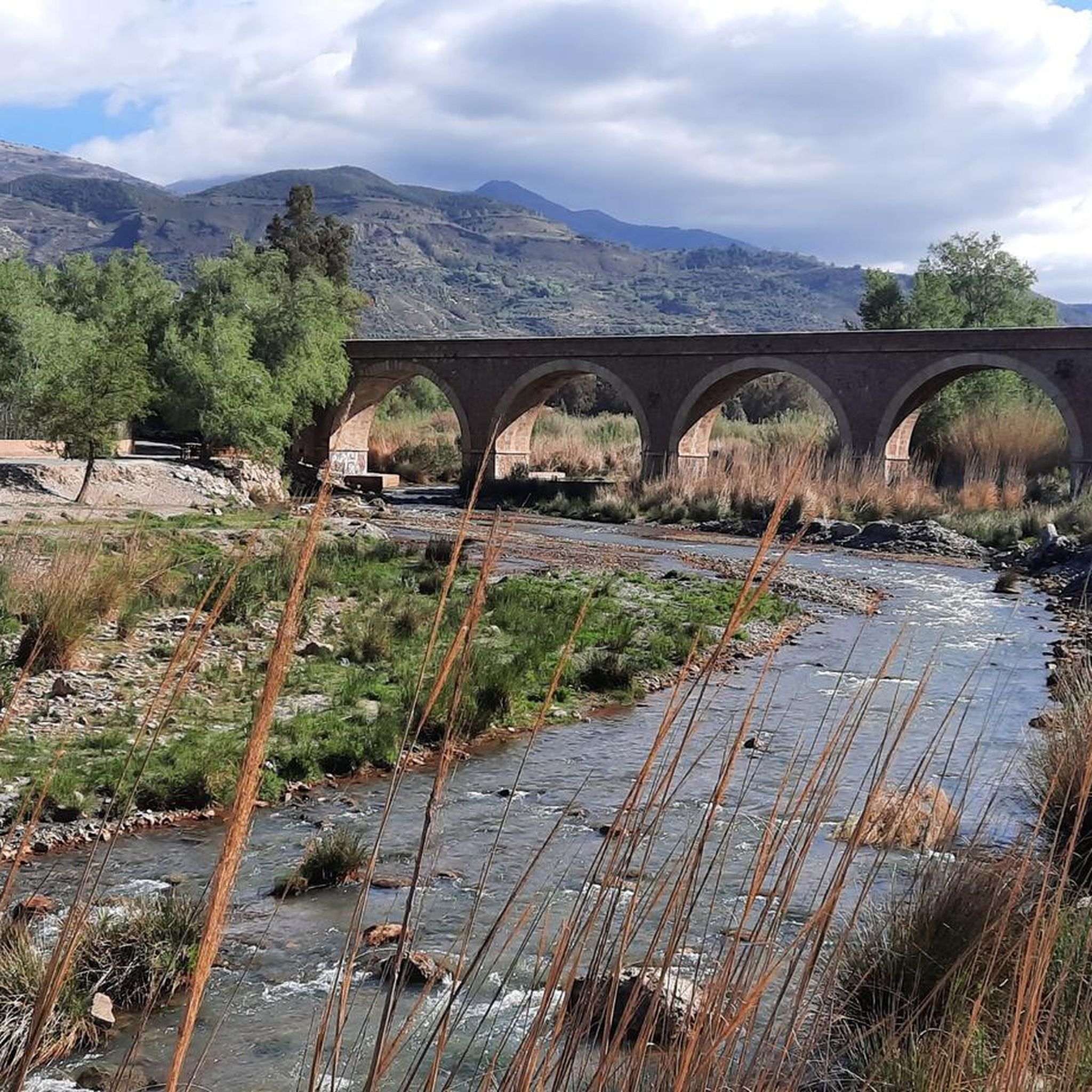
From here, a narrow but clear path (unfortunately not shown on the map!) leads down into the gorge to a bridge over the Rio Trevelez and thus to the GR-142 long-distance hiking trail, which connects the two villages of Fondales (in the northwest) and El Aguadero (in the southwest) via this bridge. I couldn't mark this great trail as a section HL because Komoot doesn't tolerate it!
2
0

The way to the waterfall is not signposted. Next to the power station (Fábrica de la Luz) there is a footpath on the left that leads directly to the waterfall. A little further ahead, the path splits again, here you have to keep left to get to the waterfall.
1
0
A great waterfall that still carries water even when it is very dry.
1
0
Frequently Asked Questions
What types of canyoning experiences are available near Órgiva?
The region around Órgiva offers a range of canyoning experiences, from technical and challenging routes to more accessible options. For experienced canyoners, the Río Trevélez is known for its spectacular vertical walls and unique reddish water, while Barranco de Poqueira offers technical descents amidst stunning views of the Alpujarran villages. For those new to canyoning or looking for a family-friendly option, the Palancón River provides an accessible entry point into the sport.
Are there any family-friendly canyoning or hiking options around Órgiva?
Yes, for canyoning, the Palancón River is noted as family-friendly and suitable for beginners. For hiking, the Cahorros de Nigüelas Waterfall is a popular spot, featuring a short section with a ladder and rope that children often enjoy. The area also has numerous walking routes, and the Barranco de Poqueira offers hiking opportunities alongside its cultural villages.
What are some notable natural features or landmarks to see in the canyons near Órgiva?
The canyons around Órgiva boast diverse natural features. The Río Trevélez is famous for its distinctive reddish-toned rocks and water due to high iron content. The El Salado Ravine is characterized by its ferruginous and carbonated waters. You can also find impressive waterfalls like the Cahorros de Nigüelas Waterfall and the 15-meter Tajo de Cortés Waterfall on the Bermejo river. The Río Verde is known for its spectacular limestone formations and clear waters.
What is the best time of year to visit the canyons around Órgiva for outdoor activities?
The region's climate generally supports outdoor activities for much of the year. However, for canyoning, the spring and early summer months (typically April to June) are often ideal, as water levels are good from snowmelt and temperatures are pleasant. Autumn (September to October) can also be excellent for both canyoning and hiking, with cooler temperatures and beautiful scenery. Always check local weather conditions before planning your trip.
Are permits required for canyoning in the Sierra Nevada region near Órgiva?
Yes, canyoning in some areas of the Sierra Nevada, especially within protected natural parks, may require permits. It is crucial to check the specific regulations for each canyon you plan to visit. For technical routes like Río Trevélez and Barranco de Poqueira, it is highly recommended to go with a qualified guide who will be familiar with permit requirements and safety protocols.
What are some advanced canyoning routes near Órgiva?
For experienced canyoners seeking a challenge, the Río Trevélez is considered an expert-level canyon with large vertical walls and technical descents. The Barranco de Poqueira is also a technical route, though slightly less difficult than Río Trevélez. Additionally, Río Bermejo near Capileira offers a short but technical route with significant vertical elements, including the Tajo de Cortés Waterfall.
Can I find hiking trails near the canyons of Órgiva?
Yes, the area around Órgiva and its canyons is rich with hiking opportunities. The Path through the Trevélez Gorge connects to the GR-142 long-distance hiking trail, offering routes between villages. The Barranco de Poqueira is also popular for hiking, allowing you to explore the iconic white villages. For more extensive hiking options, you can explore the Mountain Hikes around Órgiva guide.
What other outdoor activities are available near the canyons of Órgiva?
Beyond canyoning and hiking, the region offers various outdoor sports. You can find numerous mountain biking trails, such as those detailed in the MTB Trails around Órgiva guide, including routes through the Sierra de Lújar and near the Sierra Nevada National Park. Gravel biking is also popular, with routes like those found in the Gravel biking around Órgiva guide.
Are there any cultural or historical sites near the canyons?
Yes, the Barranco de Poqueira is not only a canyoning destination but also home to the three iconic white villages of Pampaneira, Bubión, and Capileira, which offer a rich cultural experience with their traditional architecture. Additionally, the Olías Caves in the Olías ravine are historical sites, formerly used as corrals.
What makes the Río Trevélez canyon unique?
The Río Trevélez canyon is particularly unique due to its spectacular and impressive large vertical walls and distinctive reddish-toned rocks and water, which result from its high iron content. This gives the water a 'chocolate' appearance in its beautiful narrows. It offers a thrilling and technical descent, making it a memorable experience for expert canyoners.
What should I wear for canyoning near Órgiva?
For canyoning, appropriate gear is essential for safety and comfort. This typically includes a wetsuit (especially for colder water or seasons), a helmet, a harness, and sturdy shoes with good grip. It's also advisable to wear quick-drying clothing underneath your wetsuit and bring a waterproof bag for essentials. If going with a guide, they often provide specialized equipment.
Are there any hidden gem canyons or less crowded options in the Órgiva region?
While Río Verde is popular, its nearby counterpart, Río Lentegí, offers a similarly beautiful landscape for canyoning, often with less crowded conditions. This can be a great option for those seeking a rewarding experience with a bit more tranquility, while still enjoying the natural beauty of the region.
Most popular attractions around Órgiva

Get inspired with the komoot mobile app


Explore more
Already discovered everything in this region? See additional gorges around Órgiva for your next adventure:
