Top 4 Castles around Agullent
Best castles around Agullent are found within the wider Valencian Community, a region known for its historical and natural heritage. While Agullent itself features religious buildings and natural springs, the surrounding area offers numerous impressive fortifications. These sites provide insights into various historical periods, from Islamic fortifications to medieval strongholds. The landscape around Agullent is characterized by its Mediterranean vegetation and cultivated fields, offering scenic routes to these historical landmarks.
Best castles around Agullent
- The most popular castles is View…
Last updated: June 19, 2026
View of Castell de Cocentaina
Highlight • Castle
Translated by Google •
Tip by

View of Carrícola Castle
Highlight • Viewpoint
The Castillo de Carrícola rises on a rock above the …
Translated by Google •
Tip by

Sign up now to discover places like this
Get recommendations on the best single tracks, peaks, & plenty of other exciting outdoor places.
Sign up for free
Art Trail to Carrícola Castle
Highlight • Trail
Translated by Google •
Tip by
Castillo de Vallada
Highlight • Castle
Translated by Google •
Tip by

Start today with a free account
Your next adventure awaits.
Login or Signup

Tips from the Community

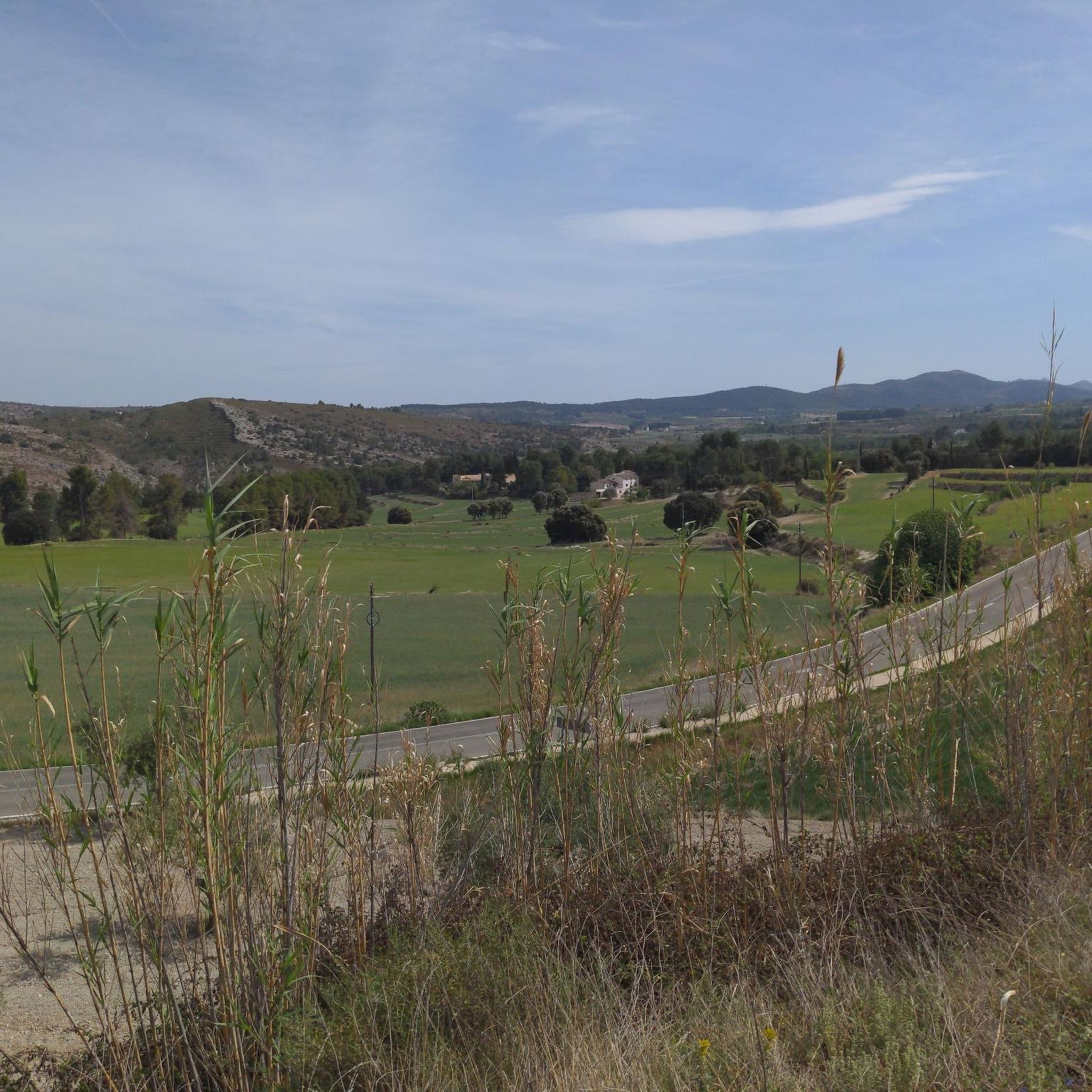
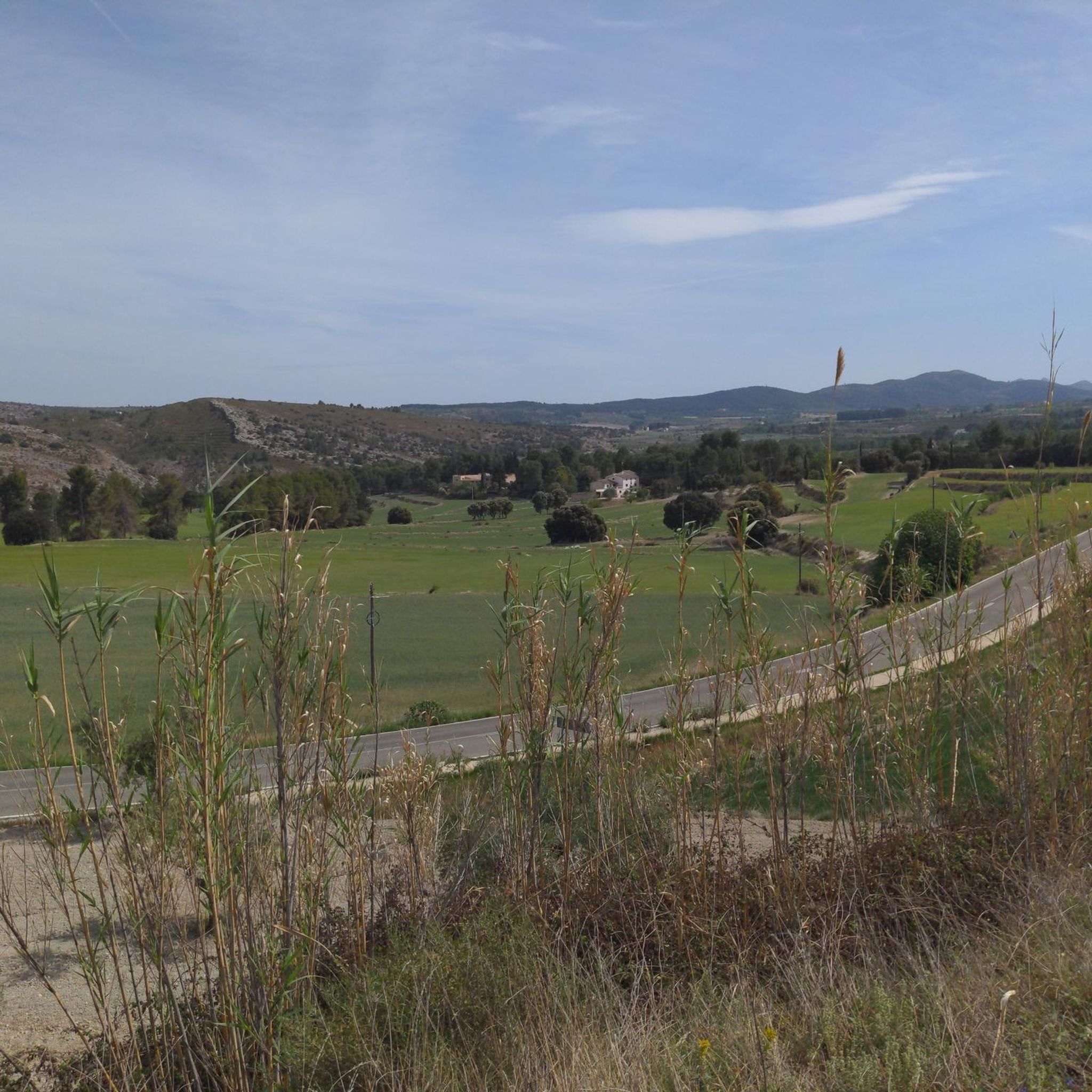
The route begins in the charming village of Carrícola, in the Vall d'Albaida region of Valencia. From there, a circular route begins that gently ascends along rural roads and well-marked trails, surrounded by Mediterranean vegetation and cultivated fields. The most special feature of this route is the Biodivers project, an artistic and ecological initiative that has transformed the surrounding area into an open-air museum. Along the way, visitors encounter contemporary sculptures integrated into the landscape: a giant iron spider, spiral books, human faces in fountains, geometric structures, and other works that invite reflection on the relationship between humans and nature.
3
0
The Castell de Carrícola, also known as Castellet, is a historic and natural gem located in the municipality of El Palomar, in the Vall d'Albaida region of Valencia. It is an ancient Islamic fortification built between the 10th and 12th centuries, although the current tower was erected after the Christian conquest, around the mid-13th century. It has been declared a Site of Cultural Interest and has been restored to allow visitors to visit it, including access to its terrace, from where you can enjoy spectacular views of the region and the Bellús reservoir.
3
0

The castle, which is not particularly worth seeing, dates back to the Almohad period and was built between the 10th and 12th centuries. But the view is very beautiful.
0
1

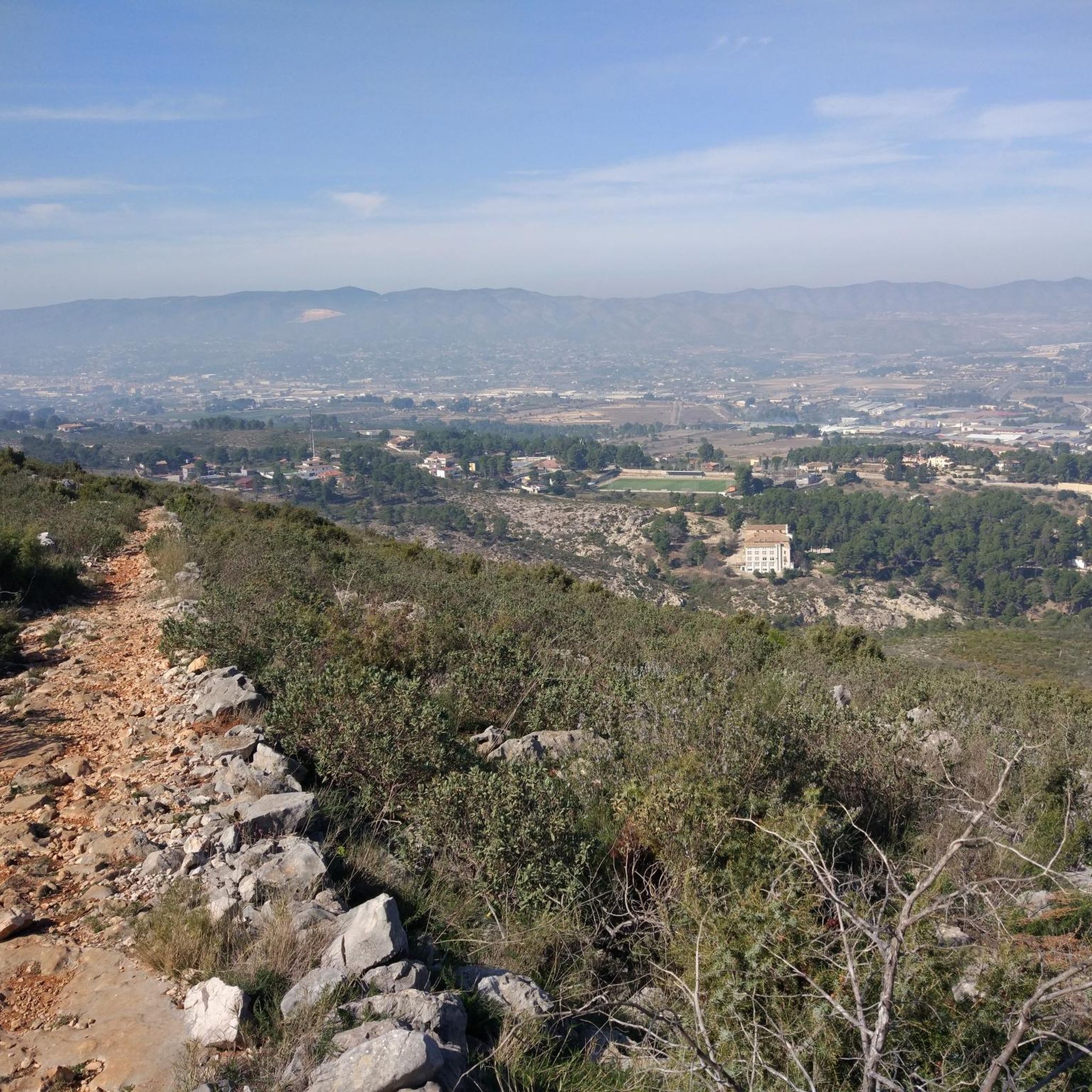
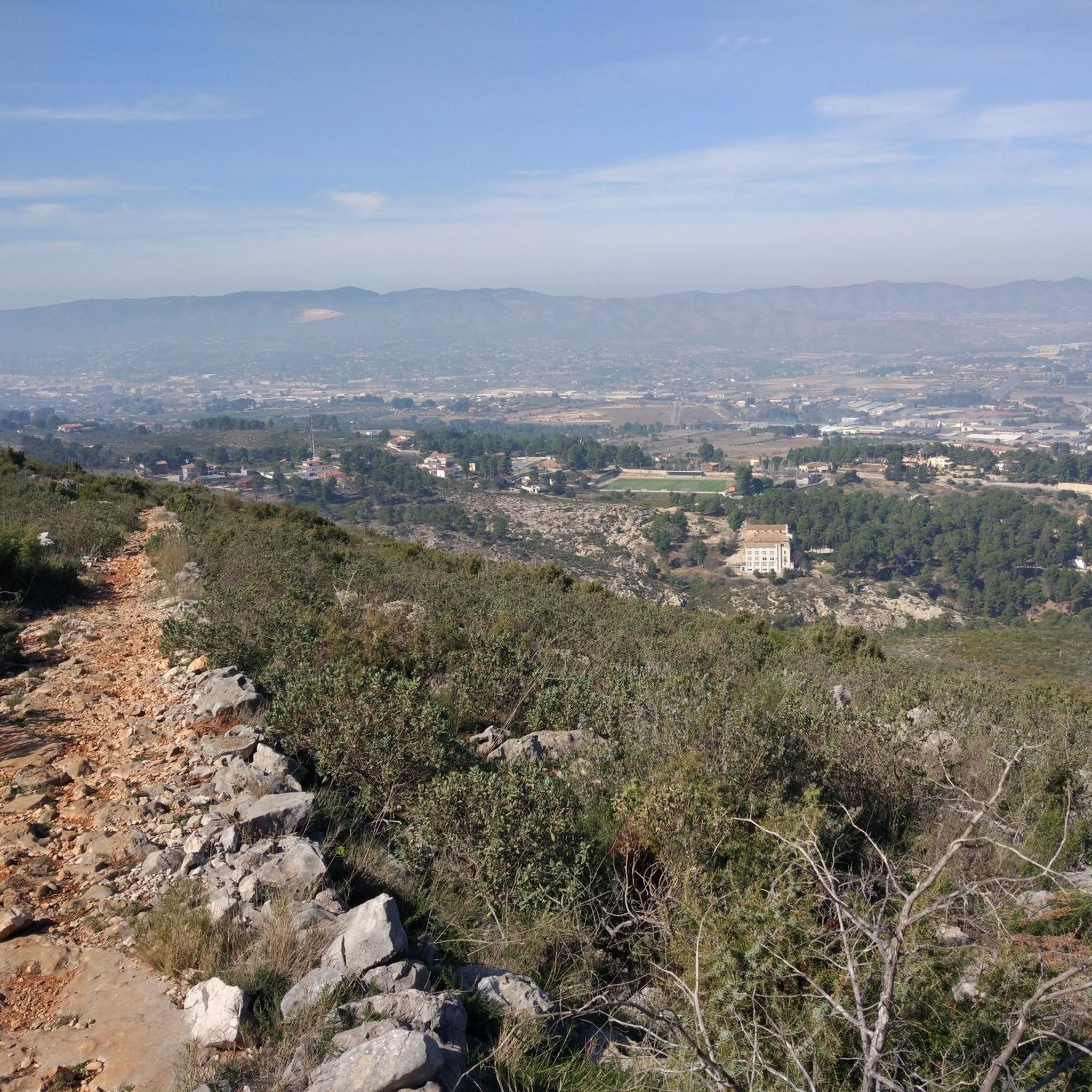
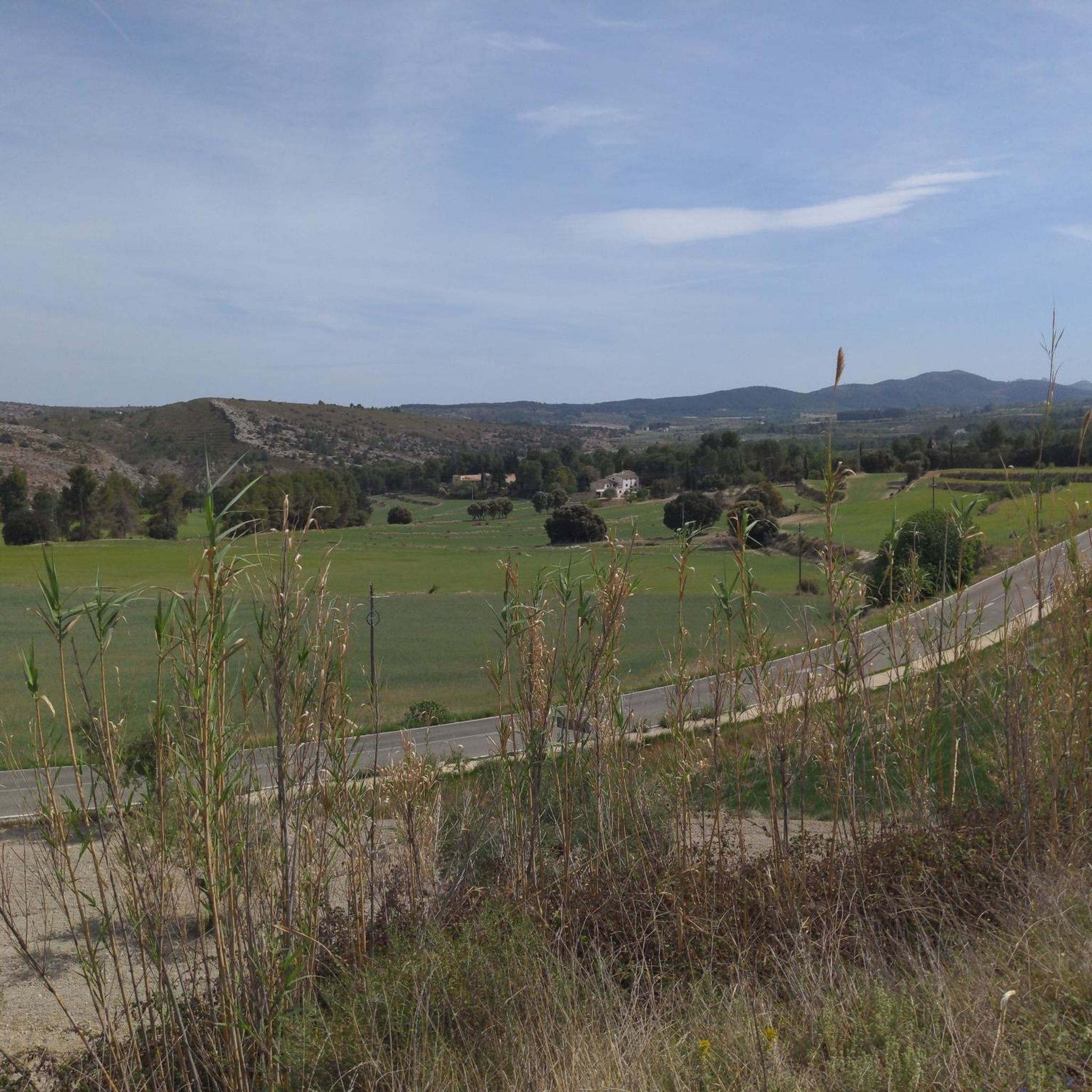
This point is a great viewpoint. Below is the figure of the castle tower and in the background the valley. The Castillo de Carrícola rises on a rock above the town. A trail leads to the remains of the wall and the high tower through the beautiful ravine of the Castellar.
1
0

Wear suitable footwear, as there are quite steep steps and loose ground.
2
0
The views from the castle are spectacular.
2
0

The castle of Vallada, from the Muslim period, is located on a prominence 558 meters above sea level. It is also known as the Umbría castle, and being located in the Vallada part of the municipality, it offers magnificent views of the Cañoles river valley.
2
0
Frequently Asked Questions
What castles can I visit directly around Agullent?
While Agullent itself doesn't have prominent castles, the immediate surrounding area offers impressive fortifications. You can explore the remains of Carrícola Castle, which rises on a rock above the town, or visit the ancient Islamic fortification of Castell de Cocentaina, known for its 13th-century tower and spectacular views. Another option is Castillo de Vallada, an Islamic period castle offering magnificent views of the Cañoles river valley.
Are there any castles within Agullent itself?
No, Agullent does not have prominent castles directly within the town. Its historical sites primarily consist of religious buildings like the 16th-century Convent of San Jacinto and the Church of St. Bartholomew the Apostle, a traditional Flour Mill, and natural springs such as La Font Jordana.
What other significant castles are in the wider Valencian Community?
The wider Valencian Community is rich in historical castles. Notable examples include Sagunto Castle, with its Iberian, Roman, and medieval remains; Xàtiva Castle, a significant piece of Valencian heritage; Morella Castle, known for its imposing presence; Peñíscola Castle, which served as a papal seat; and Santa Bárbara Castle in Alicante, offering panoramic views from Mount Benacantil.
What kind of historical insights do these castles offer?
The castles around Agullent, such as Castell de Cocentaina and Castillo de Vallada, provide a glimpse into the region's past, particularly its Islamic period fortifications and subsequent Christian conquests. They showcase architectural styles and defensive strategies from various historical eras, allowing visitors to trace the history of the Valencian Community.
Are there hiking trails near the castles around Agullent?
Yes, there are several trails that incorporate or pass by these historical sites. For instance, the Art Trail to Carrícola Castle is a circular route starting from Carrícola, ascending along rural roads and well-marked trails, and featuring contemporary sculptures integrated into the landscape. You can find more hiking options in the Running Trails around Agullent guide, which includes routes like the Cova Alta loop.
What outdoor activities can I do near these castles?
Beyond exploring the castles, the area around Agullent offers various outdoor activities. You can find numerous routes for gravel biking and mountain biking, with trails ranging from moderate to difficult. There are also dedicated running trails, allowing you to combine historical exploration with physical activity amidst Mediterranean vegetation and cultivated fields.
What do visitors enjoy most about the castles and viewpoints in this area?
Visitors particularly appreciate the spectacular panoramic views offered by these sites. From the terrace of Castell de Cocentaina, you can see the region and the Bellús reservoir. Similarly, Castillo de Vallada provides magnificent views of the Cañoles river valley. The blend of historical ruins with natural beauty is a major draw.
Are there any family-friendly activities or trails near the castles?
The Art Trail to Carrícola Castle is a unique option that can be family-friendly, as it combines a gentle ascent through nature with contemporary sculptures, making it an engaging experience for all ages. While specific 'family-friendly' categories aren't listed for all castles, many offer accessible viewpoints and trails suitable for a family outing.
What is the best time to visit the castles around Agullent?
The region generally enjoys a Mediterranean climate. Spring and autumn are often ideal for visiting, as the weather is milder and more comfortable for exploring historical sites and engaging in outdoor activities like hiking. Summers can be hot, so early mornings or late afternoons are preferable if visiting during this season.
Are there any viewpoints to enjoy the scenery around the castles?
Yes, many of the castles themselves double as excellent viewpoints. View of Carrícola Castle is specifically highlighted as a great viewpoint, offering a perspective of the castle tower and the valley. The Castell de Cocentaina and Castillo de Vallada also provide spectacular panoramic views of the surrounding landscape.
What should I wear when visiting the castles?
For castles like Castell de Cocentaina, it's recommended to wear suitable footwear, as there can be steep steps and loose ground. Comfortable walking shoes are generally advisable for exploring the ruins and any associated trails.
Most popular routes around Agullent
Most popular attractions around Agullent

Get inspired with the komoot mobile app


Explore more
Looking for the best castles somewhere else? Discover other guides around Agullent:
