Top 7 Gorges around Lobras
Best canyons around Lobras are situated within the Alpujarra Granadina, a mountainous region known for its deep valleys and natural water features. This area is characterized by its rugged terrain, offering numerous opportunities to explore impressive geological formations. The landscape around Lobras features river-carved gorges and dramatic viewpoints, providing a diverse natural environment for outdoor activities.
Best canyons around Lobras
- The most popular canyons is Path through the Trevélez Gorge, a gorge that leads down into the gorge to…
Last updated: June 19, 2026
Tajo de Cortés Waterfall
Highlight • Waterfall
Translated by Google •
Tip by

Path through the Trevélez Gorge
Highlight • Gorge
Translated by Google •
Tip by

Sign up now to discover places like this
Get recommendations on the best single tracks, peaks, & plenty of other exciting outdoor places.
Sign up for free
Technical and very exposed trail
Highlight (Segment) • Trail
Translated by Google •
Tip by

Tajo del Águila
Highlight • Gorge
Translated by Google •
Tip by
View of the Trevélez River Gorge
Highlight • Gorge
Translated by Google •
Tip by

Sign up for free to discover even more gorges around Lobras.
Sign up for free
Already have an account?
Start today with a free account
Your next adventure awaits.
Login or Signup
Tips from the Community

Actually no problem for mountaineers. You should be free from vertigo anyway.
0
0

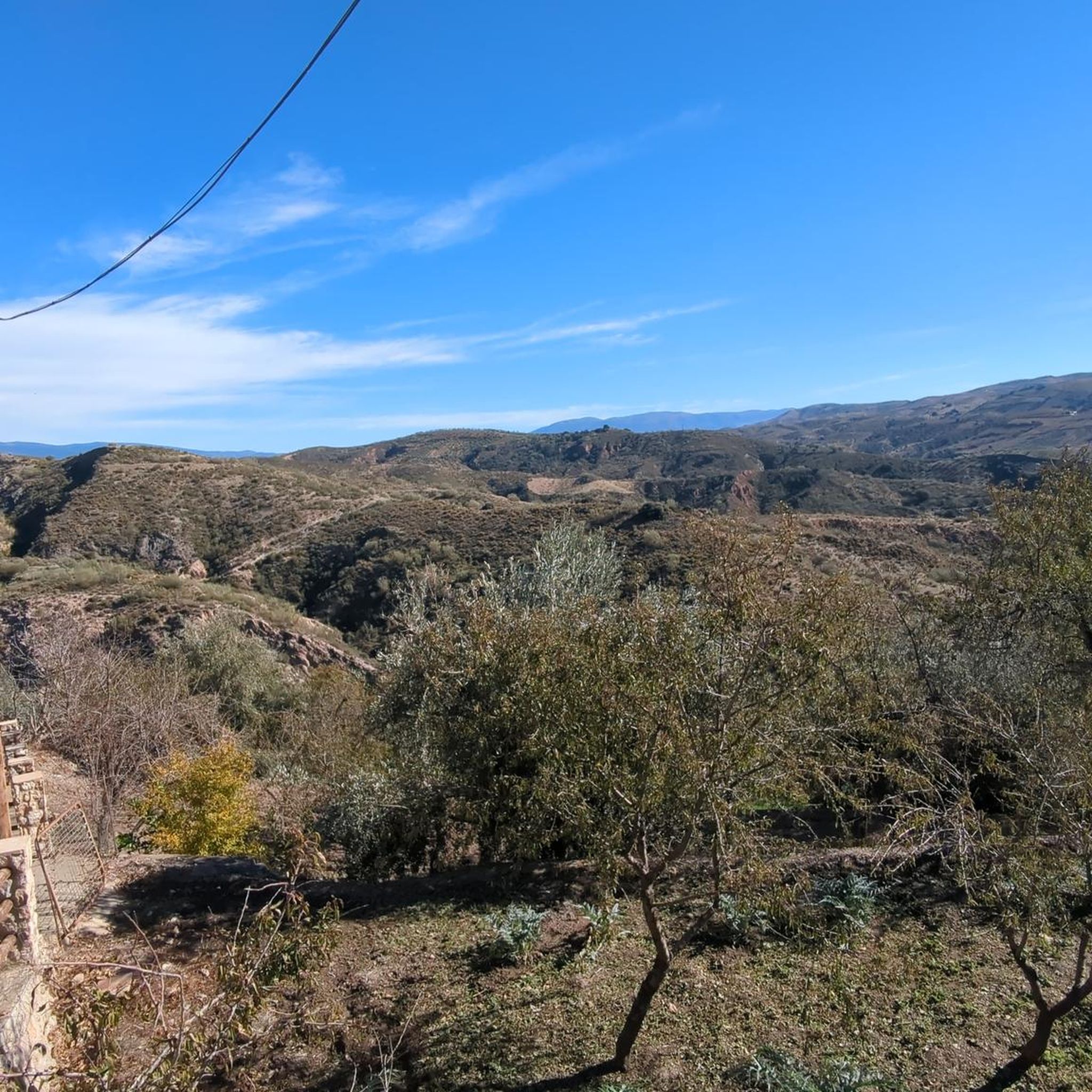
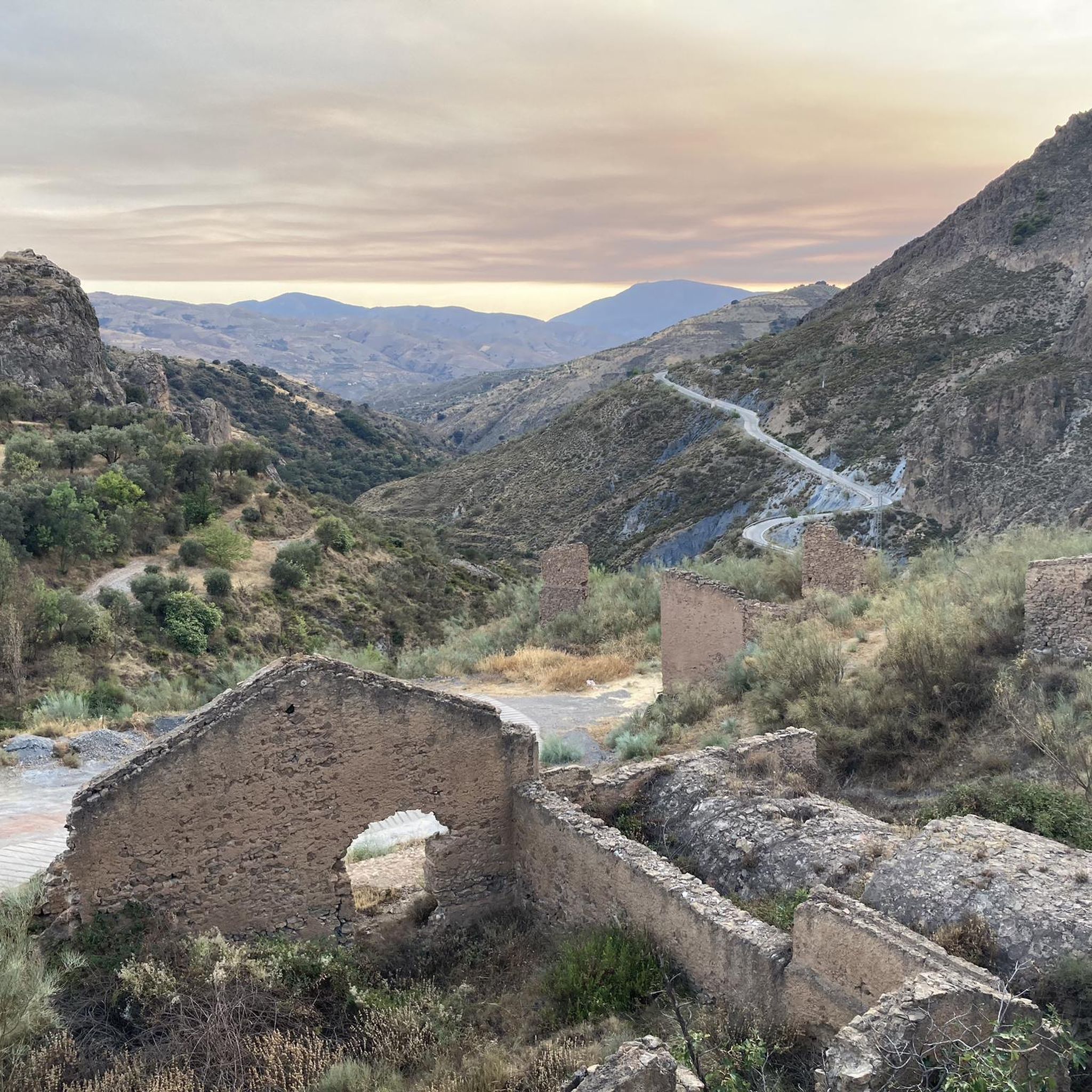
The Trevélez River Gorge is one of the most spectacular stretches of the Alpujarra Granadina. The trail overlooks a deep cut in the mountain, with steep walls and impressively vertical views. It's an ideal place to stop and contemplate the contrast between the narrow valley and the peaks of the Sierra Nevada beyond. It's advisable to wear firm footwear, as the paths along the gorge are often narrow and rocky.
1
0

The Tajo de Cortés Waterfall is an impressive waterfall located in the Alpujarra Granadina, near the towns of Pitres and Pórtugos in Andalusia. Two routes that will take you to this beautiful waterfall: Sendero PR-A 29 from Pórtugos or the somewhat shorter Circular Route from Pitres.
1
1

This is one of the many paths you can take to go down from the top of Peñabón to Trevélez. I don't recommend it for people who have some vertigo (like me). The trail is very narrow, quite exposed and crosses a couple of ravines with loose stones that can give the impression to people who do not control their movements well at heights.
1
1

15 m waterfall on the Bermejo river, in the municipality of Pórtugos. The river is born from the confluence of the ravines of La Chorrera and El Jabali. Through waterfalls like this one, the Bermejo River bridges a 900-meter drop in just 3.5 kilometers.
2
0
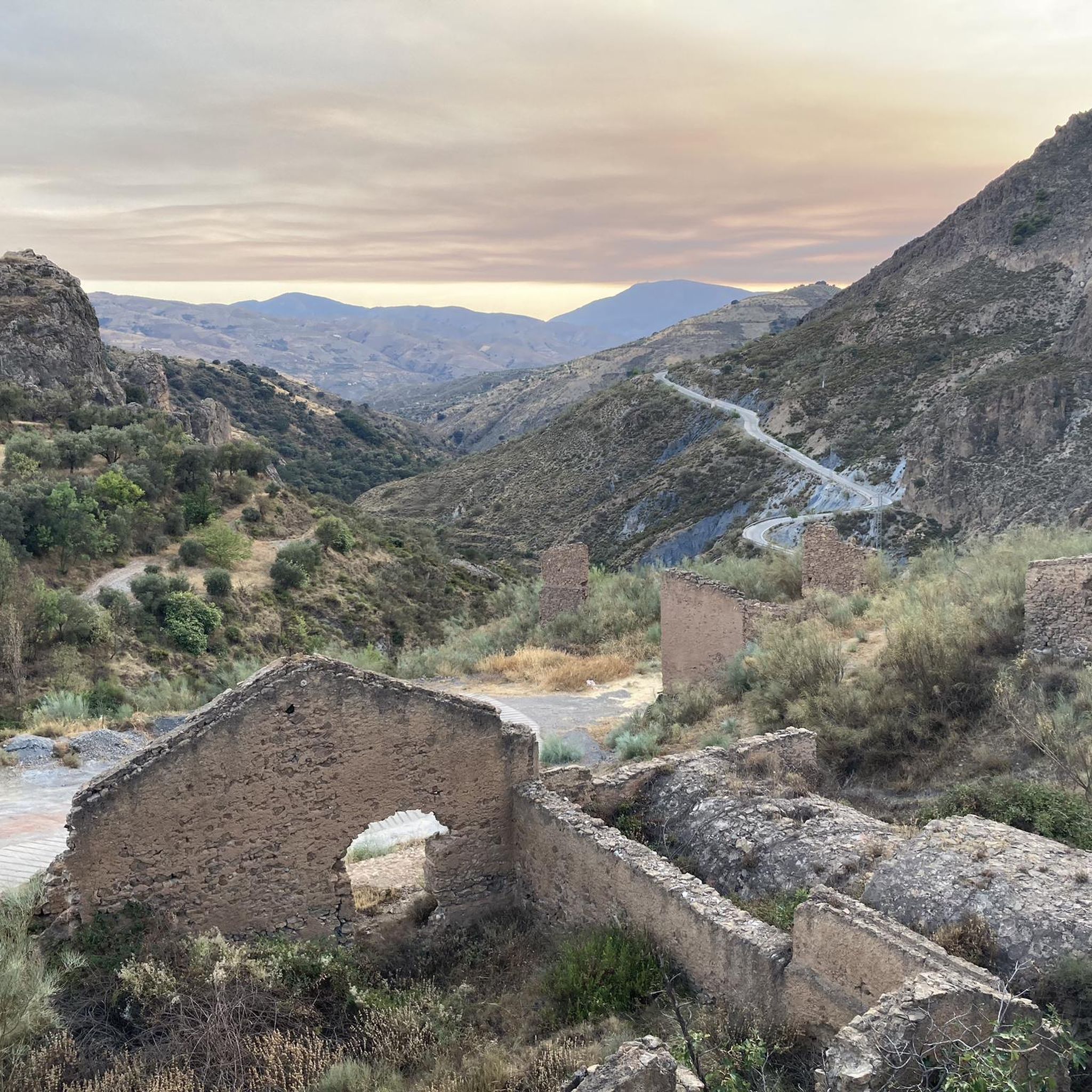
One of those many magical places in La Alpujarra, this pit (vertical wall, elevation) is accessed by the path of the fort, in front of the Eras de la Cruz. It is a wide ravine formed by the Rambla de Nieles.
2
0

From here, a narrow but clear path (unfortunately not shown on the map!) leads down into the gorge to a bridge over the Rio Trevelez and thus to the GR-142 long-distance hiking trail, which connects the two villages of Fondales (in the northwest) and El Aguadero (in the southwest) via this bridge. I couldn't mark this great trail as a section HL because Komoot doesn't tolerate it!
2
0
Frequently Asked Questions
What are the most popular canyons and gorges to explore near Lobras?
While Lobras itself is a tranquil village, the wider Granada province offers several impressive canyons. Locally, visitors appreciate the Path through the Trevélez Gorge, which leads to a bridge over the Rio Trevelez, and the dramatic Tajo de Cortés Waterfall, a 15-meter cascade on the Bermejo river. Another notable spot is Tajo del Águila, a wide ravine formed by the Rambla de Nieles.
Are there family-friendly canyoning or hiking options near Lobras?
Yes, Tajo de Cortés Waterfall is accessible via two routes, including a shorter circular route from Pitres, making it suitable for families. Further afield, Los Cahorros de Monachil (about an hour's drive) is highly recommended for families, offering an adventurous hiking experience with suspension bridges, river crossings, and opportunities for swimming under a waterfall.
What natural features can I expect to see in the canyons around Lobras?
The canyons in the Alpujarra Granadina region are characterized by deep cuts in mountains, impressive waterfalls, and river-carved gorges. You can expect to see dramatic vertical walls, lush riverine vegetation, and unique geological formations. For instance, the Trevélez River Gorge offers spectacular views of a deep cut in the mountain with steep walls, contrasting with the peaks of the Sierra Nevada.
What is the best time of year to visit the canyons near Lobras?
The best time to visit the canyons in the Granada province generally depends on the activity. Spring (April-May) and autumn (September-October) offer pleasant temperatures for hiking and exploring. For canyoning, late spring to early autumn is ideal when water levels are manageable and temperatures are warmer for swimming. Winter can offer spectacular views, especially in areas like Barranco del Baño & Río Dúrcal, but some trails might be more challenging due to weather conditions.
Are there any historical or cultural sites near the canyons?
Yes, the region combines natural beauty with historical interest. For example, near the Tajos de la Hoz canyon in Moclín (about an hour's drive from Lobras), you can explore Neolithic cave paintings and ancient castle ruins, adding a cultural dimension to your visit.
What are the difficulty levels of hiking trails in the canyons around Lobras?
Hiking trails in the canyons around Lobras vary in difficulty. Some, like the routes to Tajo de Cortés Waterfall, are intermediate and suitable for most hikers. However, some paths, such as the Technical and very exposed trail near Trevélez, are challenging, very narrow, exposed, and involve loose stones, making them unsuitable for those with vertigo or less experience.
Can I go canyoning or wild swimming in the canyons near Lobras?
Yes, opportunities for canyoning and wild swimming exist in the wider Granada province. Los Cahorros de Monachil offers spots for swimming under waterfalls. For a more challenging canyoning experience, Barranco de la Mina (also known as Barranco de las Angosturas) near Albuñol (about 40 minutes from Lobras) is suitable for experienced canyoners, featuring rappels and downclimbs. The Barranco del Baño & Río Dúrcal area also features natural thermal springs for a unique swimming experience.
What other outdoor activities can I do near these canyons?
Beyond hiking and canyoning, the area around Lobras offers various outdoor activities. You can find numerous cycling routes, including road cycling and touring bicycle options, as well as challenging mountain biking trails. For example, you can explore Road Cycling Routes around Lobras, Cycling around Lobras, or MTB Trails around Lobras.
Are there any hidden gem canyons or less-known spots worth visiting?
While the guide highlights popular spots, the region is rich with natural beauty. The Barranco del Baño & Río Dúrcal area, with its natural thermal springs and the Alcázar Waterfall, offers a unique blend of hiking and relaxation away from the most crowded trails. The Canyon of Castril, though a longer drive, provides a distinctive experience with its trail 'sticked to the rock wall' and opportunities for birdwatching.
What should I wear or bring when visiting the canyons?
When exploring the canyons, especially those with rocky or uneven terrain like the Trevélez River Gorge, it's advisable to wear firm footwear. Depending on the activity, consider bringing water, sun protection, and appropriate gear for canyoning or swimming. For challenging trails, be prepared for narrow, exposed sections and potential loose stones.
Are permits required to access any of the canyons or trails?
Generally, access to most hiking trails and natural areas in the Granada province, including the mentioned canyons, does not require specific permits for casual visitors. However, for organized canyoning activities, especially those involving rappelling or specialized equipment, it's always best to check with local guides or authorities for any specific regulations or safety requirements.
What do visitors enjoy most about the canyons around Lobras?
Visitors frequently appreciate the dramatic scenery, the sense of adventure, and the diverse natural environments. The unique combination of suspension bridges, tunnels, and river crossings in places like Los Cahorros de Monachil, or the impressive waterfalls like Tajo de Cortés Waterfall, are often highlighted. The tranquility and the opportunity to connect with nature in the Alpujarra Granadina are also highly valued.
Most popular attractions around Lobras

Get inspired with the komoot mobile app


Explore more
Already discovered everything in this region? See additional gorges around Lobras for your next adventure:
