Top 5 Castles around Santaliestra Y San Quílez
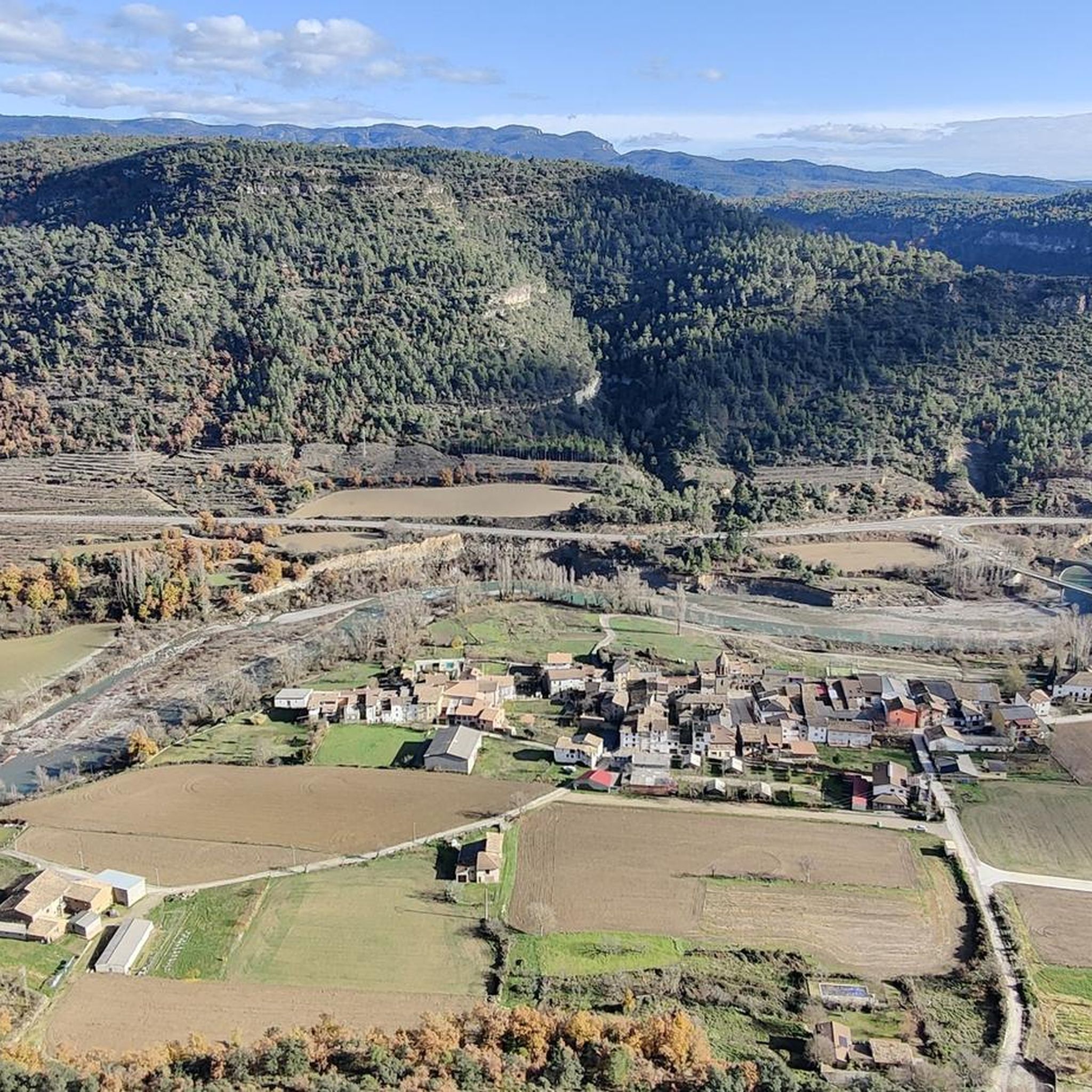
Best castles around Santaliestra Y San Quílez are located in the municipality of Santaliestra y San Quílez, situated in the province of Huesca, Aragón. This area, part of the Aragonese Pyrenees, is characterized by its historical and cultural heritage, including significant religious structures and traditional architecture. The landscape features the Ésera River and offers views of the Sierra del Turón. While not primarily known for castles within the immediate village, the surrounding region provides several historical sites.
Best castles around…
Last updated: July 3, 2026
Samitier Castle
Highlight • Castle
Translated by Google •
Tip by

Hermitage of Saints Emeterius and Celedonius
Highlight • Religious Site
Translated by Google •
Tip by

Sign up now to discover places like this
Get recommendations on the best single tracks, peaks, & plenty of other exciting outdoor places.
Sign up for free
Troncedo Castle and Village
Highlight • Castle
Tip by

Castle of Perrarúa and Hermitage of San Climent
Highlight • Castle
Translated by Google •
Tip by
Casa de los Mur
Highlight • Castle
Translated by Google •
Tip by

Start today with a free account
Your next adventure awaits.
Login or Signup
Tips from the Community

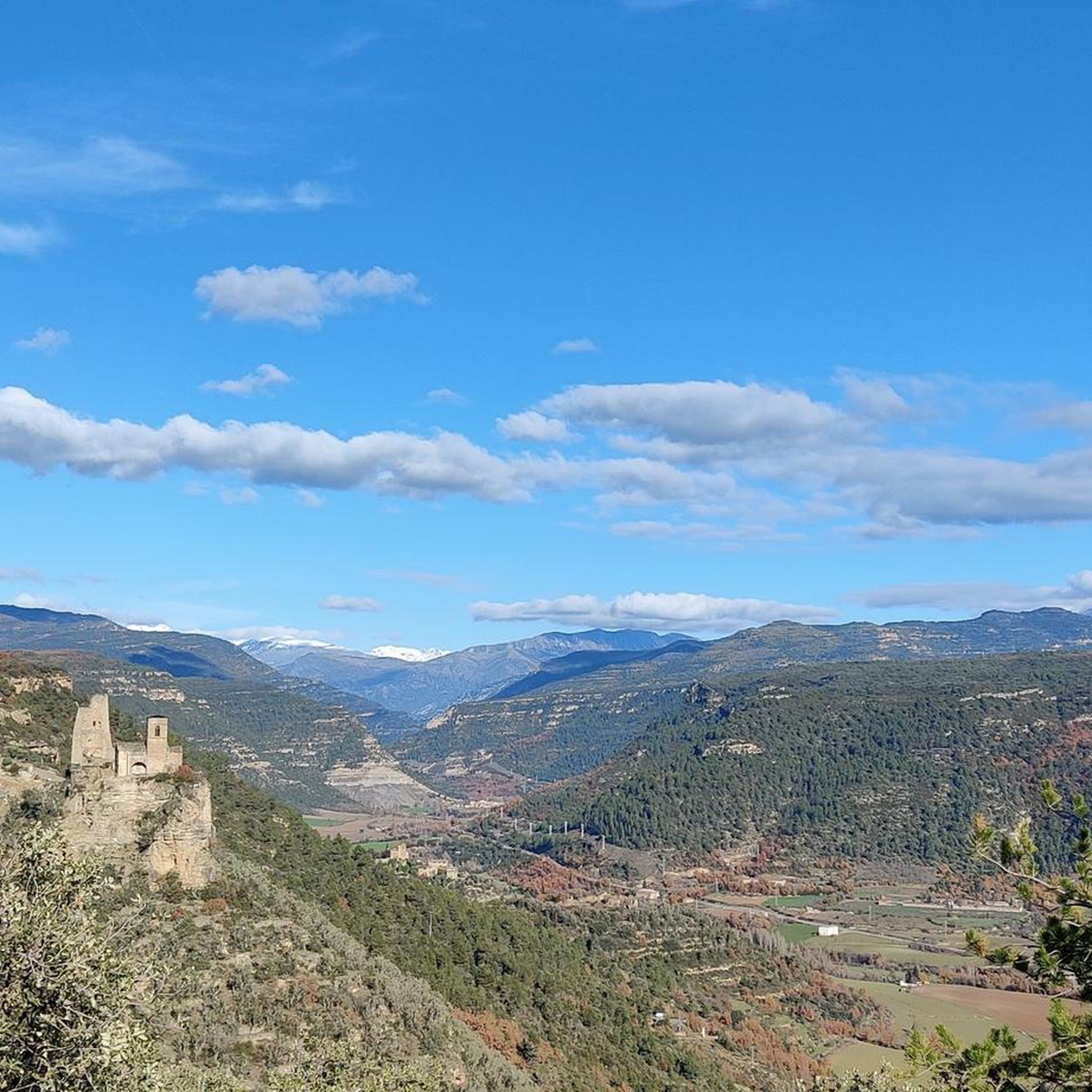
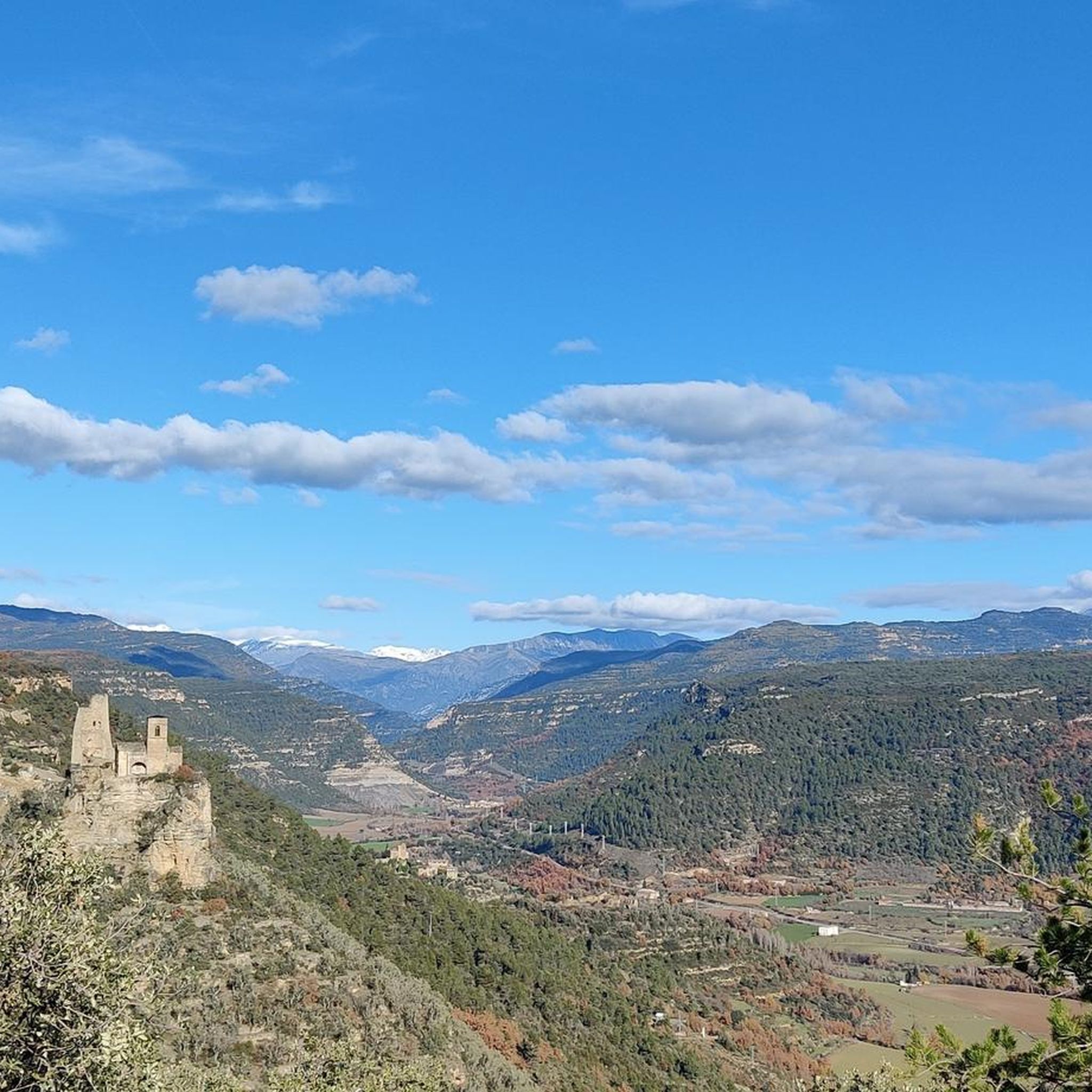
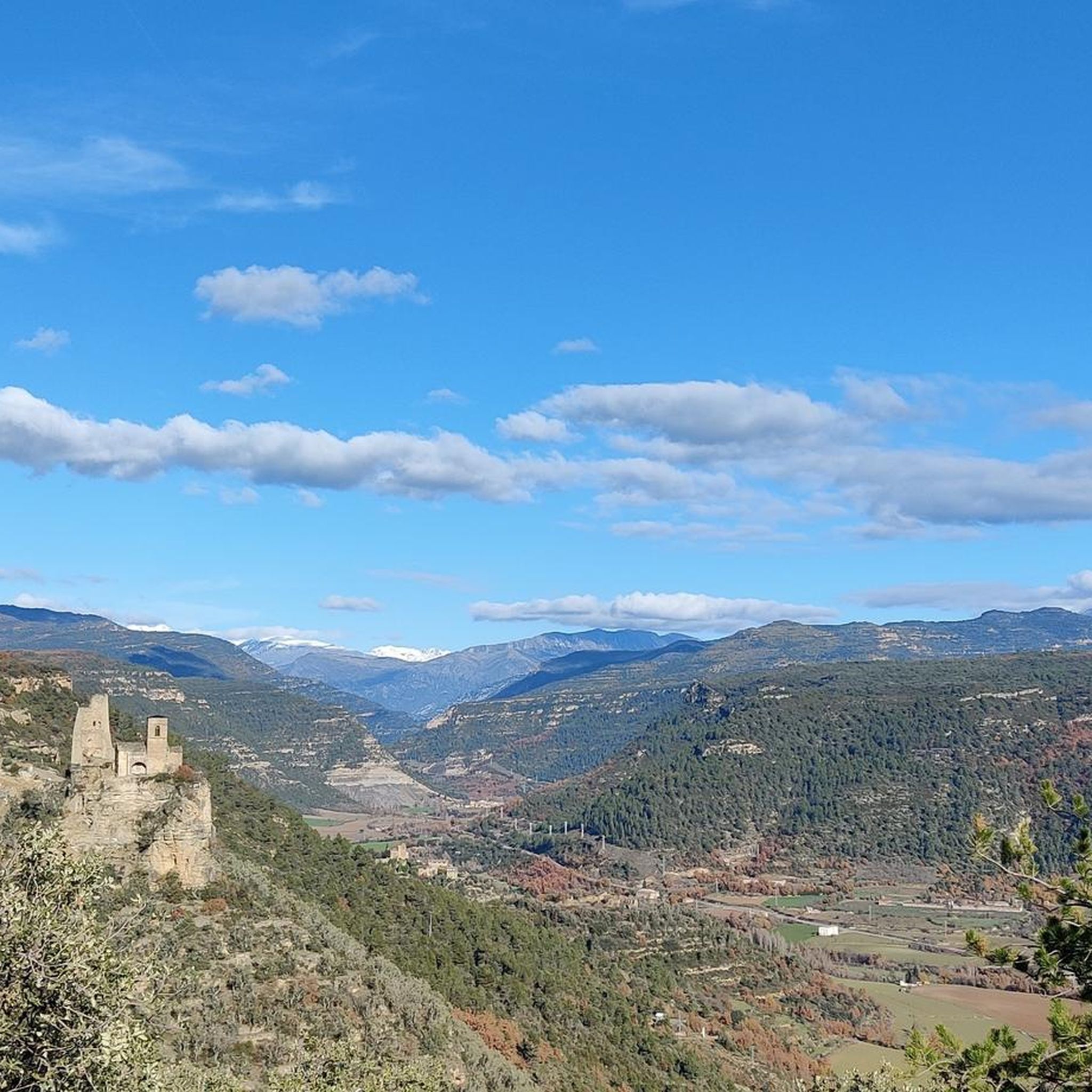
Great panoramic view from the Castillo!
0
0

Allow at least 20 minutes to appreciate the entire Ordesa and Monteperdido mountain range
0
0


The house of the Mur, also known as the castle of the Mur, is a large fortified enclosure that includes the residence of the Mur, a church and other secondary buildings. It is located in Morillo de Monclús, a town belonging to the municipality of La Fueva. It was built by the Mur family in the Middle Ages on the foundations of an 11th century fortification and today it has been bought and restored by an individual.
0
0

Also called Mondoto Castle, it is a religious-military complex that stands out for the remains of the hexagonal tower of the castle and the hermitage, good examples of Romanesque architecture. The hermitage is dedicated to San Emeterio and San Celedonio and curiously enough, it was actually designed as the first defense mechanism of the castle, since possible attackers had to first cross the place where the monks slept.
1
0
Also called Mondoto Castle, it is a religious-military complex that stands out for the remains of the castle's hexagonal tower and the church, good examples of Romanesque architecture.
0
0
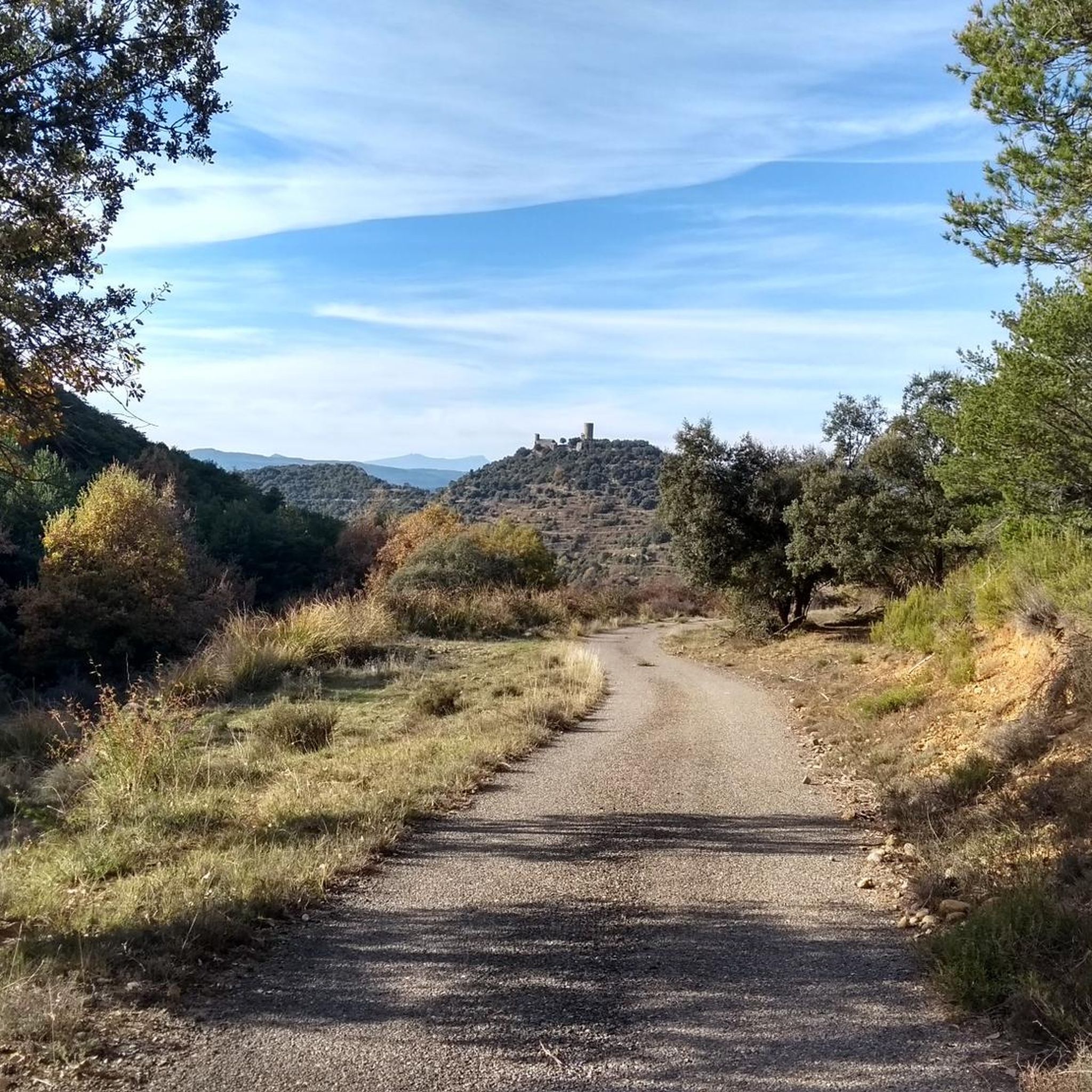
The uninhabited area of El Mon de Perrarúa draws attention for its semi-ruined castle that can be clearly seen from the road between Graus and Benasque.
1
0

Troncedo is a small town and mountain pass that is located at 1,009 meters above sea level in the southeastern end of La Fueva, on top of a hill on the slope of the Sierra del Turón from Graus to the Fuevan hollow, but which is currently along the HU-V-6441 road. The most defining characteristic of Troncedo is its castle, of which only the homage tower remains, which is larger than those of other main castles in Sobrarbe (the castle of Aínsa or the castle of Boltaña), which makes one think in the proportions that it could have in its time of use. Due to the importance of the castle of Troncedo, the antiquity of the place is known, since documents have been found since the reign of Sancho el Mayor (first half of the 11th century) that already testify to the importance of defending the county of Troncedo, Sobrarbe as well as the nearby town of Graus, which was still Moorish. In 1797 Troncedo had 150 inhabitants; currently has about thirty inhabitants. The road from Graus is in very good condition for road cycling, little traffic, good asphalt and steep climbs. On the other hand, on the Trillo side the road can be defined as a paved forest track and has steeper slopes and very tight curves.
0
0
Frequently Asked Questions
What types of historical sites can I explore around Santaliestra Y San Quílez?
While Santaliestra Y San Quílez is not primarily known for castles within the immediate village, the surrounding region offers a variety of historical structures. You can find religious-military complexes like Samitier Castle, semi-ruined castles such as Castle of Perrarúa, and fortified houses like Casa de los Mur. The area also features significant religious buildings and traditional architecture, including the Parish Church of the Ascension of Our Lady and ancient hermitages.
Which castles are most popular with visitors in the area?
Among the castles and historical sites, Samitier Castle is a popular choice, known for its Romanesque architecture and the associated Hermitage of Saints Emeterius and Celedonius. Visitors also appreciate the scenic Castle of Perrarúa, visible from the road between Graus and Benasque.
Are there any castles with unique architectural features?
Yes, Samitier Castle (also known as Mondoto Castle) is notable for the remains of its hexagonal tower and the Romanesque hermitage of San Emeterio and San Celedonio. The hermitage was uniquely designed as a primary defense mechanism for the castle, requiring attackers to pass through it.
What outdoor activities can I do near these historical sites?
The region around Santaliestra Y San Quílez offers various outdoor activities. You can find numerous hiking trails, including the 'Mont de Perrarúa Ascent Trail' and routes exploring the 'Ruins of Caballera'. For cyclists, there are road cycling routes like the 'Panillo Climb – Troncedo Castle and Village loop' and MTB trails such as the 'Muro de Roda loop'. You can find more details on these activities in the hiking guide, road cycling guide, and MTB guide for the area.
Are there family-friendly options for exploring castles or historical sites?
Many of the historical sites, including the castles and hermitages, can be explored by families. The 'Mont de Perrarúa Ascent Trail' is an easy hiking route that could be suitable for families looking to combine a walk with a visit to the Castle of Perrarúa. Always check the specific trail difficulty and terrain before heading out with children.
What is the best time of year to visit the castles and historical sites?
The best time to visit the castles and historical sites around Santaliestra Y San Quílez is generally during spring and autumn when the weather is mild and pleasant for exploring. Summer can be warm, but still suitable, especially in the mornings or late afternoons. Winter visits are possible, but some routes or sites might be less accessible due to weather conditions.
Can I bring my dog to the trails and historical sites?
Many outdoor trails in the region are dog-friendly, allowing you to explore the natural surroundings with your pet. However, specific rules for historical sites or inside buildings may vary. It's always advisable to keep your dog on a leash and ensure you clean up after them. Check local signage for any restrictions at individual sites.
What other historical points of interest are there besides castles?
Beyond the castles, Santaliestra y San Quílez boasts other significant historical sites. These include the 14th-century Parish Church of the Ascension of Our Lady, the ancient Hermitage of Piedad (with remnants from the 11th century), and the Romanesque Hermitage of San Saturnino. You can also find the remains of the 11th-century Monastery of San Martín de Caballera and traditional architecture like Casa Blasco.
Where can I find a castle that offers great views?
Several sites offer excellent views. The Samitier Castle complex, including the Hermitage of Saints Emeterius and Celedonius, provides panoramic vistas of the surrounding landscape. Similarly, the Hermitage of Piedad, located on the road to Benasque, offers excellent views of the Ésera River.
What do visitors enjoy most about exploring the castles and historical sites here?
Visitors frequently appreciate the blend of history and nature. The Romanesque architecture, the strategic locations of the castles offering stunning views, and the opportunity to combine historical exploration with hiking or cycling are often highlighted. The community has shared over 65 photos and given more than 30 upvotes, indicating a strong appeal for these unique historical structures.
Is there a castle that played a significant role in the region's history?
Yes, Troncedo Castle, though only its homage tower remains, was historically very important. Documents from the 11th century attest to its role in defending the county of Troncedo, Sobrarbe, and the nearby town of Graus during Moorish times. Its size suggests it was once a formidable fortification.
Are there any restored castles or historical buildings in the area?
The Casa de los Mur, also known as the castle of the Mur, is a large fortified enclosure that has been bought and restored by an individual. It includes the residence of the Mur family, a church, and other secondary buildings, built on the foundations of an 11th-century fortification.
Most popular routes around Santaliestra Y San Quílez
Most popular attractions around Santaliestra Y San Quílez

Get inspired with the komoot mobile app


Explore more
Looking for the best castles somewhere else? Discover other guides around Santaliestra Y San Quílez:
