Top 5 Caves around Penagos
Best caves around Penagos are situated in Cantabria, Spain, a region known for its geological formations and prehistoric sites. The municipality of Penagos offers access to various subterranean features, including river caves and natural monuments. This area provides opportunities to explore natural cavities and historical locations within a diverse landscape.
Best caves around Penagos
- The most popular caves is Aguanaz River and Frenchman’s Cave, a river and cave site with a local legend. It is known for its quiet…
Last updated: July 3, 2026
Aguanaz River and Frenchman’s Cave
Highlight (Segment) • River
Translated by Google •
Tip by

La Covachona Cave and Source of the Cubón River
Highlight • Cave
Translated by Google •
Tip by

Sign up now to discover places like this
Get recommendations on the best single tracks, peaks, & plenty of other exciting outdoor places.
Sign up for free
Cueva de la Colodra
Highlight • Cave
Translated by Google •
Tip by

Juyo Cave
Highlight • Cave
Translated by Google •
Tip by
Juntarnosa Arch
Highlight • Natural Monument
Translated by Google •
Tip by

Start today with a free account
Your next adventure awaits.
Login or Signup
Tips from the Community

Although it's not recognizable from a distance, as you approach the entrance, you discover an opening to the other side. So it's not a "cave," but rather a hollowed-out hole. It's a very interesting visit if you're hiking nearby; don't let the distance and extra effort deter you from missing this opportunity.
0
0

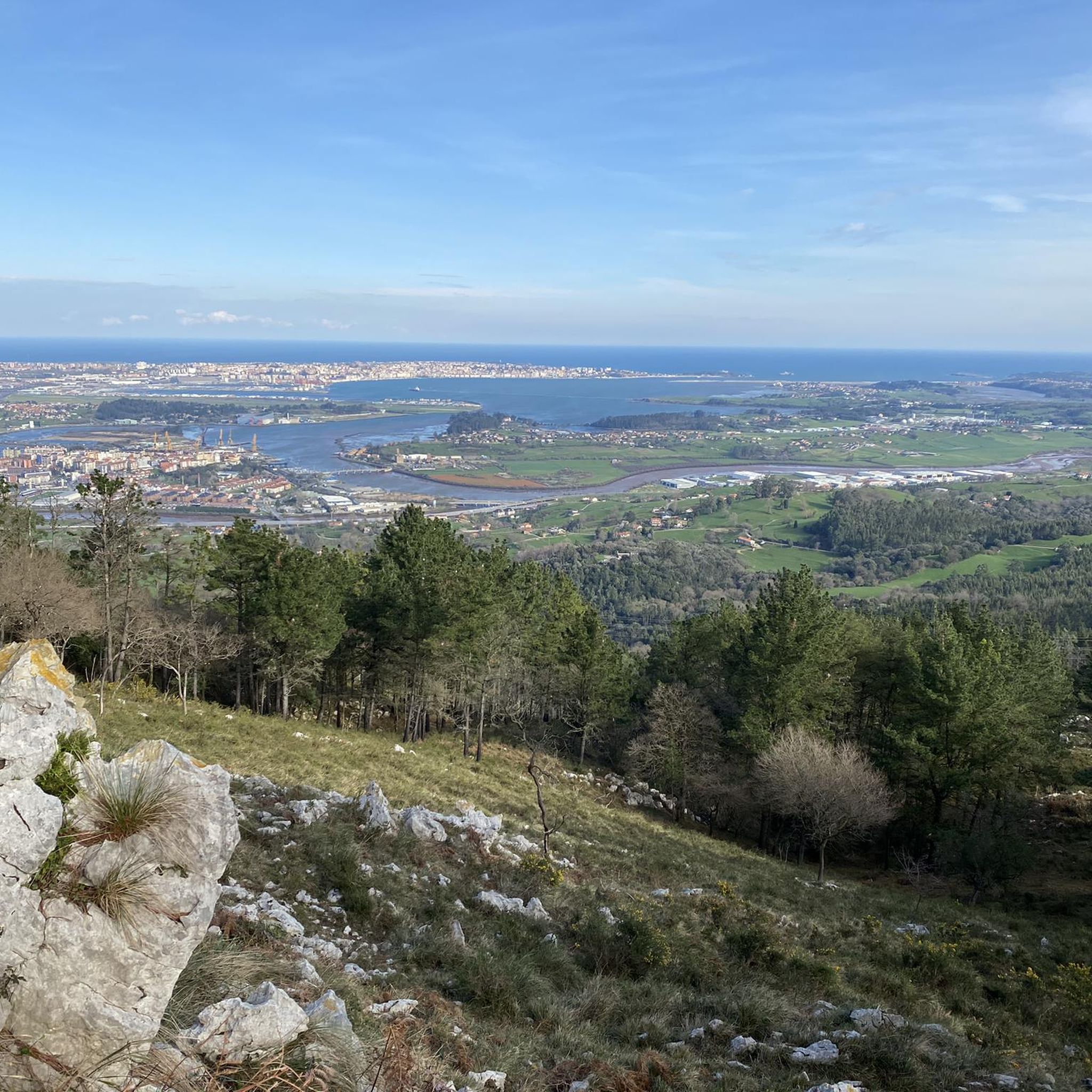
La Cueva de la Colodra is a curious cavity with the typical shape of a movie cave that you can enter its "portico" perfectly standing up but after a few steps inside you discover that it continues through a much smaller and narrower cavity in which You have to crouch down and have more trouble if you want to explore, yes, a flashlight and some basic precautions are necessary here with some more equipment in case it is necessary. It is found going up a few steps from the path that goes up to Alto de Brenas and also to Alto de los Escajos, it is a comfortable path to follow so it does not cost much to deviate and visit this cave, and just a few meters away the birth also begins from the stream of the same name. Of course, if you look calmly from inside it seems that you have a wonderful window to paradise and you breathe authentic peace and tranquility, it is a great place.
0
0

Legend has it that a French abbot, fleeing the Revolution, came to these places, hiding in the cave. And they say that, from so much crying, his eyes became irritated in such a way that they caused him bad eyesight. But, on one occasion he noticed that by washing them with the waters of the fountain, his eyes healed. Hence the discovery of the virtues of the waters and the name of the place.
1
0

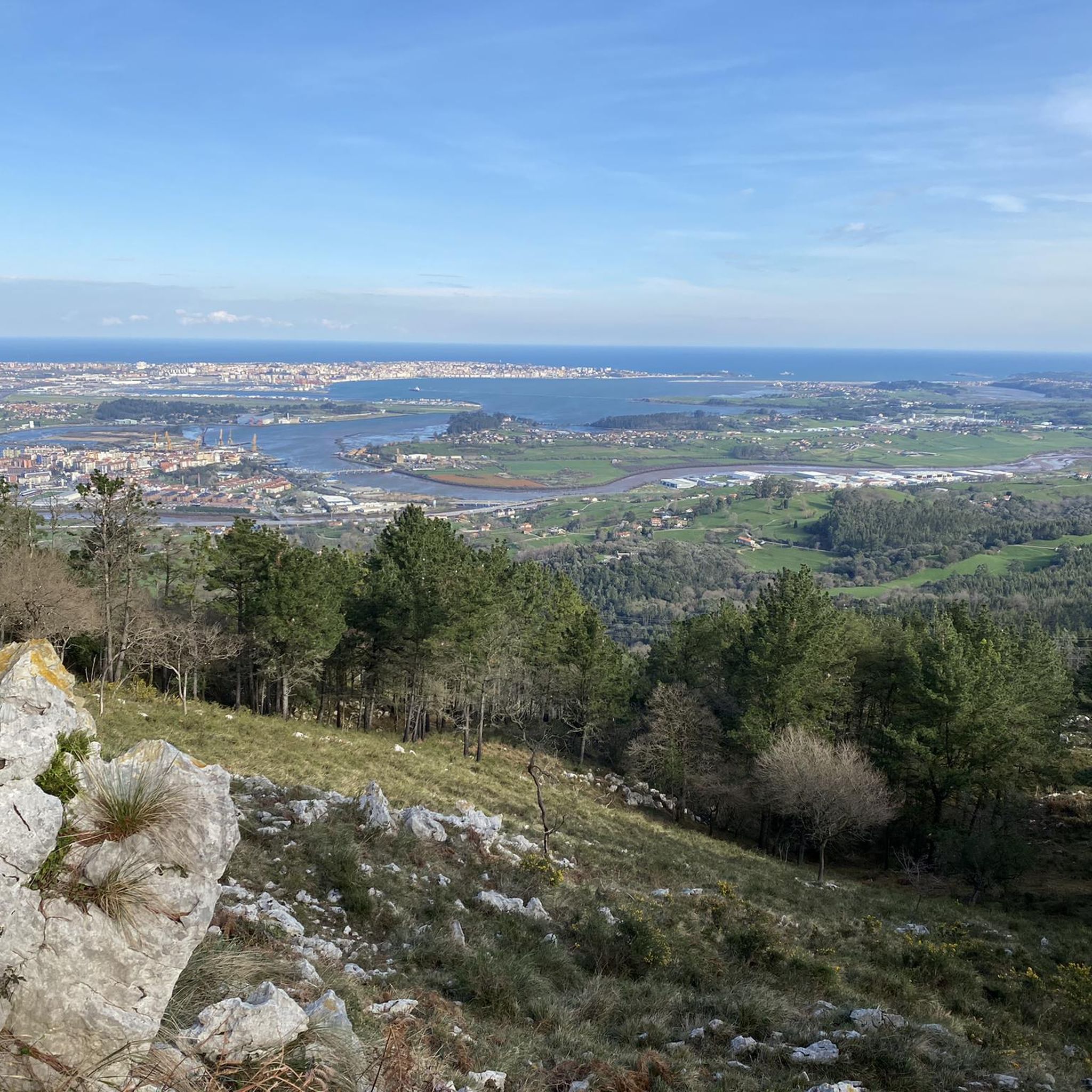
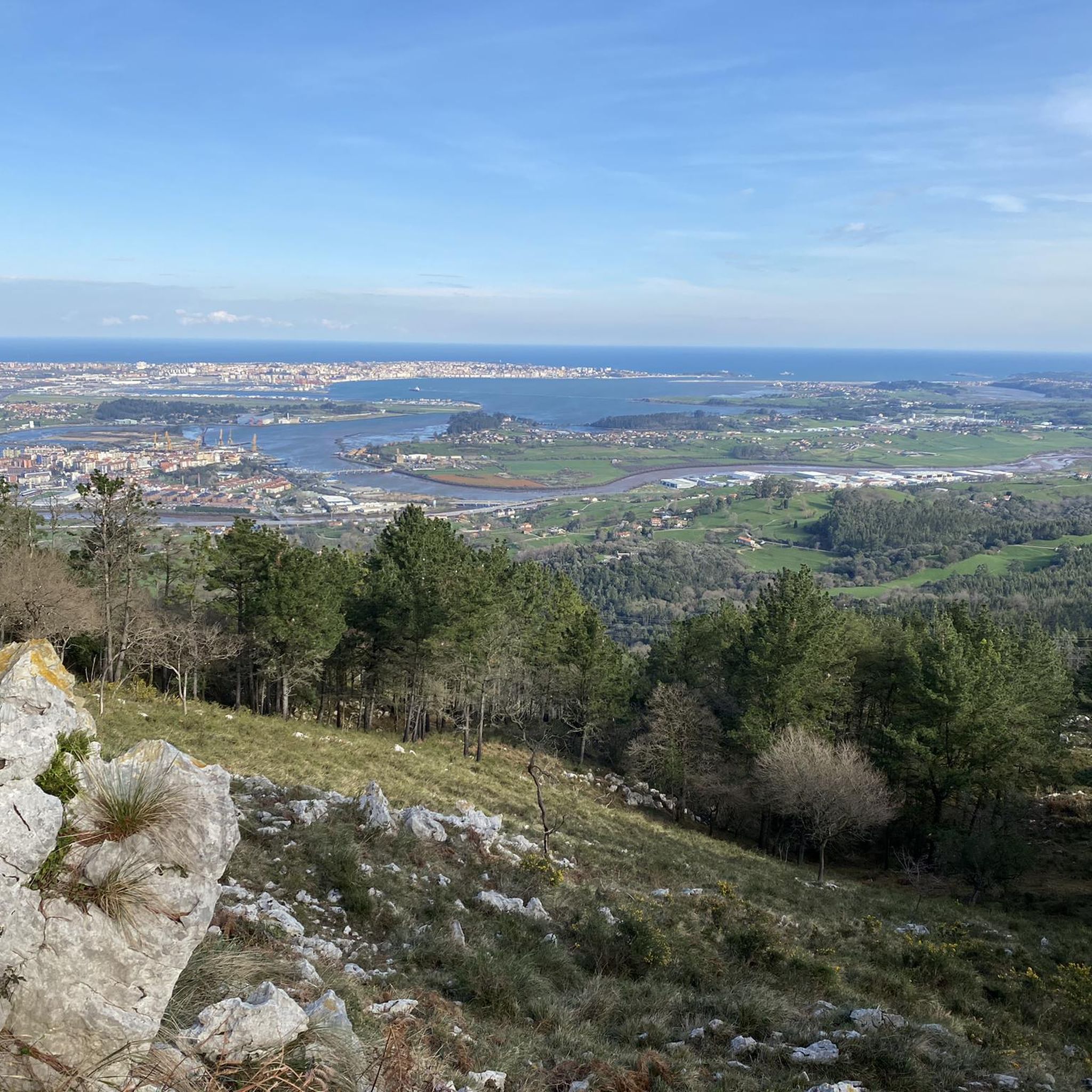
Magnificent cave with beautiful views that is worth visiting. It is a few meters away from the path up to Brenas and passing through the Peñal de Brenas.
0
0

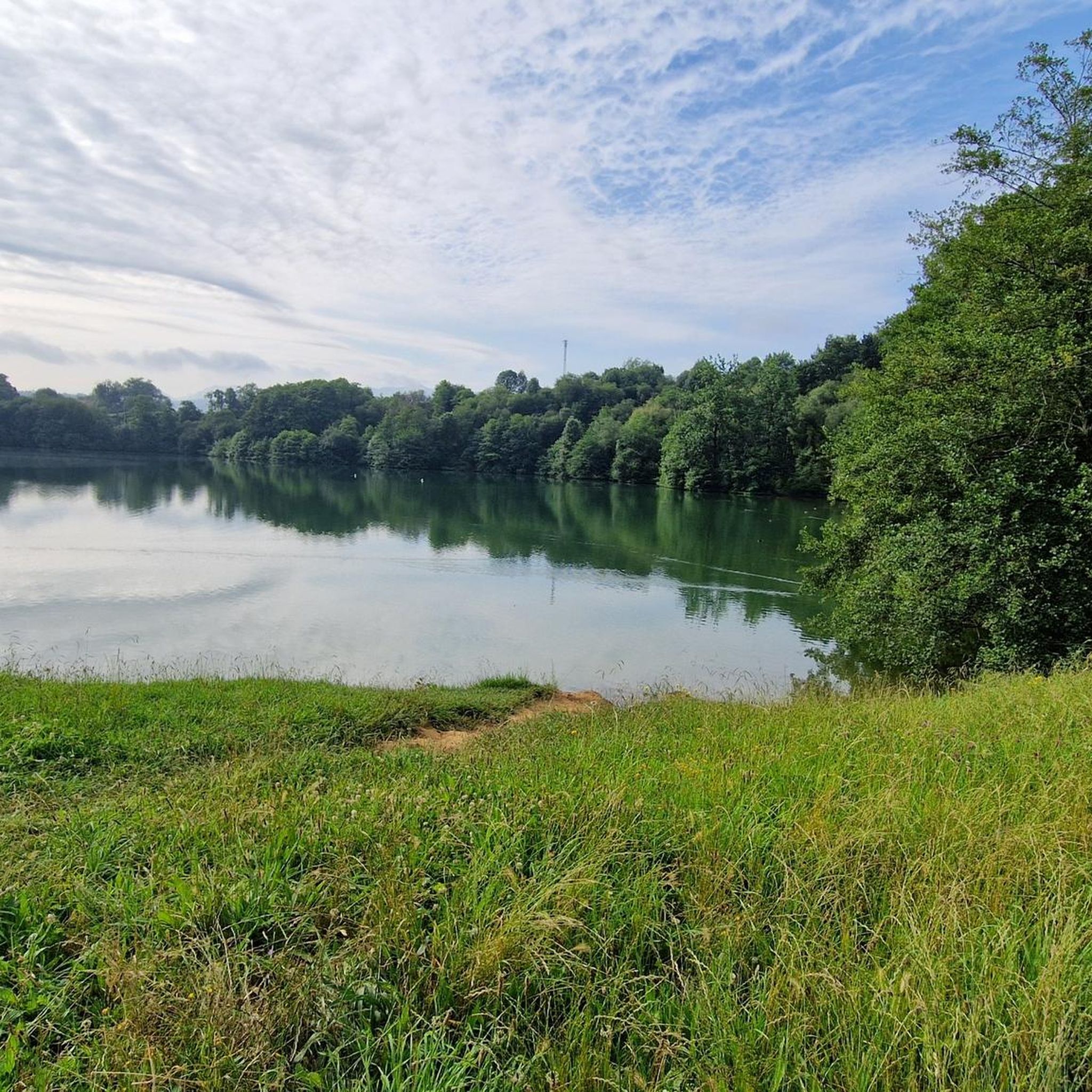
Nice and quiet path that runs along the river through the foliage of the forest.
0
0
The Cueva de El Juyo is located in a sinkhole developed in the upper part of Igollo (Camargo), which is accessed by a small track that ends in the cavity. The cave contains an impressive Lower Magdalenian site (between 16,500 and 14,000 years old) -one of the most outstanding in the Iberian Peninsula-, and was the scene of the excavations and research carried out by Joaquín González Echegaray together with Leslie Gordon Freeman -prehistorian and professor from the University of Chicago
2
0
In the Bº de Rioz, in Sobremazas (Medio Cudeyo), behind the public washhouse, at the bottom in the rocks is a small cave where clear and crystalline water emerges and is where the source of the Cubón river is dated. The cave also gives the name to the small park that surrounds it, which has 3 wooden tables, a fountain and a small recreational park for young children and one of the Singular Trees of Cantabria: El Castaño de Rioz.
5
0

Frequently Asked Questions
What types of caves can I explore around Penagos?
The Penagos area, situated in Cantabria, offers a variety of subterranean features. You can find river caves, source caves where rivers emerge from the rock, and caves that provide scenic views. These include natural cavities with local legends and significant geological formations.
Are there any caves with historical significance near Penagos?
Yes, the region of Cantabria, where Penagos is located, is exceptionally rich in prehistoric caves. While Penagos itself has natural cavities, nearby Cantabria boasts UNESCO World Heritage Sites like Altamira (with its Neocave replica), El Castillo, Las Monedas, and Hornos de la Peña, all renowned for their Paleolithic art and archaeological importance. Within Penagos' immediate vicinity, Juyo Cave is known for an impressive Lower Magdalenian site.
Which caves around Penagos are suitable for families?
For a family-friendly experience, consider Aguanaz River and Frenchman’s Cave, which offers a quiet river walk through a forest and a local legend. Another good option is La Covachona Cave and Source of the Cubón River, a small cave that is the source of the Cubón river, located in a park with wooden tables and a recreational area for children.
What are some unique natural features to see in the caves near Penagos?
Beyond the immediate Penagos area, Cantabria is home to geological marvels. Cueva de la Colodra near Penagos offers beautiful views from its entrance. Further afield, El Soplao Cave is famous for its eccentric and complex rock formations, including suspended ceilings, stalactites, and stalagmites, creating a remarkable interplay of light and shadow.
What outdoor activities can I do near the caves around Penagos?
Penagos is a great base for various outdoor activities. You can find numerous hiking trails, including routes around the Cabárceno Nature Park. For cyclists, there are gravel biking and road cycling routes, often utilizing the Vía Verde del Pas.
Are there any caves with impressive viewpoints around Penagos?
Yes, Cueva de la Colodra is a notable cave that offers magnificent views from its entrance. It's easily accessible from a comfortable path and provides a peaceful spot to enjoy the surrounding landscape. Additionally, the Juntarnosa Arch, while not a traditional cave, is a natural monument with an opening that provides a unique viewpoint if you're hiking nearby.
What is the best time of year to visit the caves in the Penagos region?
The caves in Cantabria, including those near Penagos, can generally be visited year-round. However, for comfortable exploration and to combine your visit with other outdoor activities like hiking, spring (April-June) and autumn (September-October) offer pleasant weather. Summer can also be a good time, as the caves provide a cool escape from the heat.
What should I bring when visiting caves near Penagos?
When exploring caves, especially those with narrower sections like Cueva de la Colodra, it's advisable to bring a flashlight. Sturdy footwear is always recommended for uneven terrain. For guided tours in larger caves like those in Cantabria, specific equipment might be provided or recommended by the tour operators.
Are there any caves around Penagos that are easy to access?
Many of the natural cavities around Penagos, such as the entrance to Cueva de la Colodra, offer accessible entrances. La Covachona Cave and Source of the Cubón River is also easily reachable, located behind a public washhouse in a small park. For more extensive cave systems in Cantabria, many offer accessible tours, such as the Neocave at the Altamira Museum.
What makes the Aguanaz River and Frenchman’s Cave special?
Aguanaz River and Frenchman’s Cave is known for its tranquil river walk through a forest. It also carries a local legend about a French abbot who found healing for his eyes in the cave's waters, giving the place a unique story and charm.
Can I find any hidden or less-known caves in the Penagos region?
While the main highlights are well-documented, the region of Cantabria is dotted with numerous natural cavities. Exploring the hiking trails around Penagos may lead you to discover smaller, less-frequented caves or natural arches like the Juntarnosa Arch, which offers a unique natural formation off the beaten path.
What is the significance of La Covachona Cave and the Cubón River source?
La Covachona Cave is significant as the source of the Cubón River, where clear, crystalline water emerges from the rocks. It's located in a small park with amenities, making it a pleasant spot to observe a natural hydrological phenomenon.
Most popular attractions around Penagos

Get inspired with the komoot mobile app


Explore more
Extend your search for the best caves by checking out these guides of the top ones around Penagos:
