Top 4 Caves around Santiago-Pontones
Best caves around Santiago-Pontones are located within the Sierra de Segura in Jaén, Spain. This region is known for its natural beauty and significant hydrological features, including impressive karst formations. The area offers a diverse landscape for exploration, with caves often featuring water elements and rich surrounding vegetation. Santiago-Pontones provides opportunities to explore geological formations and natural springs.
Best caves around Santiago-Pontones
- The most popular caves is Cueva del Agua, a cave that is an impressive karst formation known…
Last updated: October 20, 2026
Cueva del Agua
Highlight • Cave
Translated by Google •
Tip by

La Toba Spring
Highlight • River
Translated by Google •
Tip by

Sign up now to discover places like this
Get recommendations on the best single tracks, peaks, & plenty of other exciting outdoor places.
Cuevas del Engarbo
Highlight • Cave
Long before, this enclave next to the cold river and where the provinces of Jaén, Granada …
Translated by Google •
Tip by

Cuevas Bermejas Arch
Highlight • Natural Monument
Translated by Google •
Tip by

Start today with a free account
Your next adventure awaits.
Popular around Santiago-Pontones
Bikepacking the mountains and deserts of Andalucía
Through the Borosa Gorge to the highest peak of the Sierra de Segura
Bikepacking in Andalusia – Europe's gravel paradise
European Divide Trail across the Iberian Peninsula – central
Transhumance in the Sierra de Segura – hiking the GR 144
Wild and free Andalusia – Transandalus through the interior
Explore the Betic Mountains on two wheels – Altravesur
A wild experience – Sierra de Cazorla, Segura y Las Villas (GR 247)
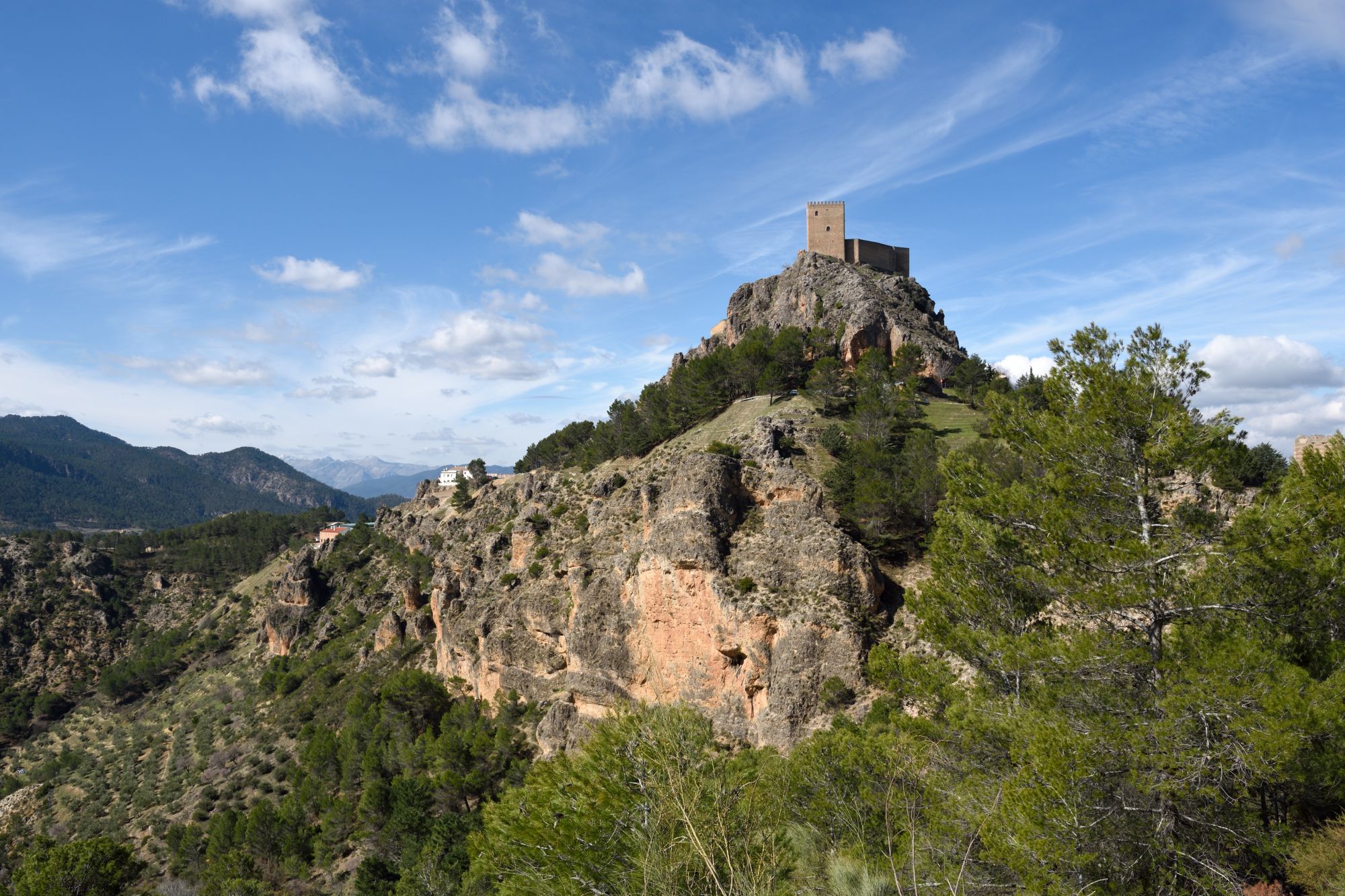
A circular high altitude trail – Bosques del Sur (GR 247)
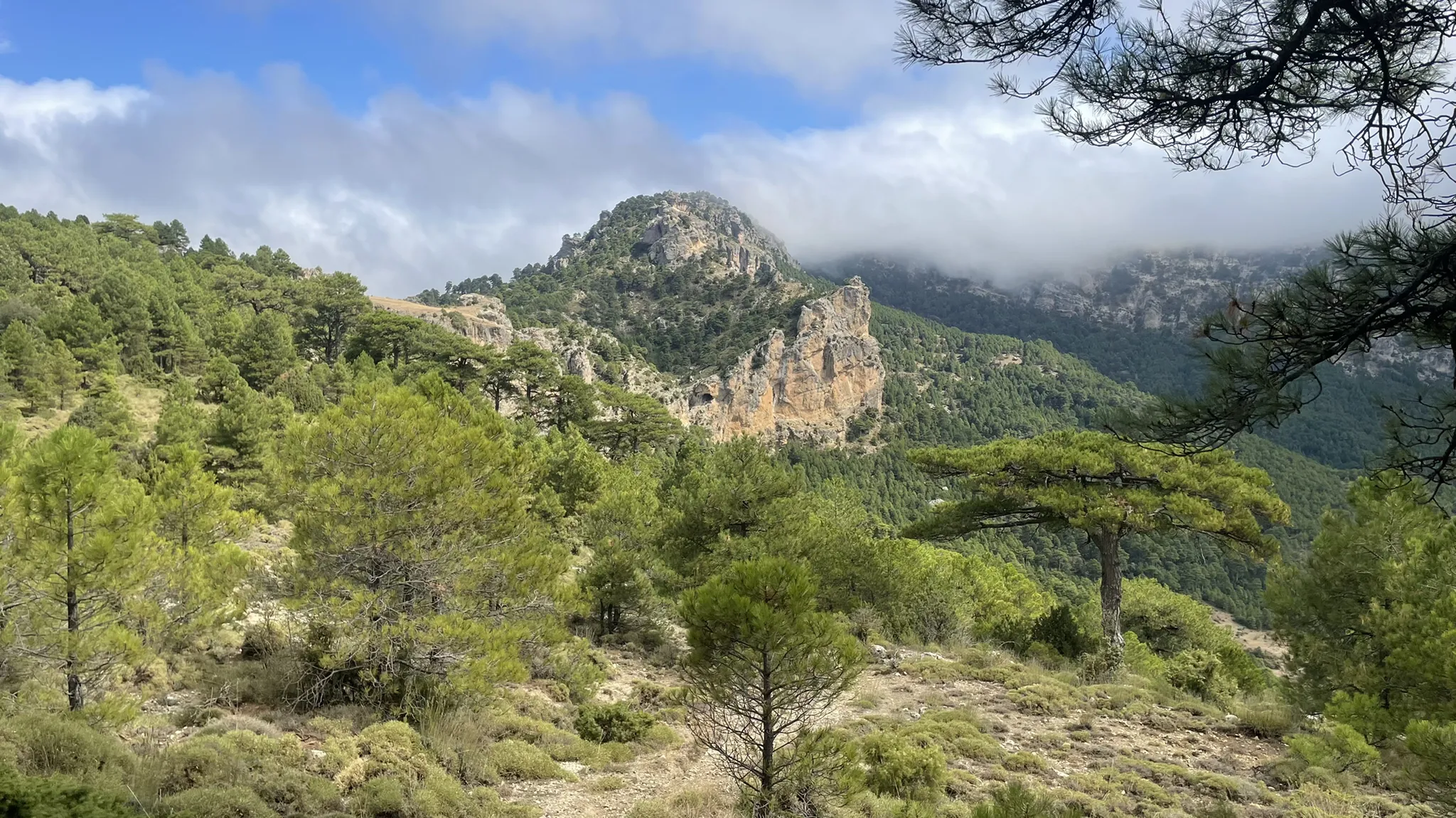
Explore the the secrets of Jaén – La Sierra de Segura Profunda (GR 147)
Other adventures around Santiago-Pontones


Tips from the Community

The Cueva del Agua in Santiago-Pontones is an impressive karst formation located in the Sierra de Segura, in Jaén. This cave is known for its natural beauty and spectacular surroundings, which include waterfalls and rich vegetation.
5
0

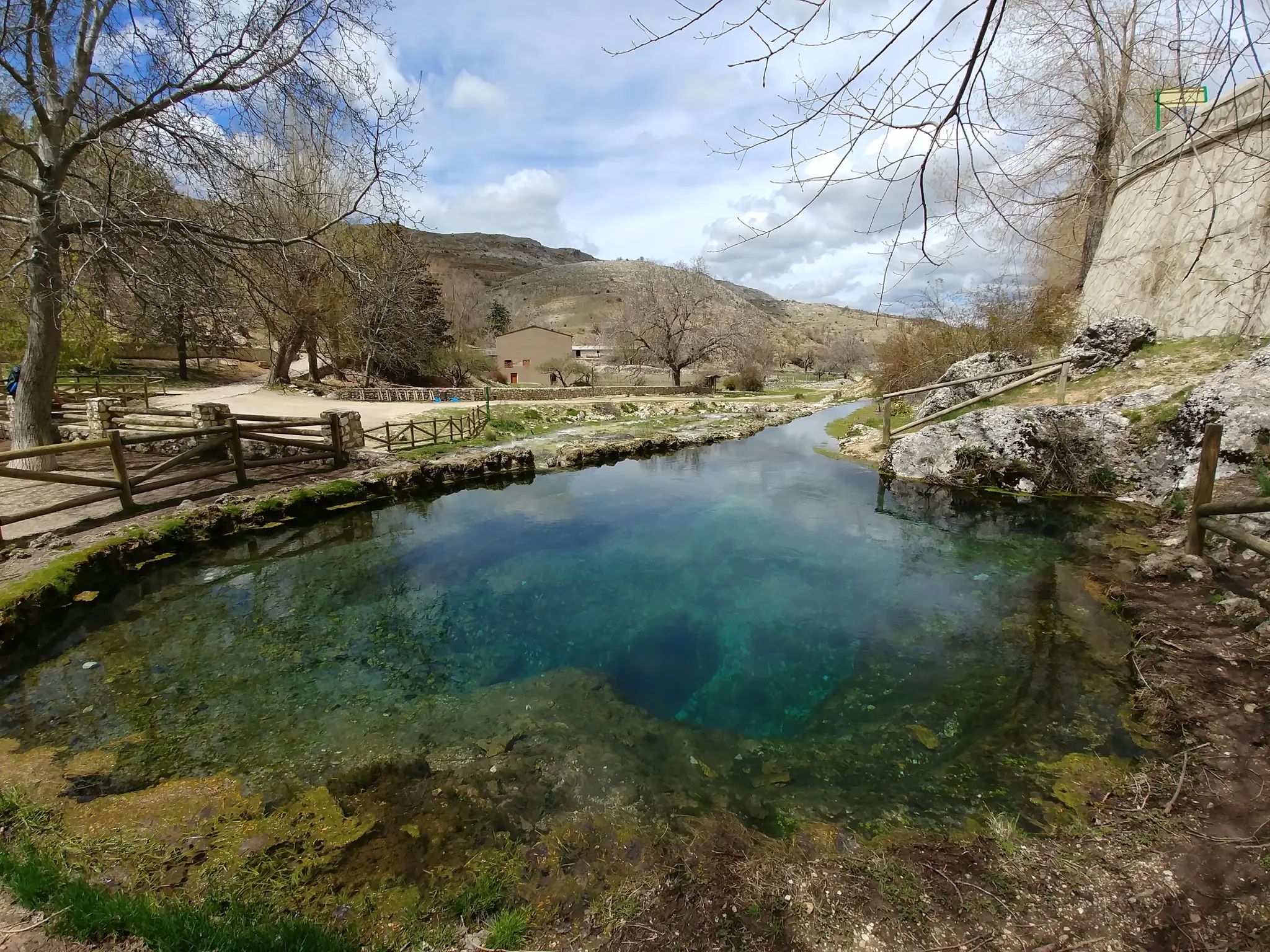
This spring located in the village of La Toba, flows very cold water in summer and warm in winter (although the water is always at the same temperature), inviting anyone to cool off or fill up with fresh water.
1
0

Right next to the village of La Toba is the so-called Nacimiento de la Toba, a birthplace with singular beauty where water flows from a cave. Later, the water thrown by this source runs through the village of La Toba until it falls over a waterfall, which in times of rain when the riverbed is abundant, presents one of the most striking landscapes in Santiago-Pontones. To access the Nativity of La Toba we must drive to the village of La Toba and then walk a little until we find the Nativity. The village can be reached by taking the Despiernacaballos road, whose intersection is located on the road that connects Santiago de la Espada and Pontones or from Santiago de La Espada taking the road that takes us to Miller, JV-7107, once Once we arrive at Las Juntas de Miller we will continue along the JF-7038 highway that will take us to La Toba. During the trip along both routes we will be able to enjoy wonderful landscapes.
19
0

Old village where more than 25 families lived in the 50s, including my father-in-law's. Long before, this enclave next to the cold river and where the provinces of Jaén, Granada and Albacete meet, was already inhabited by men and women in prehistory. Now there are only a few cave paintings (balladas), many houses in ruins and a single inhabitant
1
0

Here you will find the Cuevas Bermejas. There is a beautiful double arch that is at least worth stopping for a photo.
0
0
At the entrance to Poyotello –a small and singular village belonging to the municipality of Santiago Pontones– a path starts that continuously descends and will take us to the water cave. From the Cueva del Agua we can continue the path, which always runs parallel to the Segura riverbed until it ends at the village of Huelga Utrera.
13
0

This spring of crystalline waters emanates from a cave located in the village of La Toba (at the foot of the Anchuricas reservoir) and becomes a mighty stream that runs through the town until it falls off a waterfall. The water is about 7 °C.
4
0
It is a huge natural cave from which abundant pure and fresh water flows, which in just a few meters adds to the Segura river that passes very close.
2
0
Frequently Asked Questions
What unique natural features can I expect to see in the caves around Santiago-Pontones?
The caves in Santiago-Pontones are known for their impressive natural beauty. For instance, the Cueva del Agua is a karst formation featuring internal waterfalls and rich surrounding vegetation. You can also visit La Toba Spring, where water dramatically flows from a cave, creating a striking waterfall during periods of abundant rain.
Are there any historical caves or sites to explore in the region?
Yes, the region offers historical cave sites. Cuevas del Engarbo is an old village enclave next to the cold river, inhabited since prehistory, and still contains cave paintings.
What kind of hiking opportunities are available near the caves?
Several hiking paths are available. A notable route starts from the village of Poyotello, continuously descending to the Cueva del Agua. From there, you can continue along a path parallel to the Segura riverbed, leading to Huelga Utrera. For more options, explore the Hiking around Santiago-Pontones guide, which includes trails like the 'Huelga Utrera - Cueva del Agua - Pontones Trail (PR-A 195)'.
Can I explore the caves with children or is it too difficult?
While specific family-friendly ratings for all caves aren't available, the path to Cueva del Agua is a continuous descent, making it accessible for those who enjoy walking. The natural beauty and water features can be engaging for families. Always assess the specific conditions and your family's capabilities before embarking on an exploration.
What is the best time of year to visit the caves in Santiago-Pontones?
The region's caves, particularly those with water features like La Toba Spring, are most striking during times of abundant rain, when waterfalls are at their fullest. This typically means spring or after significant rainfall. The lush vegetation around Cueva del Agua also thrives during these periods.
Are there other outdoor activities besides caving near Santiago-Pontones?
Yes, Santiago-Pontones offers a variety of outdoor activities. You can find numerous routes for Road Cycling, Hiking, and Gravel Biking, allowing you to explore the beautiful Sierra de Segura landscape.
What should I wear when visiting the caves?
Given the presence of water features and potentially damp conditions inside caves like Cueva del Agua, it's advisable to wear comfortable, sturdy footwear with good grip. Layers of clothing are also recommended, as cave temperatures can be cooler than outside, and conditions may vary.
Is there parking available near the main cave attractions?
For Cueva del Agua, a path starts from the small village of Poyotello. For La Toba Spring, you can drive to the village of La Toba and then walk a short distance. Specific parking facilities are typically found in or near these villages, serving as access points to the natural sites.
What is the geological significance of the caves in Santiago-Pontones?
The caves in Santiago-Pontones are primarily karst formations, meaning they are created by the dissolution of soluble bedrock, mainly limestone, by water. This geological process leads to intricate passages and unique features, as seen in the impressive Cueva del Agua.
Are there any viewpoints or scenic spots near the caves?
The region itself, the Sierra de Segura, is renowned for its natural beauty. Near the caves, you can find scenic spots like the Cuevas Bermejas Arch, which offers a beautiful double arch and serves as a natural monument and viewpoint worth stopping for a photo.
How long does it typically take to visit the Cueva del Agua?
The path to Cueva del Agua from Poyotello involves a continuous descent. If you continue along the path to Huelga Utrera, the entire hiking route is approximately 5.9 kilometers. The duration of your visit will depend on your pace and how much time you spend exploring the cave and its immediate surroundings.
Can I enter the La Toba Spring cave?
It is possible to get into the cave at La Toba Spring, surpassing the rock below and standing inside to observe the water flow. However, it is generally not recommended to go further inside due to safety considerations; it's best to enjoy the place from the accessible areas.
Most popular routes around Santiago-Pontones
Most popular attractions around Santiago-Pontones

Get inspired with the komoot mobile app


