Top 7 Castles around Culla
Best castles around Culla are found in a charming village in the province of Castellón, Spain. This area is known for its medieval fortresses and historical significance, offering a glimpse into the region's past. Perched on a hilltop at over 1,000 meters above sea level, the castles and surrounding villages provide panoramic views of the Maestrazgo landscape. The region's history, including its Templar legacy, is evident in its well-preserved ruins and medieval architecture.
Best castles around Culla
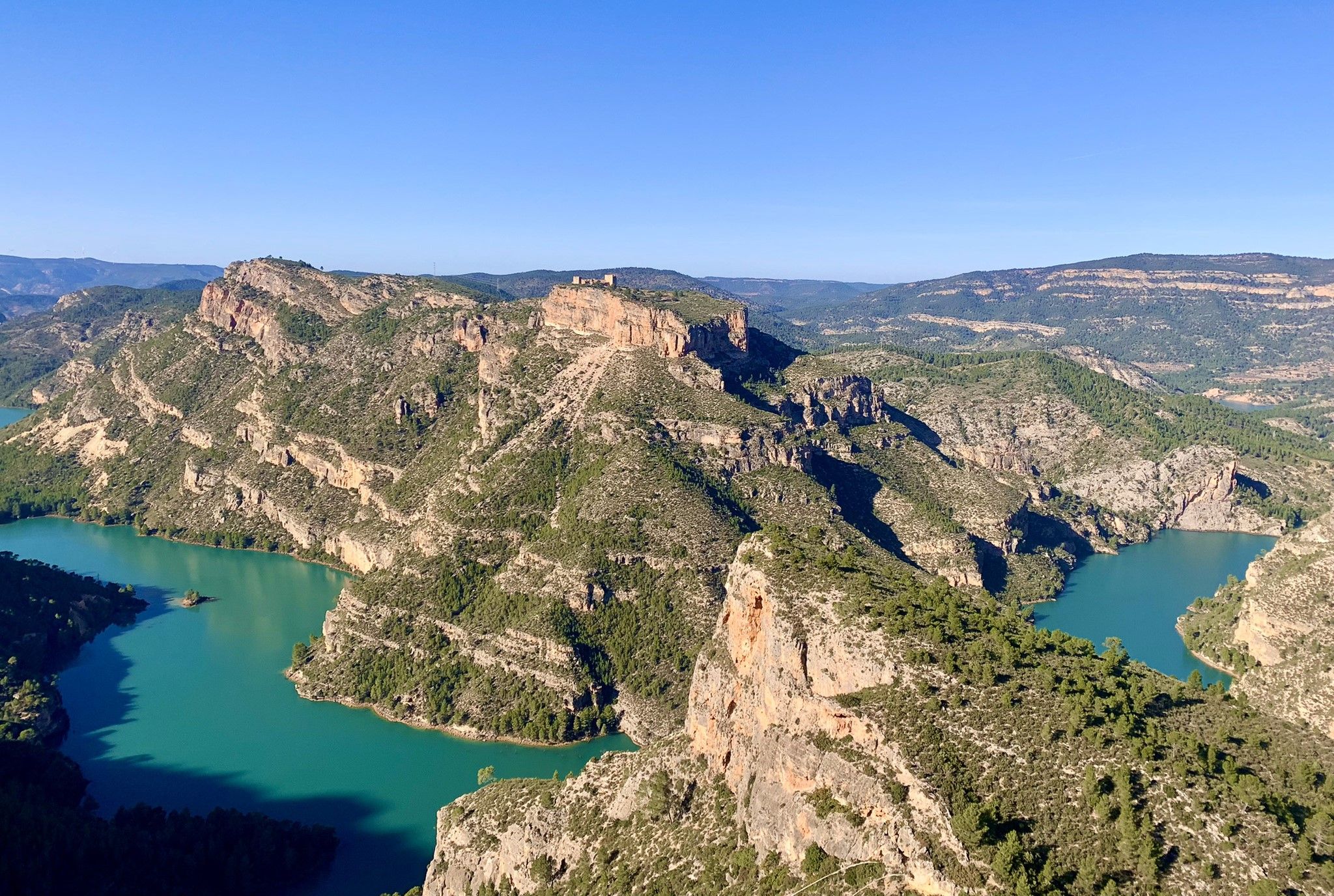
- The most popular castles is Culla Historic Village, a historical site that features a castle dominating the heights. Dating from the 12th and 13th centuries, it is listed as an Asset of Cultural Interest.
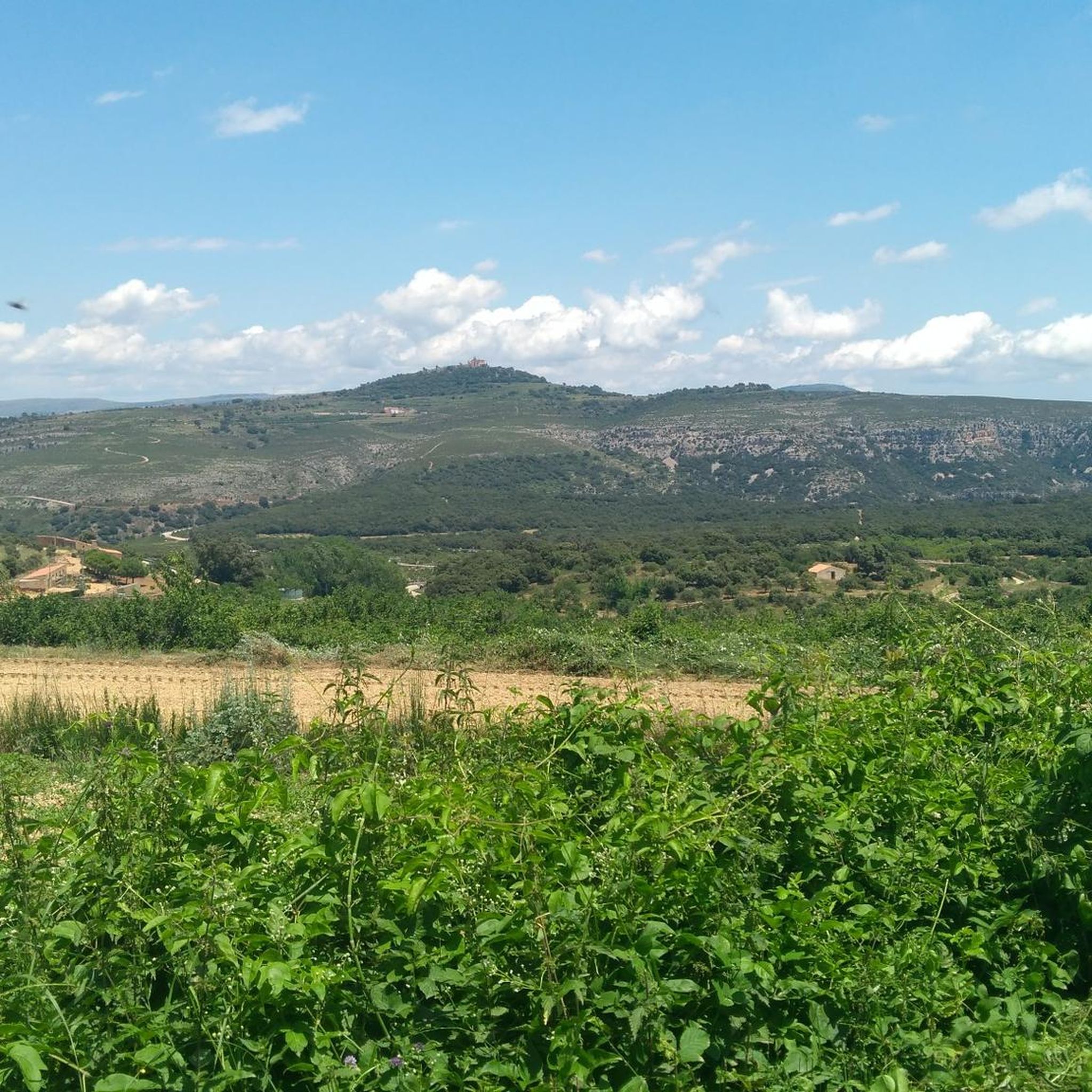
- Another must-see spot is Atzeneta del Maestrat Castle, a castle also known as the Hermitage of Sant Joan Baptista. Visitors can expect a site with charm and very nice views of the entire Alto Maestrat.
- Visitors also love Xodos, a settlement where the remains of a tower and walls of its castle are found in the center of the town. This municipality is located in the region of Alcalatén.
- Culla is known for its medieval castles, historical settlements, and fortified structures. The area offers a variety of castles to see and explore, from prominent ruins to remnants within historic villages.
- The castles around Culla are appreciated by the komoot community, with 24 photos and 10 upvotes contributing to their appeal.
Last updated: June 19, 2026
Culla Historic Village
Highlight • Historical Site
Translated by Google •
Tip by

Xodos
Highlight • Settlement
Translated by Google •
Tip by

Sign up now to discover places like this
Get recommendations on the best single tracks, peaks, & plenty of other exciting outdoor places.
Sign up for free
Vistabella del Maestrat
Highlight • Settlement
The origin of this population is Muslim, since Vistabella belonged to the castle of Culla. Vistabella has witnessed numerous historical events, such as the battle in 1812 against General Suchet during the Spanish war of independence, or important episodes of the Carlist wars, becoming the headquarters of the newspaper printing company of the time such as "Vanguardia". or "Flyer of War".
Of its heritage, its castle stands out, of which a tower remains and part of the wall and the church of the Assumption, from the 17th century, one of the most important samples of Renaissance art in the Valencian territory. Part of the wall and two of the four entrances to the nucleus, the Forn and San Roc portals, have been preserved. Another important architectural sample is the palace house of Polo, from the 18th century, the prison and palace of King Pedro the Ceremonious, from the 14th century, the hermitage of San Antonio, from the 18th century.
Translated by Google •
Tip by

Atzeneta del Maestrat
Highlight • Settlement
The abundant archaeological remains of the place explain its long history, from Iberian ceramics to the Arab castle and medieval walls. The remains of the medieval walls and the castle of Adzaneta, or the Torre de la Presó, form part of its cultural heritage. The current town hall, formerly a hospital and Palace of the Commander of the Setena Culla during the 16th century, is also a historic building.
Translated by Google •
Tip by
Atzeneta del Maestrat Castle
Highlight • Castle
Translated by Google •
Tip by

Sign up for free to discover even more castles around Culla.
Sign up for free
Already have an account?
Start today with a free account
Your next adventure awaits.
Login or Signup

Other adventures around Culla

Tips from the Community

More than a castle, it looks like a hermitage. It is located on a hill and therefore has wonderful views of Alto Maestrazgo.
0
0

Beautiful village located on the GR7 hiking trail.
1
0

It is part of the Most Beautiful Towns in Spain and is undoubtedly worth visiting. Very quiet and small, which allows you to explore it even if you are passing through the area. Walk through its little streets and feel like you are traveling back in time to the time of the Templars!
2
0

Chodos (in Valencian Xodos) is a municipality in the region of Alcalatén (Castellón). In the center of the town is its castle, of which only the remains of a tower and walls remain.
1
0

Municipality of the Alt Maestrat region, in the province of Castellón (Valencian Community). It is located in the middle of the Penyagolosa massif, limiting to the north with the province of Teruel. The origin of this population is Muslim, since Vistabella belonged to the castle of Culla. Vistabella has witnessed numerous historical events, such as the battle in 1812 against General Suchet during the Spanish war of independence, or important episodes of the Carlist wars, becoming the headquarters of the newspaper printing company of the time such as "Vanguardia". or "Flyer of War". Of its heritage, its castle stands out, of which a tower remains and part of the wall and the church of the Assumption, from the 17th century, one of the most important samples of Renaissance art in the Valencian territory. Part of the wall and two of the four entrances to the nucleus, the Forn and San Roc portals, have been preserved. Another important architectural sample is the palace house of Polo, from the 18th century, the prison and palace of King Pedro the Ceremonious, from the 14th century, the hermitage of San Antonio, from the 18th century.
1
0
Municipality of the Alto Maestrazgo region, in the province of Castellón (Valencian Community). The place name comes from Arabic, and refers to the Berber tribe of the Zenatas. The abundant archaeological remains of the place explain its long history, from Iberian ceramics to the Arab castle and medieval walls. The remains of the medieval walls and the castle of Adzaneta, or the Torre de la Presó, form part of its cultural heritage. The current town hall, formerly a hospital and Palace of the Commander of the Setena Culla during the 16th century, is also a historic building.
0
0
Population of the Alcalatén region, in the province of Castellón (Valencian Community), very popular as a hiking and cycling destination, due to its proximity to the Penyagolosa National Park. The origin of Xodos is Arab, and after the Reconquest, King Jaume I granted the lordship to the Aragonese nobleman Ximén de Urrea. The cultural heritage of Xodos includes the parish church of San Pedro Mártir, from the 17th century, which has a nave with three altars and a bell tower, and the castle and walls of Xodos. It is believed that the whole municipality was surrounded by a wall, of which now only the tower of homage remains. The geographical location of Xodos, perched on a rock mass on a precipice above the Alcalatén river valley, was of great strategic importance. The fortification allowed the defense of one of the natural routes that communicated with Aragon.
0
0

Frequently Asked Questions
What is the historical significance of the castles around Culla?
The castles in the Culla region, particularly Culla Historic Village, boast a rich history dating back to the 11th-century Arab Alcazaba. Many were later controlled by the Knights Templar, playing a crucial role in the region's defensive past. Despite some being largely in ruins, like Culla Castle itself, their remnants offer a captivating glimpse into medieval times and the Templar legacy.
Where can I find the best panoramic views of the Maestrazgo landscape?
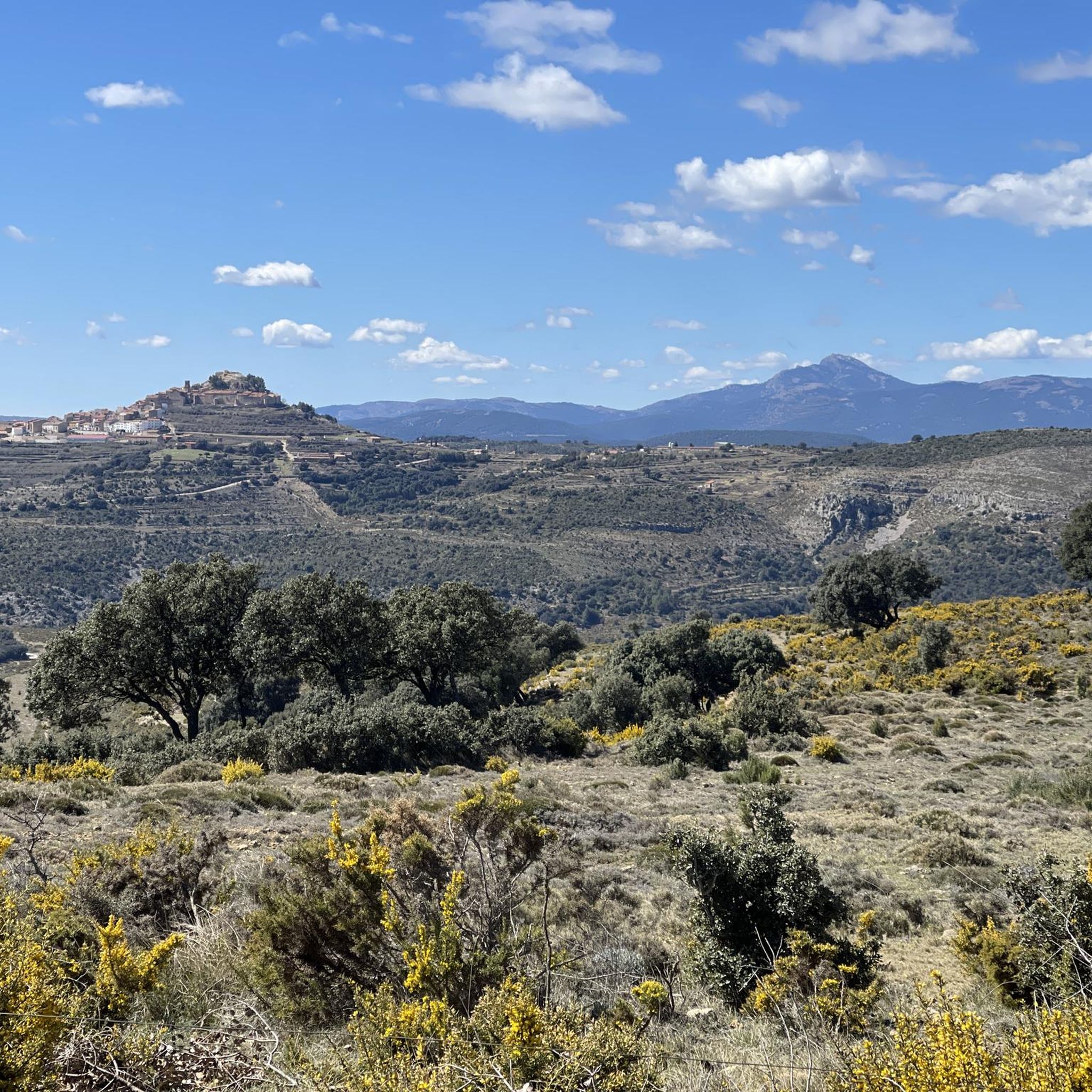
For sweeping panoramic views of the Maestrazgo landscape, visit the ruins of Culla Castle. Perched on a hilltop at over 1,000 meters above sea level, the Culla Historic Village offers magnificent vistas. On clear days, you can even see the Bartolo and Penyagolosa peaks, and the sea from three different vantage points, with the Terrat Viewpoint at the top of the castle providing the best views.
Are there other historical villages or sites to explore near Culla's castles?
Yes, the region is rich in historical settlements. Besides Culla Historic Village itself, which is considered one of 'The most beautiful villages in Spain,' you can visit Xodos, where you'll find remains of a castle tower and walls. Another notable municipality is Vistabella del Maestrat, which also has a castle tower and part of its wall preserved.
What outdoor activities can I do near the castles around Culla?
The area around Culla offers various outdoor activities. You can explore MTB Trails around Culla, go Cycling around Culla, or enjoy Road Cycling Routes around Culla. Many routes pass through or near these historic sites, allowing you to combine sports with cultural exploration.
Are there family-friendly castles or activities in the Culla area?
While the main Culla Castle is in ruins, exploring its remnants and the medieval village of Culla Historic Village can be an engaging experience for families interested in history. Atzeneta del Maestrat is also listed as a family-friendly settlement, offering a charming environment to explore its historical remains and the nearby Atzeneta del Maestrat Castle.
What is the best time of year to visit the castles around Culla?
The region's high elevation means pleasant temperatures during spring and autumn, making these seasons ideal for exploring the castles and enjoying outdoor activities like hiking. Summer can be warm, but the altitude often provides a welcome breeze. Winter can be cooler, but offers a peaceful atmosphere for those seeking tranquility.
What do visitors enjoy most about the castles and villages in the Culla region?
Visitors frequently highlight the tranquility of the area and the stunning panoramic views from the castle ruins. The opportunity to step back in time while exploring the medieval core of Culla Historic Village, with its cobbled streets and Templar legacy, is also a major draw. The integration of the castle with the charming village atmosphere creates a unique and peaceful experience.
Are there specific hiking trails that pass by the castles?
Yes, Culla Historic Village is notably located on the GR7 hiking trail, offering a direct connection for walkers. Many local routes also weave through the picturesque landscape, allowing you to combine castle visits with scenic walks. You can find more detailed routes in the MTB Trails around Culla guide, which also includes walking options.
Is there parking available when visiting the castles?
For Culla Historic Village and its castle, parking is generally available within or just outside the village. Given the medieval nature of the villages, specific parking areas might be limited, but visitors typically find suitable spots within walking distance to explore the sites.
Can I visit the castles using public transport?
While Culla is a charming, somewhat remote village, public transport options might be limited. It's advisable to check local bus schedules if you plan to rely on public transport. Many visitors find it more convenient to reach Culla and its surrounding castles by car, allowing for greater flexibility in exploring the region.
What is <a href="https://www.komoot.com/highlight/5037533" target="_blank" rel="noopener">Atzeneta del Maestrat Castle</a> known for?
Atzeneta del Maestrat Castle, also known as the Hermitage of Sant Joan Baptista, is appreciated for its charm and the very nice views it offers of the entire Alto Maestrat region. It's an important site for the people of Atzeneta, hosting two annual pilgrimages and a popular race.
Are there any hidden gem castles or less crowded options in the area?
While Culla Historic Village is popular, the broader region offers several less crowded historical sites. Atzeneta del Maestrat Castle is described as a site that is not well known but still has its charm. Exploring villages like Xodos or Vistabella del Maestrat can also provide a more tranquil experience of the region's history.
Most popular attractions around Culla

Get inspired with the komoot mobile app


Explore more
Looking for the best castles somewhere else? Discover other guides around Culla:
