Top 5 Caves around Liérganes
Best caves around Liérganes serve as a gateway to exploring the extensive subterranean landscapes of Cantabria, a region known for its geological formations and prehistoric art. While Liérganes itself is recognized for its architectural heritage and natural beauty, it functions as a strategic base for accessing numerous cave systems. The wider Cantabria region contains more than 6,500 caves, many featuring significant Paleolithic art and impressive speleothems. These sites offer insights into ancient human activity and natural geological processes.
Best caves…
Last updated: July 3, 2026
Aguanaz River and Frenchman’s Cave
Highlight (Segment) • River
Translated by Google •
Tip by

La Covachona Cave and Source of the Cubón River
Highlight • Cave
Translated by Google •
Tip by

Sign up now to discover places like this
Get recommendations on the best single tracks, peaks, & plenty of other exciting outdoor places.
Sign up for free
Cueva de la Colodra
Highlight • Cave
Translated by Google •
Tip by

Juyo Cave
Highlight • Cave
Translated by Google •
Tip by
Juntarnosa Arch
Highlight • Natural Monument
Translated by Google •
Tip by

Start today with a free account
Your next adventure awaits.
Login or Signup
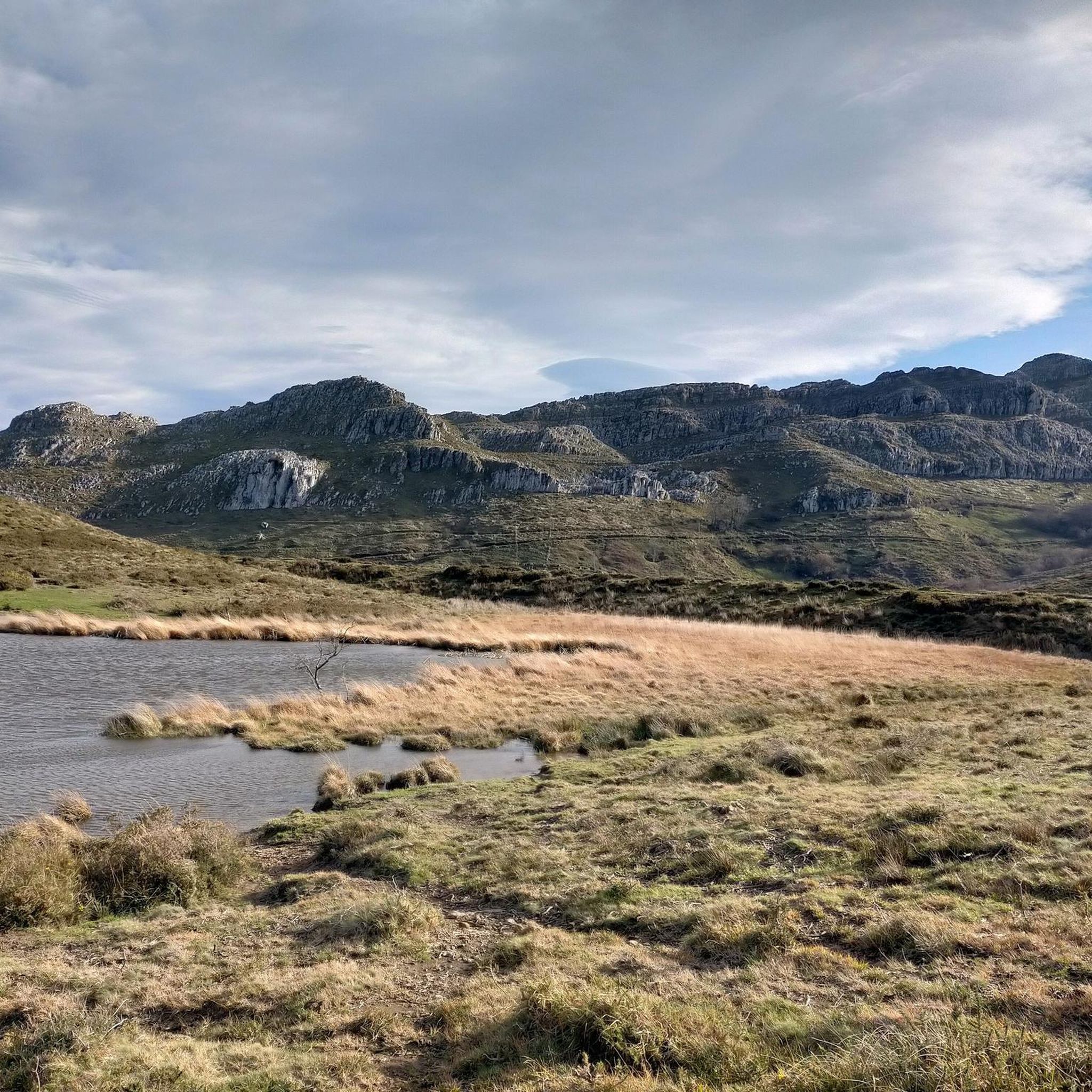
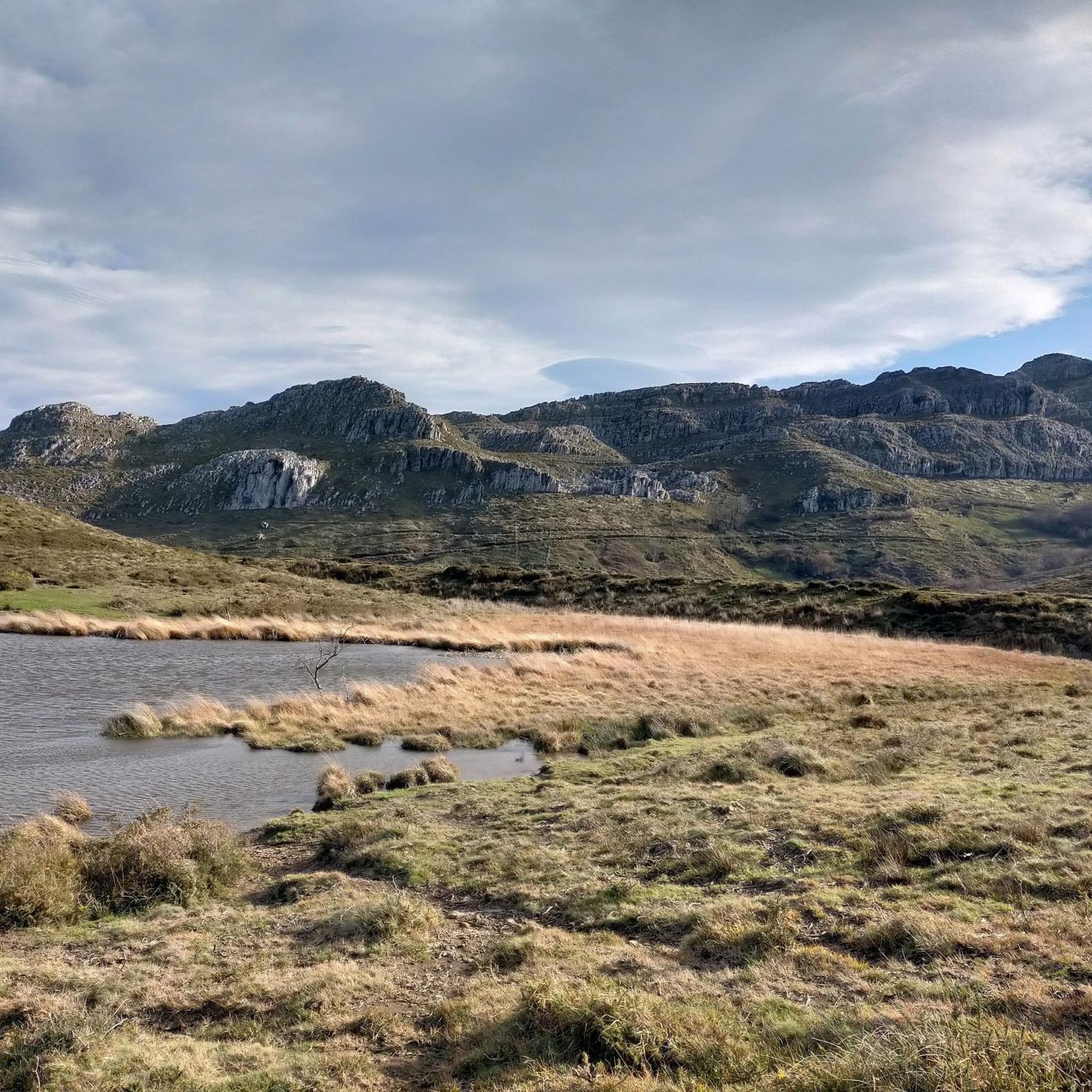
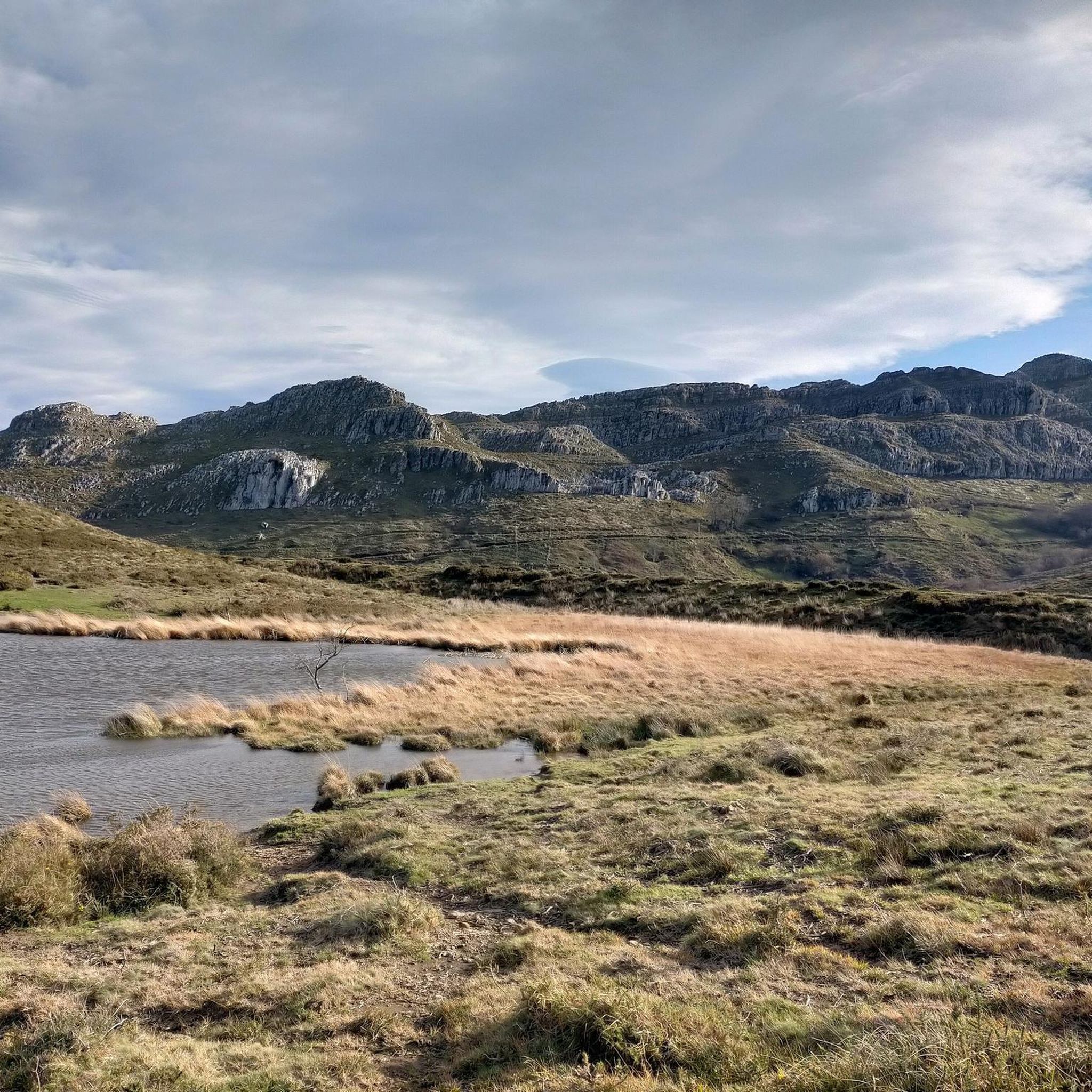
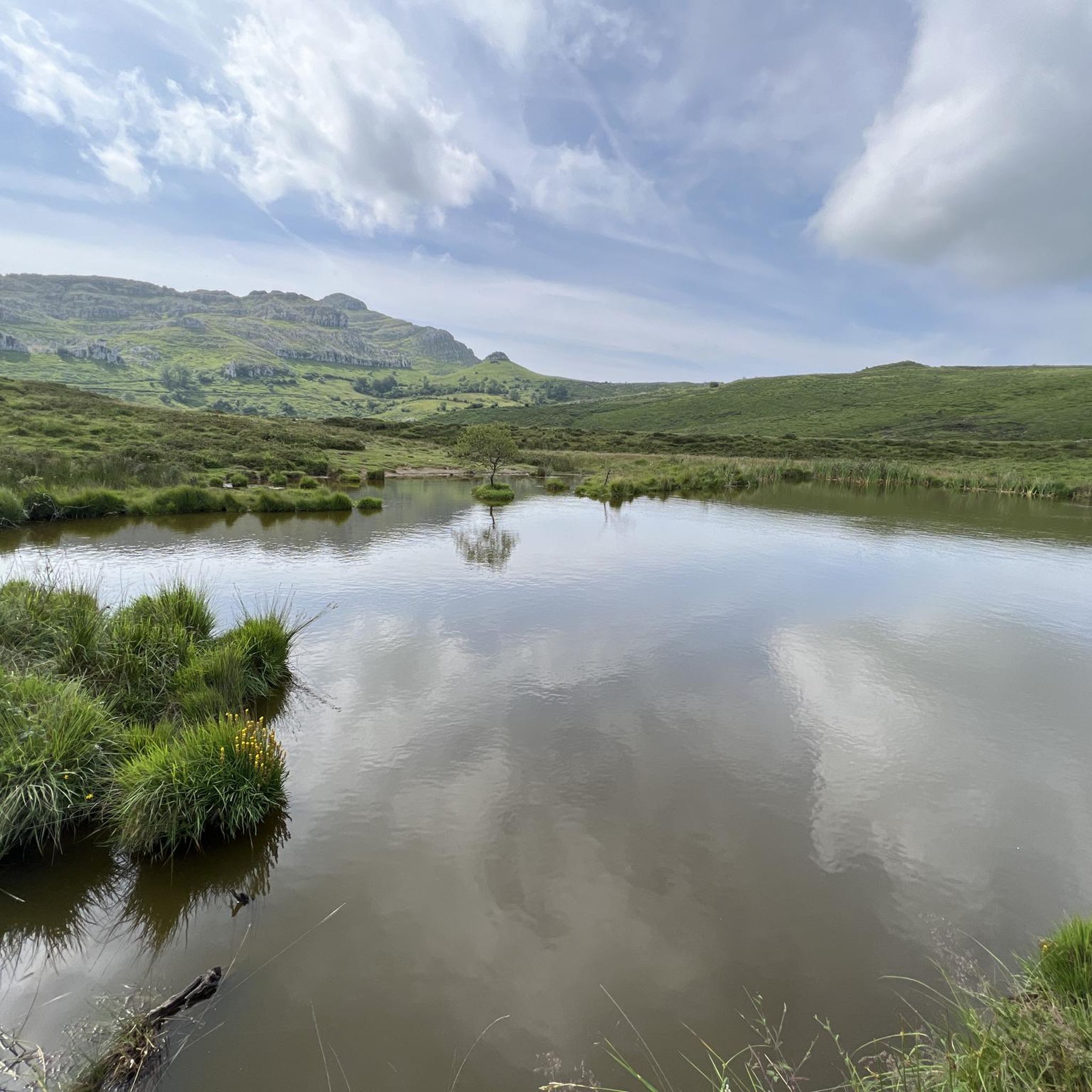
Tips from the Community

Although it's not recognizable from a distance, as you approach the entrance, you discover an opening to the other side. So it's not a "cave," but rather a hollowed-out hole. It's a very interesting visit if you're hiking nearby; don't let the distance and extra effort deter you from missing this opportunity.
0
0

La Cueva de la Colodra is a curious cavity with the typical shape of a movie cave that you can enter its "portico" perfectly standing up but after a few steps inside you discover that it continues through a much smaller and narrower cavity in which You have to crouch down and have more trouble if you want to explore, yes, a flashlight and some basic precautions are necessary here with some more equipment in case it is necessary. It is found going up a few steps from the path that goes up to Alto de Brenas and also to Alto de los Escajos, it is a comfortable path to follow so it does not cost much to deviate and visit this cave, and just a few meters away the birth also begins from the stream of the same name. Of course, if you look calmly from inside it seems that you have a wonderful window to paradise and you breathe authentic peace and tranquility, it is a great place.
0
0

Legend has it that a French abbot, fleeing the Revolution, came to these places, hiding in the cave. And they say that, from so much crying, his eyes became irritated in such a way that they caused him bad eyesight. But, on one occasion he noticed that by washing them with the waters of the fountain, his eyes healed. Hence the discovery of the virtues of the waters and the name of the place.
1
0

Magnificent cave with beautiful views that is worth visiting. It is a few meters away from the path up to Brenas and passing through the Peñal de Brenas.
0
0

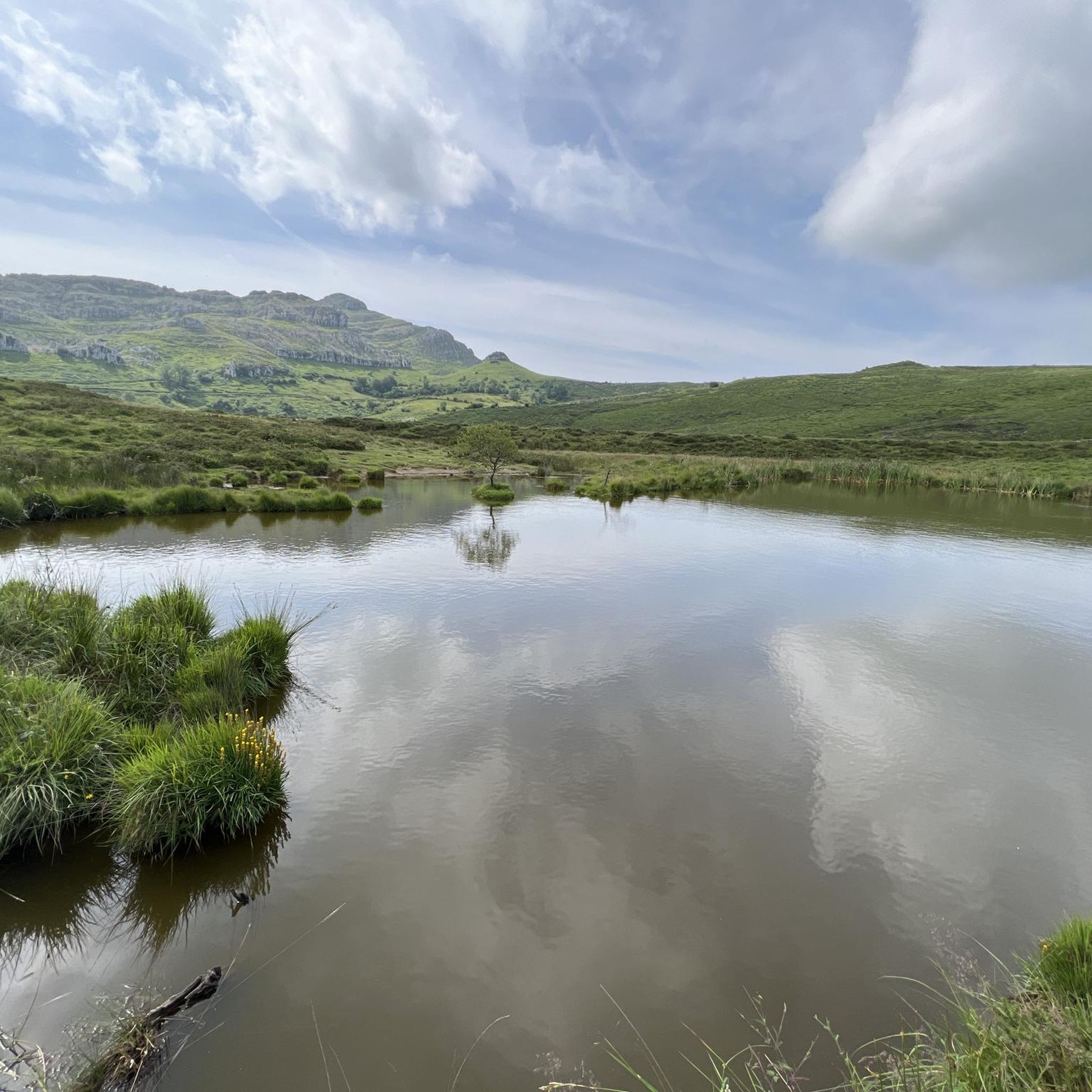
Nice and quiet path that runs along the river through the foliage of the forest.
0
0
The Cueva de El Juyo is located in a sinkhole developed in the upper part of Igollo (Camargo), which is accessed by a small track that ends in the cavity. The cave contains an impressive Lower Magdalenian site (between 16,500 and 14,000 years old) -one of the most outstanding in the Iberian Peninsula-, and was the scene of the excavations and research carried out by Joaquín González Echegaray together with Leslie Gordon Freeman -prehistorian and professor from the University of Chicago
2
0
In the Bº de Rioz, in Sobremazas (Medio Cudeyo), behind the public washhouse, at the bottom in the rocks is a small cave where clear and crystalline water emerges and is where the source of the Cubón river is dated. The cave also gives the name to the small park that surrounds it, which has 3 wooden tables, a fountain and a small recreational park for young children and one of the Singular Trees of Cantabria: El Castaño de Rioz.
5
0

Frequently Asked Questions
What are the most significant caves to visit in the broader Cantabria region, beyond Liérganes itself?
While Liérganes is a great base, the wider Cantabria region is home to globally renowned cave systems. Key sites include the Altamira Neocave (a replica of the original with extraordinary Paleolithic art), El Soplao Cave (known as the 'Sistine Chapel of Geology' for its diverse formations), and the Monte Castillo Caves (El Castillo and Las Monedas), which are UNESCO World Heritage sites featuring ancient art and geological beauty. Cullalvera Cave and Hornos de la Peña Cave also offer impressive prehistoric art and natural formations.
Are there family-friendly caves suitable for visitors with children near Liérganes?
Yes, several caves near Liérganes are considered family-friendly. Aguanaz River and Frenchman’s Cave offers a quiet river walk leading to a cave with a local legend. La Covachona Cave and Source of the Cubón River is located within a park with recreational facilities for children, making it an accessible option for families.
What kind of geological features can I expect to see in the caves around Liérganes and Cantabria?
The caves in the Cantabria region, including those near Liérganes, are celebrated for their diverse geological formations. You can expect to see spectacular speleothems such as stalactites, stalagmites, columns, flowstones, and even rare helictites, particularly in caves like El Soplao. Many caves are also sources of rivers, showcasing the region's active karst topography, such as La Covachona Cave.
Which caves near Liérganes offer insights into prehistoric human activity or art?
The Cantabria region is world-renowned for its Paleolithic art. While the immediate Liérganes area has sites like Juyo Cave with an impressive Magdalenian site, the broader region boasts the Altamira Neocave (replica of original art), El Castillo Cave (with art over 40,000 years old), Las Monedas Cave (featuring 17 animal figures), Cullalvera Cave (with audiovisual projections of prehistoric life), and Hornos de la Peña Cave (with original rock carvings).
What are some popular hiking trails or outdoor activities near the caves around Liérganes?
Liérganes is an excellent starting point for various outdoor activities. You can find numerous hiking trails, such as the moderate 'Peña Cabarga Circular Trail' or routes like 'Rucandio Fountain – Casa de Miera-Rubalcaba loop from Liérganes'. For more options, explore the Hiking around Liérganes guide. There are also dedicated guides for MTB Trails and Running Trails in the area.
What is the best time of year to visit the caves in Cantabria?
The caves in Cantabria can generally be visited year-round. However, spring and autumn offer pleasant temperatures for exploring the surrounding natural areas and avoiding the peak summer crowds. During winter, the stable temperatures inside the caves make them a good option regardless of external weather, though some sites might have reduced opening hours.
Are there any caves near Liérganes that offer unique views or natural formations?
Yes, Cueva de la Colodra is a curious cavity that can be entered standing, narrowing further inside, and offers a 'window-like' view from within, providing magnificent perspectives of the surrounding landscape. The Juntarnosa Arch, while not a traditional cave, is a hollowed-out natural arch that is an interesting visit if you're hiking nearby.
What should I wear when visiting caves in the Liérganes area?
Cave temperatures are typically cool and constant, often around 12-14°C (54-57°F), regardless of the outside weather. It's advisable to wear layers, including a light jacket or sweater, and comfortable, closed-toe shoes with good grip, as surfaces can be damp and uneven. For more adventurous caving experiences, specialized gear might be required, but for guided tourist caves, these basics are usually sufficient.
Are there any caves near Liérganes that are particularly easy for beginners or those with limited mobility?
For beginners or those seeking easier access, caves with well-maintained paths and guided tours are recommended. While specific accessibility details vary by site, many of the major tourist caves in Cantabria, such as the Altamira Neocave and parts of El Soplao, are designed to be accessible to a wider audience, often with paved walkways and ramps. Always check the specific cave's website for detailed accessibility information before visiting.
What do visitors enjoy most about the caves around Liérganes?
Visitors frequently appreciate the blend of natural beauty and historical significance. The local caves like Aguanaz River and Frenchman’s Cave are enjoyed for their quiet river walks and local folklore. The broader Cantabrian caves are highly valued for their spectacular geological formations, the awe-inspiring prehistoric art, and the unique opportunity to step back in time and connect with ancient human history.
Are there any caves near Liérganes that are considered natural monuments?
Yes, La Covachona Cave and Source of the Cubón River is designated as a natural monument. It's a small cave that serves as the source of the Cubón river and is located within a park featuring a singular tree. Cueva de la Colodra and Juyo Cave are also recognized as natural monuments.
How do the caves around Liérganes compare to grottoes?
The terms 'cave' and 'grotto' are often used interchangeably, but 'grotto' typically refers to a smaller cave, often one that is picturesque or artificially created. The sites around Liérganes and in Cantabria are generally extensive natural caves, many with significant geological or archaeological importance, rather than small grottoes. They are large, naturally formed subterranean spaces, some stretching for kilometers.
Most popular attractions around Liérganes

Get inspired with the komoot mobile app


Explore more
Extend your search for the best caves by checking out these guides of the top ones around Liérganes:
