Top 4 Gorges around Valle De Bardají
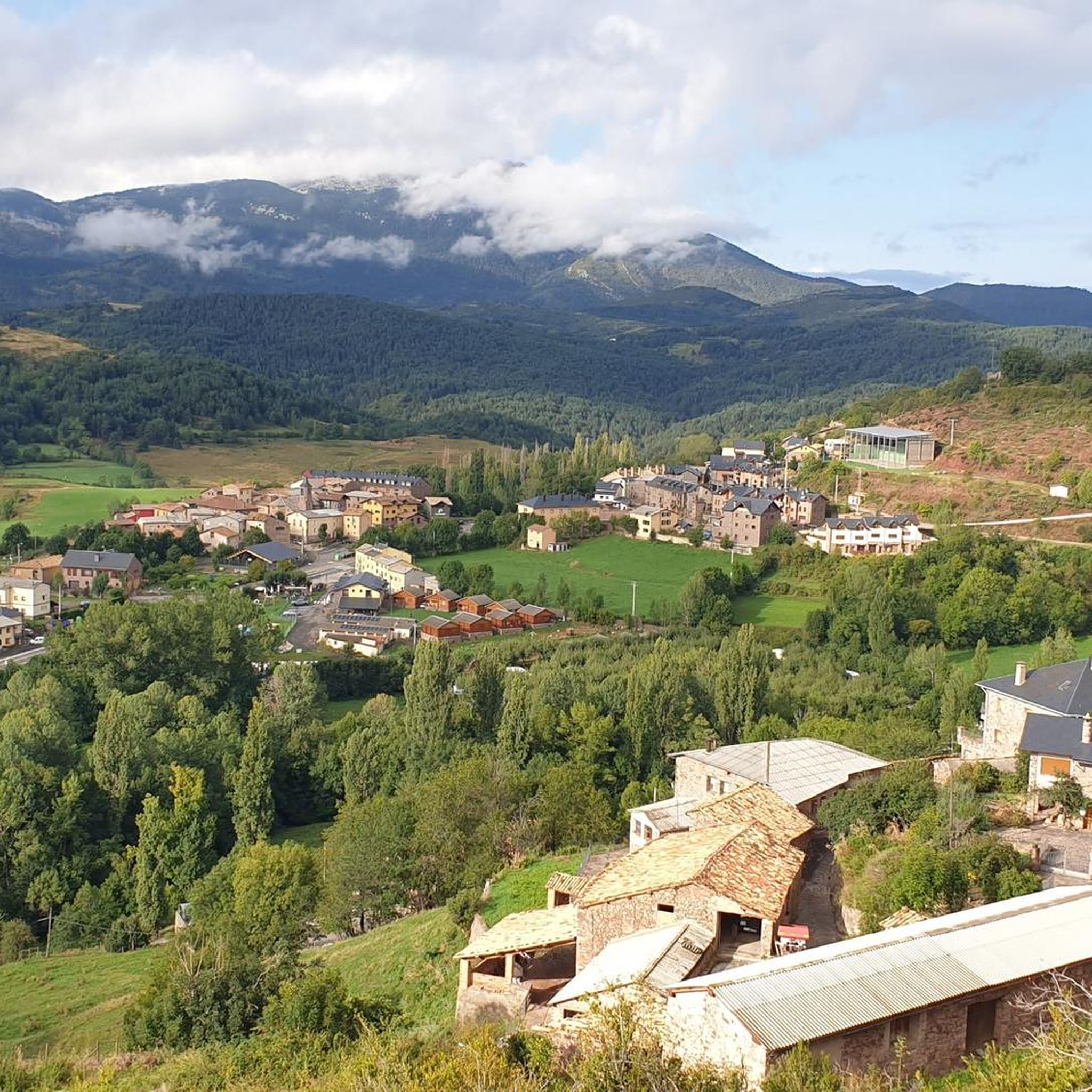
Best canyons around Valle De Bardají are found within a picturesque area in the Aragonese Pyrenees, known for its natural landscapes. The valley is traversed by the Rio Rialbo and is situated amidst mountains like Pico Cervín and the Macizo del Turbón. While direct technical canyoning spots are not prominent within its immediate boundaries, the region features significant gorges and ravines. The nearby Congosto de Ventamillo, a gorge carved by the Ésera river, is a notable natural feature.
Best canyons…
Last updated: July 3, 2026
Obarra Gorge (Isábena River Gorge)
Highlight (Segment) • Gorge
Translated by Google •
Tip by

Congosto de Ventamillo
Highlight (Segment) • Gorge
Translated by Google •
Tip by

Sign up now to discover places like this
Get recommendations on the best single tracks, peaks, & plenty of other exciting outdoor places.
Sign up for free
Clay Ravines Trail
Highlight (Segment) • Trail
Translated by Google •
Tip by

Croqueta Trail
Highlight • Gorge
Translated by Google •
Tip by

Start today with a free account
Your next adventure awaits.
Login or Signup
Tips from the Community

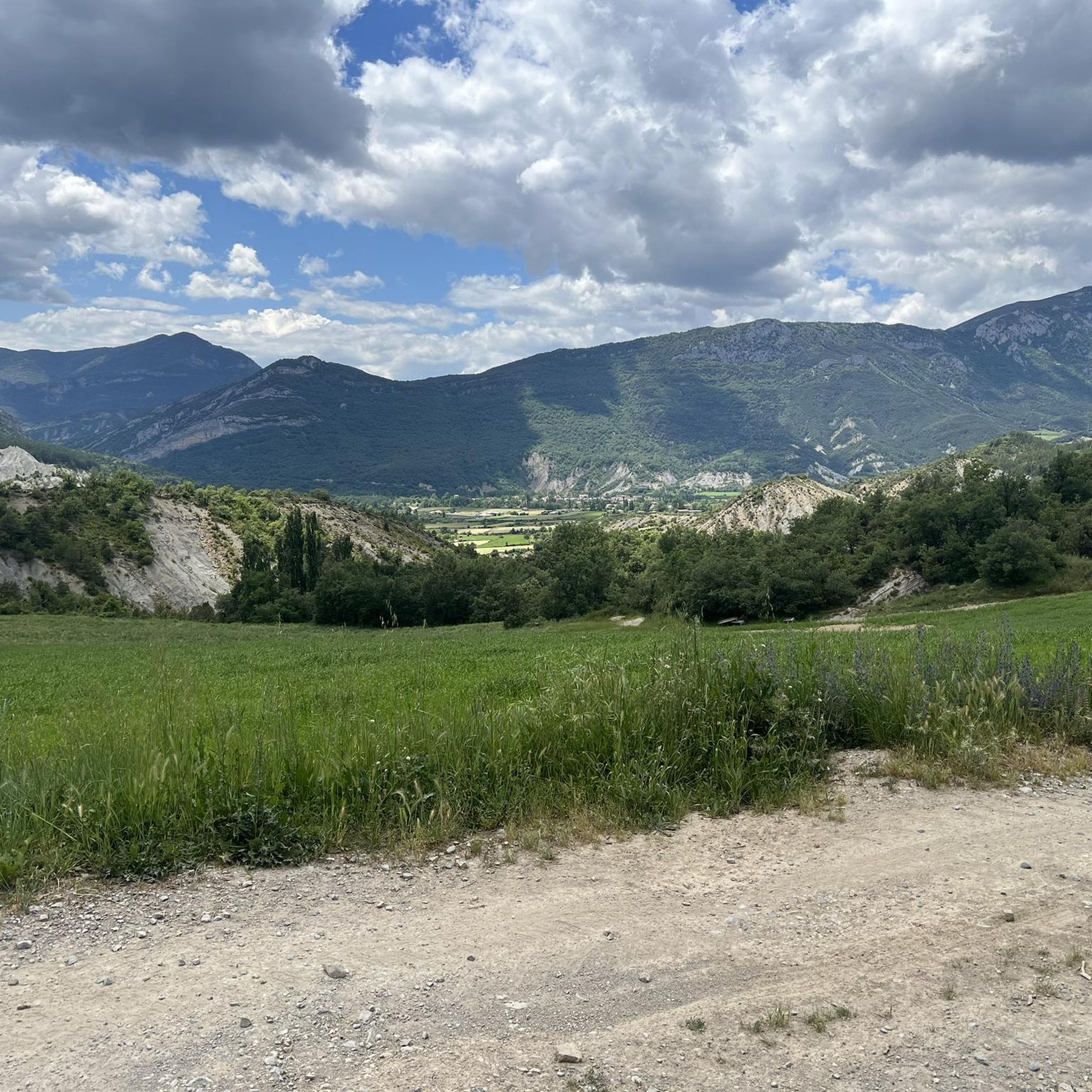
Very rocky path - just for descent, and not funny, but landscape make it worth
0
0

Highly recommended is to do this in the direction of Puebla de Roda - Campo, otherwise it's quite steep. The descent ends in an incredible and unexpected setting, among clay ravines.
0
0

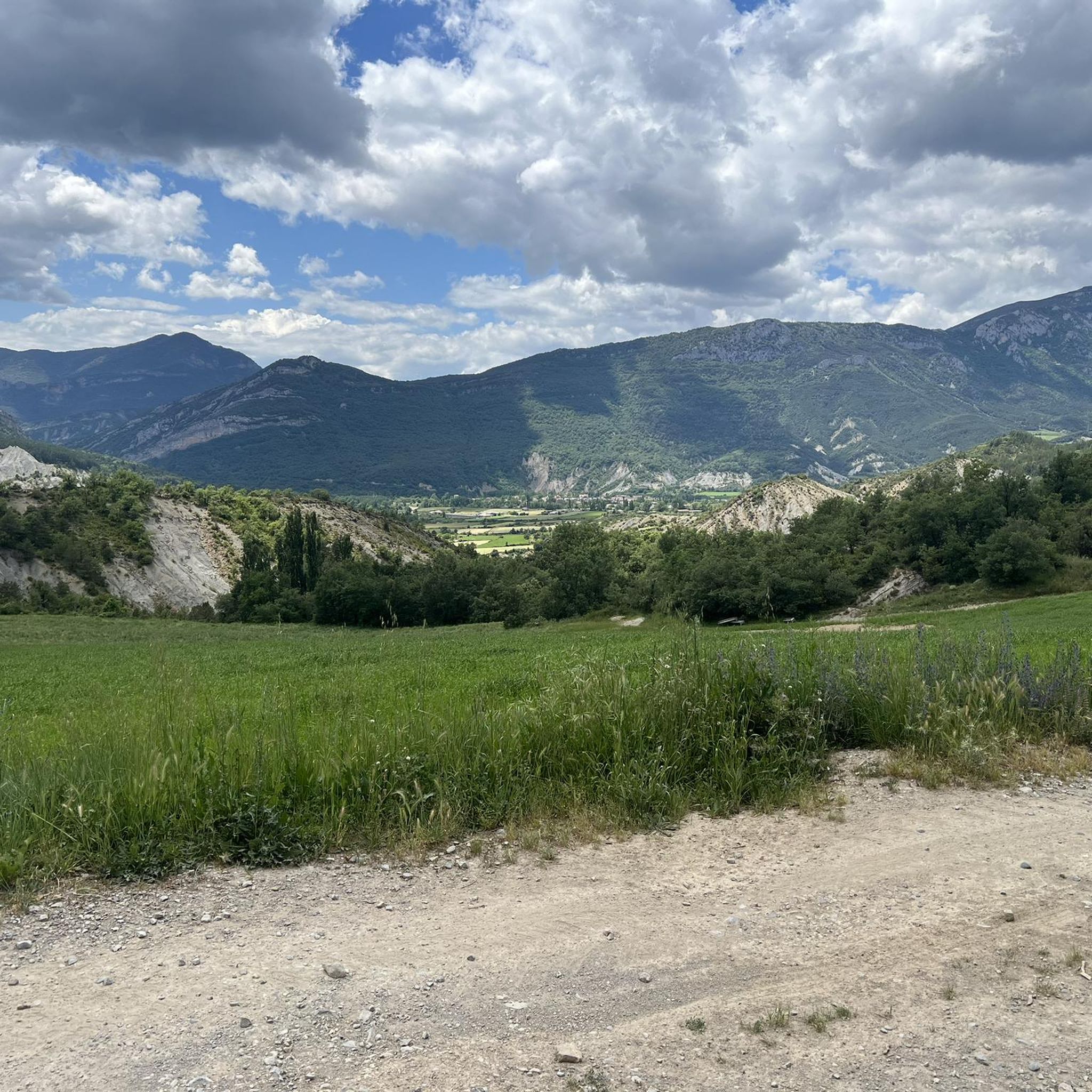
The Ventamillo Gorge is a beautiful and imposing ravine traced by the Ésera River. 40,000 years ago, the gigantic glacier of the same name was located here; the melting and erosion of the limestone rock outlined the magnificent landscape seen today.
1
0

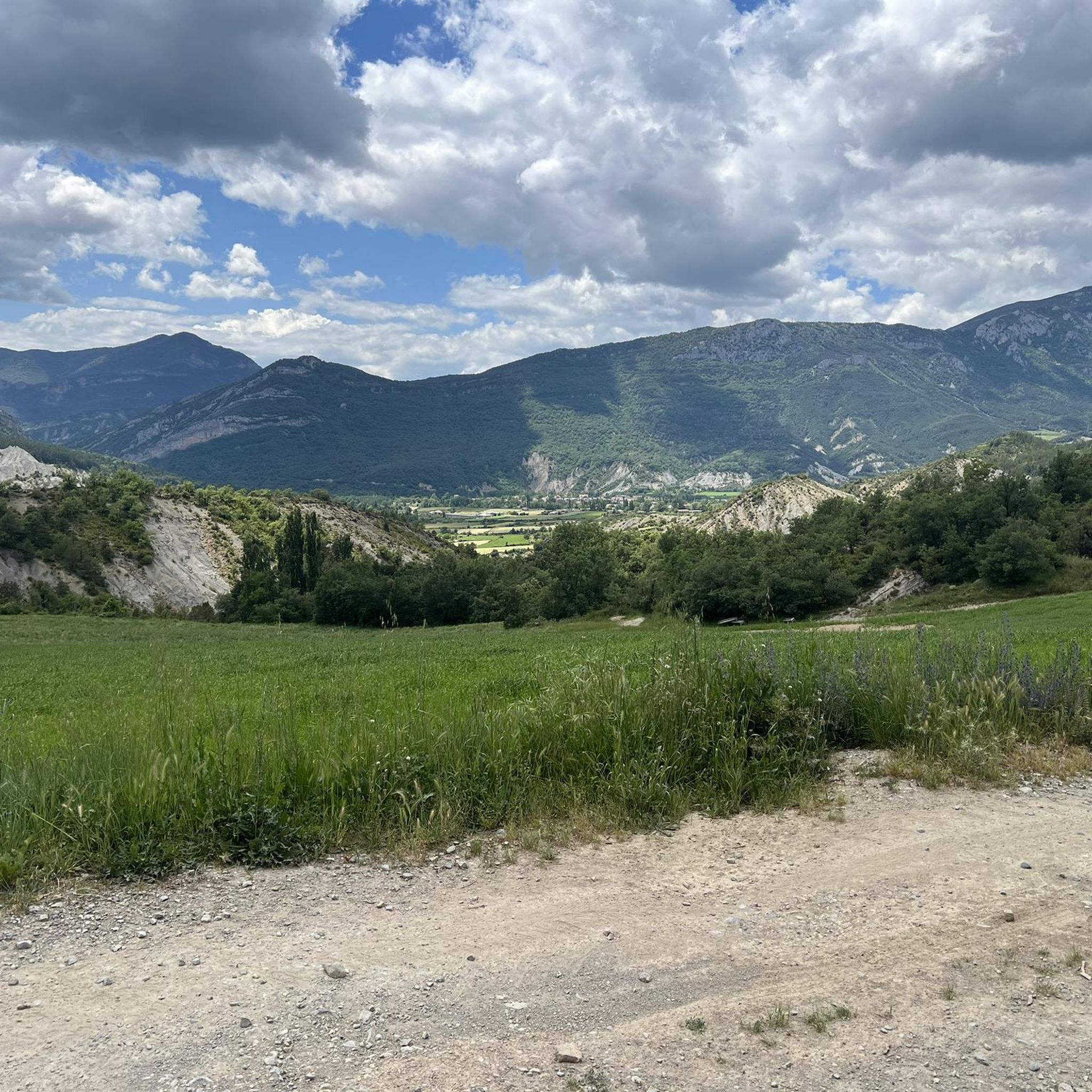
Before the Obarra tunnels were built, the only way to cross the narrow and deep gorge of the Isábena River was along this path, which gets its name from the croquette-shaped rock above it. It is also part of the Arán-Pirineos route on the Camino de Santiago.
1
0

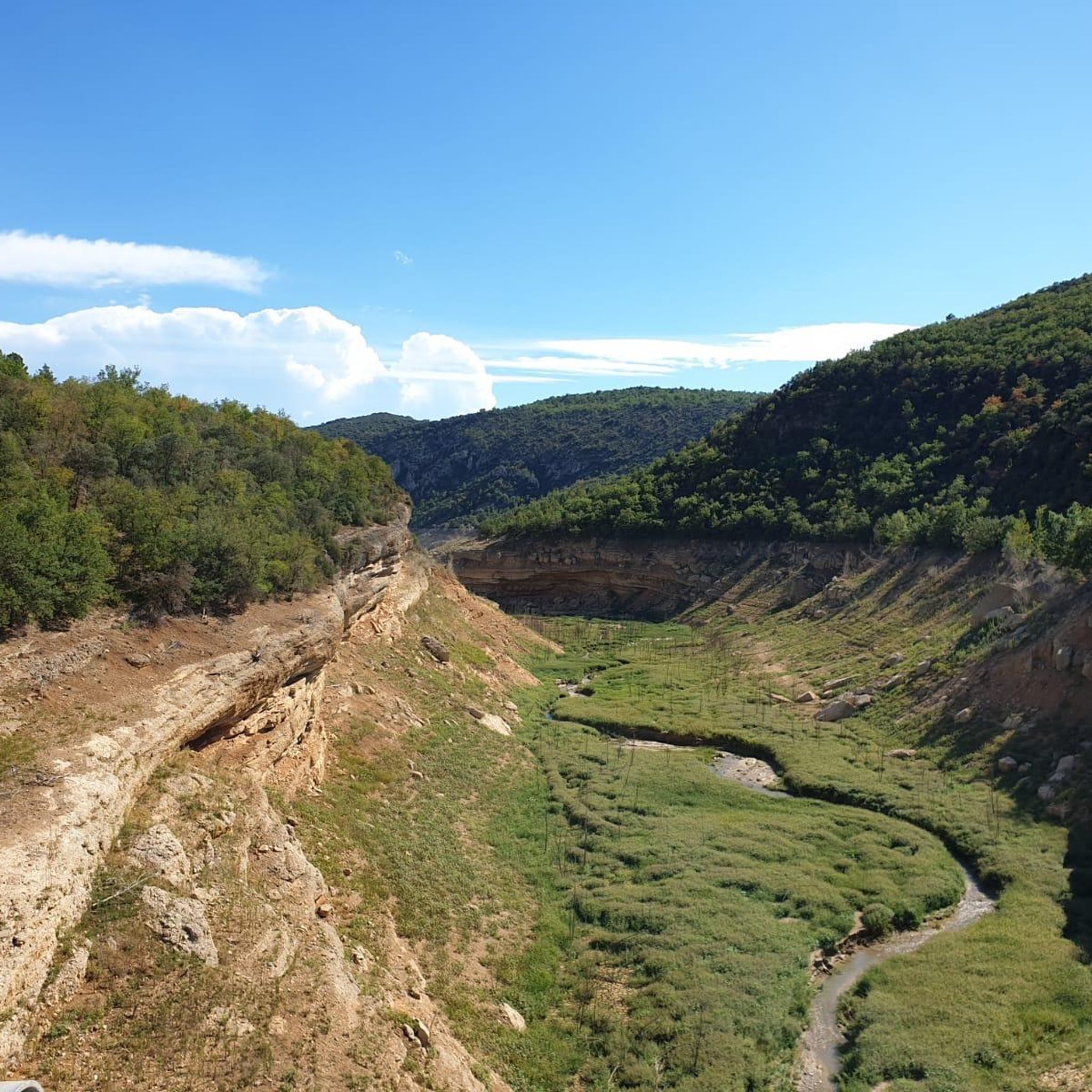
Also known as the Congosto de Obarra. It is a much safer and more beautiful option than the neighboring Congosto del Ventamillo.
2
0
Frequently Asked Questions
What are the most notable gorges and ravines to explore around Valle de Bardají?
The region around Valle de Bardají offers several impressive natural features. The Obarra Gorge (Isábena River Gorge) is a popular and scenic option. Another significant natural landmark is the Congosto de Ventamillo, an imposing ravine carved by the Ésera River, showcasing a magnificent landscape shaped by erosion over millennia.
Are there any unique natural features or trails beyond the main gorges?
Yes, beyond the well-known gorges, you can discover the Clay Ravines Trail. This challenging trail leads to an unexpected and striking natural landscape characterized by clay ravines at its descent. It offers a unique visual experience for those seeking something different.
What kind of natural landscapes can I expect to see in Valle de Bardají?
Valle de Bardají is set within the picturesque Aragonese Pyrenees, offering stunning natural landscapes. You'll find the valley traversed by the Rio Rialbo and surrounded by mountains like Pico Cervín and the Macizo del Turbón. The area is rich in gorges and ravines, showcasing the powerful effects of water and erosion on limestone rock, creating dramatic and beautiful scenery.
What are the best outdoor activities to do near the canyons of Valle de Bardají?
The area around Valle de Bardají is excellent for various outdoor activities. You can find numerous MTB trails, cycling routes, and running trails. These routes often pass through or near the region's natural features, offering diverse landscapes for exploration.
Are there any historical trails or paths in the area?
Yes, the Croqueta Trail is a path with historical significance. Before the Obarra tunnels were built, this was the only way to traverse the narrow and deep Isábena River gorge. It's also part of the Arán-Pirineos route on the Camino de Santiago, offering a glimpse into past travel routes.
What is the difficulty level of the trails associated with these gorges?
The difficulty varies. Gorges like Obarra Gorge and Congosto de Ventamillo are generally considered intermediate for exploration. However, trails like the Clay Ravines Trail are described as challenging, particularly the descent, which can be steep and rocky.
Is the Valle de Bardají region suitable for technical canyoning?
While Valle de Bardají itself is known for its scenic gorges and ravines, direct technical canyoning spots are not prominently highlighted within its immediate boundaries. However, the broader Huesca province, where Valle de Bardají is located, is a renowned destination for canyoning, with famous canyons like Peonera and Formiga in Sierra de Guara.
What do visitors appreciate most about the gorges around Valle de Bardají?
Visitors particularly enjoy the scenic beauty and the unique geological formations. For instance, the Obarra Gorge is praised for being a beautiful and safer option, while the Congosto de Ventamillo is admired for its imposing landscape shaped by ancient glaciers and erosion. The unexpected setting of the Clay Ravines Trail also receives positive feedback despite its challenging nature.
Are there any specific tips for hiking the Clay Ravines Trail?
If you plan to hike the Clay Ravines Trail, it is highly recommended to do it in the direction of Puebla de Roda - Campo, as the alternative can be quite steep. Be aware that the path is very rocky, especially on the descent, and there is no water source along the trail, so bring plenty of your own.
What is the best time to visit the gorges and trails in Valle de Bardají?
The Aragonese Pyrenees generally offer pleasant conditions for outdoor activities from late spring through early autumn. Summer provides warmer temperatures, ideal for exploring the gorges and trails. However, always check local weather conditions, especially for challenging routes or during periods of heavy rainfall, which can affect trail conditions.
Is the Congosto de Ventamillo accessible for general visitors?
The Congosto de Ventamillo is a notable natural feature that can be appreciated by visitors. While it's an imposing ravine, it's traversed by the Ésera River and connects to the Benasque Valley, making it accessible for viewing and hiking in certain sections. Its beauty and geological significance are a major draw.
Most popular routes around Valle De Bardají
Most popular attractions around Valle De Bardají

Get inspired with the komoot mobile app


Explore more
Already discovered everything in this region? See additional gorges around Valle De Bardají for your next adventure:
