Top 5 Caves around Castellfollit Del Boix
Best caves around Castellfollit Del Boix are situated within the broader Garrotxa Volcanic Zone Natural Park, an area characterized by its volcanic landscape and unique underground formations. This region features over 40 inactive volcanoes and more than 20 lava flows, which have contributed to the formation of distinctive natural features. The geology includes lava tubes, natural rock formations, and historical rock-cut sites, providing a diverse range of subterranean features. These formations offer insights into the region's volcanic past and natural…
Last updated: July 3, 2026
Font de l'Esllavissada
Highlight • Cave
off the cliff, hence the toponym of the landslide. Inside there is a small perennial water …
Translated by Google •
Tip by

Pruneres Cave
Highlight • Cave
Despite the fact that in many maps and texts it appears as a balm, we prefer to mention it …
Translated by Google •
Tip by
Sign up now to discover places like this
Get recommendations on the best single tracks, peaks, & plenty of other exciting outdoor places.
Sign up for free
Cova de l'Arcada
Highlight • Cave
Translated by Google •
Tip by

Prehistoric Park of Capellades
Highlight • Historical Site
Translated by Google •
Tip by

Bauma dels Plecs del Llibre
Highlight • Cave
Translated by Google •
Tip by
Start today with a free account
Your next adventure awaits.
Login or Signup
Popular around Castellfollit Del Boix
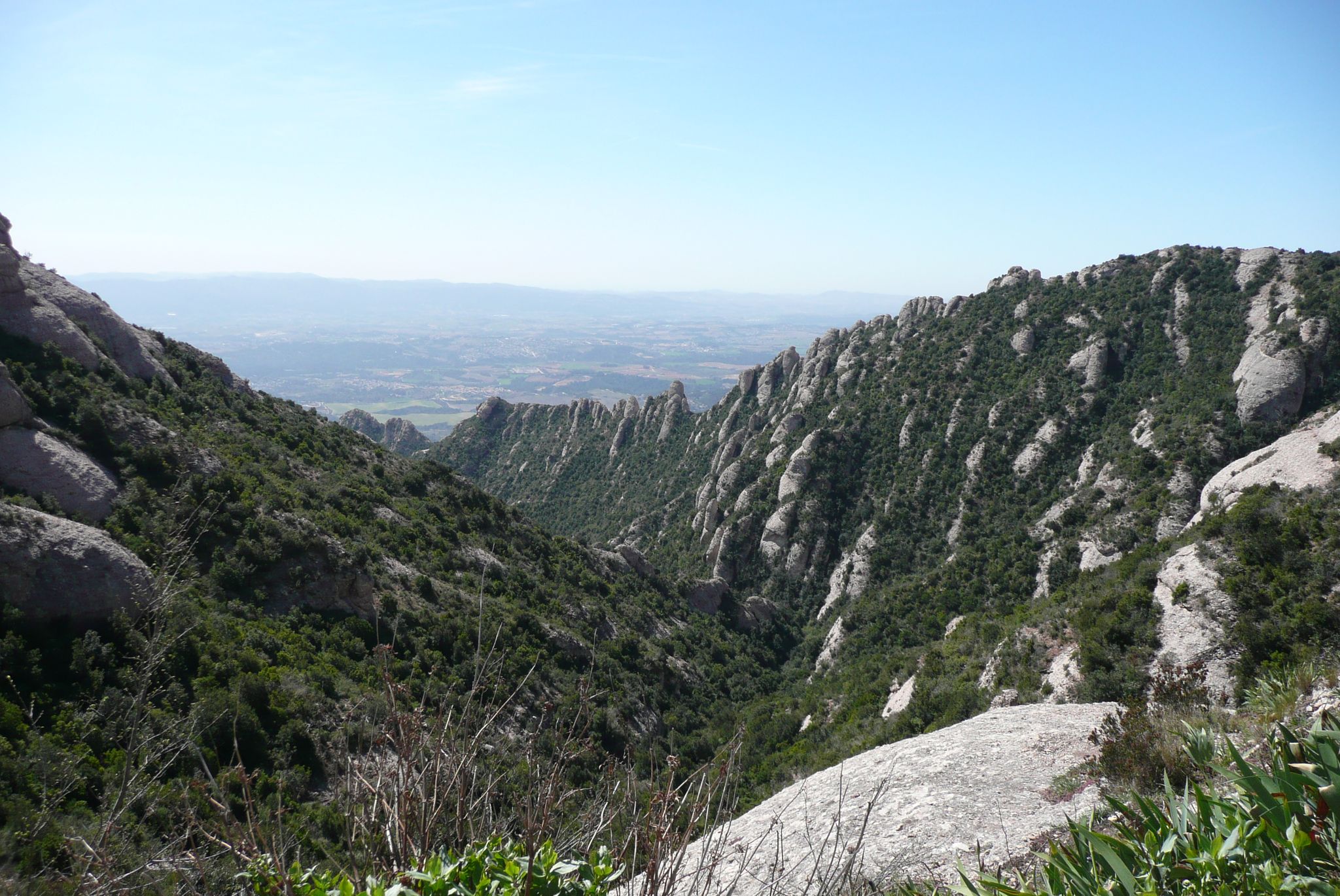
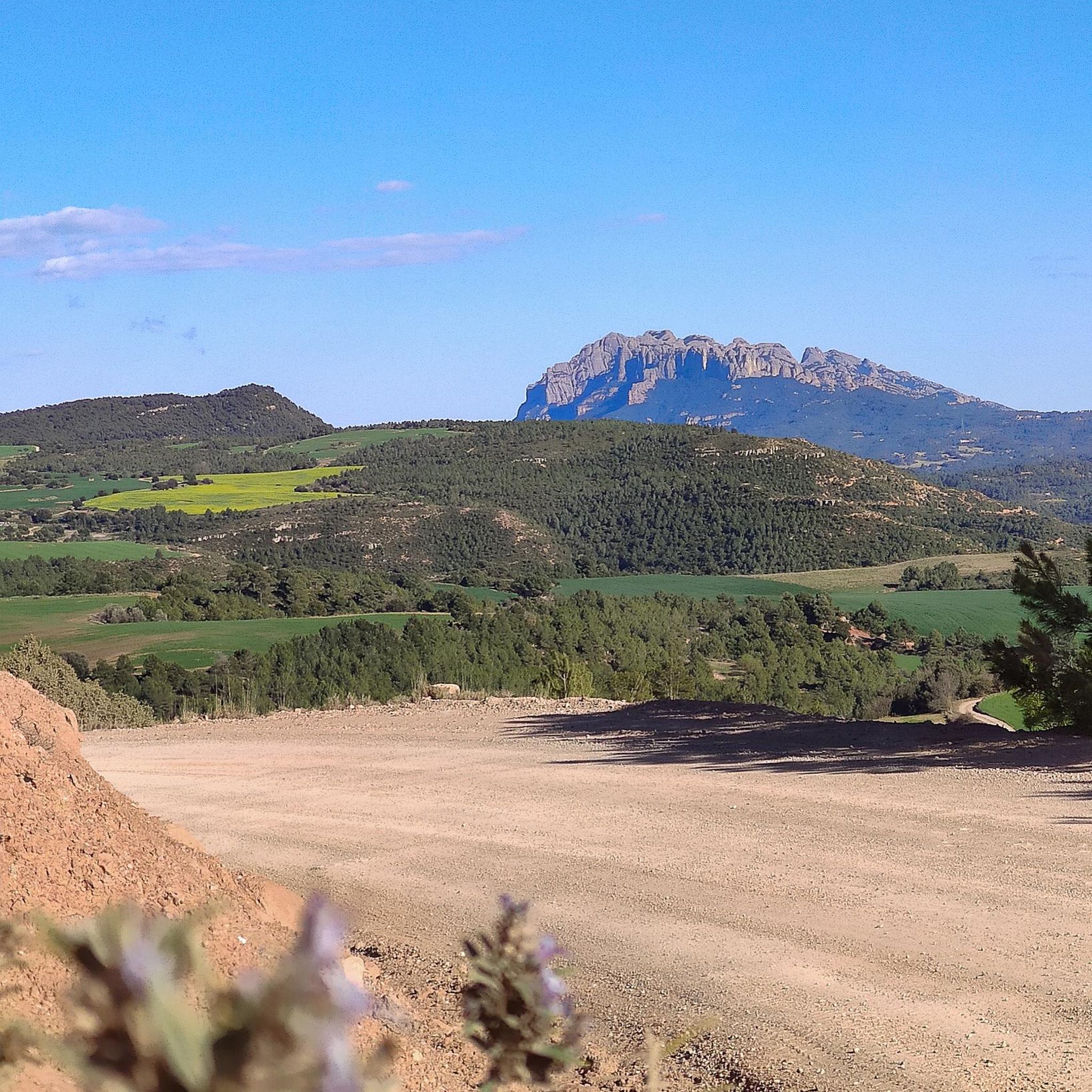
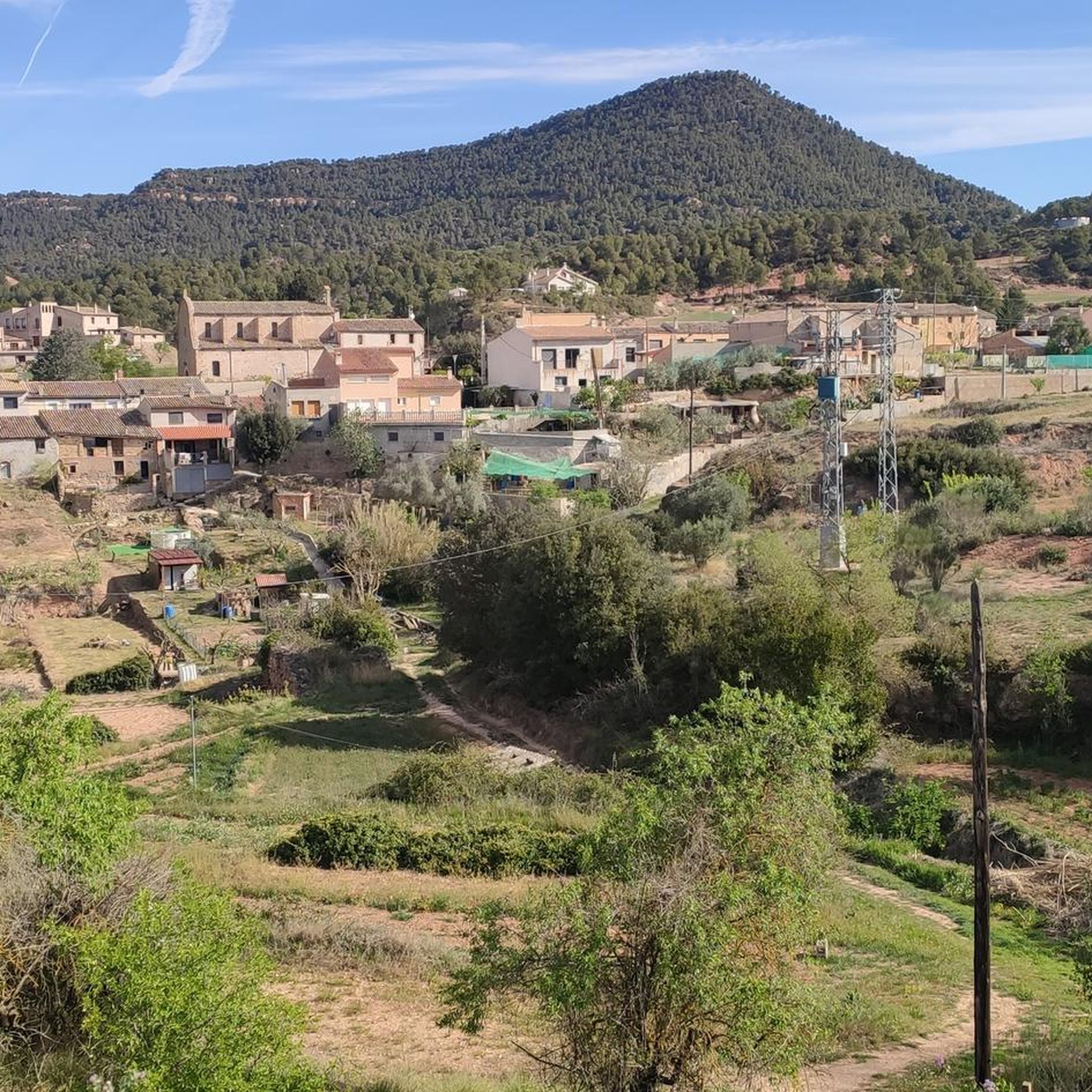
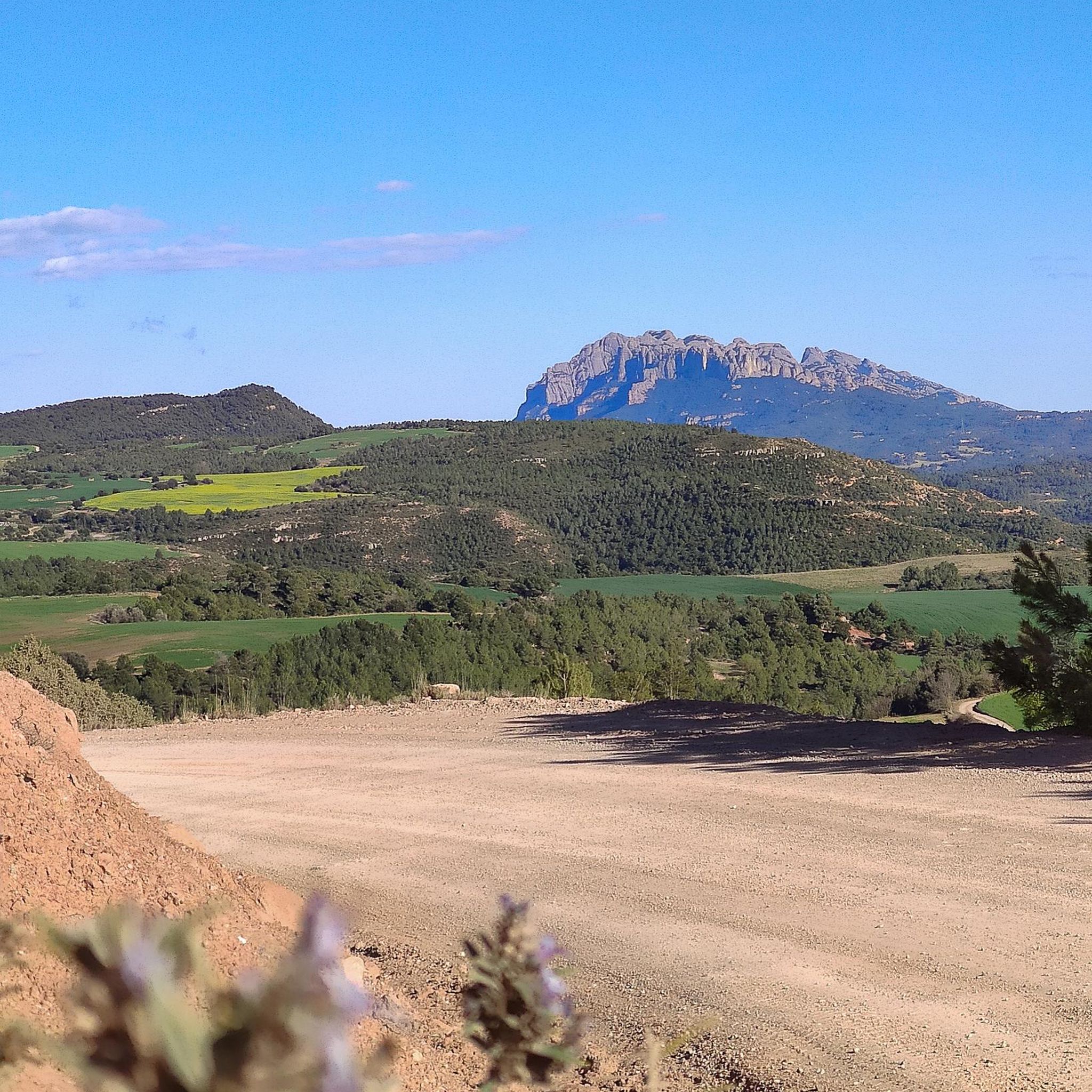
Other adventures around Castellfollit Del Boix

Tips from the Community

The Capellades prehistoric park is a cultural facility located in the Cinglera del Capelló, the cliff on which the town of Capellades sits, in the Catalan region of l'Anoia. This area, in addition to its geological and landscape value, has great archaeological value, due to the presence of around twenty sites from various periods. The cliff itself is one of the park's attractions. Its origin is in the action of carbonated waters that, by fossilizing plant colonies, form fall travertines, a type of fossil waterfall that is locally called "capellons". Its growth formed cornices, grottoes and caves that were used as shelter by groups of prehistoric settlers. One of these caves constitutes the best preserved Paleolithic archaeological site in the complex, known as "l'Abric Romaní", used as a refuge by groups of Neanderthals and which has been excavated since 1983.
0
0

Three large blocks in the middle of the Migdia stream make up a good "duplex" with dining room, bedroom for 4-5 people, garden and terrace with views of the Plecs del Llibre. One of the bivouacs with the most atmosphere given its privileged location and low attendance. On calm nights, the silence is so penetrating that the fall of a leaf already produces a noticeable noise. It is the ideal base for climbing the Plecs, the Cajoleta or the Montgròs. To get water, the nearest spring is that of La Cadireta, located below the Salamandra before overcoming the singular passage between rocks. The approach can be made both from Santa Cecília along the Coll del Migdia path, and from Can Jorba along the Camí dels Francesos (1.20 hours). It should be noted that if we do it from the N then we will have to climb again to the Col del Migdia, and if we do it from the S the return will be all downhill, with the incentive of going down the interesting ravine of the Joc de l Goose to round off the day.
0
0
Spacious balma that had been enabled as a refuge in Montserrat Despite the fact that in many maps and texts it appears as a balm, we prefer to mention it as a cave, which is what it is in reality and, moreover, this is how it appears on the map of the Cartographic and Geological Institute of Catalonia. It is a fairly spacious cave, it is 16 meters deep and 45 meters wide, inside there is a small wall of stones. Josep Fatjó tells us about this cavity, "it was fixed throughout the year 1959 and on the day of the inauguration the climbing monks said a mass". In the cave there was a wall in front of wood, bedrooms with two rows of wooden bunks and logs with a capacity for about 15-20 people, there was also a firewood store and a dining room with a fireplace, all made by members of the GAM of the Barcelonès Mountain Club. The unsightly people who roam the mountains with their lack of civility have dedicated themselves to burning everything and have reduced this emblematic place to a pile of ashes.
0
0
Cavity 23 meters long by 5 meters wide. It is formed under some rocks off the cliff, hence the toponym of the landslide. Inside there is a small perennial water cistern, built in 1947, and next to it there is a chest with a fountain, which although years ago we had seen in good condition, is currently unusable. All of this favored the climbers' stay. Known since time immemorial. Mentioned in all the collections of cavities and guides of Montserrat, but of little speleological interest.
1
0

Small fountain hidden inside a bauma.
0
0
On the northern slope of the Serrat del Cabrit, there is a deep torrent hidden in the shade of holm oaks: the Coma Alta. This torrent, usually dry, descends in a SW direction until it reaches a vertical jump of 50 meters. At the foot of this jump, we find the Cova de l'Arcada. Unlike the Salnitre, the Arcada is not underground and has a small entrance. It's just the opposite: open and shallow, but of colossal size. Its monumental arch is approximately 30 meters high by 60 meters wide and 10 meters deep. Canyoning enthusiasts can access it from above, through the Torrent de la Coma Alta, abseiling to the entrance of the cave.
0
0

Frequently Asked Questions
What are some notable caves to explore around Castellfollit Del Boix?
Beyond the most popular ones, you can explore the intricate Font de l'Esllavissada, a 23-meter long cavity with a small water cistern. Another impressive site is Cova de l'Arcada, known for its monumental arch, approximately 30 meters high. For a spacious shelter, consider Cova del Cabrit, a balma cave often used by climbers. The region also features the unique Bauma dels Plecs del Llibre, a bivouac spot with a privileged location.
Are there family-friendly caves or historical sites in the area?
Yes, the Prehistoric Park of Capellades is an excellent family-friendly option. It's a cultural facility located in the Cinglera del Capelló, featuring archaeological sites and caves used by Neanderthals, such as l'Abric Romaní. It offers a fascinating glimpse into ancient human history and geology.
What kind of historical sites can be found in the caves near Castellfollit Del Boix?
The region is rich in historical rock-cut sites. Besides the Prehistoric Park of Capellades with its Neanderthal shelters, the broader Garrotxa area includes sites like the Oratory of Mare de Déu de les Olletes, a religious site carved into rock, and Bandoleros' Mine, a crevice historically used as a hideout for bandits.
What are the difficulty levels for exploring caves in this region?
Cave exploration in the area ranges from intermediate to challenging. For example, Font de l'Esllavissada and Cova del Cabrit are generally considered intermediate. However, Cova de l'Arcada is categorized as challenging, especially for those accessing it via canyoning. Always check specific route details for the cave you plan to visit.
What unique geological formations can I see in the caves?
The caves around Castellfollit Del Boix are part of the Garrotxa Volcanic Zone Natural Park, meaning you'll encounter distinctive features formed by volcanic activity. These include lava tubes, natural rock formations, and balmas (large rock shelters). The Cova de l'Arcada, for instance, boasts a monumental arch, while the Baumes de Caixurma (south of Castellfollit de la Roca) are a complex system of labyrinthine galleries within shale marl.
What should I wear for caving around Castellfollit Del Boix?
For caving, it's advisable to wear sturdy, comfortable clothing that you don't mind getting dirty. Layers are recommended as cave temperatures can be cooler than outside. Good hiking boots with ankle support and grip are essential. Depending on the cave, you might also need a headlamp or flashlight, and gloves for protection.
Is it possible to combine cave exploration with other outdoor activities?
Absolutely. The region offers numerous opportunities to combine caving with other outdoor pursuits. You can find various running, cycling, and mountain biking trails nearby. For instance, explore the running trails, embark on a cycling tour, or tackle the MTB trails that crisscross the landscape around Castellfollit Del Boix.
Are there any caves suitable for beginners?
While some caves like Font de l'Esllavissada and Cova del Cabrit are rated intermediate, their open nature as balmas or relatively short cavities can be more accessible for those new to cave exploration. The Prehistoric Park of Capellades also offers a controlled environment for exploring historical cave shelters.
What is the best time of year to visit the caves?
The caves can generally be visited year-round. However, spring and autumn offer pleasant temperatures for outdoor activities and hiking to the cave entrances. During summer, the cooler temperatures inside the caves can provide a welcome respite from the heat. Winter visits are also possible, but be mindful of potentially wet or slippery conditions on approach trails.
Are permits required to visit any of the caves?
For most natural caves and rock shelters in the Castellfollit Del Boix area, permits are generally not required for casual exploration. However, for specific archaeological sites like l'Abric Romaní within the Prehistoric Park of Capellades, there may be entrance fees or guided tour requirements. Always check with local visitor centers or park authorities for the most current information, especially for more sensitive or protected sites.
How long does it typically take to explore a cave?
The time required to explore a cave varies greatly depending on its size, complexity, and your level of interest. Smaller balmas or cavities like Font de l'Esllavissada might only take 30 minutes to an hour to investigate. Larger formations or those requiring more technical access, such as Cova de l'Arcada, could take several hours, especially if combined with the approach hike.
Are there viewpoints near the caves?
Yes, many caves in the region are situated within scenic landscapes, offering opportunities for stunning views. For instance, the Bauma dels Plecs del Llibre offers a terrace with views of the Plecs del Llibre. The broader Garrotxa Volcanic Zone Natural Park is known for its dramatic volcanic formations and cliffs, providing numerous natural viewpoints during your approach to the caves.
Most popular routes around Castellfollit Del Boix
Most popular attractions around Castellfollit Del Boix

Get inspired with the komoot mobile app


Explore more
Extend your search for the best caves by checking out these guides of the top ones around Castellfollit Del Boix:
