Top 8 Castles around Kortrijk
Best castles around Kortrijk offer a glimpse into the region's rich history and architectural evolution. Kortrijk, situated in West Flanders, features a landscape dotted with historical structures ranging from medieval fortresses to neoclassical estates. These landmarks provide insight into past defensive strategies and aristocratic living, reflecting centuries of regional development. The area's historical significance is evident in its diverse collection of castles.
Best castles around Kortrijk
- The most popular castles is Hemsrode Castle, a castle with origins dating back to the 13th century. It was first mentioned with Joos van Hemsrode as its owner in 1283 or 1284.
- Another must-see spot is Heule Castle Park, a castle park with a historical castle built around 1722. The garden, designed by a Parisian landscape architect, has been open to the public since 1965.
- Visitors also love Beukenhof Castle, a neo-Renaissance castle from 1876. The domain, which includes a porter's house and gardener's house, became public community property in 1973.
- Kortrijk is known for medieval fortresses, 18th-century stately homes, and neoclassical castles. The region offers a variety of castles to see and explore, each with distinct architectural styles and historical contexts.
- The castles around Kortrijk are appreciated by the komoot community, with 43 upvotes and 14 photos shared across the highlights.
Last updated: October 3, 2026
Beukenhof Castle
Highlight • Castle
In the middle of the park is a neo-Renaissance castle from 1876, which Mayor Karel Vlieghe commissioned to build. Next to the castle house is a porter's house and a gardener's house. The domain also contains spacious warehouses and horse stables that are now used by youth movements from Vichte (KSA and VKSJ). After the death of Karel Vlieghe, Gustaaf Moreels, the then husband of Vlieghe's niece, bought the castle from the estate. Moreels' daughter left the property to her daughter, who in turn sold it to the municipal council of Vichte. In 1973, at the suggestion of the culture council, this 2.5-hectare domain falls under the jurisdiction of the Vicht city council. Since then, the domain has been a public community property. At the end of 2005, a collaboration between the municipal authorities and private partners ensured a thorough restoration of the castle and a bistro/tea room was housed in it.
Translated by Google •
Tip by

Ooigem Castle
Highlight • Castle
On an information board on site you will find this explanation:
A castle was possibly built here in the 9th century to protect Harelbeke. The oldest known lord was mentioned in 1080 as Lambertus de Odenghem. Around 1260, the castle came into the possession of the lords of Luxembourg. They probably had a stone castle built in the 13th century.
At the end of the 14th century, a fire is said to have raged and in the course of the 15th century the castle fell into disrepair.
In 1510, the lordship was sold to the De Gros family, who made it habitable again. In 1576, however, the castle was plundered by iconoclasts and fell into disrepair again. During the 17th century, the castle was rebuilt on the old foundations, probably by order of Charles de Gros, the first regular resident.
In 1693, the castle came into the hands of the De Lens family as an inheritance. A chapel and a Louis XV-style staircase were added, the salons were redecorated, new stables and coach houses appeared in the farmyard.
The park was laid out. Petrus Verhaeghe, mayor of Ooigem, lived in the castle after the French Revolution and in 1889 Bernard Verhaeghe, who was mayor of Ooigem at the time, bought the castle.
His son Alfons Verhaeghe was visited several times by Oscar Wilde. 'Op het kasteel', the story by Stijn Streuvels from 1904, is also set in this castle.
In 1937, a number of farm buildings in the farmyard were demolished, but the dovecote remained. The garden was redesigned, on a smaller scale than before. According to literature, the domain once housed prisons, storage areas for payments in kind, courtrooms and council chambers.
Translated by Google •
Tip by

Sign up now to discover places like this
Get recommendations on the best single tracks, peaks, & plenty of other exciting outdoor places.
Old Castle of Vichte
Highlight • Castle
Translated by Google •
Tip by

Kasteel van Bossuit
Highlight • Castle
The lordship of Bossuit was a fief from the bishopric of Tournai. The lords of Bossuit sold the domain to the Luytens family in 1710. Michiel Maximiliaan Luytens later became Viscount of Bossuit. He renovated the original castle, had a park built and the castle got the four corner towers. The castle is neoclassical, inspired by the French Loire castle construction. The castle is protected as a monument (1995), as a valuable oeuvre of the 18th century Lille architect Lesaffre. The interiors are executed in a neat Louis XVI style with Louis XV elements. We find salons with rococo decoration and a rich library. In the staircase are numerous hunting trophies and several family portraits.
The party took place in the Orangery, which was held in the presence of Leopold I, on the occasion of the official opening of the Bossuit-Kortrijk Canal in 1860.
The castle park with pond and the castle avenue are protected as a village view.
The castle domain is not accessible.
Translated by Google •
Tip by

Gloriettes in the Park of Vanackere Castle
Highlight • Monument
The pavilion to the east of the town hall has a double landing staircase and a built-in ice cellar. No original interior elements were preserved in the pavilions.
Source: Inventory of Immovable Heritage
Translated by Google •
Tip by
Heule Castle Park
Highlight • Castle
Source: kortrijk.be
Translated by Google •
Tip by
Hemsrode Castle
Highlight • Castle
inventaris.onroerenderfgoed.be/erfgoedobjecten/81411
Translated by Google •
Tip by

Heule Castle
Highlight • Castle
In 1882, the estate and its associated buildings were sold to the Goethals family. Emile Goethals was mayor of Heule from 1912 to 1921.
Between 1883 and 1895, the house was renovated in an eclectic style with both Renaissance and Gothic influences. The park was also designed by a Parisian architect.
In 1890, the estate was expanded with the purchase of the 17th-century rectory and surrounding grounds (the old rectory was located on the current parking lot south of the building). From 1964 to 1977, the building served as the town hall. Until 2001, the former manor housed various municipal departments. Today, the building is vacant.
Full-window photos on the street side provide a glimpse of the interior (from the past).
Source: Heritage Inventory
Translated by Google •
Tip by
Artillery Tower
Highlight • Historical Site
Source: kortrijk.be/adres/artillerietoren
Translated by Google •
Tip by

Potegem Castle
Highlight • Castle
The house then belonged to the Lords of Potegem who controlled the lordship of Potegem, part of the castellany of Kortrijk. Later, at the beginning of the 14th century, the Treaty of Athis-sur-Orge split the castellany of Kortrijk into a castellany of Kortrijk and a castellany of Oudenaarde. From then on, the lordship of Potegem belonged to the castellany of Oudenaarde. The Gaverbeek was the separation between the two and so the old Waregem was split through its centre. The baron of Ingelmunster was the Lord of Waregem, the centre with church, the lord of Potegem on the other side. However, the lord of Waregem had jurisdiction in both low, middle and high degrees and therefore had more influence.
In the 16th century, Walter van Potegem, third count of the lordship of Ingelmunster, was a resident of the castle. Due to his participation in the resistance against the Spanish rule, the castle was partly burned down by Fernando Álvarez de Toledo in retaliation.
Also in the Flandria Illustrata of Antonius Sanderus in 1641 it is described as a spacious, beautiful mansion. The castle of Potegem was already mentioned in the second half of the 10th century. With the abolition of the ancien régime in 1795, the lordship of Potegem became part of the municipality of Waregem.
The castle had lost its function and became a boys' boarding school in 1830, where Felix de Ruyck was also educated. This was founded by Ivo Van Robaeys and after him it became the property of the OCMW.
After a few years of decay it changed owners again. The industrialist Robert Vindevogel bought it from the OCMW in 1930 and had it restored to its current appearance. The architect Viérin gave it a neo-baroque style.
The castle then came into the possession of the Devos family.
Translated by Google •
Tip by

Sign up for free to discover even more castles around Kortrijk.
Already have an account?
Start today with a free account
Your next adventure awaits.
Popular around Kortrijk
Trappist abbeys cycle route – Between beers and heritage
The Hilly Route from Brussels to Poperinge – bikepacking in Flanders
Seven-day Cycling tour through the South-Flemish hills – Hilly Route
Three days of pure cycling pleasure from Spiere to Zandvliet – Schelderoute
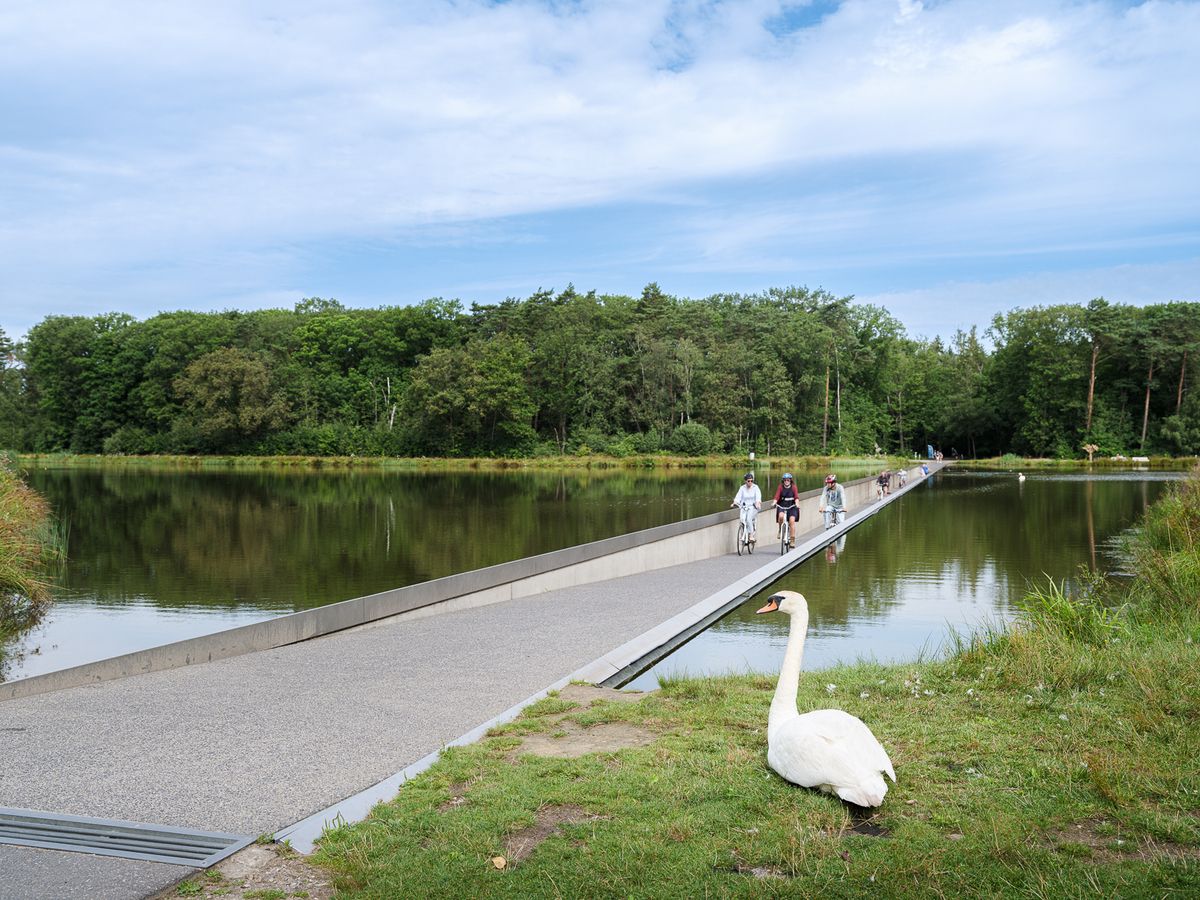
Flanders' Finest Cycle Routes: routes to discover Flemish nature and heritage
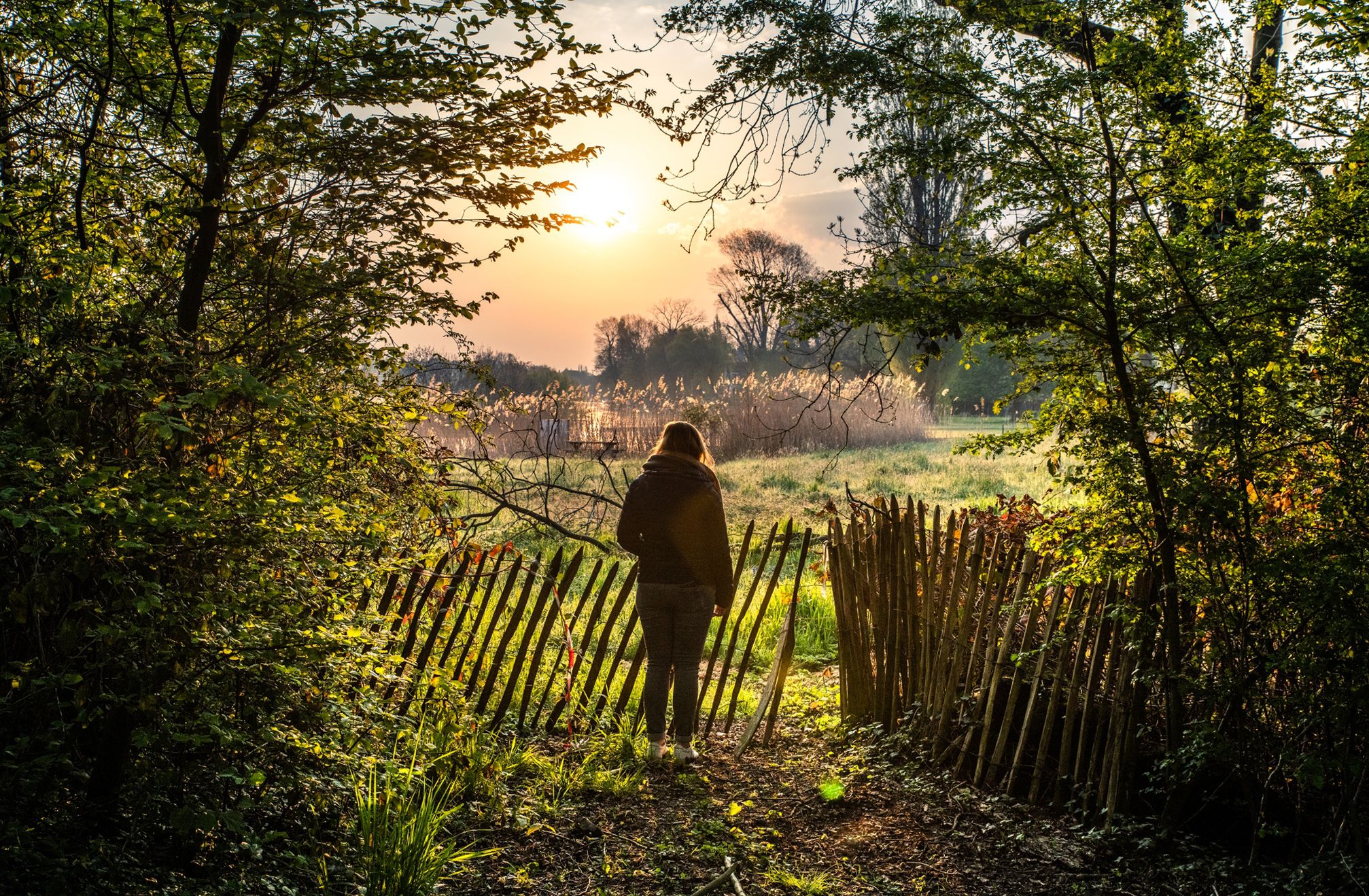
Waterside walks in Flanders
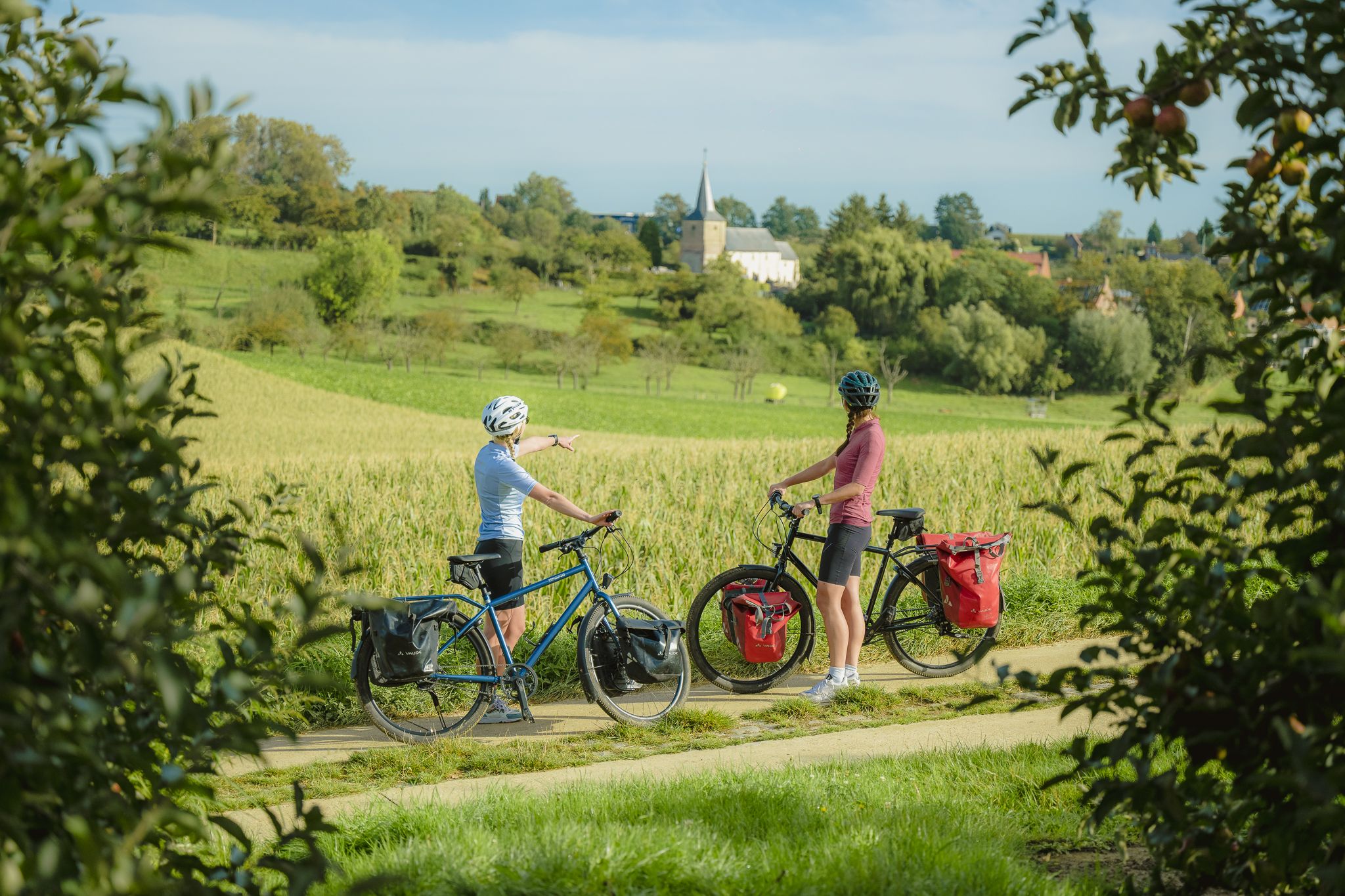
The best of Flanders — the Flanders Route
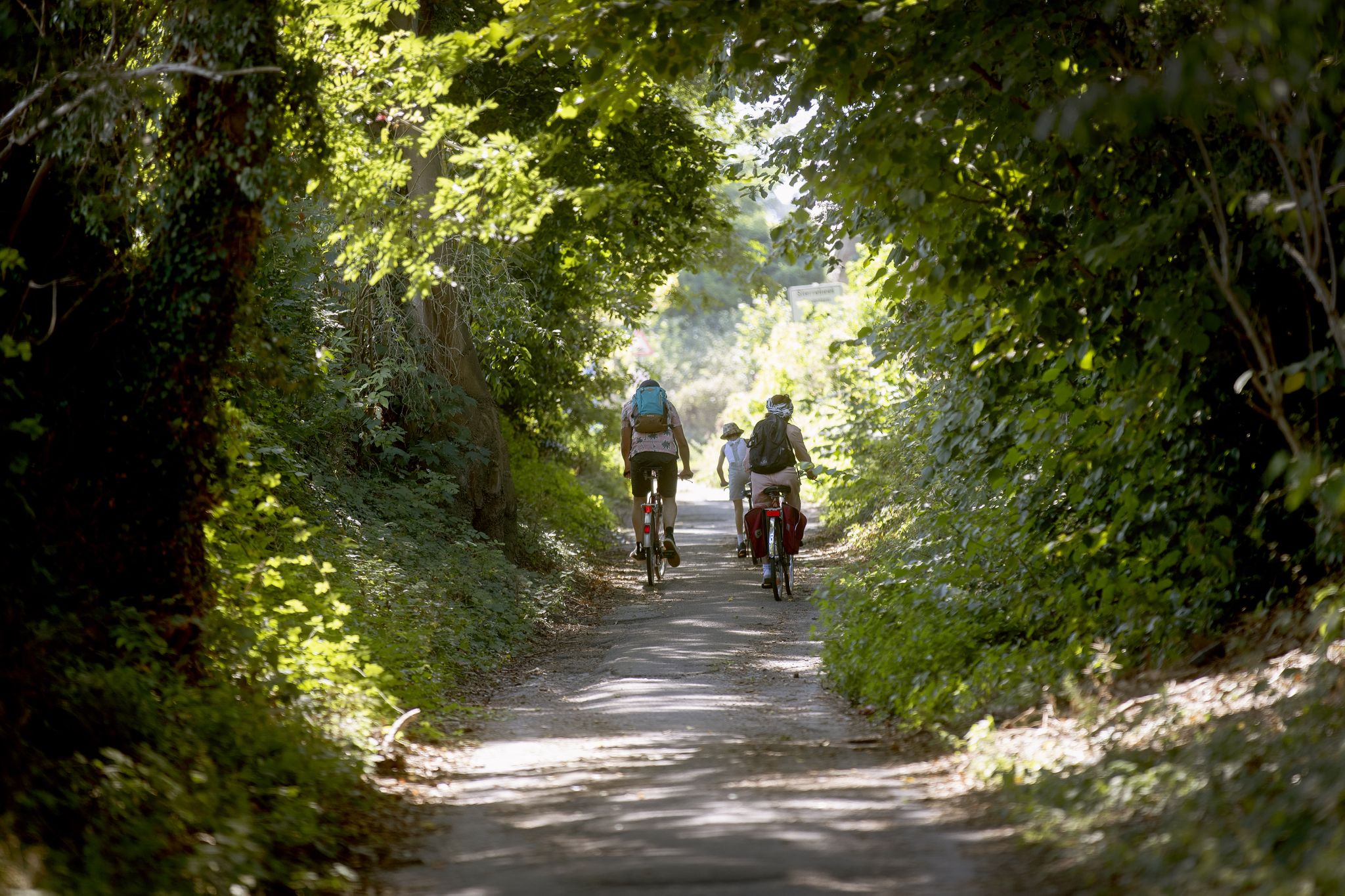
Flanders by bike: Cycling through nature
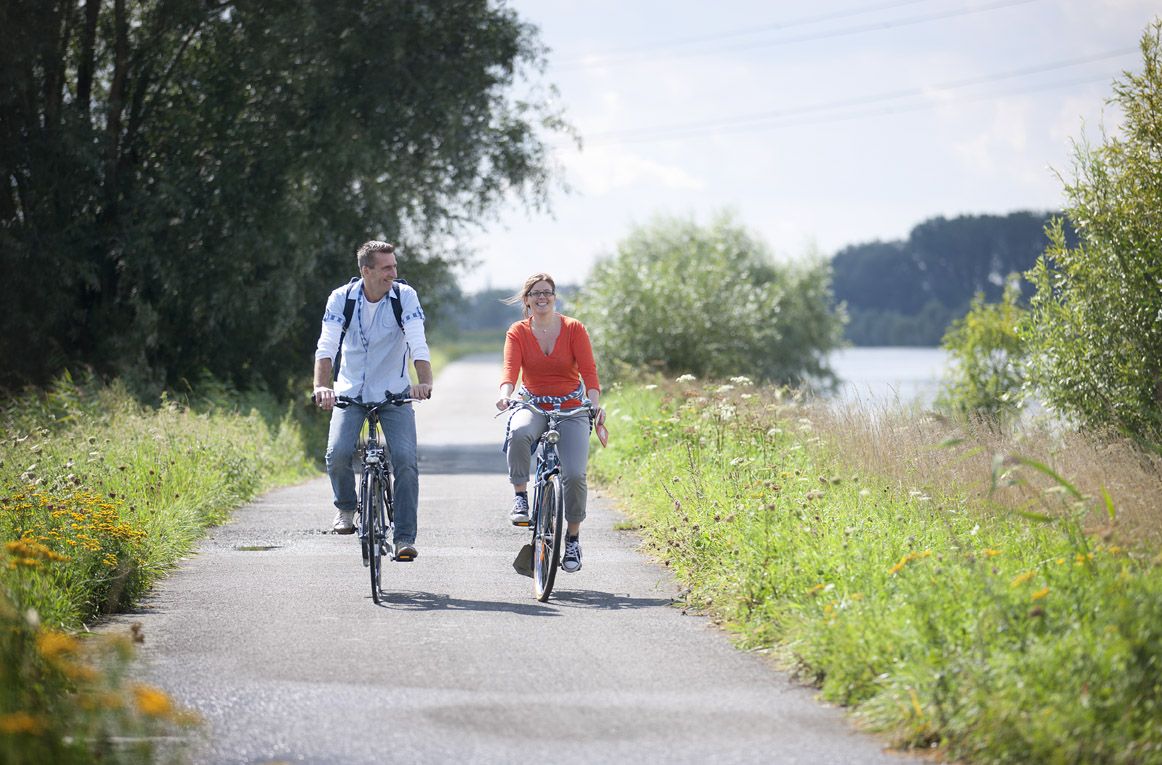
Flanders by bike: cycling along the water
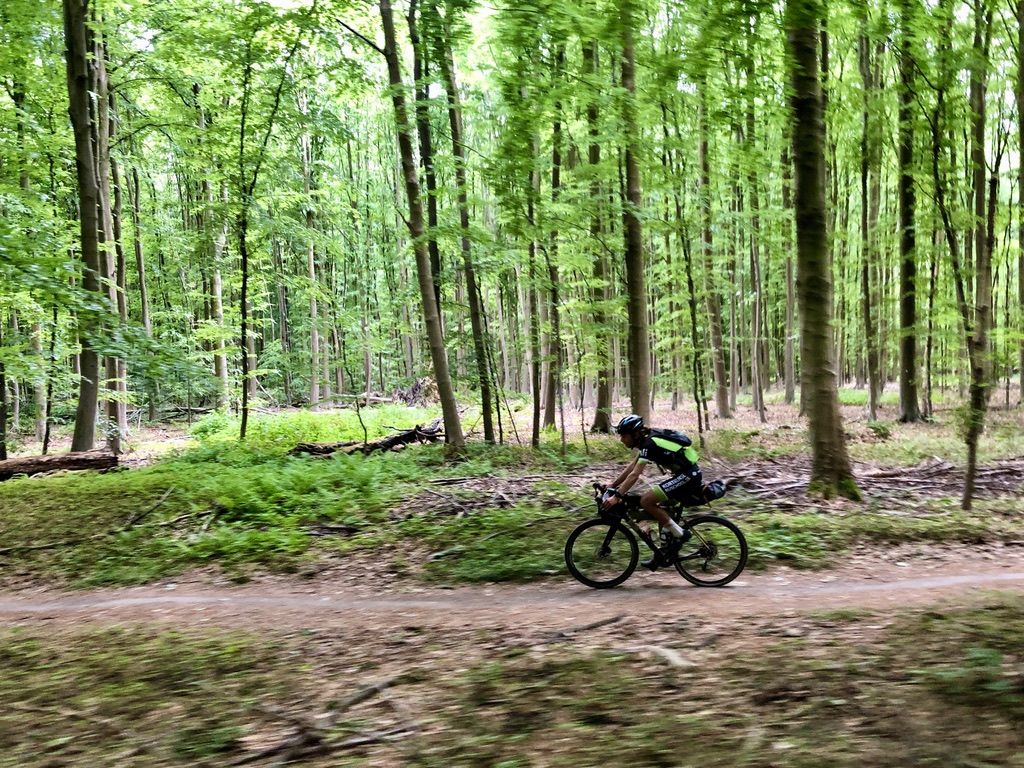
Transbelgica – Crossing Belgium on the language border
Other adventures around Kortrijk


Tips from the Community

The castle and its outbuildings will soon be taken over by companies specializing in the renovation of historical monuments. Les Amis du Château d'En Haut (non-profit organization) specializes in estate rentals, and the proceeds are redistributed to restoration projects (Pineal Project: workshops, ceremonies, product presentations, exhibitions, performances, etc.). This is stated at: www.chateaudebossuit.com When I passed by, the gate on Kasteeldreef was simply open. There was nothing to indicate that the estate was inaccessible. For example, in the garden to the left of the castle, there seemed to be the remains of a pop-up bar or some kind of public event. When I left the estate on the Doorniksesteenweg side, the automatic gate gently opened for me. When I turned around, I saw a sign saying "Private / No Access."
2
0

Nice restaurant, pleasant terrace in summer.
0
0
1874: According to cadastral records, notary Augustus Josephus Edgardus Lagae-Gerbrandt purchased the land on which he would build this country house in 1874. The Lagae family played an important role in the political history of the municipality of Heule in the second half of the 19th century. From 1815 to 1882, they provided several mayors. In 1882, the estate and its associated buildings were sold to the Goethals family. Emile Goethals was mayor of Heule from 1912 to 1921. Between 1883 and 1895, the house was renovated in an eclectic style with both Renaissance and Gothic influences. The park was also designed by a Parisian architect. In 1890, the estate was expanded with the purchase of the 17th-century rectory and surrounding grounds (the old rectory was located on the current parking lot south of the building). From 1964 to 1977, the building served as the town hall. Until 2001, the former manor housed various municipal departments. Today, the building is vacant. Full-window photos on the street side provide a glimpse of the interior (from the past). Source: Heritage Inventory
2
0
In the 17th century, there was no park in Heule. There were meadows here. Later, in 1722, a farm was built here. A little later, the then mayor of Lagae built a castle. The garden as we know it today was created around 1900 by a Parisian landscape architect. The garden has been open to the public since 1965. Source: kortrijk.be
3
0

This historic monument from the 14th century is one of the few remaining remnants of the medieval French outer bailey. It was built, along with the then existing castle, in 1301-1302 by the French King Philip the Fair as part of the Franco-Flemish war against the Count of Flanders. Historical sources indicate that the artillery tower was built around 1300. Its original function was as a drinking water tower and it formed part of the defensive wall surrounding the Church of Our Lady.
1
0
It is privately owned and not open to the public.
3
0

The first mention of the castle dates back to the second half of the 10th century. In a deed of gift from 964, Arnulf I, the great, the Count of Flanders, donated part of his lands to the St. Peter's Abbey of Ghent, including the Castle of "Potegem"[source?] next to Desselgem, Beveren-Leie and a part of Waregem. Somewhere around 1260-1270, the castle was taken from the possessions of the abbey and formed a lordship. The house then belonged to the Lords of Potegem who controlled the lordship of Potegem, part of the castellany of Kortrijk. Later, at the beginning of the 14th century, the Treaty of Athis-sur-Orge split the castellany of Kortrijk into a castellany of Kortrijk and a castellany of Oudenaarde. From then on, the lordship of Potegem belonged to the castellany of Oudenaarde. The Gaverbeek was the separation between the two and so the old Waregem was split through its centre. The baron of Ingelmunster was the Lord of Waregem, the centre with church, the lord of Potegem on the other side. However, the lord of Waregem had jurisdiction in both low, middle and high degrees and therefore had more influence. In the 16th century, Walter van Potegem, third count of the lordship of Ingelmunster, was a resident of the castle. Due to his participation in the resistance against the Spanish rule, the castle was partly burned down by Fernando Álvarez de Toledo in retaliation. Also in the Flandria Illustrata of Antonius Sanderus in 1641 it is described as a spacious, beautiful mansion. The castle of Potegem was already mentioned in the second half of the 10th century. With the abolition of the ancien régime in 1795, the lordship of Potegem became part of the municipality of Waregem. The castle had lost its function and became a boys' boarding school in 1830, where Felix de Ruyck was also educated. This was founded by Ivo Van Robaeys and after him it became the property of the OCMW. After a few years of decay it changed owners again. The industrialist Robert Vindevogel bought it from the OCMW in 1930 and had it restored to its current appearance. The architect Viérin gave it a neo-baroque style. The castle then came into the possession of the Devos family.
8
0
Potegem Castle is a castle in the Belgian city of Waregem. The castle is located in a park in the city centre, along the R35, opposite the Waregem Hippodrome. It is bordered on two sides by a piece of the Gaverbeek.
7
1
Frequently Asked Questions
What types of castles can I explore around Kortrijk?
The Kortrijk region offers a diverse range of castles, from medieval fortresses like the Hemsrode Castle, which dates back to the 13th century, to 18th-century stately homes such as the Kasteel van Spiere, and neoclassical estates like the Kasteel van Bossuit. You'll find a mix of architectural styles reflecting centuries of regional development.
Are there any castles near Kortrijk that are publicly accessible or have open grounds?
Yes, while some castles are privately owned, others offer public access. For instance, Heule Castle Park, with its historical castle built around 1722, has gardens that have been open to the public since 1965. The grounds of the Burgundian Castle of Kortrijk are also accessible on foot, allowing you to explore its historical layers.
Which castles are particularly family-friendly?
Heule Castle Park is noted as family-friendly, offering open gardens for exploration. Beukenhof Castle is also listed as family-friendly, and its domain became public community property in 1973.
Can I visit the interiors of these castles?
Many of the castles in the Kortrijk area, such as Kasteel van Moorsele, Kasteel van Spiere, and the Old Castle of Vichte, are privately owned and generally not open to the public for interior visits. However, their well-preserved exteriors, grounds, and historical significance make them noteworthy to admire from a distance. Hemsrode Castle is private, only open during organized tours.
What historical insights can I gain from visiting the castles around Kortrijk?
The castles offer a deep dive into the region's past. The Burgundian Castle of Kortrijk showcases evolving medieval fortification methods and served as a significant center of power. The Old Castle of Vichte, built on a motte between the 12th and 17th centuries, reveals Romanesque influences and the history of the 'van der Vichte' noble family. Ooigem Castle has a history dating back to the 9th century, with tales of fires, rebuilds, and notable residents like Oscar Wilde.
Are there any walking or hiking opportunities near the castles?
Yes, the region around Kortrijk offers various outdoor activities. You can find easy hikes like the 'Old Railway Path – Sint-Pieters Bridge loop' or the 'Broel Towers – Groeninge Gate loop'. For more options, explore the easy hikes around Kortrijk guide.
What is the best time of year to visit the castles in the Kortrijk region?
While specific seasonal considerations for each castle vary, generally, spring and summer offer pleasant weather for exploring castle grounds and parks. The gardens of places like Heule Castle Park are particularly beautiful during these seasons.
Are there any cafes or restaurants near the castles?
Yes, for example, Beukenhof Castle houses a bistro/tea room, which visitors describe as a nice restaurant with a pleasant terrace in summer. This provides a convenient option for refreshments during your visit.
What are some lesser-known or 'hidden gem' castles in the area?
Beyond the more prominent sites, the region holds several intriguing historical structures. The Kasteel van Moorsele, with its distinctive square tower, offers a glimpse into medieval architecture, even if only from the exterior. The Kasteel van Spiere, an important 18th-century castle with an extensive park, is also a notable mention for its architectural grandeur.
Can I find mountain biking or gravel biking routes near the castles?
Absolutely! The Kortrijk area is well-suited for cycling. You can find various routes, such as the 'Paterberg Cobbled Climb – Keunaarde Gravel Path loop' for mountain biking or the 'Route Kortrijk Sjouwersroute' for gravel biking. Check out the MTB Trails around Kortrijk guide or the Gravel biking around Kortrijk guide for detailed routes.
Is there parking available at the castles?
Parking availability varies by location. For instance, Heule Castle Park is listed as having parking facilities. For other castles, especially privately owned ones, parking might be limited to nearby public areas or require checking local regulations.
What is the significance of the Artillery Tower in Kortrijk?
The Artillery Tower is a historical site associated with the region's defensive past. While not a full castle, it represents a crucial element of medieval fortifications and provides insight into the military architecture of the time.
Most popular routes around Kortrijk
Most popular attractions around Kortrijk

Get inspired with the komoot mobile app


Didn’t find what you were looking for?
Explore Kortrijk’s best castles region by region:
Explore more
Looking for the best castles somewhere else? Discover other guides around Kortrijk:
