Top 15 Lakes around Liège
Best lakes around Liège are found within the picturesque Walloon Region of Belgium, offering diverse natural landscapes. The province of Liège features several lakes that provide opportunities for recreation and relaxation. This area is characterized by its natural beauty, from tranquil waters to forested surroundings. Visitors can explore a variety of natural features, including artificial lakes created by dams and redeveloped industrial sites.
Best lakes around Liège
- The most popular lakes is Gravière Brock Nature Reserve, a lake that is a redeveloped former industrial area. This site is now a place of biological interest, featuring a vast body of water suitable for birds and amphibians, with an accessible path for visitors.
- Another must-see spot is Argenteau, a settlement that includes a lake. This location is situated at the western end of the Herve plateau, offering a magnificent nature spot between the Meuse valley and the wooded valley of the Julienne.
- Visitors also love Julienne Ponds, a lake that is part of a larger domain. This area is ideal for walking around the ponds and in the surrounding woods, with facilities like a playground, restaurants, and picnic benches available.
- Liège is known for artificial lakes, natural reserves, and redeveloped industrial sites that now host diverse ecosystems. The region offers a variety of lakes to see and explore, from tranquil retreats to areas with accessible paths.
- The lakes around Liège are appreciated by the komoot community, with more than 120 upvotes and over 40 photos shared by visitors.
Last updated: October 3, 2026
Julienne Valley Ponds
Highlight • Lake
It has its source in Retinne, then crosses the town of Saive, watering the foot of the old castle there. It passes in the bottom of Légipont, then under the E40 motorway and enters a small, partly wooded, rural valley; it forms the Julienne ponds before flowing into the Meuse at Argenteau.
The name evokes Sainte-Julienne de Cornillon, born in Retinne in 1192.
Translated by Google •
Tip by

The Kneeling Girl by the Deer Pond
Highlight • Monument
Translated by Google •
Tip by

Sign up now to discover places like this
Get recommendations on the best single tracks, peaks, & plenty of other exciting outdoor places.
Gravière Brock Nature Reserve
Highlight • Lake
The Brock gravel pit in Hermalle-sous-Argenteau is certainly one of them.
Entirely redeveloped in 2012, this former industrial area (gravel extraction) is now a place of great biological interest thanks, in particular, to the vast body of water characterizing the site and admirably suitable for the wintering of birds and the reproduction of amphibians.
In addition, the creation of a path allows everyone, including people with reduced mobility, to take full advantage of the landscape and to access the equipment placed all along the route (observation posts, benches, tables, panels didactics…).
The site is currently accessed (during the "Trilogiport" works) by rue Fachard (small car park). And from there, on the way to adventure in a superb natural setting!
Translated by Google •
Tip by

Guizette Pond
Highlight • Lake
Translated by Google •
Tip by

Larbois Sand Quarry
Highlight • Natural Monument
Translated by Google •
Tip by

La Gombe Quarry dive site
Highlight • Lake
Translated by Google •
Tip by

Lanaye Spawning Grounds Nature Reserve
Highlight • Natural Monument
Translated by Google •
Tip by
Along the Hemlot
Highlight (Segment) • Lake
Translated by Google •
Tip by

Eijsder Beemden - Along the Beautiful Ponds
Highlight (Segment) • Trail
The beautiful Eijsder Beemden is a nature reserve located along the Maas river, on the border with Belgium and south of the Pietersplas.
After the end of gravel extraction in the seventies of the last century, a park-like area emerged. Open grassy plains and a number of dug shallow ponds alternated with planted groups of trees of poplar, white poplar, willow and hawthorn scrub.
After the management was taken over by Het Limburgs Landschap in the early nineties, the area acquired the rugged natural character it exudes today, with the creation of beautiful riverine forest in some places.
The Eijsder Beemden, together with the Pieterplas and the Kleine Weerd, however, also has an important function during high water. Naturally as water storage, but during high water, the water must also be able to flow through quickly. This can prevent flooding in Eijsden and Maastricht and further downstream.
Showing Translation
Tip by

Julienne Wood
Highlight • Restaurant
Translated by Google •
Tip by

Sign up for free to discover even more lakes around Liège.
Already have an account?
Start today with a free account
Your next adventure awaits.
Popular around Liège
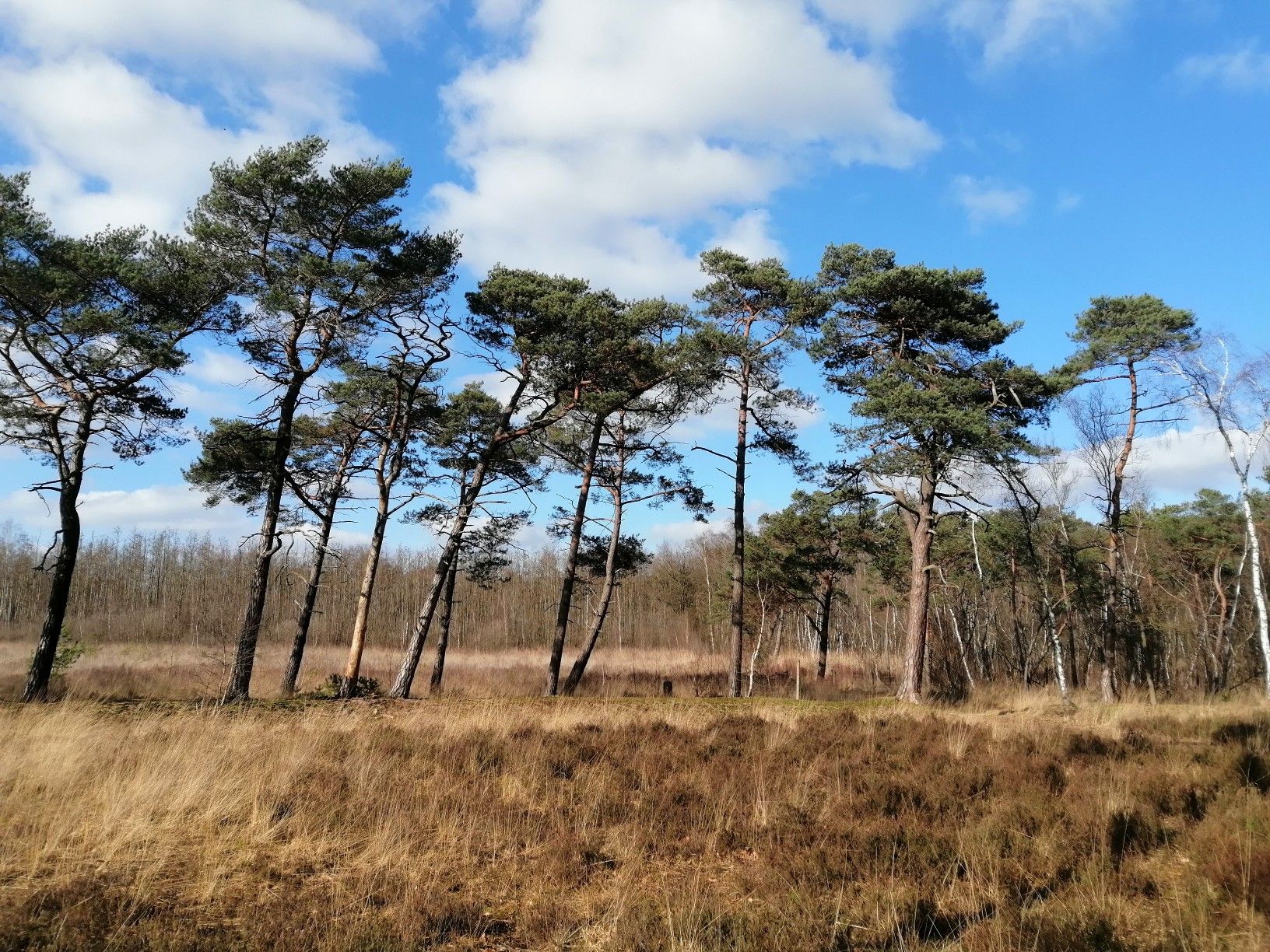
From Flanders to the Ardennes — GR 5 in Belgium
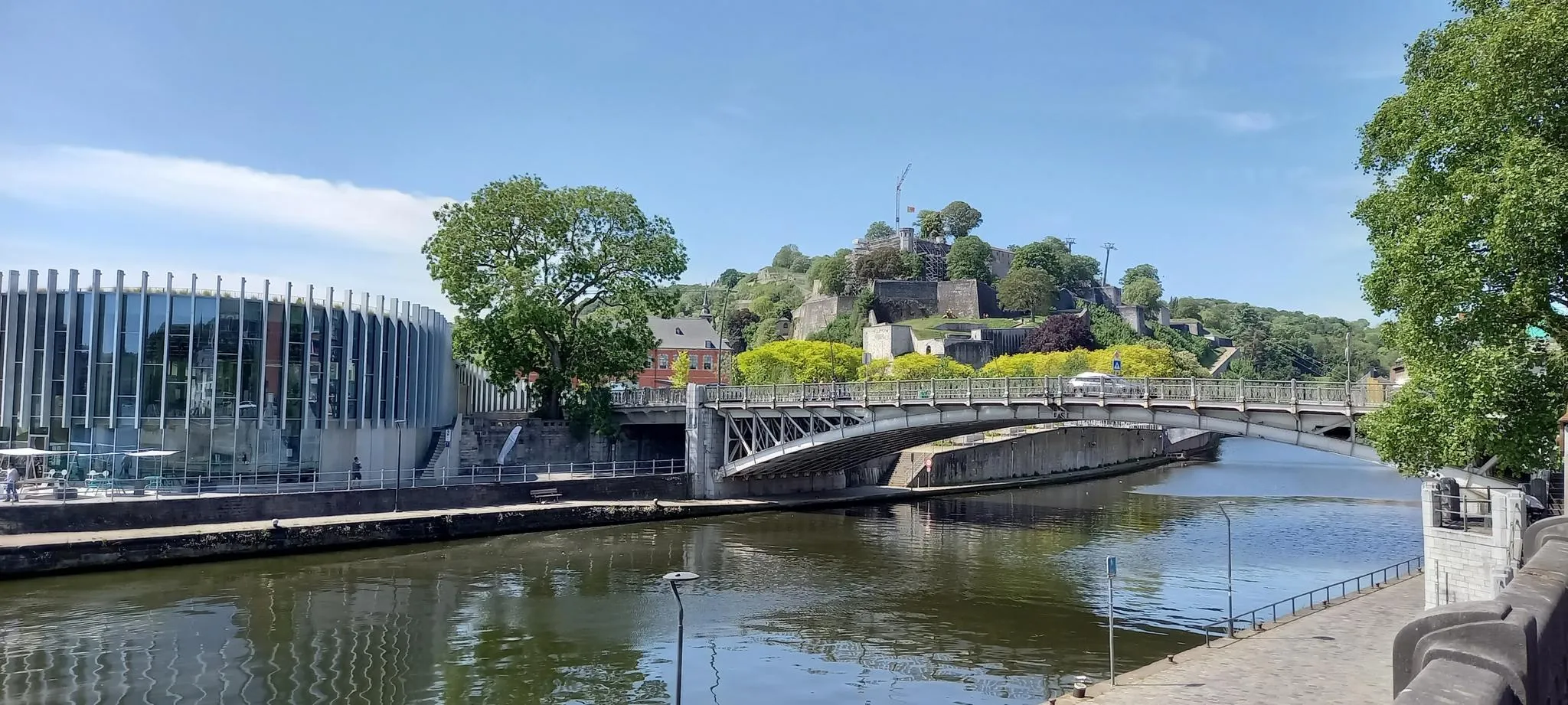
EuroVelo 3 — The adventure in the heart of Belgium
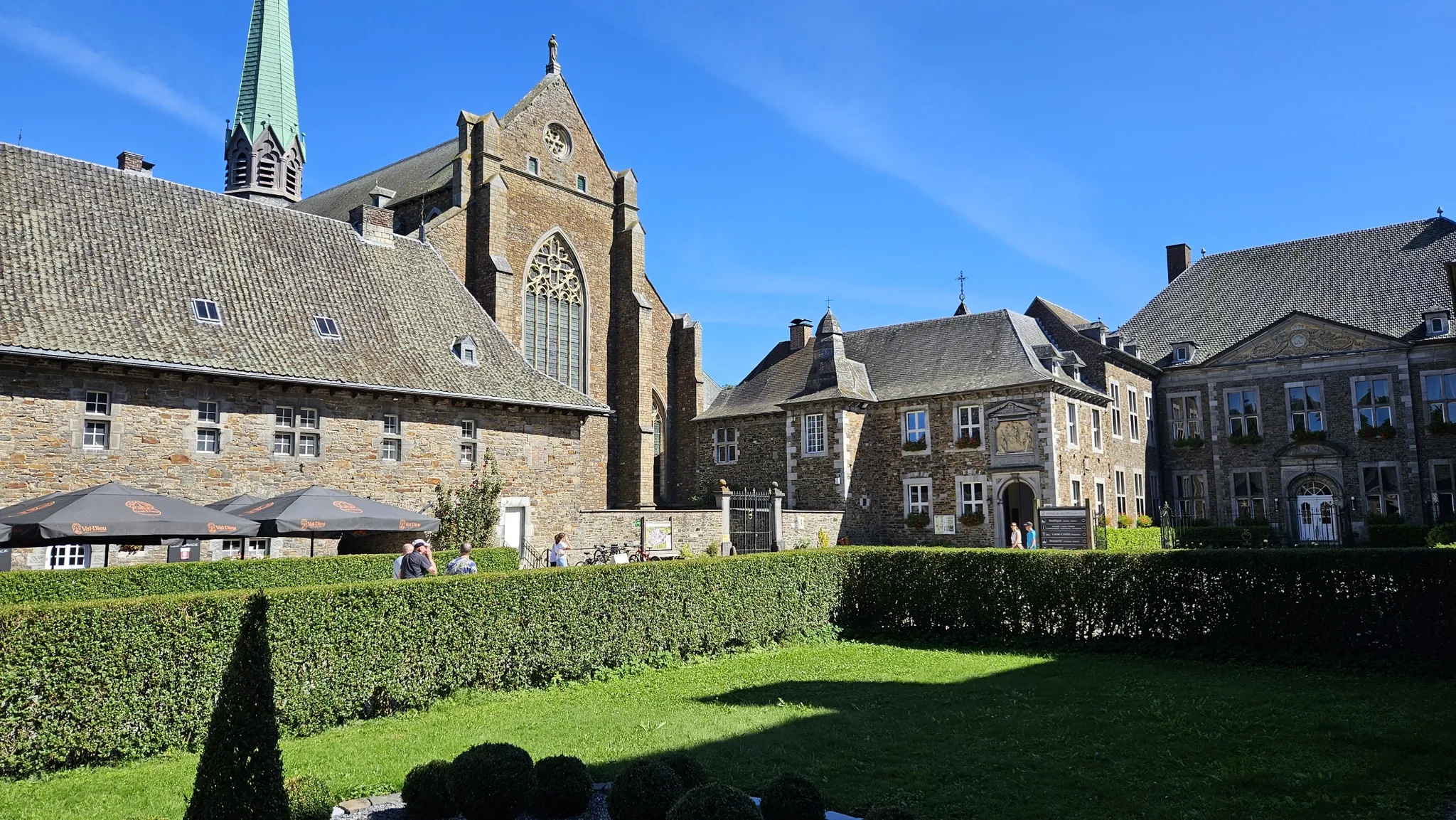
Trappist abbeys cycle route – Between beers and heritage
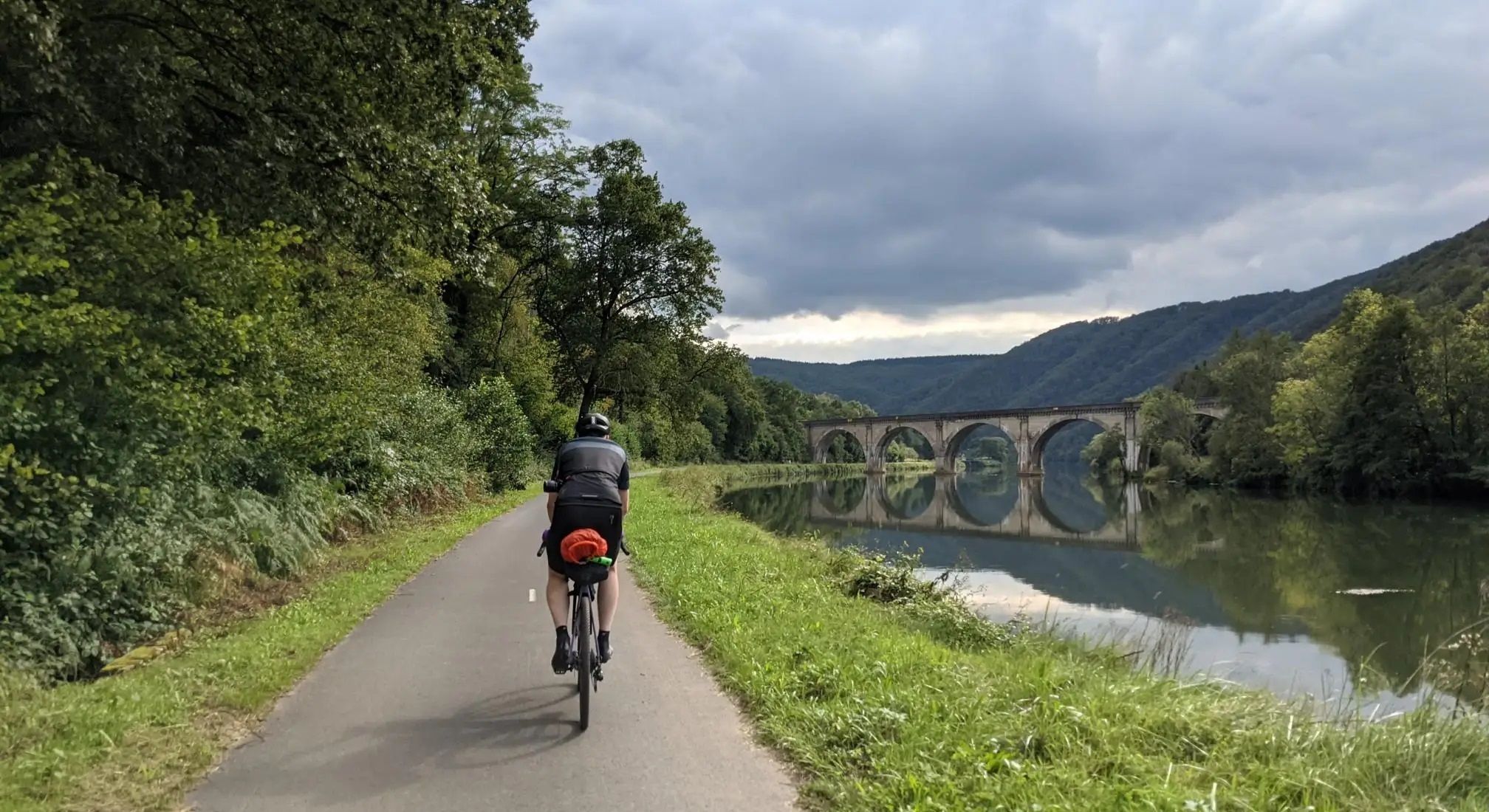
Aachen to Reims – Ardennes, Meuse and Champagne
The most beautiful bike rides in Wallonia – pure nature and culture
Follow the Meuse by Bike in two days - Maasroute
Cycling through green Wallonie — Four days on L'Ardennaise
Belgian Ballads – winter hiking in the Belgian Ardennes
Along the Meuse River – an adventure on EuroVelo 19
Unspoilt nature and wide views – hiking in Wallonia
Other adventures around Liège


Tips from the Community

Quietly enjoying the aftermath with a view of the ducklings and playground..
3
0

Welcome to the Eijsder Beemden, A beautiful, 61-hectare riverine nature reserve along the Maas near Eijsden. This area is known for its wild Konik horses and Galloway cattle, diverse walking paths, and rich flora and fauna in a mosaic of grasslands, ponds, and willow forests. Highlights and practical info: Walking: The area is freely accessible and ideal for rambling tours. A popular route of approx. 6.9 km starts in Eijsden and leads along the Maas and through the Beemden. Route: https://www.ontdekeijsdenmargraten.nl/te-doen-in-zuid-limburg/routes-in-zuid-limburg/detail/natuurgebied-eijsder-beemden-e1-eijsden-margraten/59871/ Flora & Fauna: You can spot the rare swallowtail butterfly, various waterfowl, and natterjack toads here. Grazers: Herds of Konik horses and Galloway cattle graze the area. Accessibility: Dogs are not allowed due to the grazing animals. Surroundings: The Eijsder Beemden borders the beautiful park of Kasteel Oost. Enjoy a peaceful walk in this unique piece of Limburg nature!
1
0
Eijsder Beemden The beautiful Eijsder Beemden is a nature reserve located along the Maas river, on the border with Belgium and south of the Pietersplas. After the end of gravel extraction in the seventies of the last century, a park-like area emerged. Open grassy plains and a number of dug shallow ponds alternated with planted groups of trees of poplar, white poplar, willow and hawthorn scrub. After the management was taken over by Het Limburgs Landschap in the early nineties, the area acquired the rugged natural character it exudes today, with the creation of beautiful riverine forest in some places. The Eijsder Beemden, together with the Pieterplas and the Kleine Weerd, however, also has an important function during high water. Naturally as water storage, but during high water, the water must also be able to flow through quickly. This can prevent flooding in Eijsden and Maastricht and further downstream.
1
0

Located at the foot of the Thier de Caster and Montagne Saint-Pierre site, between the Albert Canal and the Meuse, this site forms a unique natural space. The area hides a remarkable natural heritage with its limestone grasslands, its orchids, its caves filled with bats, and its marshes.
1
0
A friend of George Grard, Charles Leplae, like him, appreciated the depiction of female nudes. He regularly imbued them with reserved, pensive, and introspective poses. True to this style and the artist's taste for allegories, this grave-looking sculpture embodies both a young girl and the young woman. Kneeling on the banks of the Deer Pond, in a bucolic setting, it is certainly the most delicate work in the collection. To be brought to the Sart Tilman estate, the original 3.5-meter-high work, installed at the National Bank of Belgium, was reduced to life-size scale and then placed slightly back in its current green setting, into which it blends perfectly, both in color and in its restrained poetry.
3
0

Quiet location, children can enjoy a beautiful playground, watch the geese and ducks. Vitality trail, possibility of eating.
3
0

Charles Leplae Leplae's art is entirely focused on the human figure, especially women. When he represents her naked, he transcends this very nakedness to elevate her to the rank of symbol. The young girl, frozen in bronze, is more than her model. The chaste nudity, the seriousness of the expression, the modest gesture give the representation a universal dimension. This allegory of one of the eras of women could not find a more important location, near a pond rich in the seeds of life. The original 3.5 m high work, designed in 1951, is installed in the architectural complex of the National Bank of Belgium in Brussels. Sculpting techniques make it possible to reproduce and reduce works. Life-size, installed in a wooded setting, the kneeling girl commands respect for the place in an almost authoritative manner and invites an inner dialogue.
5
0
Here you can sit on a bench with a view of the pond.
5
0
Frequently Asked Questions
What kind of natural features can I expect to see around the lakes in Liège?
The lakes around Liège offer diverse natural features. You'll find artificial lakes created by dams, such as Lac de la Gileppe with its panoramic tower, and tranquil natural settings like Lac de Robertville surrounded by dense forests. Some areas, like the Gravière Brock Nature Reserve, are redeveloped industrial sites that are now places of biological interest, suitable for birds and amphibians. The region also features valleys, streams, and wooded landscapes.
Are there family-friendly lakes in the Liège region?
Yes, several lakes are ideal for families. Julienne Ponds is part of a domain with a playground, restaurants, and picnic benches. Lac des Doyards in Vielsalm also features a children's playground and picnic tables, along with pedal boat rentals. Lac de la Gileppe offers accrobranche (tree-top adventure) and geocaching, making it fun for all ages.
Which lakes offer accessible paths for strollers or wheelchairs?
Lac de Warfaaz near Spa has a gentle 1 km paved path around the lake that is accessible for people with reduced mobility. Similarly, Lac des Doyards in Vielsalm features a 2 km walking and cycling path around the lake that is accessible to strollers and wheelchairs. The Gravière Brock Nature Reserve also has an accessible path for everyone, including people with reduced mobility.
What outdoor activities are available near the lakes in Liège?
You can enjoy a wide range of outdoor activities. Lac de la Gileppe offers mountain biking, e-bike hire, geocaching, and signposted walks. Lac de Robertville is great for swimming, diving, fishing, mini-golf, canoeing, kayaking, and pedal boats. The Lacs de l'Eau d'Heure (though primarily in Hainaut and Namur, they are a major regional attraction) provide extensive water sports like kayaking, windsurfing, and water skiing, alongside aqua golf and tree-top adventure courses. For hiking, you can explore routes like those in the waterfall hikes around Liège or easy hikes around Liège. Gravel biking is also popular, with routes such as the Julienne Valley Ponds loop.
Are there good hiking opportunities around the lakes?
Yes, many lakes offer excellent hiking. Lac de la Gileppe has beautiful trails, with some paths winding along the old city wall of Limbourg. Lac de Robertville is surrounded by dense forest with numerous walking routes. The Julienne Valley and Julienne Ponds area is also ideal for walking in the woods. You can find various hiking options, including easy and moderate trails, in guides like Easy hikes around Liège.
Can I go cycling around the lakes?
Absolutely. Lac de la Gileppe offers e-bike hire and signposted bike rides, including mountain biking. Lac des Doyards has a pleasant 2 km cycling path around the lake. For more extensive cycling, the Gravel biking around Liège guide features routes that pass by some of the region's lakes and natural areas, such as the Julienne Valley Ponds loop.
Which lakes are best for water sports?
Lac de Robertville is excellent for water activities, allowing swimming in designated pure water areas, diving, canoeing, kayaking, rowing, pedalos, and electric motor boats. The Lacs de l'Eau d'Heure, though slightly outside Liège province, are the largest lake complex in Belgium and a major nautical center, offering extensive options like kayaking, windsurfing, sailing, stand-up paddling, water skiing, and jet skiing.
When is the best time to visit the lakes around Liège?
The lakes are beautiful year-round. Spring and summer are ideal for water sports, picnics, and enjoying the lush greenery. Autumn offers stunning foliage for walks, while winter can provide peaceful, scenic views, though some activities might be limited. The charming and peaceful atmosphere of Lac de Warfaaz, for instance, can be enjoyed throughout the year.
Are there facilities like restaurants or picnic areas near the lakes?
Yes, many lakes provide convenient facilities. Lac de la Gileppe features a panoramic tower with a restaurant. Julienne Ponds has various facilities including a playground, restaurants, and picnic benches. Lac de Warfaaz offers picnic tables, and Lac des Doyards also has picnic benches. Near Argenteau, there's a restaurant and children's play area near the parking lot.
Can I go wild swimming in any of the lakes?
While swimming is generally not allowed in all lakes, Lac de Robertville specifically offers designated pure water areas for swimming (Robertville-les-Bains), making it a suitable spot for those looking for a refreshing dip in a natural setting.
What are some lesser-known or 'hidden gem' lakes in the region?
The Gravière Brock Nature Reserve is described as one of these places, still too little known, that deserves a spotlight for its landscape interest, fauna, and flora. It's a redeveloped former industrial area now recognized for its biological significance. The Larbois Sand Quarry also offers a unique, beautiful location with a water pool, often not visible from the main path, providing a sense of discovery.
Are there any historical or cultural landmarks near the lakes?
Yes, the region has some interesting historical connections. The Julienne Valley, for example, is named after Sainte-Julienne de Cornillon, born in Retinne in 1192, and hosts tombs sealing old mining shafts. Lac de la Gileppe itself is an artificial lake created in 1867 by a dam, a significant engineering feat of its time. The area around Lac de Warfaaz is also close to the thermal town of Spa, known for its historic thermal baths.
Most popular routes around Liège
Most popular attractions around Liège

Get inspired with the komoot mobile app


Didn’t find what you were looking for?
Find the best lakes around Liège per region:
Explore more
Still not found your perfect lake around Liège? Check out the guides of these regions to see even more beautiful places.
