Top 20 Lakes around Begijnendijk
Best lakes around Begijnendijk are found within a municipality known for its rich natural landscapes and diverse water bodies. The area features several nature reserves with wetlands, ponds, and meanders, offering ecological value and opportunities for nature observation. These water features are primarily preserved for their ecological importance, providing habitats for local flora and fauna. Visitors can explore these serene environments for tranquil walks and wildlife observation.
Best lakes around Begijnendijk
- The most popular lakes is Horst Castle, a…
Last updated: June 30, 2026
Horst Castle
Highlight • Castle
Translated by Google •
Tip by

Hertberg Ponds
Highlight • Lake
Translated by Google •
Tip by

Sign up now to discover places like this
Get recommendations on the best single tracks, peaks, & plenty of other exciting outdoor places.
Sign up for free
Rotselaar Lake (Ter Heide)
Highlight • Lake
Translated by Google •
Tip by

Heideven Kwarekken
Highlight • Lake
Translated by Google •
Tip by
Pond in Het Goor-Asbroek Nature Reserve
Highlight • Lake
Translated by Google •
Tip by

Sign up for free to discover even more lakes around Begijnendijk.
Sign up for free
Already have an account?
Start today with a free account
Your next adventure awaits.
Login or Signup
Tips from the Community

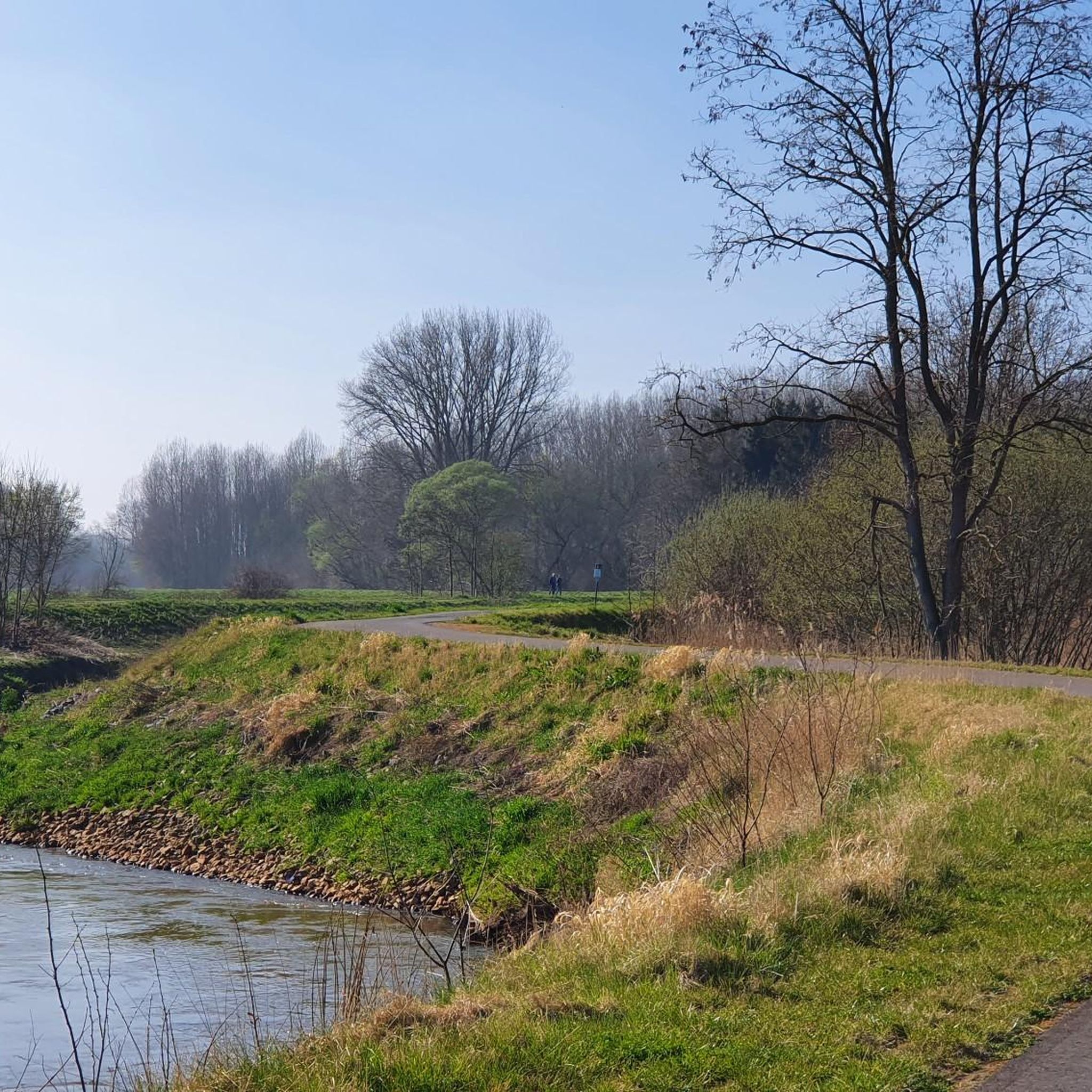
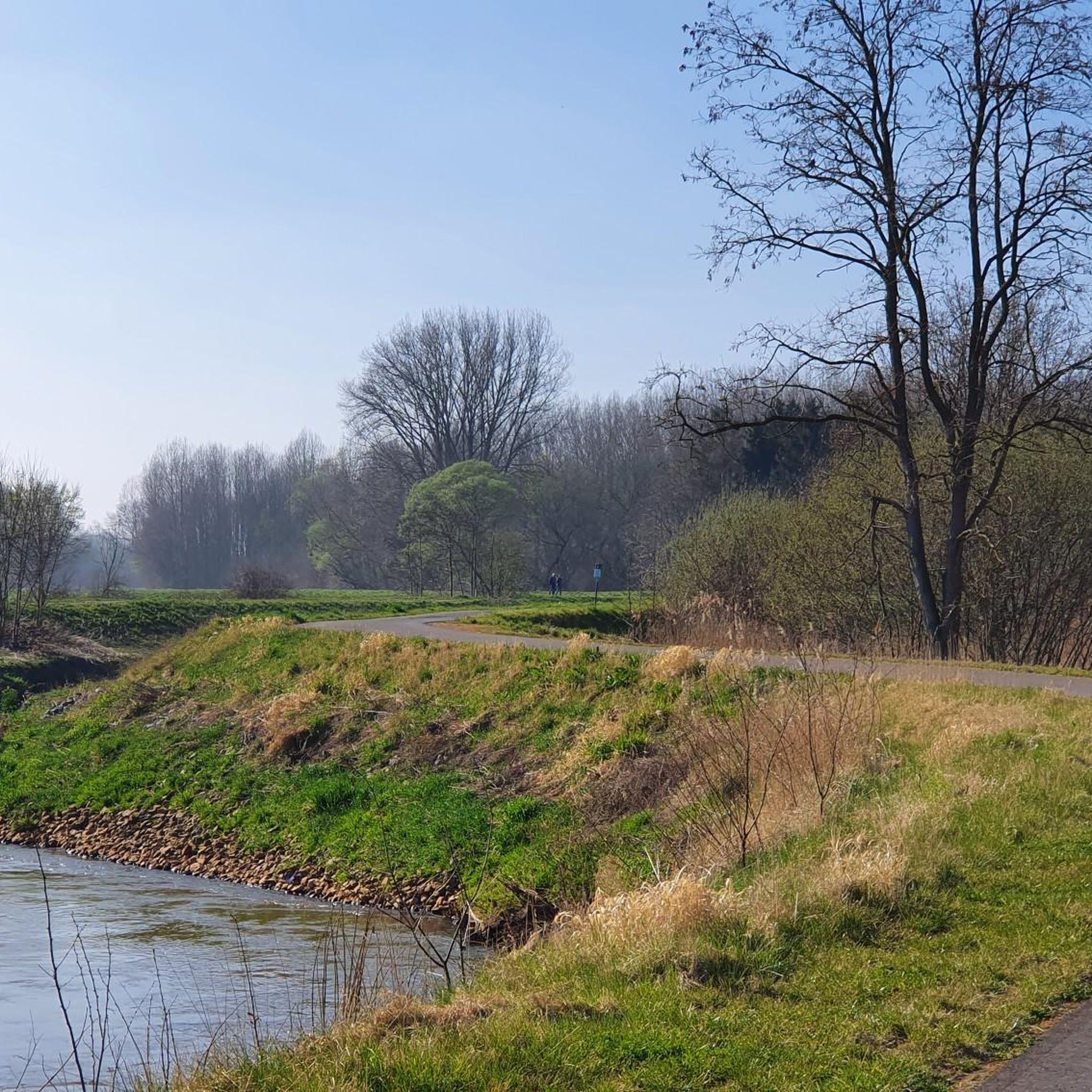
Good water quality is essential for biodiversity. Therefore, it is important that the nutrient-rich soil layer is not disturbed. The water then becomes cloudy and certain plants, such as algae, begin to proliferate. Algae consume a lot of oxygen at night, resulting in the animals in the pond having a difficult time. To protect this special biotope, passers-by must leave the water undisturbed. (Information board on site)
5
0
A beautiful location where you can enjoy the peace and quiet and nature. In autumn, you'll be treated to a riot of autumn colors.
10
0


The core of Horst Castle probably dates back to the 13th century and is characterised by a square keep. The keep probably belonged to the oldest core that was further expanded into a fortified castle in the 15th century. During the troubles under Maximilian of Austria in 1489, the castle of Horst was taken by the people of Leuven and set on fire. According to literary sources, only the keep, part of the entrance gate and a defensive wall remained standing. The residential and east wing were renovated and expanded in the 16th century. The round tower also dates from this period. The outer wall was provided with a rectangular bay window. The castle lost its military character and became more of a pleasant residential area with a view of the moat, the ponds and the inner courtyard. Brick construction with sandstone layers characterise these buildings. In 1587, however, the castle was set on fire again during the raids of the Geuzen. It was not until the beginning of the 17th century that restoration work began. It is difficult to deduce from the available sources to what extent this involved restoration or an embellishing conversion of the castle complex. Presumably nothing changed in the internal structure, but only after the structurally necessary repairs were the interiors completely refinished. Maria-Anna Van den Tympel had a new chapel built against the keep in the 17th century. At the beginning of the 19th century, the complex must have been damaged by plundering and neglect, and it is possible that it also suffered from plundering during the Brabant Revolution of 1830. Around 1850, the castle must have been habitable again, but the castle buildings only served as a farm. In the land registry, the site around the castle is called "De Notelaren Boomgaerd". Around that time, the most dilapidated part must have been demolished, namely the southern part and the superstructure of the gate. The rest of the complex was probably restored with reused demolition material and in traditional style. The castle was divided in 1880, with one part being registered as a school house. In 1897, a further division followed, with two plots being designated as houses. Several restoration campaigns followed in the 20th century. Inventory of Immovable Heritage: Horst Castle, https://id.erfgoed.net/erfgoedobjecten/43619
6
0
Since December, there has been a spire on the castle again after the unstable spire was removed more than four years ago and could be viewed on a wooden platform in the pond. Now it is back. And the other works are also progressing quickly. More about the replaced spire on https://www.vrt.be/vrtnws/nl/2024/12/10/torenspits-staat-weer-op-kasteel-van-horst-holsbeek/
6
0

This highlight, located near a beautiful pond, is situated in the large nature reserve 'Het Goor - Asbroek'. Het Goor, which with its regular canal pattern and many water features reminds us of the peat extraction in the 18th-19th century, is an ideal location to press the pause button on one of the rare benches and replenish your burnt sugars. Historical explanation - what is peat? Peat is dried peat that was dug from the marshy peat areas. The extracted peat was laid out to dry and then used as a raw material. The dried product peat was the most important fuel in our region for centuries - from roughly the 11th to the 18th century. The nature reserve 'Het Goor-Asbroek' is now a large marsh area. Here you can enjoy one of the exceptional botanical top areas in Flanders for hours while walking or slowly pedaling.
6
0
For those who have traded in their horse for a steel steed. Information boards and such on site.
5
0

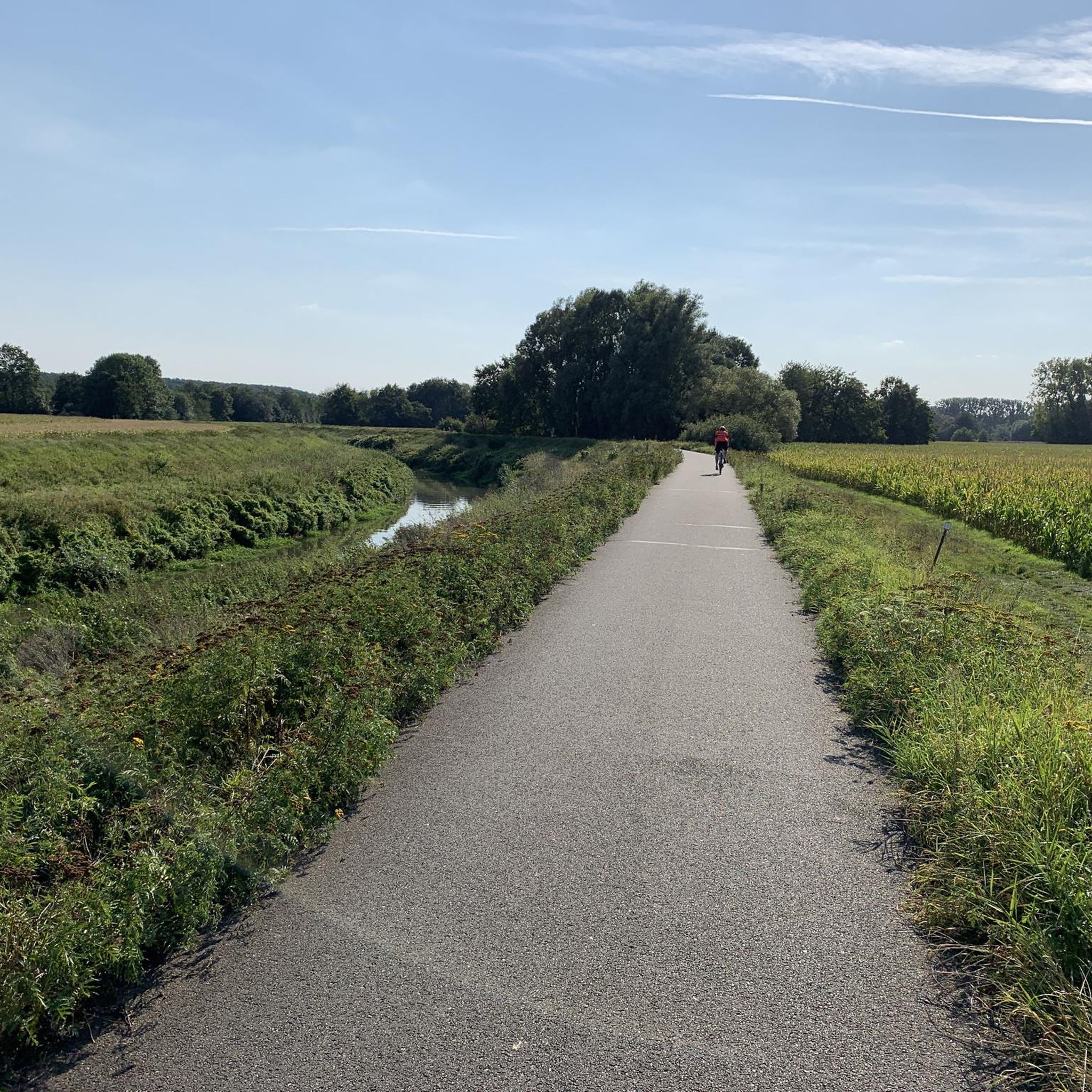
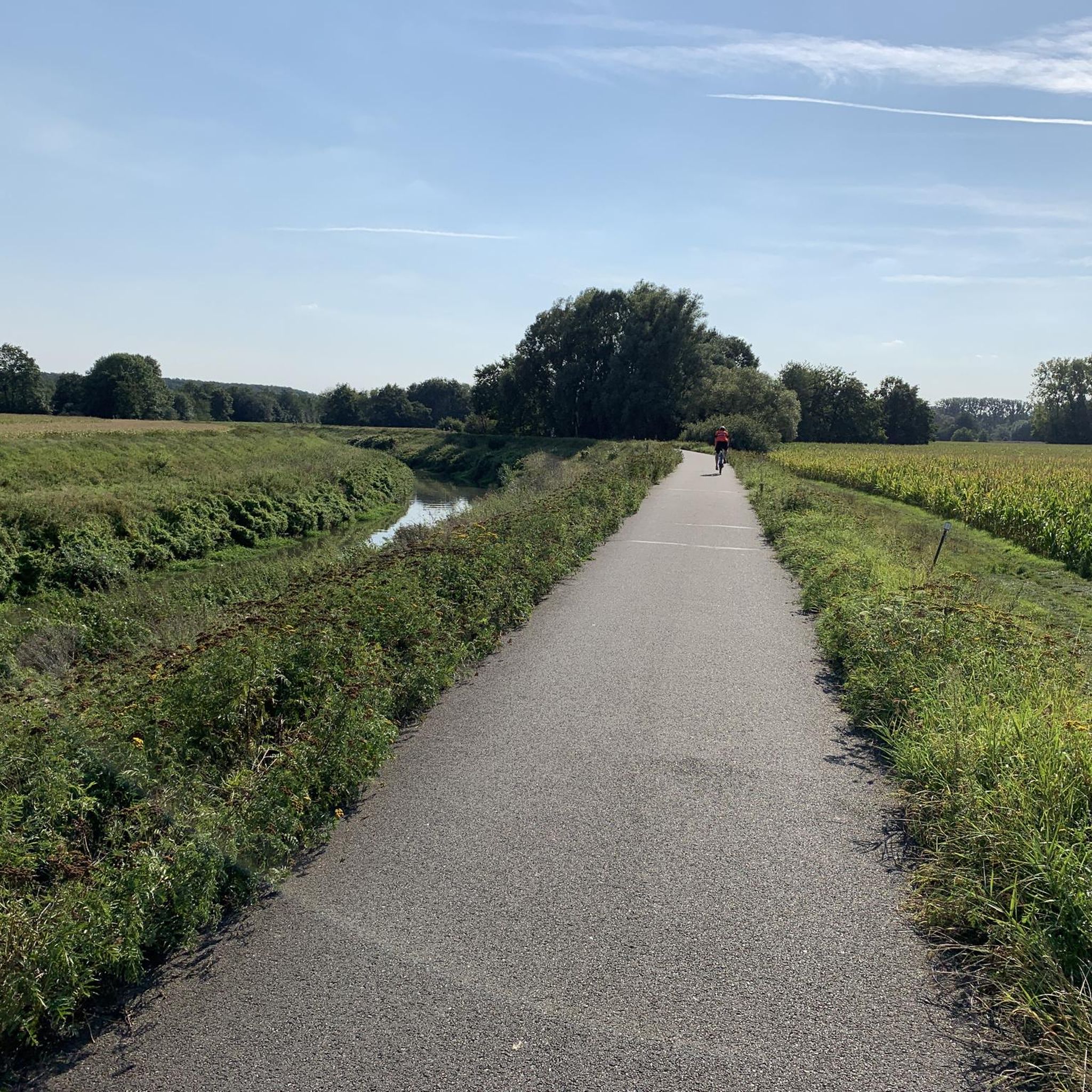
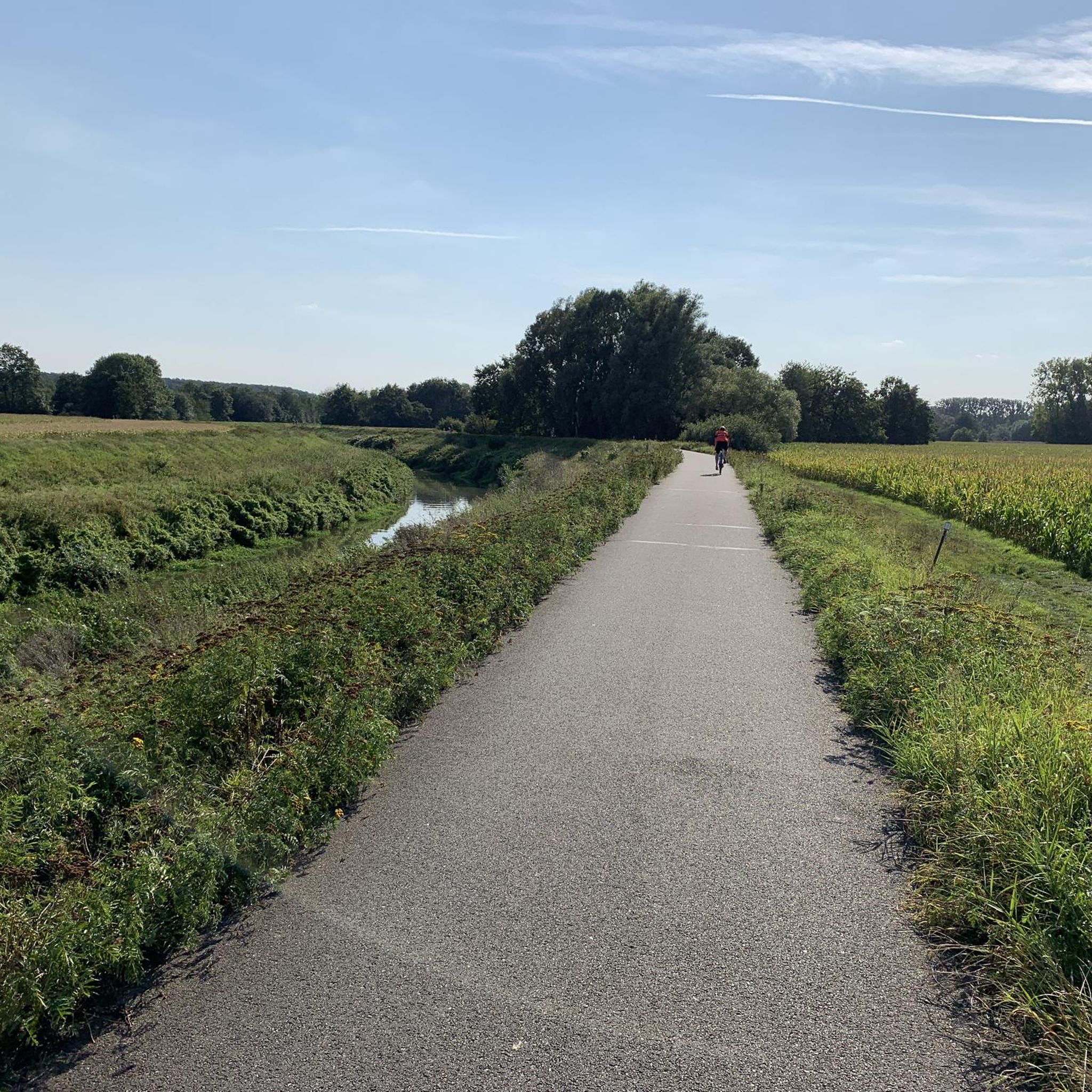
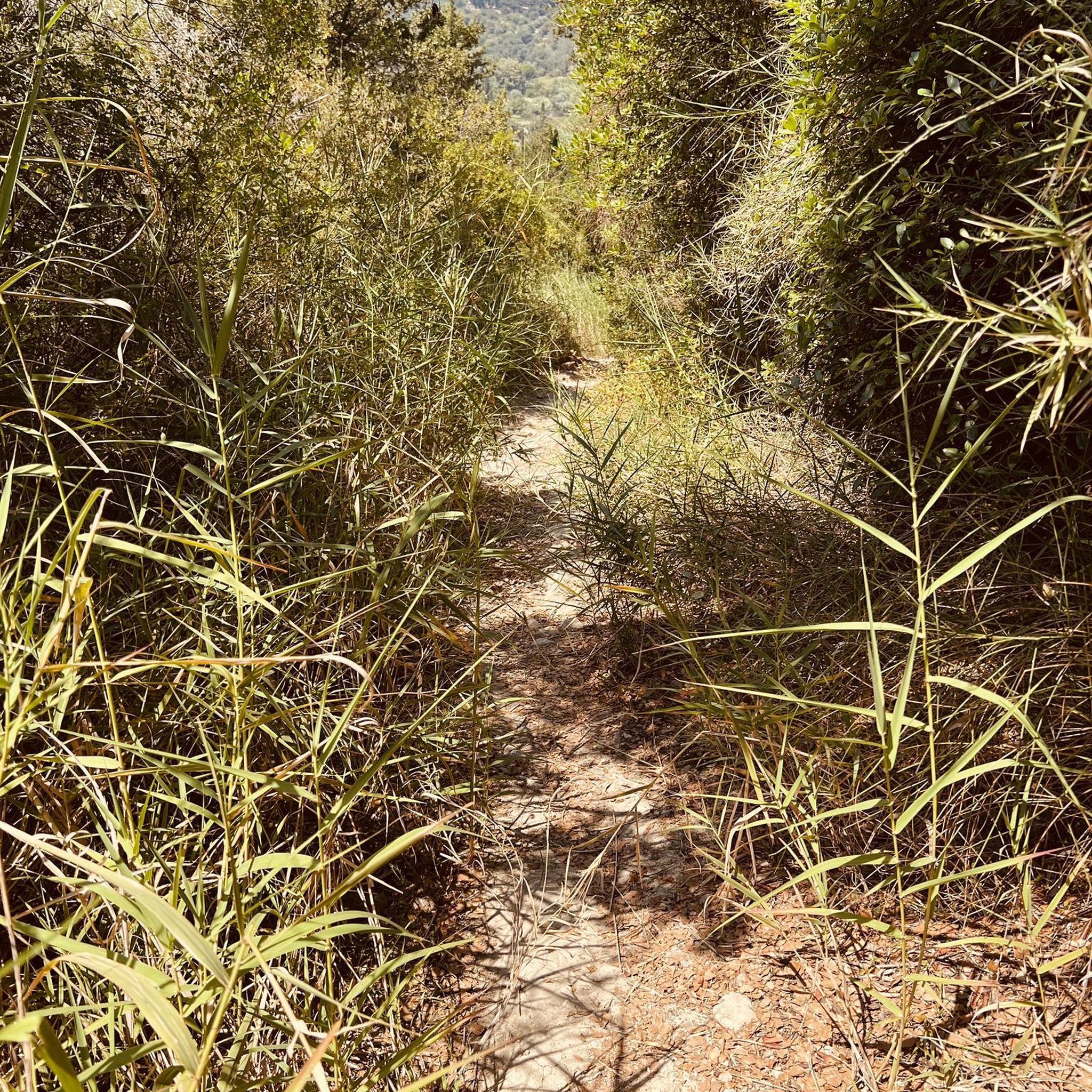
Beautiful swamp forest, difficult to capture in photos or describe in words, but definitely worth cycling through.
9
0
Frequently Asked Questions
What kind of water bodies can I expect to find in Begijnendijk?
Begijnendijk is characterized by diverse natural water bodies, including wetlands, ponds, marshlands, and river meanders, rather than large recreational lakes. These areas, such as De Meren, Rogaarden, Demerbeemden, and Papendel, are primarily preserved for their ecological importance, providing crucial habitats for local flora and fauna.
Are there hiking trails around the water bodies in Begijnendijk?
Yes, there are several hiking opportunities. For example, you can explore the marshlands of De Meren via the Vuurvlinderwandeling (Scarlet Dragonfly Walk), or discover the riverine ecosystem of Demerbeemden through the Beemdenwandeling and Pelgrimsroute. You can find more hiking options in the Hiking around Begijnendijk guide.
What are some notable natural features or highlights to visit?
You can visit the Heideven Kwarekken, a beautiful fen known for its silence and nature sounds. Another spot is the Hertberg Ponds, an idyllic location in a wooded area perfect for relaxation and observing amphibians and birds. The Pond in Het Goor-Asbroek Nature Reserve is also notable for its historical peat extraction and exceptional botanical environment.
Is Horst Castle considered one of the lakes around Begijnendijk?
While not a natural lake, Horst Castle is an idyllic moated castle from the 13th century, surrounded by an impressive moat and a large pond. It's a significant historical and scenic highlight in the region, appreciated by visitors for its beauty and mythical connection to 'De Rode Ridder'.
Are the lakes and nature reserves in Begijnendijk family-friendly?
Many areas are suitable for families. For instance, Rotselaar Lake (Ter Heide) offers a recreational domain with a large, covered picnic area overlooking the water. The Heideven Kwarekken and Hertberg Ponds are also considered family-friendly, offering peaceful natural settings for enjoyment.
Can I bring my dog to the water bodies and nature reserves?
Dogs are generally allowed on the grounds of places like Horst Castle, but typically not inside the castle itself. For other nature reserves, it's advisable to check local regulations, but many trails are suitable for walks with leashed dogs.
When is the best time of year to visit the lakes and nature reserves in Begijnendijk?
The natural areas of Begijnendijk, with their diverse water features, can be enjoyed year-round. Spring and autumn offer pleasant temperatures for hiking and observing flora and fauna, while summer is ideal for enjoying recreational domains like Rotselaar Lake. Winter provides a unique, tranquil experience of the wetlands.
Are there opportunities for bird watching or wildlife observation?
Yes, Begijnendijk's nature reserves are excellent for wildlife observation. Demerbeemden, with its cut-off meanders, attracts a variety of waterfowl and amphibians, and you might even spot beavers. Papendel is specifically designed to support a rich diversity of amphibians, and Rogaarden offers chances to spot roe deer and hares.
What outdoor activities, besides hiking, can I do near these water bodies?
Beyond hiking, you can find running trails and road cycling routes in the vicinity. For running, explore options in the Running Trails around Begijnendijk guide. Cyclists can find various routes, including those passing by Horst Castle, in the Road Cycling Routes around Begijnendijk guide.
Are there cafes or restaurants near the water bodies in Begijnendijk?
Yes, some locations offer amenities. For example, the Brasserie Wagenhuis is located at Horst Castle, providing a convenient stop for food and drinks. At Rotselaar Lake (Ter Heide), there's a large, covered picnic area, and other areas like Hertberg Ponds provide picnic benches for visitors.
Is there parking available near the nature reserves and lakes?
Parking facilities are generally available near the main access points of the nature reserves and highlights. For instance, Horst Castle has parking, and recreational domains like Rotselaar Lake (Ter Heide) are designed with visitor access in mind. Specific parking details can often be found on local nature reserve websites or trail descriptions.
Most popular routes around Begijnendijk
Most popular attractions around Begijnendijk

Get inspired with the komoot mobile app


Explore more
Still not found your perfect lake around Begijnendijk? Check out the guides of these regions to see even more beautiful places.
