Top 20 Lakes around Bierbeek
Best lakes around Bierbeek, a green municipality situated between Leuven and Hoegaarden, is characterized by its lush landscapes and historical water infrastructure. While large natural lakes are not prominent, the area offers unique water-related attractions through its streams and organized "water walks." These features highlight the region's natural environment and historical connection to water. The Molenbeek and other streams contribute to the area's natural charm, providing picturesque routes for exploration.
Best lakes around Bierbeek
- The most popular lakes is Horst…
Last updated: June 30, 2026
Horst Castle
Highlight • Castle
Translated by Google •
Tip by

Rotselaar Lake (Ter Heide)
Highlight • Lake
Translated by Google •
Tip by

Sign up now to discover places like this
Get recommendations on the best single tracks, peaks, & plenty of other exciting outdoor places.
Sign up for free
Rozendaalbeekvallei Pond
Highlight • Lake
Translated by Google •
Tip by

Birdwatching Hide Grote Bron - De Doode Bemde
Highlight • Mountain Hut
Translated by Google •
Tip by

Paddepoel Nature Reserve
Highlight • Natural
Translated by Google •
Tip by

Sign up for free to discover even more lakes around Bierbeek.
Sign up for free
Already have an account?
Start today with a free account
Your next adventure awaits.
Login or Signup
Tips from the Community

The pond, which has been there for years, has a small wooden platform for those who are interested, and is located near the small bridge over the stream once you've descended the paths leading to the higher village center. You are now at the same altitude as the road to Aarschot and can walk around the pond, which is connected to the meadows by the path. The Rozendaalbeek is a tiny stream that rises just outside Tienen on the northwest side in two amphitheater-shaped slopes. After just a few hundred meters, the two separate branches meet and together form the Roosdaalbeek, which is indicated on maps as the "Vlietende beek" (Flying Brook). Typical of the Rozendaalbeekvallei nature reserve is its secluded location between the two parishes of Vissenaken. Yet, you hardly notice this as you walk through the valley. The wet grasslands furthest downstream between Metselstraat and Hymelinusstraat, which were purchased first, are the most visible. The other plots are less well-known because they offer less visibility. Source and much more at http://www.velpe-mene.be/tienen/rozendaalbeekvallei.htm
3
0

Where water and reeds feel connected...
4
0

The core of Horst Castle probably dates back to the 13th century and is characterised by a square keep. The keep probably belonged to the oldest core that was further expanded into a fortified castle in the 15th century. During the troubles under Maximilian of Austria in 1489, the castle of Horst was taken by the people of Leuven and set on fire. According to literary sources, only the keep, part of the entrance gate and a defensive wall remained standing. The residential and east wing were renovated and expanded in the 16th century. The round tower also dates from this period. The outer wall was provided with a rectangular bay window. The castle lost its military character and became more of a pleasant residential area with a view of the moat, the ponds and the inner courtyard. Brick construction with sandstone layers characterise these buildings. In 1587, however, the castle was set on fire again during the raids of the Geuzen. It was not until the beginning of the 17th century that restoration work began. It is difficult to deduce from the available sources to what extent this involved restoration or an embellishing conversion of the castle complex. Presumably nothing changed in the internal structure, but only after the structurally necessary repairs were the interiors completely refinished. Maria-Anna Van den Tympel had a new chapel built against the keep in the 17th century. At the beginning of the 19th century, the complex must have been damaged by plundering and neglect, and it is possible that it also suffered from plundering during the Brabant Revolution of 1830. Around 1850, the castle must have been habitable again, but the castle buildings only served as a farm. In the land registry, the site around the castle is called "De Notelaren Boomgaerd". Around that time, the most dilapidated part must have been demolished, namely the southern part and the superstructure of the gate. The rest of the complex was probably restored with reused demolition material and in traditional style. The castle was divided in 1880, with one part being registered as a school house. In 1897, a further division followed, with two plots being designated as houses. Several restoration campaigns followed in the 20th century. Inventory of Immovable Heritage: Horst Castle, https://id.erfgoed.net/erfgoedobjecten/43619
6
0
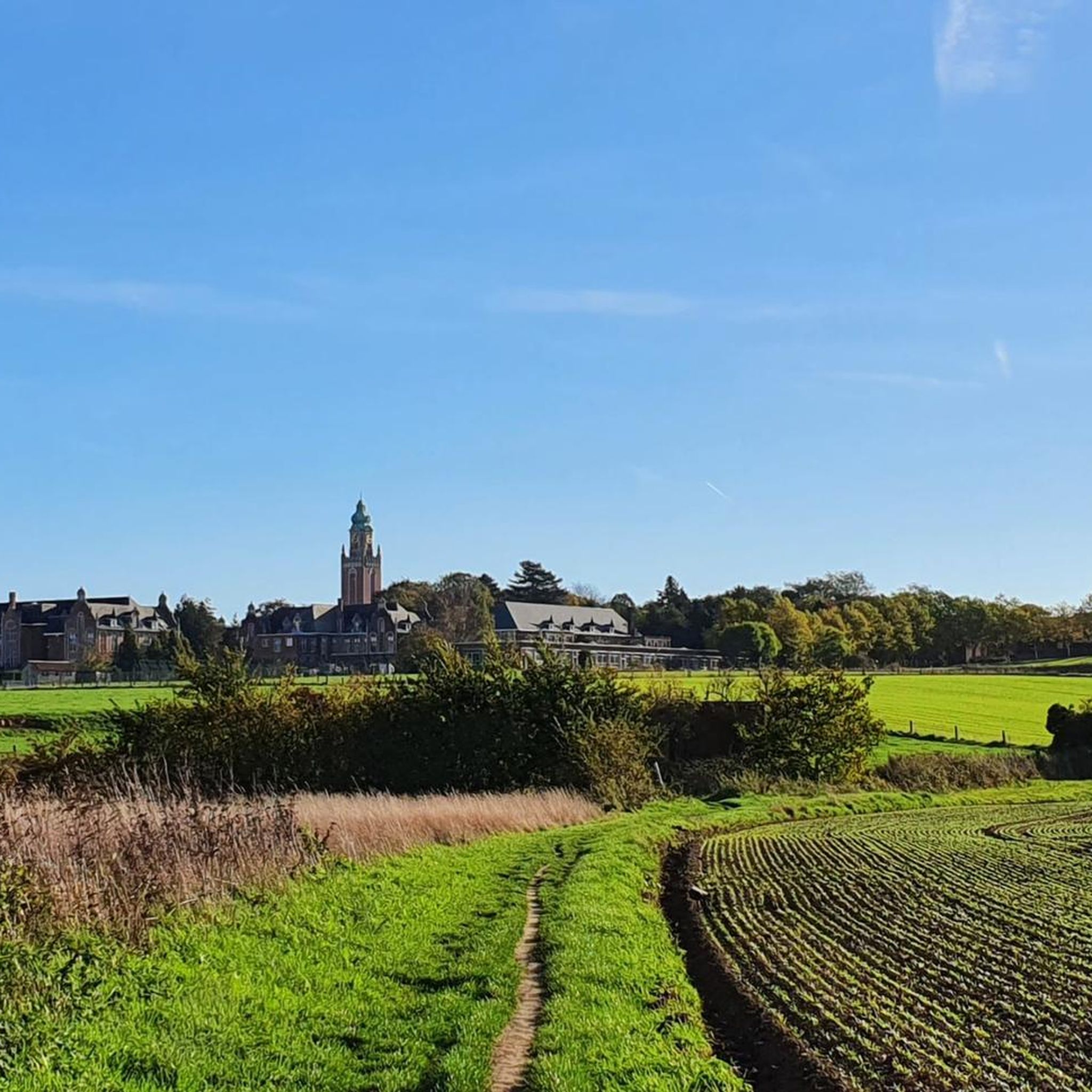
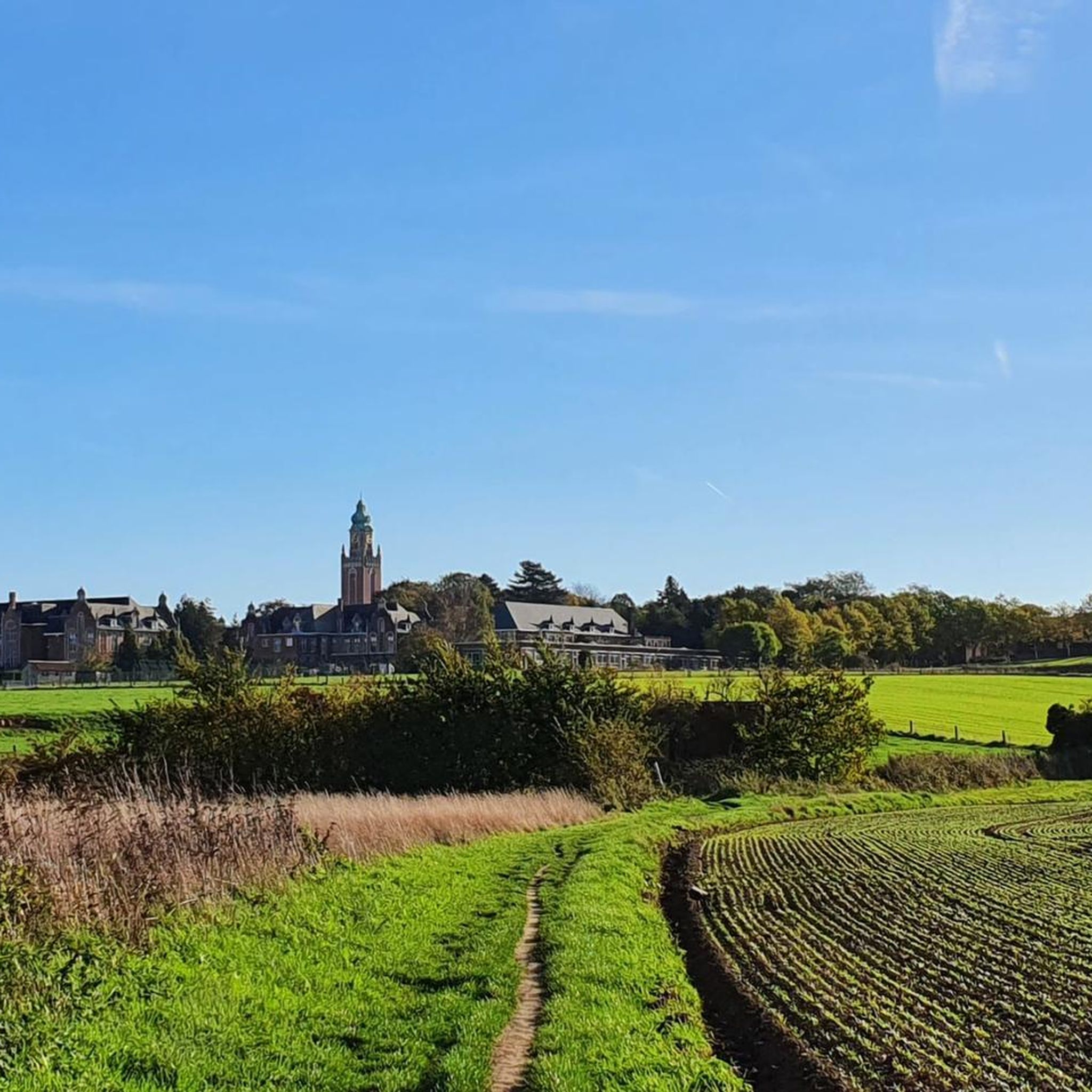
Since December, there has been a spire on the castle again after the unstable spire was removed more than four years ago and could be viewed on a wooden platform in the pond. Now it is back. And the other works are also progressing quickly. More about the replaced spire on https://www.vrt.be/vrtnws/nl/2024/12/10/torenspits-staat-weer-op-kasteel-van-horst-holsbeek/
6
0

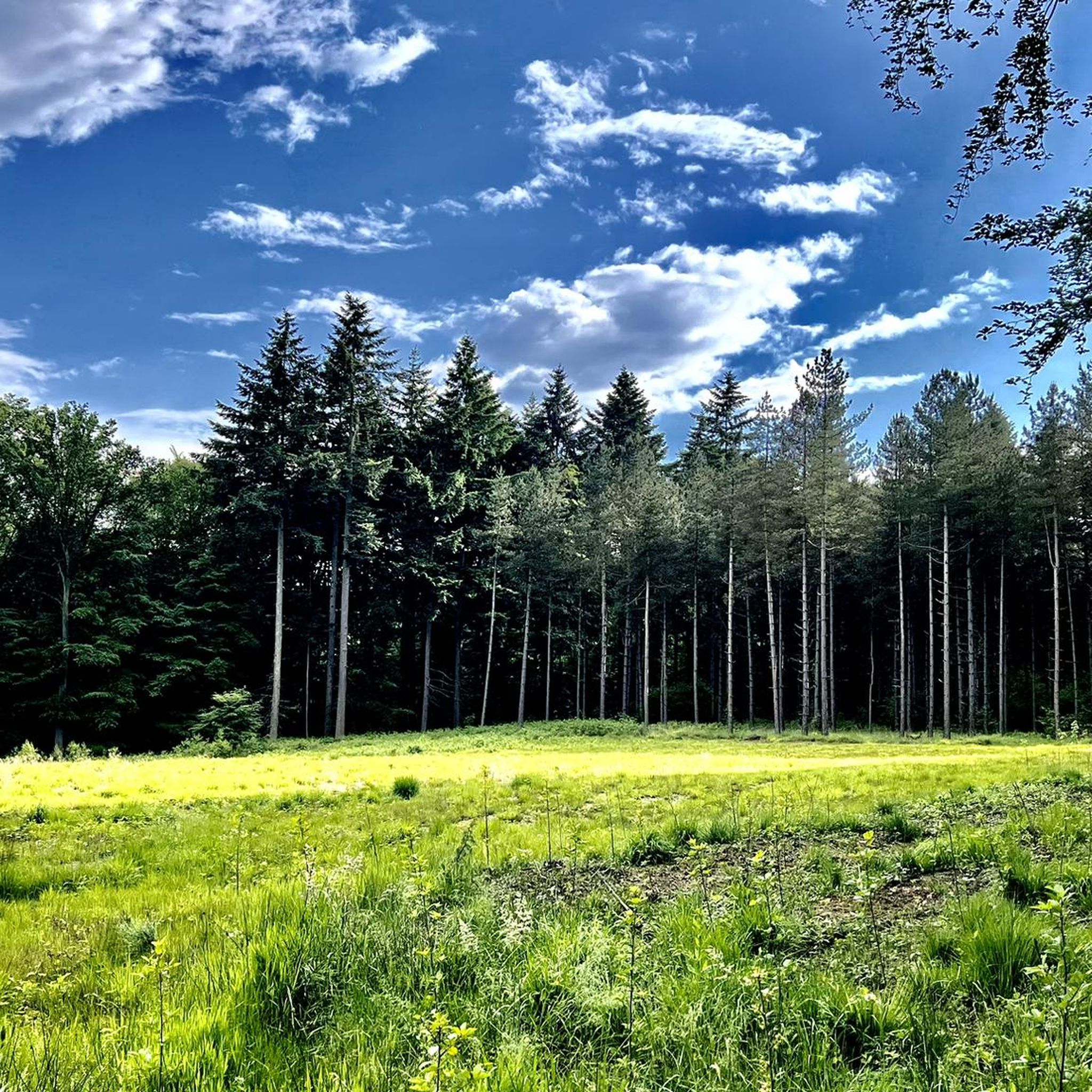
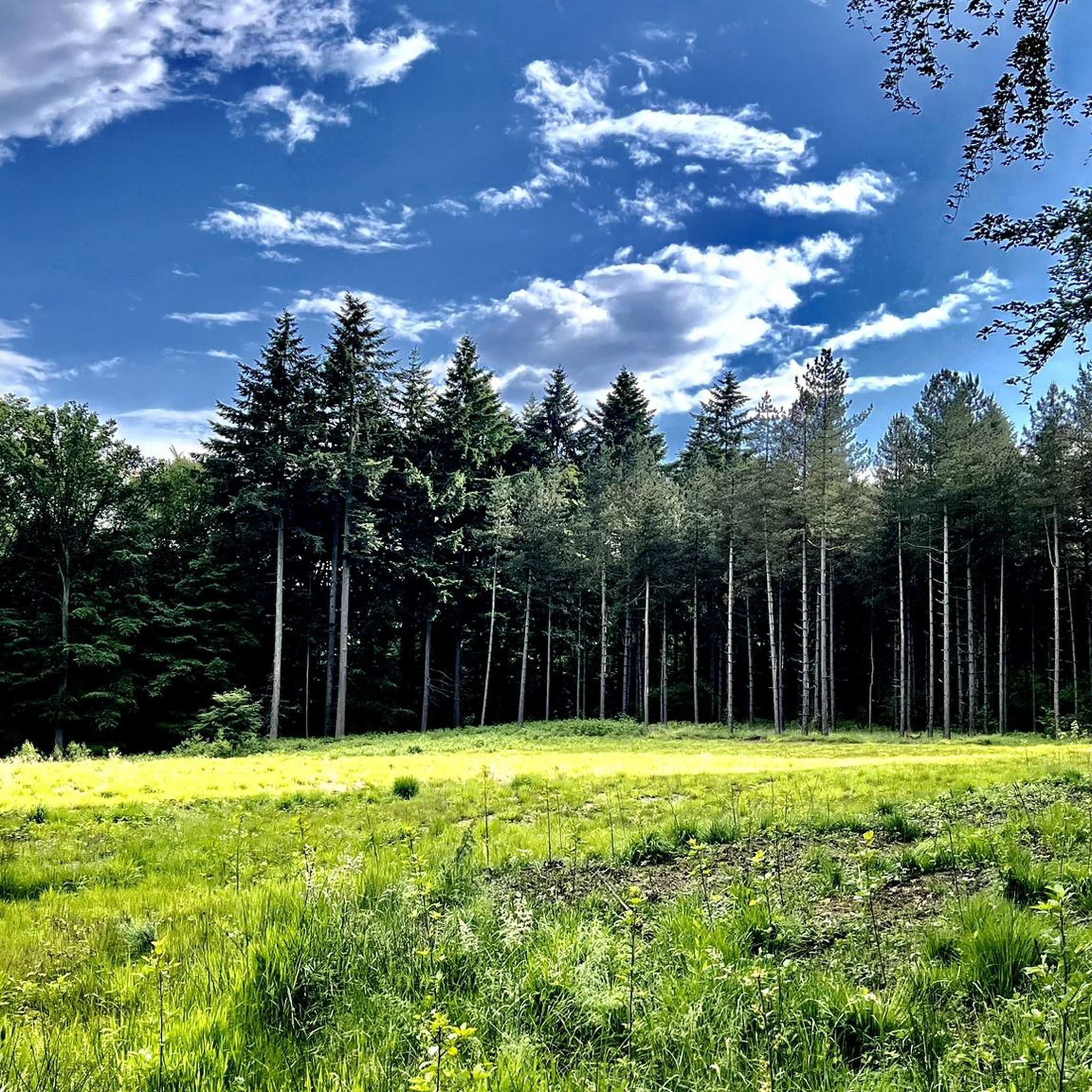
beautiful pond, surrounded by willows and reeds
2
0
beautiful pond, surrounded by willows and reeds
2
0
The Rozendaalbeek is a tiny stream that rises just outside Tienen on the northwest side in two amphitheater-shaped slopes. After just a few hundred meters, the two separate branches meet and together form the Roosdaalbeek, which is listed on military maps as the "Vlietende beek" (Flying Brook). A characteristic of the Rozendaalbeekvallei nature reserve is its secluded location between the two parishes of Vissenaken. Yet, you hardly notice this when walking through the valley. The most downstream wet grasslands between Metselstraat and Hymelinusstraat, which were purchased first, are the most visible. The other plots are less well-known because they offer less visibility. Source and much more at http://www.velpe-mene.be/tienen/rozendaalbeekvallei.htm
6
0
Frequently Asked Questions
What kind of 'lakes' can I expect to find around Bierbeek?
Bierbeek is characterized more by its lush landscapes, historical water infrastructure, and various watercourses rather than large, prominent natural lakes. You'll discover unique water-related attractions through its streams like the Molenbeek, historical water points, and smaller ponds within nature reserves. The area is known for its serene, green character and opportunities for engaging walks that combine nature, history, and local culture.
Are there any historical water features or sites to visit?
Yes, Bierbeek has a rich history tied to its water systems. A prominent example is Horst Castle, an idyllic moated castle from the 13th century, surrounded by an impressive moat. The area also features historical watermills along streams like the Molenbeek, and the iconic Watertower of Bierbeek stands as a symbol of the municipality's water infrastructure.
What are 'water walks' in Bierbeek?
Bierbeek offers 'water walks' (waterwandelingen), which are guided or self-guided tours designed to explore the municipality's smaller streams and historical water points. These walks educate participants about water management, local history, and the ecological significance of the water systems, often spanning several kilometers for an immersive experience.
Are there family-friendly water-related activities or spots?
Absolutely! Many of the water features around Bierbeek are suitable for families. Horst Castle is family-friendly, and its grounds are perfect for exploration. Rotselaar Lake (Ter Heide) is a recreational domain offering various activities and a large, covered picnic area overlooking the lake. Nature reserves like Paddepoel Nature Reserve and Rozendaalbeekvallei Pond also offer gentle paths suitable for families to enjoy nature.
Where can I go for birdwatching near Bierbeek?
For birdwatching, the Langerodevijver Birdwatching Hide is an excellent spot. It features a viewing hut, the Grote Bron, which offers beautiful views of the Langerodevijver, making it ideal for both walkers and dedicated bird watchers. Additionally, the Paddepoel Nature Reserve is a paradise for kingfishers, teals, and meadow damselflies.
What kind of nature reserves are there with water features?
Bierbeek is home to several nature reserves with significant water features. The Paddepoel Nature Reserve, located in the Velpe valley, features marshlands, moist grasslands, and the strongly meandering Velpe river, creating a rich habitat for diverse flora and fauna. The Rozendaalbeekvallei Pond is another secluded nature reserve centered around the tiny Rozendaalbeek stream and its wet grasslands.
Can I swim in any of the lakes or water bodies?
While Bierbeek itself is known for streams and historical water infrastructure, Rotselaar Lake (Ter Heide), located nearby, is a recreational domain where swimmers can enjoy the 'Plas van Rotselaar'. It's a popular spot for water activities.
Are there hiking trails near these water features?
Yes, the water features are often integrated into scenic hiking routes. The 'water walks' specifically guide you along streams and historical points. For more extensive hiking, you can explore the many trails around Bierbeek, including those in nearby forests. You can find various options on the Running Trails around Bierbeek guide, which includes routes like the 'Dirt Path Through Open Fields – Mollendaal Shelter loop'.
What cycling opportunities are there around the water areas?
The green landscapes and watercourses around Bierbeek offer pleasant cycling experiences. You can find routes that pass by these natural and historical water features. For detailed cycling routes, refer to the Cycling around Bierbeek guide, which lists various options, including easy and moderate routes.
Is there parking available near the main attractions?
Yes, for popular sites like Horst Castle, parking facilities are available. Many starting points for water walks and nature reserve access points also offer parking. It's generally advisable to check specific location details for parking availability before your visit.
What is the best time to visit the water features in Bierbeek?
The water features and surrounding natural areas in Bierbeek can be enjoyed year-round. Spring and summer offer lush greenery and pleasant weather for walks and outdoor activities. Autumn brings beautiful foliage, while winter can provide serene, crisp walks along the streams. Recreational domains like Rotselaar Lake (Ter Heide) are open to the public all year round.
Are dogs allowed on walks near the water features?
Dogs are generally welcome on the grounds of many outdoor attractions. For instance, at Horst Castle, dogs are allowed on the castle grounds, though not inside the castle itself. When visiting nature reserves or specific recreational areas, it's always best to check local regulations regarding pets, often requiring them to be on a leash.
Most popular routes around Bierbeek
Most popular attractions around Bierbeek

Get inspired with the komoot mobile app


Explore more
Still not found your perfect lake around Bierbeek? Check out the guides of these regions to see even more beautiful places.
