Top 4 Gorges around Rotselaar
Best canyons around Rotselaar are characterized by the region's unique geological features, including rolling hills and significant river valleys like the Dijle and Winge. The area features "Hagelandse getuigenheuvels," which are relict hills with distinct natural formations. These formations include deeply incised "Holle Wegen" (sunken lanes) and iron sandstone outcrops, providing varied natural experiences. The landscape offers scenic beauty and recreational opportunities for outdoor enthusiasts.
Best canyons around Rotselaar
- The most popular canyons is Vernagelstraat, a sunken lane that…
Last updated: August 24, 2026
double sunken lane
Highlight • Gorge
Translated by Google •
Tip by

Vernagelstraat
Highlight • Gorge
Translated by Google •
Tip by

Sign up now to discover places like this
Get recommendations on the best single tracks, peaks, & plenty of other exciting outdoor places.
Sign up for free
Collapsed Hollow Way Kleine Reedelle
Highlight (Segment) • Gorge
Translated by Google •
Tip by

Hollow Road Through Lindenbos
Highlight • Gorge
Translated by Google •
Tip by

Start today with a free account
Your next adventure awaits.
Login or Signup
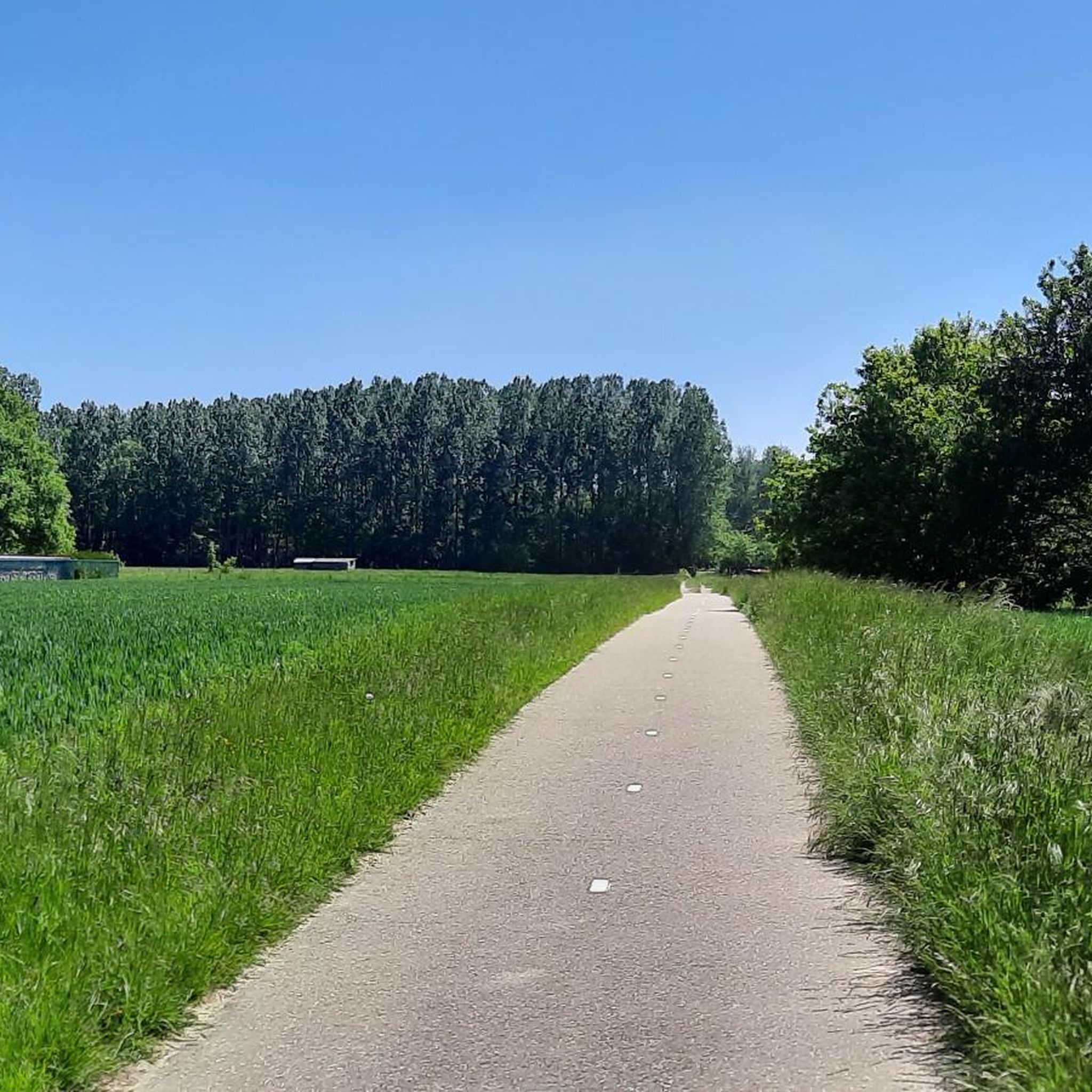
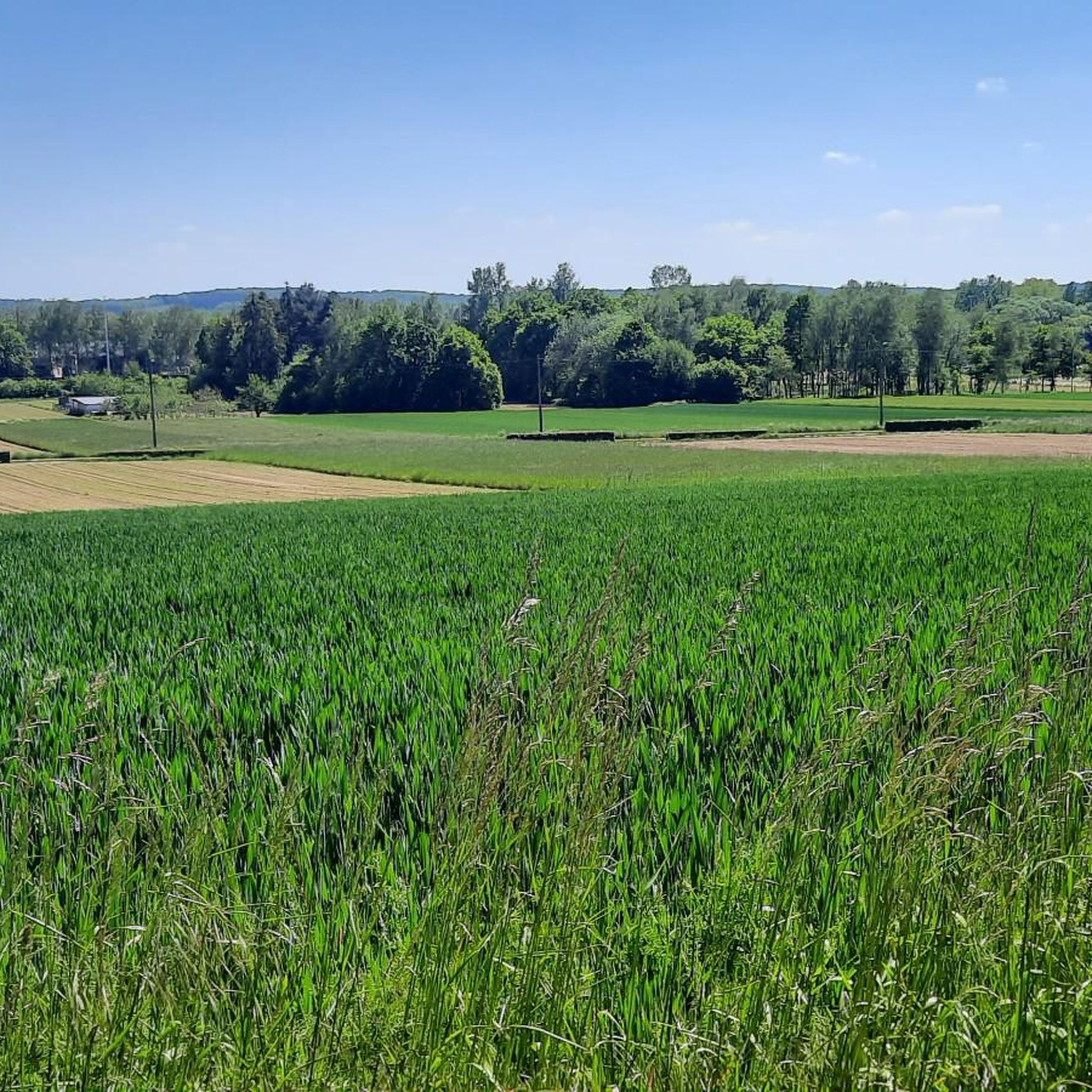
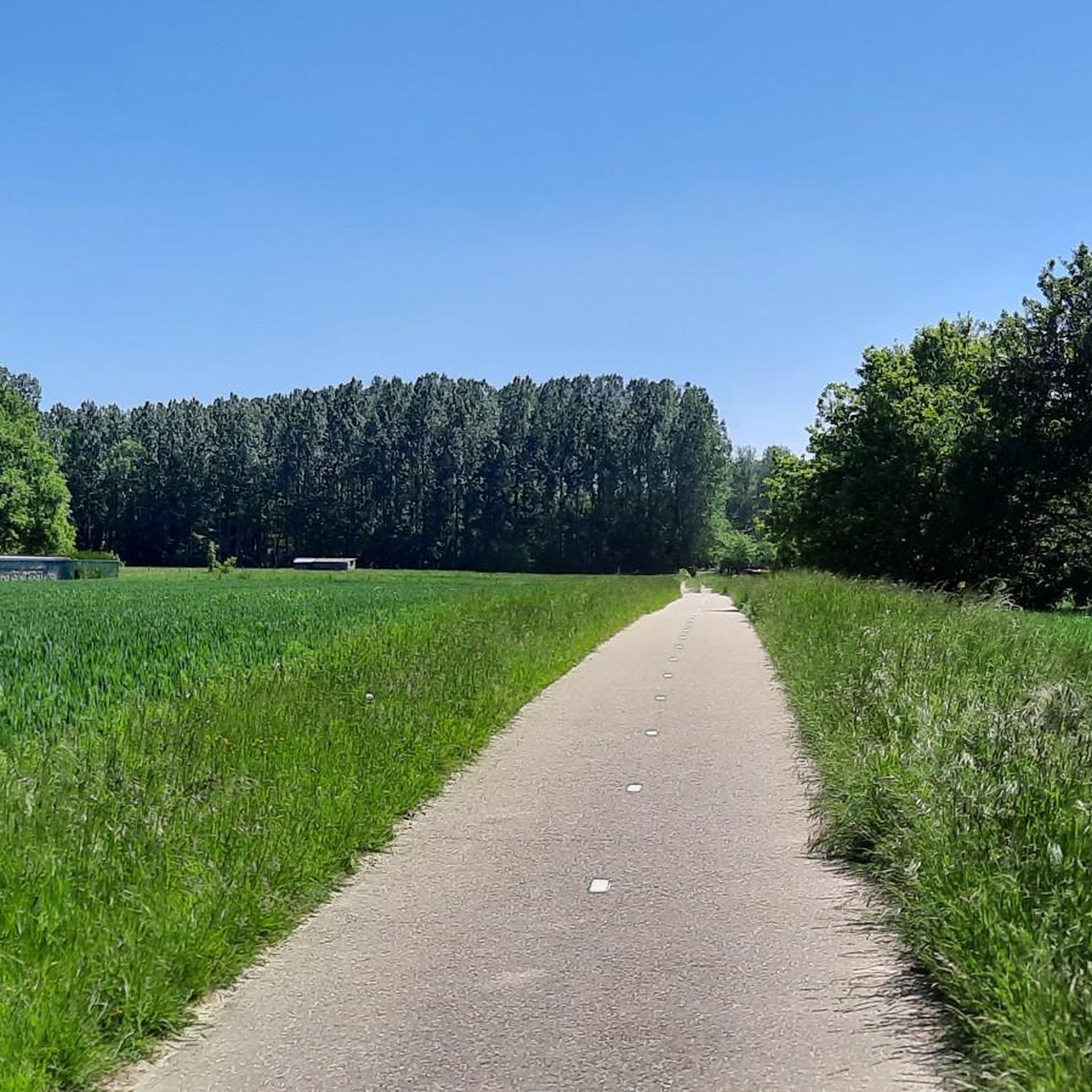

Tips from the Community

Hollow road through the Lindenbos. Very steep slope, but after climbing you are suddenly in another world of wide fields.
1
0


In the Koeheide in Bertem, at the northern intersection of the Grote Reedelle and the Kleine Reedelle, part of the sunken road of the Kleine Reedelle has completely collapsed and is not even accessible on foot, April 2025. You can of course take an alternative route and go around.
0
0

The sunken road itself is used by the more adventurous and probably younger cycling adventurer, judging by the small sand-jumping hills constructed in it.
6
0

A sunken road is a road that is so deeply worn that it lies between two slopes. It is the result of centuries of use and erosion. The most beautiful sunken roads can be found especially in hilly areas with a subsoil that easily forms steep walls, such as in Haspengouw and Hageland.
4
1

Lovely walking path that winds along an old sunken road.
5
0

Currently difficult to walk, very swampy.
1
3

This narrow sunken road resembles a rain-soaked deep stream between the trees...
10
0
Frequently Asked Questions
What are the most popular sunken lanes (canyons) to explore in Rotselaar?
The Rotselaar region is known for its unique 'Holle Wegen' (sunken lanes) which offer a canyon-like experience. Among the most popular are Vernagelstraat, a narrow sunken road resembling a deep stream, and the double sunken lane on the flank of the Meesberg, where a GR path is dug deeper than an adjacent MTB route, creating a distinct view.
What kind of natural features can I expect to see in the Rotselaar 'canyons'?
You'll encounter deeply incised 'Holle Wegen' (sunken lanes) that create tunnel-like effects surrounded by vegetation. The landscape also features 'Hagelandse getuigenheuvels' (witness hills) with distinctive iron sandstone formations, particularly visible on hills like the Beninksberg. The Dijle and Winge river valleys also contribute to the scenic beauty with their rolling hills and varied ecosystems.
Are there viewpoints offering panoramic views in the Rotselaar area?
Yes, the Beninksberg, one of the prominent witness hills, stands over fifty meters above the surrounding area and offers beautiful panoramas over the Winge Valley. Exploring the trails around these hills can lead to several scenic overlooks.
What is the typical difficulty of exploring these 'canyons' (sunken lanes)?
The sunken lanes vary in difficulty. Some, like Vernagelstraat, are described as challenging due to erosion and overgrown sections. Others, such as the Hollow Road Through Lindenbos, feature very steep slopes but are generally considered intermediate. It's advisable to check specific route details for the most accurate difficulty assessment.
Are there family-friendly walking routes through the sunken lanes?
While some sunken lanes can be challenging, many areas within the Dijle and Winge valleys offer extensive networks of hiking trails suitable for various skill levels, including easier paths for families. Look for routes that avoid the steepest or most eroded sections of the 'Holle Wegen'.
Can I see wildlife in the natural areas around Rotselaar's sunken lanes?
Yes, the nature reserves within the Dijle and Winge valleys, such as the Hagelandse Vallei, are rich in biodiversity. These areas are home to a wide variety of plants, insects, birds, and mammals, making them excellent spots for wildlife observation while exploring the sunken lanes and surrounding landscapes.
What outdoor activities can I do near these sunken lanes?
Beyond exploring the sunken lanes, Rotselaar offers diverse outdoor activities. You can find numerous road cycling routes, running trails, and MTB trails. Popular options include cycling loops from Wezemaal, running trails around Rotselaar Lake, and MTB routes through forests like Chartreuzen and around Beninksberg.
What is the best time of year to visit the Rotselaar region for exploring the sunken lanes?
The region's natural beauty can be enjoyed year-round. Spring brings lush greenery and blooming flora, while autumn offers vibrant fall colors. Summer is ideal for longer days and warmer weather, though some sunken lanes might be muddy after rain. Winter can provide a unique, serene experience, but paths might be slippery.
Are there any unique sights or geological formations besides the sunken lanes?
Absolutely. The 'Hagelandse getuigenheuvels' themselves are unique geological formations, composed of iron sandstone (ijzerzandsteen) with a distinctive reddish-brown color. You can observe these formations on hills like the Beninksberg. Additionally, the confluence of the Demer and Dijle rivers is a notable natural landmark in the area.
Is there a sunken lane that is currently inaccessible?
Yes, part of the Collapsed Hollow Way Kleine Reedelle in the Koeheide has completely collapsed and is not accessible on foot. However, alternative routes are available to explore the surrounding area.
What do visitors enjoy most about the sunken lanes and natural areas in Rotselaar?
Visitors appreciate the unique, enclosed natural experience offered by the deeply incised 'Holle Wegen'. The scenic beauty of the rolling hills, riverine landscapes, and varied ecosystems, combined with extensive recreational opportunities for hiking and cycling, are also highly valued. The distinct geological features and rich biodiversity add to the overall appeal.
Are there any specific tips for exploring the sunken lanes?
When exploring, be aware that some sunken lanes can be narrow, eroded, or muddy, especially after rain. For highlights like Vernagelstraat, the path can be overgrown and difficult to access, offering a surprising view from above. Always wear appropriate footwear and check local conditions. Some areas, like the double sunken lane, offer unique perspectives from dividing berms.
Most popular routes around Rotselaar
Most popular attractions around Rotselaar

Get inspired with the komoot mobile app


Explore more
Already discovered everything in this region? See additional gorges around Rotselaar for your next adventure:
