Top 5 Caves around Fosses-La-Ville
Best caves around Fosses-La-Ville are found within the broader Namur Province of Belgium, an area characterized by its natural landscapes and significant geological features. The region is known for its karst topography, which has led to the formation of various cave systems. These natural formations offer insights into the area's geological past and, in some cases, its prehistoric human history. Fosses-La-Ville serves as a base for exploring these natural underground attractions.
Best caves around Fosses-La-Ville
- The most popular caves is…
Last updated: July 14, 2026
Terra Nova Visitor Center & Underground Tunnels
Highlight • Historical Site
Translated by Google •
Tip by

Saracens' Cave
Highlight • Cave
Translated by Google •
Tip by

Sign up now to discover places like this
Get recommendations on the best single tracks, peaks, & plenty of other exciting outdoor places.
Sign up for free
Molignée–Salet Climb
Highlight (Segment) • Climb
Translated by Google •
Tip by

Espace de l'Homme de Spy
Highlight • Cave
Translated by Google •
Tip by

N928 Route de Floreffe
Highlight • Cave
Translated by Google •
Tip by

Sign up for free to discover even more caves around Fosses-La-Ville.
Sign up for free
Already have an account?
Start today with a free account
Your next adventure awaits.
Login or Signup

Tips from the Community

Practical information 🕒 Open: usually daily from 10:00 AM to 6:00 PM (seasonal) 🎟️ Terra Nova: from €6 🎟️ Underground galleries (with guide): from €14 📍 Guided tours at fixed times – reservations recommended A fascinating and diverse stop where heritage, experience, and history converge at the citadel of Namur.
6
0
Terra Nova is the main visitor center of the Citadel of Namur and is the ideal starting point for discovering the history of this impressive fortress. Through models, audiovisual presentations, and interactive displays, you'll gain a clear overview of the strategic role the citadel played for centuries in defending the city and the Meuse Valley. From Terra Nova, you can also descend into the citadel's underground passages. These tunnels were part of the defense system and served for the movement of soldiers, storage, and protection during sieges. The cool, long passages offer a compelling glimpse into military life and are a fascinating addition to the visible heritage above ground. Today, Terra Nova combines heritage, education, and immersion, making it an essential stop to truly understand the scale, complexity, and history of the Citadel of Namur.
6
0

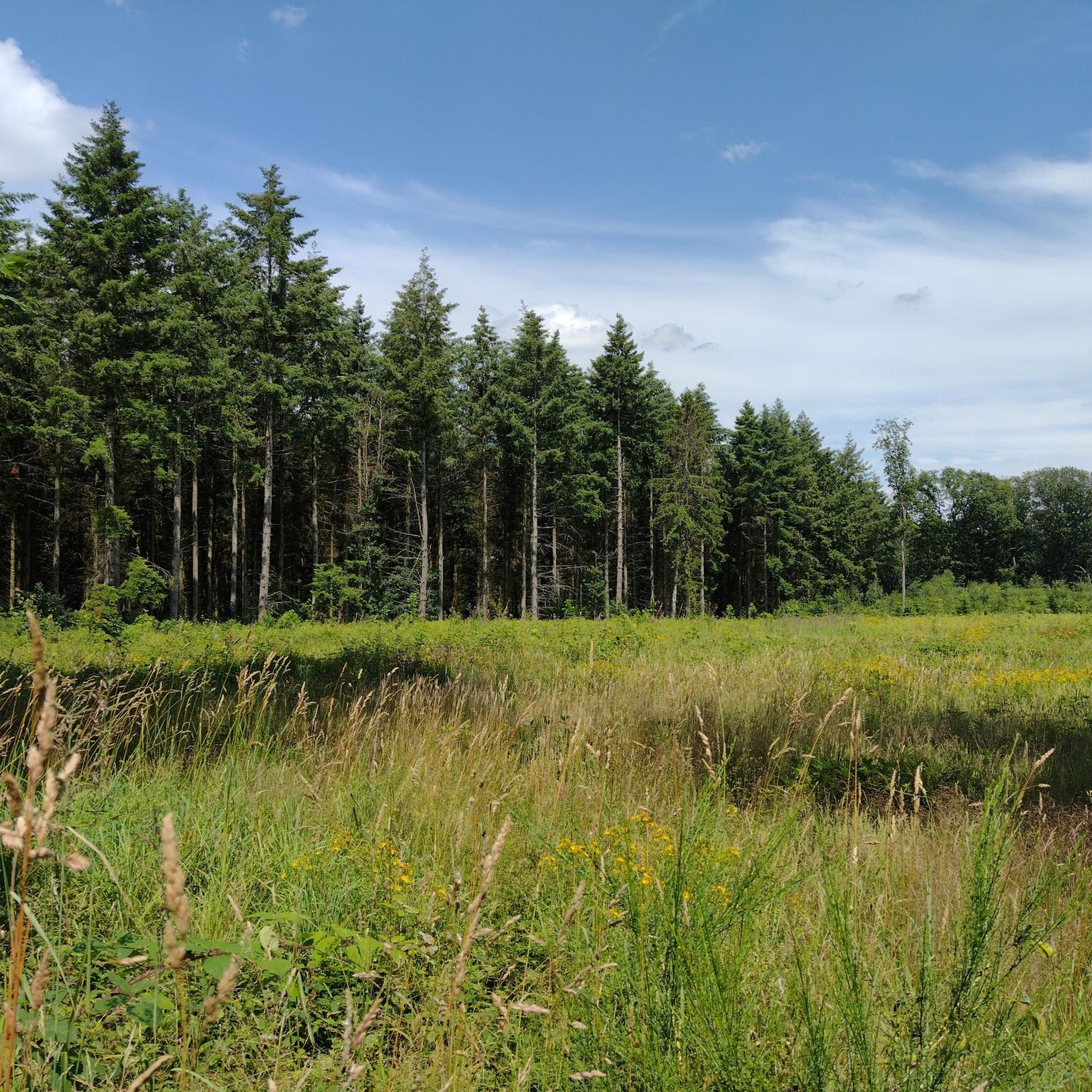
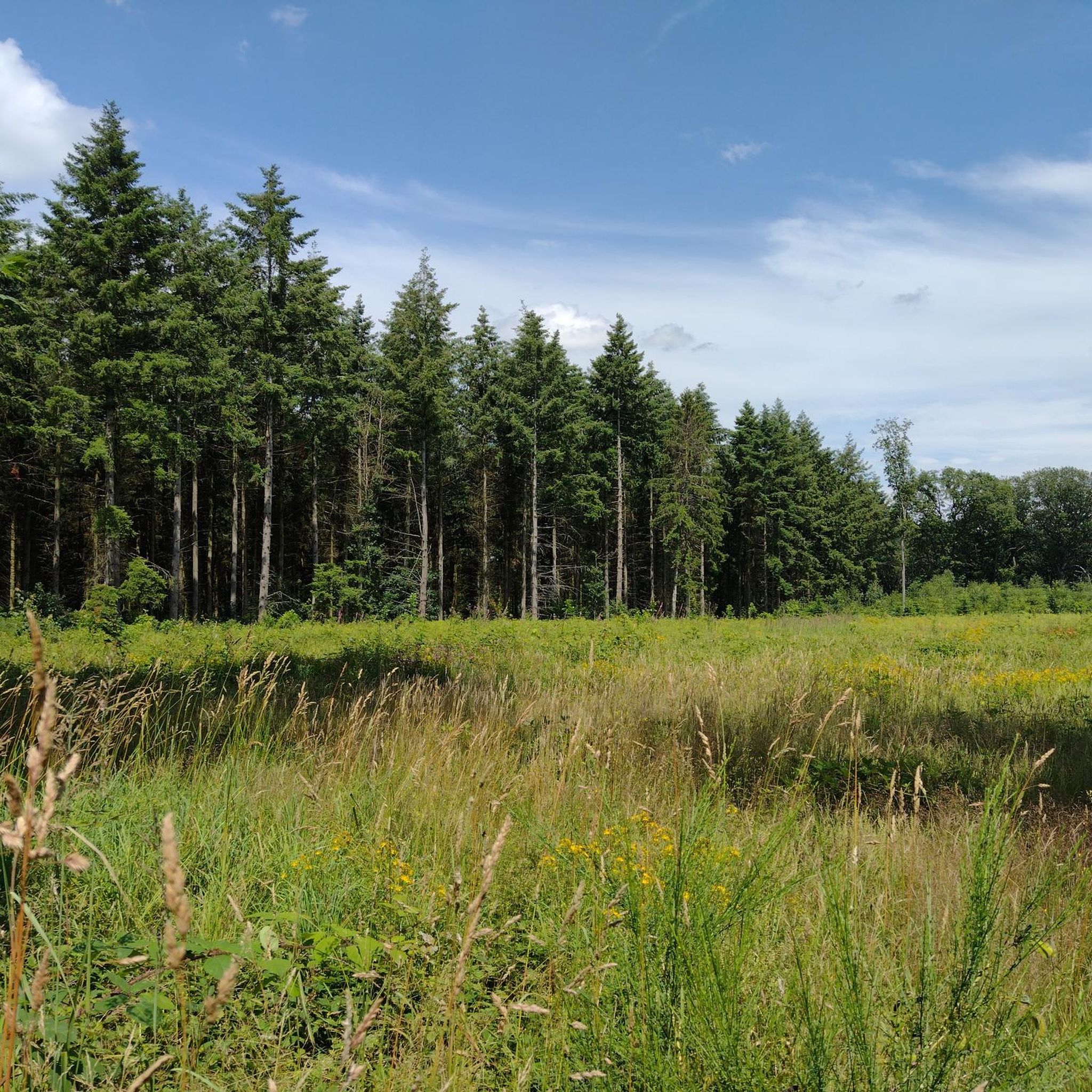
The Saracens Cave (or Hole) is located on the right bank of the Fond des Haies stream. There are several entrances, but access is narrow and limited. It is far less impressive than some of the caves in the Ardennes or Namur region, but it still has its charm. The small paths leading to it can be dangerous without sturdy footwear or in wet weather.
0
0

Not the nicest location, but there is a terrace here...
7
0

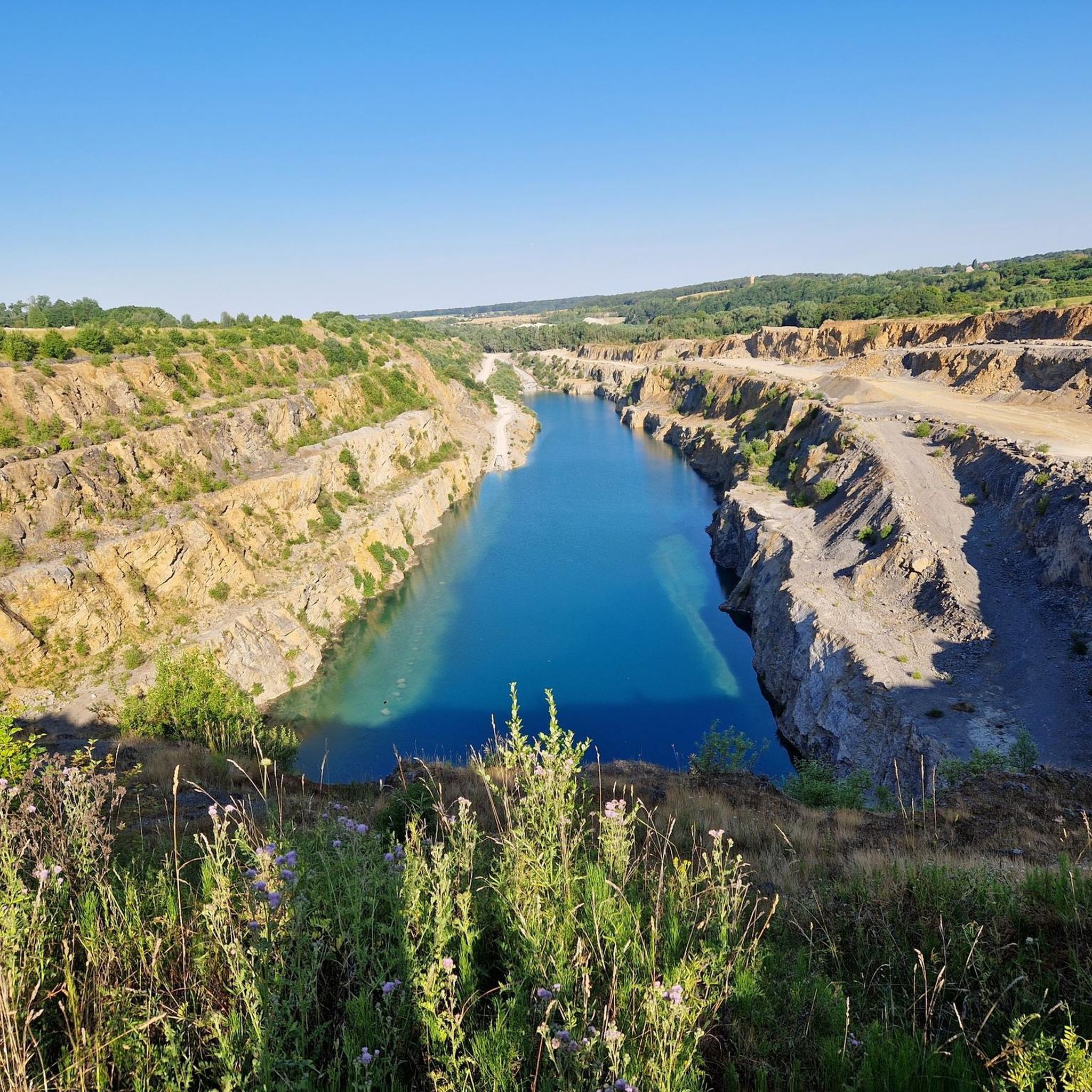
The Spy Man Visitor Center is located in a former water supply station built in 1906 near the cave of the same name. Discovered in 1886, the Spy Man is affectionately known as Spyrou. It took him 125 years to finally find a new home in 2011. You'll learn a lot by visiting the cave. After visiting the interpretation center, be sure to explore the cave.
2
0

Here is a shop and a restaurant. I have not been able to find out what the Polar Bears in the photo represent. Probably "Winter" Here you will also find the entrance to the underground corridor system
6
0

Beautiful area very quiet in nature
0
0

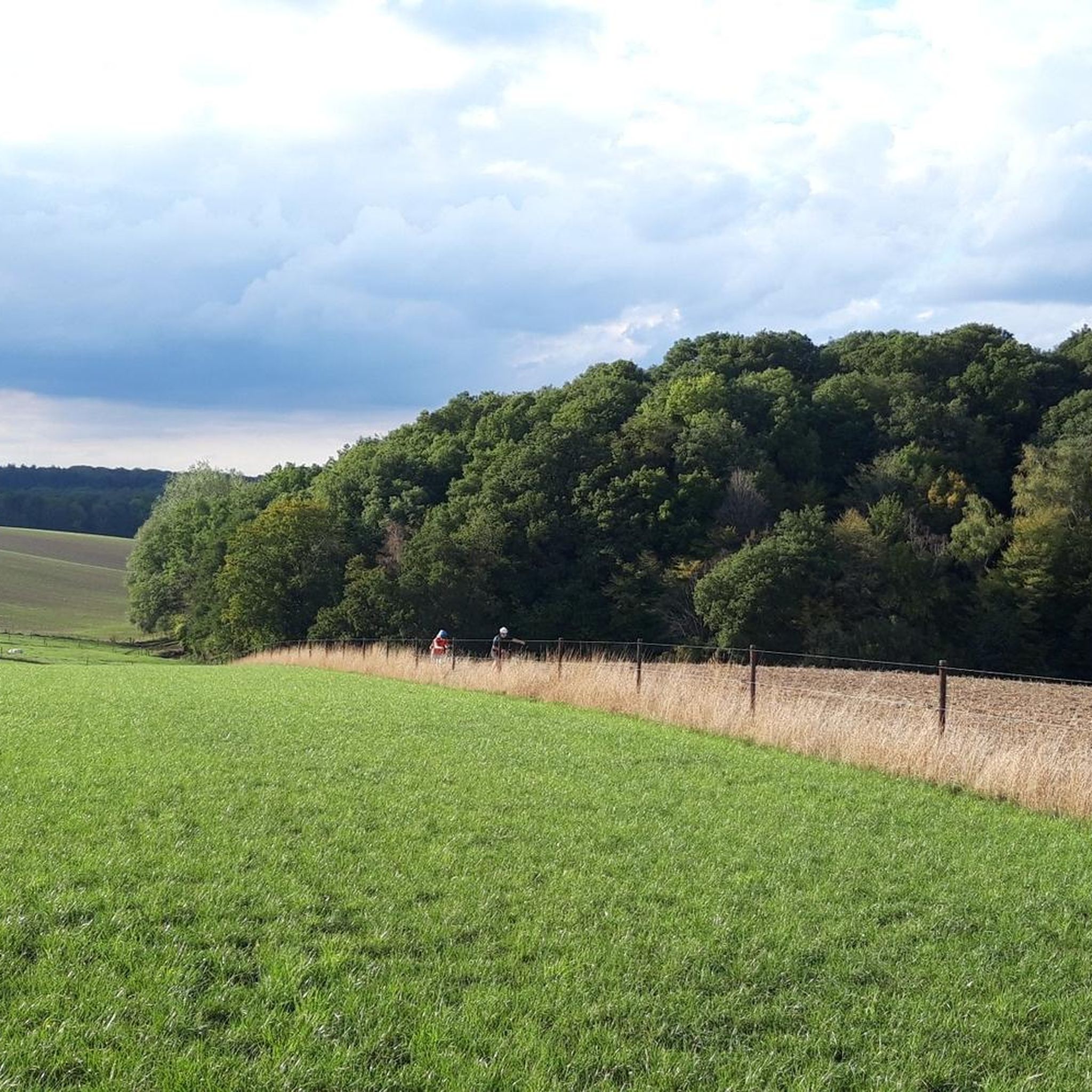
Nice 2.5km climb from Rue de la Molignée (5-9%). Good road surface and beautiful surroundings. Presence of a cave at the start of the segment.
0
0
Frequently Asked Questions
What types of underground sites can I explore near Fosses-La-Ville?
Near Fosses-La-Ville, you can explore a variety of underground experiences, ranging from natural rock shelters and caves to historical underground passages and dedicated visitor centers. These include natural caves like Saracens' Cave, historical tunnels at the Terra Nova Visitor Center & Underground Tunnels, and significant archaeological sites like the Spy Cave.
Which caves or underground sites have historical or archaeological significance?
The most historically significant site in the broader region is the Spy Cave, renowned for its Neanderthal fossil discoveries. Additionally, the Terra Nova Visitor Center & Underground Tunnels at the Citadel of Namur offers a glimpse into military history through its defense system tunnels.
What is the significance of the Spy Cave?
The Spy Cave is one of Europe's most important Paleolithic archaeological sites. In 1886, significant Neanderthal fossils, including two nearly complete skeletons, were discovered here. These findings were crucial in establishing the existence of Neanderthal man and played a pivotal role in understanding human evolution. The cave also contains nearly 12,000 faunal remains from the Pleistocene era.
Is the Spy Cave accessible to the public, and what can I expect to see?
Yes, the Spy Cave is generally accessible to the public year-round. You can visit the cave itself and learn about its history. There is also an interpretation center, the Espace de l'Homme de Spy, located in Onoz, which offers exhibits and animations dedicated to the Neanderthal discoveries. For more details on visiting, you can check resources like Visit Wallonia.
Are there family-friendly underground attractions in the area?
Yes, the Terra Nova Visitor Center & Underground Tunnels at the Citadel of Namur is a great family-friendly option. It offers an engaging way to learn about history through models, audiovisual presentations, and a walk through the cool underground passages. The Espace de l'Homme de Spy also provides educational exhibits suitable for families interested in prehistory.
What natural landscapes surround the caves near Fosses-La-Ville?
The region around Fosses-La-Ville is characterized by its natural beauty, including karst topography which forms the caves. You can expect to see scenic views of the Meuse River, such as from the View of the Rochers de Frênes and the Meuse River. The Spy Cave area is also classified as a Natura 2000 site, offering surrounding forested areas ideal for nature walks.
Are there hiking opportunities near these cave sites?
Yes, the area offers various hiking opportunities. For instance, near the Rochers de Frênes, you'll find nice paths often near the water. You can explore numerous trails in the region, including routes like the Belle-Eau Large Loop Trail. Find more hiking options at Hiking around Fosses-La-Ville.
What other outdoor sports can I do around the caves?
Beyond hiking, the region around Fosses-La-Ville is excellent for mountain biking and running. You can find various MTB trails, such as the Maredsous Abbey – Tunnel de l'Est loop, and running routes like the Circuit de belle-Eau. Explore more options at MTB Trails around Fosses-La-Ville and Running Trails around Fosses-La-Ville.
What should I know before visiting Saracens' Cave?
The Saracens' Cave, also known as the Saracens' Hole, is located on the right bank of the Fond des Haies stream. It has several entrances, but access can be narrow and limited. The small paths leading to it can be challenging, especially without sturdy footwear or in wet weather, so be prepared for intermediate difficulty.
Is there a specific cave for climbing enthusiasts?
While not a dedicated climbing cave, the Molignée–Salet Climb is a segment that features a cave at the start. It's known for its beautiful surroundings and is an intermediate-level climb, offering a combination of outdoor activity and natural features.
What is the Terra Nova Visitor Center?
The Terra Nova Visitor Center is the main hub for exploring the Citadel of Namur. It provides a comprehensive overview of the citadel's history and strategic importance through interactive displays. From here, you can also access the citadel's underground passages, which were part of its defense system for troop movement and storage.
What is the best time of year to visit the caves around Fosses-La-Ville?
Many caves and underground sites, like the Spy Cave and the Terra Nova tunnels, are accessible year-round. However, for exploring the surrounding natural areas and hiking trails, spring and autumn generally offer the most pleasant weather. During these seasons, temperatures are mild, and the natural landscapes are particularly vibrant.
Most popular routes around Fosses-La-Ville
Most popular attractions around Fosses-La-Ville

Get inspired with the komoot mobile app


Explore more
Extend your search for the best caves by checking out these guides of the top ones around Fosses-La-Ville:
