Top 20 Lakes around Zuienkerke
Best lakes around Zuienkerke are characterized by the region's polder landscape, featuring extensive open water, ditches, and marshlands. These water bodies are integral to local ecosystems, offering unique natural experiences within its nature reserves. The area is known for its wetland environments, providing habitats for various bird species and opportunities for nature observation. Visitors can explore these areas for serene walks and to appreciate the ecological importance of the landscape.
Best lakes around Zuienkerke
- The most popular lakes is Poertoren…
Last updated: October 3, 2026
Poertoren (Powder Tower), Bruges
Highlight • Monument
Translated by Google •
Tip by

Spuikom Oostende-Bredene
Highlight • Lake
Translated by Google •
Tip by

Sign up now to discover places like this
Get recommendations on the best single tracks, peaks, & plenty of other exciting outdoor places.
Uitkerkse Polder Nature Reserve
Highlight • Natural
Translated by Google •
Tip by

De la Faille Castle at Minnewater
Highlight • Castle
Translated by Google •
Tip by

Zwaanhoek Nature Reserve
Highlight • Natural
The Zwaanhoek is bordered in the north by the Ghent-Oostende railway, in the east and southeast by the Nieuwpoort-Plassendale canal and in the southwest and west …
Translated by Google •
Tip by
Sign up for free to discover even more lakes around Zuienkerke.
Already have an account?
Start today with a free account
Your next adventure awaits.
Tips from the Community

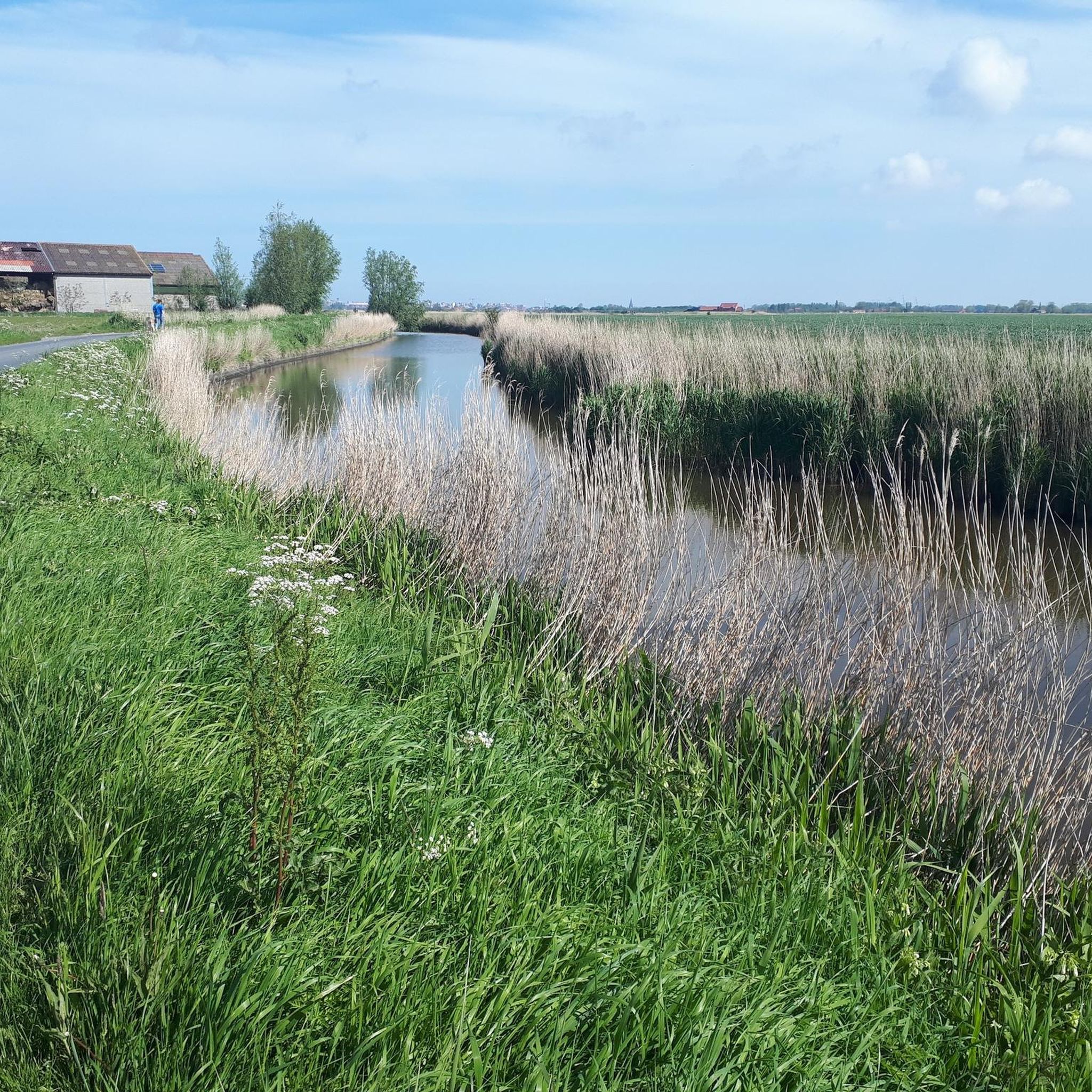
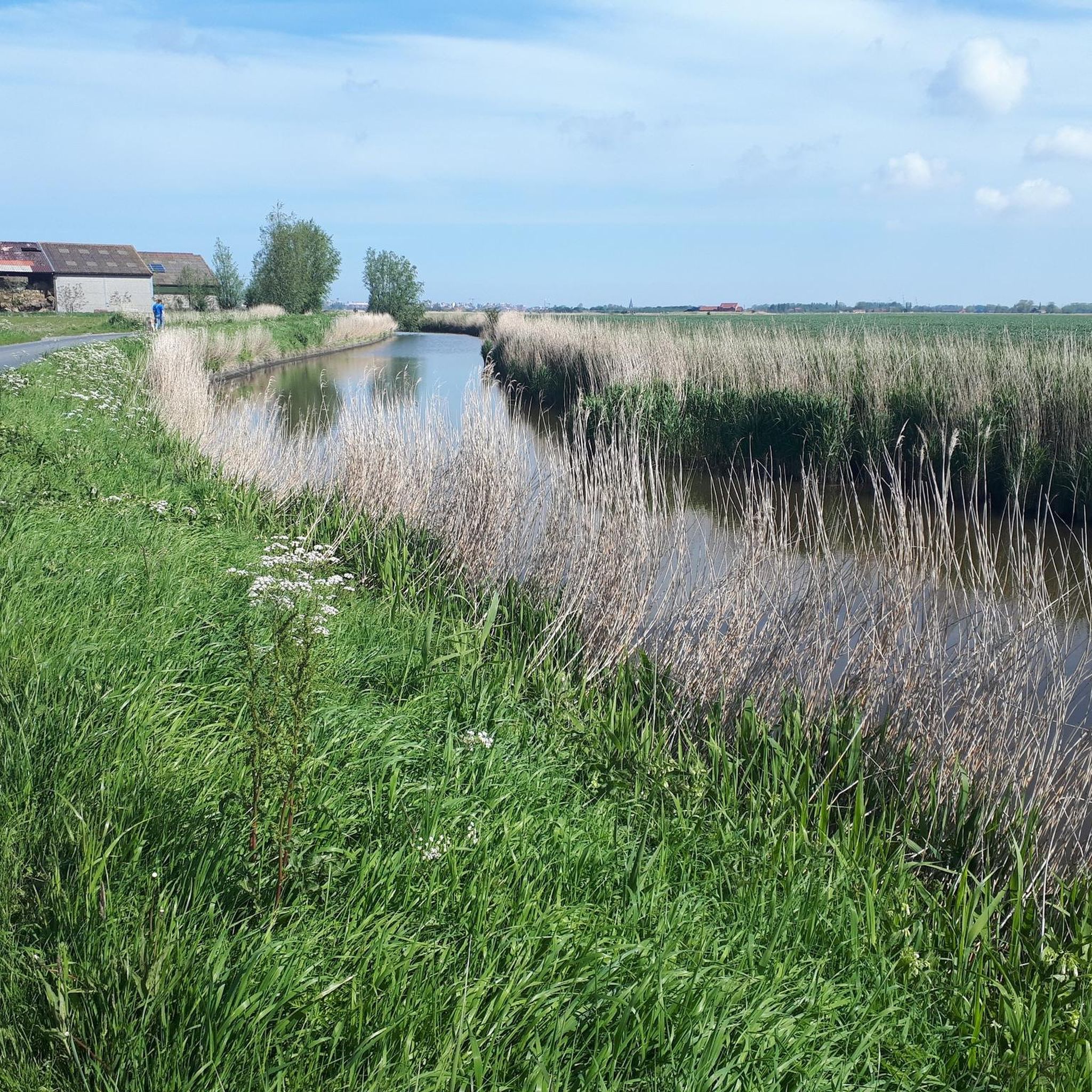
Uitkerkse Polder: the bird airport of the coast Binoculars at the ready? Absolutely hit the brakes here! The Uitkerkse Polder is the most important meadow bird reserve in Flanders and functions as a busy 'international airport' for migratory birds. In spring, this is a large nursery for meadow birds such as the black-tailed godwit and avocet, while in winter up to 100,000 geese and ducks land here to overwinter. Cycle here in a blissful oasis of peace on low-traffic polder roads. Be sure to stop at one of the free hides along the cycle path to spot the unique marsh harriers or birds of prey!
4
0

Very pleasant tour to get some watts out of your road bike. All in safety.
0
0
Are you on holiday at the coast and do you want to enjoy nature in addition to the beach? Then head to the Uitkerkse Polder for a family walk or a bike ride. This European Natura 2000 nature reserve of 1400 ha can be found between Blankenberge, Wenduine, Nieuwmunster and Zuienkerke, in the province of West Flanders. In the meantime, Natuurpunt already manages 650 ha of meadow bird reserve here. It is the most important meadow bird area in Flanders. Enjoy this attraction for many rare birds in both summer and winter! Read on and find out how to book a guide, what children can do here and who our partners are. More information at https://www.natuurpunt.be/natuurgebieden/uitkerkse-polder
5
0

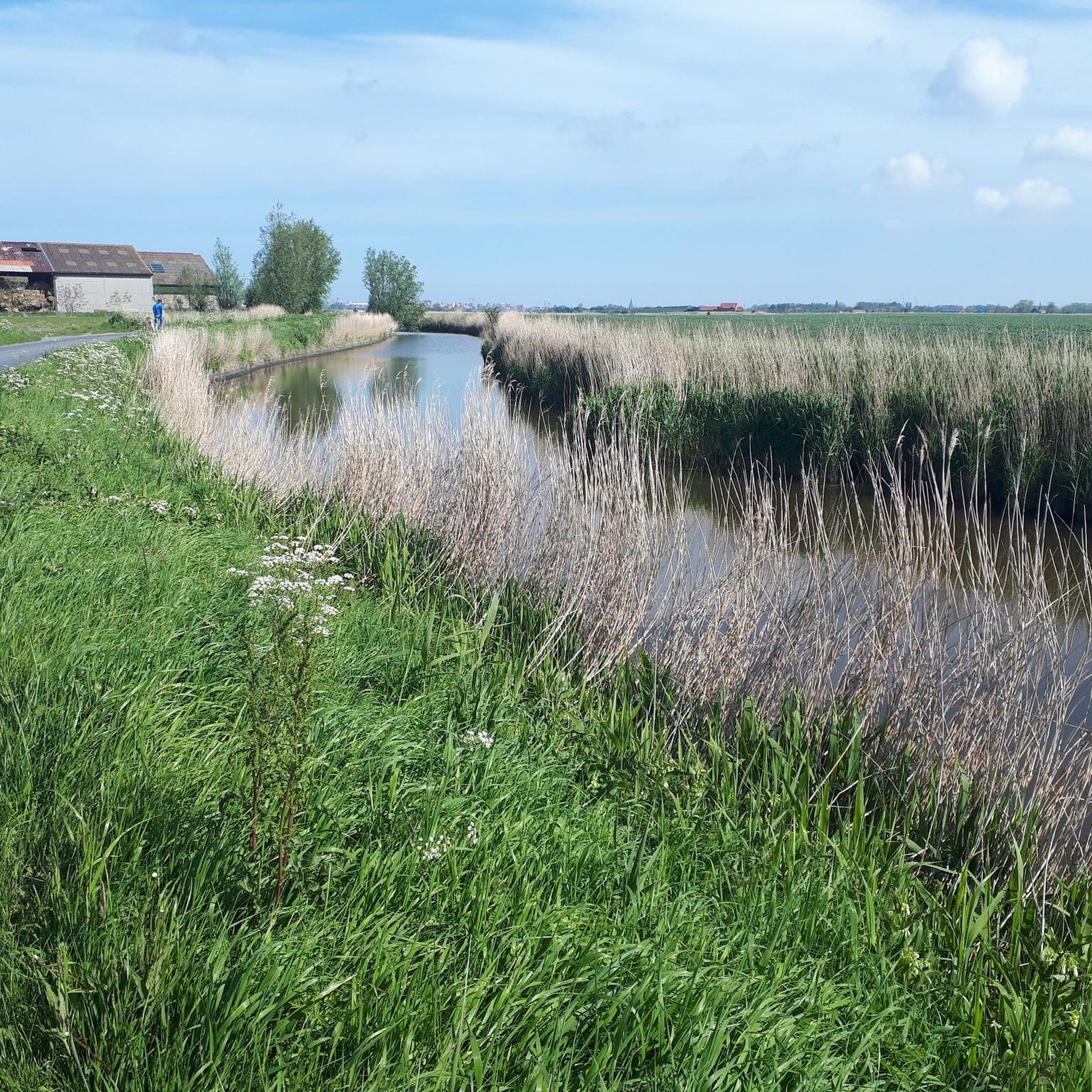
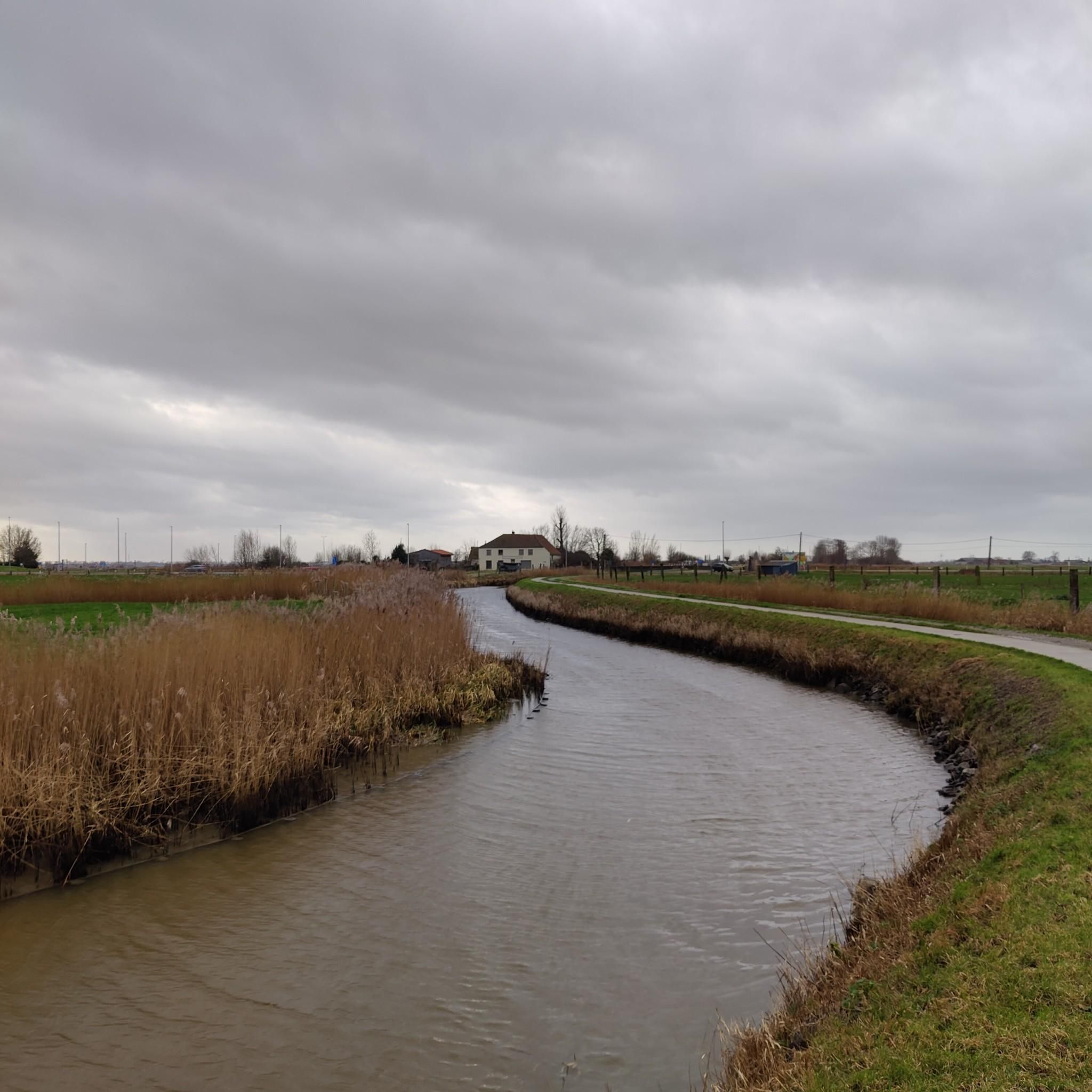
Beautiful cycle path along the canal.
3
0

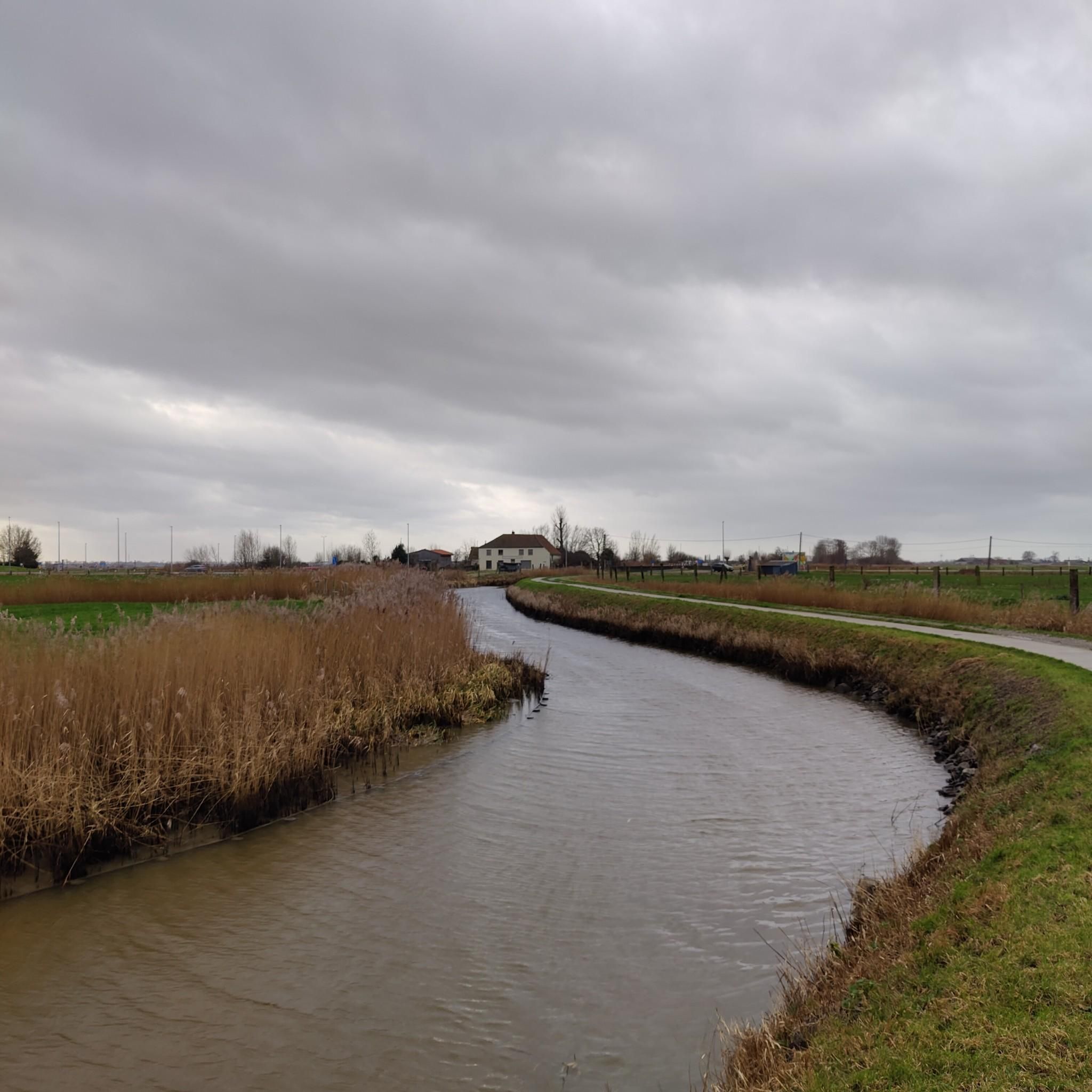
In the hinterland of Blankenberge you will find a picturesque network of narrow, quiet roads that meander through the flat Flemish landscape. As you cycle, you will see vast meadows, characteristic farms and the iconic, low horizons that make this region so typical.
0
0

From the lookout tower 'Het Rietnest' you have a beautiful view of the flat polders and the Zwaanhoek nature reserve. Furthermore, the area is only accessible during a guided walk (can be requested via Natuurpunt). The intention is not to disturb the breeding, roosting and wintering birds.
3
0
The Spuikom in Ostend/Bredene forms the southern border of the Vuurtorenwijk.
0
0
There are 2 zones that are used as oyster breeding parks.
0
0
Frequently Asked Questions
What kind of water bodies can I expect to find around Zuienkerke?
Zuienkerke is characterized by its unique polder landscape, featuring extensive open water, ditches, and marshlands rather than large, distinct recreational lakes. These water bodies are integral to local ecosystems, offering unique natural experiences, especially within its recognized nature reserves.
Which are the most popular water areas for visitors near Zuienkerke?
Among the most popular spots are Poertoren and Minnewater Bridge, known for its romantic atmosphere and adjacent Minnewaterpark. Another favorite is Spuikom Oostende-Bredene, a large water surface used for recreational activities and as a resting area for water birds. Visitors also appreciate Zwaanhoek Nature Reserve, which offers a lookout tower for views of the polders.
Are there opportunities for birdwatching around Zuienkerke's water areas?
Yes, the region is excellent for birdwatching. The Zwaanhoek Nature Reserve, for example, is a natural area with meadows, ditches, and swamps, providing diverse environments for birds. The Meetkerkse Moeren and Uitkerkse Polder are also prime destinations, especially during winter for geese, ducks, and raptors, and in June for flowering plants.
What activities can I do at Spuikom Oostende-Bredene?
The Spuikom Oostende-Bredene, with its vast 80-hectare water surface, is popular for sailing and surfing. You can also fish from its banks with a permit, or enjoy jogging and cycling around it. During winter, the northern half serves as a crucial resting area for water birds like cormorants and goldeneyes.
Are there family-friendly water areas or parks near Zuienkerke?
Yes, Minnewater Park, adjacent to the Minnewater, is a lovely city park in Bruges, perfect for families to relax. The Spuikom Oostende-Bredene is also considered family-friendly, offering space for various recreational activities.
What is the best time to visit the nature reserves and water areas in Zuienkerke?
For birdwatching, winter is ideal for observing geese, ducks, and raptors in areas like Meetkerkse Moeren. June is recommended for visiting Meetkerkse Moeren to see numerous flowering plants. Generally, spring and autumn offer pleasant conditions for walking and cycling.
Can I find hiking or cycling routes near these water bodies?
Absolutely. The polder landscape offers many opportunities for outdoor activities. You can find various cycling routes, such as those in the Cycling around Zuienkerke guide, including routes like 'Cycling along the water (Noordede) – Uitkerkse Polder Nature Reserve loop'. For running, explore options in the Running Trails around Zuienkerke guide, which features routes near nature reserves.
What is the historical significance of the Meetkerkse Moeren?
The Meetkerkse Moeren is a medieval turf site covering approximately 570 hectares. Its unique geohydrology, with naturally saline water beneath loamy and clayey topsoil, has shaped its landscape and supported specific flora and fauna for centuries, making it a historically significant wetland environment.
Are there any lookout points to get a good view of the polders and water areas?
Yes, the Zwaanhoek Nature Reserve features a lookout tower called 'Het Rietnest', which offers beautiful views of the flat polders and the reserve itself.
Is wild swimming permitted in the water bodies around Zuienkerke?
The water bodies around Zuienkerke, primarily polder landscapes, ditches, and marshlands within nature reserves, are not typically designated for wild swimming. These areas are valued for their ecological importance and birdlife, and recreational swimming is generally not encouraged or permitted.
What makes the Minnewater area special?
The Poertoren and Minnewater Bridge, along with the adjacent Minnewater Park, is known for its romantic atmosphere. Legend says that eternal love awaits those who walk across the Minnewater Bridge with their beloved. The park offers a tranquil escape within the historic city center of Bruges.
Are there any other significant water bodies in Belgium for recreational activities?
While Zuienkerke's water areas focus on nature and birdwatching, other regions in Belgium offer large recreational lakes. For instance, the Eau d'Heure lakes in Wallonia are known as Belgium's biggest lake complex, offering a wider range of water sports and activities. You can find more information about them here: visitwallonia.com.
Most popular routes around Zuienkerke
Most popular attractions around Zuienkerke

Get inspired with the komoot mobile app


Explore more
Still not found your perfect lake around Zuienkerke? Check out the guides of these regions to see even more beautiful places.
