Top 9 Caves around Saint-Nicolas
Best caves around Saint-Nicolas are found in a region characterized by its river valleys and limestone formations. This area offers a blend of natural subterranean features and historical sites, including locations where significant archaeological discoveries were made. Visitors can explore various cave types, from natural grottoes along forest trails to sites with historical and industrial significance.
Best caves around Saint-Nicolas
- The most popular caves is Chawresse Trail, a trail that features a valley with interesting rocks and caves along…
Last updated: June 30, 2026
Chawresse Trail
Highlight • Trail
Translated by Google •
Tip by

Schmerling Caves site
Highlight • Cave
Translated by Google •
Tip by
Sign up now to discover places like this
Get recommendations on the best single tracks, peaks, & plenty of other exciting outdoor places.
Sign up for free
Casino Grotto, Parc de la Chartreuse
Highlight • Cave
Translated by Google •
Tip by

Sainte-Anne Cave and Rocks
Highlight • Cave
The cave is located on the Esneux-Tilff road, on the right bank of the Ourthe River, 1 kilometer before entering Tilff. The large entrance is approximately 20 meters …
Translated by Google •
Tip by

Beaumont Caves and Lime Kilns
Highlight • Cave
Translated by Google •
Tip by

Sign up for free to discover even more caves around Saint-Nicolas.
Sign up for free
Already have an account?
Start today with a free account
Your next adventure awaits.
Login or Signup
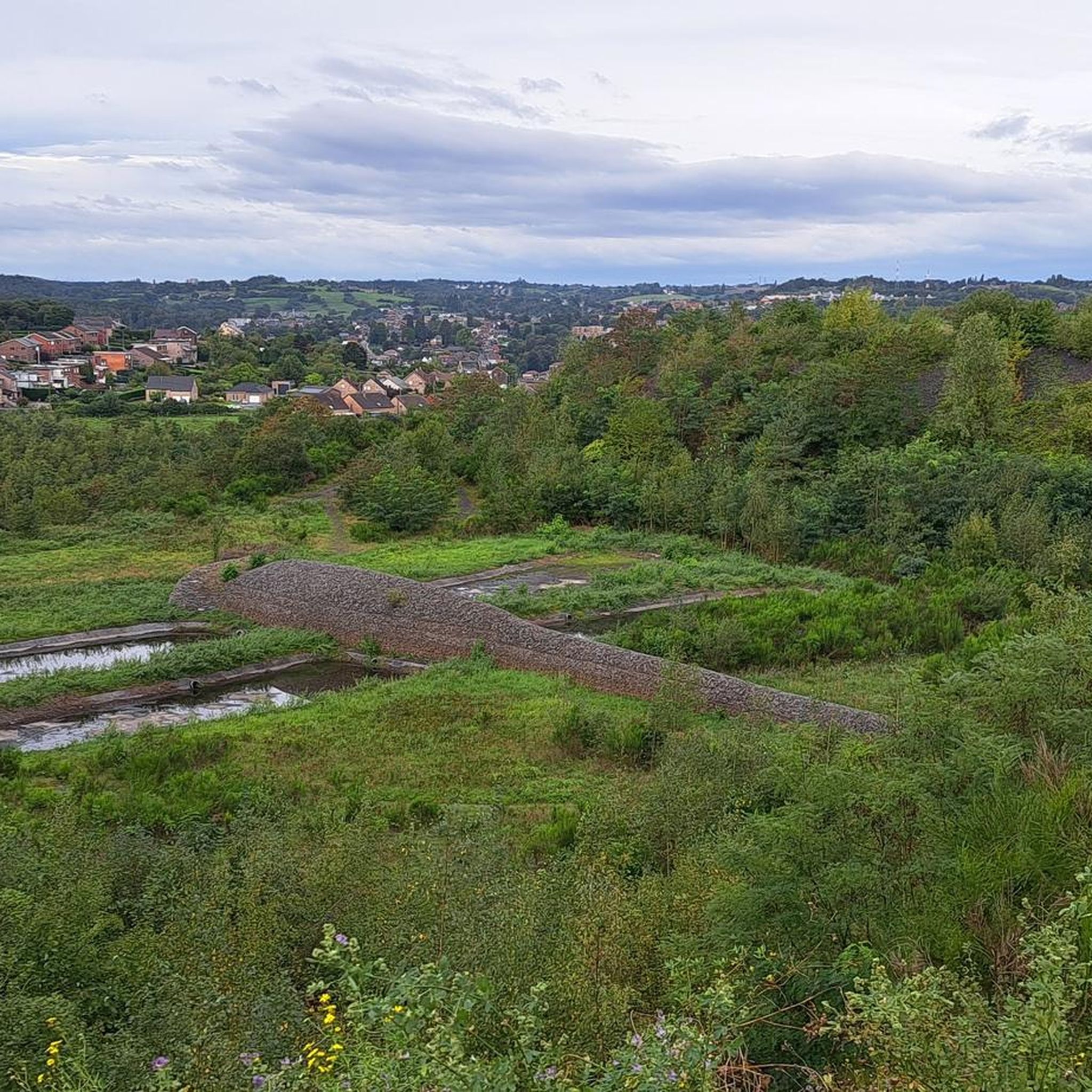
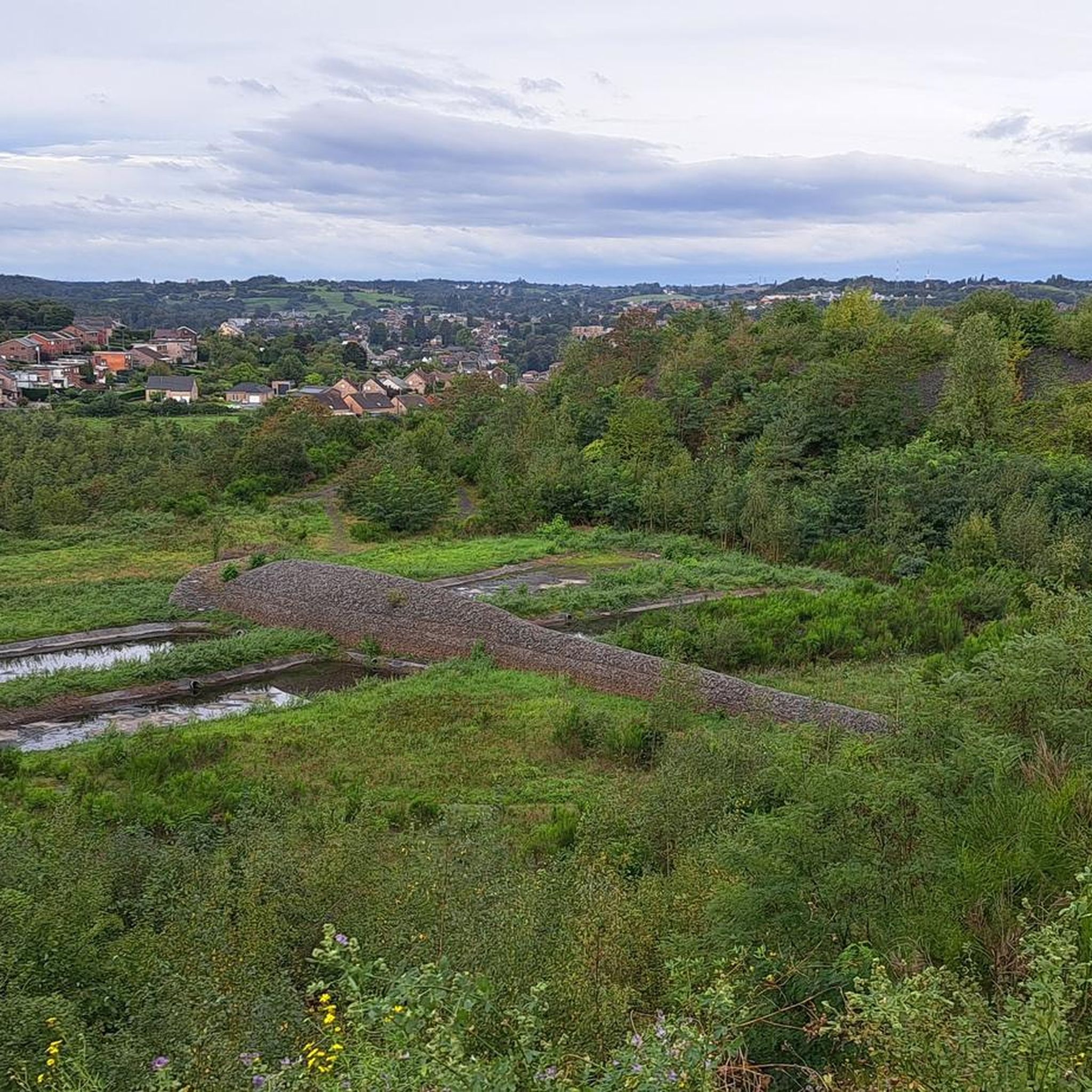
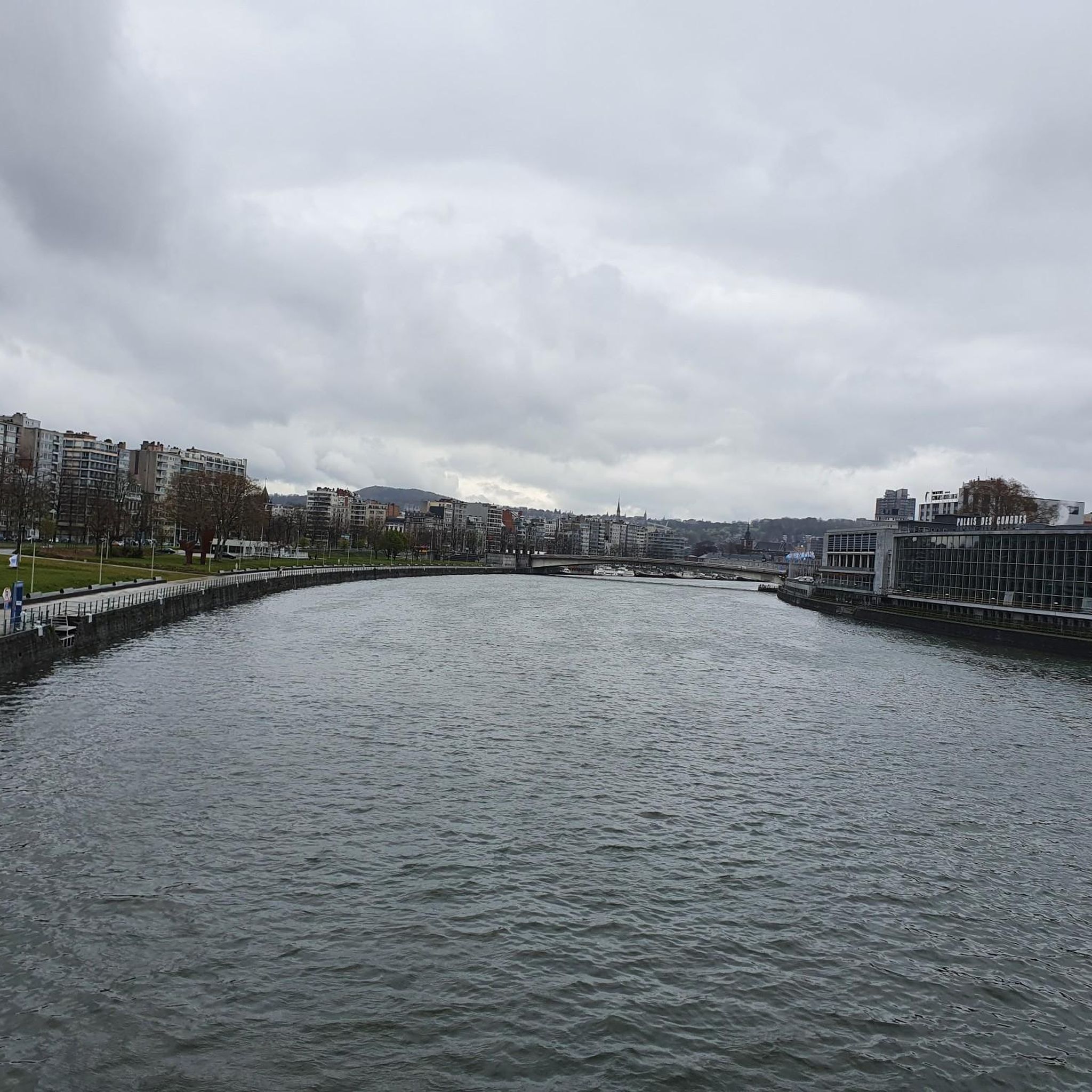

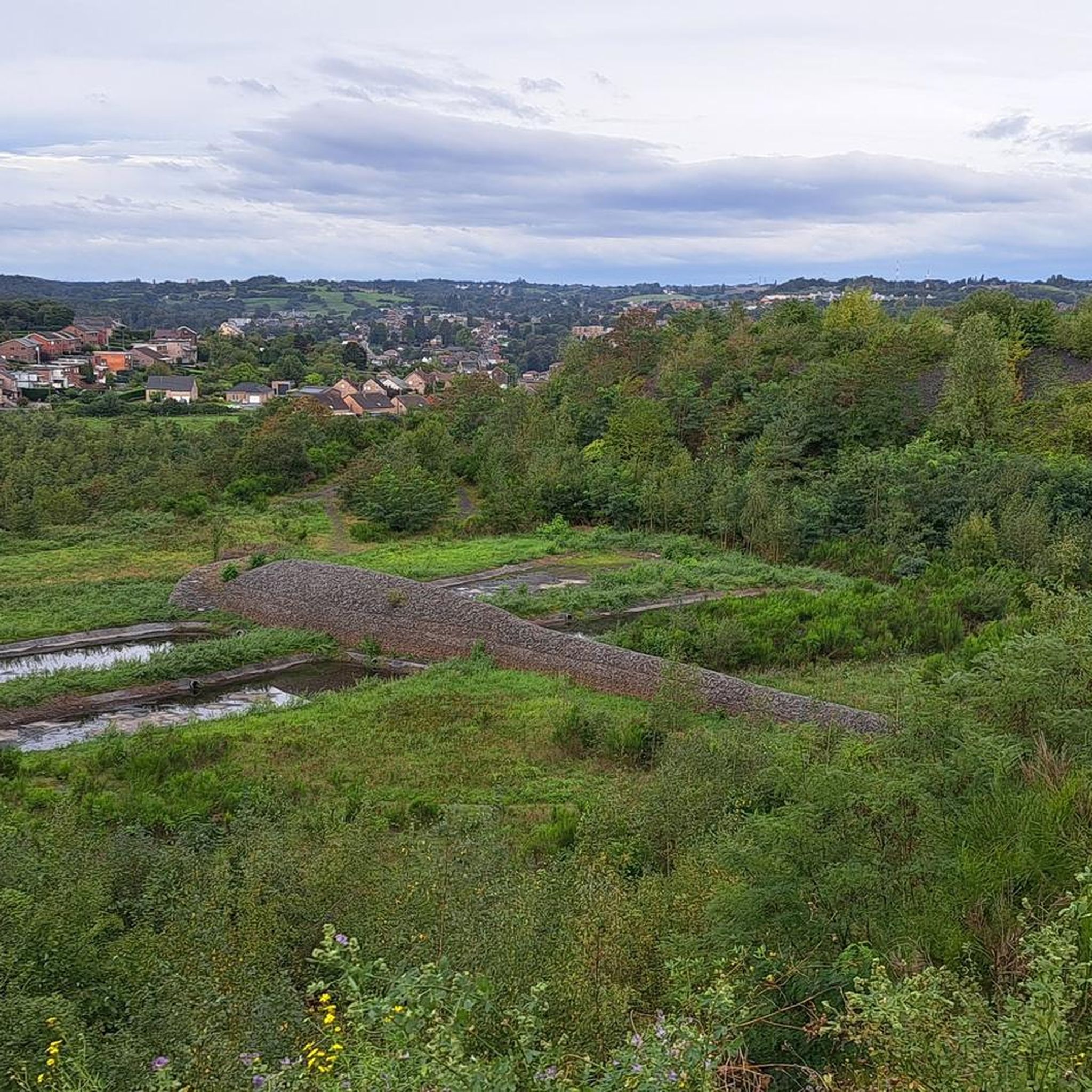
Tips from the Community

Beautiful rock formations at Les Awirs with caves and climbing rocks
0
1

The complex originally consisted of four caves, some of which have now disappeared due to natural collapse and the proximity of quarries. The caves have been protected as cultural heritage in Wallonia since 1978 and have an exceptional status due to their scientific value. Although the caves themselves are currently not open to the public, the site remains an important archaeological and natural history location that visualizes the evolution of humanity.
2
0

Unexpected spot in the middle of the park, next to a viewpoint over the city (let's see if we can still see that far when the trees have turned green...), a reminder of a time when the walking routes were punctuated by https://www.dogwhistlings.com
0
0
This is a cave I used to visit a long time ago. Before, you could start at the very bottom and work your way up to the top of the quarry. Now, I don't think that's possible anymore.
0
1

Although the caves are no longer accessible, they are worth the detour for their unexpected beauty. The red earth blends perfectly with the gray of the rock walls and the green of its abundant ivy. There were originally four caves on this site. The first disappeared due to limestone mining between 1890 and 1900. Exploring the Cockerill quarry massif, Philippe-Charles Schmerling discovered four caves on the site called Trô Cwaheur (= cut, tear). In the second cave, he unearthed two human skulls in 1829, one said to be Cro-Magnon and the second a Neanderthal child. The bones were associated with extinct fauna and presented the same state of preservation. At a time when biblical theory still prevailed, he began to prove the appearance of humans on earth more than 4,000 years ago. But, misunderstood, it would be necessary to wait for the discoveries made in the Neander Valley, in Germany, to see his thesis confirmed. It was a close call for "Neanderthal man" to be called "Awirs man". The site belongs to the Société Carmeuse and has been classified since 1978. The ditch that can be seen on the site is due to a subsidence of the ground following the exploitation of alum. Alum was exploited in this place from 1580 until the middle of the 18th century (around 1740).
5
0

Approach (Parking) 50.556177, 5.579821 This massif consists of various climbing routes with varying degrees of difficulty. 1) La Dalle → The Slab 2) Porche de la Grotte → Portal of the Grotto or Entrance to the Cave 3) Porche Triangulaire / The Anticlinal → Triangular Portal / The Anticlinal 4) Dalle Supérieure → Upper Slab 5) Les Bombés → The Overhangs
50
0

In 1829, the Dutch physician Philippus Schmerling found prehistoric remains here. He discovered the Neanderthal man before Neandertal would give it its name after similar finds there in 1856. The caves in which the bones were found are no longer accessible. The area is still known as the site des Grottes Schmerling. Source: https://www.ultimatehiking.be/dagtocht-steengroeven-mullerthal-kastelen-langs-maas
13
0
Coordinates: 235.87/139.12/85 The cave is located on the Esneux-Tilff road, on the right bank of the Ourthe River, 1 kilometer before entering Tilff. The large entrance is approximately 20 meters above the road, at the foot of a very steep limestone cliff. This cave has been known for a long time: it was discovered during quarrying in 1837. In the 1960s, the "Réseau Lemaire" was discovered; an upper level with beautiful calcite pools and a lake. Source: https://www.scavalon.be/avalonnl/fiches/fich23.htm
52
0
Frequently Asked Questions
What types of caves can I explore around Saint-Nicolas?
The Saint-Nicolas region offers a variety of subterranean experiences, including natural grottoes along forest trails, historical cave sites with archaeological significance, and even man-made grottoes within parks. You can find river valleys with hidden caves and sites of historical importance.
Are there any caves with historical or archaeological significance in the area?
Yes, the Schmerling Caves site is a significant historical and natural monument. It's famous for the discovery of prehistoric human remains in 1829, predating the Neanderthal findings. While the original caves where the bones were found are no longer accessible, the site itself is worth visiting for its historical importance and unexpected beauty.
Where can I find natural caves and interesting rock formations?
The Chawresse Trail features a beautiful valley with interesting rocks and natural caves along the Chawresse stream. The stream itself disappears underground in parts, making it an intriguing area for exploration. Additionally, the Sainte-Anne Cave and Rocks, located on the Ourthe River, offers an upper level with beautiful calcite pools and a lake, discovered during quarrying.
Are there any man-made grottoes or unique cave-like structures to visit?
Yes, the Casino Grotto, Parc de la Chartreuse is a man-made grotto situated within a park. It offers an unexpected feature in the middle of the park, right next to a viewpoint overlooking the city.
What are the Beaumont Caves and Lime Kilns?
The Beaumont Caves and Lime Kilns are a historical site related to the region's industrial past. In 1900, lime produced in Beaumont's three kilns was transported by carts and later by boats via the Ourthe Canal. The kilns were eventually closed in 1929 due to competition, but the site remains a significant man-made monument.
What outdoor activities can I do near the caves around Saint-Nicolas?
The region around Saint-Nicolas offers various outdoor activities. You can find numerous running trails, such as the 'Cointe Observatory loop from Laveu' or 'The dragonfly – RAVeL Line 212 loop from Saint-Nicolas'. For cycling enthusiasts, there are routes like 'Tilff Town Square – View of the Château de Colonster loop from Sclessin'. Mountain biking is also popular, with trails like 'Nomont Forest Dirt Jumps – Small Bridge Over the Ru Chéra loop from Ougrée'. You can explore more options on the respective guides for Running Trails, Cycling, and MTB Trails around Saint-Nicolas.
Are there any climbing opportunities near the caves?
Yes, near the Sainte-Anne Cave and Rocks, you'll find the rocks of Tilff, a well-known massif with various climbing routes of differing difficulty levels. It's a popular spot where climbers can often be seen in action.
What are some of the most impressive caves in the broader Belgian region, accessible from Saint-Nicolas?
While Saint-Nicolas itself has local cave features, the broader Belgian region, particularly the Ardennes, boasts several renowned cave systems. These include the Caves of Remouchamps, famous for Europe's longest underground boat trip; the Caves of Han-sur-Lesse, known for gigantic dripstone formations and a historic tram ride; and the Hotton Caves, unique for being the only entirely classified cave in Belgium with an underground river. Other notable options are the Neptune Caves with their light and sound shows, La Merveilleuse Cave near Dinant, and Lorette Cave with its deep vertical shafts and flaming balloon demonstration. For more information on the Caves of Han, you can visit VisitArdenne.
What do visitors enjoy most about the caves around Saint-Nicolas?
Visitors appreciate the blend of natural beauty and historical significance. The Chawresse Trail is loved for its charming path along the stream and the challenge of fording it. The Schmerling Caves site is valued for its unexpected beauty and historical importance, despite the caves no longer being accessible. The region's diverse subterranean experiences, from exploring river valleys to visiting archaeological sites, are highly rated by the komoot community.
Are the caves around Saint-Nicolas suitable for beginners or experienced cavers?
The caves around Saint-Nicolas offer a range of experiences. For instance, the Chawresse Trail is described as an interesting area for cavers, though it can be challenging to map. For those less experienced or looking for a more accessible visit, sites like the Casino Grotto offer a unique, man-made cave experience within a park setting. Some natural cave entrances, like at Sainte-Anne Cave, allow viewing of the beginning without full caving equipment.
What kind of geological features can be observed in the caves of the Saint-Nicolas area?
The region is characterized by limestone formations, which are key to the development of its caves. In natural caves like Sainte-Anne Cave, you can find features such as calcite pools and underground lakes. The Chawresse Trail showcases interesting rock formations and a stream that disappears into underground cavities, indicating active hydrological processes shaping the landscape.
Most popular routes around Saint-Nicolas
Most popular attractions around Saint-Nicolas

Get inspired with the komoot mobile app


Explore more
Extend your search for the best caves by checking out these guides of the top ones around Saint-Nicolas:
