Top 3 Gorges around Bitonto
Canyons around Bitonto are characterized by the karst geological formations of the surrounding Murge plateau in Puglia. Bitonto itself is known for its historic town center, Romanesque cathedral, and extensive olive groves. The broader region features deep wounds in the earth known as "gravine," which are significant natural features. These formations offer opportunities for exploring natural landscapes and archaeological sites.
Best canyons around Bitonto
- The most popular canyons is Pulo of Altamura, a canyon that is a large karst…
Last updated: June 16, 2026
Pulo of Altamura
Highlight • Canyon
This created a more or less …
Translated by Google •
Tip by

San Martino Cave
Highlight • Cave
Translated by Google •
Tip by

Sign up now to discover places like this
Get recommendations on the best single tracks, peaks, & plenty of other exciting outdoor places.
Sign up for free
Pulicchio di Gravina
Highlight • Natural Monument
it.wikipedia.org/wiki/Pulicchio_di_Gravina
Translated by Google •
Tip by

Pulo di Molfetta
Highlight • Natural Monument
Translated by Google •
Tip by

Canale del Pidocchio
Highlight • Gorge
Showing Translation
Tip by

Start today with a free account
Your next adventure awaits.
Login or Signup

Tips from the Community

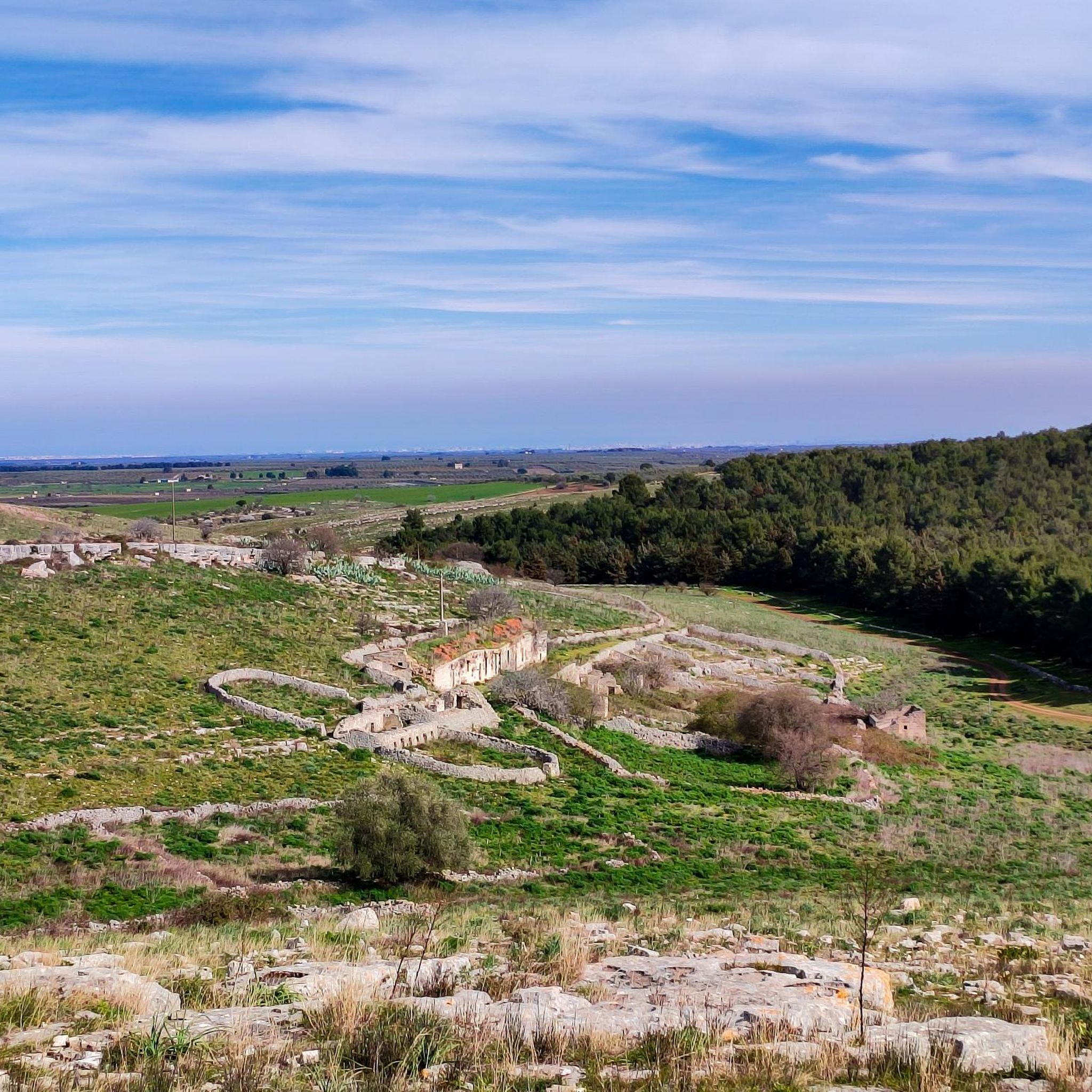
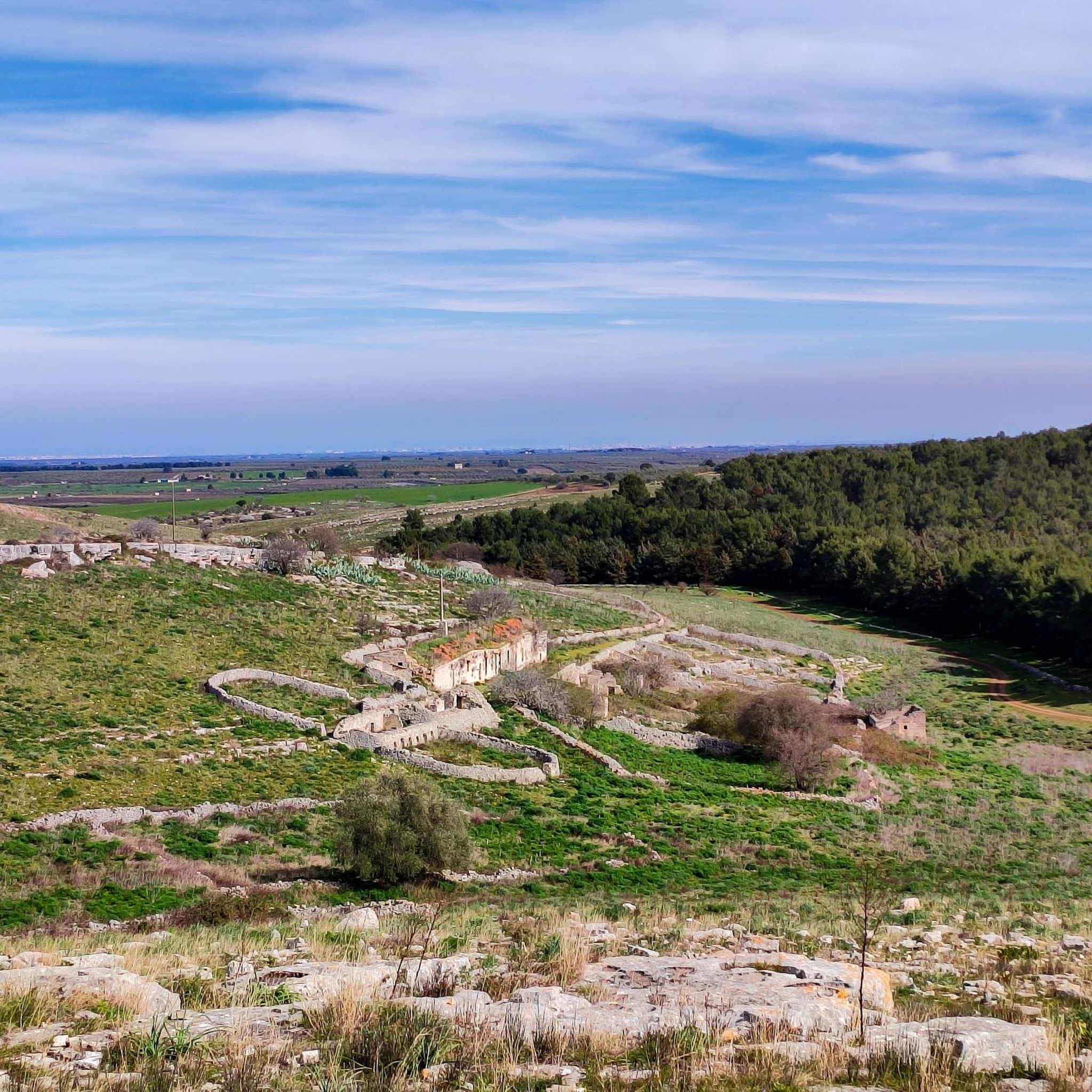
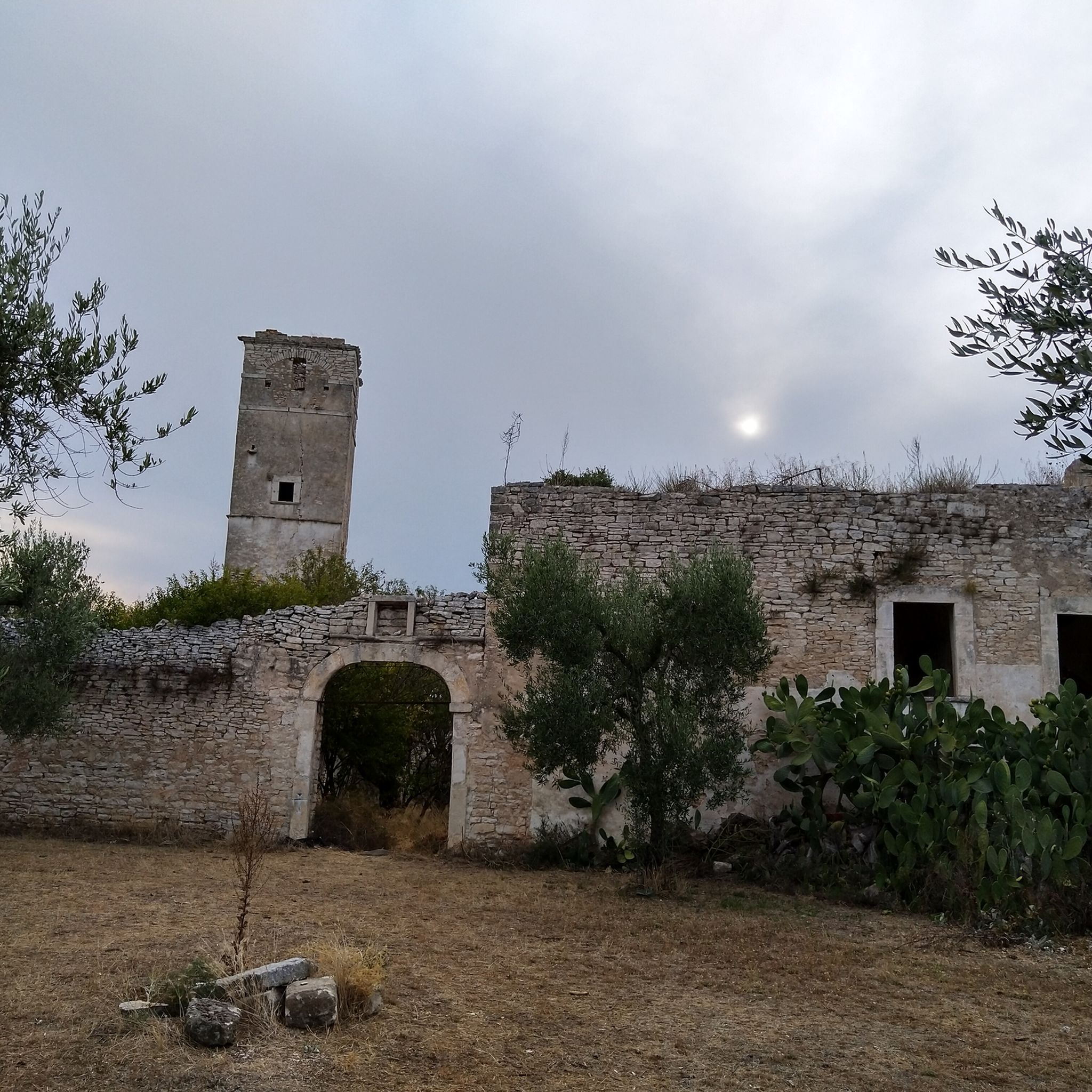
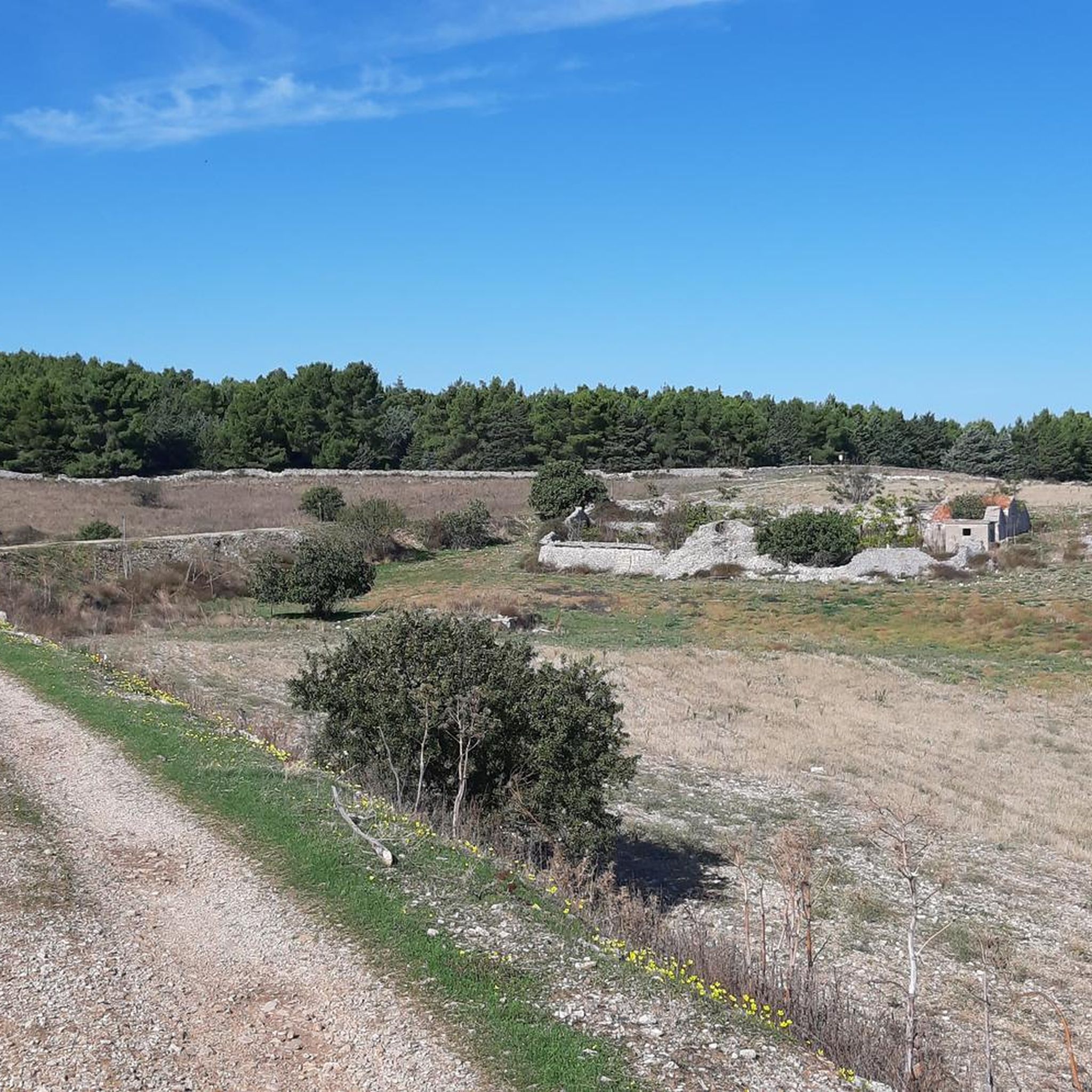
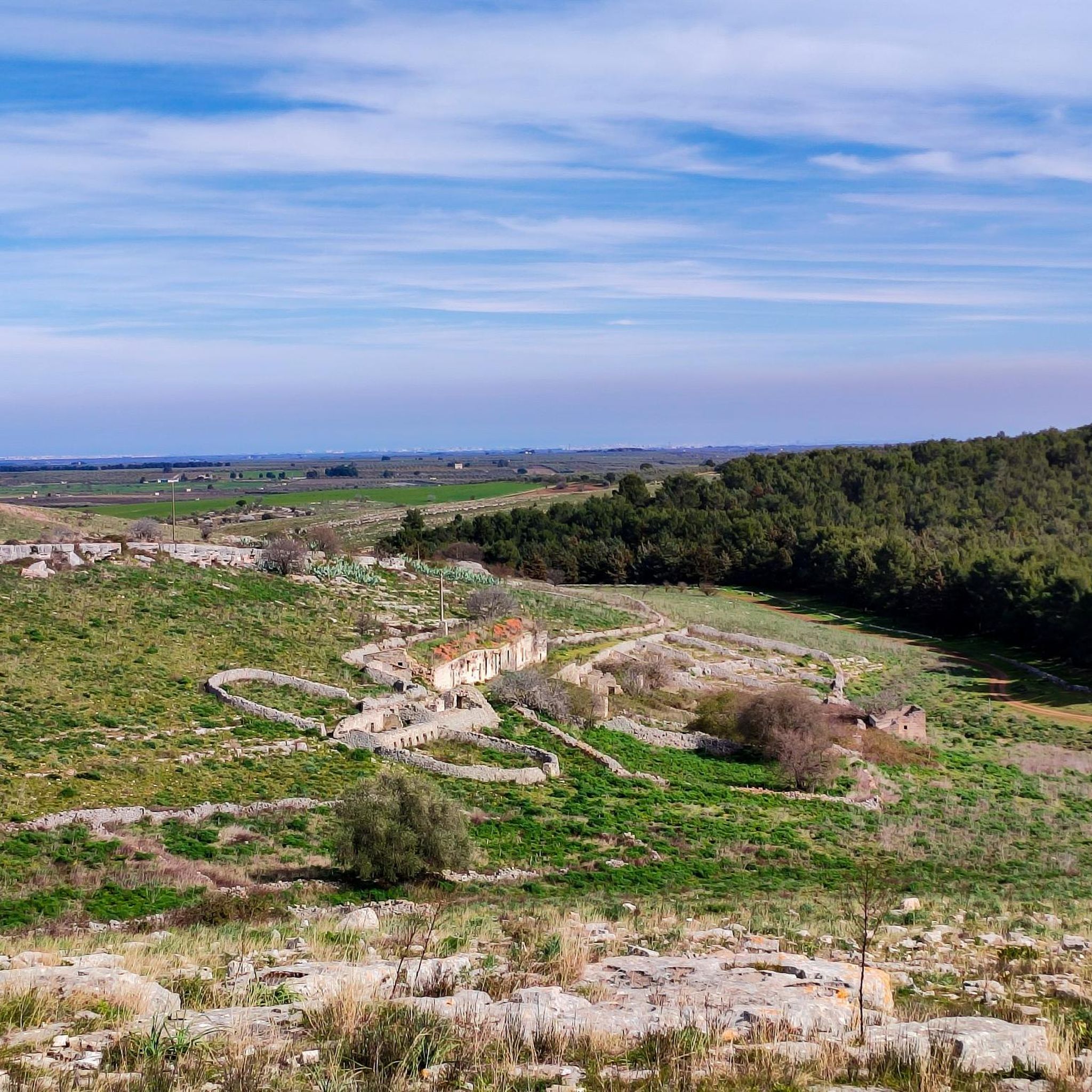
The Canale del Pidocchio, in the countryside of Ruvo di Puglia, is reachable by taking the rural road "Ferrata", which in the final stretch becomes a dirt road, integrating perfectly into the rural, isolated and evocative landscape, located at over 500 meters above sea level. The dry stone walls that delimit the path bear witness to ancient agrarian divisions, often embellished by the presence of pagliari or stone jazzi, today partly dilapidated, a memory of the pre-existing latifundium system. Crossing the characteristic "carrari", dirt roads with a rocky or stabilized bottom, today in some points interrupted by plowing operations, you reach a suggestive stone bridge, built entirely dry. It is a small architectural jewel of considerable historical value, although partly ruined, near which the route ends, offering a wide view of the Canale del Pidocchio.
0
0

Spectacular sinkhole of karst origin among the highest altitudes of this tour
0
0

The Pulo di Altamura is a sinkhole of karst origin of the bowl type, created by the channeling of rainwater right at this point. This created a more or less circular depression with a diameter of about 500 m. with a maximum depth of 75 meters. Along the walls, which are very steep in some points, caves and ravines have been created which indicate the different levels of excavation by the waters. These caves represent a real archaeological heritage because they were inhabited since the earliest ages of prehistory. The route includes an unpaved stretch of about 1 km that can also be easily covered by racing bike.
2
0

One of the most beautiful naturalistic places in Puglia. The view is breathtaking from every perspective; it can be easily reached by MTB. It is preferable to explore it on foot due to the cavities dug in the ground and the considerable presence of stones that make the MTB experience quite impervious.
1
0

karst dolina https://it.wikipedia.org/wiki/Pulicchio_di_Gravina
0
0

The Pulo di Molfetta is a characteristic karst collapse sinkhole located about 1.5 km from the center of the city of Molfetta, in a south-west direction, created by the collapse of the vault and dividing walls of one or more caves and tunnels formed starting from distant geological times and forming part of a complex karst system consisting of the confluence and intersection of several karst wells which originated precisely in that place from a series of geological coincidences.
1
0
Pleasant than 100 meters from the border that divides Palo del Colle from Toritto, after having traveled an ancient rural road that crosses the Mangiaquero district, in the rocky ridge that flanks the medium-low part of the blade that leads the torrential waters from the Murgia to the Adriatic Sea, find the door that leads to the large atrium of the Grotta di San Martino. Our ancestors used to call the cave, or rather the caves, with the name of the Grutt di Mangiaquair, but it is ascertained that the caves are located in the Torittese territory, even if the direction that the access passage to the caves and the subsequent path takes, is they move towards the territory of Palo. The cave of San Martino, of calcareous origin, opens on the low reliefs of the Murgia, at 287 meters above sea level and is a site linked to karst phenomena of considerable historical and archaeological importance.
3
0

Not far from Altamura, in the middle of the Alta Murgia Park, opens what looks like a deep chasm. This is the Pulo, a veritable sinkhole of karst origin created for convey rainwater, the largest in the entire park and one of the largest in Italy. Over the years, the waters have carved a shaped depression on the karst rock more or less circular. Along the walls, in some very steep points, the Pulo is characterized by the presence of caves and ravines, a real archaeological heritage as they have been inhabited since the most ancient ages of prehistory.
0
0
Frequently Asked Questions
What kind of natural features can I expect to see in the canyon areas around Bitonto?
The region around Bitonto is characterized by impressive karst geological formations. You'll encounter large sinkholes, known locally as 'pulo' or 'dolina', and deep gorges called 'gravine'. These features often have steep rocky walls, caves, and unique geological structures formed by water erosion over millennia. For example, the Pulo of Altamura is a massive karst sinkhole, and the Pulicchio di Gravina is another spectacular dolina.
Are there any historical or archaeological sites within these canyon areas?
Yes, many of the karst formations and caves in the region hold significant historical and archaeological importance. The caves along the steep walls of the Pulo of Altamura, for instance, were inhabited since prehistoric times. Similarly, the San Martino Cave is a site linked to karst phenomena of considerable historical and archaeological value. The town of Gravina in Puglia, built on the edge of a canyon, is famous for its rupestrian churches and cave houses.
What are some of the most notable canyon-like formations near Bitonto?
Beyond the historic town center of Bitonto, the surrounding Murge plateau offers several remarkable canyon-like features. Key examples include the vast Pulo of Altamura, a large karst sinkhole, and the Pulicchio di Gravina, another spectacular sinkhole. The Pulo di Molfetta is also a characteristic karst collapse sinkhole with historical significance. For a different experience, the Canale del Pidocchio offers a rural landscape with a historic stone bridge.
Can I go hiking or cycling in the canyon areas near Bitonto?
Yes, the areas around these canyon formations offer opportunities for outdoor activities. The Pulo of Altamura includes an unpaved stretch suitable for cycling, and exploring it on foot is recommended due to the terrain. For more structured routes, you can find various cycling options nearby. Explore Road Cycling Routes around Bitonto, Traffic-free bike rides around Bitonto (for touring bicycles), and Traffic-free bike rides around Bitonto (for easy MTB).
What is the best time of year to visit the canyons around Bitonto?
The spring and autumn months are generally ideal for visiting the canyons around Bitonto. The weather is milder, making outdoor exploration more comfortable. Summers can be very hot, which might be challenging for extensive hiking or cycling. Winters are generally mild but can be damp.
What are the geological characteristics of the canyons in this region?
The canyons and sinkholes around Bitonto are primarily karst formations. This means they are created by the dissolution of soluble rocks like limestone by groundwater. This process leads to the formation of sinkholes (pulo/dolina), caves, and deep gorges (gravine) with distinctive rocky walls and subterranean features. The Pulo di Molfetta, for example, is a karst collapse sinkhole formed by the collapse of cave systems.
Are there any unique natural monuments worth exploring?
Absolutely. The region is home to several natural monuments. The Pulo of Altamura is considered one of the largest sinkholes in Italy and offers breathtaking views. The San Martino Cave is another natural monument, significant for its karst phenomena and historical importance. The Pulicchio di Gravina is also a spectacular karst dolina.
What kind of terrain can I expect when exploring these canyon areas?
The terrain in these canyon areas can vary. Many paths involve unpaved stretches, dirt roads, and rocky or stabilized bottoms. Areas like the Pulo of Altamura have very steep walls and considerable presence of stones, making some areas challenging for certain activities. The Canale del Pidocchio features characteristic 'carrari' (dirt roads) and dry stone walls, integrating into a rural, isolated landscape.
Are there any amenities like cafes or accommodation near the canyons?
While the canyon formations themselves are natural and often isolated, the nearby towns and villages offer amenities. Bitonto, Altamura, Gravina in Puglia, and Molfetta provide options for cafes, restaurants, and accommodation. It's advisable to check specific locations for services closest to your chosen canyon destination.
What makes Gravina in Puglia a unique canyon destination?
Gravina in Puglia is a unique destination because the town itself is built on the edge of a deep canyon, or 'gravina'. It's often referred to as an Apulian 'little Matera' due to its subterranean depths, ancient cave houses, and rupestrian churches carved into the calcarenite rock, such as San Michele delle Grotte. Exploring Gravina Sotterranea (Underground Gravina) is a notable attraction, offering a blend of natural beauty and rich history.
Are the canyon areas around Bitonto suitable for families or those with dogs?
Many of the natural areas, particularly the larger sinkholes and gravine, offer open spaces suitable for family outings and walks with dogs, provided they are kept on a leash and you respect local regulations. However, some areas might have steep or uneven terrain, so assess the difficulty for younger children or less agile pets. The unpaved stretches and natural paths are generally accessible for leisurely exploration.
Most popular routes around Bitonto
Most popular attractions around Bitonto

Get inspired with the komoot mobile app


Explore more
Already discovered everything in this region? See additional gorges around Bitonto for your next adventure:
