Top 18 Caves around Duino-Aurisina / Devin - Nabrežina
Best caves around Duino-Aurisina / Devin - Nabrežina are found within a unique Karst landscape, offering a diverse range of subterranean experiences. This region features natural caverns, historically significant shelters, and ancient quarries. The area provides insights into geological formations and historical events, making it a notable destination for exploration.
Best caves around Duino-Aurisina / Devin - Nabrežina
- The most popular caves is Grotta Gigante, a cave that holds the record for the largest room in the world. It…
Last updated: October 17, 2026
Grotta Priamo
Highlight • Cave
Translated by Google •
Tip by

Grotta Gigante
Highlight • Cave
Tip by

Sign up now to discover places like this
Get recommendations on the best single tracks, peaks, & plenty of other exciting outdoor places.
Brestovec Historical Trench
Highlight • Historical Site
Translated by Google •
Tip by

Mithraeum Cave
Highlight • Cave
archeocartafvg.it
because the cave …
Translated by Google •
Tip by

Grotta Vergine Entrance
Highlight • Cave
The fortuitous …
Translated by Google •
Tip by

Sign up for free to discover even more caves around Duino-Aurisina / Devin - Nabrežina.
Already have an account?
Start today with a free account
Your next adventure awaits.
Popular around Duino-Aurisina / Devin - Nabrežina
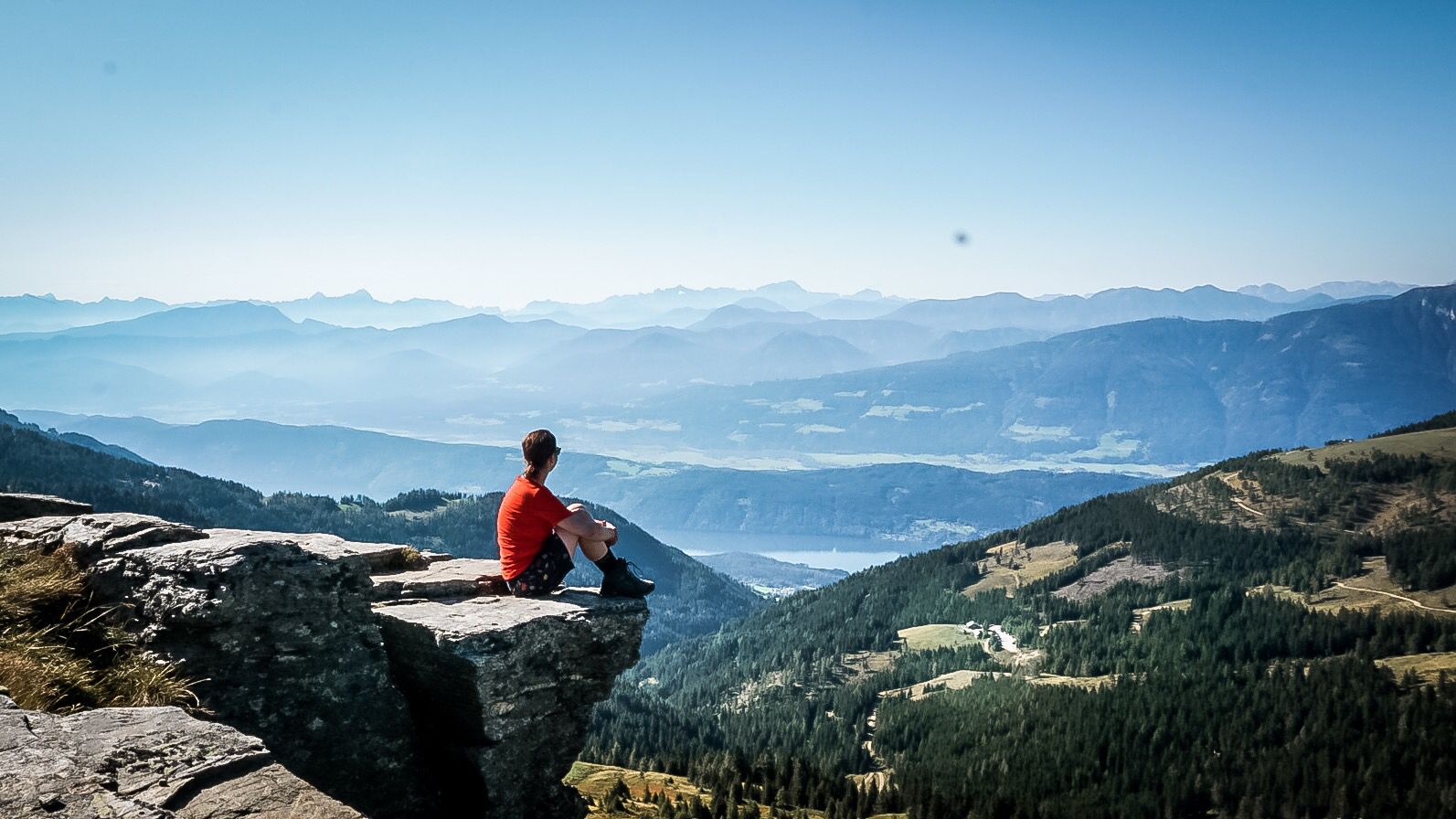
Alpe-Adria-Trail: My long-distance hike from the glacier to the sea
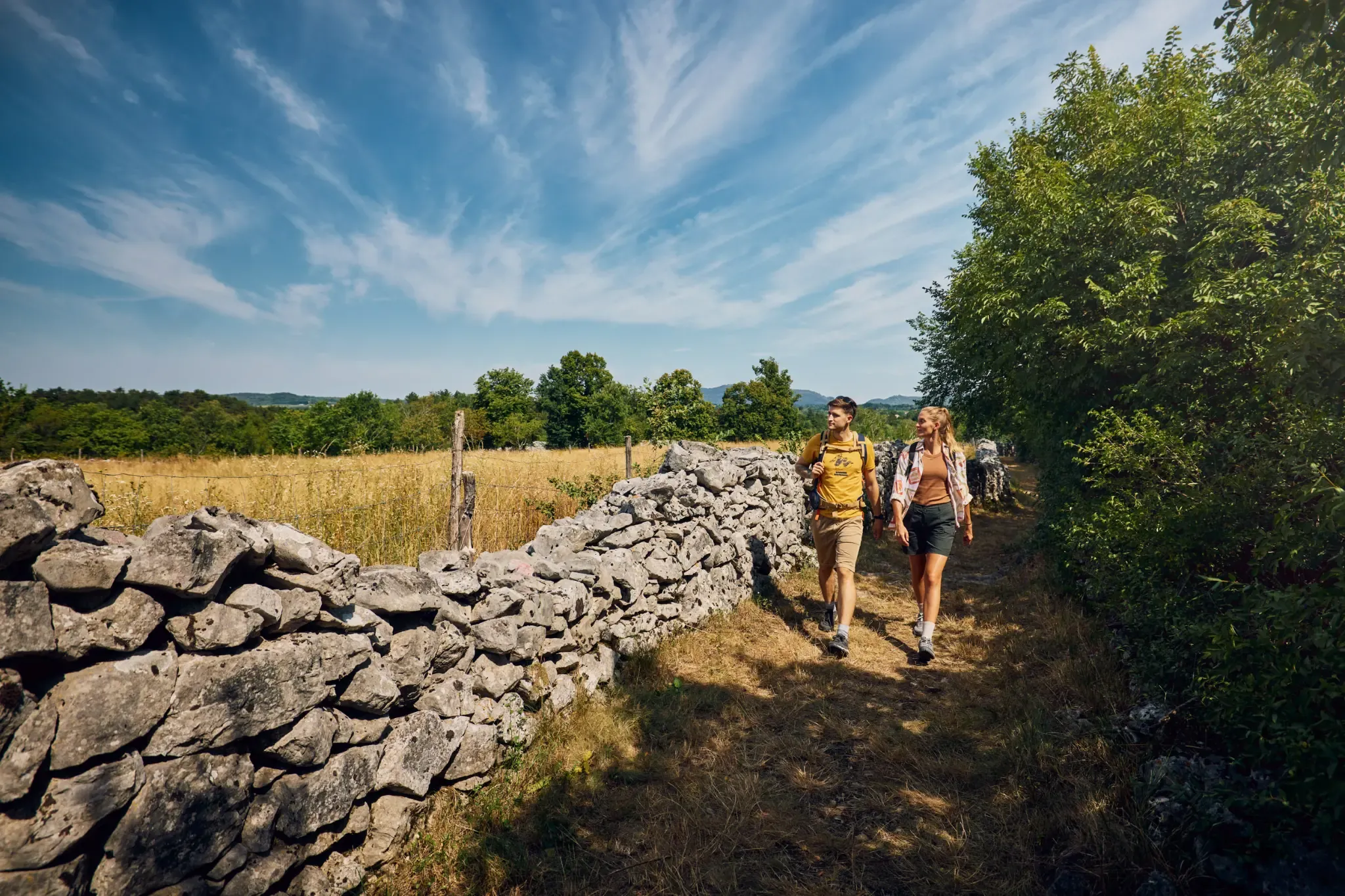
Carsus Trail – long-distance hiking in the green heart of the Karst
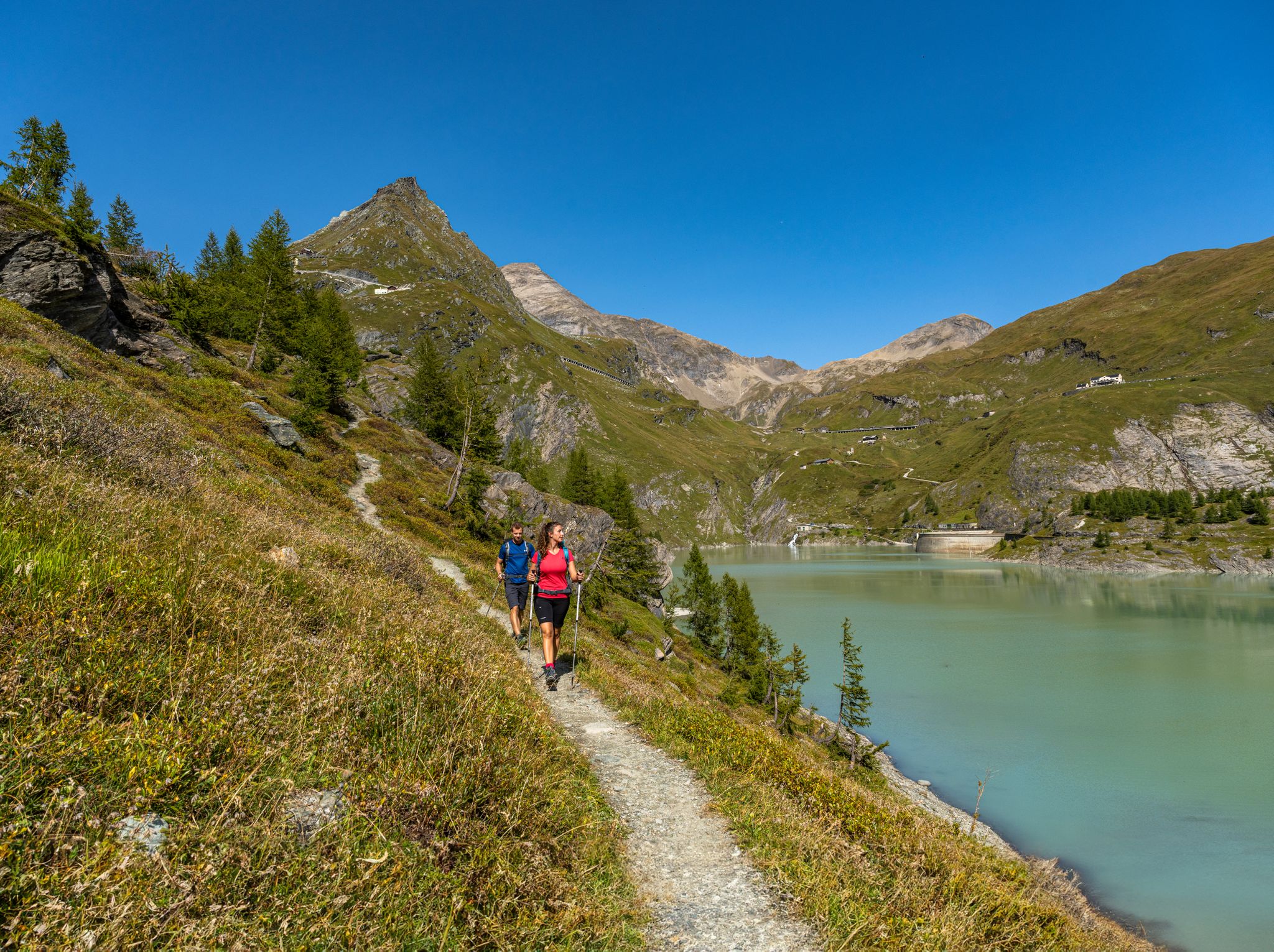
From the Grossglockner to the sea on the Alpe Adria Trail
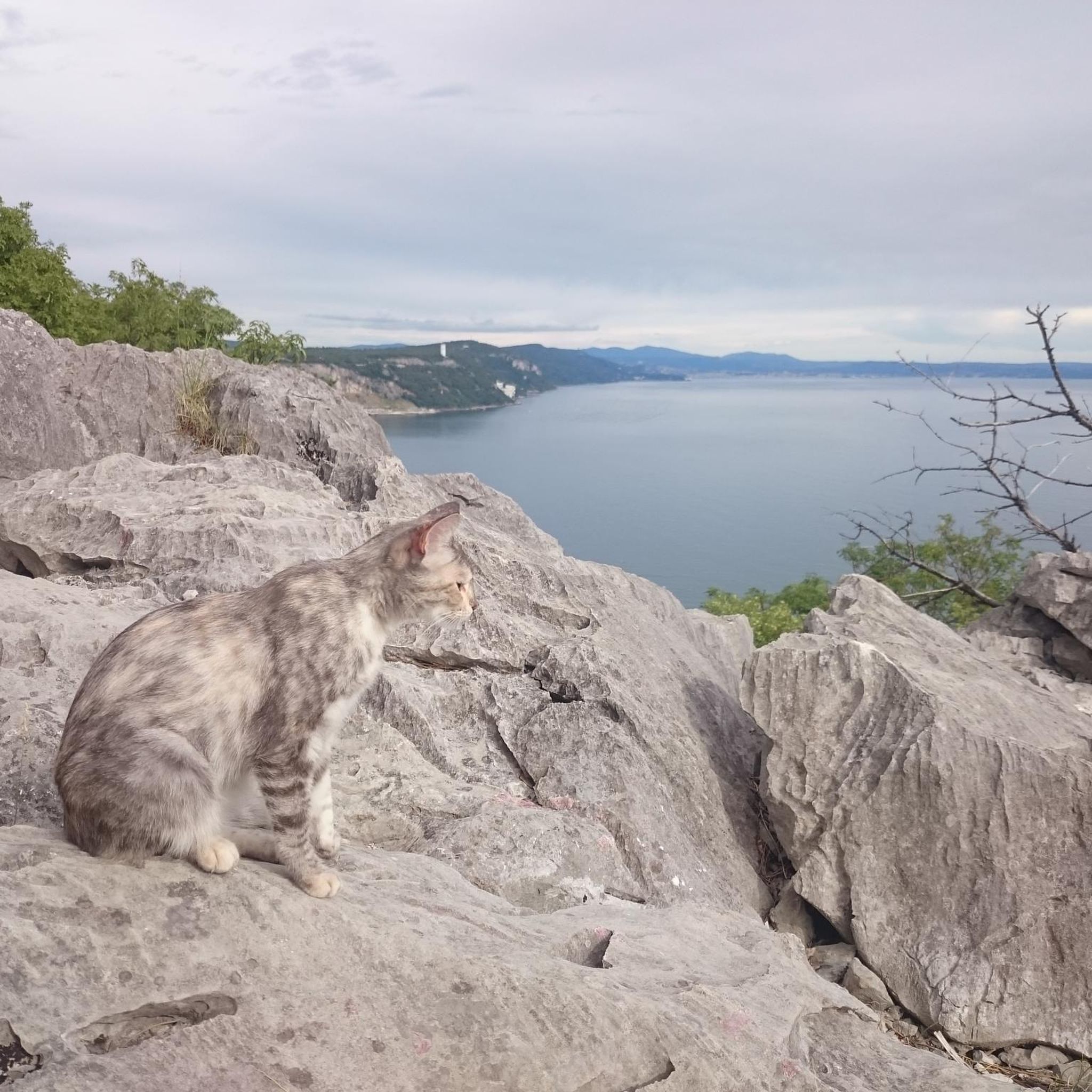
Hiking around Duino-Aurisina / Devin - Nabrežina
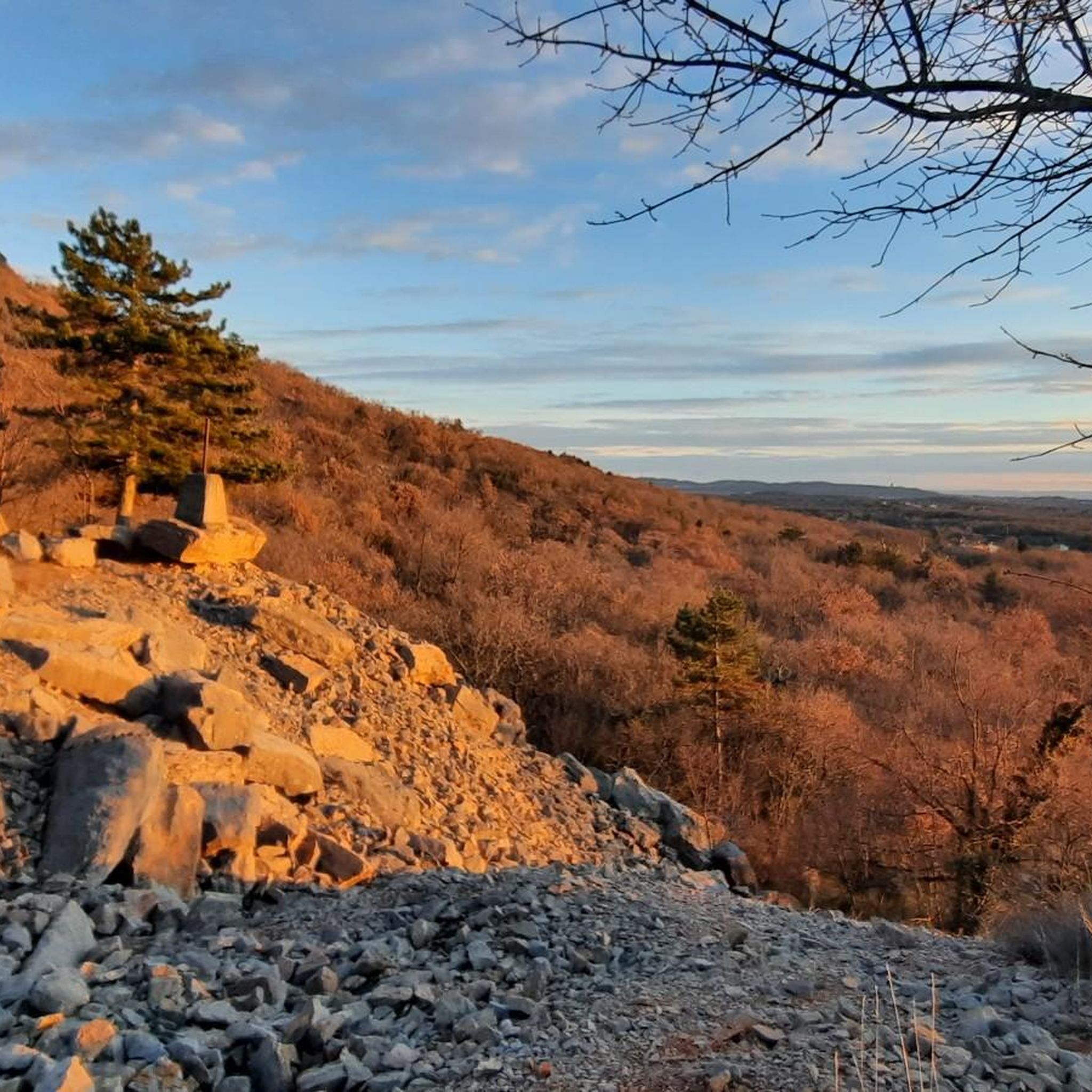
Cycling around Duino-Aurisina / Devin - Nabrežina
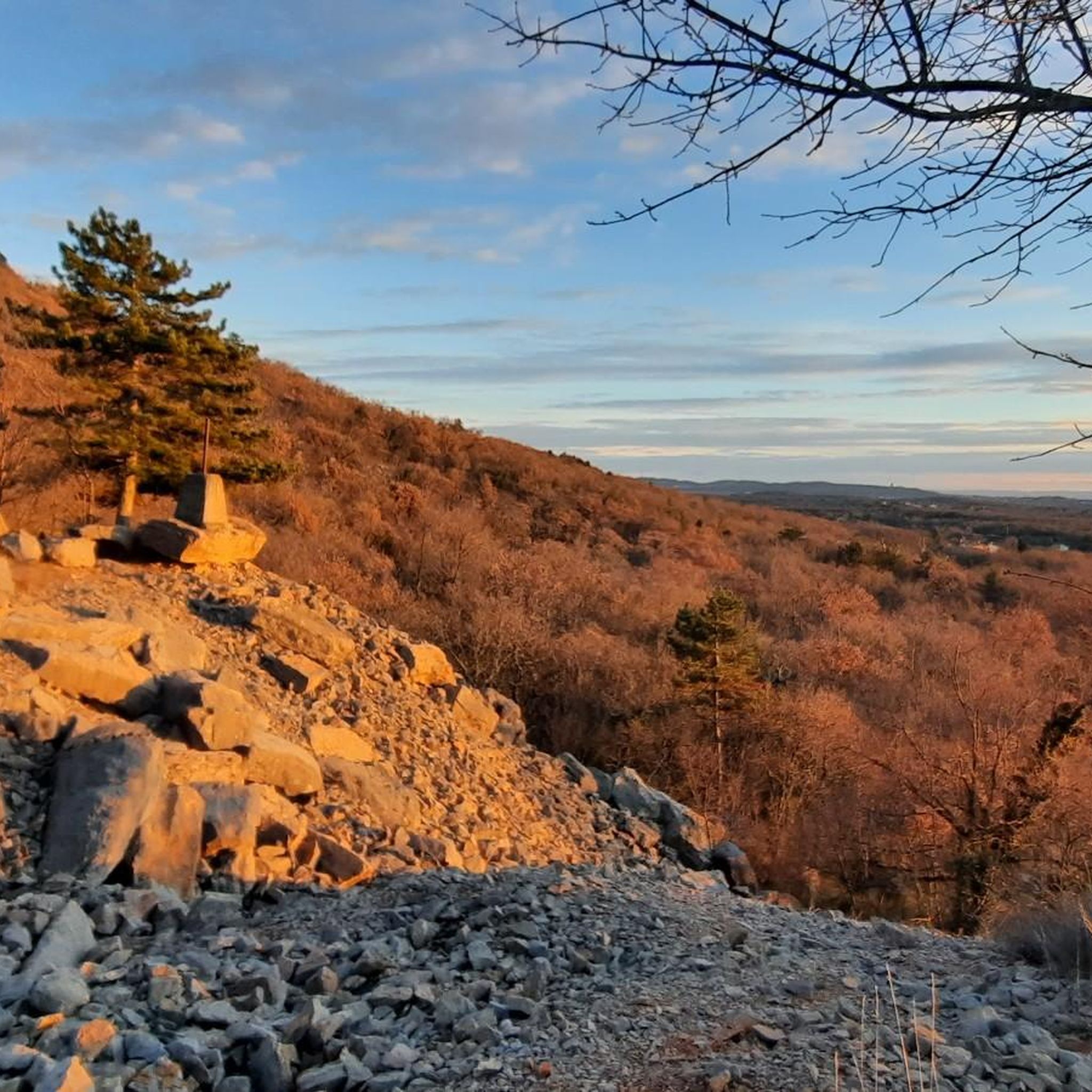
Running Trails around Duino-Aurisina / Devin - Nabrežina
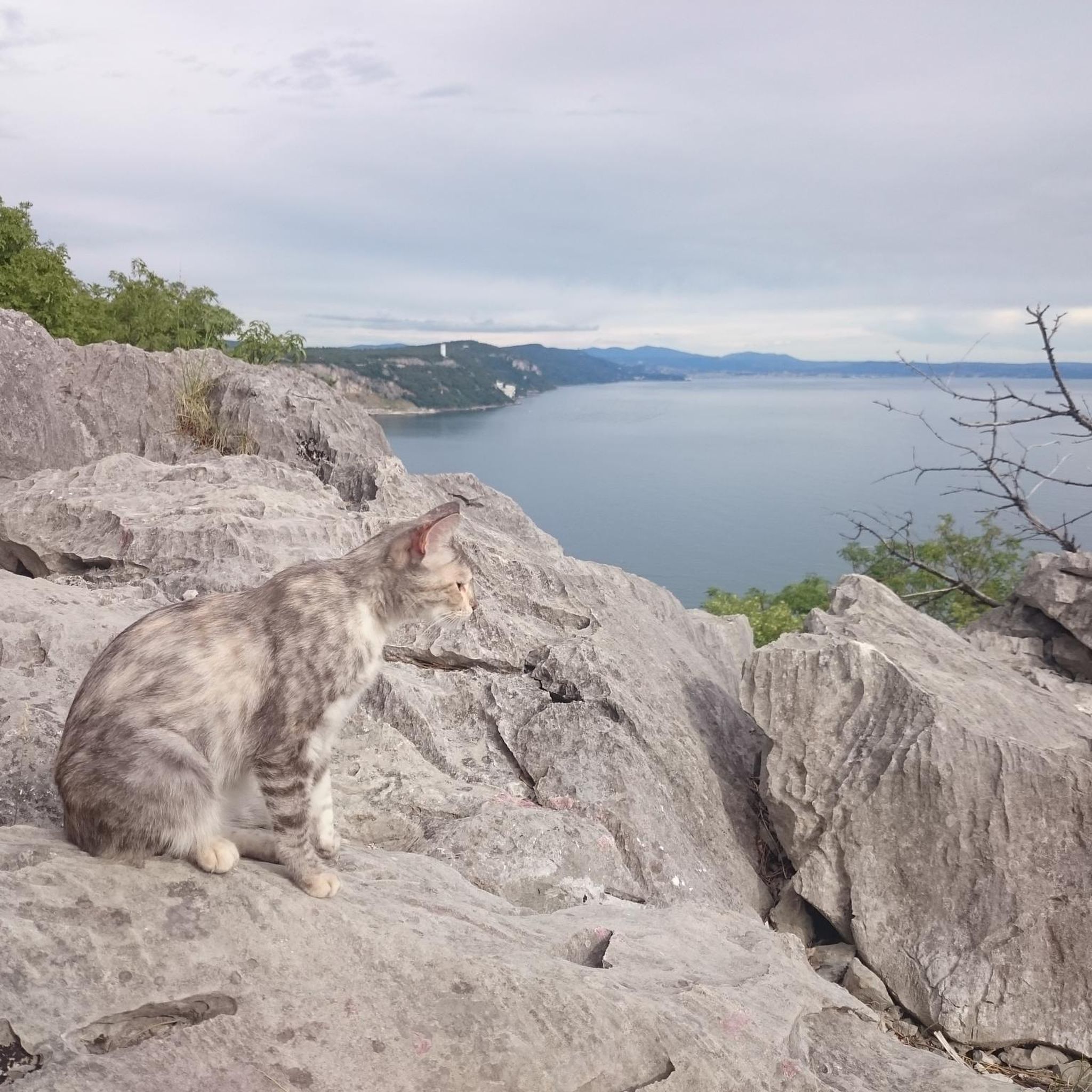
Road Cycling Routes around Duino-Aurisina / Devin - Nabrežina
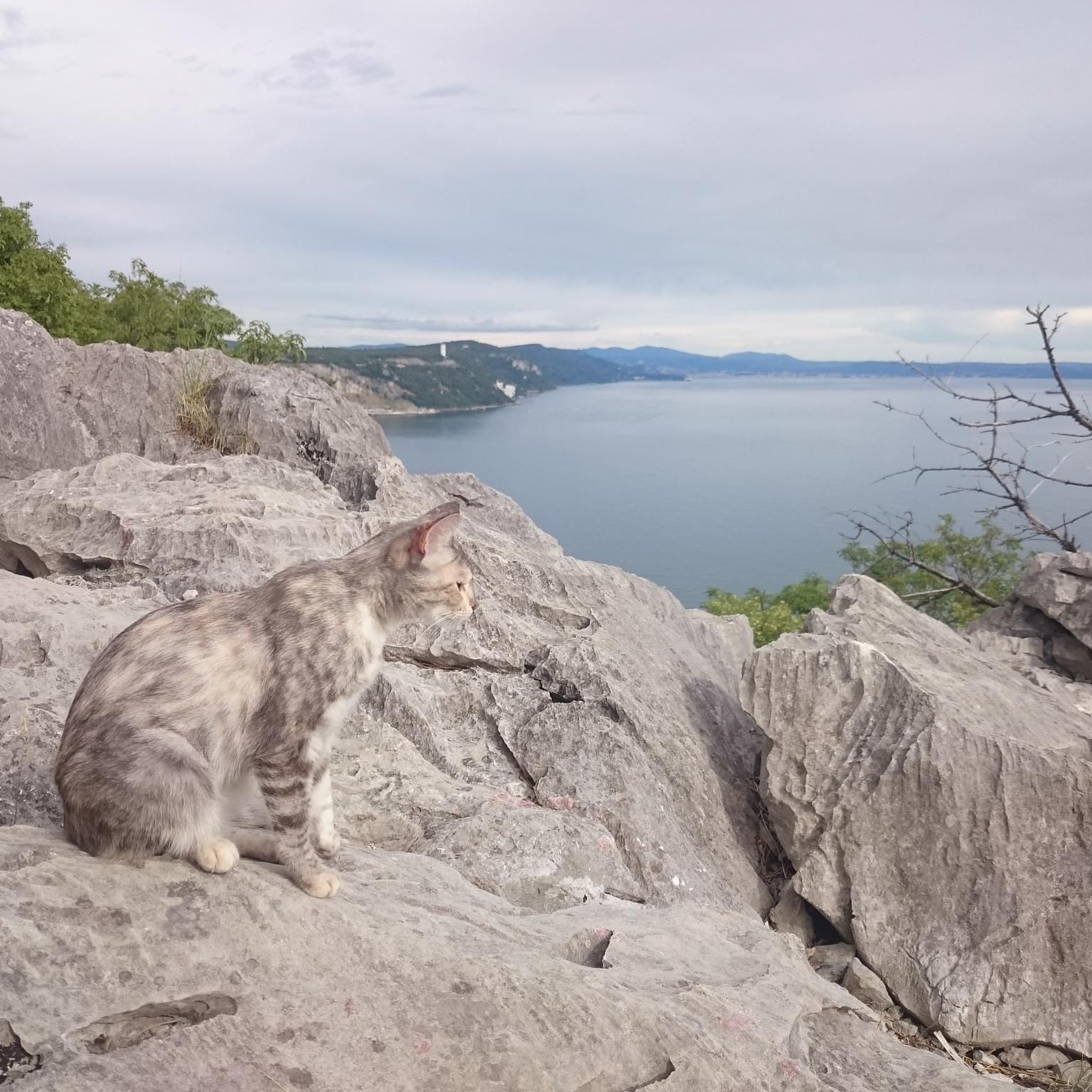
MTB Trails around Duino-Aurisina / Devin - Nabrežina

Gravel biking around Duino-Aurisina / Devin - Nabrežina
Other adventures around Duino-Aurisina / Devin - Nabrežina


Tips from the Community


Unique example of the cult of the god Mithras in a cave, dating back to Roman times, with interesting finds. Open on Saturday mornings from 10 am to 12 pm, it is best to go with guides for explanations that are otherwise not easy to find.
0
0

Recently restored, it allows you to explore a long stretch of trench with a fascinating underground shelter. One of the historic sites of the Karst region worth exploring.
0
0

Very well preserved remains of an ancient trench from the Great War.
1
0

...a scenic route! The church on Monte Grisa is absolutely extraordinary and worth seeing!
1
0

A true masterpiece of nature! The Giant Cave leaves you speechless with its majesty and the breathtaking beauty of its underground formations.
0
0

It's a shame it's closed and you can't get very close.
0
0

The tour through the cave simply went by far too quickly. 1 hour and about 850 meters you dive into a special and breathtaking underground world
0
0
Frequently Asked Questions
What are some of the most popular caves to visit in Duino-Aurisina / Devin - Nabrežina?
The region offers several notable caves. The most popular is Grotta Gigante, known for having the largest room in the world. Another highly regarded site is Grotta Priamo, a small, easily accessible cave with historical significance as a military shelter.
Are there any family-friendly caves or activities in the area?
Yes, several sites are suitable for families. The Grotta Gigante offers guided tours that are engaging for all ages, though it does involve 500 steps down and 500 steps up. The Aurisina Caves (Cava Romana), while quarries, provide an educational experience exploring ancient and modern marble extraction techniques, which can be interesting for older children.
What historical or cultural sites can I find among the caves?
The region's caves are rich in history. Grotta Vergine Entrance served as a shelter for Italian troops during the Great War, featuring stairways carved into the rock. The Mithraeum Cave is a unique archaeological site, being the only Mithraeum in Italy set within a natural cave, used for worship from the mid-2nd century BC to the early 5th century AD.
What is the best time of year to visit the caves in Duino-Aurisina / Devin - Nabrežina?
Caves generally maintain a consistent temperature year-round, making them suitable for visiting in any season. For example, Grotta Gigante has a stable temperature of 11°C. However, if you plan to combine your cave visit with outdoor activities like hiking, spring and autumn offer the most pleasant weather conditions for surface exploration.
What should I wear when visiting the caves?
Due to the consistent cool temperatures and often high humidity inside caves, it's advisable to wear comfortable, layered clothing. Non-slip footwear is highly recommended, especially in caves like Grotta delle Torri di Slivia, where surfaces can be damp. For caves with many steps, such as Grotta Gigante, comfortable walking shoes are essential.
Are there any caves with unique geological formations?
Yes, the Grotta delle Torri di Slivia is particularly renowned for its diverse and unique formations. Visitors can see families of stalactites, curtains, tubular formations, and impressive stalagmites that give the cave its name. Grotta Gigante also features massive stalagmites and stalactites within its immense chamber.
Can I find any historical military sites related to caves in the region?
Absolutely. Besides Grotta Priamo and Grotta Vergine Entrance which served as WWI shelters, the Brestovec Historical Trench includes a cave dug to shelter from bombing and possibly for ammunition storage. The Austro-Hungarian Infantry Tunnel Entrance also represents a fortified line from historical conflicts, utilizing natural features.
What outdoor activities can I do near these caves?
The Karst landscape around Duino-Aurisina / Devin - Nabrežina offers various outdoor activities. You can find numerous hiking trails, such as those detailed in the Hiking around Duino-Aurisina / Devin - Nabrežina guide, including the Rilke Path and Aurisina Educational Trail. For cycling enthusiasts, there are routes for both touring bicycles and gravel biking, which you can explore in the Cycling around Duino-Aurisina / Devin - Nabrežina guide and the Gravel biking around Duino-Aurisina / Devin - Nabrežina guide.
Is it possible to visit caves that are less developed for tourism?
Yes, some caves offer a more rugged or specialized experience. The Lindner Cave, for instance, is a spacious cave with natural illumination and a steep shaft, suggesting a more adventurous exploration. The Fioravante Cave, after extensive restoration, is typically available for visits upon request or on designated days, offering a deeper speleological and historical insight.
What do visitors enjoy most about the caves in Duino-Aurisina / Devin - Nabrežina?
Visitors frequently express awe at the sheer scale of caves like Grotta Gigante, often noting that 'the St. Peter cathedral fits into this cave!' Many appreciate the well-preserved historical aspects of sites like the Brestovec Historical Trench, which allows understanding the living conditions of soldiers. The unique blend of natural beauty and historical significance across the region's subterranean sites is a major draw.
Are there any caves that are open-air or more like quarries?
Yes, the Aurisina Caves, particularly the Cava Romana, are more accurately described as open-pit quarries rather than natural caves. These sites have been active for over 2,000 years, extracting high-purity limestone marble. Visitors can explore paths along the limestone walls and learn about the history and geology of marble extraction.
Most popular routes around Duino-Aurisina / Devin - Nabrežina
Most popular attractions around Duino-Aurisina / Devin - Nabrežina

Get inspired with the komoot mobile app


Explore more
Extend your search for the best caves by checking out these guides of the top ones around Duino-Aurisina / Devin - Nabrežina:
