Top 14 Castles around Diso
Best castles around Diso offer a glimpse into the historical significance of this town in the Salento region of Puglia. Diso, while not having numerous castles within its immediate boundaries, served as a strategic inland refuge during coastal attacks. The area is characterized by its rich history and cultural heritage, with nearby settlements featuring ancient fortifications. This historical context highlights the region's past defense strategies and noble residences.
Best castles around Diso
- The most popular castles is Castro Castle,…
Last updated: August 24, 2026
Castro Castle
Highlight • Trail
Tip by

Guarini Castle of Poggiardo
Highlight • Castle
Translated by Google •
Tip by

Sign up now to discover places like this
Get recommendations on the best single tracks, peaks, & plenty of other exciting outdoor places.
Sign up for free
Piazza del Popolo, Muro Leccese
Highlight • Historical Site
Translated by Google •
Tip by

Capanne Tower, Castro
Highlight • Historical Site
Translated by Google •
Tip by

Castello Spinola-Caracciolo
Highlight • Castle
Translated by Google •
Tip by

Sign up for free to discover even more castles around Diso.
Sign up for free
Already have an account?
Start today with a free account
Your next adventure awaits.
Login or Signup
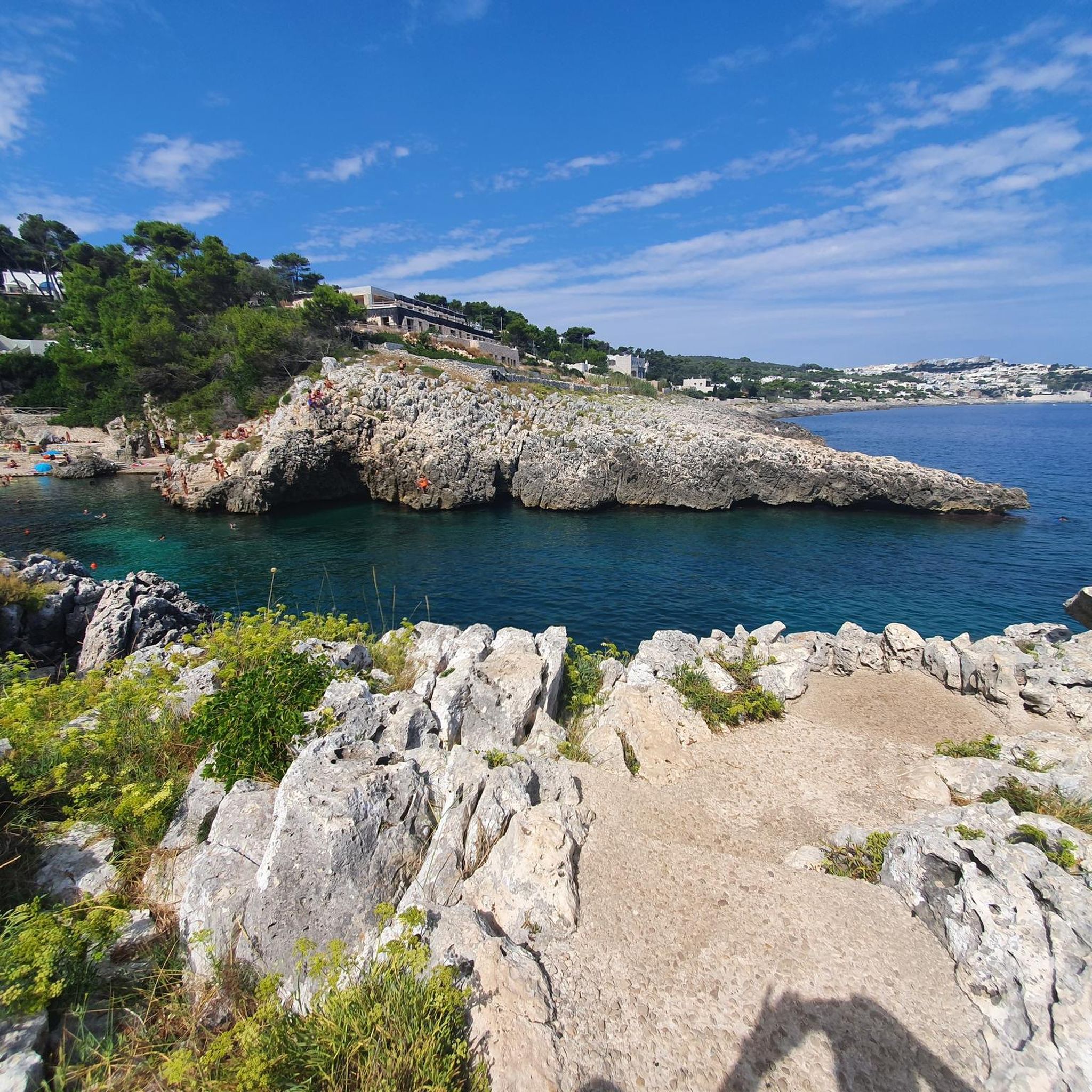
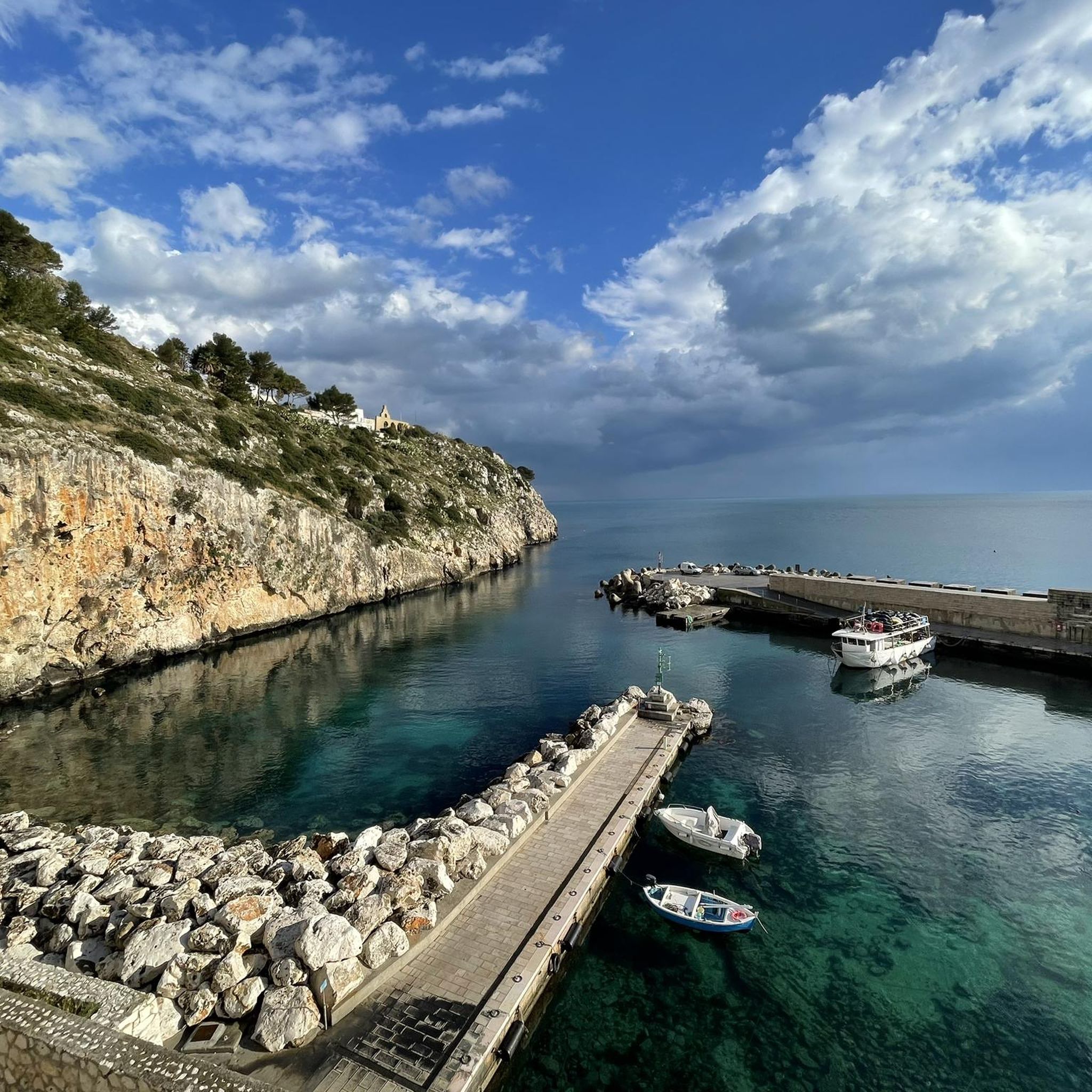
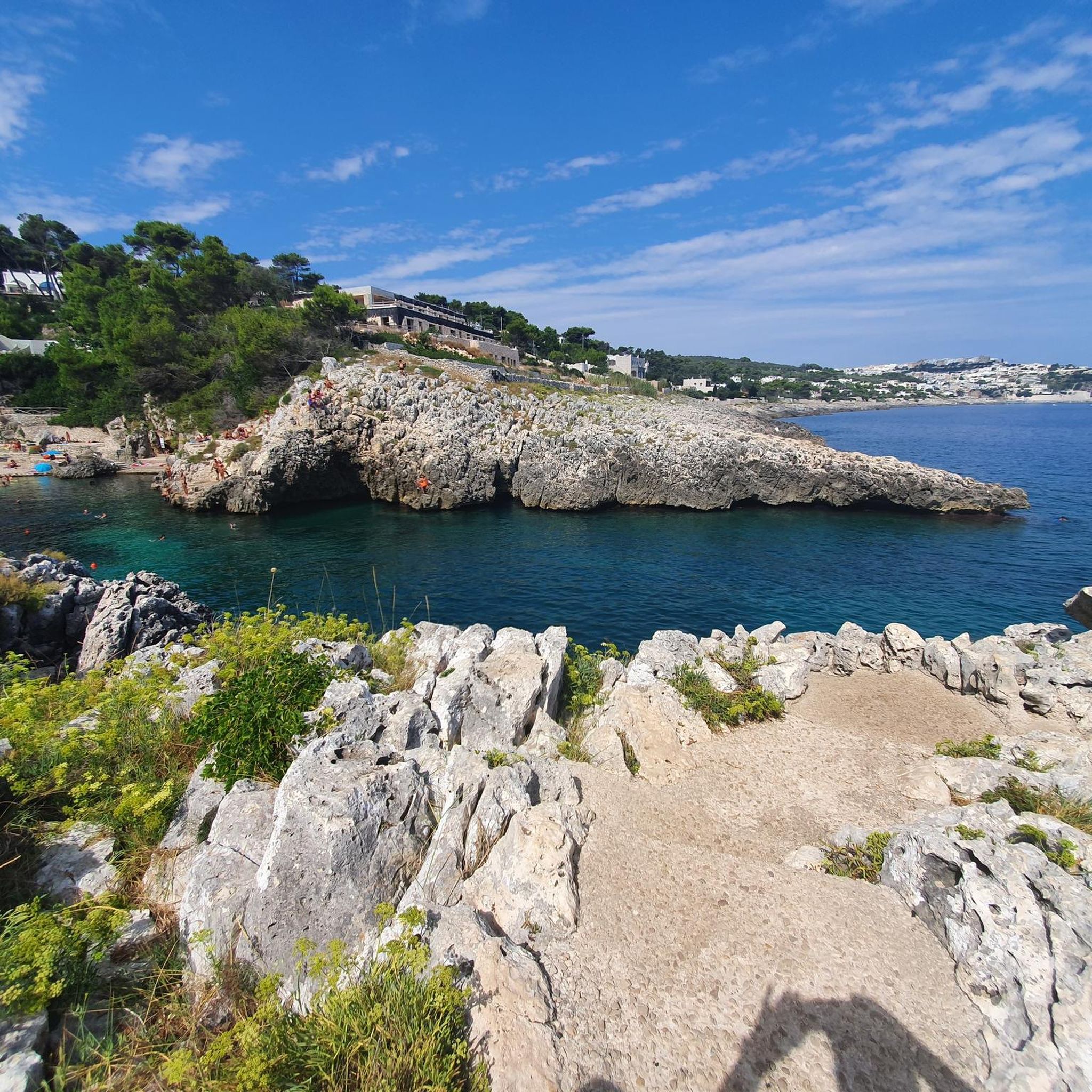
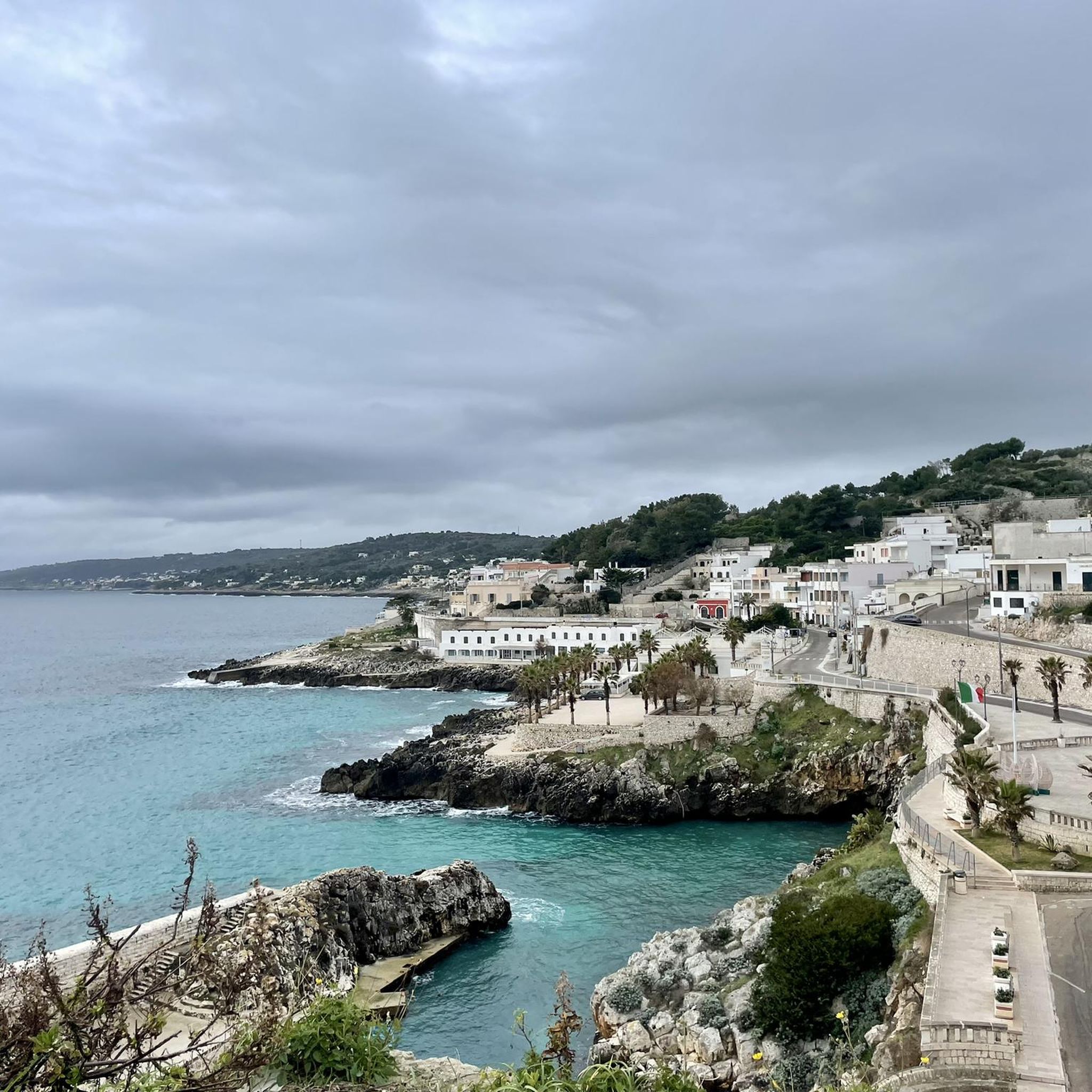
Tips from the Community

Dominating the historic center of Poggiardo, which is definitely worth a visit.
1
0


The coastal road is more beautiful than this inland road.
0
0
in front of the castle there is a balcony overlooking the sea
0
0

Beautiful, perfectly preserved example of an Aragonese castle. Very close there are two viewpoints
0
0

In an excellent state of conservation, the castle, located in the center of Andrano, was originally born as a farm in the thirteenth century and then subjected to numerous renovations and extensions until the seventeenth century. Large well-kept lawn behind the castle with playground.
2
0

Posted in Salento Fortifications collection https://www.komoot.it/collection/1396951/-salento-fortificazioni - The most ancient structure of the current Aragonese castle dates back, in all probability, to the XII-XIII century and was built on the remains of the Byzantine fortress. In the second half of the 13th century, Charles I of Anjou defines it as a fortress of strategic importance for the defense of the kingdom. The castle, numbered together with the fortresses of Ostuni, Taranto, Ugento and Torremaggiore, is considered of national importance and considered among the most functional, combining together natural defenses and military architecture [source: https://it.m.wikipedia.org / wiki / Castello_di_Castro]
0
0
Posted in Salento Fortifications collection https://www.komoot.it/collection/1396951/-salento-fortificazioni - The oldest nucleus of the Poggiardo Castle dates back to the 14th century and originally included a cylindrical tower and a building, surrounded by a moat, with essentially defensive and sighting functions. In 1466 it became the property of the Guarini Dukes, Lords of Poggiardo, who expanded the structure over the course of several centuries, progressively transforming it from a fortress into a fortified residential residence. During the seventeenth century the moat was filled, fenced and transformed into a citrus grove while in the following centuries several buildings were built on part of it, on whose roof a beautiful terrace was created [source: https://www.lavocedimaruggio.it /wp/fortresses-and-castles-of-puglia-the-guarini-of-poggiardo- castle.html]
2
0
Frequently Asked Questions
What are the most historically significant castles near Diso?
The region around Diso is rich in history. Notable castles include Castro Castle, a fortress of strategic importance built on pre-existing structures, and the Guarini Castle of Poggiardo, which evolved from a 14th-century defensive structure into a fortified residence. The Castello Spinola-Caracciolo, originally a 13th-century farm, also showcases centuries of architectural evolution.
Are there family-friendly castles to visit near Diso?
Yes, several castles near Diso are suitable for families. Castro Castle is listed as family-friendly, offering a glimpse into history. The Castello Spinola-Caracciolo is also family-friendly and features a large, well-kept lawn with a playground behind it, perfect for children.
What kind of views can I expect from castles in the Diso area?
Many castles and historical sites in the area offer excellent viewpoints. Castro Castle provides views from its strategic coastal location. Additionally, the nearby Capanne Tower in Castro is specifically highlighted as a panoramic point where you can admire the landscape.
What is the best time of year to visit castles near Diso?
The Salento region, where Diso is located, generally enjoys a Mediterranean climate. Spring (April-May) and autumn (September-October) offer pleasant temperatures, making them ideal for exploring historical sites without the intense summer heat. Summer (June-August) can be very hot, but also offers longer daylight hours. Winter (November-March) is milder but can be rainy.
Are there any castles near Diso with unique architectural features?
Absolutely. Castro Castle features a circular tower and sections of curtain walls from its 16th-century construction. The Guarini Castle of Poggiardo originally included a cylindrical tower and was surrounded by a moat. The Castello Spinola-Caracciolo is noted for its excellent conservation and even includes a moat, as in traditional castle imagery.
Can I find any ancient ruins or Messapian sites near the castles?
Yes, the area is rich in ancient history. While visiting castles, you can also explore sites like Piazza del Popolo in Muro Leccese, which has very ancient origins dating back to the Bronze Age and Messapian era. A section of Messapian walls is still visible there, and the village was an important Messapian center.
What outdoor activities can I do near these castles?
The region around Diso offers various outdoor activities. You can find numerous running, cycling, and hiking routes. For example, there are hiking trails like the 'Acquaviva Cove – Palazzo Maritima loop from Diso' or running routes such as the 'View of the Bay loop from Castro'. You can explore more options on the Hiking around Diso guide, the Cycling around Diso guide, or the Running Trails around Diso guide.
Are there any castles that were once residences of noble families?
Many castles in the Salento region, including those near Diso, were historically residences of powerful noble families. The Guarini Castle of Poggiardo became the property of the Guarini Dukes, who expanded it from a fortress into a fortified residential residence. The Baronial Palace in Marittima, a frazione of Diso, also served as a baronial residence.
What should I wear when visiting castles near Diso, especially in winter?
For castle visits, comfortable walking shoes are always recommended, as you might encounter uneven terrain or stairs. In spring and autumn, light layers are suitable. During summer, light clothing, a hat, and sunscreen are essential due to the heat. In winter, while generally mild, it's advisable to wear warmer layers, a waterproof jacket, and sturdy shoes, as there can be rain and cooler temperatures, especially if exploring coastal castles.
How long does it typically take to visit a castle near Diso?
The duration of a visit can vary depending on the castle and your interest. For a site like Castro Castle, which has historical exhibits and viewpoints, you might spend 1-2 hours. Smaller sites or those primarily viewed from the exterior, like the Baronial Palace in Marittima, might take less time. If you plan to explore the surrounding towns or combine a visit with a walk, allocate more time.
Are there cafes or places to eat near the castles?
While specific cafes are not listed for each castle, most castles are located within or very close to towns and villages. For example, Castro Castle is in Castro, a town with various dining options. Similarly, Piazza del Popolo in Muro Leccese is a central point in a town, likely offering cafes and restaurants nearby. It's generally easy to find refreshments in the vicinity of these historical sites.
Most popular attractions around Diso

Get inspired with the komoot mobile app


Explore more
Looking for the best castles somewhere else? Discover other guides around Diso:
