Top 5 Gorges around Castellarano
Best canyons around Castellarano are found within the broader Reggio Emilia Apennines, a region characterized by dramatic landscapes shaped by natural forces. This area features geological formations that present canyon-like features, including ancient gypsum valleys and distinctive eroded clay formations. These natural environments offer opportunities to explore unique terrain and observe geological processes.
Best canyons around Castellarano
- The most popular canyons is Calanche di Gozzano Trail, a trail that can be muddy in winter due to shaded sections. It…
Last updated: June 30, 2026
Calanche di Gozzano Trail
Highlight • Trail
Translated by Google •
Tip by

Tasso Trail and Calanchi of Sassuolo
Highlight (Segment) • Trail
.
Length: 450m
Difference in altitude: 45m
.
Pay …
Translated by Google •
Tip by

Sign up now to discover places like this
Get recommendations on the best single tracks, peaks, & plenty of other exciting outdoor places.
Sign up for free
Rio Spigone Trail
Highlight (Segment) • Trail
Translated by Google •
Tip by

Start today with a free account
Your next adventure awaits.
Login or Signup
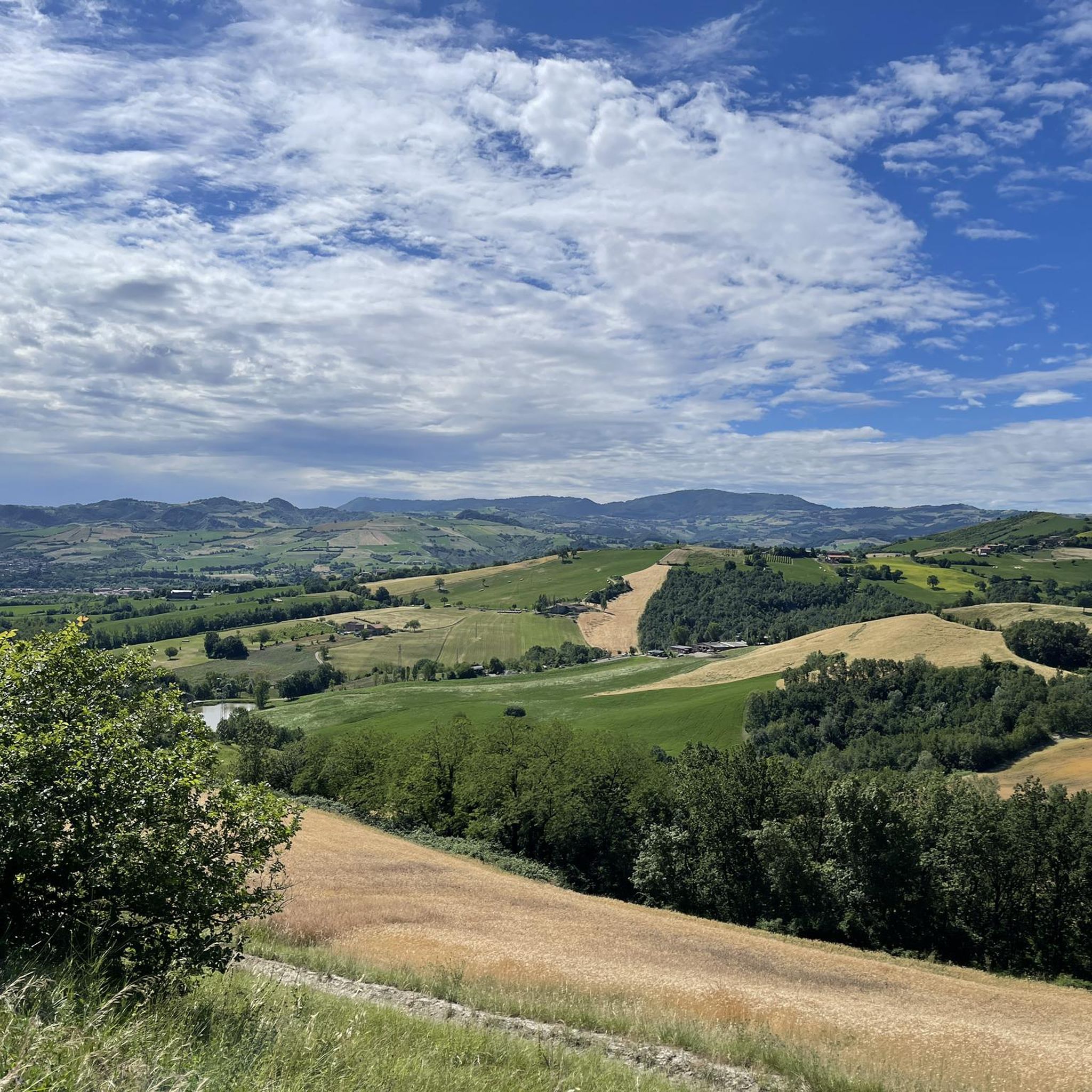
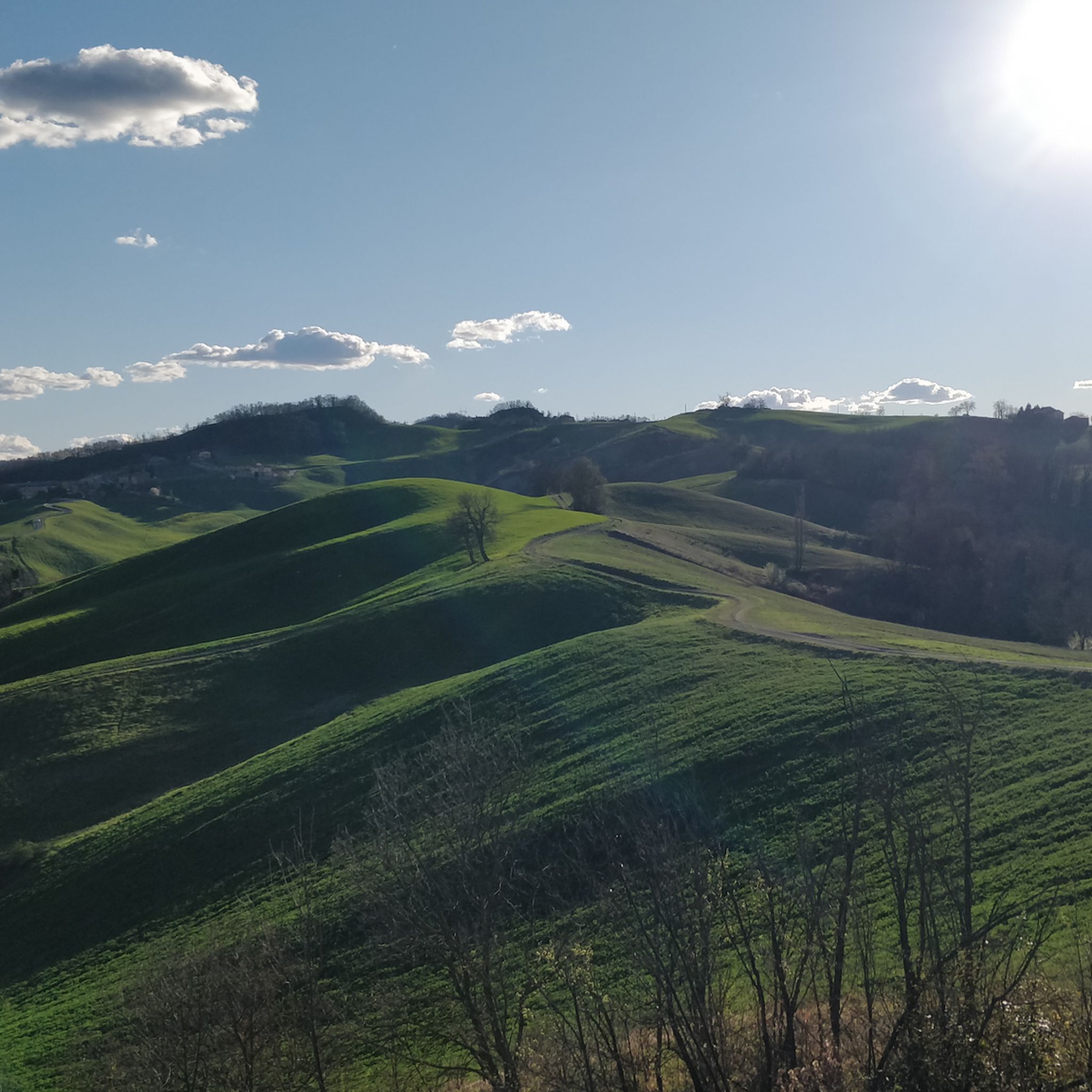
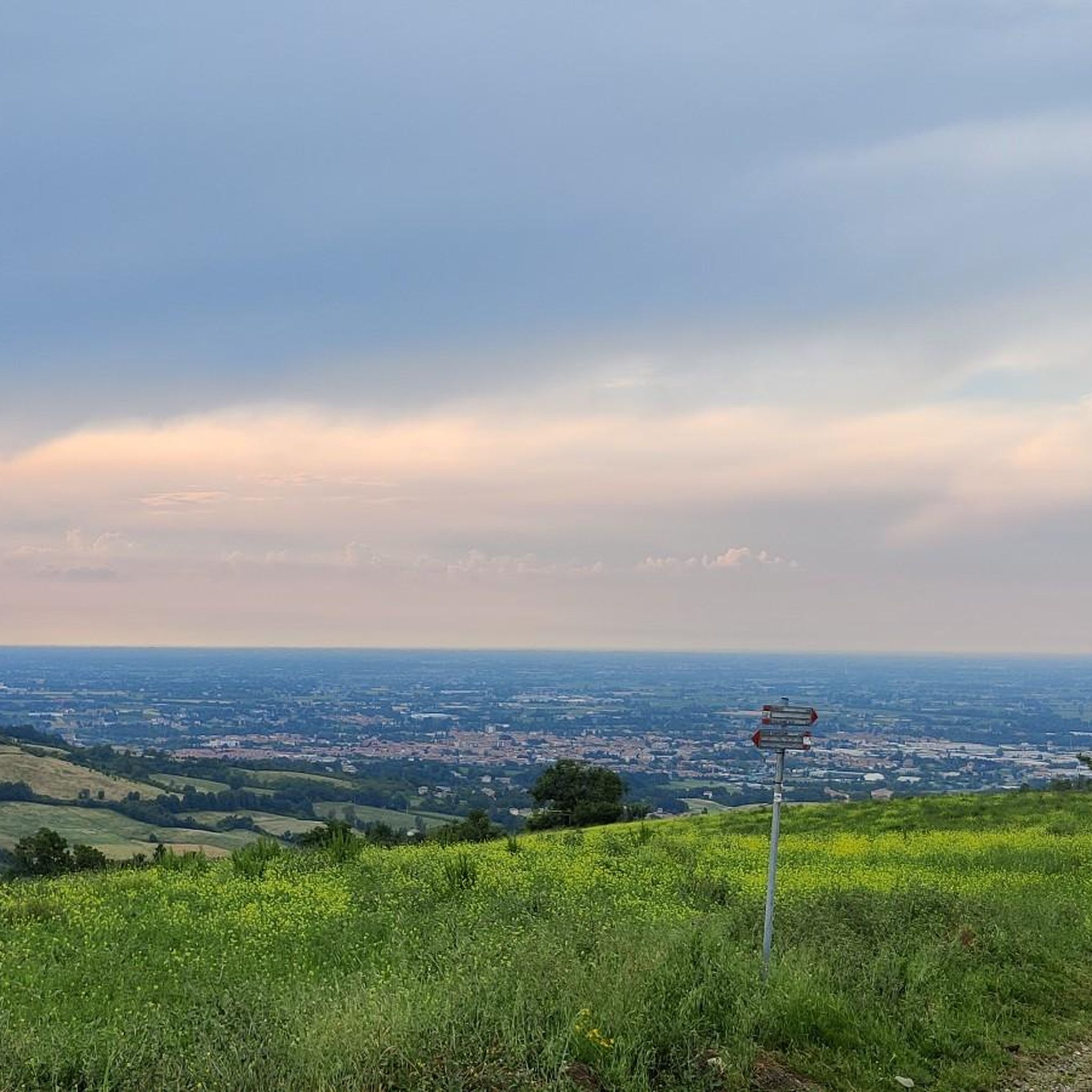

Tips from the Community

suitable for MTB and Gravel
0
0

the gullies of Sassuolo
0
0

Quite flowy rio Spigone descent, possible to find mud in the gorge
0
0

stretch of well-trodden path with some somewhat challenging slopes. downhill is definitely fun. Pay attention only to some traits that there is emptiness on the sides 😅
0
0

Beware of winter days. The part at the end of the descent remains in the shade almost all day and is therefore a lake of mud even after a long time without rain. You will find yourself bogged down to the saddle.
2
0

Path with a slight slope, on the edge of woods and grassy formations, with the finish line at C. Monte Pietro. . Length: 450m Difference in altitude: 45m . Pay attention because the transit of bicycles would be prohibited. Make your assessments and possibly push the bike if there are a lot of people.
0
0

It can also be done uphill
0
0
Frequently Asked Questions
What unique geological features can I explore in the canyons around Castellarano?
The region around Castellarano, within the Reggio Emilia Apennines, offers diverse geological formations. You can explore the Triassic Gypsum Valley of the Secchia River, known for its ancient gypsum deposits, karst phenomena like sinkholes and caves, and steep, white cliffs. Another distinctive area is the Canyon of Atticola di Vetto, featuring unusual clay volcanoes and an eroded landscape that resembles an 'alien planet'. Additionally, the Gullies of Rio Vico present a dramatic terrain sculpted by erosion, showcasing intricate channels and ridges with varying clay colors.
Are there any challenging canyon trails near Castellarano?
Yes, several trails offer a challenge. The Path of the Calanchive Clays is known for being deeply eroded by rains, featuring deep holes that require careful navigation. Similarly, the Rio Spigone Trail includes some challenging slopes and can be quite muddy in the gorge, especially after rain.
What should I know about visiting the Triassic Gypsum Valley of the Secchia River?
The Triassic Gypsum Valley is a UNESCO World Heritage Site, recognized for its over 200-million-year-old gypsum rocks and unique karst landscape. You can explore trails along the Secchia River, observe dramatic geological formations, and discover diverse flora and fauna. Excursions often start from Ponte del Pianello, with options to visit karst cavities like the Tanone Grande della Gacciolina and enjoy panoramic views from Monte-Pianellina.
What is the best time to visit the canyons around Castellarano?
While the region is beautiful year-round, some trails can be particularly challenging in certain seasons. For instance, the Calanche di Gozzano Trail can be very muddy in winter due to shaded sections retaining moisture. Generally, spring and autumn offer pleasant temperatures for hiking and exploring the eroded landscapes, avoiding the summer heat and potential winter mud.
Are there any river gorges to explore near Castellarano?
Yes, the Stretto di Pescale is a notable river gorge. You can follow a cycle path that leads close to the gorge, but you'll need to continue on foot to fully experience the views of the Secchia River as it carves through the landscape.
What kind of wildlife can be found in the canyon areas?
Despite the rugged appearance, areas like the Triassic Gypsum Valley support a rich diversity of habitats, plant, and animal species, some of European importance. The varied terrain and unique microclimates within these geological formations create niches for a range of wildlife, though specific species depend on the exact location and season.
Can I find trails with viewpoints in the canyons around Castellarano?
Yes, many trails offer scenic viewpoints. For example, the Tasso Trail and Calanchi of Sassuolo provides views of the distinctive gullies. The Triassic Gypsum Valley also offers panoramic views, particularly from spots like Monte-Pianellina, allowing you to appreciate the vastness of the ancient geological formations.
What outdoor activities can I do near these canyons?
Beyond exploring the canyons themselves, the area around Castellarano offers various outdoor activities. You can find numerous hiking routes, such as the moderate 'Campovecchio Valley viewpoint trail' or the 'San Valentino and Rio della Rocca Loop'. There are also cycling opportunities, including easy and difficult routes for touring bicycles and road bikes. For more details, you can explore the hiking guide or the cycling guide for Castellarano.
Are there any specific tips for hiking the <a href="https://www.komoot.com/highlight/3499033" target="_blank" rel="noopener">Calanche di Gozzano Trail</a>?
When hiking the Calanche di Gozzano Trail, be aware that the part at the end of the descent remains in the shade almost all day during winter, making it very muddy even after long dry spells. You might find yourself bogged down. This trail can also be hiked uphill if you prefer.
What are the 'Calanchi' or gullies, and where can I see them?
Calanchi, or gullies, are distinctive landforms created by the erosion of clay layers, resulting in intricate channels and sharp ridges. They showcase the powerful effects of natural erosion. You can see impressive examples at the Gullies of Rio Vico, which form a dramatic amphitheater-like landscape, and also along the Tasso Trail and Calanchi of Sassuolo.
What makes the Canyon of Atticola di Vetto unique?
The Canyon of Atticola di Vetto is unique for its 'alien-like' landscape, characterized by small 'clay volcanoes' that are a few meters high. These formations are outcrops of iron-rich clay, colored red and white, resembling natural sculptures. The Atticola stream has carved through this terrain, creating a visually distinctive and unexpected natural environment.
Most popular routes around Castellarano
Most popular attractions around Castellarano

Get inspired with the komoot mobile app


Explore more
Already discovered everything in this region? See additional gorges around Castellarano for your next adventure:
