Top 9 Castles around Bormida
Best castles around Bormida are situated in the Bormida Valley, spanning the Piedmont and Liguria regions of Italy. This area is characterized by its historical significance, offering insights into centuries of local culture and architectural evolution. The valley features a diverse landscape, providing a backdrop for these historic structures. Exploring these sites reveals the region's past through its fortified buildings and noble residences.
Best castles around Bormida
- The most popular castles is View of Finalborgo from Fort San Giovanni, a castle that offers expansive views over the village of Finalborgo. Its location provides a panoramic perspective of the surrounding area.
- Another must-see spot is St. John’s Castle, a historical site built between 1640 and 1644 to fortify Finale Ligure. This imposing building above the city has undergone various transformations, including serving as a prison.
- Visitors also love Gavone Castle, a charming castle. This site is noted for its historical architecture and is considered a worthwhile detour.
- Bormida is known for medieval structures, fortified residences, and castles with Baroque elements. These sites showcase a variety of architectural styles and historical periods to see and explore.
- The castles around Bormida are appreciated by the komoot community, with more than 50 upvotes and 19 photos shared by visitors.
Last updated: June 16, 2026
Gavone Castle
Highlight • Castle
Translated by Google •
Tip by

View of Finalborgo from Fort San Giovanni
Highlight • Castle
Translated by Google •
Tip by

Sign up now to discover places like this
Get recommendations on the best single tracks, peaks, & plenty of other exciting outdoor places.
Sign up for free
St. John’s Castle
Highlight • Castle
Tip by

Bastia Tower
Highlight • Historical Site
Translated by Google •
Tip by

Ruins of Castrum Perticae
Highlight • Historical Site
Translated by Google •
Tip by

Sign up for free to discover even more castles around Bormida.
Sign up for free
Already have an account?
Start today with a free account
Your next adventure awaits.
Login or Signup
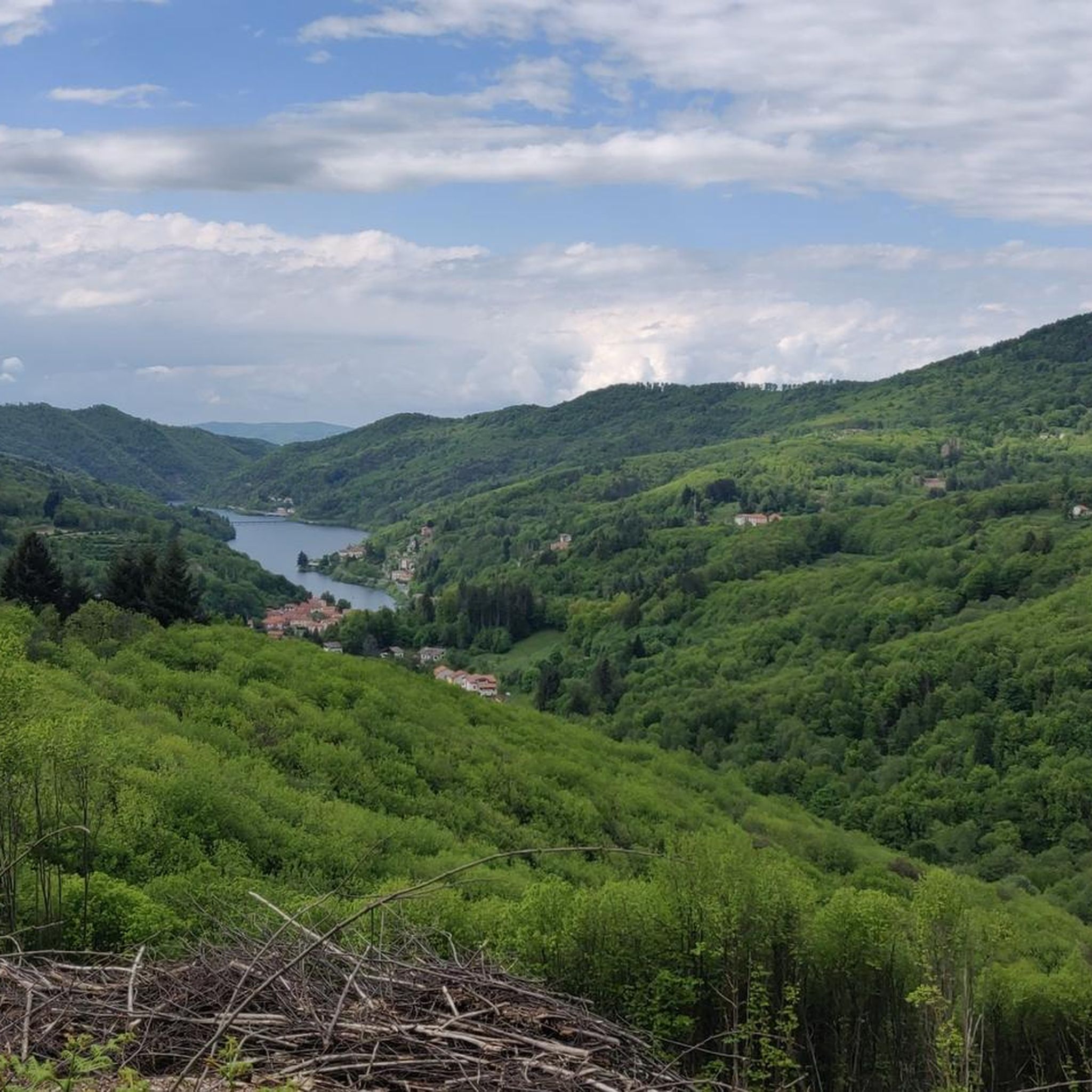
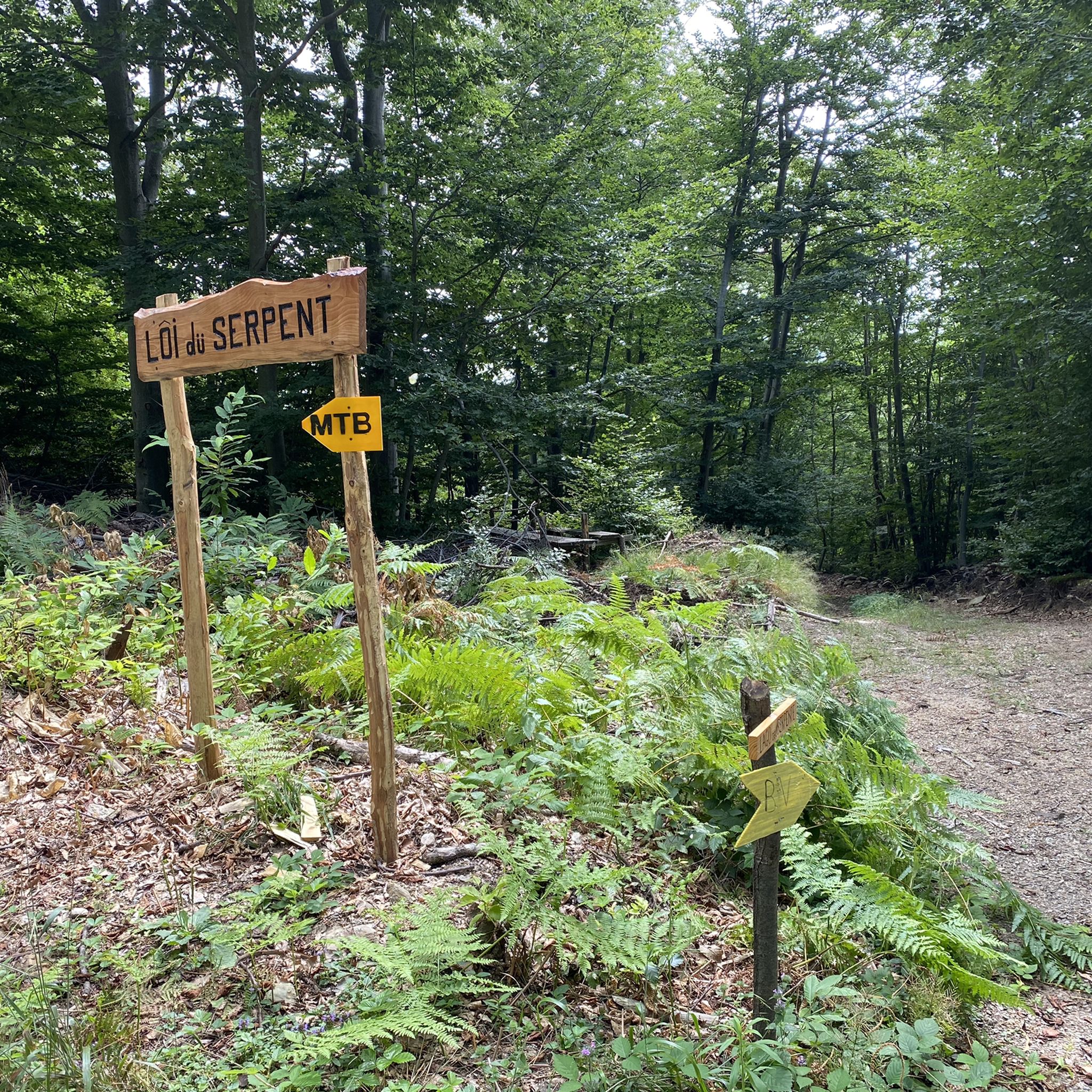
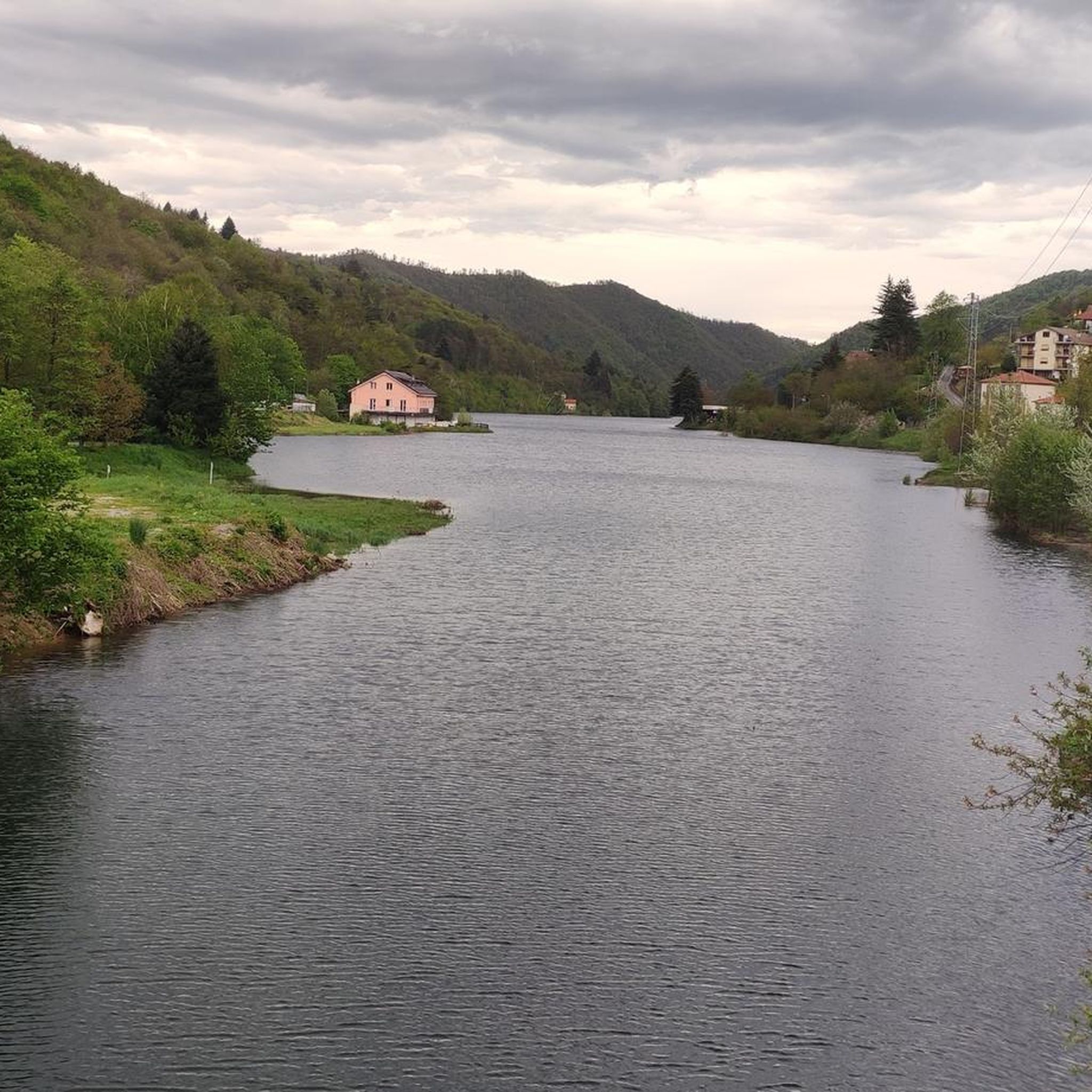

Tips from the Community

Ruins of an old tower with a walled courtyard. Difficult to reach. Apparently located on private property. Can be viewed from the outside. The entrance is blocked. If there was once an official path, it no longer exists. Nevertheless, the tower is still indicated on hiking signs. Recommended for explorers with good physical condition and sure footing.
0
0

The castle rises majestically above Finalborgo. It's a somewhat arduous hike up, but the view(s) are worth it. The castle appears to be undergoing renovations, so you can't walk directly over it—but it will be interesting to see what the ruins will become in the future.
0
0


Great castle above Finalborgo
3
0

The Castrum Perticae was probably built in the 6th century AD during the Byzantine rule in Liguria to defend against the Lombard invasion. Abandoned in the 13th century. Today the walls are badly dilapidated and overgrown with vegetation.
1
0

The great view from the castle of the small Finalborgo is a real highlight
5
0
Frequently Asked Questions
What are some of the most historically significant castles in the Bormida Valley?
The Bormida Valley is rich in history. Notable castles include the View of Finalborgo from Fort San Giovanni, which fortified Finale Ligure, and St. John’s Castle, built by the Spaniards in the 17th century. Further inland, the Castle of Monastero Bormida, originally a Benedictine monastery, and the Castle of Millesimo, a strategic defensive structure, offer deep insights into the region's past.
Are there any castles in the Bormida region known for their unique architecture?
Yes, the Castle of Monastero Bormida showcases a blend of medieval, Renaissance, and Baroque styles, evolving from a monastery to a fortified residence. The Castle of Castelnuovo Bormida is also notable for its layered architecture, with modifications from the 14th to 18th centuries, featuring a medieval entrance and Baroque interiors.
What kind of views can I expect from the castles in the Bormida area?
Many castles offer expansive views. For instance, the View of Finalborgo from Fort San Giovanni provides a panoramic perspective of Finalborgo. The Castle of Millesimo, perched on elevated ground, also offers sweeping vistas over the village and surrounding countryside.
What outdoor activities can I do near the castles in Bormida?
The Bormida region offers various outdoor activities. You can explore numerous hiking trails, such as the 'Ronco di Maglio Loop Trail' or 'From Bormida to Lago del Serpente (Trail 454C)'. For cycling enthusiasts, there are road cycling routes like 'Capo Noli on the Via Aurelia' and mountain biking trails including the 'Base Nato Loop'. You can find more details on these activities in the Hiking around Bormida, Road Cycling Routes around Bormida, and MTB Trails around Bormida guides.
Are there family-friendly castles or activities in the Bormida Valley?
While specific family-friendly designations for all castles aren't provided, the Castle of Monastero Bormida offers guided tours that can be engaging for families, sometimes including historical interpreters in period costumes. The general exploration of these historic sites can be an educational experience for children. For outdoor activities, look for 'easy walks' or 'moderate' difficulty trails in the nearby hiking guides.
What is the best time of year to visit the castles in the Bormida region?
The Bormida Valley is generally pleasant to visit during spring and autumn when the weather is mild, making it ideal for exploring castles and engaging in outdoor activities. Summer can also be a good time, though it might be warmer. Winter visits are possible, but some sites or trails might have limited access or different conditions.
Can I find cafes or restaurants near the castles in the Bormida Valley?
Yes, many of the castles are located in or near villages and towns. For example, the Castle of Monastero Bormida is in the village of the same name, where you can find local amenities. The Castle of Millesimo overlooks the historic center of Millesimo. These areas typically offer cafes and restaurants where you can enjoy local cuisine and refreshments.
Are there any lesser-known or 'hidden' castles worth discovering in the Bormida region?
Beyond the more prominent sites, the Bastia Tower, though ruined and difficult to reach, offers a glimpse into a historical site reclaimed by nature. Similarly, the Ruins of Castrum Perticae, dating back to the 6th century, provide a unique historical experience for those interested in exploring less-preserved sites.
What do visitors enjoy most about the castles around Bormida?
Visitors frequently appreciate the historical significance and architectural beauty of the castles. For instance, the Gavone Castle is noted as a 'charming place not to be missed'. The 'great view from the castle of the small Finalborgo' is a real highlight for those visiting View of Finalborgo from Fort San Giovanni. The blend of history, architecture, and scenic surroundings is a common draw.
Is parking available at the castles in the Bormida area?
While specific parking details for every castle are not always provided, castles located within or near villages, such as Monastero Bormida and Millesimo, typically have public parking options nearby. For more remote sites like the Bastia Tower, access might be more challenging, and parking could be limited or require a walk.
Are there any castles in the Bormida Valley that have been repurposed or host cultural events?
Yes, the Castle of Millesimo, now owned by the municipality, has been renovated and hosts classical music concerts and exhibitions. The Castle of Monastero Bormida also serves as a cultural, recreational, and artistic hub, occasionally offering special guided tours and aperitifs with local products.
What are the historical roles of the castles in the Bormida region?
The castles in the Bormida region played crucial strategic and defensive roles. The Castle of Millesimo was a mountain capital for the Del Carretto family, controlling the valley. St. John’s Castle was built to fortify Finale Ligure and later served as a prison. The Castle of Castelnuovo Bormida was involved in battles between the French and Austrians, highlighting its strategic importance.
Most popular attractions around Bormida

Get inspired with the komoot mobile app


Explore more
Looking for the best castles somewhere else? Discover other guides around Bormida:
