Top 5 Caves around Ruvo Di Puglia
Caves around Ruvo Di Puglia offer a range of geological and historical sites. The surrounding Puglia region features diverse karstic formations and ancient underground structures. This area provides insights into both natural geological processes and historical human activity, including early Christian worship and prehistoric settlements. The landscape is characterized by its limestone geology, which has led to the formation of numerous caves and dolines.
Best caves around Ruvo Di Puglia
- The most popular caves is Grotta del Finestrino, a…
Last updated: June 30, 2026
Dolmen of La Chianca
Highlight • Historical Site
Translated by Google •
Tip by

Grotta del Finestrino
Highlight • Cave
Translated by Google •
Tip by

Sign up now to discover places like this
Get recommendations on the best single tracks, peaks, & plenty of other exciting outdoor places.
Sign up for free
San Martino Cave
Highlight • Cave
Translated by Google •
Tip by

Pulo di Molfetta
Highlight • Natural Monument
Translated by Google •
Tip by
Grotte di Santa Croce
Highlight (Segment) • Cave
Translated by Google •
Tip by

Start today with a free account
Your next adventure awaits.
Login or Signup
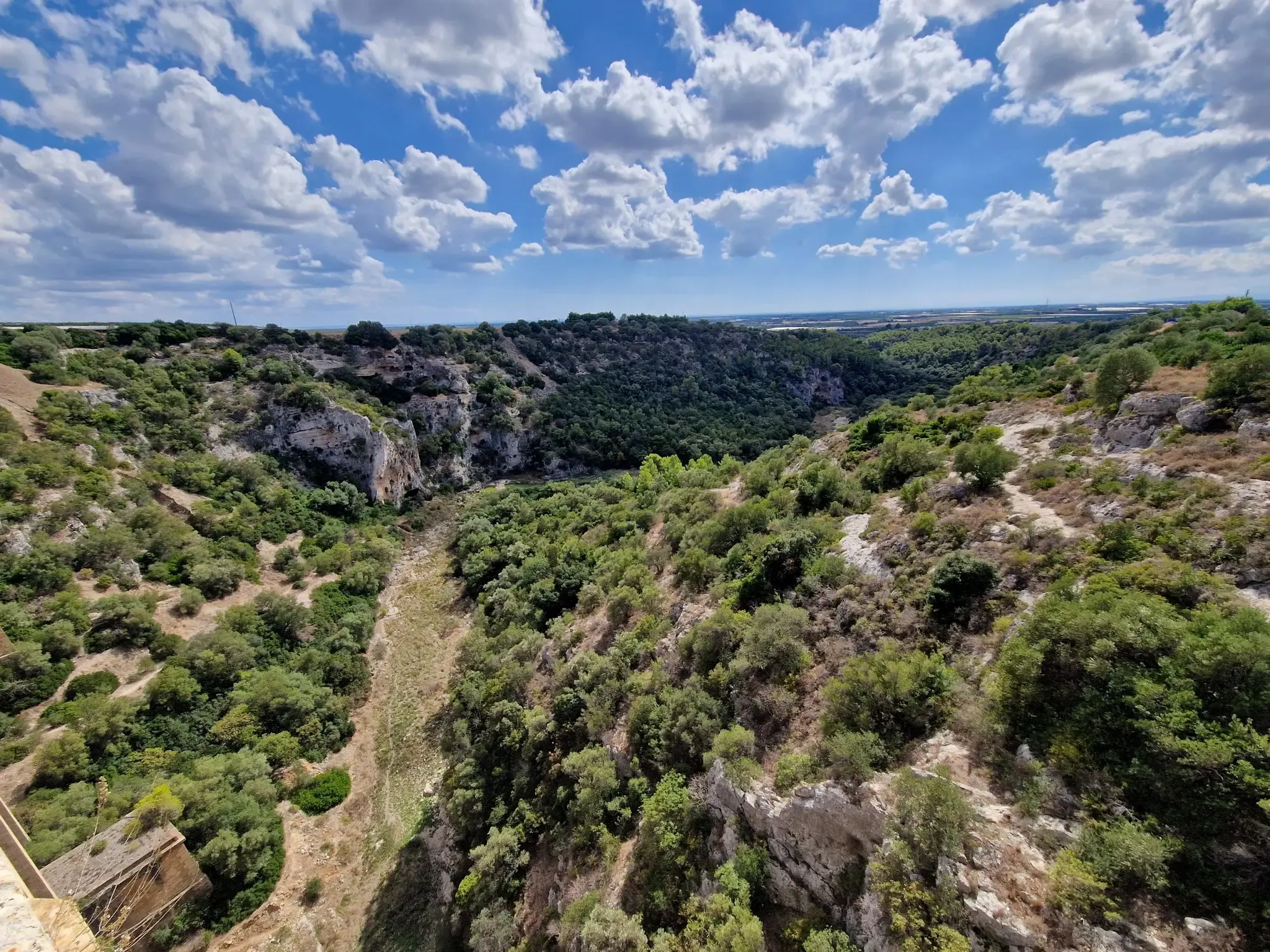
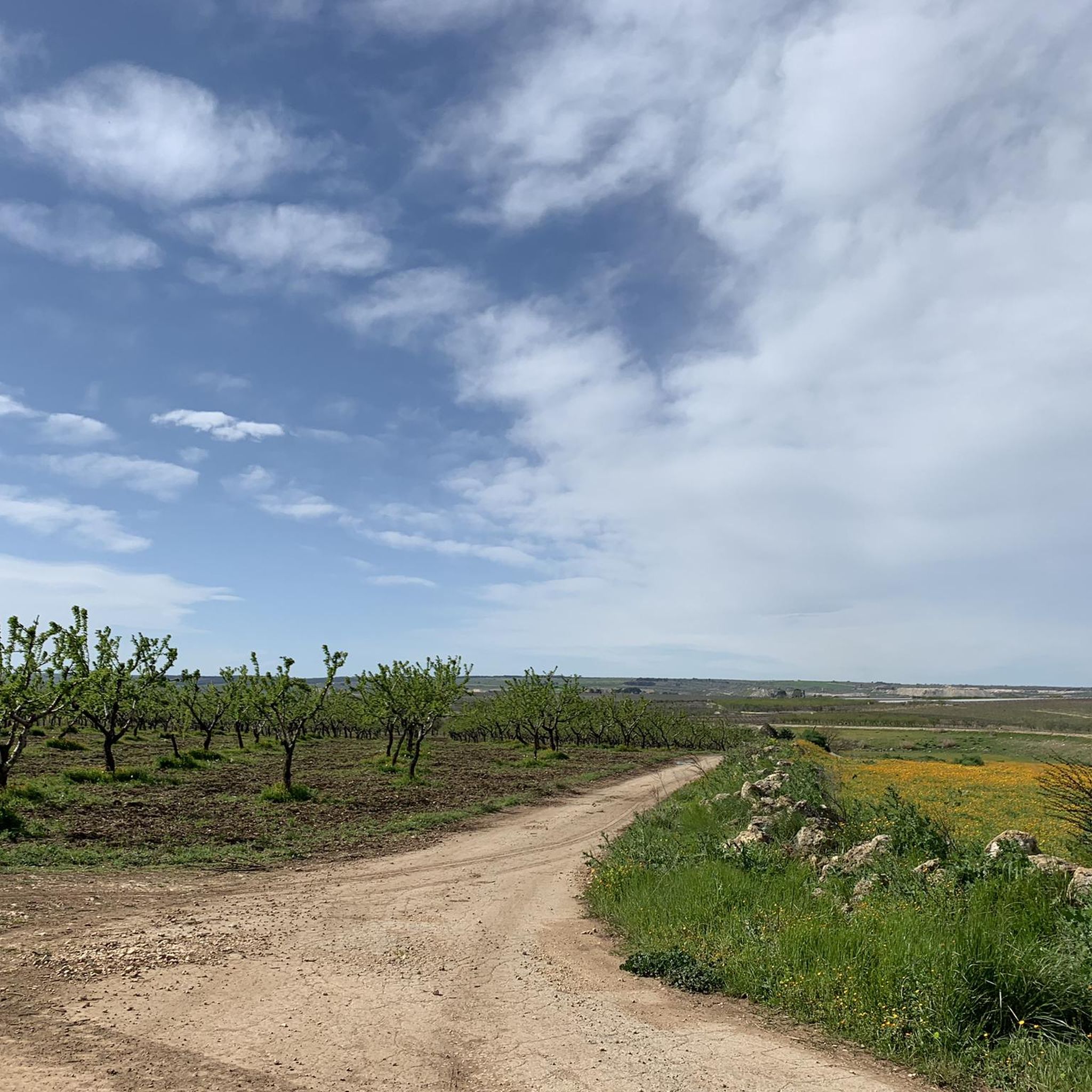
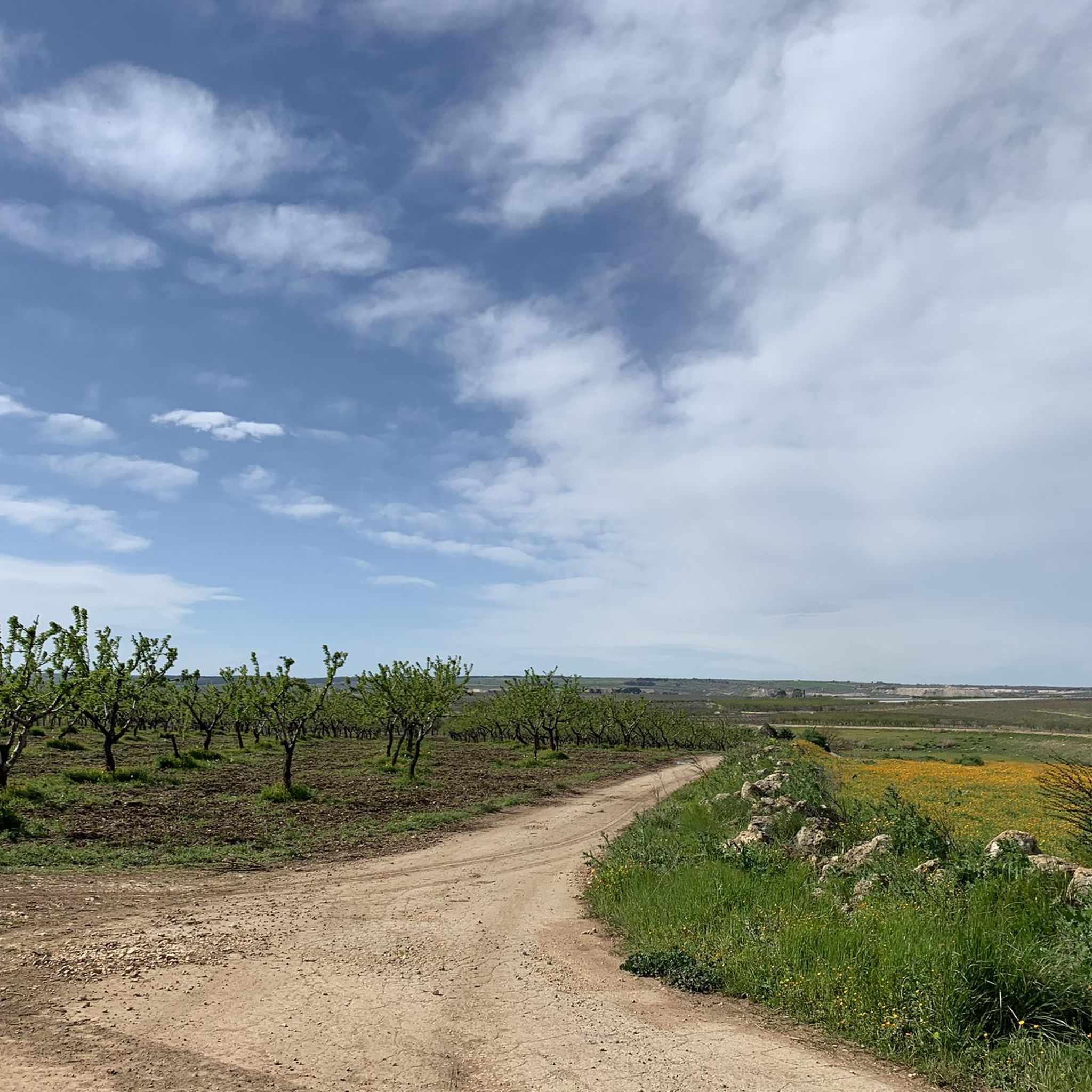
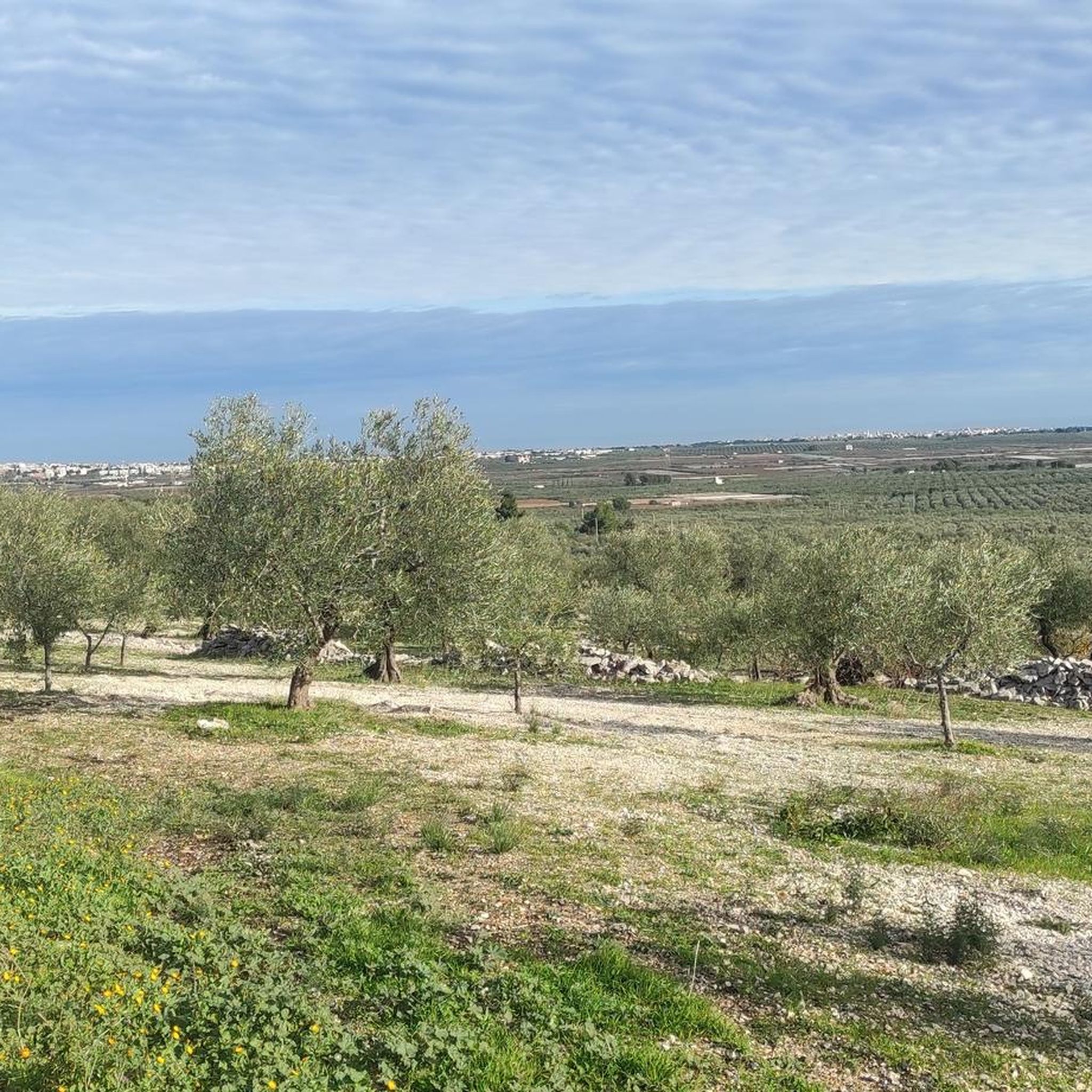

Other adventures around Ruvo Di Puglia

Tips from the Community

Cave with an opening through which you can see outside (window)
0
0

Karst formation complex formed by the erosive action of an underground watercourse discovered in 1934 by Francesco Saverio Majellaro from Biseglia. Evidence of human presence has been found there from the Middle Paleolithic to the Bronze Age. In 1955, a femur of the Neanderthal species was found as well as numerous animal remains, primitive stone tools and Neolithic paintings. Having remained in a complete state of abandonment and neglect, the caves have been revamped by the Scout Group of Bisceglie since 1975 and made accessible to the public since 1990 with the approval and collaboration of the Municipality of Bisceglie and the Archaeological Superintendence of Puglia. In 1997 the University of Siena was also involved in several excavation campaigns which brought to light a Neolithic mat.
0
0
Magical place in the Santa Croce area, to the right of a monumental cross visible from the road
0
0


The indicated position of the Window Cave is incorrect.. the correct position is the one indicated by Google Maps on the same side of the Cross
0
0

The Dolmen la Chianca is a prehistoric megalithic monument, dating back to the Bronze Age and discovered in 1909 near Bisceglie. The dolmen consists of a quadrangular cell, formed by three vertical stone slabs and one horizontal roof, and an open-air corridor. It is always possible to visit it, with a racing bike it is better to walk the last stretch of the path up to the Dolmen.
1
0

the entrance to the small cave is to the right of the cross, you have to cross the stream by the small bridge further south I recommend applying mosquito repellent
1
0

Considered a rare and precious pearl, the Dolmen of Chianca di Bisceglie is a historical find of inestimable value. Belonging to the Bronze Age, this archaic construction was discovered by archaeologists Samarelli and Mosso in 1909 in the locality (from which it takes its name) la Chianca, in an area not far from Pulo di Molfetta.
3
0
Frequently Asked Questions
What types of underground sites can I explore around Ruvo di Puglia?
The area around Ruvo di Puglia offers a mix of natural karstic caves, historical cave sites, and large dolines. You can find ancient underground structures, significant geological formations, and even Roman cisterns repurposed for early Christian worship.
Are there any historical or archaeological cave sites in the region?
Yes, several sites offer historical and archaeological significance. The San Martino Cave is linked to karst phenomena of considerable historical and archaeological importance. Additionally, the Dolmen della Chianca and Caves of Santa Croce were seats of human frequentation in several phases, with findings from the Middle Paleolithic to the Bronze Age. The Grotte di Santa Croce also show evidence of human presence from the Middle Paleolithic to the Bronze Age, including a Neanderthal femur.
Where can I find a cave with religious significance near Ruvo di Puglia?
The Grotta di San Michele in Minervino Murge, about 45-60 minutes from Ruvo di Puglia, is a fascinating karst cave used as a place of worship for over a thousand years. It features a neoclassical entrance, a frescoed vault, and a marble statue of Archangel Michael. Another site is the Chiesa rupestre di San Michele delle Grotte in Gravina in Puglia, a cave church carved into soft limestone.
What is the Pulo di Molfetta and why is it worth visiting?
The Pulo di Molfetta is a remarkable natural doline, a bowl-shaped karstic depression formed by the collapse of a huge underground cavern. It's a crucial archaeological location with artifacts from the Bronze Age and Neolithic villages. You can explore the doline and one safely accessible cave (Grotta 1), which houses a replica of skeletal findings. Guided tours are available, offering insights into its history, geology, and diverse flora and fauna. For more information, you can visit the Wikipedia page.
Are there any large, spectacular cave systems accessible from Ruvo di Puglia?
Yes, the Grotte di Castellana, located about 70-80 km away (around 1 hour and 15 minutes by car), represent one of Italy's longest and most spectacular natural underground networks. They extend over 3 kilometers and reach depths of more than 120 meters, featuring a labyrinth of stalactites, stalagmites, and diverse rock formations, including the breathtaking 'Grotta Bianca'.
What is the Grotta di San Cleto in Ruvo di Puglia?
The Grotta di San Cleto is not a natural cave system but a Roman cistern located beneath the Church of Purgatorio in Ruvo di Puglia. Local tradition suggests it served as a catacomb where Saint Cletus gathered early Christians. It offers a unique glimpse into the town's Roman past and early Christian history and is considered one of the most intact Roman cisterns in Puglia. Visits can be arranged by appointment.
What outdoor activities can I do near these caves?
The area around Ruvo di Puglia offers various outdoor activities. You can find numerous hiking trails, including routes in the Alta Murgia National Park. There are also cycling routes, such as those along the Apulian Aqueduct, and running trails.
What is the best time of year to visit the caves around Ruvo di Puglia?
The Puglia region generally experiences mild winters and hot summers. Spring (April-May) and autumn (September-October) are often ideal for visiting caves, as the weather is pleasant for outdoor exploration and the internal cave temperatures remain relatively constant, offering a cool escape from warmer surface temperatures.
Are there any caves with unique geological features?
Absolutely. The Grotta del Finestrino is a cave that includes a Neolithic deposit on its outside, located along the stream "Le Lame." The Pulo di Molfetta is a prime example of a large natural doline, showcasing significant karstic collapse geology. The Grotte di Castellana are renowned for their extensive formations of stalactites, stalagmites, and the dazzling white alabaster of the 'Grotta Bianca'.
What should I consider when planning a visit to the caves?
When planning your visit, consider checking the accessibility and tour availability for specific caves, as some may require appointments or guided tours. Wear comfortable shoes suitable for uneven terrain, and bring a light jacket as cave interiors can be cooler than outside temperatures. For sites like the Pulo di Molfetta, guided tours can enhance your understanding of their history and geology.
Are there any family-friendly cave experiences in the area?
Many of the larger, more developed cave systems like the Grotte di Castellana offer guided tours that are suitable for families. The Pulo di Molfetta also provides an accessible cave (Grotta 1) and guided tours that can be educational for children. Always check specific tour details and age recommendations when planning with family.
Most popular routes around Ruvo Di Puglia
Most popular attractions around Ruvo Di Puglia

Get inspired with the komoot mobile app


Explore more
Extend your search for the best caves by checking out these guides of the top ones around Ruvo Di Puglia:
