Top 6 Caves around Pollena Trocchia
Best caves around Pollena Trocchia are primarily related to historical human activity rather than natural cave systems. Situated on the slopes of Mount Vesuvius, the area features significant man-made underground structures. These include archaeological sites and ancient quarries, offering insights into the region's past. Visitors can explore various underground features that highlight the historical and geological context of Pollena Trocchia.
Best caves around Pollena Trocchia
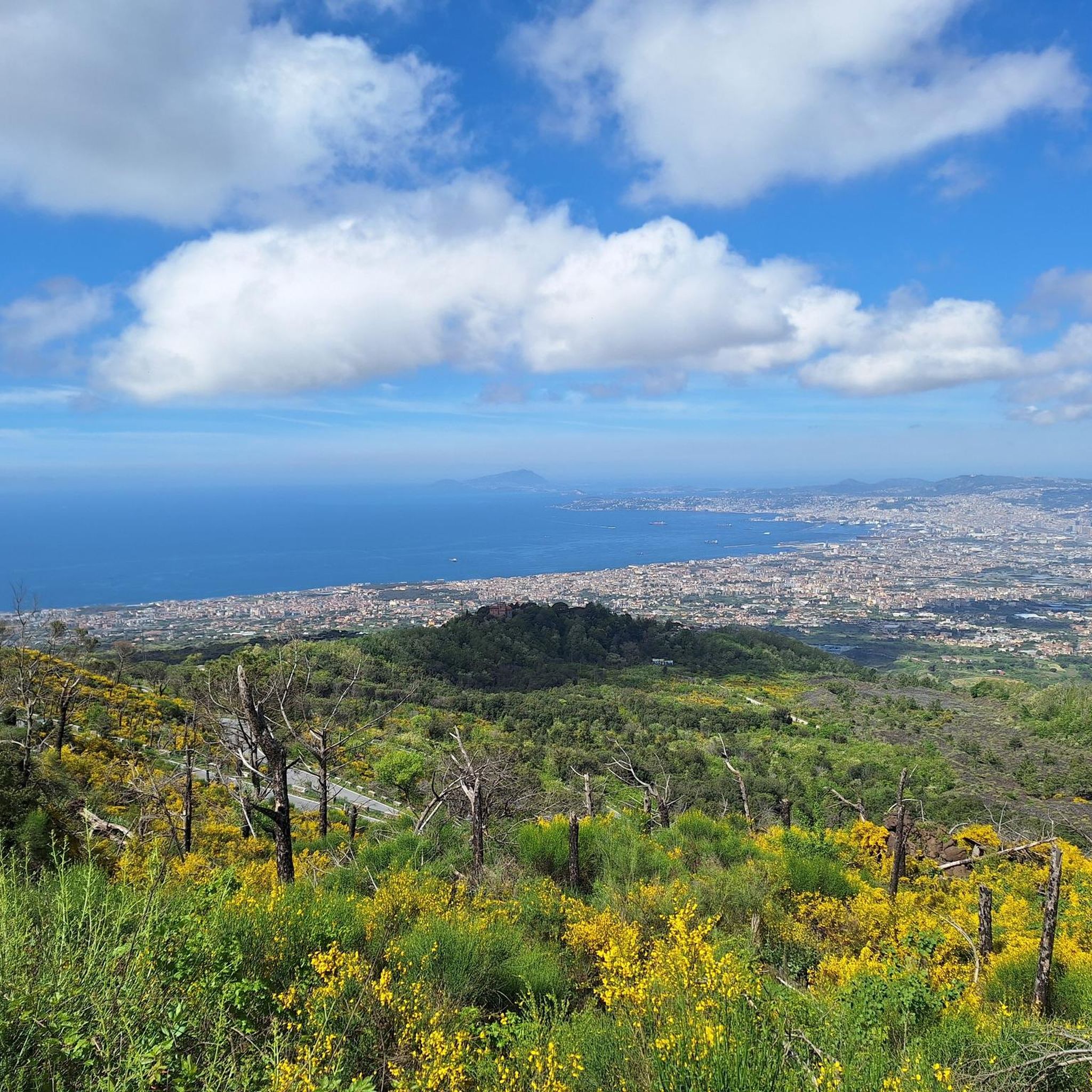
- The most popular caves is Grotta Fissure, a natural monument that offers a view…
Last updated: June 30, 2026
Naples Underground
Highlight • Cave
Translated by Google •
Tip by

Grotta Fissure
Highlight (Segment) • Cave
Translated by Google •
Tip by

Sign up now to discover places like this
Get recommendations on the best single tracks, peaks, & plenty of other exciting outdoor places.
Sign up for free
Port of Naples
Highlight • Structure
Translated by Google •
Tip by

San Lorenzo Maggiore Underground Roman Ruins
Highlight • Historical Site
Translated by Google •
Tip by

Madonna di Castello Cave at Gavète
Highlight • Cave
Translated by Google •
Tip by

Start today with a free account
Your next adventure awaits.
Login or Signup
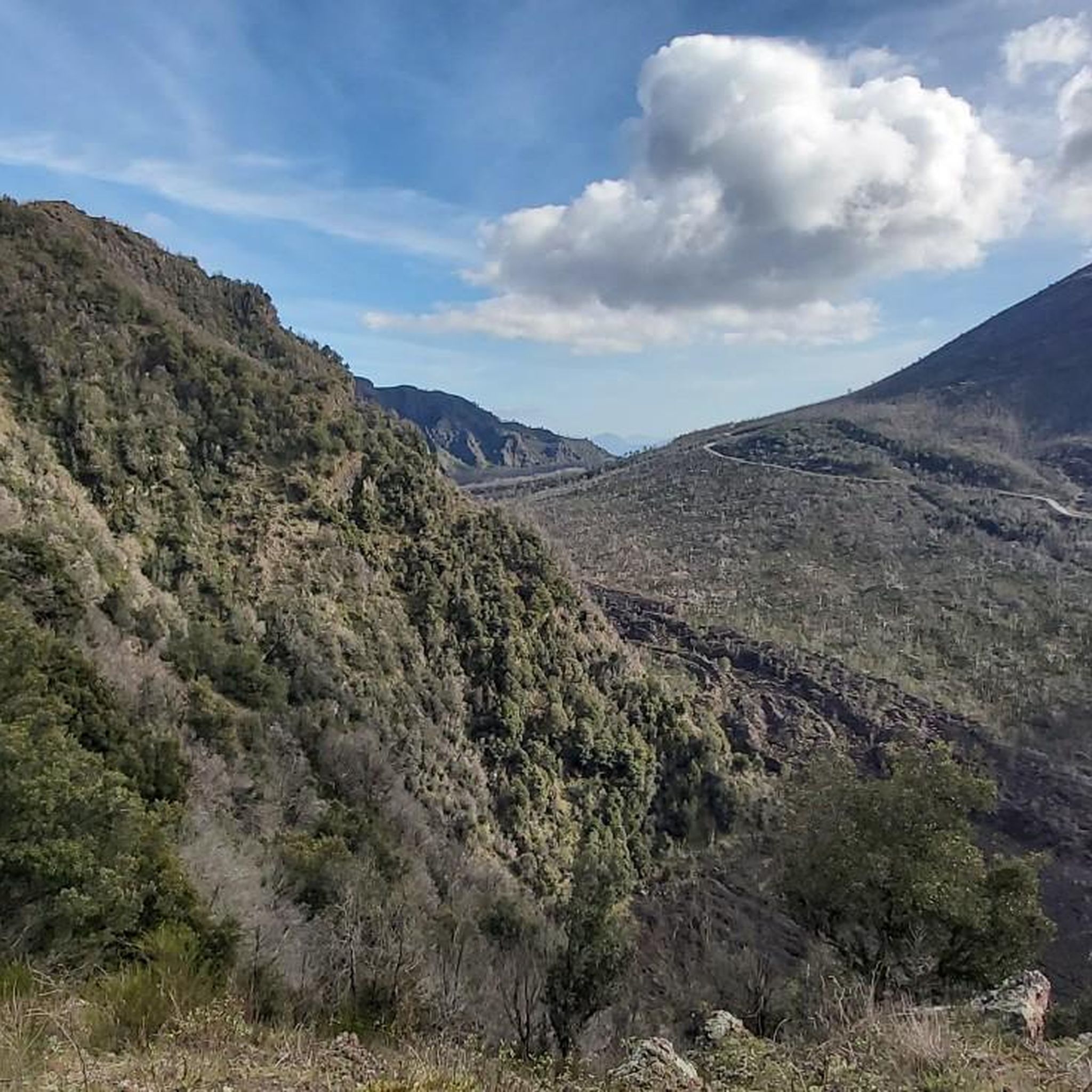
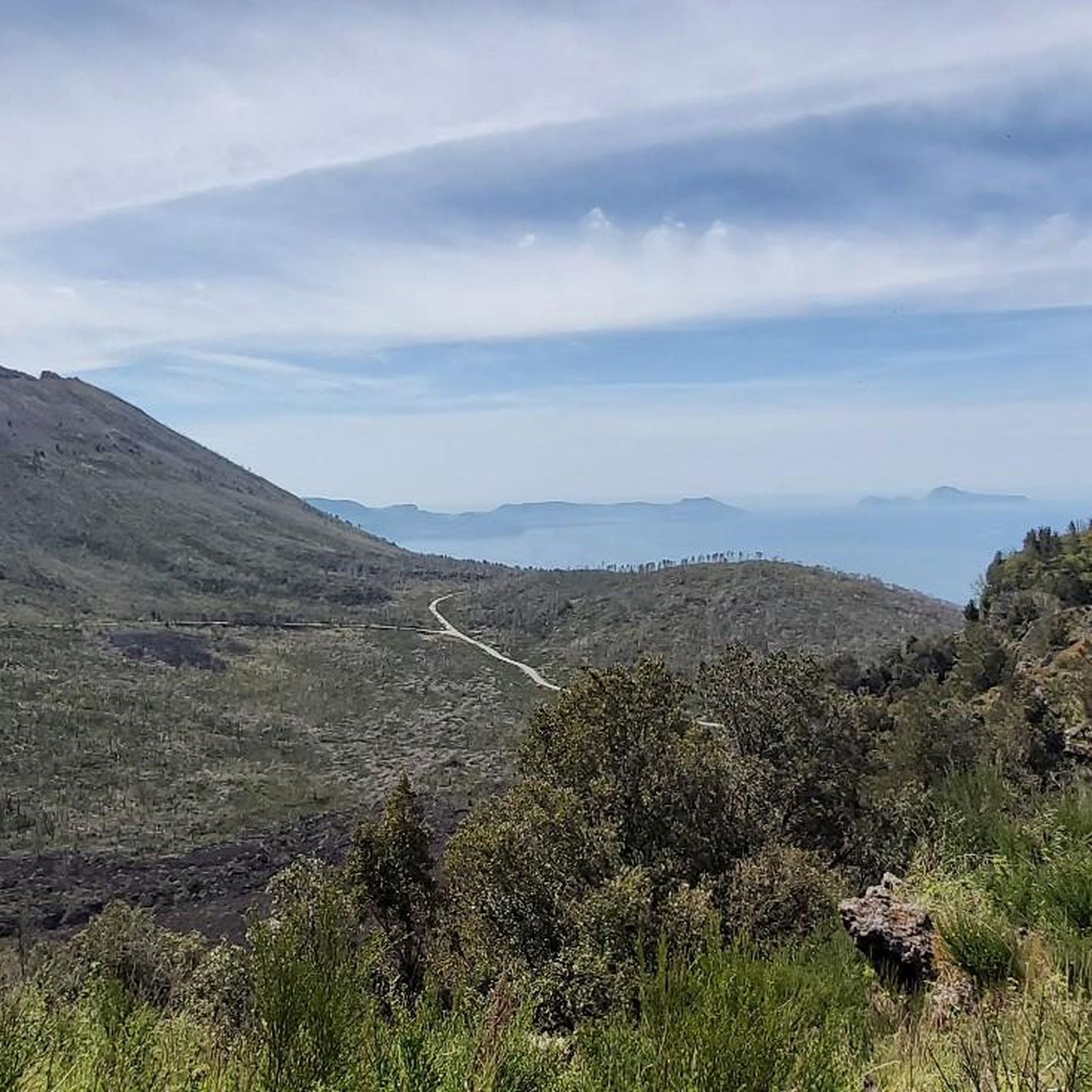
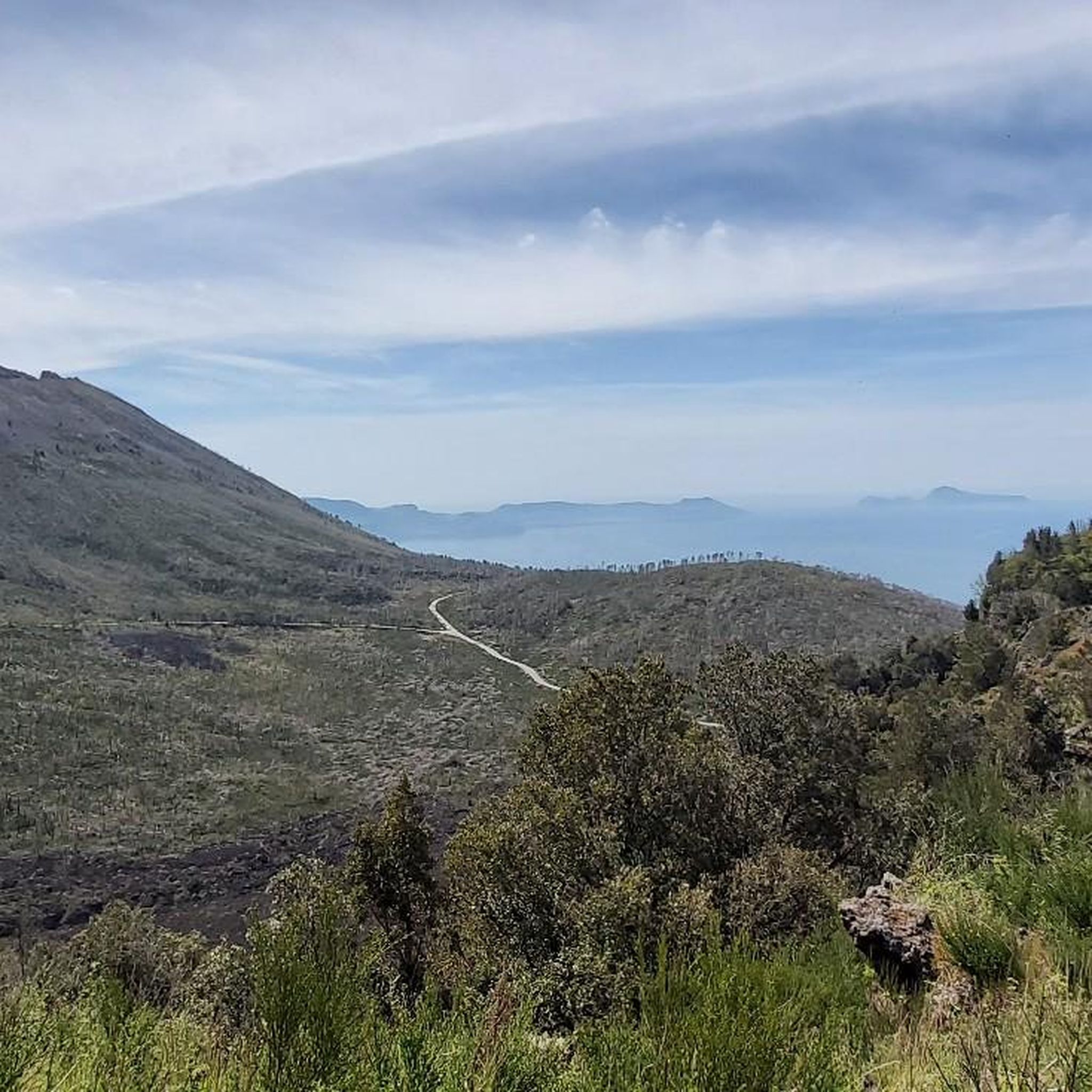
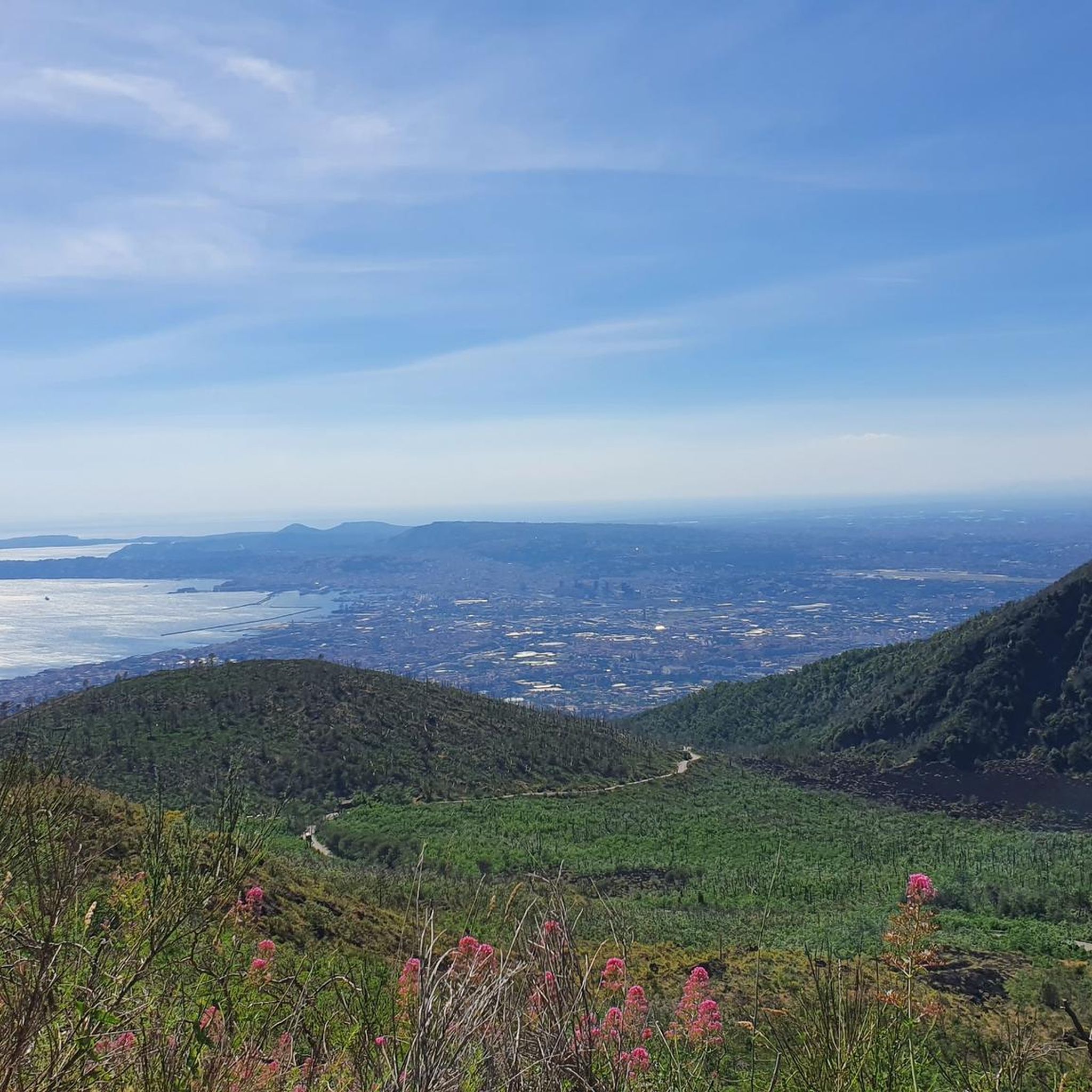

Tips from the Community

A route in ancient Neapolis where you can walk along a street from that era with its shops and appreciate the Cryptoporticus and the Macellum. https://www.laneapolissotterrata.it
1
0

There is so much to see and visit in Naples; it cannot be explained in a comment
0
0
The port is divided into various parts where hydrofoils, cruise ships, etc. depart. Near the port there is the metro station
0
0
The subsoil of Naples is crossed by a large network of tunnels, galleries, aqueducts and spaces dug and used by man throughout history...
0
0

In the off-season (end of October) I was even able to get a guided tour at 2pm without booking in advance.
2
0

Lots of traffic at the port. The metro is right next to it.
3
0

Many ancient passages, sometimes narrow, sometimes wide
1
0
Frequently Asked Questions
What kind of underground sites can I explore in Pollena Trocchia?
Pollena Trocchia is known for its historical human activity underground, rather than natural cave systems. You can explore archaeological sites, ancient quarries, and man-made structures. Notable examples include Naples Underground and San Lorenzo Maggiore Underground Roman Ruins, which offer insights into the region's past.
Are there any natural caves or geological features to visit in Pollena Trocchia?
While the region is primarily known for man-made underground structures, you can find some natural geological features. The Grotta Fissure is a natural monument that allows for a short exploration into a lava gap and offers views of the 'Hell's valley'. Additionally, the Madonna di Castello Cave at Gavète is a natural cave with religious significance.
What is the Masseria De Carolis Roman Bath Complex?
The Masseria De Carolis Roman Bath Complex is an archaeological site in Pollena Trocchia, discovered during excavation for volcanic material. It's a well-preserved Roman bath complex, hypothesized to be part of a larger villa, dating to the 1st and 2nd centuries AD. It was buried by the AD 472 eruption and offers a unique glimpse into Roman daily life, though it is an archaeological site rather than a natural cave.
What can I expect when visiting Naples Underground?
Naples Underground is a historical site featuring tunnels and rooms created centuries before Christ. A guided tour typically lasts around 50 minutes, leading you through thousands of years of history beneath the city.
What are the San Lorenzo Maggiore Underground Roman Ruins?
Located seven meters below street level, the San Lorenzo Maggiore Underground Roman Ruins reveal a remarkably preserved Roman commercial and residential street from almost 2,000 years ago. Visitors can explore ancient passages, some narrow and some wide, offering a direct journey back in time.
Are the underground sites around Pollena Trocchia suitable for families?
Many of the historical underground sites, such as Naples Underground and San Lorenzo Maggiore Underground Roman Ruins, offer guided tours that can be engaging for families interested in history and archaeology. It's advisable to check specific site requirements for young children, as some passages might be narrow.
What outdoor activities can I do near the caves around Pollena Trocchia?
The area around Pollena Trocchia, particularly near Mount Vesuvius, offers various outdoor activities. You can find numerous running trails, including difficult loops around the crater of Mount Vesuvius. There are also extensive MTB trails, such as the 'Grotta Fissure – Singletrack to Strada Matrone loop', and road cycling routes with views of the Gulf of Naples. For more details, explore the Running Trails around Pollena Trocchia, MTB Trails around Pollena Trocchia, and Road Cycling Routes around Pollena Trocchia guides.
Are there hiking trails near the underground sites?
Yes, the region offers several hiking opportunities, especially within the Vesuvius National Park. While specific trails directly to the underground sites might vary, you can find challenging running and hiking routes like 'The great cone of Vesuvio - loop tour' and 'Crater of Mount Vesuvius – Mount Vesuvius loop'. These trails provide excellent opportunities to explore the natural landscape surrounding Pollena Trocchia. You can find more information in the Running Trails around Pollena Trocchia guide.
What do visitors enjoy most about the underground sites in Pollena Trocchia?
Visitors frequently highlight the unique historical experience offered by the underground sites. They appreciate the opportunity to travel back in time, exploring ancient Roman streets and tunnels. The well-preserved nature of sites like San Lorenzo Maggiore Underground Roman Ruins and the guided tours at Naples Underground are often cited as very beautiful and recommended experiences.
Is the Madonna di Castello Cave at Gavète open to the public?
The Madonna di Castello Cave at Gavète is a natural cave with a lava stone depiction of the Madonna. It is a site of local pilgrimage, particularly on May 1st, when a solemn mass is held. While accessible, it's primarily known for its religious significance and community events.
What is the best season to visit the underground sites in Pollena Trocchia?
The underground sites, being indoors, are generally suitable for visiting year-round. However, for exploring the surrounding area and hiking trails, spring (April-May) and autumn (September-October) offer pleasant weather, avoiding the peak heat of summer and potential winter chill.
Are there any challenging underground explorations in the area?
Some sites, like the Grotta Fissure, are categorized as challenging due to the nature of the terrain and requiring attention to head clearance. For historical sites like San Lorenzo Maggiore Underground Roman Ruins, some passages can be narrow, adding to the exploratory feel.
Most popular routes around Pollena Trocchia
Most popular attractions around Pollena Trocchia

Get inspired with the komoot mobile app


Explore more
Extend your search for the best caves by checking out these guides of the top ones around Pollena Trocchia:
