Top 8 Castles around Pannarano
Best castles around Pannarano are situated in a medieval village in the Province of Benevento, Italy. This area, nestled at the foot of Mount Partenio and within the Partenio Regional Park, offers a rich historical context. Pannarano has ancient origins, with archaeological findings dating back to the Samnite and Roman periods. The region is characterized by its strategic elevated positions, providing panoramic views of the surrounding massifs.
Best castles around Pannarano
- The most popular castles is Castello di Tufo,…
Last updated: June 30, 2026
Montesarchio
Highlight • Settlement
Translated by Google •
Tip by

Monteforte Irpino Castle
Highlight • Castle
But the history of Monteforte …
Translated by Google •
Tip by

Sign up now to discover places like this
Get recommendations on the best single tracks, peaks, & plenty of other exciting outdoor places.
Sign up for free
Castello di Tufo
Highlight • Castle
Translated by Google •
Tip by

Ruins of Mercogliano Castle
Highlight • Castle
Translated by Google •
Tip by
Macedonio Castle of Grottolella
Highlight • Castle
Translated by Google •
Tip by
Sign up for free to discover even more castles around Pannarano.
Sign up for free
Already have an account?
Start today with a free account
Your next adventure awaits.
Login or Signup

Tips from the Community

the park/green area is located next to the castle. there is parking, with a picnic area
0
0

The Castle of Monteforte was probably an ancient Roman castrum, on which a real castle was probably built by the Lombards in the 7th-8th century. But the history of Monteforte is very ancient: traces of its existence can be found already during the Second Punic War (fought between Rome and Carthage from 218 BC to 202 BC), when Annibale Barca passed through it on his way back from Capua towards Cannae, where he prepared the historic trap against the Romans. The first certain information we have about the village is contained in a document from 1102 preserved in the Montevergine Archives. In the Angevin period, it passed to the Princes of Montfort and Count Guido de Monfort lived there, who killed Prince Henry of England in 1271 in the cathedral of Viterbo. Having committed the crime, he was deprived of his possessions which passed to the Orsini family, whose lineage they remained in until 1806. The Castle was renovated and transformed into a summer residence by Charles of Anjou who lived there several times from 1271 to 1280. It was abandoned to itself from the 16th century; legend has it that who knows what treasures were buried in it, unfortunately this gave greedy hands the opportunity to complete its destruction.
11
0

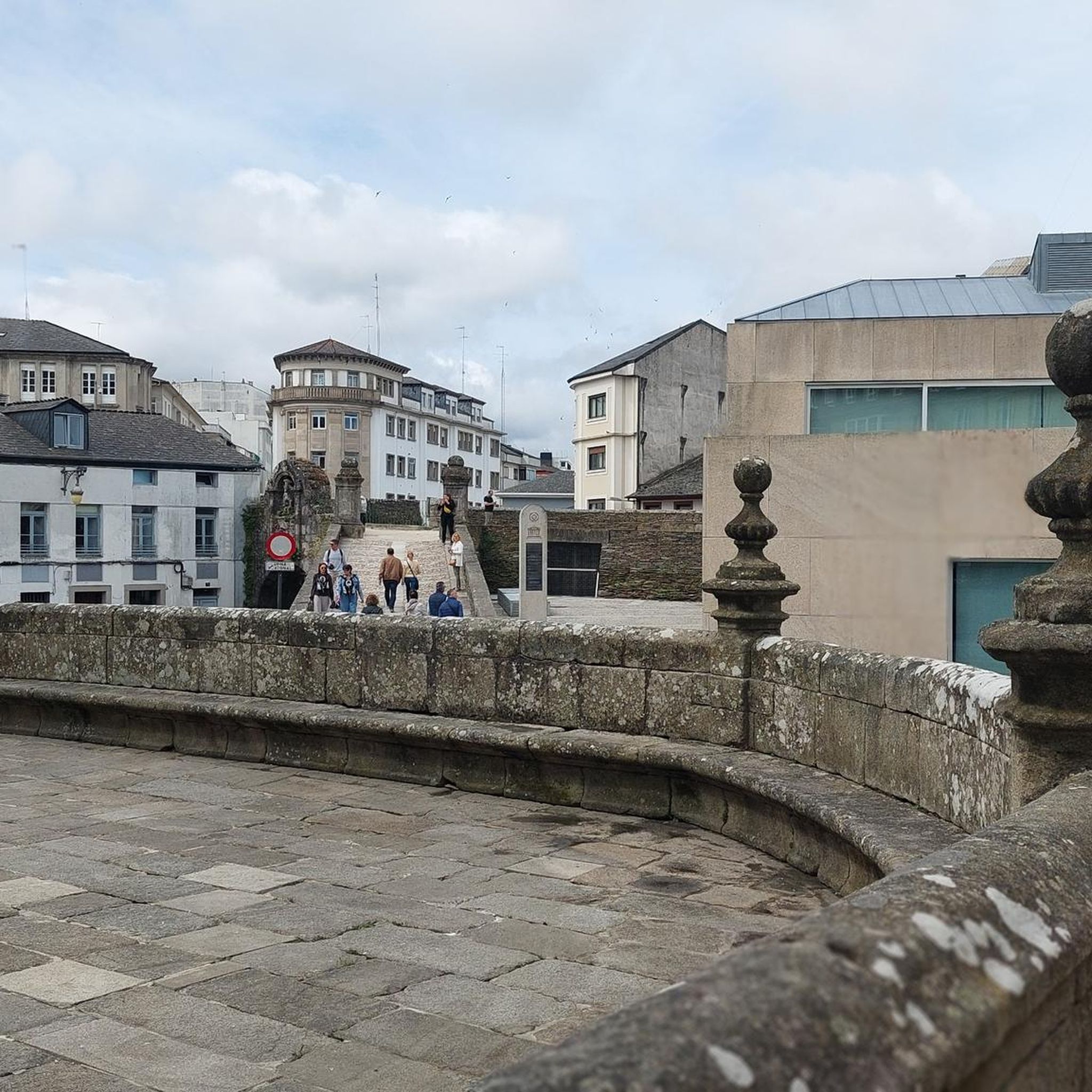
Montesarchio stands on a hill on the slopes of Monte Taburno, in the Caudina Valley, and is one of the entrances to the Taburno Camposauro Regional Park. It has ancient origins from the Samnites and the Romans, and is famous for its medieval castle that stands out in the panorama.
1
0

Ruins of the Castle of the hamlet of Mercogliano "Capocastello"
1
0

The castle of Grottolella built in 1083 on a pre-existing Lombard stronghold in control of the old village of Grottolella
1
0
The roots and history of Greco di Tufo one of the most famous white wines in the world
1
0
The Castle dominates the old village over the valley crossed by the San Giulio stream, built on a pre-existing Lombard stronghold in the second half of the 11th century, it was besieged and destroyed by the troops led by Ruggiero II the Norman.
0
0
Panoramic point of the Castle of Monteforte Irpino
4
0
Frequently Asked Questions
What kind of historical significance do the castles around Pannarano hold?
The castles and their remnants in the Pannarano region are deeply rooted in history, with some sites having origins dating back to the Samnite and Roman periods. They served crucial defensive roles, controlling strategic passages and changing hands among various feudal families. Exploring these sites offers a tangible connection to the region's rich past, from ancient fortifications to medieval strongholds.
What remains of the original feudal castle in Pannarano itself?
While the grand feudal castle of Pannarano no longer stands in its entirety, its historical site is now occupied by Palazzo Cocozza. Only faint architectural elements remain of the original military structure. However, a surviving cylindrical tower with a sloping base can still be found in Vico Torre, representing the sole remaining element of the medieval urban fortifications that once protected the town.
Which castles are known for their panoramic views in the Pannarano area?
Several castle sites offer impressive views. For instance, Montesarchio, situated on a hill, provides a prominent panorama. Similarly, the site of the former feudal castle in Pannarano, now Palazzo Cocozza, offers favorable panoramic views of the surrounding Partenio and Taburno massifs due to its strategic elevated position. Monteforte Irpino Castle is also noted as a panoramic point.
Are there hiking trails near the castles around Pannarano?
Yes, the region around Pannarano, including areas near the castles, offers various hiking opportunities. You can find trails like the Alta Via del Partenio Loop or the Toppola Grande Summit loop. For more details on routes and their difficulty, you can explore the Hiking around Pannarano guide.
What other outdoor activities can I do near these historical sites?
Beyond hiking, the area around Pannarano is suitable for cycling and mountain biking. There are numerous routes, such as the Sentiero Italia Cycle Trail for mountain biking or the Medieval Tower of Summonte loop for touring bicycles. For detailed information on routes and their difficulty, check out the MTB Trails around Pannarano and Cycling around Pannarano guides.
Which castles are recommended for visitors interested in ancient history?
For those interested in ancient history, Montesarchio is a great choice, as it has ancient origins from the Samnites and Romans. Similarly, the site of Monteforte Irpino Castle is believed to have been an ancient Roman castrum, with its history tracing back to the Second Punic War.
Is there a specific castle that marks the end of a climb or offers a unique experience?
Yes, Castello di Tufo is notable as a castle that marks the end of a climb, offering a rewarding experience for those who enjoy a challenging ascent to a historical site.
What is the best time of year to visit the castles in the Pannarano region?
Given the region's location at the foot of Mount Partenio, spring and autumn generally offer the most pleasant weather for exploring the castles and their surroundings. Temperatures are milder, making outdoor activities and walking through medieval villages more comfortable. Summer can be warm, while winter might be cooler with potential for rain or snow at higher elevations.
How much time should I allocate to visit the castles around Pannarano?
To fully appreciate the historical context and explore the remnants of several castles, including the site in Pannarano itself, Montesarchio, and other nearby highlights, it's recommended to allocate at least a full day. If you plan to combine castle visits with hiking or cycling, you might consider a multi-day trip to explore the region more thoroughly.
Are there any castle ruins that offer insight into the region's defensive past?
Absolutely. The Ruins of Mercogliano Castle are a prime example. This ancient castle once dominated the Via del Partenio and was primarily intended to defend and control passage on the western side, offering a clear insight into the strategic defensive architecture of the past.
What is the typical character of the medieval village of Pannarano?
The ancient part of Pannarano retains the typical character of a medieval village. It features narrow streets and alleys that wind their way up towards the former castle site, now Palazzo Cocozza. Exploring these pathways allows visitors to immerse themselves in the historical layout and imagine the defensive nature of the settlement.
Are there any castles built on pre-existing strongholds in the area?
Yes, Macedonio Castle of Grottolella was built in 1083 on a pre-existing Lombard stronghold. This highlights the continuous strategic importance of certain locations throughout different historical periods in the region.
Most popular attractions around Pannarano

Get inspired with the komoot mobile app


Explore more
Looking for the best castles somewhere else? Discover other guides around Pannarano:
