Top 8 Castles around Pietrastornina
Best castles around Pietrastornina are often found in strategic locations, reflecting the region's historical importance. Pietrastornina itself features a notable Lombard castle built upon a distinctive geological formation known as the "Guglia Rocciosa," a rocky spire rising over 70 meters. This area served as a crucial military installation, allowing observation of the Caudine Valley and guarding nearby religious sites. The historical landmarks Pietrastornina area offers a glimpse into centuries of feudal rule and strategic defense.
Best castles around Pietrastornina
- The…
Last updated: October 17, 2026
Montesarchio
Highlight • Settlement
Translated by Google •
Tip by

Monteforte Irpino Castle
Highlight • Castle
But the history of Monteforte …
Translated by Google •
Tip by

Sign up now to discover places like this
Get recommendations on the best single tracks, peaks, & plenty of other exciting outdoor places.
Castello di Tufo
Highlight • Castle
Translated by Google •
Tip by

Ruins of Mercogliano Castle
Highlight • Castle
Translated by Google •
Tip by
Macedonio Castle of Grottolella
Highlight • Castle
Translated by Google •
Tip by
Sign up for free to discover even more castles around Pietrastornina.
Already have an account?
Start today with a free account
Your next adventure awaits.

Tips from the Community

the park/green area is located next to the castle. there is parking, with a picnic area
0
0

The Castle of Monteforte was probably an ancient Roman castrum, on which a real castle was probably built by the Lombards in the 7th-8th century. But the history of Monteforte is very ancient: traces of its existence can be found already during the Second Punic War (fought between Rome and Carthage from 218 BC to 202 BC), when Annibale Barca passed through it on his way back from Capua towards Cannae, where he prepared the historic trap against the Romans. The first certain information we have about the village is contained in a document from 1102 preserved in the Montevergine Archives. In the Angevin period, it passed to the Princes of Montfort and Count Guido de Monfort lived there, who killed Prince Henry of England in 1271 in the cathedral of Viterbo. Having committed the crime, he was deprived of his possessions which passed to the Orsini family, whose lineage they remained in until 1806. The Castle was renovated and transformed into a summer residence by Charles of Anjou who lived there several times from 1271 to 1280. It was abandoned to itself from the 16th century; legend has it that who knows what treasures were buried in it, unfortunately this gave greedy hands the opportunity to complete its destruction.
11
0

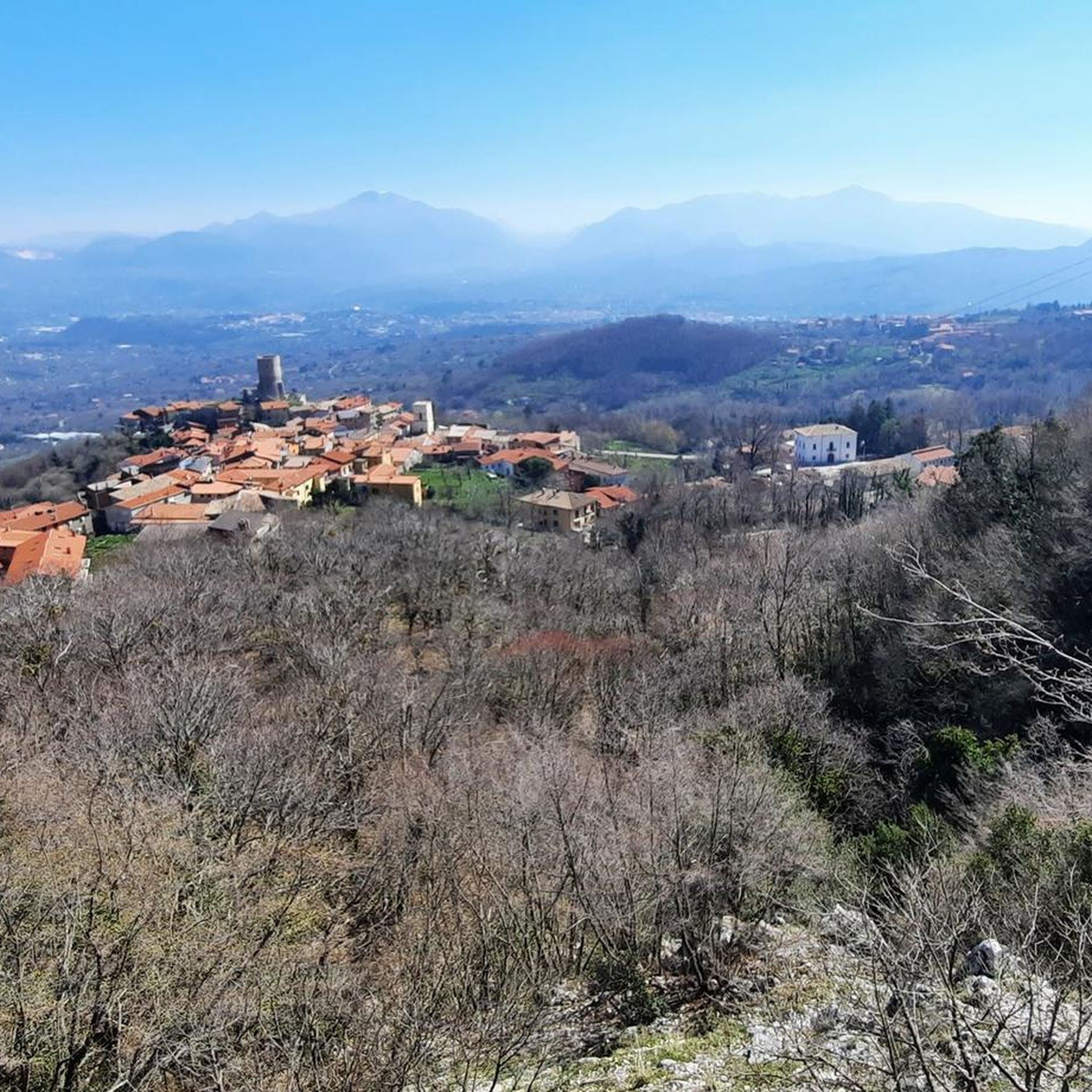
Montesarchio stands on a hill on the slopes of Monte Taburno, in the Caudina Valley, and is one of the entrances to the Taburno Camposauro Regional Park. It has ancient origins from the Samnites and the Romans, and is famous for its medieval castle that stands out in the panorama.
1
0

Ruins of the Castle of the hamlet of Mercogliano "Capocastello"
1
0

The castle of Grottolella built in 1083 on a pre-existing Lombard stronghold in control of the old village of Grottolella
1
0
The roots and history of Greco di Tufo one of the most famous white wines in the world
1
0
The Castle dominates the old village over the valley crossed by the San Giulio stream, built on a pre-existing Lombard stronghold in the second half of the 11th century, it was besieged and destroyed by the troops led by Ruggiero II the Norman.
0
0
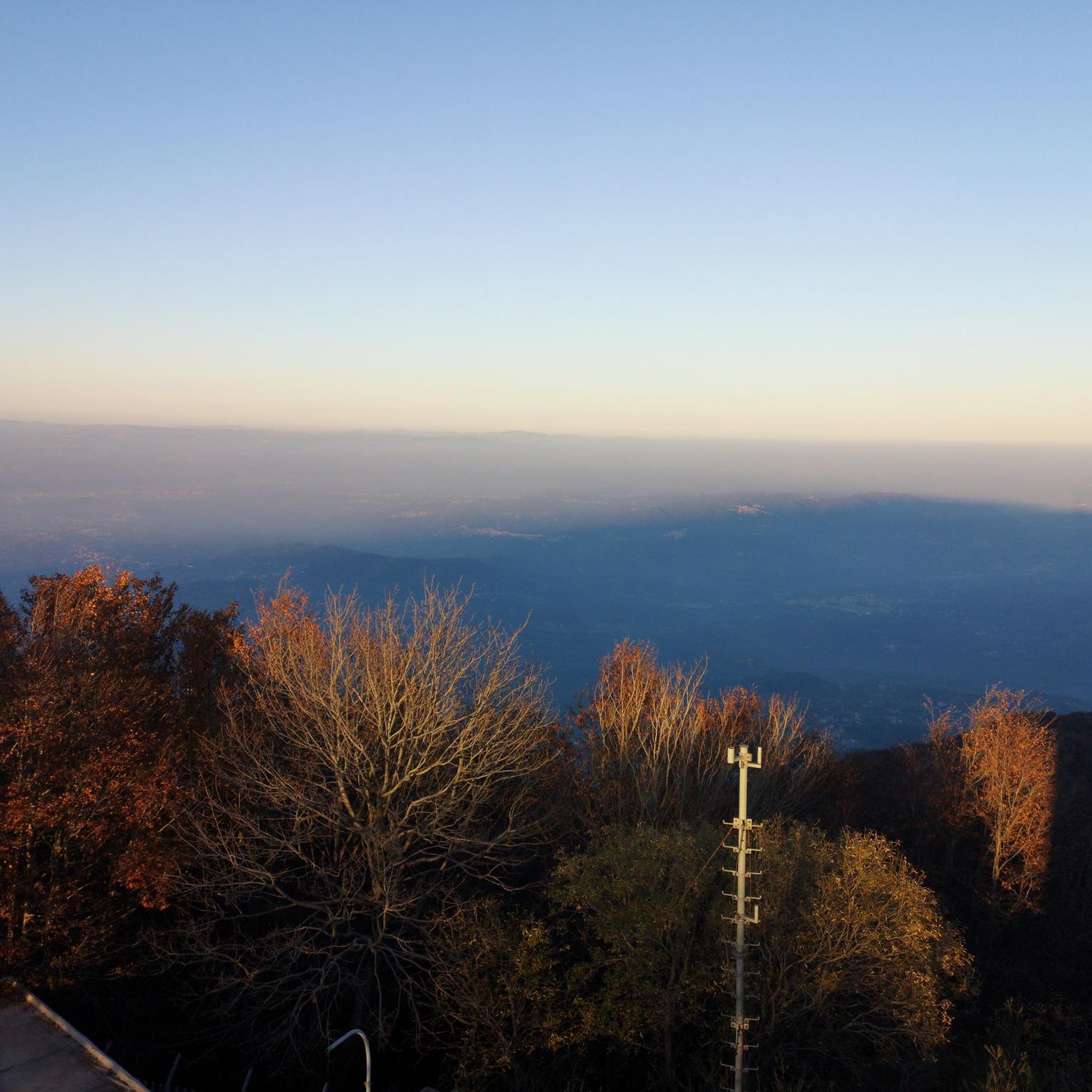
Panoramic point of the Castle of Monteforte Irpino
4
0
Frequently Asked Questions
What is the historical significance of the castles around Pietrastornina?
The castles in this region, including the Lombard castle in Pietrastornina itself, played a crucial role in controlling the Caudine Valley and guarding important sites like the Montevergine monastery. They reflect centuries of feudal rule and strategic defense, with origins dating back to the Lombard era and even earlier Roman castrums. For example, the Monteforte Irpino Castle has ties to the Second Punic War and was later renovated by Charles of Anjou.
Are there any castles built on unique natural formations in the area?
Yes, the historical Lombard castle in Pietrastornina is famously built upon a distinctive geological formation known as the "Guglia Rocciosa" or "rocky spire." This spire rises over 70 meters above the town, serving as a natural defensive position and making the site unique for its integration of natural landscape with fortifications.
Which castles offer panoramic views of the surrounding landscape?
Many castles in the region were strategically placed for observation. The ruins of Pietrastornina's Lombard castle offer panoramic views of the Caudine Valley. Additionally, Montesarchio, with its medieval castle, stands out in the panorama, and the Monteforte Irpino Castle is noted as a panoramic point.
What outdoor activities can I do near these castles?
The area around Pietrastornina offers various outdoor activities. You can find numerous hiking and cycling routes. For hiking, consider exploring trails like the Monte Vallatrone Loop or the Partenio Mountains High Route. For cycling, options range from easy rides like Beltiglio to Arpaise to more challenging routes such as the Stretto di Barba loop. You can find more details on these activities in the hiking guide and cycling guide for Pietrastornina.
Are there any castles associated with local products or traditions?
Yes, Castello di Tufo is notably associated with the history of Greco di Tufo wine, one of the most famous white wines in the world. Visiting this castle offers a connection to the region's rich viticultural heritage.
What is the best time of year to visit the castles around Pietrastornina?
While specific weather conditions can vary, generally, spring and autumn offer pleasant temperatures for exploring the castle ruins and engaging in outdoor activities like hiking. These seasons avoid the peak heat of summer and the colder, potentially wetter conditions of winter, making for a more comfortable visit.
Can I visit the Pietrastornina castle, and what should I expect?
The Castle of Pietrastornina, though largely in ruins, is worth visiting for its historical context and unique geological setting on the "Guglia Rocciosa." You can explore remnants of perimeter walls and imagine the complex defensive system. Visits can often be arranged by appointment. For more information, you might check resources like Visit Italy.
Are there any castles that were important for defending ancient routes?
Absolutely. The Ruins of Mercogliano Castle, for instance, dominated its town and was primarily intended to defend and prevent passage on the western side, particularly along the ancient Via del Partenio. Similarly, the Macedonio Castle of Grottolella was built on a pre-existing Lombard stronghold to control the old village and the valley crossed by the San Giulio stream.
What kind of historical periods do the castles in this region represent?
The castles around Pietrastornina showcase a broad spectrum of historical periods. You can find evidence of ancient Roman castrums, Lombard strongholds from the 7th-8th centuries, and medieval fortresses. These structures offer insights into various eras, from the Punic Wars to the Angevin period and later feudal rule.
Are there any castles that are good starting points for exploring natural parks?
Yes, the settlement of Montesarchio, known for its prominent medieval castle, serves as one of the entrances to the Taburno Camposauro Regional Park. This makes it an excellent starting point for combining historical exploration with nature walks or hikes within the park.
What do visitors appreciate most about the castles in the Pietrastornina area?
Visitors often appreciate the profound historical context and the unique geological settings of these castles. The ability to explore ancient ruins and imagine the complex defensive systems, coupled with panoramic views of the surrounding landscape, makes for a compelling experience. The komoot community has shown its appreciation with numerous upvotes and shared photos.
Most popular attractions around Pietrastornina

Get inspired with the komoot mobile app


Explore more
Looking for the best castles somewhere else? Discover other guides around Pietrastornina:
