Top 8 Castles around Galatone
Best castles around Galatone reveal a rich history reflected in its fortified structures. The town, located in Salento, Italy, features significant examples of historical architecture. These structures showcase the evolution from military fortresses to refined palatial residences. Visitors can observe various architectural styles, including 16th-century and Baroque elements.
Best castles around Galatone
- The most popular castles is Gallipoli Castle and the Ravelin, a castle that is almost completely surrounded by the sea. It was probably built as early as…
Last updated: October 17, 2026
Gallipoli Castle and the Ravelin
Highlight • Castle
Translated by Google •
Tip by

Baronial Palace of Collepasso
Highlight • Castle
Translated by Google •
Tip by

Sign up now to discover places like this
Get recommendations on the best single tracks, peaks, & plenty of other exciting outdoor places.
Copertino Castle
Highlight • Castle
Translated by Google •
Tip by
Angevin-Aragonese Castle
Highlight • Castle
Showing Translation
Tip by

Galatone Castle
Highlight • Castle
Translated by Google •
Tip by
Sign up for free to discover even more castles around Galatone.
Already have an account?
Start today with a free account
Your next adventure awaits.
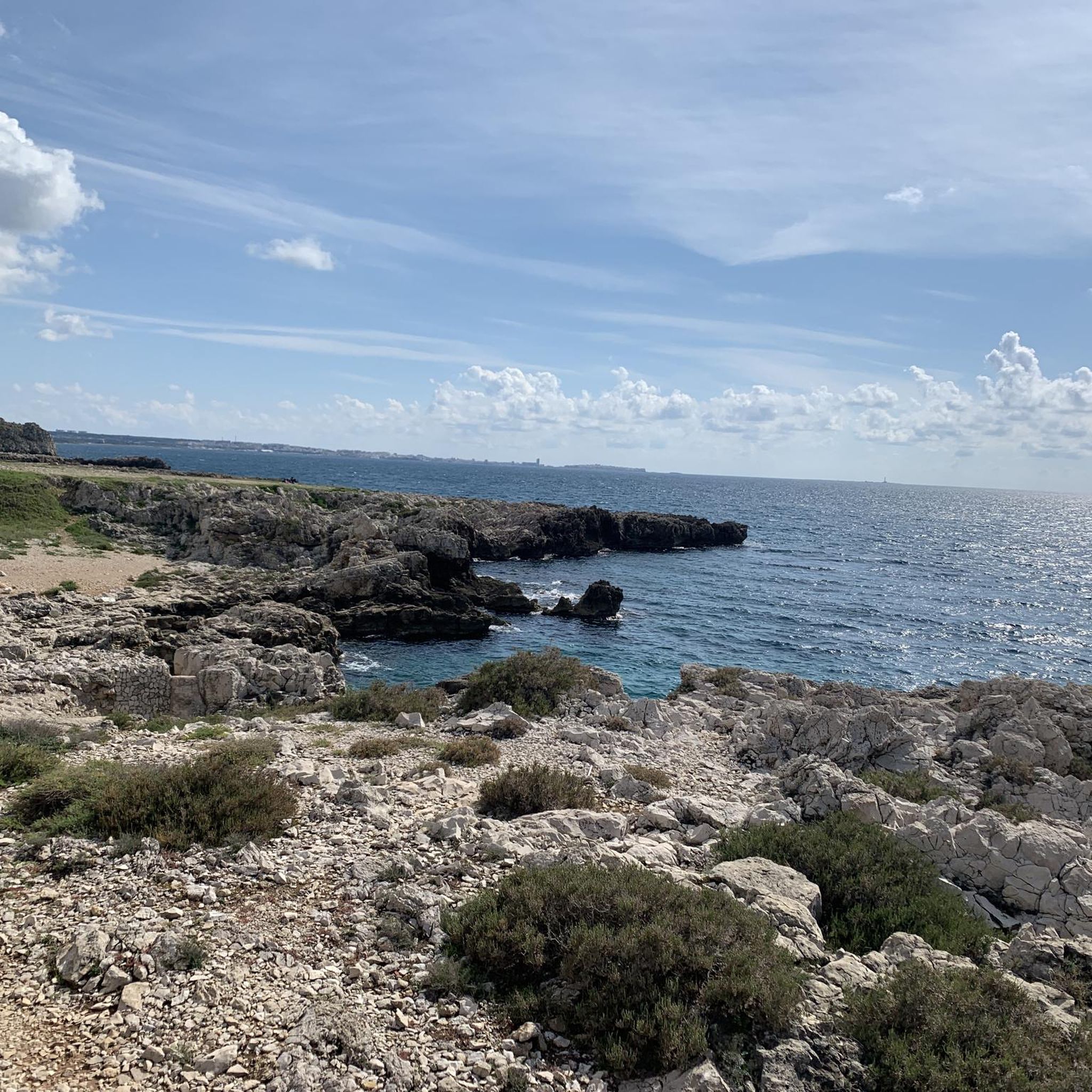
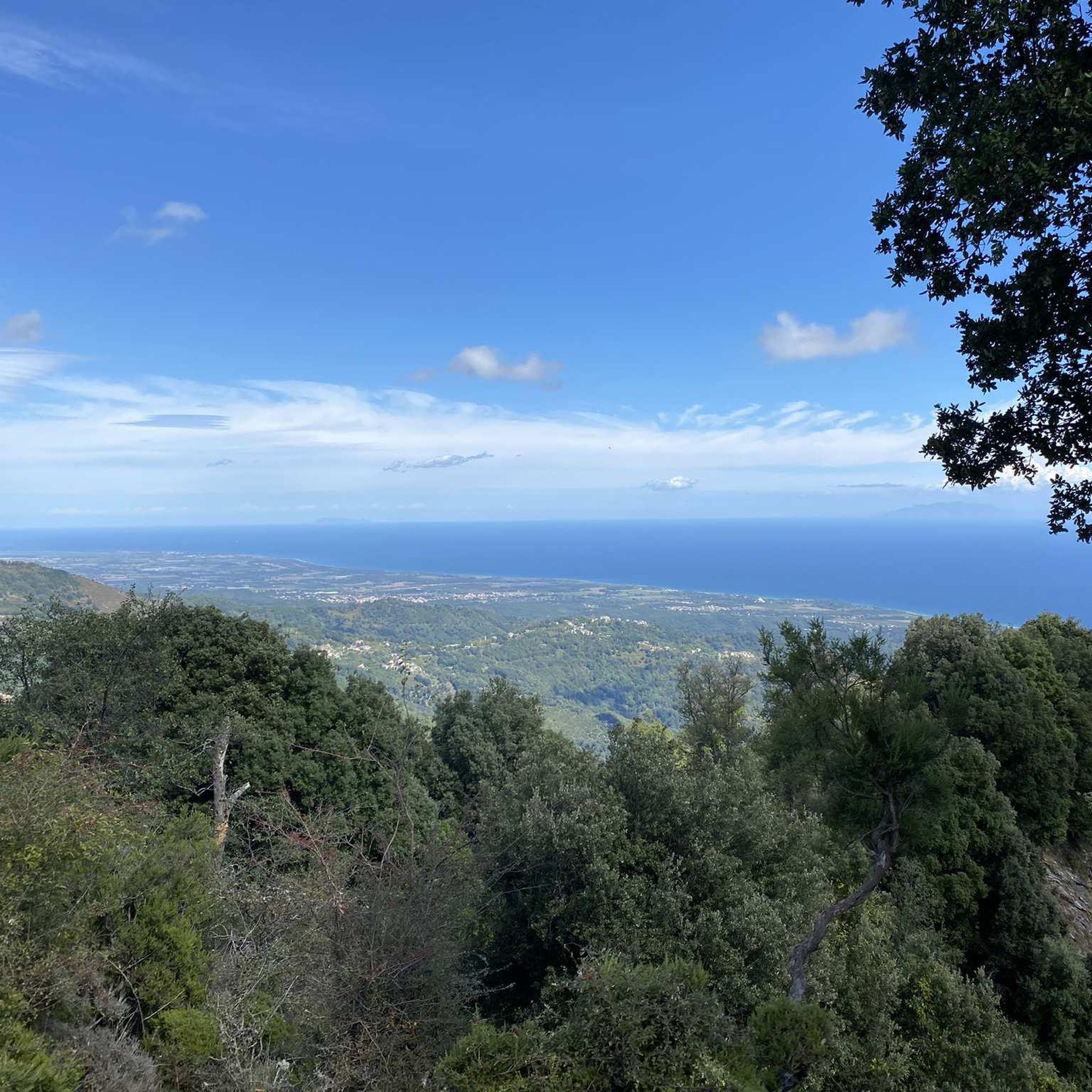
Tips from the Community

On the island of Gallipoli, you should absolutely not just stroll around but also stay for 1-2 days! The sunset, visible from the numerous terraces of the fortress wall, is hard to beat ⭐️⭐️⭐️⭐️⭐️ An overnight stay in the middle of the old town was the perfect starting point for this 👍👍
0
0

The delicacies of the sea presented in the boat's hull, as when fishing
1
0

The Castle of Gallipoli is a splendid fortress on the sea, famous for its isolated Rivellino and its large barrel-vaulted halls.
0
0
The Angevine-Aragonese Castle is the gateway to the old town of Gallipoli, which lies on an island off the mainland and is connected by a bridge. Worth seeing
1
0

A symbol of Galatone, it is one of the most characteristic baroque references of Salento. A treasure chest to see and enjoy. Part of the Ciclonica Circuit https://cicloturismo.puglia.it/ciclovia-salento-ionico/
0
0

Splendid medieval castle in the city centre
0
0

It is a classic fortified structure deeply renovated over the centuries on a pre-existing Byzantine and medieval structure.
1
0
Built on the foundations of an ancient Byzantine defensive tower and remodeled several times starting from the 16th century until the 18th century, the period in which it took on its current form desired by the feudal lord Oronzo Leuzzi. Declared a building of cultural interest since 1987, it deserves to be visited without any doubt.
1
0
Frequently Asked Questions
What types of castles can I expect to find around Galatone?
The Galatone area features a mix of historical fortifications, from medieval military structures to more refined palatial residences. You'll find examples like the Norman-built Castello di Fulcignano, known for its robust limestone walls and square towers, and the elegant Palazzo Marchesale, which evolved from a military fortress into a noble dwelling with Baroque elements.
Are there any castles near Galatone that are particularly good for families?
Yes, several castles around Galatone are considered family-friendly. For instance, the Gallipoli Castle and the Ravelin is a popular choice, offering a fascinating historical experience almost entirely surrounded by the sea. Copertino Castle, a splendid medieval castle in the city center, is also well-suited for family visits. Additionally, the Baronial Palace of Collepasso is noted as family-friendly.
What is the historical significance of the castles in the Galatone region?
The castles in the Galatone region offer a deep dive into its feudal past and the architectural evolution over centuries. Structures like the Palazzo Marchesale showcase transformations from military fortresses to palatial residences, reflecting the changing needs of feudal lords. The Castello di Fulcignano, with its Norman origins, provides a tangible link to medieval military architecture and the defensive structures that once dotted the landscape.
Can I visit the Palazzo Marchesale in Galatone?
Yes, the Palazzo Marchesale in Galatone is a significant historical site. It's known for its 16th-century portal, elegant facade with Baroque decorations, and its evolution from a military fortress to a noble residence. Today, it reportedly houses a radio and Leonardo Da Vinci museum, offering cultural insights and splendid views of the Sanctuary and Mother Church.
What makes the Castello di Fulcignano unique?
The Castello di Fulcignano stands out for its Norman origins, dating back to the 12th-14th centuries. It features robust limestone walls and distinctive square towers with internal circular plans. Despite being part of an abandoned farmhouse, its preserved features, including a pointed arch portal and vaulted interiors, offer a magical atmosphere immersed in the countryside, providing a direct connection to Galatone's ancient past.
Are there any castles near Galatone that are located by the sea?
Yes, the Gallipoli Castle and the Ravelin is a prominent example. It's almost completely surrounded by the sea, standing at the eastern end of the island that houses the ancient village of Gallipoli. This castle has a long history, likely built as early as the 11th century on Roman fortifications and rebuilt in the 13th century.
What kind of architectural styles can be observed in the castles around Galatone?
The castles around Galatone display a range of architectural styles reflecting their long histories. You can see Norman influences, particularly in the robust construction of the Castello di Fulcignano. The Palazzo Marchesale exhibits 16th-century elements, including its portal, and later Baroque decorations on its facade. The Baronial Palace of Collepasso, built with typical Lecce stone, shows clean square shapes reminiscent of Norman-Swabian domination.
What outdoor activities can I do near the castles around Galatone?
The area around Galatone offers various outdoor activities. You can explore road cycling routes like the 'Baia Verde - Canale dei Samari – Punta Ristola loop' or gravel biking trails such as the 'Gallipoli Old Town and Harbor – Santa Maria al Bagno Beach loop'. For hiking, there are options like the 'Santa Maria Beach – The Four Columns loop'. You can find more details on these and other routes in the Road Cycling Routes around Galatone, Gravel biking around Galatone, and Hiking around Galatone guides.
Are there any castles in city centers near Galatone?
Yes, Copertino Castle is a splendid medieval castle located right in the city center of Copertino, making it easily accessible for visitors exploring the town.
What do visitors particularly appreciate about the castles in this region?
Visitors appreciate the rich history and diverse architecture of the castles. Many are drawn to the unique coastal setting of Gallipoli Castle and the Ravelin, which is almost entirely surrounded by the sea. The historical evolution from defensive structures to elegant dwellings, as seen in the Palazzo Marchesale, also captivates visitors. The komoot community has shared over 40 photos and given more than 100 upvotes to these historical sites, highlighting their visual appeal and historical significance.
What is the best time of year to visit the castles around Galatone?
While specific opening hours vary, the Salento region, where Galatone is located, generally enjoys pleasant weather from spring through early autumn (April to October). Visiting during these months allows for comfortable exploration of both indoor and outdoor castle features, as well as enjoying the surrounding countryside and coastal areas.
Are there any castles near Galatone that were built on older fortifications?
Yes, the Gallipoli Castle and the Ravelin was likely built as early as the 11th century on pre-existing Roman fortifications and later rebuilt in the 13th century. Similarly, the Baronial Palace of Collepasso incorporates an ancient building from 1576, which itself was constructed on top of an even older Byzantine defensive tower.
Most popular routes around Galatone
Most popular attractions around Galatone

Get inspired with the komoot mobile app


Explore more
Looking for the best castles somewhere else? Discover other guides around Galatone:
