Top 11 Caves around Taviano
Best caves around Taviano are primarily found within the surrounding Salento peninsula in Puglia, Italy. This region is characterized by its rich history of underground structures, rock-cut crypts, and adapted natural cavities. While large natural karst caves like the Castellana Caves are further afield, the immediate area offers a variety of historical and archaeological underground sites. The landscape features numerous natural features around Taviano Salento, including ancient quarries and transformed natural cavities.
Best caves around Taviano
- The most popular caves…
Last updated: August 10, 2026
Abbey of San Nicola di Macugno
Highlight • Religious Site
Translated by Google •
Tip by

Frantoio Ipogeo (Underground Olive Oil Mill)
Highlight • Historical Site
Translated by Google •
Tip by

Sign up now to discover places like this
Get recommendations on the best single tracks, peaks, & plenty of other exciting outdoor places.
Sign up for free
Crypt of the Crucifix
Highlight • Religious Site
Translated by Google •
Tip by
Crypt of the Crucifix of Ugento
Highlight • Religious Site
Translated by Google •
Tip by
Cave of the Venuses
Highlight • Cave
Translated by Google •
Tip by

Sign up for free to discover even more caves around Taviano.
Sign up for free
Already have an account?
Start today with a free account
Your next adventure awaits.
Login or Signup

Tips from the Community

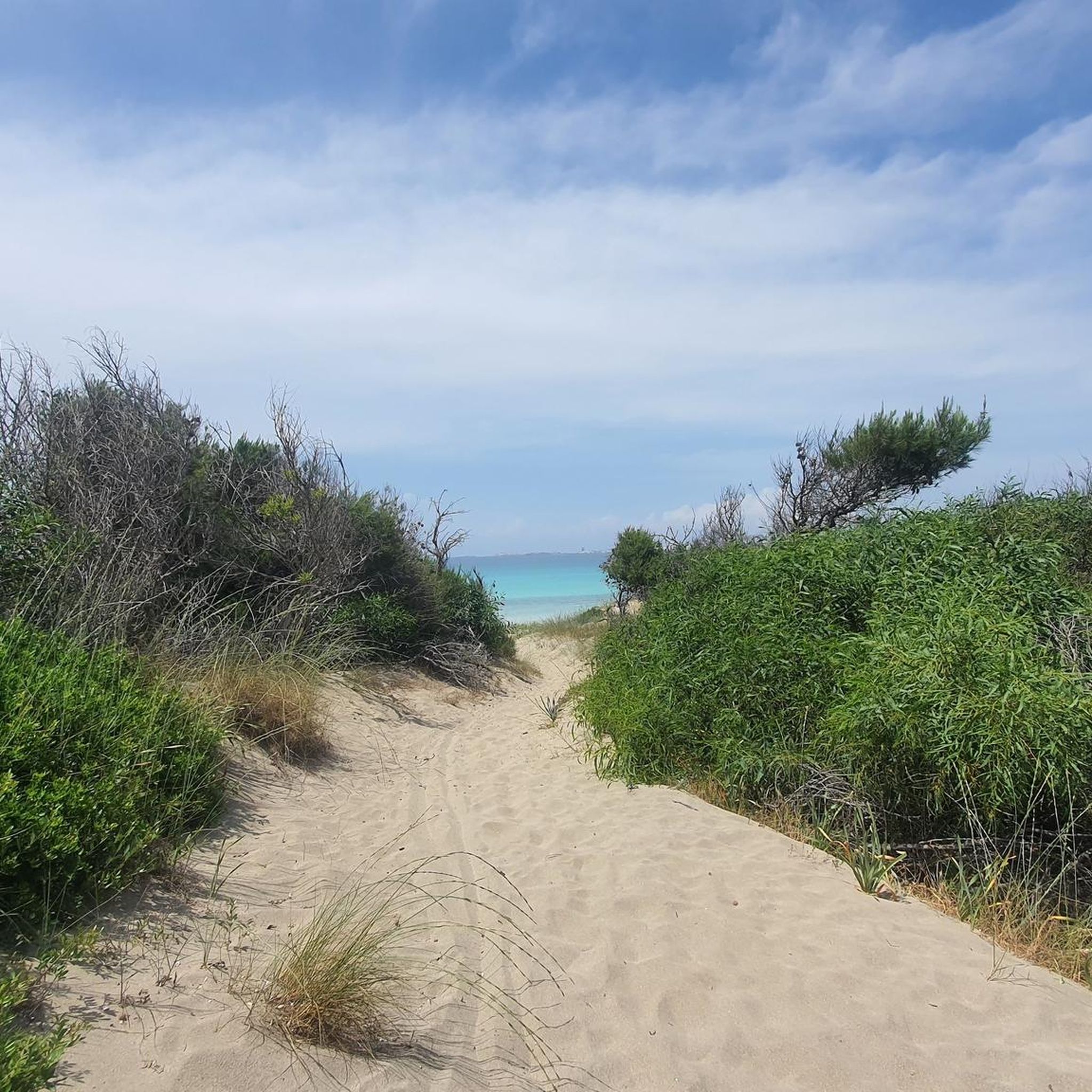
beautiful and very suggestive route.
0
0

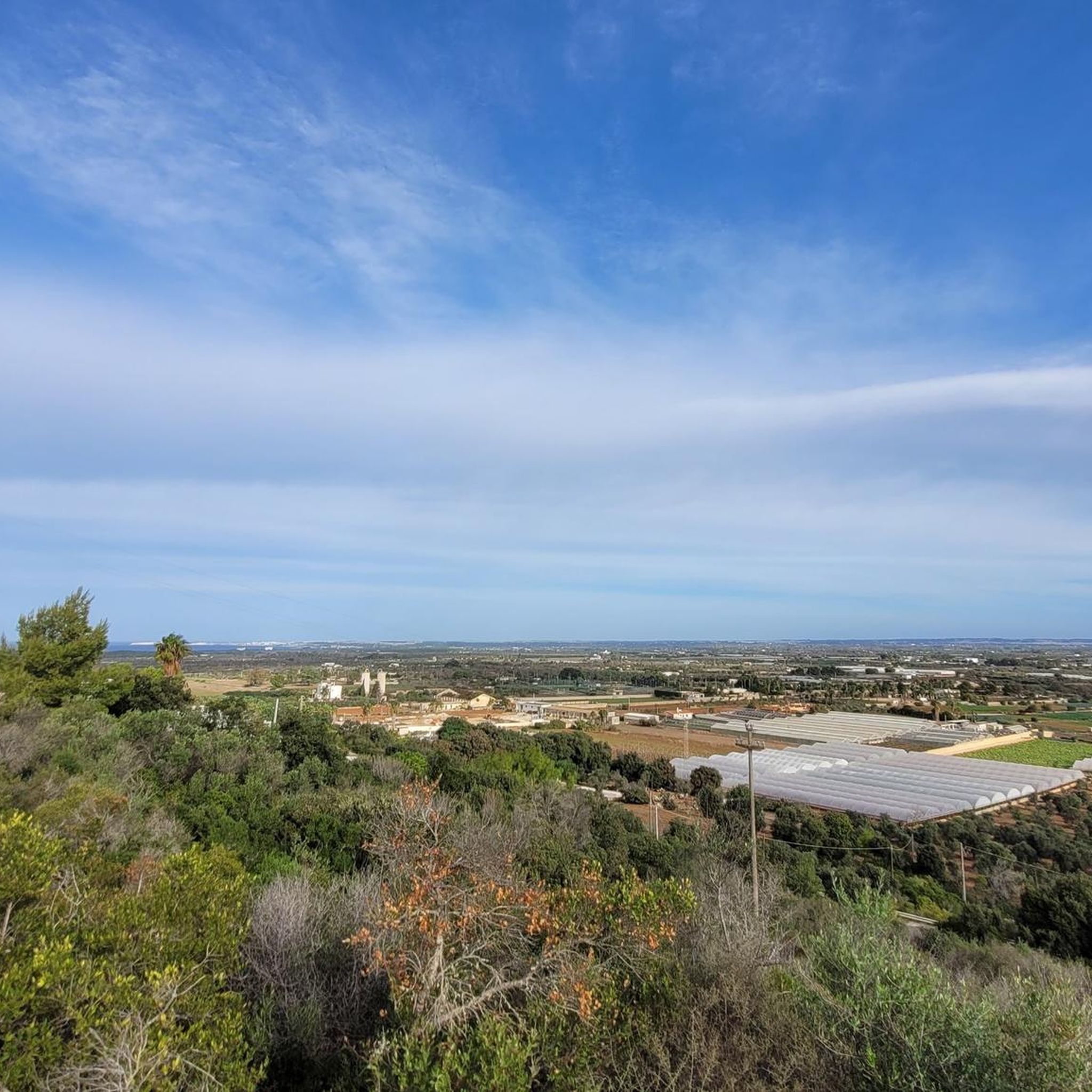
The quantity of lush greenery of the Mediterranean scrub keeps the naturalistic value of this crossed area high, so much so that you are amazed when you descend from the greenhouse on the east side, especially for the people of Tuglia who are used to peering towards the Ionian Sea. San Nicola di Macugno is its emblem, the History and the stories told that involve this place and Nature with the harmoniously integrated cultivated fields give beauty and joyfulness.
0
0

October 2023 entry €2. There is an information sheet in German
1
0
Frantoio ipogeo is an underground oil mill. The production of olive oil is presented in a small museum. A staircase leads into the vault with a temperature of around 18 degrees - well suited for storing olives and oil.
2
0
Inserted in the Salento Bizantino collection https://www.komoot.com/it-it/collection/1811756/-salento-bizantino - Normally closed, no possibility of peeking inside from some window. No indication about opening times and/or days despite the recent restoration. Contact the new archaeological museum of Ugento to understand how and when to visit it. https://it.wikipedia.org/wiki/Cripta_del_Crocifisso https://www.provincialecce.com/VirtualTour/Ugento-Cripta-del-Crocefisso/Ugento-Cripta-del-Crocefisso.asp https://www.youtube.com/watch?v=oqdZ-VgviWg
0
0
Inserted in a naturalistic context of absolute value, it is also worth visiting for the presence of its hypogea that are always accessible. Here is the link passionate and beautiful story of Salogentis https://www.salogentis.it/2014/11/15/labbazia-di-san-nicola-di-macugno-neviano/
0
0

On the highest point of the Serra di Casarano, in the Manfio district in the Ruffano area, stands the characteristic Crypt of the Crucifix, or of Santa Costantina, a cavity of natural origin transformed by the Byzantines into a place of worship around the year 1000.
0
0

Inserted in a rural context rich in historical testimonies, 100 meters above sea level, in a dominant position on the fertile “Ruga valley”, the abbey complex probably originated in the fourteenth century. Mentioned in several documents, in 1378 and 1412, which sanction its geographical belonging to the territory of Neviano and to the jurisdiction of the Neretine curia, the small village of Macugno performed a mandatory stop function for pilgrims heading to Santa Maria di Leuca, for the traders and shepherds who periodically split the hinterland along the junction of the two ports of Gallipoli and Otranto.
2
0
Frequently Asked Questions
What types of underground sites can I explore around Taviano?
The area around Taviano, within the Salento peninsula, offers a rich variety of historical underground structures, rock-cut crypts, and adapted natural cavities. These include ancient quarries, religious crypts, and even underground olive oil mills, showcasing both natural formations and human modifications over centuries.
Are there any significant natural karst caves near Taviano?
While Taviano itself is known more for historical underground sites, the renowned Castellana Caves are a major natural karst cave system in the wider Puglia region. They are located further afield but are considered one of Italy's most beautiful and spectacular cave systems. You can find more information on Wikipedia.
Which caves near Taviano have archaeological significance?
The Cave of the Venuses near Parabita is famed for archaeological finds, including two small bone figurines known as the Venus of Parabita. Artifacts belonging to Neanderthals and Cro-Magnons, dating back 10,000 to 35,000 years ago, have been discovered here. Additionally, Grotta del Cavallo is known for significant Paleolithic human and animal remains, though its entrance is not open to the public.
Can I visit historical religious crypts in the area?
Yes, the region features several historical religious crypts. You can visit the Abbey of San Nicola di Macugno, which has an accessible underground section. Another notable site is the Crypt of the Crucifix (or Santa Costantina) in the Ruffano area, a natural cavity transformed into a place of worship by the Byzantines around the year 1000.
Are there any unique historical industrial sites underground?
Yes, you can explore the Frantoio Ipogeo (Underground Olive Oil Mill) near Galatone. This site offers a glimpse into historical olive oil production, with a staircase leading into a vault that maintained an ideal temperature for storing olives and oil.
What are some natural features to look out for in the caves around Taviano?
The caves and underground structures in the Salento peninsula often feature unique geological formations resulting from water erosion over millions of years. For instance, the ancient quarries of Petrore are notable for how light penetrates through breakthroughs in some vaults, illuminating their interiors. The wider region's natural caves like Castellana boast dramatic stalactites, stalagmites, and alabaster formations.
What outdoor activities can I do near these caves?
The area around Taviano offers various outdoor activities. You can find numerous hiking trails, including coastal paths like the Punta della Suina – Punta Pizzo Coastal Trail. There are also running trails and road cycling routes that allow you to explore the naturalistic context and historical sites.
Are there any family-friendly cave experiences near Taviano?
Many of the historical underground sites, such as the Abbey of San Nicola di Macugno and the Frantoio Ipogeo, are accessible and can be interesting for families looking to explore history and culture. For a more extensive natural cave experience, the Castellana Caves offer guided tours suitable for various ages, including shorter routes.
What is the best time to visit the caves and underground sites in Salento?
The underground sites generally maintain a cooler, more stable temperature year-round, making them a good option even during warmer months. However, for exploring the surrounding naturalistic contexts and coastal areas, spring and autumn offer pleasant weather for outdoor activities, avoiding the peak summer heat and crowds.
Are there any coastal caves accessible near Taviano?
While not directly in Taviano, the wider Salento coast features several notable natural caves. These include Grotta Zinzulusa, popular for its clear waters, and Grotta del Diavolo, known for its echo and Neolithic artifacts. Some coastal caves may be accessible by foot or boat, offering unique views and experiences.
What do visitors enjoy most about the caves and underground sites around Taviano?
Visitors appreciate the rich historical and cultural significance of the sites, often highlighting the evocative atmosphere of places like the Abbey of San Nicola di Macugno and the unique insights into past life offered by the Underground Olive Oil Mill. The archaeological discoveries at sites like the Cave of the Venuses also draw significant interest.
Is public transport available to reach these underground sites?
While some larger towns in Salento have public transport connections, reaching many of the more secluded historical crypts and natural cavities often requires personal transportation. It's advisable to check local bus schedules or consider renting a car for greater flexibility in exploring the region's diverse underground heritage.
Most popular attractions around Taviano

Get inspired with the komoot mobile app


Explore more
Extend your search for the best caves by checking out these guides of the top ones around Taviano:
