Top 4 Castles around Uzzano
Best castles around Uzzano are primarily historical sites and medieval villages that retain elements of past fortifications. Uzzano, a medieval village in the Province of Pistoia, Italy, preserves sections of its ancient defensive walls, offering a glimpse into its medieval past and views of the Valdinievole valley. The area features significant historical architecture like the Palazzo del Capitano del Popolo and the Church of Santi Jacopo e Martino, showcasing civil architecture and art from the 11th-14th centuries. These sites provide…
Last updated: June 30, 2026
Cozzile Castle and the Clock Tower
Highlight • Castle
Translated by Google •
Tip by

Rocca del Cerruglio, Montecarlo
Highlight • Castle
Translated by Google •
Tip by

Sign up now to discover places like this
Get recommendations on the best single tracks, peaks, & plenty of other exciting outdoor places.
Sign up for free
Cozzile Medieval Village
Highlight • Settlement
Translated by Google •
Tip by

Porta Nuova, Cozzile
Highlight • Historical Site
Translated by Google •
Tip by
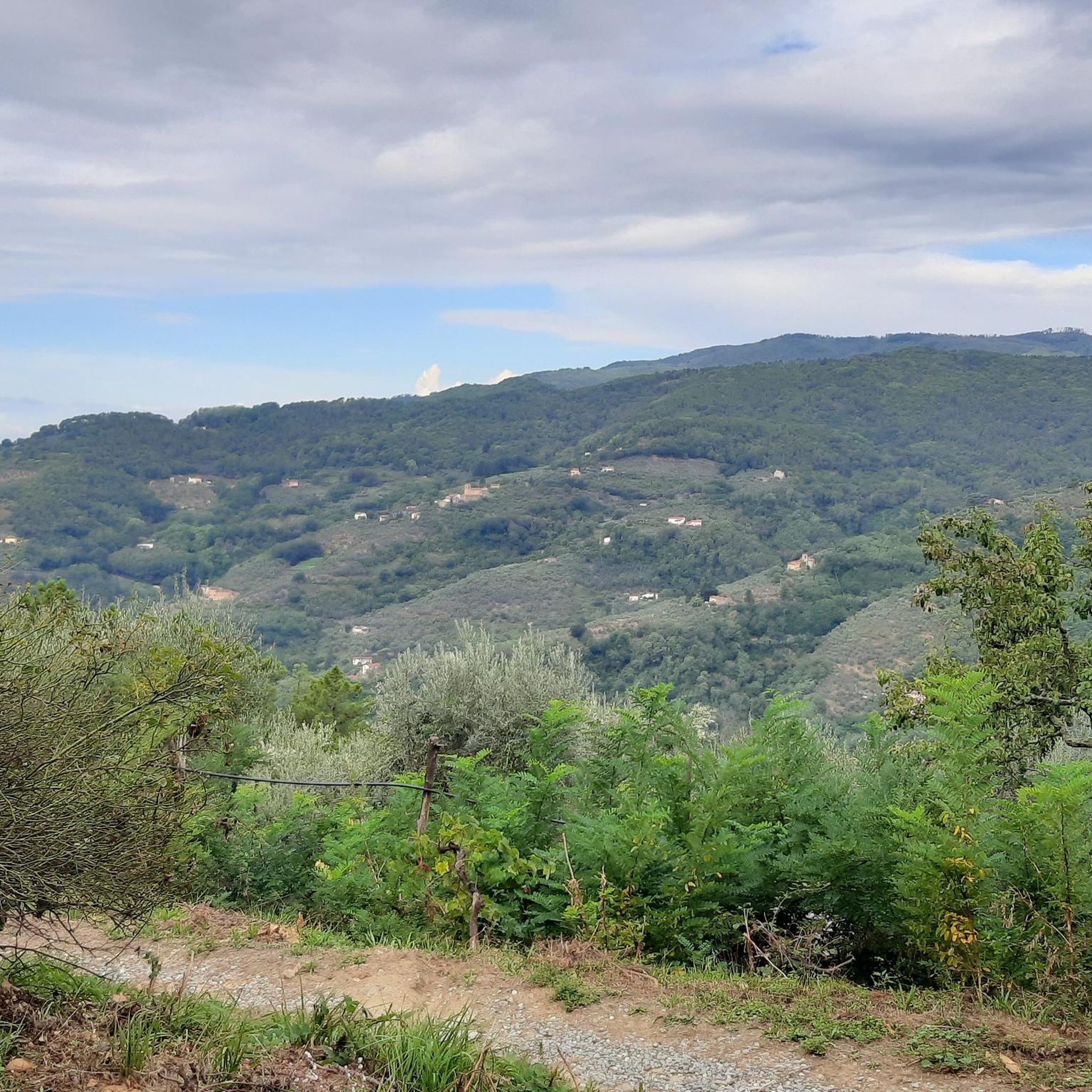
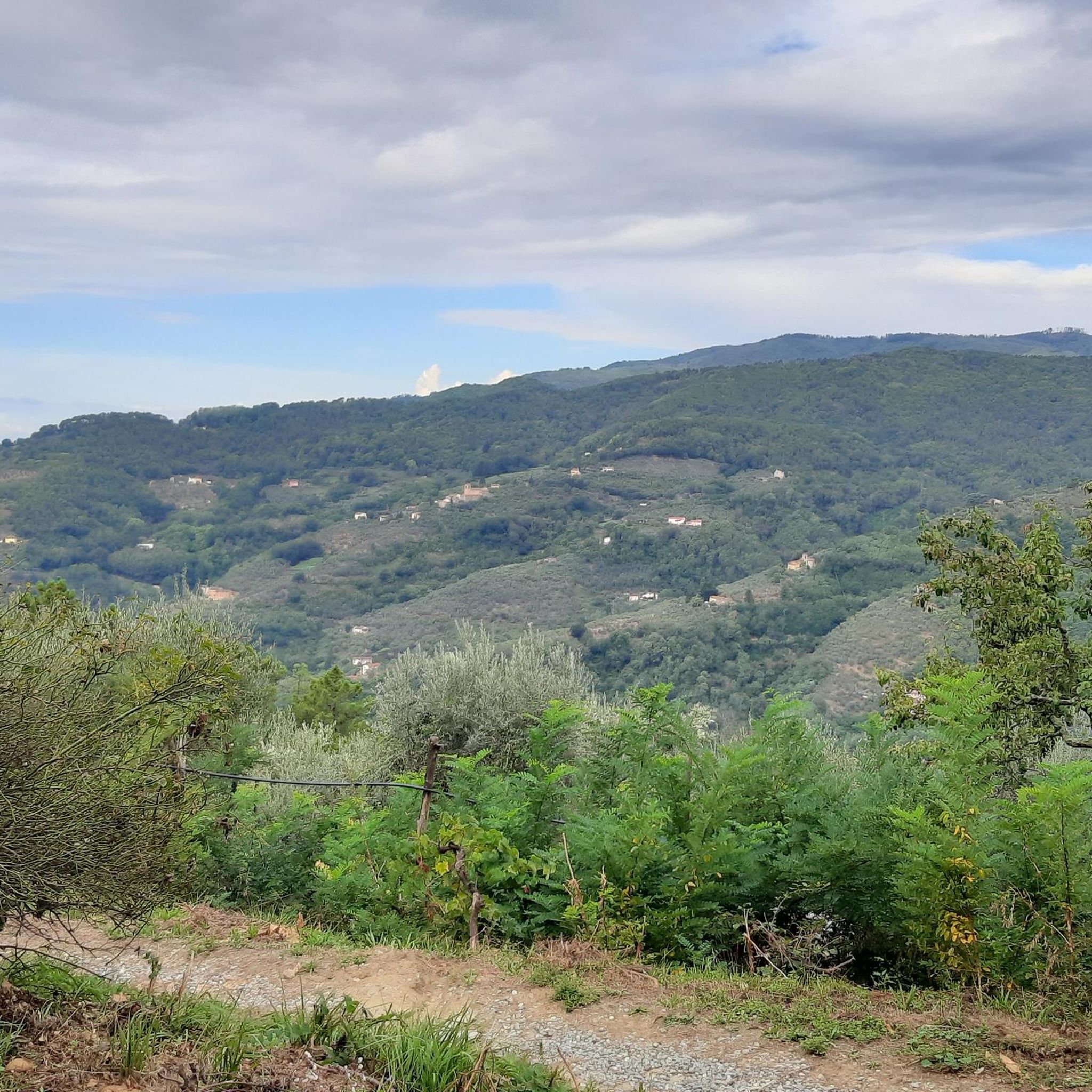
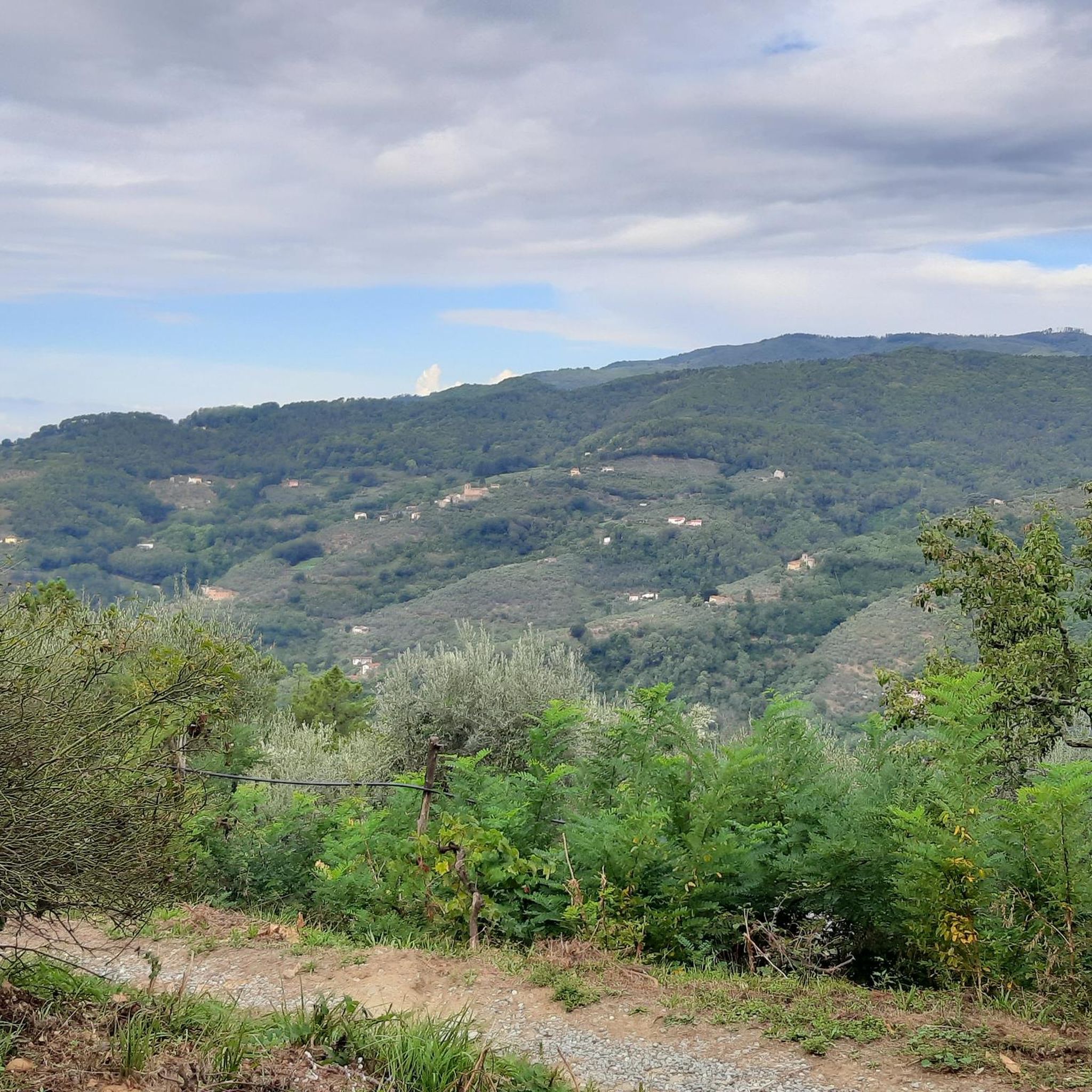
View of Montecarlo and the Valdinievole Valley
Highlight • Viewpoint
Inside the Castle you won't be able to see too much from the surrounding area.
Tip by

Start today with a free account
Your next adventure awaits.
Login or Signup

Tips from the Community

a village definitely worth visiting!
0
0

very intimate and typical village, with a beautiful view of the reserve.
0
0

Fantastic village with a view and a place to stop; there is also public water with fountains.
0
0

I was lucky enough to stay right under the fortress of this beautiful town.
3
0

Montecarlo is a charming medieval village located in the province of Lucca, in Tuscany. It stands on a hill overlooking the Valdinievole and the Lucca plain, offering breathtaking panoramic views. The town is famous for its fortress, the Rocca del Cerruglio, built in the 14th century to defend against external attacks, and for its well-preserved walls.
0
0

Cozzile was probably founded at the end of the 12th century around fortification works with lookout and extreme defense functions. Even at the beginning of the 14th century they hosted a castellan and a small garrison on behalf of the people of Lucca. Around the fortress a fortified town arose with a structure similar to that of Massa, organized in a "fishbone" pattern on both sides of the road that crossed it and which, exiting at the other end of the town, led towards the Apennines and towards Modena. The houses were grouped into two neighborhoods or "deeds" (Volata to the East, and Cessana to the West of the main road) with the square located to the north and the church to the south. In the city walls, of which important remains are still visible incorporated into the houses built above them, three doors opened: one to the east, corresponding to the entrance to the town of the medieval road from Massa (gate to Massa), one to the west , on the diametrically opposite side (Porta Vecchia)
0
0
Cozzile was probably founded at the end of the 12th century around fortification works with lookout and extreme defense functions. Even at the beginning of the 14th century they housed a castellan and a small garrison on behalf of the people of Lucca. Around the fortress a fortified town arose with a structure similar to that of Massa, organized in a "fishbone" pattern on both sides of the road that crossed it and which, exiting at the other end of the town, led towards the Apennines and towards Modena. The houses were grouped into two neighborhoods or "deeds" (Volata to the East, and Cessana to the West of the main road) with the square located to the north and the church to the south. In the city walls, of which important remains are still visible incorporated into the houses built above them, three doors opened: one to the east, corresponding to the entrance to the town of the medieval road from Massa (gate to Massa), one to the west , on the diametrically opposite side (Porta Vecchia)
0
0
Cozzile was probably founded at the end of the 12th century around fortification works with lookout and extreme defense functions. Even at the beginning of the 14th century they housed a castellan and a small garrison on behalf of the people of Lucca. Around the fortress a fortified town arose with a structure similar to that of Massa, organized in a "fishbone" pattern on both sides of the road that crossed it and which, exiting at the other end of the town, led towards the Apennines and towards Modena. The houses were grouped into two neighborhoods or "deeds" (Volata to the East, and Cessana to the West of the main road) with the square located to the north and the church to the south. In the city walls, of which important remains are still visible incorporated into the houses built above them, three doors opened: one to the east, corresponding to the entrance to the town of the medieval road from Massa (gate to Massa), one to the west , on the diametrically opposite side (Porta Vecchia)
0
0
Frequently Asked Questions
What kind of 'castles' can I expect to find around Uzzano?
The term 'castles' around Uzzano primarily refers to historical sites, medieval villages, and remnants of past fortifications. While the original Uzzano fortress was largely demolished, you can explore well-preserved medieval villages like Cozzile, which retain significant defensive structures and historical architecture. These sites offer a glimpse into the region's rich medieval past.
Which specific castle sites are recommended to visit near Uzzano?
You should definitely visit Cozzile Castle and the Clock Tower, known for its well-preserved medieval structure and defensive functions. Another significant site is Rocca del Cerruglio, Montecarlo, a fortress dominating the medieval town of Montecarlo with a triangular plan dating back to the 12th-14th centuries. The View of the gate of Cozzile Castle also offers a great perspective on the area's history.
Are there any fully preserved castles in Uzzano that are open for extensive visiting?
No, the original castle in Uzzano itself was largely demolished in 1832. While the historical village of Uzzano Castello offers notable historical architecture and remnants of defensive walls, there are no fully preserved 'castles' in Uzzano in the traditional sense that are open for extensive visiting. The sites you'll explore are more about medieval village structures and historical fortifications.
What other historical sites can I explore in Uzzano besides castle remnants?
In the historical village of Uzzano Castello, you can visit the Palazzo del Capitano del Popolo, a significant example of 13th-14th century civil architecture. The Church of Santi Jacopo e Martino, dating back to the 12th-13th centuries, features a beautiful Romanesque façade and houses notable art. The Church of Saints Bartolomeo and Silvestro in the hamlet of La Costa also contains remarkable 15th-century fresco fragments.
What is the best time of year to visit the castles and historical sites around Uzzano?
The best time to visit is generally during the spring (April-June) and autumn (September-October) months. The weather is typically mild and pleasant for exploring the villages and outdoor sites. Summer can be quite warm, while winter might be cooler and some services could have reduced hours.
Are there hiking or cycling routes near these historical sites?
Yes, the region around Uzzano offers various outdoor activities. You can find numerous road cycling routes, MTB trails, and general cycling tours. For example, there are challenging road cycling routes like the 'Walls of Lucca – Elisa Gate loop' or MTB trails such as 'Montecarlo Trail Area – The Witches' Oak loop'. You can explore more options on the Road Cycling Routes around Uzzano, MTB Trails around Uzzano, and Cycling around Uzzano guide pages.
What do visitors particularly enjoy about the castles and medieval villages in this area?
Visitors appreciate the well-preserved medieval character of villages like Cozzile, which offers a vast panorama over the Valdinievole and Tuscany. The historical significance, architectural details, and the sense of stepping back in time are frequently highlighted. The fortifications, such as those at Montecarlo, also provide breathtaking panoramic views.
Is there a 'Castello di Uzzano' in Greve in Chianti, and is it related to Uzzano in Pistoia?
There is indeed a 'Castello di Uzzano' located in Greve in Chianti, but it is a different municipality and not directly related to Uzzano in the Province of Pistoia. The one in Greve in Chianti is essentially a Renaissance villa with some medieval watchtower remains, but it is a private property and can only be admired from the outside.
Are there any viewpoints or scenic spots near the castles?
Many of the medieval villages and castle sites, such as Rocca del Cerruglio, Montecarlo and Cozzile Medieval Village, are situated on hills and offer extensive panoramic views of the surrounding Valdinievole and the Tuscan landscape. The scenic drive leading to the Castello di Uzzano in Greve in Chianti (though private) is also noted for its views of valleys and vineyards.
Are the historical sites and villages around Uzzano suitable for families?
Yes, exploring the medieval villages and historical sites can be a great family activity. The cobbled streets, ancient buildings, and remnants of fortifications offer an engaging historical experience. While specific 'family-friendly tours' might not be explicitly listed, the general atmosphere and ease of walking through these historical centers make them enjoyable for all ages.
Where can I find cafes or pubs near these historical sites?
The medieval villages themselves, such as Cozzile and Montecarlo, often have small cafes, restaurants, or trattorias where you can enjoy local cuisine and refreshments. For a wider selection, the larger towns in the Valdinievole area, like Pescia or Borgo a Buggiano, are good options and are typically a short drive away.
Most popular attractions around Uzzano

Get inspired with the komoot mobile app


Explore more
Looking for the best castles somewhere else? Discover other guides around Uzzano:
