The best walks and hikes around Krummin
4.5
(6951)
31,299
hikers
517
hikes
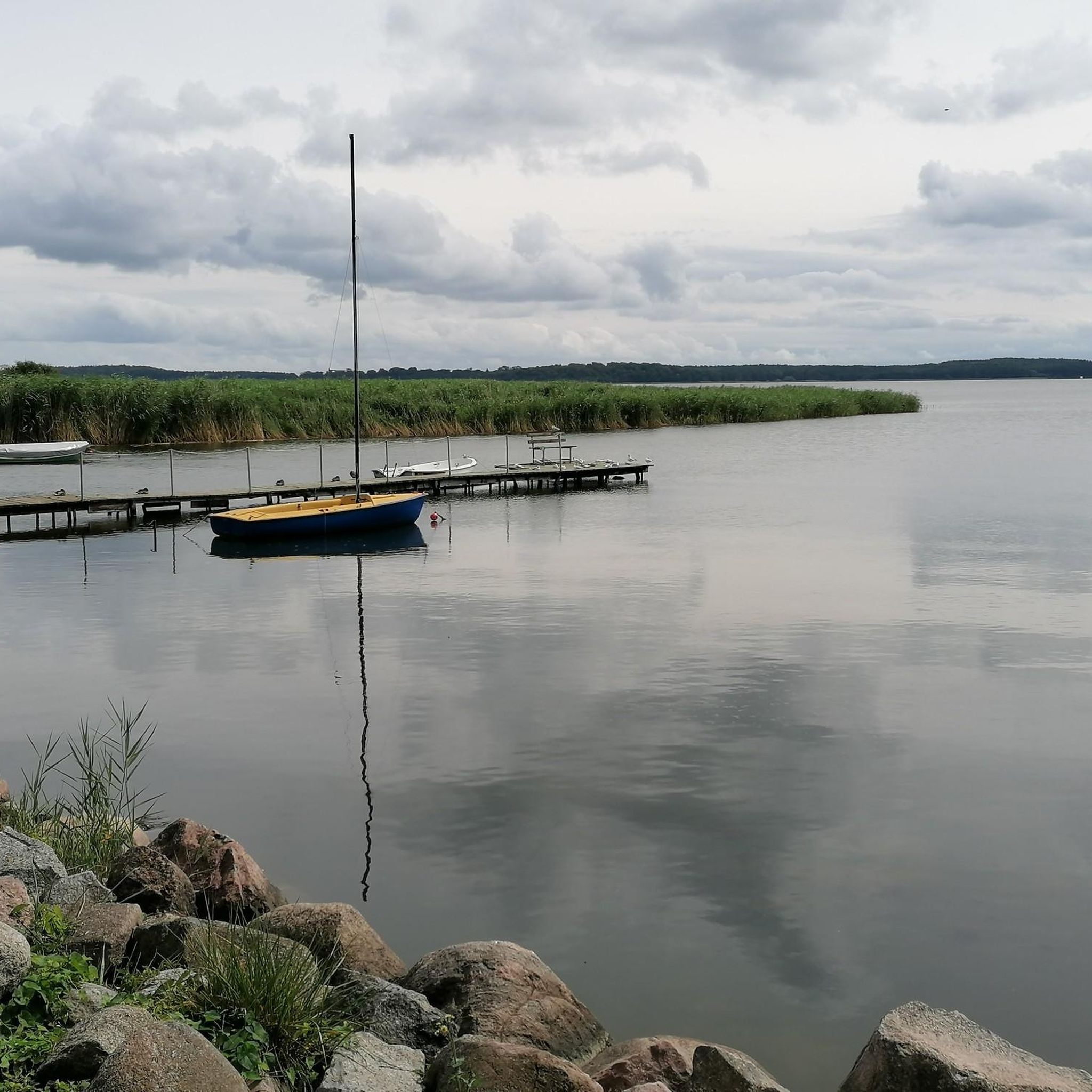
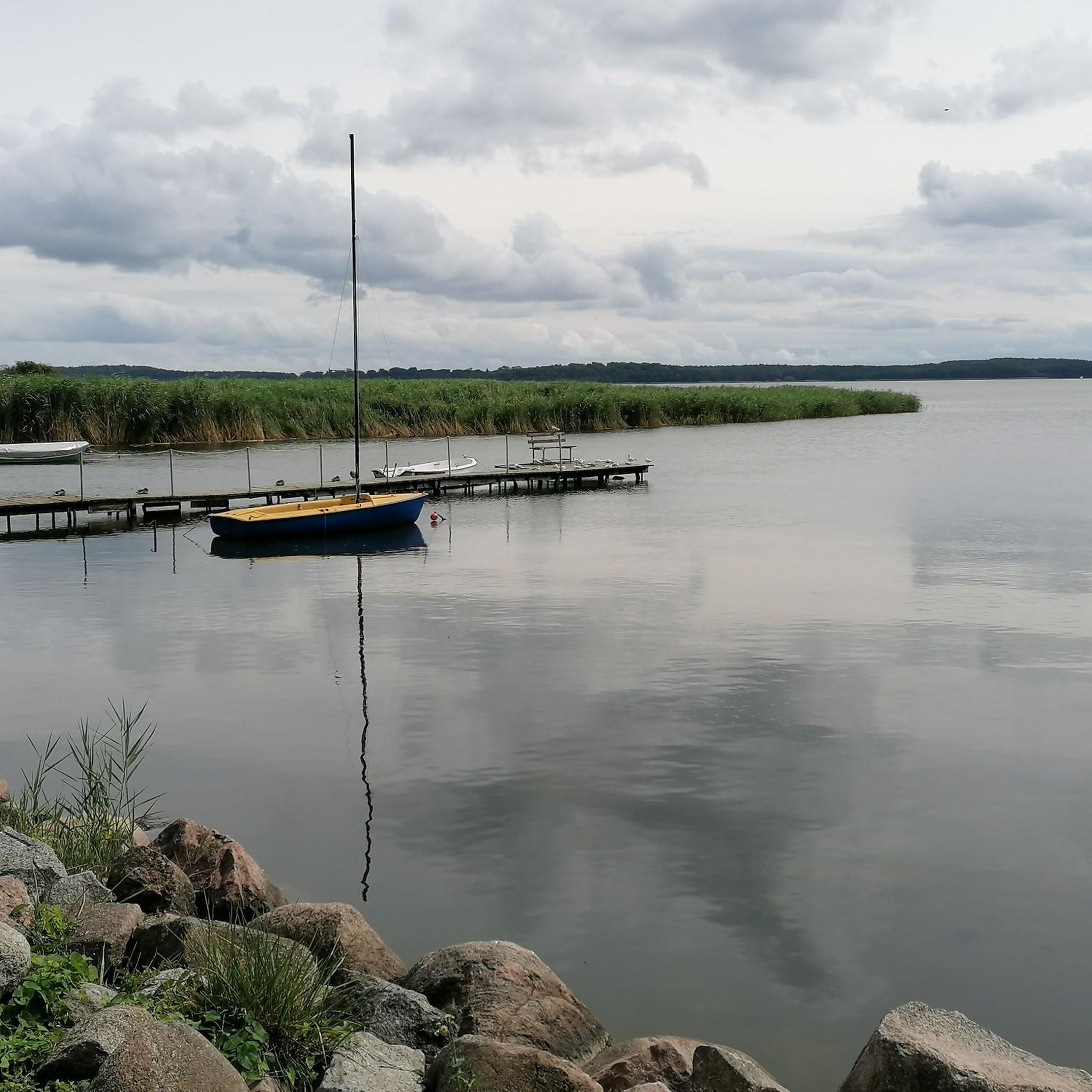
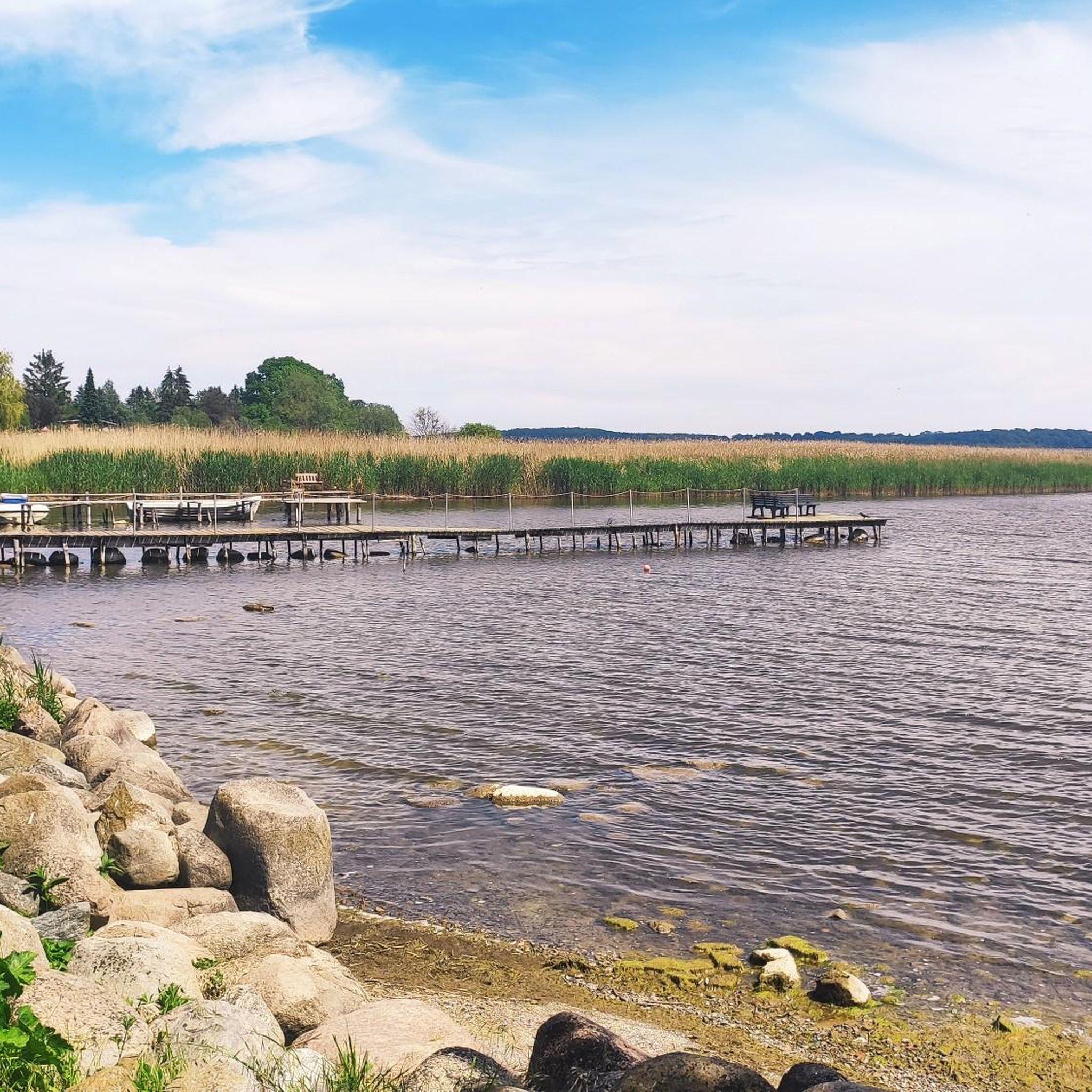
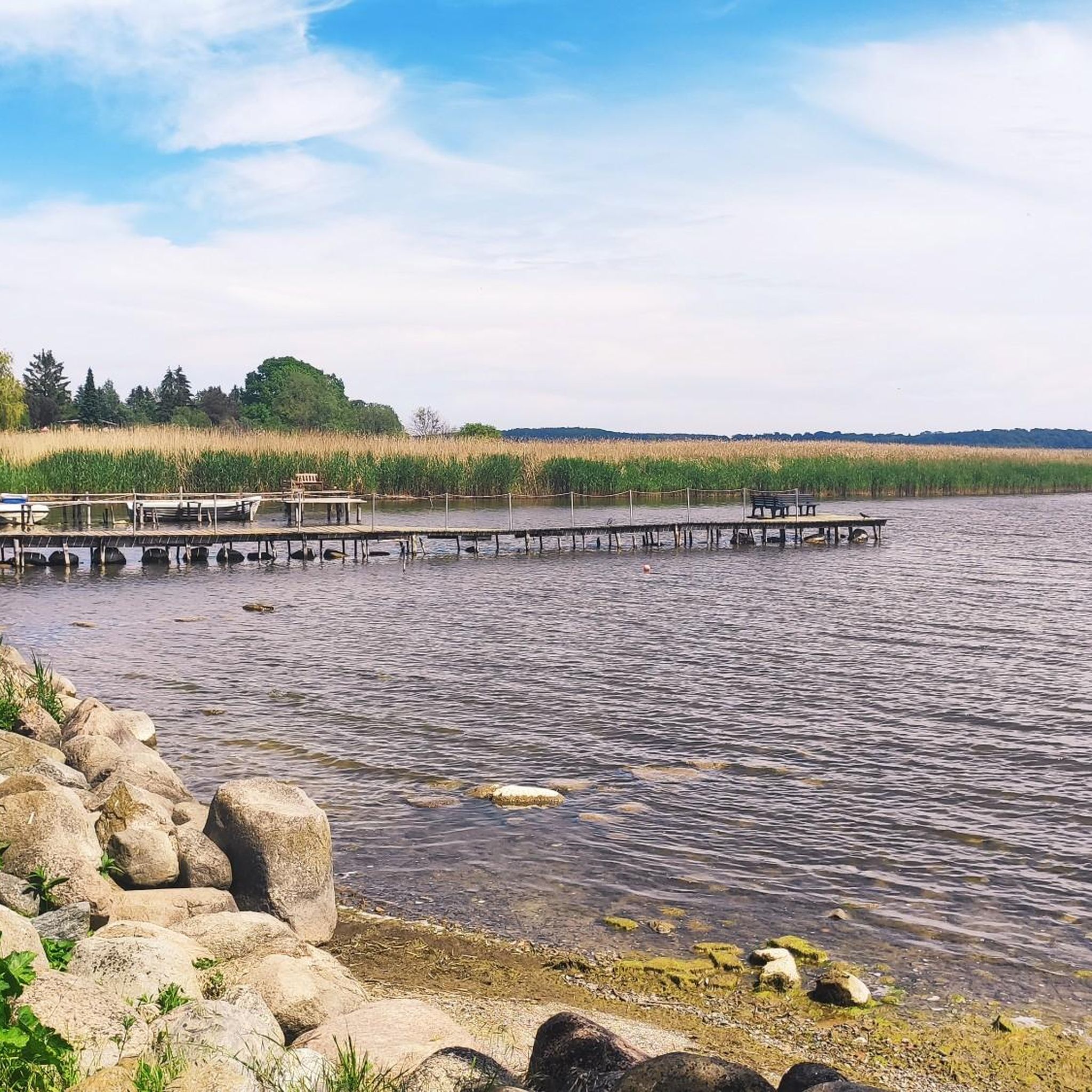
Hiking around Krummin offers exploration within a tranquil natural setting on the island of Usedom. The region is situated on the Krumminer Wiek, a bay forming part of the Usedom Achterwasser lagoon system, a designated nature reserve. Trails often feature picturesque waterfronts, diverse flora and fauna, and lead through untouched nature, including the Krumminer Moor. The area is characterized by its serene landscapes, including a scenic lime tree avenue and opportunities for coastal and forest walks.
Best hiking trails around Krummin
- The most popular hiking route is Krummin Village – Café Naschkatze loop from Krummin, an easy 2.8 miles (4.6 km) trail that takes 1 hour 9 minutes to complete, passing through the village and along the Krumminer Wiek.
- Another top favourite among local hikers is Neeberg Harbor – Neeberg Village and Harbor loop from Krummin, an easy 4.6 miles (7.4 km) path. This route explores the village and harbor of Neeberg, offering views of the Achterwasser.
- Local hikers also love the Krummin Village – St. Michael's Church, Krummin loop from Krummin, a 4.9 miles (7.9 km) trail leading through Krummin village and past its historic church, often completed in about 2 hours 0 minutes.
- Hiking around Krummin is defined by tranquil waterfront paths along the Krumminer Wiek, routes through the Krumminer Moor, and scenic village walks. The network offers options for various ability levels, from easy strolls to moderate explorations.
- The routes in Krummin are highly rated by the komoot community with an average score of 4.6 stars from over 5,700 reviews. More than 26,000 hikers have used komoot to explore Krummin's varied terrain.
Last updated: August 6, 2026
4.6
(13)
56
hikers
8.42km
02:09
30m
30m
Moderate hike. Good fitness required. Easily-accessible paths. Suitable for all skill levels.
4.4
(7)
36
hikers
4.66km
01:11
10m
10m
Easy hike. Great for any fitness level. Easily-accessible paths. Suitable for all skill levels.

Sign up for free
4.4
(9)
28
hikers
7.51km
01:55
30m
30m
Easy hike. Great for any fitness level. Easily-accessible paths. Suitable for all skill levels.
4.4
(9)
29
hikers
7.85km
02:00
30m
20m
Moderate hike. Good fitness required. Easily-accessible paths. Suitable for all skill levels.
4.2
(6)
24
hikers
Easy hike. Great for any fitness level. Easily-accessible paths. Suitable for all skill levels.
Get access to more routes and recommendations from other explorers.
Sign up for free
Already have an account?
Our route recommendations are based on thousands of hikes, rides, and runs completed by other people on komoot.
Start today with a free account
Your next adventure awaits.
Login or Signup

Tips from the Community

A very diverse offering, there should be something for everyone
0
0
Unfortunately, there are different details about whether the dike is accessible depending on which direction you are coming from.
1
0
A sleepy village in winter with a great history
0
0

Very idyllic spot at the harbor of Neeberg. The rest of the village is also worth a visit.
1
0

During the new interior work in 1857, the west gallery was enlarged and made to serve as an organ gallery. The old organ was now too small and was sold to the parish of Stolpe near Usedom. In 1865, a new organ (one-manual, seven registers) was installed by the Stettin company Barnim Grüneberg. The design, however, suggests that it is a Buchholz organ that was only subsequently overhauled by Grüneberg.[18] The three-sided organ facade has a Gothic structure with corresponding decorative forms. It is one-manual and has ten registers. During the First World War, the organ pipes from the Krummin church were also melted down. In 1923, Pastor Karl Christoph Alexander Böttiger had the organ restored by the Grüneberg company from Stettin-Finkenwalde. In 1993, the organ was thoroughly renovated by the organ building and restoration workshop Rainer Wolter and fitted with new tin pipes. Source https://de.wikipedia.org/wiki/St.-Michael-Kirche_(Krummin)
2
0
The Krummin church must have originally been richly decorated with religious works of art. In addition to an altar of St. Michael as the patron saint of the church, there were probably various altars to the Virgin Mary, because the Virgin Mary was the patron saint of the Cistercian Order. Sources mention chalices, vestments and other jewels. Parts of the former furnishings have been stored away. The late medieval altar to the Virgin Mary is in the Szczecin National Museum and a chalice is in the Pomeranian State Museum in Greifswald. An altar has been preserved, above which is a crucifix, which was made around 1500 by a Stralsund master. The organ was built in 1863 by Barnim Grüneberg. The choir windows were designed by Hermann Lindner in 1993. Source https://de.wikipedia.org/wiki/St.-Michael-Kirche_(Krummin)
2
0
The northwestern part of the island of Usedom used to include the land of Bukow. There was a place of the same name that no longer exists. The settlement already had a church in 1230, which was dedicated to Saint Michael and was donated by Duke Barnim I and his mother Miroslawa with tithes from the neighboring villages.[1] In this context, Krummin is first mentioned in documents under Crominino. The first priest was called Goswin (Gozwin)[1][2], as can be seen from a confirmation of the bishop's taxes by Bishop Konrad II[3] on August 12, 1230. The church was the outermost outpost of the Premonstratensian monastery of Grobe on the island.[4] It is considered the predecessor of today's Krummin church. The first mention of St. Michael's Church in Krummin was made in a document from 1290, in which the knight Johann Voss was confirmed the patronage of this parish church, which Barnim I had granted him. The knight Johann Voss was one of the closest advisors to Duke Barnim I and was particularly supportive of the founding of Cistercian monasteries. Since Krummin, like Wollin, was one of the smaller monasteries, the Reformation probably took place here without any particular incidents. The monastery was visited by Duke Johann Friedrich and came to the Wolgast office. The archive with the original documents also came to Wolgast, as can be seen from the registration of the Crummin Virgins' Convent in 1562. During the Thirty Years' War, the monastery and the church suffered fire damage and great devastation. The rectory and almost the entire village were burned down. It was reported that the imperial forces here, as everywhere in Pomerania, lived in such an outrageous manner that the pulpit and altar, benches and galleries were hewn out and burned, but the church itself was left roofless, with a wooden tower next to it in which the enemies had left only one of the three bells.[5] The church was repaired after the end of the Thirty Years' War with stones from the old monastery and remained towerless for a period of 200 years. In 1662, Christine of Sweden appointed the subdeacon of Wolgast, Bernhard Alberti, as pastor for Krummin.[6] According to the chronicle, from 1657 the Counts of Wrangel were the landowners and church patrons, whereby legally the patronage of the Krummin church always remained sovereign, but the landowners were listed as patrons in the church register. Until 1720 Krummin belonged to Swedish Pomerania and the parish to the Wolgast synod. With the Peace of Stockholm, Wolgast remained Swedish, but the island of Usedom became Prussian and Krummin was leased to the Pudagla district and to the Usedom Synod. Source https://de.wikipedia.org/wiki/St.-Michael-Kirche_(Krummin)
2
0
Frequently Asked Questions
How many hiking trails are available around Krummin?
Krummin offers a wide variety of hiking opportunities, with over 500 routes available. These range from easy strolls along the waterfront to more moderate explorations through diverse landscapes.
What kind of terrain can I expect on Krummin's hiking trails?
The trails around Krummin are characterized by tranquil waterfront paths along the Krumminer Wiek and the Usedom Achterwasser, routes through the unique Krumminer Moor, and scenic village walks. You'll find mostly flat to gently rolling terrain, suitable for various fitness levels.
Are there any family-friendly hiking options in Krummin?
Yes, many of Krummin's trails are suitable for families. For an easy and enjoyable walk, consider the St. Michael's Church Krummin – Krummin Village loop from Krummin, which is just under 5 km and explores the charming village. The area's gentle terrain and natural beauty make it ideal for walks with children.
Can I bring my dog on the hiking trails in Krummin?
Krummin and the surrounding Usedom island are generally dog-friendly, offering many natural spaces for walks. While specific regulations may apply in certain protected areas, most trails, especially those through villages and along the Krumminer Wiek, are suitable for well-behaved dogs on a leash. Always be mindful of local wildlife and other hikers.
Are there any circular hiking routes around Krummin?
Yes, Krummin features several popular circular routes. A great option is the Neeberg Harbor – Neeberg Village and Harbor loop from Krummin, an easy 7.4 km path that explores the village and harbor of Neeberg, offering views of the Achterwasser.
What interesting landmarks or natural sights can I see while hiking near Krummin?
While hiking, you can explore the historic St. Michael's Church in Krummin village. The region is also rich in natural beauty, including the tranquil Krumminer Wiek bay and the unique Krumminer Moor. For broader natural attractions, you might explore highlights like the Achterwasser or the Cämmerer Lake, which are part of the island's protected natural areas.
What do other hikers enjoy most about Krummin's trails?
The komoot community highly rates Krummin's trails, with an average score of 4.6 stars from over 5,700 reviews. Hikers often praise the tranquil waterfront paths, the untouched nature, and the serene atmosphere that allows for a peaceful retreat away from more bustling areas.
Is public transport available to access hiking trails in Krummin?
Krummin is a small village on Usedom. While local bus services connect villages on the island, direct public transport access to specific trailheads might be limited. It's advisable to check local bus schedules for connections to Krummin or nearby towns, especially if you plan to start a hike outside the village center.
Where can I find parking for hiking in Krummin?
Krummin, being a smaller village, typically offers parking facilities, especially near its natural harbor and potentially in the village center. These spots are usually convenient starting points for many local hikes. Look for designated parking areas upon arrival.
What is the best time of year to go hiking in Krummin?
Krummin is beautiful year-round, but the spring and autumn months offer particularly pleasant hiking conditions with mild temperatures and vibrant natural colors. Summer is also popular, though trails can be busier. Even in winter, the serene landscapes offer a unique, quiet hiking experience, especially along the frozen Achterwasser.
Are there any cafes or restaurants near the hiking trails in Krummin?
Yes, the village of Krummin itself offers options for refreshments. The natural harbor features a restaurant, and you'll find charming garden cafes within the village, such as Café Naschkatze, which is a highlight on the Krummin Village – Café Naschkatze loop from Krummin. These provide pleasant spots to relax before or after your hike.
What kind of wildlife can I expect to see on Krummin's trails?
The Krumminer Wiek and Usedom Achterwasser, being a designated nature reserve, are rich in wildlife. Hikers often spot various bird species, including sea eagles and kingfishers, especially along the waterfront trails. The untouched nature and moorland also provide habitats for diverse flora and fauna, offering excellent opportunities for nature observation.
Most popular routes around Krummin
Most popular attractions around Krummin

Get inspired with the komoot mobile app


Explore more
Browse the best Hikes in other regions.
