Top 7 Castles around Angera
Best castles around Angera are situated in a region characterized by its historical significance and strategic location overlooking Lago Maggiore. This area features medieval fortresses and ancient towers that reflect centuries of history. The landscape combines lake views with surrounding hills, offering a blend of natural beauty and historical architecture. These structures served as defensive strongholds and noble residences, shaping the cultural heritage of the Angera area.
Best castles around Angera
- The most popular castles is Buccione Tower, a…
Last updated: June 30, 2026
Buccione Tower
Highlight • Castle
Translated by Google •
Tip by

Borromean Fortress of Arona
Highlight • Castle
Translated by Google •
Tip by

Sign up now to discover places like this
Get recommendations on the best single tracks, peaks, & plenty of other exciting outdoor places.
Sign up for free
Visconti Castle of San Vito
Highlight • Castle
Translated by Google •
Tip by

Hall of Justice, Angera Castle
Highlight • Historical Site
Translated by Google •
Tip by

Lortallo Tower and Church of San Grato
Highlight • Historical Site
Translated by Google •
Tip by

Sign up for free to discover even more castles around Angera.
Sign up for free
Already have an account?
Start today with a free account
Your next adventure awaits.
Login or Signup
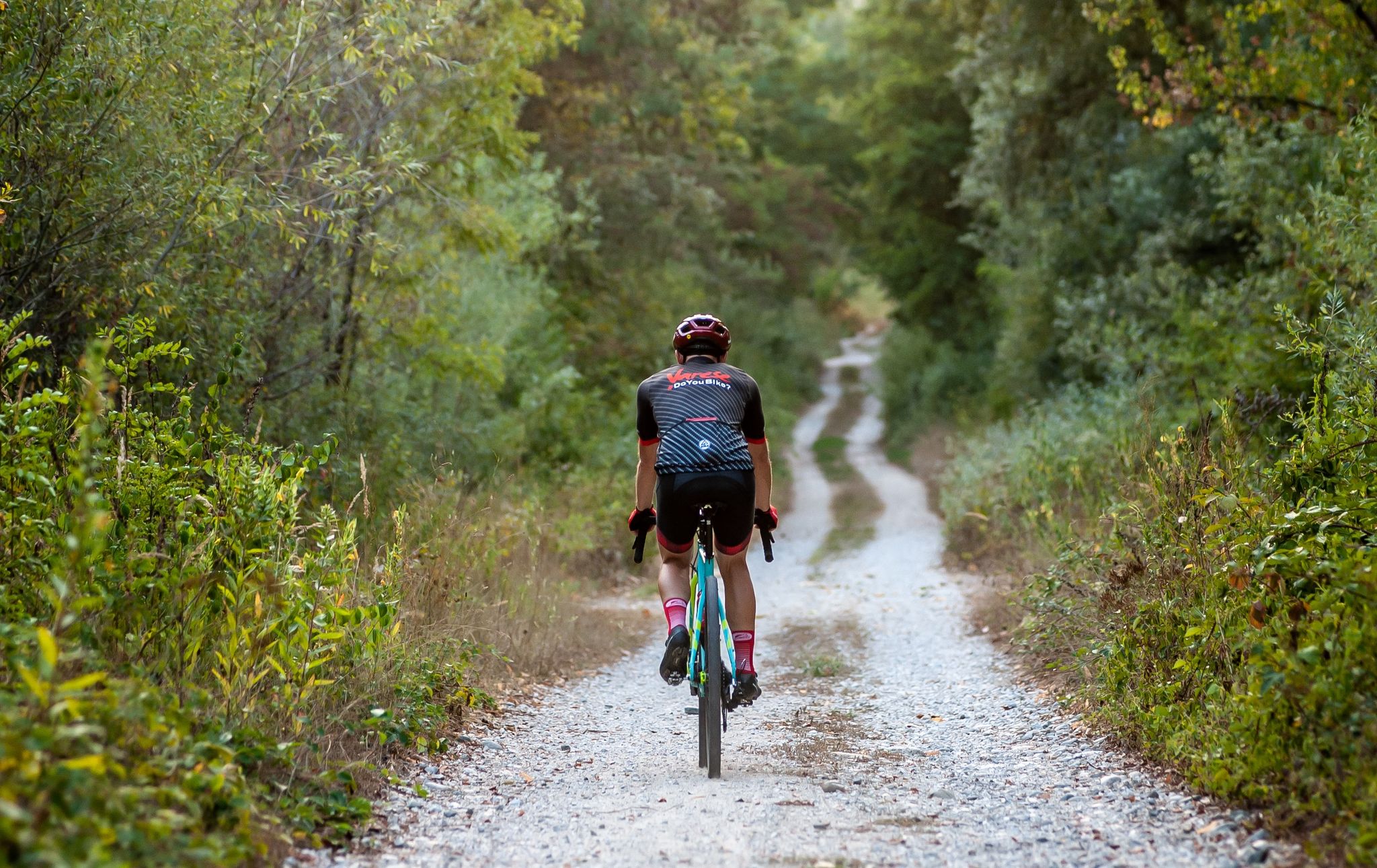
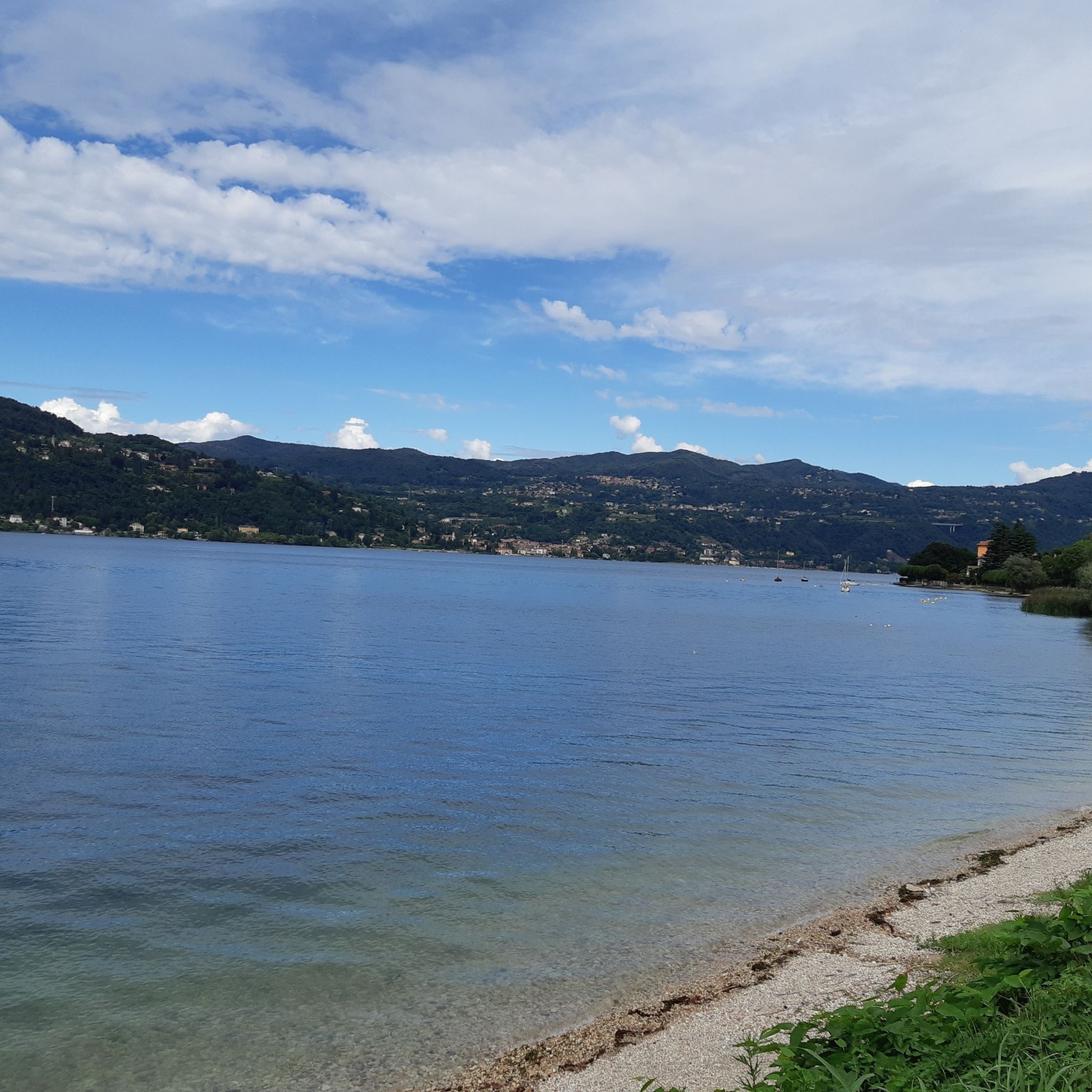

Other adventures around Angera

Tips from the Community

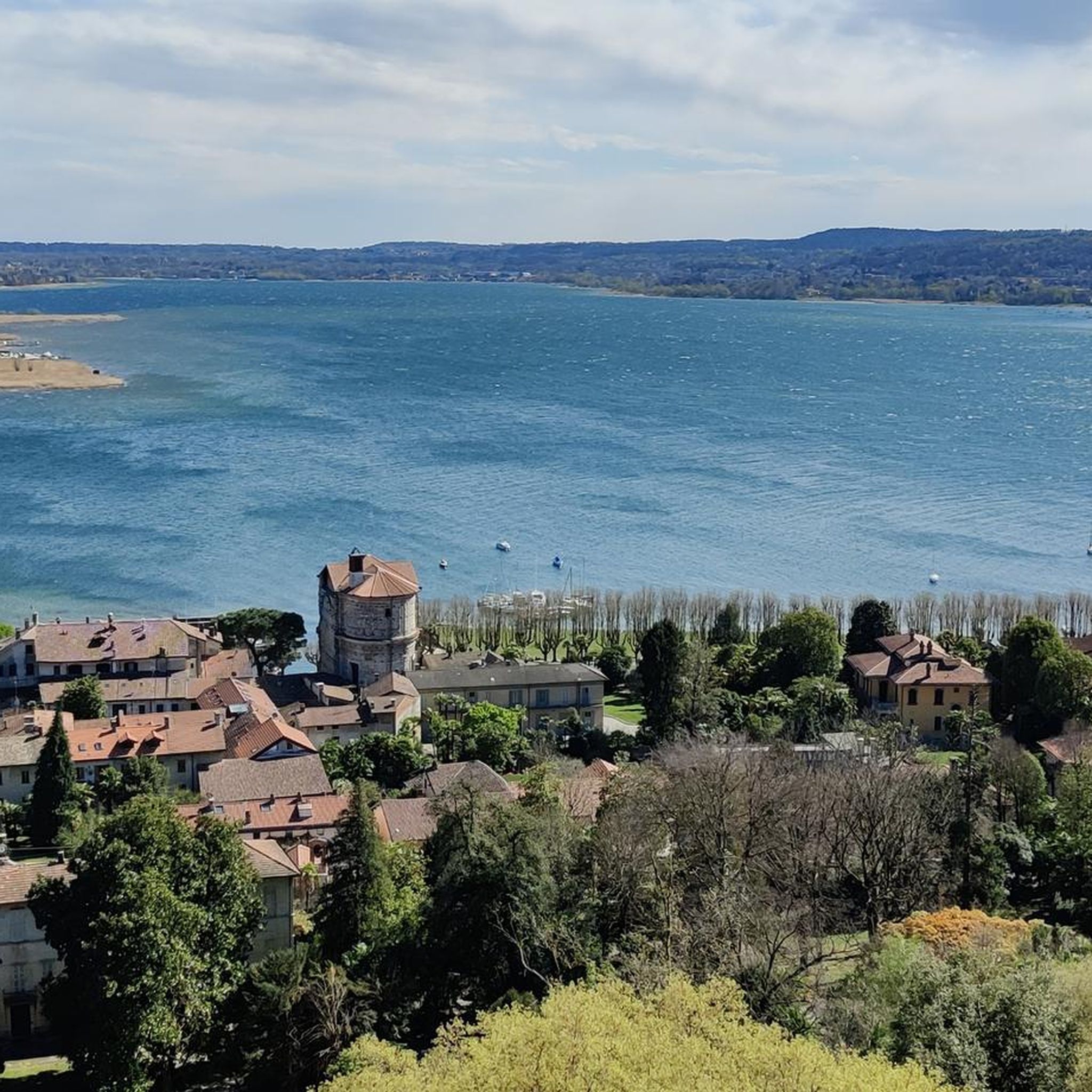
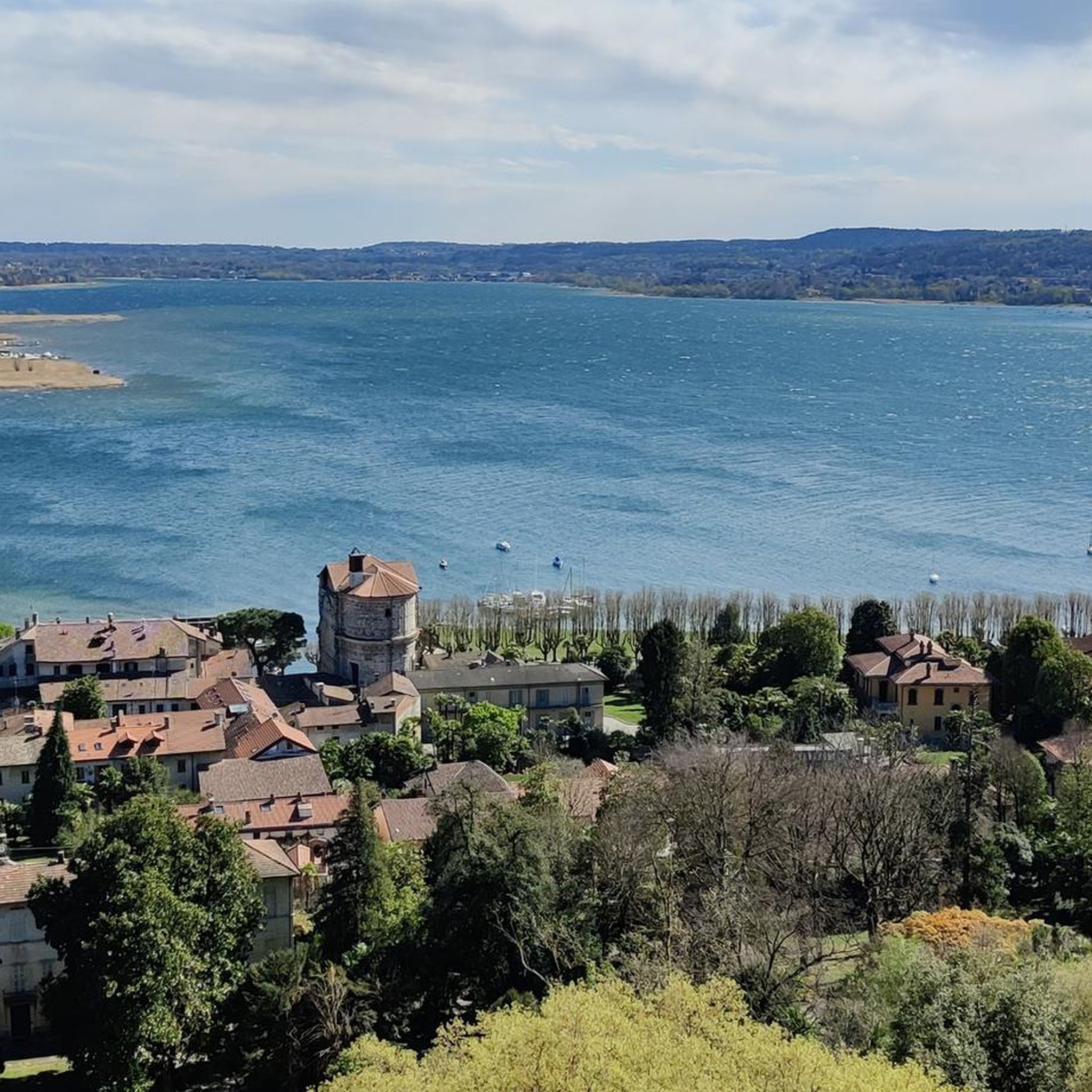
Spectacular view of the city of Arona and Lake Maggiore
0
0

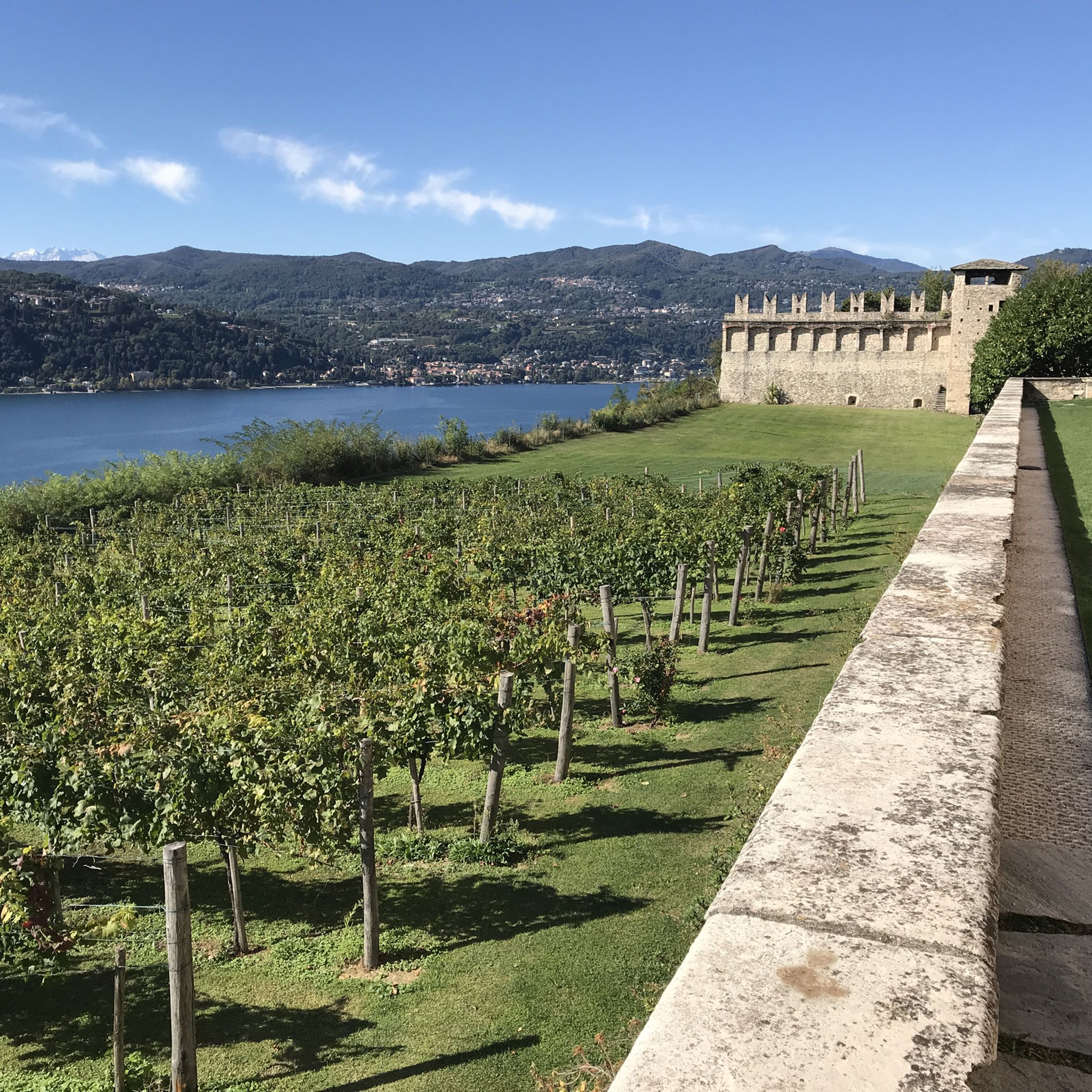
Once you arrive in Arona, walk along the lakeside and have an ice cream, go up to visit the statue of S. Carlone but... don't forget to visit the Rocca too! Founded in a period shortly before the year 1000 under the control of the Lombards, for four centuries the Rocca remained in the hands of the Borromeo family, giving birth to Cardinal San Carlo Borromeo in 1538; the history of the Rocca di Arona ends in 1800 when the Napoleonic army received the order to destroy some fortifications occupied by the Austrians; from that moment on only a few ruins of the Rocca di Arona remain. From above you can also enjoy a spectacular view of Arona below, of Angera opposite and of this entire stretch of lake!
0
0

Ottone Visconti, elected archbishop of Milan by Pope Urban IV in 1262, but not by the Major Chapter of the cathedral, was not able to take possession of his seat until 1277, after the victory obtained in Desio over the enemies of the Tower. In 1280, as the owner of Angera – assigned to the Milanese Church since 1162 – he had a Hall of Justice built in the Rocca, where legal and economic matters were administered. With a masterly coup, his nephew and Lord of Milan Matteo Visconti had the archiepiscopal archives (kept in the monastery of S. Radegonda) burned, with the papers regarding the possession of Angera by the Milanese Church, and claimed the inheritance of the place as a personal domain of the Viscontis, by virtue of a legendary descent of their lineage from Angleria. Between 1314 and 1316, Matteo commissioned a local fresco painter, no better known than the Maestro di Angera, to decorate the Hall of Justice with episodes of the victory of Desio and the entry of Ottone Visconti into Milan, taken from an apologetic book written by Stefanardo da Vimercate. Above the stories is the Zodiac, now only partially preserved, but with an iconographic program that can still be reconstructed. When Matteo commissioned the frescoes, the lawyers and judges of the Ambrosian Church no longer met in the Hall, but the Rocca had by then become a private seat. Why did Matteo want to decorate it so expensively? The Hall of Justice is divided into two bays with cross vaults; it is accessed through a door on the south side, in front of which was originally the judge's chair. Each side of the span enclosed two zodiac signs with their respective governing planet in a lunette, framed by a polychrome decoration – which extended to the cordoning of the sails – among the best preserved of the Lombard fourteenth century. Another peculiarity are the monstrous or extravagant figures that surround only the lunette of the second western span, taken from illustrations of naturalistic texts, such as the De natura rerum by Thomas de Cantimpré. https://www.storiadimilano.it/arte/zodiaco_angera.htm
0
0
The Church of the Purification of the Virgin Mary is the parish church of Massino Visconti in the Province and Diocese of Novara. It is part of the Vergante pastoral unit. The first mention of a Catholic church in Massino dates back to 887. The new church was built in the second half of the 16th century with three naves and was given the title of parish church during the same period, after the Church of San Michele was severely damaged by a landslide. In the first half of the 19th century, the old Romanesque bell tower was demolished and replaced with a new tower. The church's striking, west-facing façade consists of three volumes interrupted by pilasters: the main body, characterized by the main portal, is preceded by a small portico opening into a serliana in the center, while the two side wings have secondary entrances. Attached to the parish church is the stone bell tower with a square floor plan. Its cell has a single-lancet window on each side, protected by a balustrade, and is crowned by a pyramidal spire resting on a drum with an octagonal base. The interior of the building is divided into three naves, overlooking which the side chapels face. Pillars and columns support round arches, above which runs the molded and projecting entablature, upon which the vaults rest. At the end of the hall is the presbytery, raised a few steps, bordered by balustrades and housing the main altar. Several valuable works have been preserved here, including the 16th-century frescoes depicting Saint Mary of the Assumption and the Coronation of Mary, as well as the paintings on the vaults depicting the Doctors of the Church and the symbols of the Evangelists. it.wikipedia.org/wiki/Chiesa_della_Purificazione_di_Maria_Vergine_(Massino_Visconti)
0
0

The hamlet of Lortallo was a very pleasant surprise for me. Leaving Ameno, I was attracted by the sight of the mighty tower, which I later discovered was built in the 13th century. It is in excellent condition. Next to the tower, there is the Church of San Grato, which dates back to the 18th century (the bell tower is dated 1758). To the side of the tower and the church (which unfortunately I found closed and which is rarely open), closing the pretty little square, there is one of the entrances to Palazzo Decio, which I could only see from the outside because it is privately owned. However, the palace is used as a location for weddings and other celebrations, so online it is possible to see the interior, which develops around a large garden with a splendid view of Lake Orta. But the surprises offered by Lortallo do not stop there. In fact, I read that archaeological research conducted in Lortallo between 1915 and 1938, brought to light one of the most important necropolises of the early First Iron Age. The necropolis complex features tombs dating from the 9th to the 5th century BC and the findings can be placed within the Golasecca Culture, a common expression of various Celtic tribal groups that lived in the early Iron Age in western Lombardy, the Novara area and the Canton of Ticino. In short, it seems that Lortallo has been inhabited since the dawn of time.
0
0

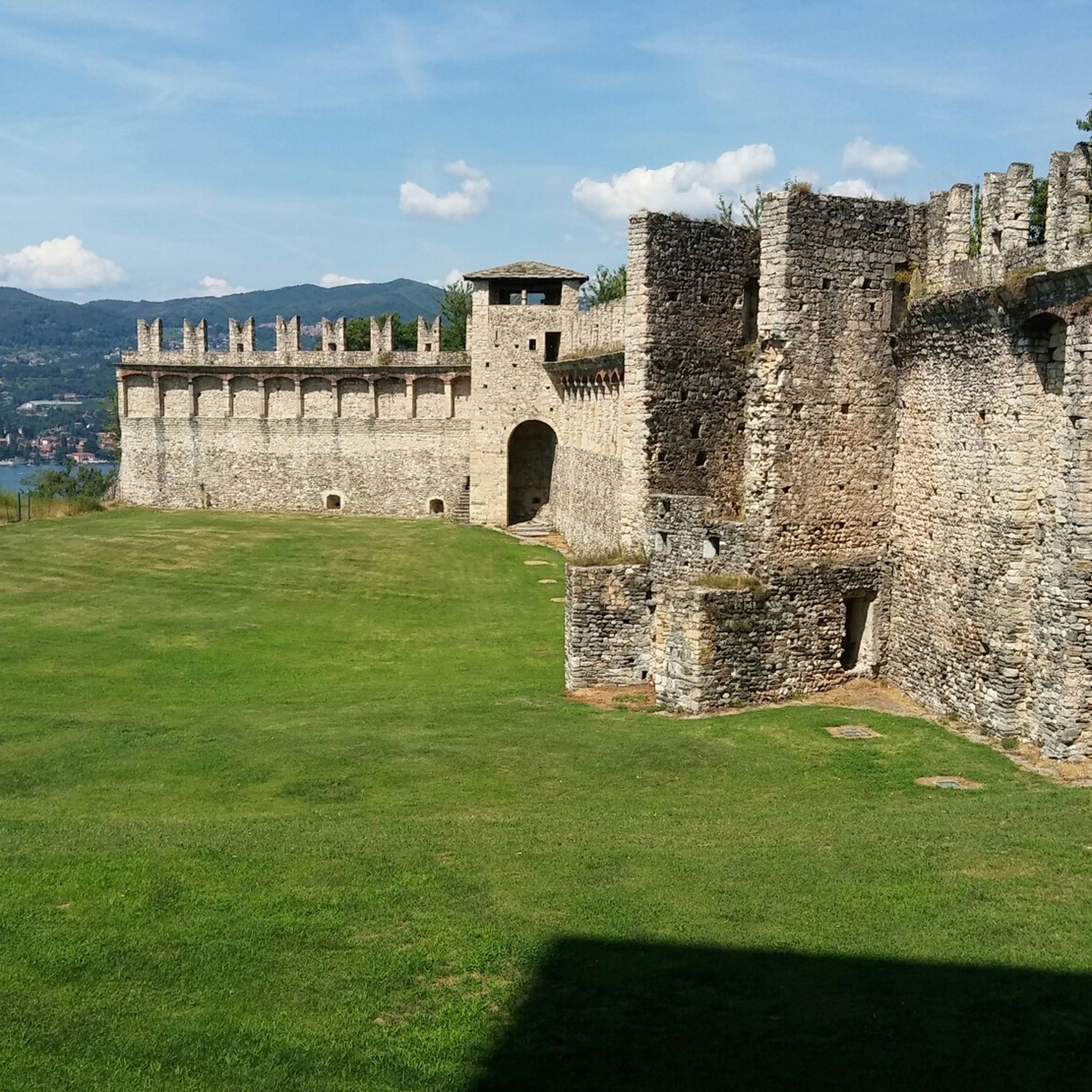
Still very well preserved - great panoramic view
0
0

on sunny days, excellent view of Lake Orta
0
0

Frequently Asked Questions
Which castles around Angera offer the best panoramic views?
For breathtaking panoramic views, visit the Rocca di Angera, which overlooks Lake Maggiore, its islands, and the surrounding mountains. The Borromean Fortress of Arona also provides stunning vistas, accessible via a footpath from the town. Additionally, the Buccione Tower offers fantastic views over Lago d'Orta.
Are there family-friendly castles to visit near Angera?
Yes, the Rocca di Angera is particularly family-friendly. It houses the fascinating Museum of Dolls and Toys, with over a thousand exhibits from the 18th century to the present day, appealing to visitors of all ages. The castle also features a faithfully recreated Medieval Garden.
What historical features can I explore at the castles around Angera?
The castles in the Angera region are rich in history. The Rocca di Angera, a medieval fortress, boasts the Hall of Justice with significant 13th and 14th-century frescoes depicting events related to Archbishop Ottone Visconti. The Visconti Castle of San Vito, originally a convent from the 1000s, was transformed into an elegant country residence by the Visconti family.
What outdoor activities can I do near the castles in Angera?
The area around Angera offers various outdoor activities. You can find numerous routes for cycling, gravel biking, and running. For example, explore the 'Around the Rocca d'Angera' running loop or the 'Ranco e Rocca di Angera' cycling tour. You can find more details and routes in the Running Trails around Angera and Cycling around Angera guides.
What makes the Rocca di Angera unique among the castles in the region?
The Rocca di Angera stands out as a perfectly preserved medieval fortress with origins dating back to 1066. It's unique for its blend of history, art, and natural beauty, featuring the Hall of Justice with rare 13th and 14th-century frescoes, the extensive Museum of Dolls and Toys, and a recreated Medieval Garden, all offering stunning views of Lake Maggiore.
Are there any cafes or refreshment points near the castles?
Yes, the Borromean Fortress of Arona has a refreshment point that is open during the summer months, making it a good spot for a break while enjoying the views. For other castles, it's advisable to check local amenities in the nearby towns.
What is the best time of year to visit the castles around Angera?
The spring and autumn months are ideal for visiting the castles around Angera. The weather is generally pleasant for exploring the outdoor areas and enjoying the panoramic views without the intense summer heat. Some refreshment points, like at the Borromean Fortress of Arona, are open during summer, but the crowds might be larger.
Can I find any 'hidden gem' castles or less-known historical sites?
While the Rocca di Angera and Borromean Fortress of Arona are well-known, the Visconti Castle of San Vito in Massino Visconti offers a glimpse into a less-frequented historical site. Originally a convent, it was transformed into an elegant country residence and still retains its unique architectural features and history.
What do visitors enjoy most about the castles in the Angera region?
Visitors frequently highlight the impressive historical architecture, the well-preserved interiors, and the breathtaking panoramic views of Lake Maggiore and Lago d'Orta. The unique collections, such as the Museum of Dolls and Toys at Rocca di Angera, and the historical frescoes are also highly appreciated.
Are there hiking opportunities near the castles?
Yes, the region offers hiking opportunities. For instance, the Buccione Tower is located within the Colle di Buccione nature reserve, providing a scenic setting for walks. You can also find dedicated running and hiking trails in the area, such as the 'Around the Rocca d'Angera' loop. Explore more options in the Running Trails around Angera guide.
How accessible are the castles for visitors?
Access to castles can vary. The Borromean Fortress of Arona is accessible via a somewhat steep footpath from the town. For specific accessibility details regarding mobility, it is recommended to check the individual castle websites or contact them directly before your visit.
Most popular attractions around Angera

Get inspired with the komoot mobile app


Explore more
Looking for the best castles somewhere else? Discover other guides around Angera:
