Top 5 Castles around Viggiù
Best castles around Viggiù include historical sites that reflect the region's rich artistic and cultural heritage, despite the absence of traditional standing castles. Viggiù, known as the "Land of Artists," has a history rooted in stonemasonry and sculpture, with many historical buildings and museums highlighting this legacy. The area offers a glimpse into its artisanal past through its old town and significant churches. Exploring these sites provides a rich cultural experience in a landscape shaped by centuries of artistic endeavor.
…Last updated: June 30, 2026
Medici Castle of Frascarolo
Highlight • Castle
Translated by Google •
Tip by

Castellaccio Ruins
Highlight • Castle
The coat of arms of Melano represents the lake, the Castellaccio (of which the ruins are still visible) built by the Como people around the year 1000 AD.
Translated by Google •
Tip by

Sign up now to discover places like this
Get recommendations on the best single tracks, peaks, & plenty of other exciting outdoor places.
Sign up for free
Doragno Castle
Highlight • Castle
The current building was born from the transformation and expansion of an ancient medieval castle. Located on a promontory, at the time of …
Translated by Google •
Tip by

Tri Böcc Cave Castle Ruin
Highlight • Castle
Translated by Google •
Tip by

View of Doragno Castle
Highlight • Viewpoint
Translated by Google •
Tip by
Start today with a free account
Your next adventure awaits.
Login or Signup
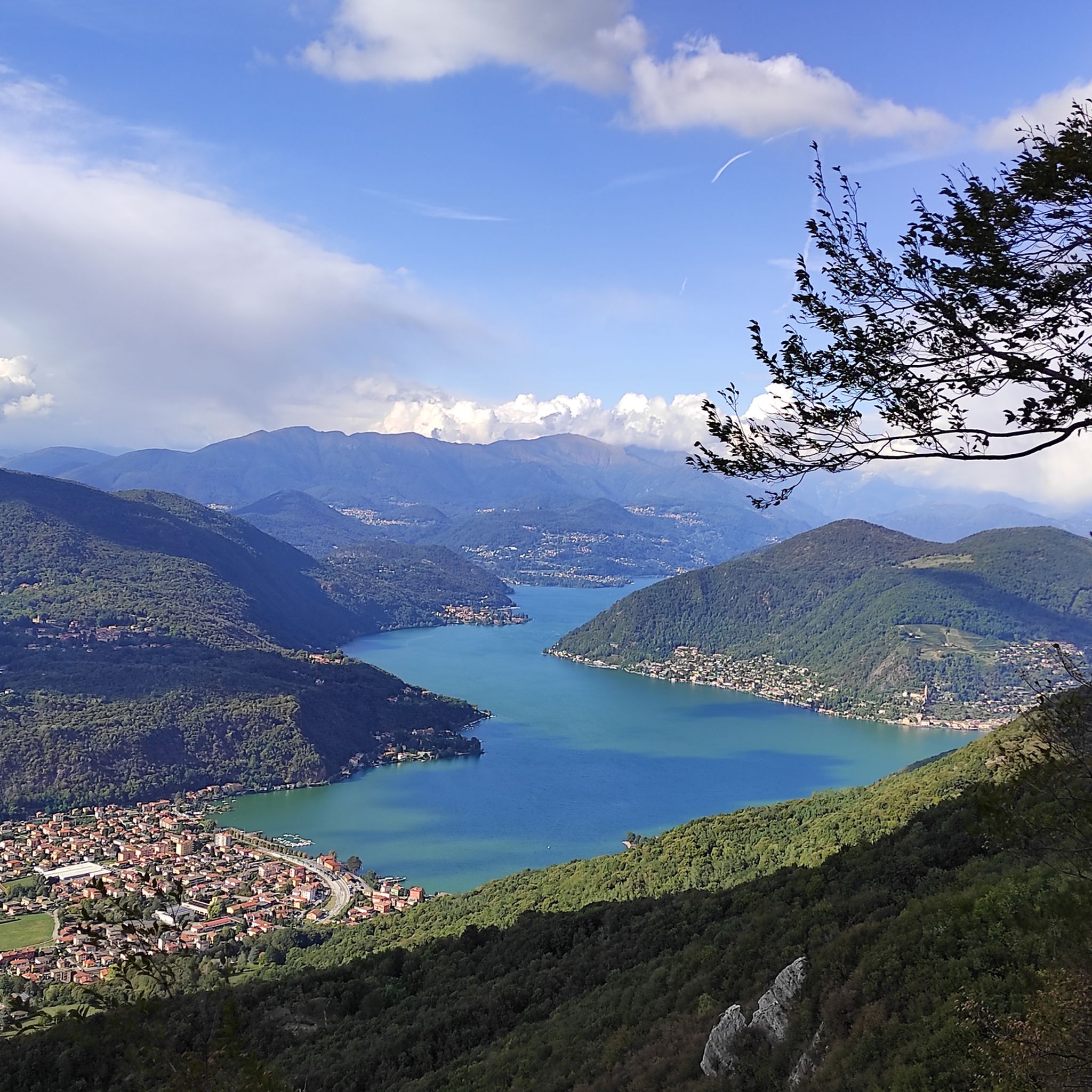
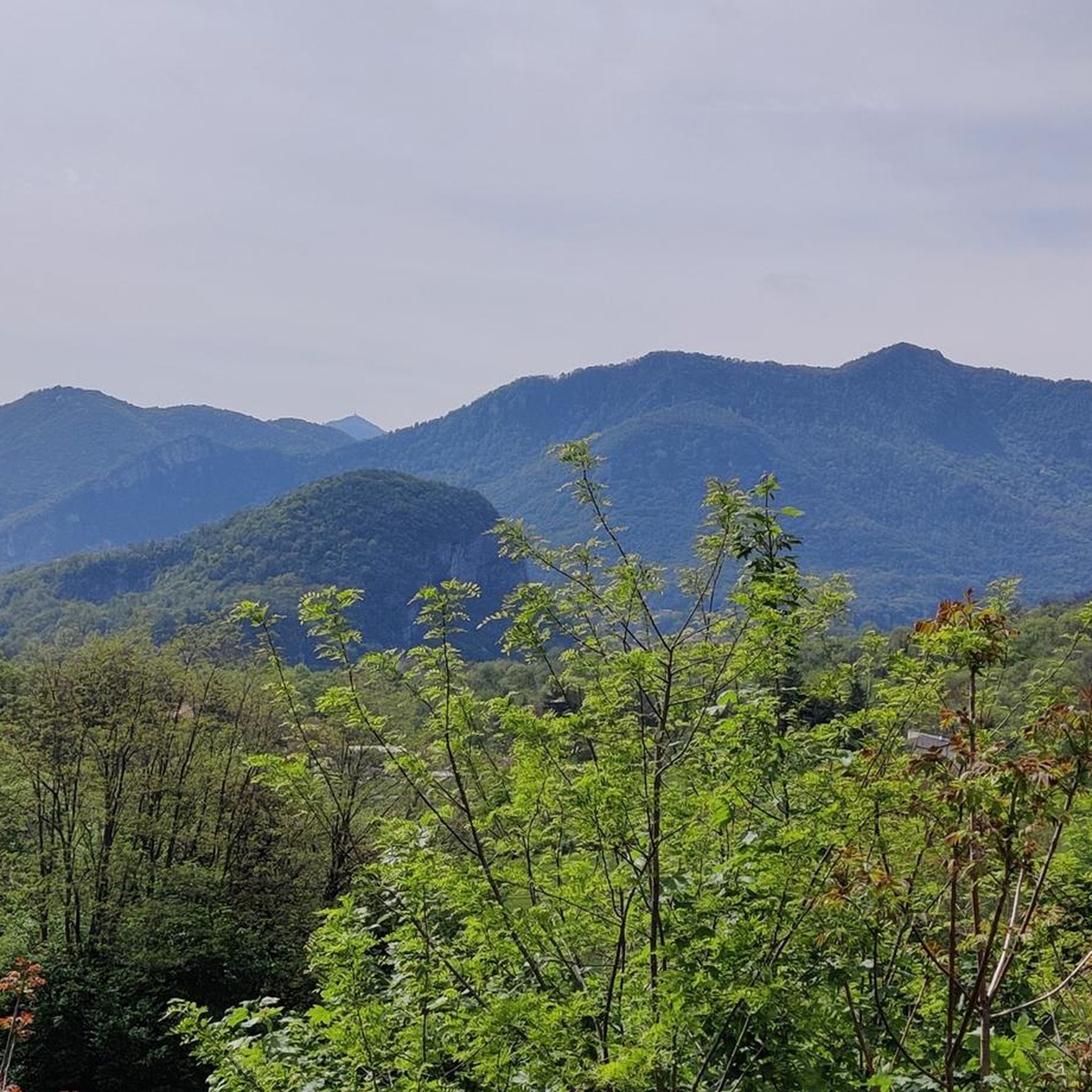
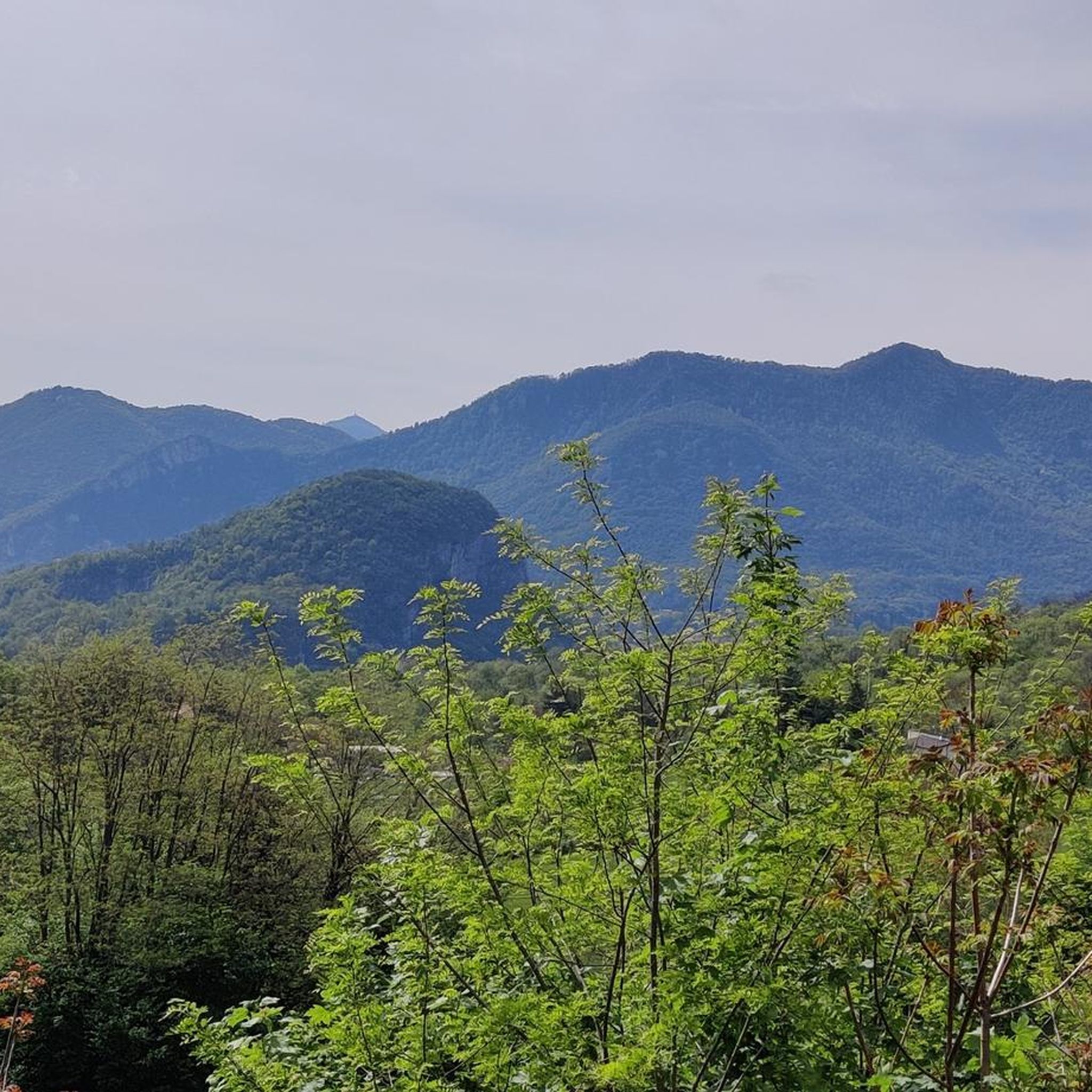
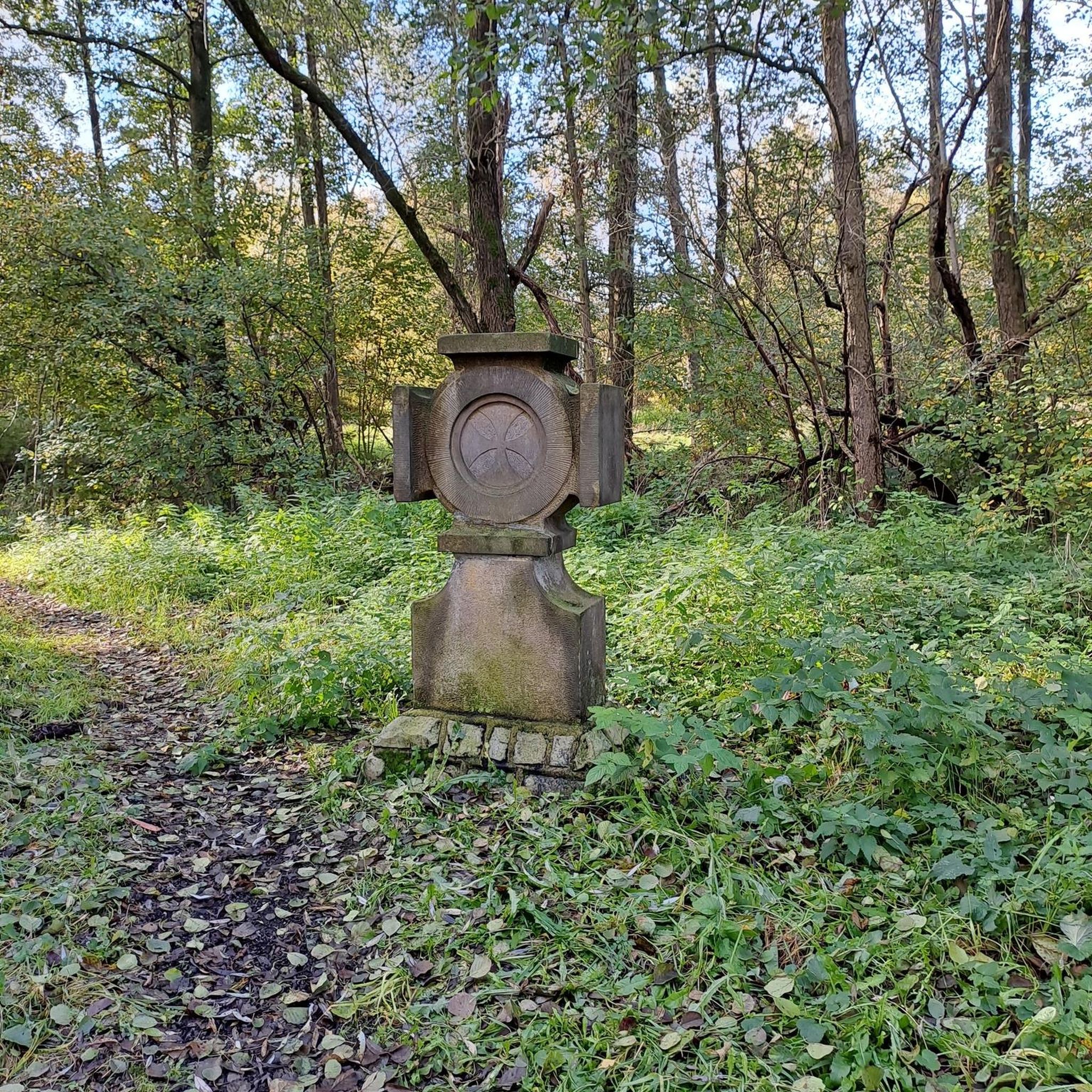
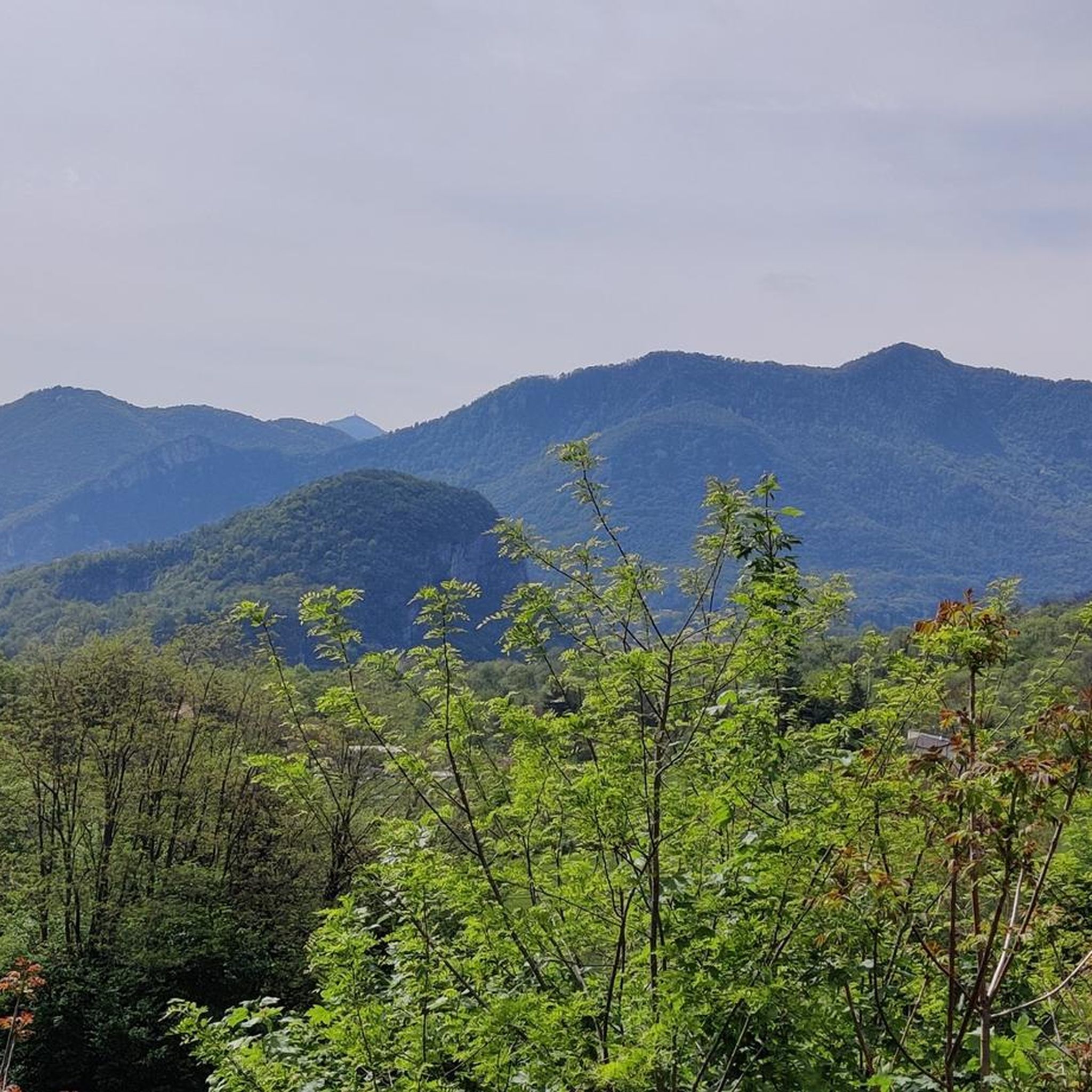

Tips from the Community

Ruins of a small cave castle, clearly visible and with exposed access in the rock walls north of Mendrisio. A straight, three-story wall closes the natural cave. The main openings and probably the namesake are a high entrance and two windows. There is a cast iron window above the climb. Several embrasures and light hatches have been preserved. According to architectural criteria, the castle dates back to the 15th century. It probably served as a defensive refuge for a local leadership group. The Tanùn (Tanone), another cave on the ascent, which is closed off with a low wall, was probably related to Tri Böcc. An at least indirect connection is conceivable with the grotto hermitage of San Nicolao, which, according to tradition, was built by Loterio Rusca in 1413 in a higher rock echelon.
1
0

The original volume was completed in imitation of the medieval style, only to be subjected, years later (2014-2017), to a further restoration intervention in which the aim was to restore "the soul of the castle", preserving the ancient part, showing clearly the difference between the medieval part and the recent works.
0
0
In 1960 only the stone perimeter walls of the building and part of the defensive walls remained. During the early 1990s it was transformed and expanded to create a private residence.
0
0
Private building. Interesting example of architectural recovery. The current building was born from the transformation and expansion of an ancient medieval castle. Located on a promontory, at the time of its construction (11th century) the castle enjoyed a very strategic position and constituted an observation and defense point along the road to the Mara and Intelvi valleys.
0
0
The Doragno castle was born from the transformation of an ancient medieval castle. The original stone walls are highlighted by the large windows that complement the volume of the existing building.
0
0

I visited this Castle years ago, on the occasion of an FAI Day and it is really worth a visit whenever possible. But even the mere external view, on a beautiful day, repays the effort of the ascent.
0
0

Ancient ruins of an ancient castle. The coat of arms of Melano represents the lake, the Castellaccio (of which the ruins are still visible) built by the Como people around the year 1000 AD.
1
0
Frequently Asked Questions
What kind of historical sites can I expect to find around Viggiù, given there are no traditional standing castles?
Viggiù, known as the "Land of Artists," doesn't feature traditional standing castles. Instead, you'll discover a rich array of historical buildings, villas, and museums that highlight its deep connection to art, sculpture, and stonemasonry. These include transformed medieval structures, ancient ruins, and unique cave castles, offering a distinct cultural experience.
Which specific castle ruins or transformed medieval structures can I visit near Viggiù?
You can explore the ancient Castellaccio Ruins, which are still visible and represent the coat of arms of Melano. Another notable site is the Medici Castle of Frascarolo, which is worth a visit even if only for its external view. Additionally, Doragno Castle is a private building that originated from the transformation and expansion of an ancient medieval castle, showcasing an interesting example of architectural recovery.
Are there any unique historical sites in Viggiù that showcase its artistic heritage?
Absolutely. Viggiù is rich in sites reflecting its artistic past. You can visit the elegant Villa Borromeo, which houses the Museum of Picasass (stonecutters) and the Museum of the 19th Century Artists from Viggiù. The Enrico Butti Museum, located in a beautiful park, collects works of the esteemed sculptor Enrico Butti, including his plaster models and paintings. The Old Town also features typical courtyard houses with artistic stone portals, once workshops of stonemasons.
Can I explore cave castles or similar unusual historical structures in the area?
Yes, you can discover the Tri Böcc Cave Castle Ruin, a small cave castle with clearly visible ruins and exposed access in the rock walls north of Mendrisio. This 15th-century structure likely served as a defensive refuge.
What outdoor activities, like hiking or cycling, are available near these historical sites?
The area around Viggiù offers various outdoor activities. For road cycling, you can find routes like the Lake Lugano – Madonna dei Ciclisti Shrine loop. Mountain hikes include options around Monte Generoso, offering views of Lake Lugano. For mountain biking, trails like the Cadorna Line Tunnel loop are available. You can find more details on these activities in the Road Cycling Routes around Viggiù, Mountain Hikes around Viggiù, and MTB Trails around Viggiù guides.
Are there specific hiking routes that offer views of the historical sites or natural landmarks?
Yes, several routes provide scenic views. For instance, the View of Doragno Castle is a highlight along some trails. Hiking routes around Monte Generoso also offer stunning views of Lake Lugano and the surrounding landscape. The Castellaccio Ruins are also situated in a viewpoint location.
What do visitors particularly appreciate about the historical sites around Viggiù?
Visitors appreciate the unique blend of history and art. The Medici Castle of Frascarolo is considered well worth a visit, even for just its external view. The Doragno Castle is noted for its interesting architectural recovery, preserving ancient parts while integrating modern elements. The area's historical sites are valued for offering a glimpse into the region's past and its rich artistic legacy.
Is there a best time of year to visit Viggiù for exploring its historical sites and engaging in outdoor activities?
While specific data isn't available, generally, spring and autumn offer pleasant weather for exploring historical sites and engaging in outdoor activities like hiking and cycling around Viggiù. The temperatures are milder, and the natural scenery is often at its most beautiful.
Are the historical sites around Viggiù suitable for families?
Many of Viggiù's historical sites, particularly the museums like the Museum of Picasass and the Enrico Butti Museum, offer engaging experiences for families interested in art and history. Exploring the Old Town with its unique architecture can also be an interesting family activity. The outdoor ruins and viewpoints can be enjoyable for families who enjoy walking and exploring.
What are some other significant historical buildings or cultural attractions in Viggiù besides the 'castles' and museums?
Viggiù boasts several historically significant churches, including the Parish Church of Santo Stefano with its imposing bell tower, the Church of the Rosary, and the Church of Our Lady of the Cross. The Old Cemetery (Cimitero Vecchio) is also a notable "small gem" with funerary art by significant 19th-century Varese artists, offering a romantic and historical atmosphere.
How long should I plan for a visit to the historical sites in the Viggiù area?
To fully appreciate the historical sites, museums, and the Old Town, you could easily spend a full day or even two. A visit to Villa Borromeo and its museums might take a few hours, while exploring the various churches and the Old Cemetery could fill another half-day. If you plan to include outdoor activities like hiking or cycling, allocate additional time accordingly.
Most popular attractions around Viggiù

Get inspired with the komoot mobile app


Explore more
Looking for the best castles somewhere else? Discover other guides around Viggiù:
