Top 4 Castles around Livigno
Best castles around Livigno are found in the wider Valtellina region, offering a glimpse into the area's rich history amidst alpine scenery. While Livigno itself is known for its natural landscapes, the surrounding valleys feature historical fortifications and towers. These sites provide historical context and often panoramic views of the mountainous terrain. The region's strategic location historically led to the construction of various defensive structures.
Best castles around Livigno
- The most popular castles is Fraele Towers, a man_made_monument that consists of signal towers built in 1391 at an elevation of 1,930 meters. These towers mark the border between Valdidentro and Val San Giacomo and offer significant historical insight.
- Another must-see spot is Guardaval Castle, a castle that is primarily a tower. It provides a beautiful vantage point above Madulain, accessible on foot or by bike.
- Visitors also love Planta Castle, a castle with parts dating back to the 13th century. This historical site was spared during the great village fire in 1872 and now serves as the seat of the national park administration, accessible through guided tours.
- Livigno is known for historical fortifications, medieval castles, and ancient towers. The area offers a variety of historical sites to explore, from strategic defensive structures to residential castles.
- The castles around Livigno are appreciated by the komoot community, with 848 upvotes and 327 photos shared by visitors.
Last updated: August 24, 2026
Fraele Towers
Highlight • Monument
Translated by Google •
Tip by

Planta Castle
Highlight • Castle
Translated by Google •
Tip by

Sign up now to discover places like this
Get recommendations on the best single tracks, peaks, & plenty of other exciting outdoor places.
Sign up for free
Wildenberg Castle in Zernez
Highlight • Castle
The castle stands majestically on the plain below the church hill and marks the transition to the old part of the village of Runatsch. Only the square tower reminds of times long past. This medieval residential tower was probably built around 1280 and was the property of the Planta-Wildenberg family. The unpopular lord of the castle, Rudolf von Planta, had executions carried out as a statutory judge, which the population resented. Suspected of sympathizing with the Catholics, he was ostracized by the court in 1618 and sentenced to death in absentia. Led by his opponent Baptista von Salis, the Engadine devastated his castle, but he fled. In 1627 he became Austrian captain and ruled again in Zernez, to the chagrin of the inhabitants, who had to rebuild it. Over the centuries there have been many changes of ownership: from the bishop of Chur, Conrad Planta from Zuoz, knight Rudolf von Planta, the Bezzola and Hemmi families to the municipality of Zernez.
Text / Source: Guest Information Scuol, Stradun 403a, CH-7550 Scuol
engadin.com/de/schloss-planta-wildenberg
Translated by Google •
Tip by

Mohrenturm (Tuor dals Mors), Zernez
Highlight • Historical Site
The tower's history dates back to the 13th century. Its name (presumably) comes from the Moor family, who had it built. It served as a storehouse for money, ammunition, and documents, as a residential tower, and even as a prison.
Translated by Google •
Tip by

Guardaval Castle
Highlight • Castle
Translated by Google •
Tip by

Start today with a free account
Your next adventure awaits.
Login or Signup
Popular around Livigno
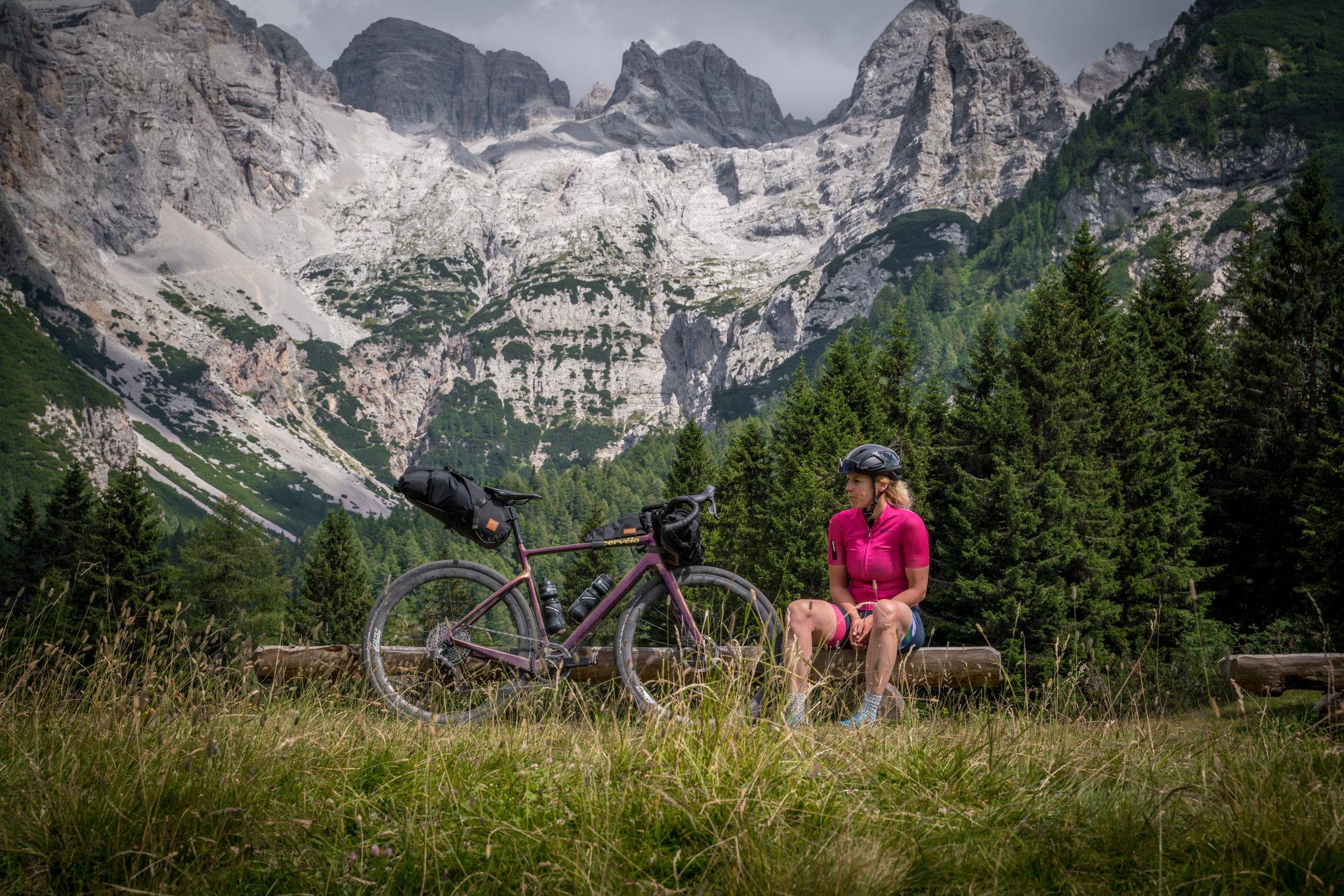
Graun to Riva del Garda — Gravelling across the Alps
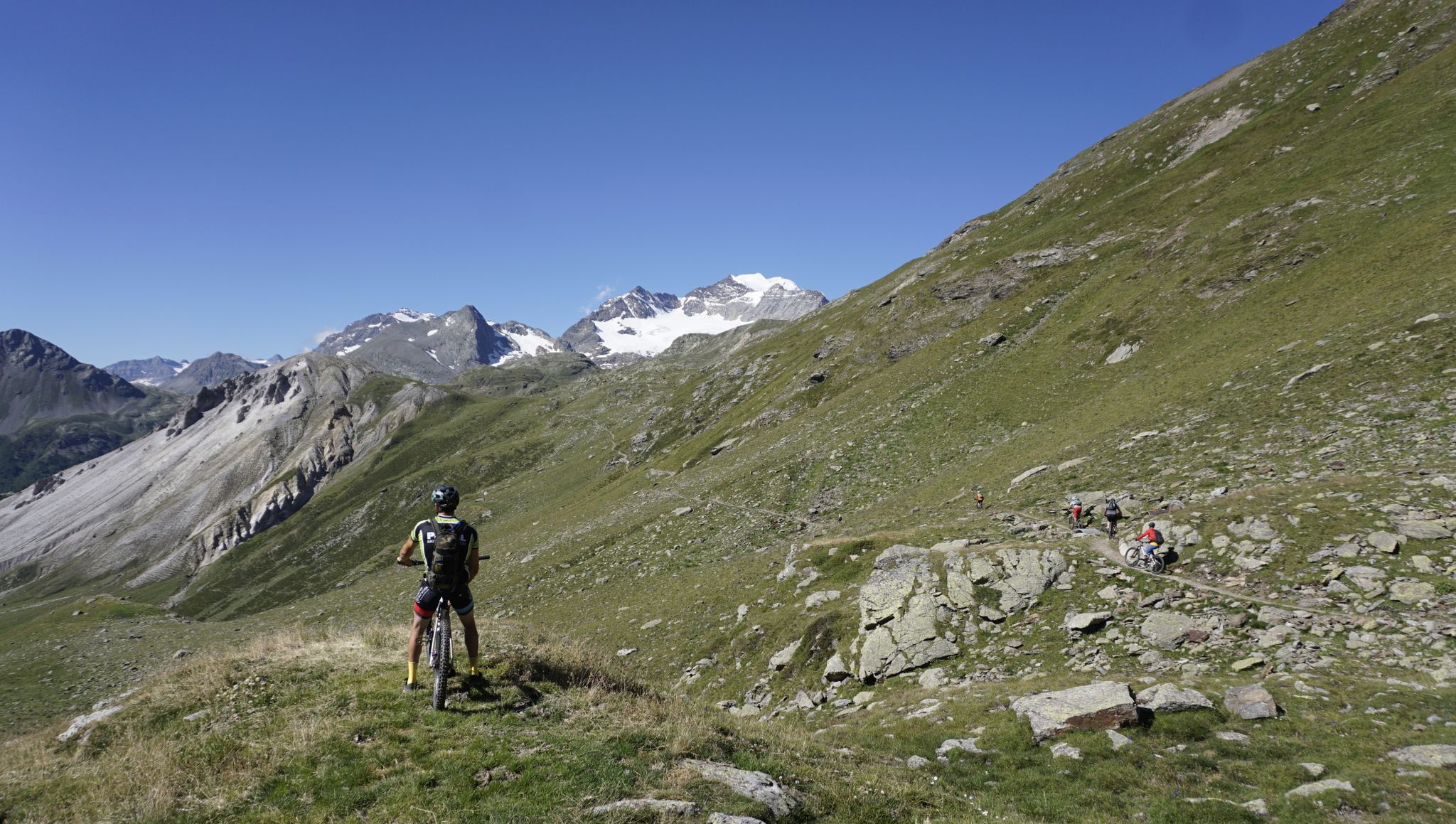
MTB Transalp Lake Como – From the Zugspitze to Lake Como
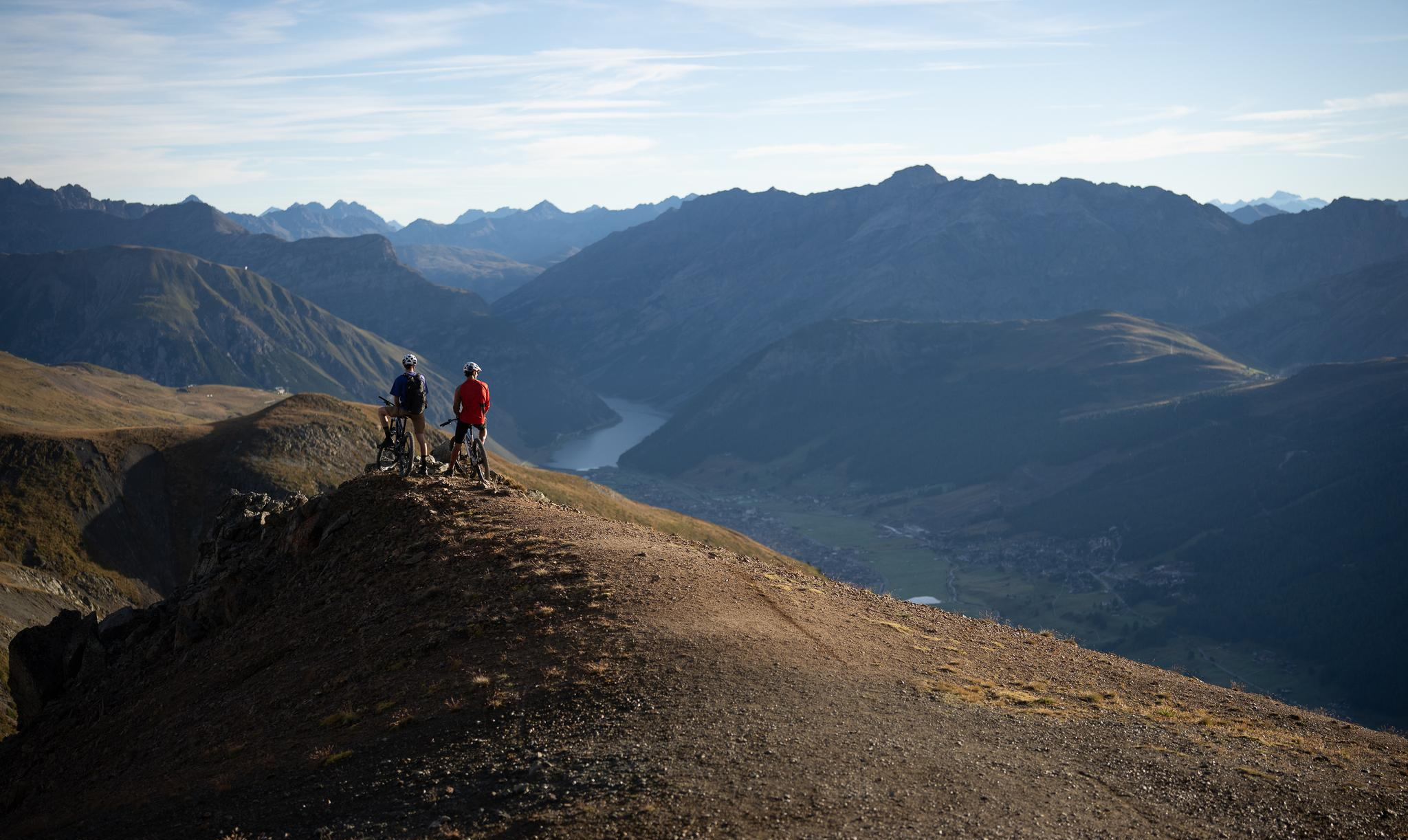
1816 Bike Zone Livigno – pedal in the heart of the Alps
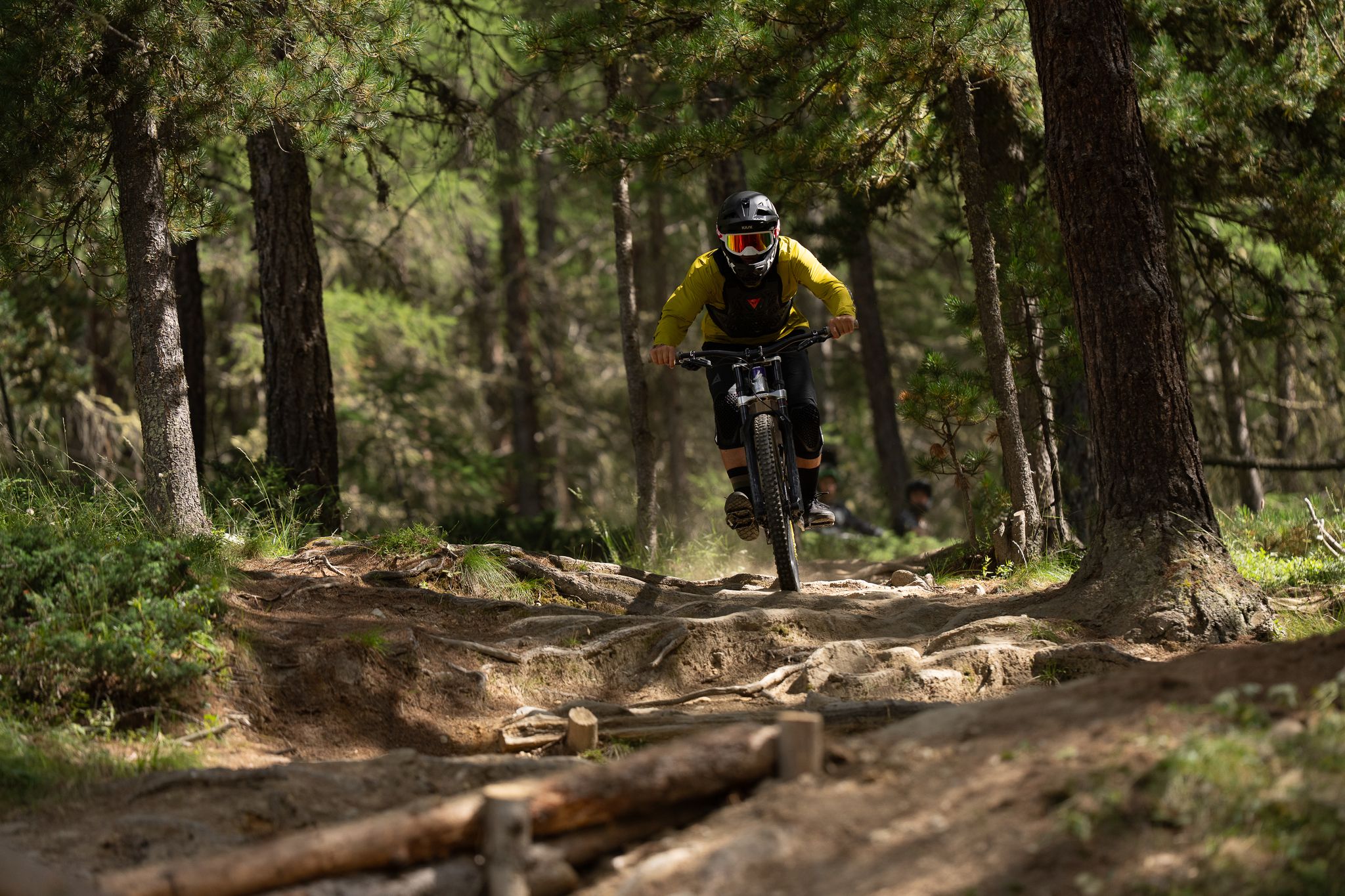
Gravity MTB in Livigno's 1816 Bike Zone: Downhill, Flow & Enduro
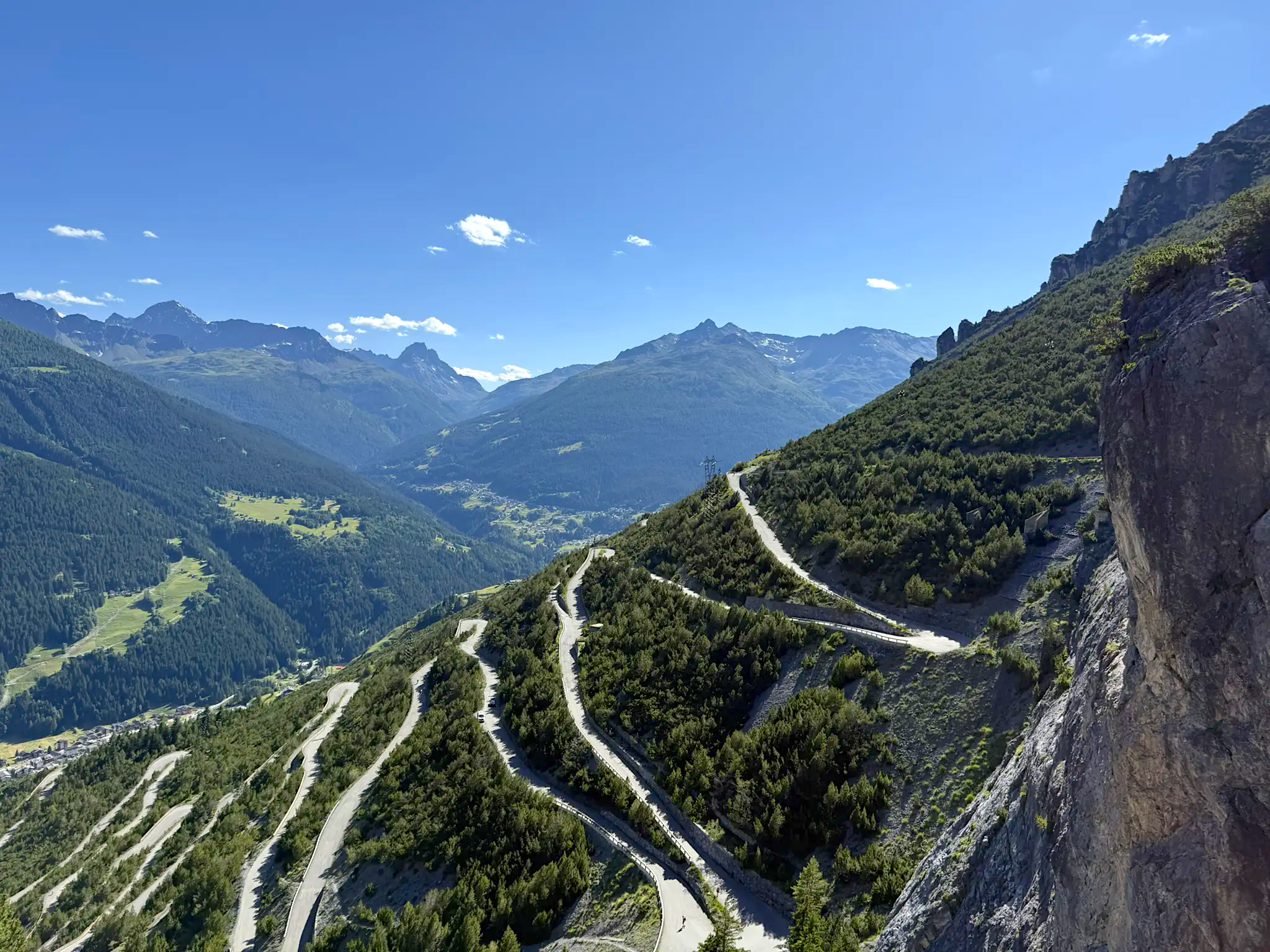
Stelvio Epic Rides – your unforgettable Bormio challenge
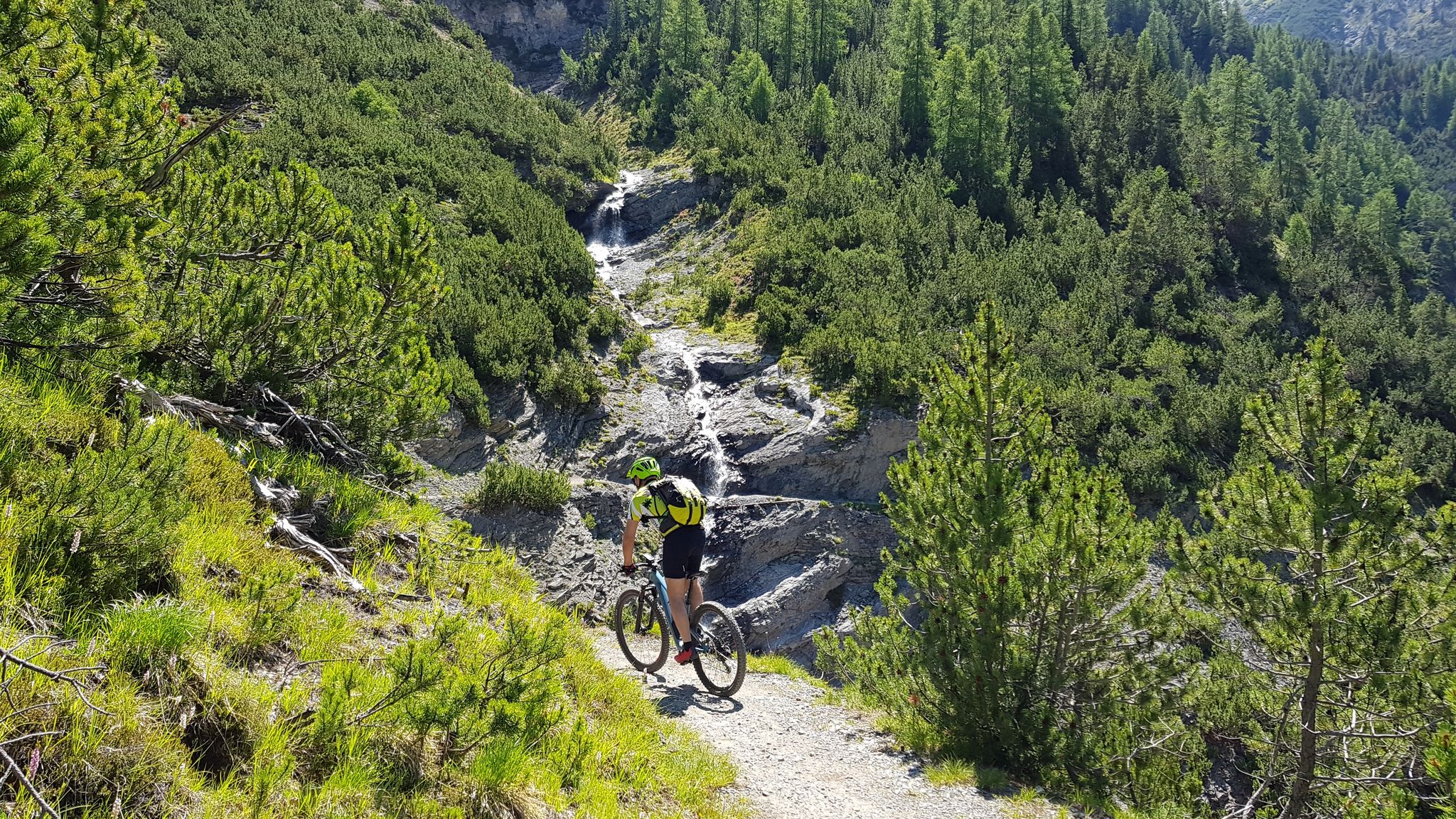
Swiss National Park by MTB – Nationalpark Bike-Marathon
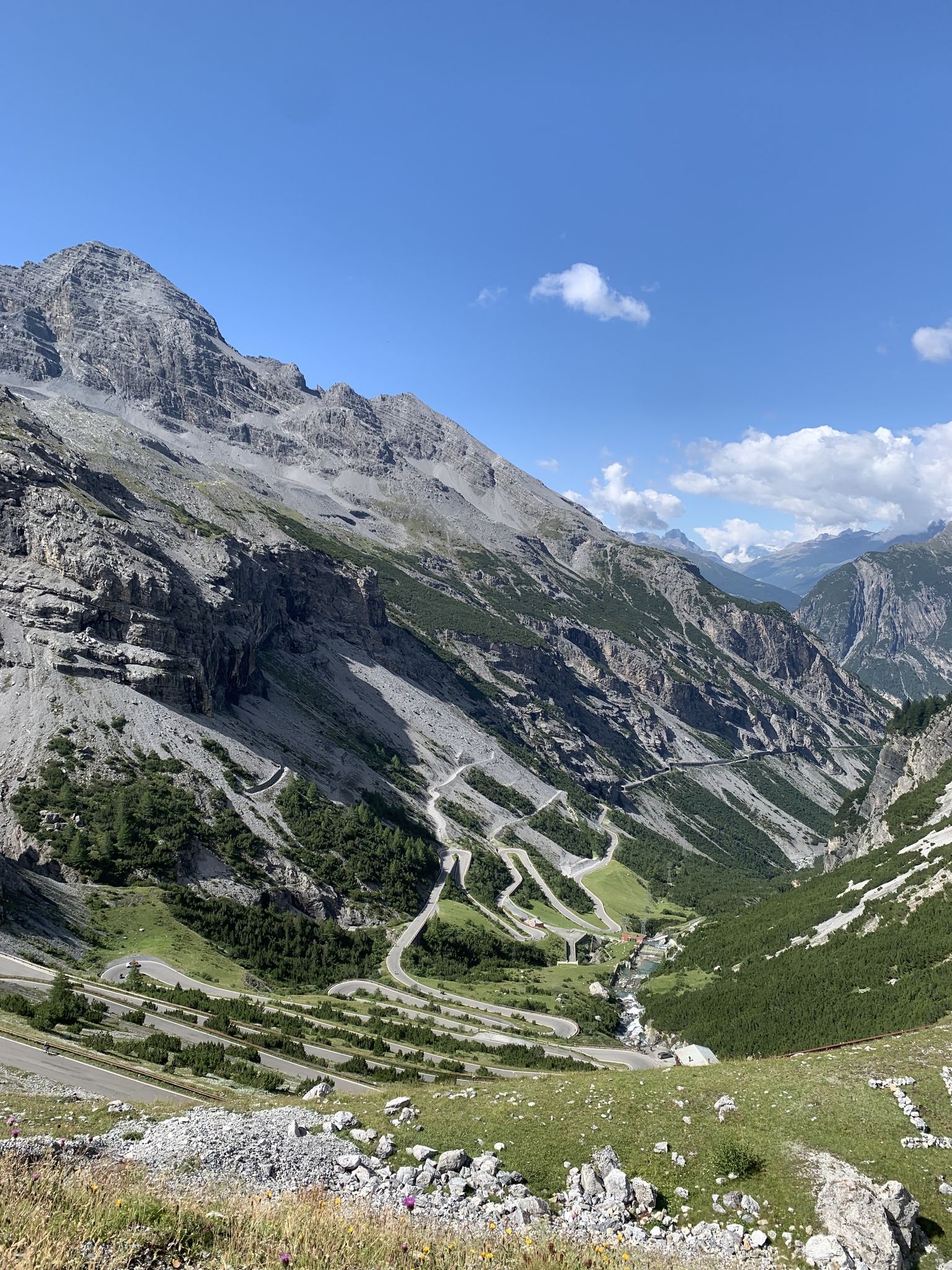
Transcontinental Race No9 2023
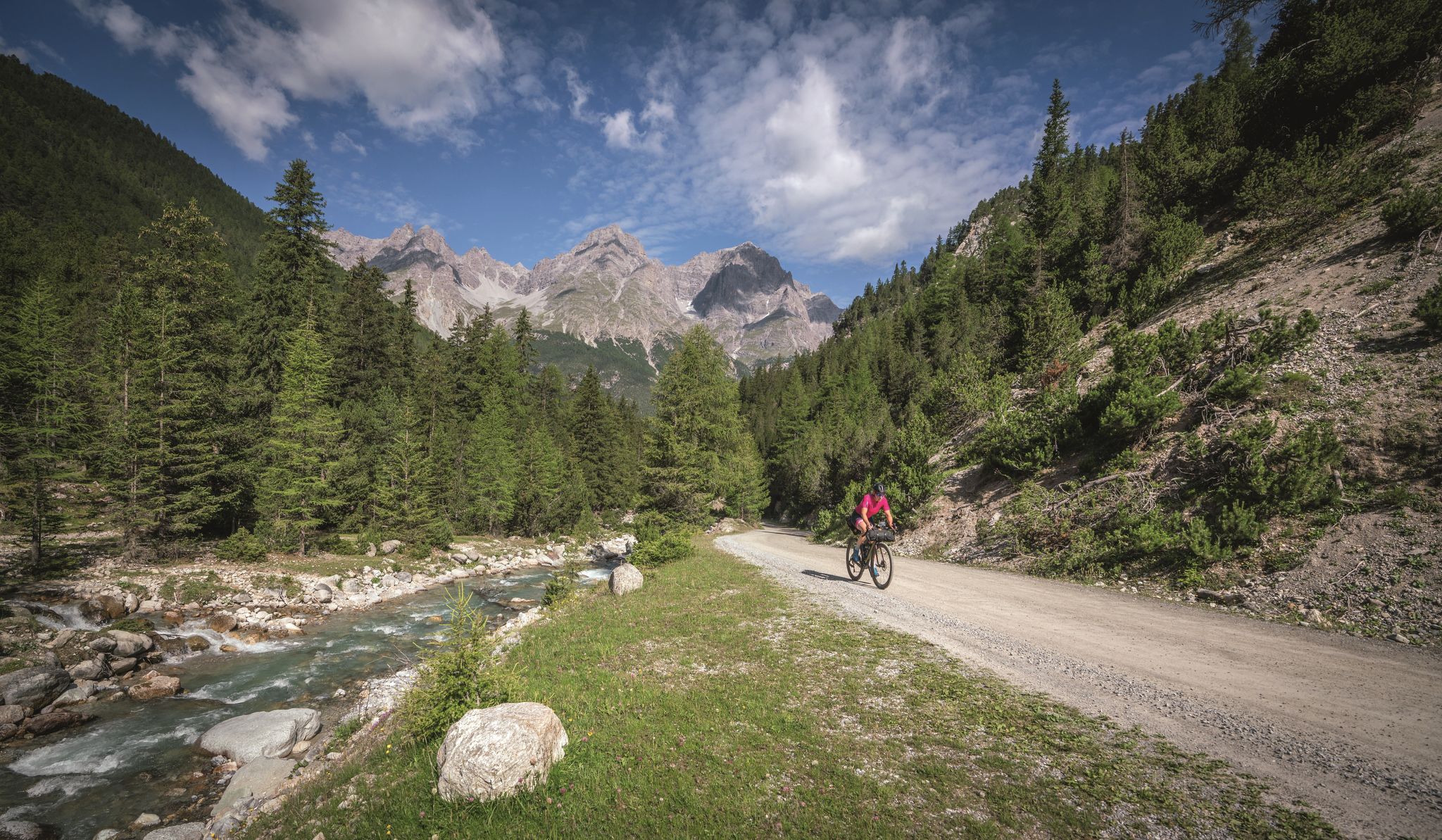
In 6 days from Reschen to Lake Garda - Gravel-Transalp with TOUR
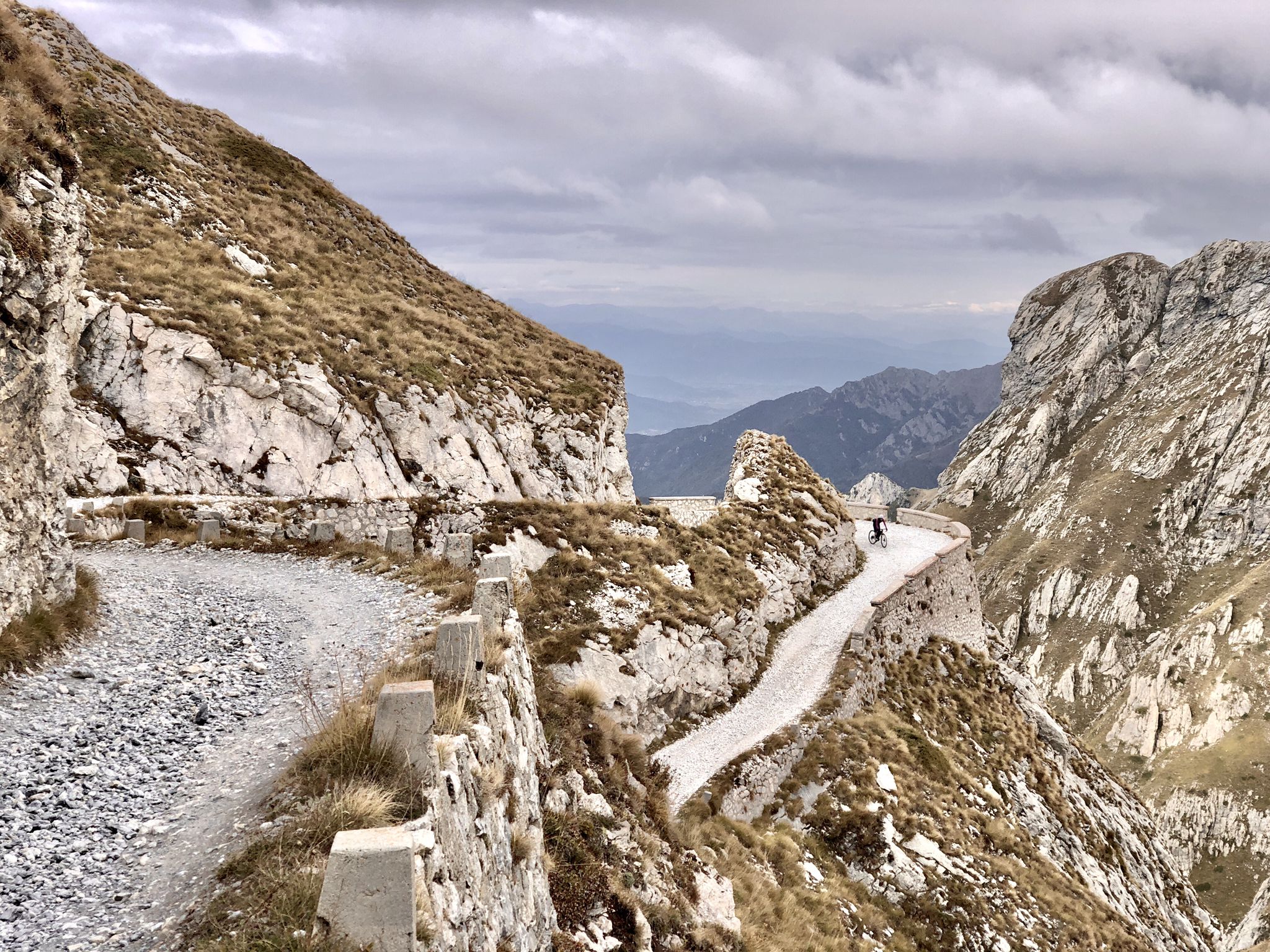
Rough and tough – spectacular gravel loops in the Alps
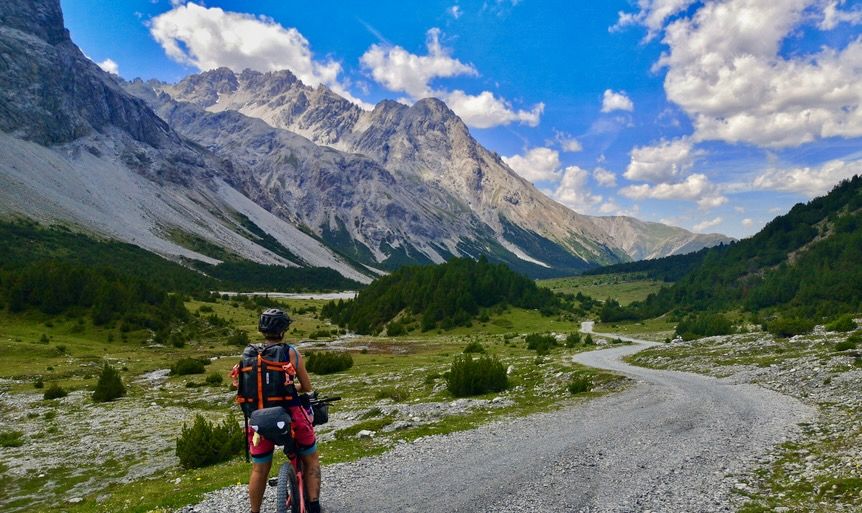
gravELLE x komoot Women's Bikepacking Weekender – Marmot's Land
Other adventures around Livigno


Tips from the Community

La Tuor dals Mors / Mohrenturm, Zernez This is how the historian Nicolin Sererhard described the Mohrenturm in the 18th century. The exact year of the tower's construction is not known. It was probably built in the mid-13th century by the Moor family, making it older than the Swiss Confederation. As late as 1570, it was inhabited by an Albert Moor. Afterwards, it was left to decay and later taken over by the municipality. How far the foundations actually reach into the ground is left to the imagination, as is the legend of the underground connecting passage to Planta Castle of Wildenberg. Known and accessible are the historical cellar vaults with the dungeons, accessible only from above. Also characteristic is the ledge on the outer wall, which testifies to a reconstruction from this height and is still recognizable inside today. Text / Source: Mohrenturm, Zernez https://www.morenturm.ch/
11
1
Schloss Zernez / Schloss Planta von Wildenberg in Zernez Between the former Wildenberg court and the present-day Planta-Wildenberg Castle lies a long, history-rich path that could certainly be described as a cinematic drama with a happy ending. The castle stands majestically on the plain below the church hill, marking the transition to the old village part Runatsch. Only the square tower still reminds us of a long-gone era. This medieval residential tower was probably built around 1280 and was owned by the Lords of Planta-Wildenberg. The unpopular lord of the castle, Rudolf von Planta, as a statutory judge, had executions carried out, which the population resented. He was suspected of sympathizing with the Catholics, outlawed by the court in 1618, and sentenced to death in absentia. Under the leadership of his opponent Baptista von Salis, the people of Engadin devastated his castle, but he fled. In 1627, he became an Austrian captain and ruled again in Zernez, to the dismay of the inhabitants, who had to rebuild it. Over the centuries, there were many changes of ownership: from the Bishop of Chur, Conrad Planta from Zuoz, Knight Rudolf von Planta, the Bezzola and Hemmi families, to the municipality of Zernez. Its current appearance was given to the castle through the renovation and extension of the two additional wings in the 18th century. Miraculously, it was spared from the great village fire. In 1985, the municipality of Zernez acquired it for use as a municipal building. Since 2007, it has housed the National Park administration. During the National Park Cinema Open Air, the castle courtyard transforms into a fairytale film set. The dramas now only play out on the screen and no longer behind the castle walls. Text / Source: Gäste-Information Scuol, Stradun 403a, Scuol https://www.engadin.com/de/schloss-planta-wildenberg-zernez
14
0
Chastè / Schloss Planta Von Wildenberg, Zernez The castle stands majestically in the plain below the church hill and marks the transition to the old village part Runatsch. Only the square tower still reminds of long past times. This medieval residential tower was probably built around 1280 and was owned by the lords Planta-Wildenberg. The unpopular lord of the castle, Rudolf von Planta, had executions carried out as statutory judge, which the population resented. He was suspected of sympathizing with the Catholics, outlawed by the court in 1618, and sentenced to death in absentia. Under the leadership of his opponent Baptista von Salis, the people of Engadin devastated his castle, but he fled. In 1627 he became an Austrian captain and ruled again in Zernez, to the regret of the inhabitants, who had to rebuild it. Over the centuries, there were many changes of ownership: From the Bishop of Chur, Conrad Planta from Zuoz, Knight Rudolf von Planta, the Bezzola and Hemmi families to the municipality of Zernez. Text / Source: Gäste-Information Scuol, Stradun 403a, CH-7550 Scuol https://www.engadin.com/de/schloss-planta-wildenberg
14
0
Schloss Zernez / Schloss Planta-Wildenberg in Zernez Between the former Wildenberg farmstead and the present-day Schloss Planta-Wildenberg lies a long, history-rich path that could well pass as a film-worthy drama with a happy ending. The castle stands majestically on the plain below the church hill, marking the transition to the old village part Runatsch. Only the square tower is reminiscent of long-gone times. This medieval residential tower was probably built around 1280 and was owned by the lords Planta-Wildenberg. The unpopular castle lord Rudolf von Planta had executions carried out as a statutory judge, which earned him the ill will of the population. He was suspected of sympathizing with the Catholics, outlawed by the court in 1618, and sentenced to death in absentia. Under the leadership of his opponent Baptista von Salis, the Engadine people devastated his castle, but he fled. In 1627, he became an Austrian captain and ruled again in Zernez, to the dismay of the inhabitants, who had to rebuild it. Over the centuries, there were many changes of ownership: from the Bishop of Chur, Conrad Planta from Zuoz, Knight Rudolf von Planta, the Bezzola and Hemmi families, to the municipality of Zernez. Its current appearance was given to the castle through the renovation and addition of two further wings in the 18th century. Miraculously, it was spared from the great village fire. In 1985, it was acquired by the municipality of Zernez for use as a municipal building. Since 2007, it has housed the National Park administration. During the National Park Cinema Open Air, the castle courtyard transforms into a fairytale film set. The dramas now only play out on the screen and no longer behind the castle walls. Text / Source: Guest Information Scuol, Stradun 403a, Scuol https://www.engadin.com/de/schloss-planta-wildenberg-zernez
14
0

A very beautiful vantage point above Madulain, easily accessible on foot or by bike (the last few meters are on foot). A fire pit and bench are located near the ruins.
0
0

The Tuor dals Mors, or Moor's Tower in English, is an old stone tower in the center of Zernez. It is privately owned and can be rented as accommodation. The tower's history dates back to the 13th century. Its name (presumably) comes from the Moor family, who had it built. It served as a storehouse for money, ammunition, and documents, as a residential tower, and even as a prison.
3
0


Probably privately owned, in the parking lot
1
1
Frequently Asked Questions
What kind of historical fortifications can I find near Livigno?
While Livigno is known for its natural landscapes, the surrounding valleys feature historical fortifications and towers. The most prominent are the Fraele Towers, which are medieval signal towers in Valdidentro, close to Livigno. Other historical sites include Planta Castle and Guardaval Castle, which offer glimpses into the region's past.
Are there any castles directly in Livigno?
Livigno itself does not have prominent medieval castles within the town. The historical fortifications and towers are found in the wider Valtellina region and surrounding valleys, such as the Fraele Towers located in Valdidentro, which is relatively close.
Which castles offer the best views?
The Fraele Towers are renowned for their incredible panoramic views of the mountainous terrain. Similarly, Guardaval Castle, primarily a tower, provides a beautiful vantage point above Madulain, making it worth the climb for the scenery.
Can I visit these historical sites with my family?
Yes, Planta Castle is considered family-friendly and offers guided tours. The historical context and scenic locations of other sites like the Fraele Towers can also be engaging for families, especially those interested in history and outdoor exploration.
Are there hiking trails to or near these castles?
Absolutely. The Fraele Towers are accessible via trails, with visitors noting a great descent and options for more challenging routes with loose rubble. The wider Livigno area offers numerous hiking opportunities, including routes like the Val Nera Waterfall Loop or the Val delle Mine Trail. You can find more hiking options in the Hiking around Livigno guide.
What is the best way to reach the Fraele Towers?
The Fraele Towers are accessible by driving through winding roads in Valdidentro. For those who prefer active travel, they can also be reached via hiking or cycling routes, offering a rewarding journey with spectacular views.
Are there any castles that offer guided tours?
Planta Castle, which now serves as the seat of the national park administration, is accessible to visitors as part of guided tours of the village. This provides a deeper insight into its 13th-century origins and history.
What do visitors enjoy most about the castles and historical sites in this region?
Visitors frequently appreciate the historical significance and the stunning panoramic views offered by these sites. The Fraele Towers are particularly noted for their historical insight and beautiful descent, while Guardaval Castle is loved for its vantage point over the valley.
Can I combine a castle visit with other outdoor activities?
Absolutely. The region around Livigno is ideal for combining historical exploration with outdoor activities. Many castles, like the Fraele Towers, are located along scenic routes suitable for hiking or cycling. You can explore various trails in the area, including options for mountain hikes and running. For more details, check out the Hiking around Livigno, Mountain Hikes around Livigno, and Running Trails around Livigno guides.
What is the history behind Mohrenturm (Tuor dals Mors) in Zernez?
The Mohrenturm (Tuor dals Mors) is an old stone tower in Zernez with a history dating back to the 13th century. It served various purposes, including a storehouse for valuables, a residential tower, and even a prison. It is privately owned but offers a fascinating glimpse into medieval life.
Are there any castles that are more than just ruins?
Yes, Planta Castle has parts dating back to the 13th century and was spared during a major village fire. It is well-preserved and now functions as the seat of the national park administration, offering guided tours. The Mohrenturm (Tuor dals Mors) is also a substantial stone tower with a rich history.
What is the significance of the Fraele Towers?
The Fraele Towers are signal towers built in 1391 at an elevation of 1,930 meters. They played a crucial strategic role in the Middle Ages, marking the border between Valdidentro and Val San Giacomo, and are considered a symbol of Alta Valtellina's historical defiance.
Most popular routes around Livigno
Most popular attractions around Livigno

Get inspired with the komoot mobile app


Explore more
Looking for the best castles somewhere else? Discover other guides around Livigno:
