Top 7 Caves around Brenta
Best caves around Brenta are located within a region characterized by dramatic peaks and karstic landscapes. The Brenta Dolomites feature a well-developed system of both surface and subterranean formations, including numerous natural karst caves. These caves offer diverse exploration opportunities, ranging from active hydrological systems to historical sites. Many are easily accessible to visitors exploring the area.
Best caves around Brenta
- The most popular caves is The Canonica of San Giorgio, a religious building and historical site. It features…
Last updated: June 30, 2026
Church of St. Anthony on the Mountain
Highlight • Religious Site
Church of San Antonio sul Monte (Porto Valtravaglia)
The origins of the church can be traced back a long way: the primitive Romanesque structures, …
Translated by Google •
Tip by

The Canonica of San Giorgio
Highlight • Religious Site
Translated by Google •
Tip by

Sign up now to discover places like this
Get recommendations on the best single tracks, peaks, & plenty of other exciting outdoor places.
Sign up for free
Devil’s Bridge and Cave
Highlight • Cave
Translated by Google •
Tip by

Remeron Cave
Highlight • Cave
Translated by Google •
Tip by

Cunardo Gorge
Highlight • Cave
Translated by Google •
Tip by

Sign up for free to discover even more caves around Brenta.
Sign up for free
Already have an account?
Start today with a free account
Your next adventure awaits.
Login or Signup
Tips from the Community

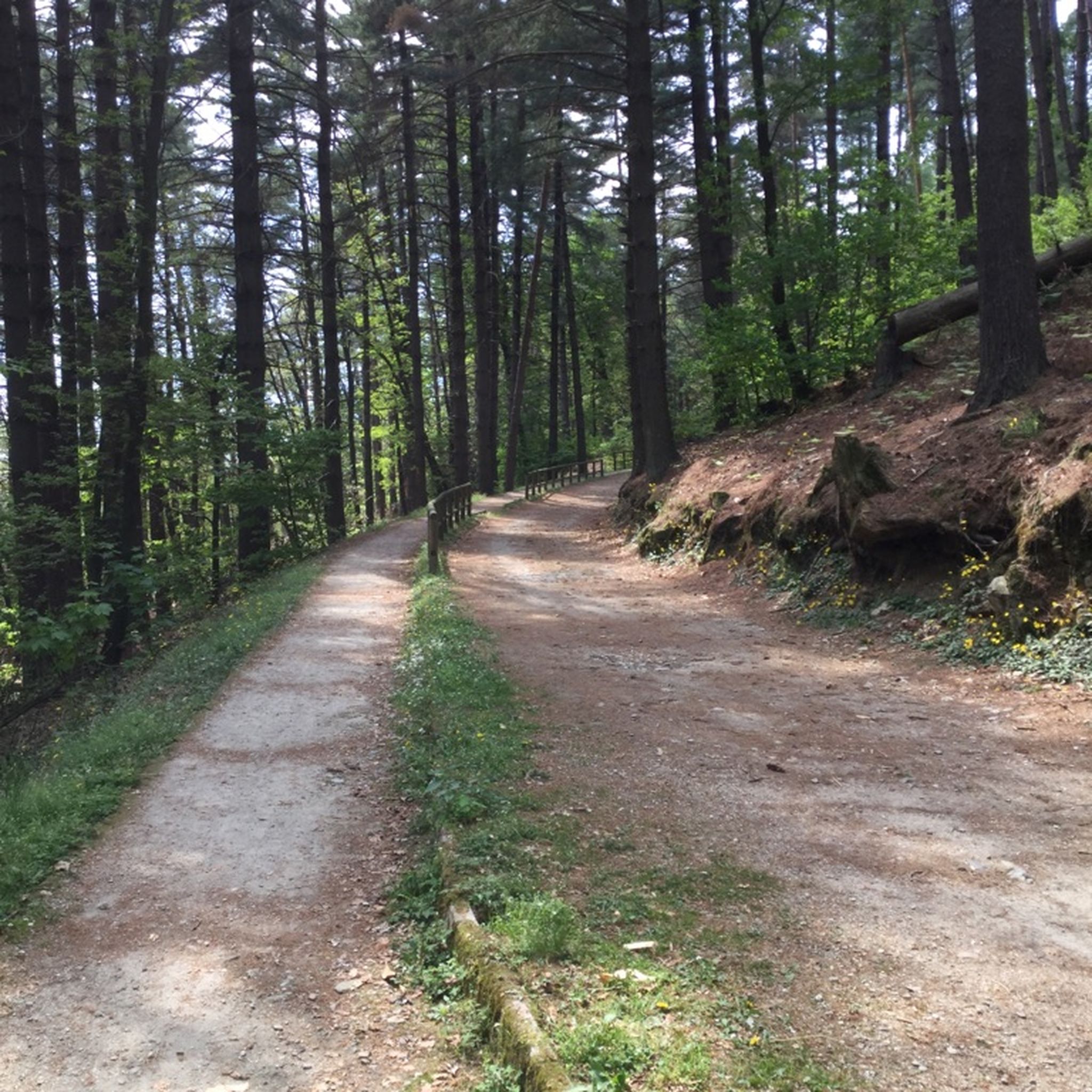
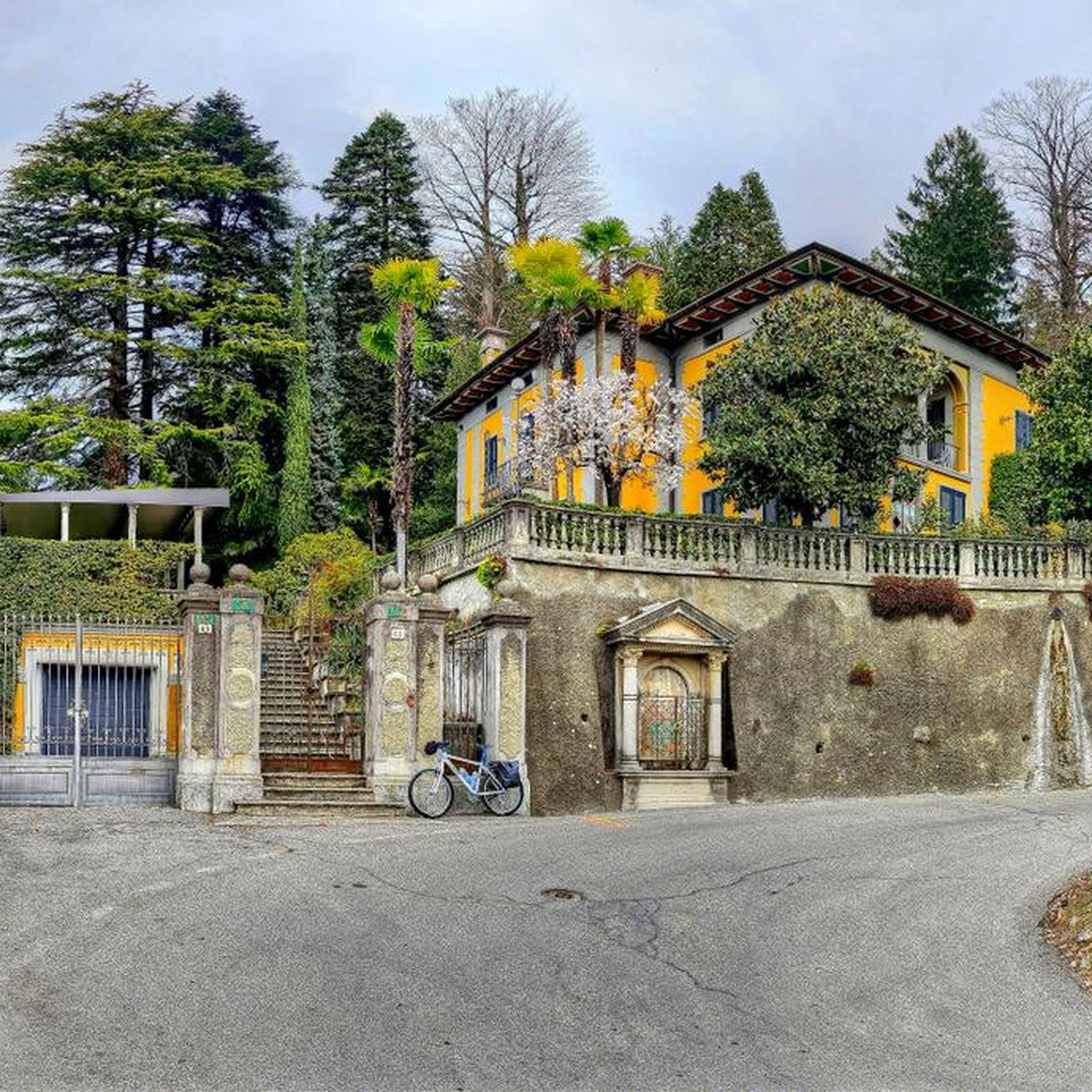
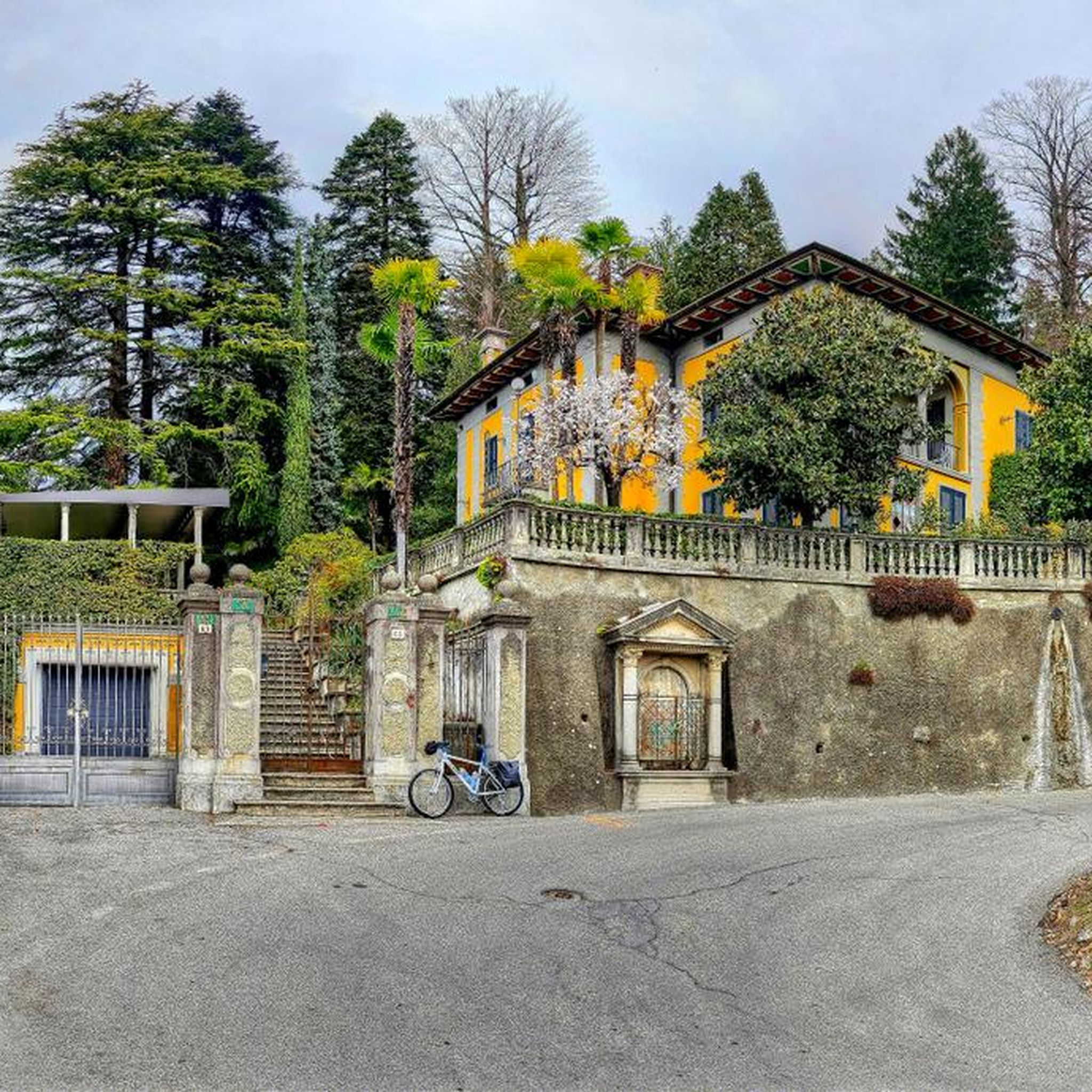
Chiesa Sant’Antonio al Monte (Porto Valtravaglia) Church of San Antonio sul Monte (Porto Valtravaglia) The origins of the church can be traced back a long way: the primitive Romanesque structures, still partially visible in the typical barrel-shaped interior, date back to around 1000/1200. In the past, on the day of San Rocco, patron of Nasca, the Naschesi would ascend to the small church in a large procession. The unique cave church, dedicated to Saint Anthony Abbot of the Desert, was also a well-known place of pilgrimage Text from the book "Municipality of Castelveccana - a land on the way".
10
1


The Cunardo Ravine is a karst complex made up of a labyrinth of tunnels and caves dug by the Margorabbia torrent.
0
0

The Devil's Bridge is a place with a waterfall and cave surrounded by nature. It is a perfect place to escape the heat or simply listen to the sound of water, a stone's throw from Lake Varese.
4
0

Being a 30km walk, you need suitable shoes, with a grip on the ground because you have to face steep descents, as well as climbs. Bring a change of shirts. Spring and autumn season are the best
0
0

Definitely take a strong flashlight with you if you want to go into the caves or catacombs. A little adventure for children.
1
0

Great quiet place with adventurous walk down
1
0
B&B Il Gatto Nero - Porto Valtravaglia Cascate Della Froda is 2.5 km from B&B Gatto Nero, Porto Valtravaglia and Chiesa di Sant'Antonio sul Monte is 100 meters away. The B&B is located in Porto Valtravaglia, 2 km from the center. San Antonio is in close proximity to this property. https://b-il-gatto-nero-arcumeggia.hotelmix.it/ www.momentimusicali.net
6
1
Frequently Asked Questions
What types of caves can I explore around Brenta?
The Brenta region offers a diverse range of subterranean experiences. You can explore natural karst caves, historical cave churches, and gorges with subterranean passages. Examples include active karstic systems like the Bus de la Spia, historical sites such as the Canonica of San Giorgio, and the unique Church of St. Anthony on the Mountain.
Are there family-friendly caves to visit near Brenta?
Yes, several options are suitable for families. The Canonica of San Giorgio is noted as family-friendly, offering an adventure with its caves and catacombs. The Grotte di Oliero also provide guided tours and a speleology museum, which can be engaging for families. For the Bus de la Spia, the outer portion is accessible, but full exploration requires appropriate equipment and guidance.
What are some notable natural caves in the Brenta Dolomites region?
The region features fascinating natural karst caves. The Bus de la Spia near Sporminore is an active karstic cave known for its unique rhythmic water level oscillations and rumbling sounds. The Grotte di Oliero in Valbrenta are another complex system with four caves open to the public, fed by the waters of the Sette Comuni plateau.
Do I need special equipment or permits to visit caves around Brenta?
For some caves, yes. While the outer portion of the Bus de la Spia is accessible, entering the entire system up to its siphon requires appropriate caving equipment. Access to this cave is regulated and often requires accompaniment by trained personnel. For the Grotte di Oliero, visitors typically need a ticket and a guide to explore the system. Always check specific requirements for each cave before your visit.
Are there any historical cave sites in the area?
Yes, the Brenta region is home to several historical cave sites. The Church of St. Anthony on the Mountain is a unique cave church and a historical pilgrimage site with structures dating back to around 1000 AD. The Canonica of San Giorgio also features historical caves and catacombs. Additionally, the wider Dolomites region includes historical war tunnels, such as the Lagazuoi Tunnels, offering a different kind of subterranean exploration.
What is unique about the Bus de la Spia cave?
The Bus de la Spia is renowned for its unique hydrological phenomenon: a rhythmic oscillation of the water level in its terminal siphon. Every 6-7 hours, the water slowly rises with deep rumbling sounds, then gradually recedes. This natural spectacle, along with its small lakes and impressive stalactites, makes it a captivating destination for speleo-hikers.
Can I find guided tours for cave exploration?
Yes, guided tours are available for some cave systems. The Grotte di Oliero, for instance, require visitors to explore with a guide. For the Bus de la Spia, access to the full system is often regulated and requires accompaniment by trained personnel, suggesting guided options are available.
What are the geological features of the caves in the Brenta Dolomites?
The Brenta Dolomites are part of a well-developed karstic system, characterized by both surface (epigean) and subterranean (hypogean) formations. This includes natural karst caves formed by water erosion, sinkholes, and features like stalactites and underground lakes, as seen in the Bus de la Spia. The Grotte di Oliero also exemplify classic karst phenomena, fed by water penetrating the plateau above.
What outdoor activities can I do near these caves?
The Brenta region offers numerous outdoor activities. You can find many cycling routes, including gravel biking and road cycling, with options ranging from moderate to difficult. For example, explore routes like the Lake Varese cycle path or the Valcuvia Ring Trail. You can find more details on these activities in the Gravel biking around Brenta, Cycling around Brenta, and Road Cycling Routes around Brenta guides.
What is the best time of year to visit caves in the Brenta region?
While many caves can be visited year-round, spring and autumn are often recommended for outdoor activities in the region, which can complement cave visits. For example, the Remeron Cave is best visited in spring and autumn. Always check specific cave opening times and conditions, as some may have seasonal restrictions.
Are there any caves with waterfalls or unique natural formations?
Yes, the Devil’s Bridge and Cave is a natural monument featuring a waterfall and a cave, offering a natural setting to experience the sound of water. The Bus de la Spia also boasts impressive stalactites and small lakes within its system.
What is the Cunardo Gorge?
The Cunardo Gorge is a karst complex near Brenta, characterized by a labyrinth of tunnels and caves carved by the Margorabbia torrent. It offers a challenging exploration experience within a natural gorge setting.
Most popular attractions around Brenta

Get inspired with the komoot mobile app


Explore more
Extend your search for the best caves by checking out these guides of the top ones around Brenta:
