Top 8 Caves around Monteviale
Best caves around Monteviale offer a diverse range of subterranean experiences, from natural karst formations to historical man-made quarries. The region's geology has created unique natural landmarks, while human activity has shaped others for various purposes over centuries. These sites provide insights into both geological processes and the area's rich historical occupation.
Best caves around Monteviale
- The most popular caves is Le Priare di Montecchio Underground Complex, a historical site that consists of underground quarries and tunnels. This complex…
Last updated: June 30, 2026
Le Priare di Montecchio Underground Complex
Highlight • Cave
Translated by Google •
Tip by


Sign up now to discover places like this
Get recommendations on the best single tracks, peaks, & plenty of other exciting outdoor places.
Sign up for free
Covolo dell'Orco
Highlight • Cave
Translated by Google •
Tip by
Grotta del Scaranton
Highlight (Segment) • Cave
Translated by Google •
Tip by

Le Fungare Caves
Highlight (Segment) • Cave
Uphill the initial part is challenging
Translated by Google •
Tip by

Sign up for free to discover even more caves around Monteviale.
Sign up for free
Already have an account?
Start today with a free account
Your next adventure awaits.
Login or Signup
Tips from the Community

The Grotta dell'Orco, also known as the Grotta del Boscòn, is the largest natural cave in the area: a large cavern of about twenty meters that originated from the intersection of various fractures in the rock and shaped by meteoric erosion. Frequented by men since prehistoric times, it was used over the centuries as a shelter for shepherds and a humble home for poor families. Legend has it that a disturbing ogre lived here who took it out on travelers with his cries and his lugubrious laugh.
0
0
An extremely evocative and interesting site, hidden and unexpected, almost surreal: it surprises with its vastness and the slender square columns supporting the titanic ceiling... it feels like being inside a temple in ancient Mesopotamia or in the mines of Moria from Tolkien's memory! The Priàre (from 'pria', meaning stone in the Venetian dialect) are a complex of underground quarries and tunnels for the extraction of the renowned "soft Vicenza stone," active from Roman times until the mid-20th century. During the bombings of World War II, the quarries were used by the inhabitants of Montecchio as a refuge; between 1972 and 1985, they were exploited as a mushroom farm, thanks to the humidity and constant temperature throughout the year; Afterwards, they were abandoned until their redevelopment and safety measures in 2000. Vicenza Stone is a highly prized material, always highly appreciated and sought after in architecture and construction: beyond its aesthetic appeal, it is soft and malleable when freshly quarried, but upon contact with air, it "seasons," hardening and becoming extremely resistant over time. This rock was used to build the Montecchio fortresses and by Andrea Palladio for his works. It has always been quarried strictly by hand, using the same technique for millennia, in square blocks; this is why the quarries have such a geometric appearance. Open Sunday afternoon; entry is only possible with a (very interesting) guided tour lasting about 40 minutes; admission is €3. Please note that payment by POS is not possible due to the lack of signal. https://www.prolocoaltemontecchio.it/cosa-vedere/le-priare/
2
0

To admire this curious phenomenon, a detour from the main road is necessary. Once you reach the place, just look out into the well (with a diameter of about 50 cm) from which what is sometimes called "dragon's breath" seems to emerge from. It is nothing more than a karst cavity (characteristic of the Faedo-Casaron plateau) from which fresh air comes out (which varies between 7 and 13 degrees). Especially in the summer period, the typical rustle of the exchange of hot and cold air masses at the mouth of the cave is clearly audible. The cavity, commonly called "Buso del Lucio", was discovered by the Maladense speleologist Lucio Zanini. The valley that you travel along following the Campipiani-Faedo path is called “Valle dei Vischi”. The origin of this name is not known but it probably refers to the sound effects (breathing, hissing, moaning) that the blowing caves produce in particular climatic conditions.
0
0

The site can be visited in the summer
1
0

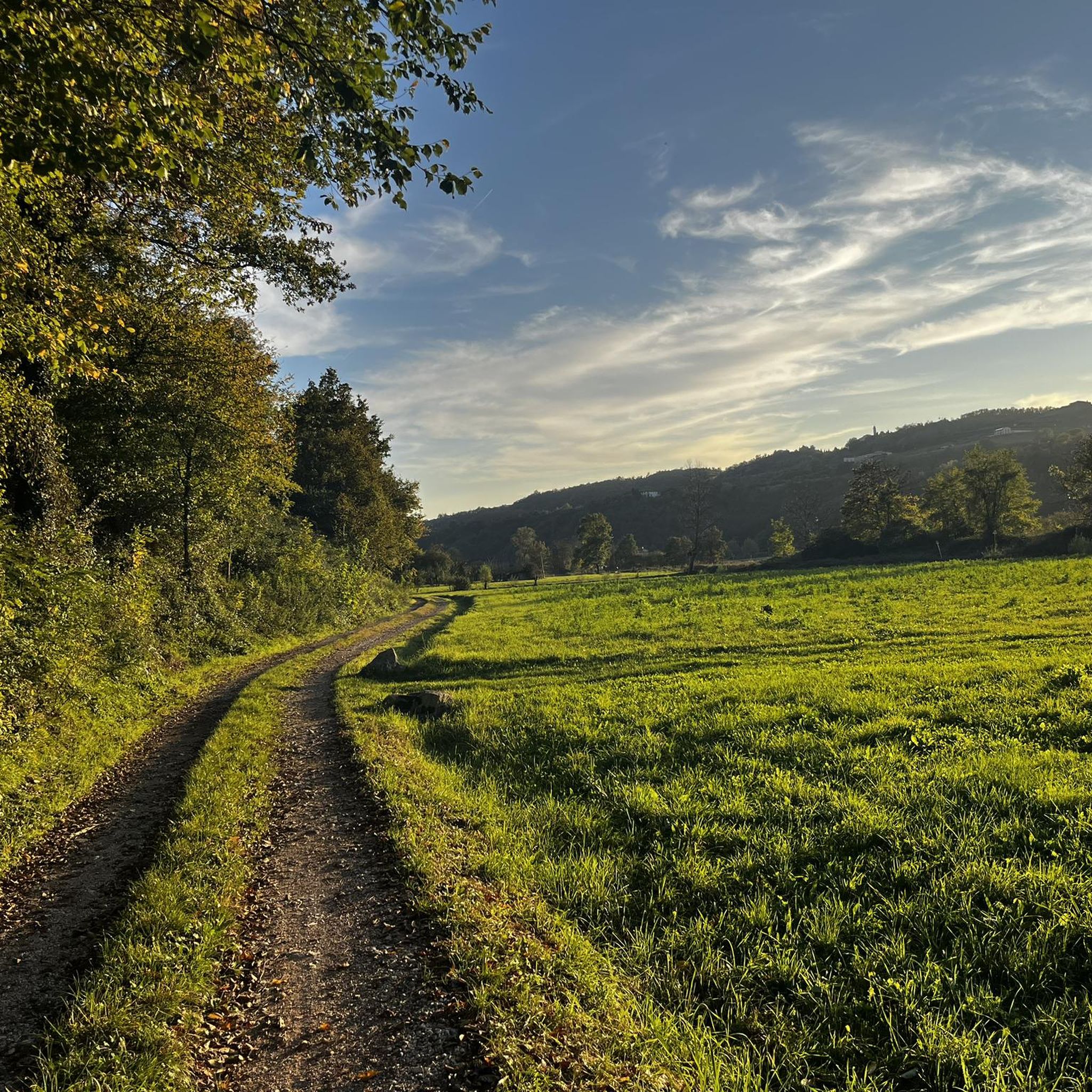
path that runs along the mountain with splendid views of Brendola alta with Castello and Incompiuta. The path is quite steep and narrow where you have to be careful not to slip into the bush below.
0
0


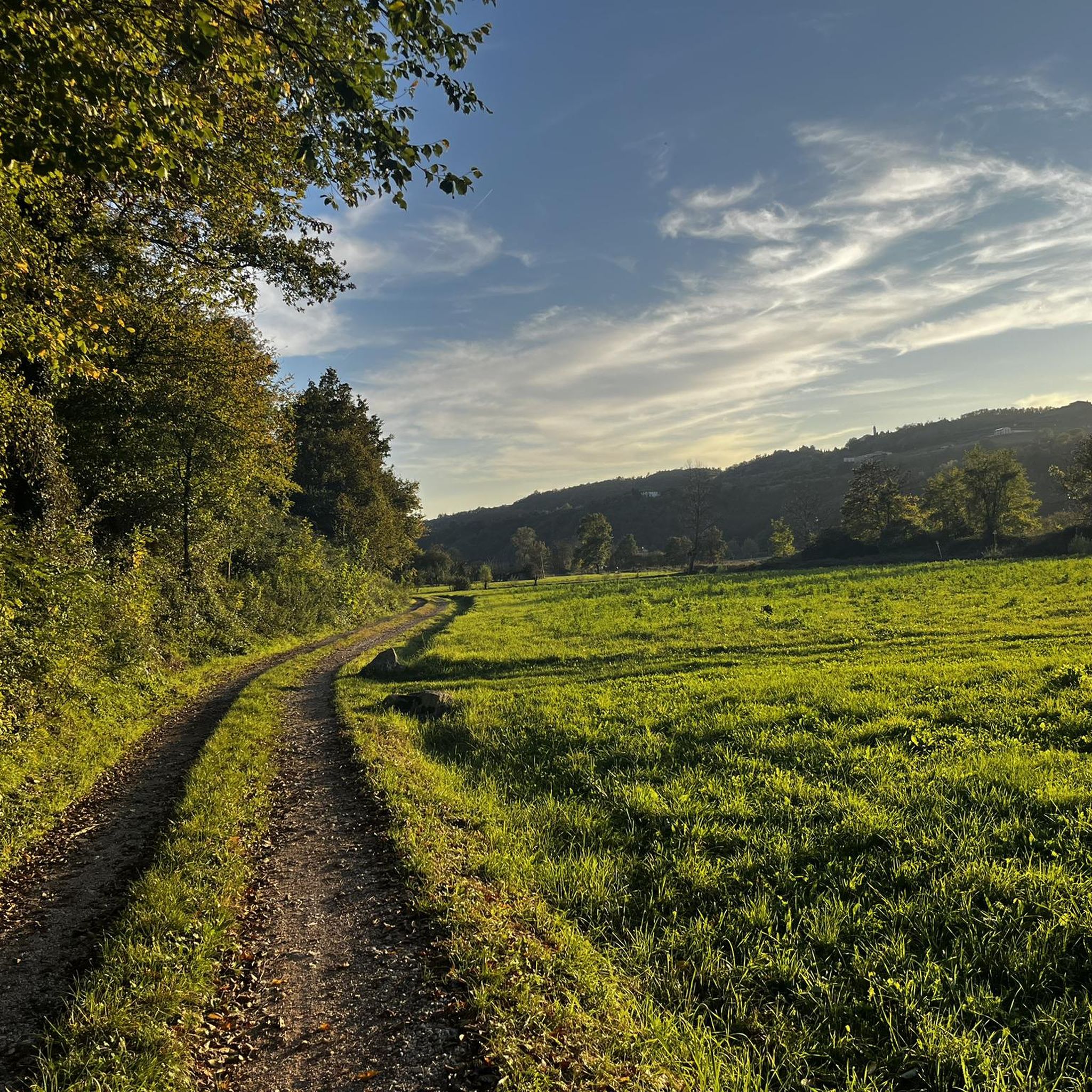
Nice technical descent, in some points dangerous passages due to landslide. Challenging climb.
0
0
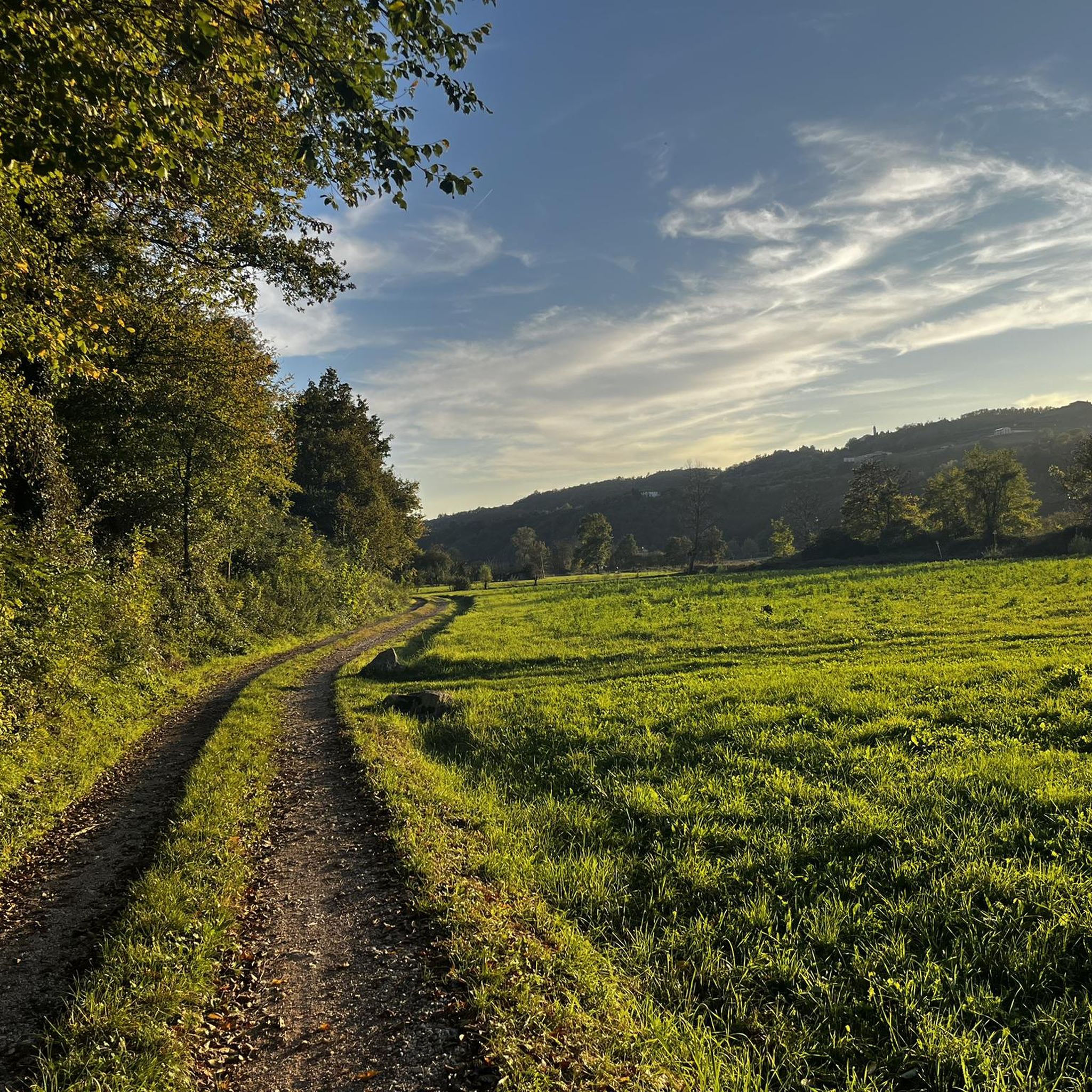
Nice descent, on the technical finish. Uphill the initial part is challenging
0
0
Frequently Asked Questions
What types of caves can I explore around Monteviale?
Monteviale offers a mix of natural karst formations and historical man-made subterranean sites. You can find large natural caverns, unique karst caves with atmospheric phenomena, and extensive underground quarries used for stone extraction and as shelters during wartime.
Are there any caves with historical significance in the Monteviale area?
Yes, several caves have rich historical importance. The Le Priare di Montecchio Underground Complex consists of ancient quarries used for Vicenza stone extraction since Roman times and served as a refuge during World War II. Additionally, Covolo dell'Orco has been frequented by humans since prehistoric times and used as a shelter by shepherds and families.
Which caves offer a more adventurous or challenging experience?
For those seeking a challenge, Le Fungare Caves provide a technical descent and a challenging climb. Be aware that some passages may be partially dangerous due to landslides, making it suitable for experienced explorers.
Can I visit a cave that was used as a military shelter?
Yes, the San Vittore Cave served as a World War I shelter and depot. It is part of the Orthogonale 1 defensive line and features a long, dark tunnel inhabited by a large colony of cave crickets.
Is there a cave known for unique natural phenomena?
Yes, Lucio's Hole (Buso del Lucio) is a karst cave notable for continually releasing fresh air, ranging from 7 to 13 degrees Celsius. This creates a distinctive rustling sound, especially in summer, sometimes referred to as the “dragon's breath.”
What should I know before visiting Le Priare di Montecchio Underground Complex?
The Le Priare di Montecchio Underground Complex is an evocative site with vast underground quarries. It is typically open on Sunday afternoons, and entry is only possible with a guided tour lasting about 40 minutes. Admission is €3, and payment by POS is not available due to a lack of signal.
Are there any man-made grottoes or artistic cave-like structures in the area?
While not a natural cave, the Grotta delle Conchiglie at Villa Zileri Motterle in Monteviale is a significant man-made grotto. Built in the mid-17th century, it is elaborately decorated with shells, turtle shells, colored crystal spheres, and fossil corals, showcasing artistic and architectural ingenuity.
What outdoor activities can I do near the caves around Monteviale?
The area around Monteviale offers various outdoor activities. You can find numerous running trails, MTB trails, and cycling routes. These range from easy to difficult, allowing you to explore the region's natural beauty on foot or by bike.
What do visitors appreciate most about the caves around Monteviale?
Visitors often appreciate the diverse experiences offered, from geological exploration to historical discovery. The unique blend of natural karst caves, historical shelters, and man-made quarries provides insights into both the region's geological processes and its rich human occupation over centuries.
Are there any specific considerations for visiting the San Vittore Cave?
The San Vittore Cave has a narrow entrance and is unexpectedly long, winding for about twenty meters in total darkness. It is home to a large colony of cave crickets, which can be startling when disturbed by a flashlight. If insects bother you, this might be a consideration.
What is the best time of year to visit the caves in Monteviale?
The natural caves, like Lucio's Hole, are particularly interesting in summer when the temperature difference between the cave air and the outside air is most noticeable, enhancing the 'dragon's breath' phenomenon. For historical sites like Le Priare di Montecchio, checking specific opening hours, often Sunday afternoons, is key.
Most popular routes around Monteviale
Most popular attractions around Monteviale

Get inspired with the komoot mobile app


Explore more
Extend your search for the best caves by checking out these guides of the top ones around Monteviale:
