Top 7 Castles around Monterubbiano
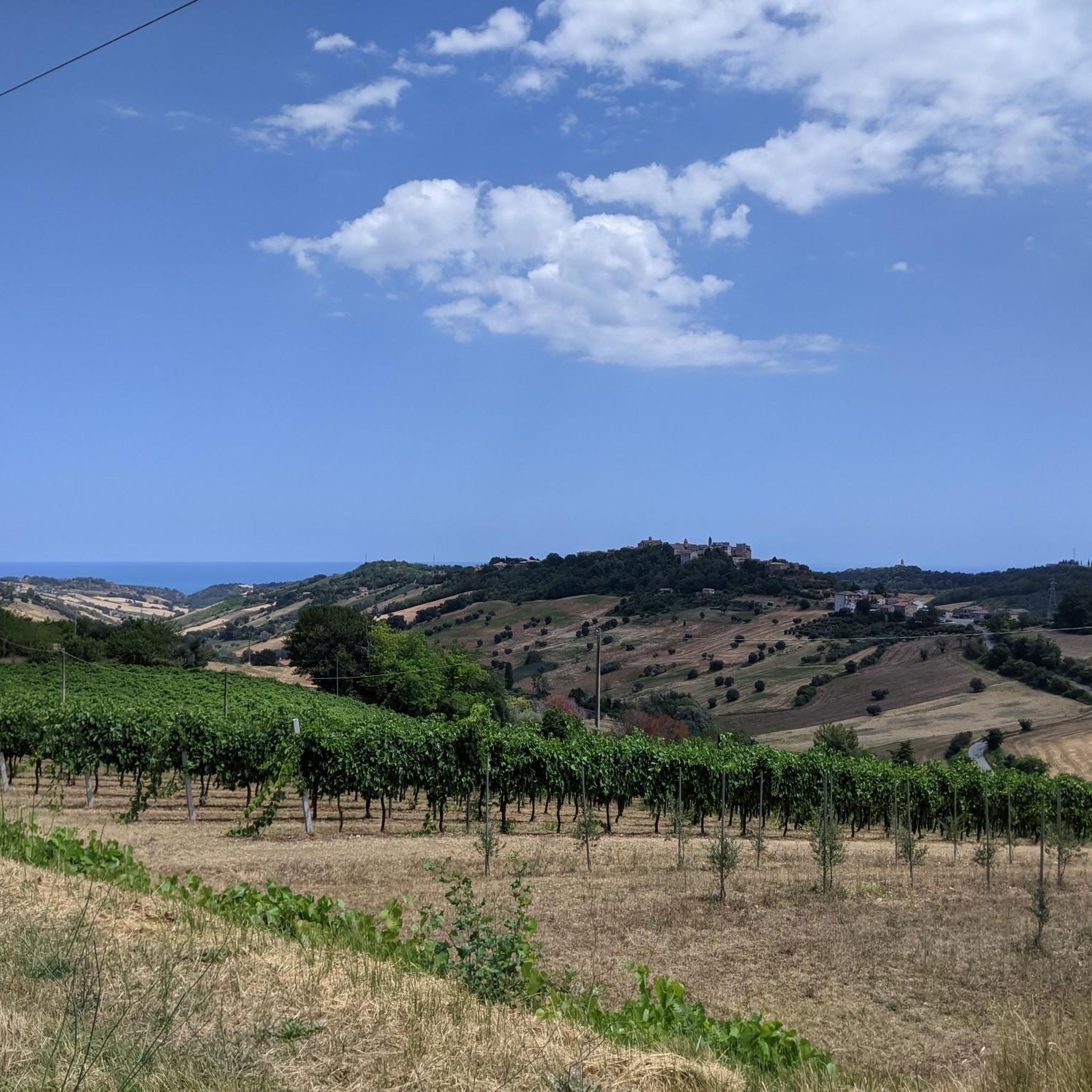
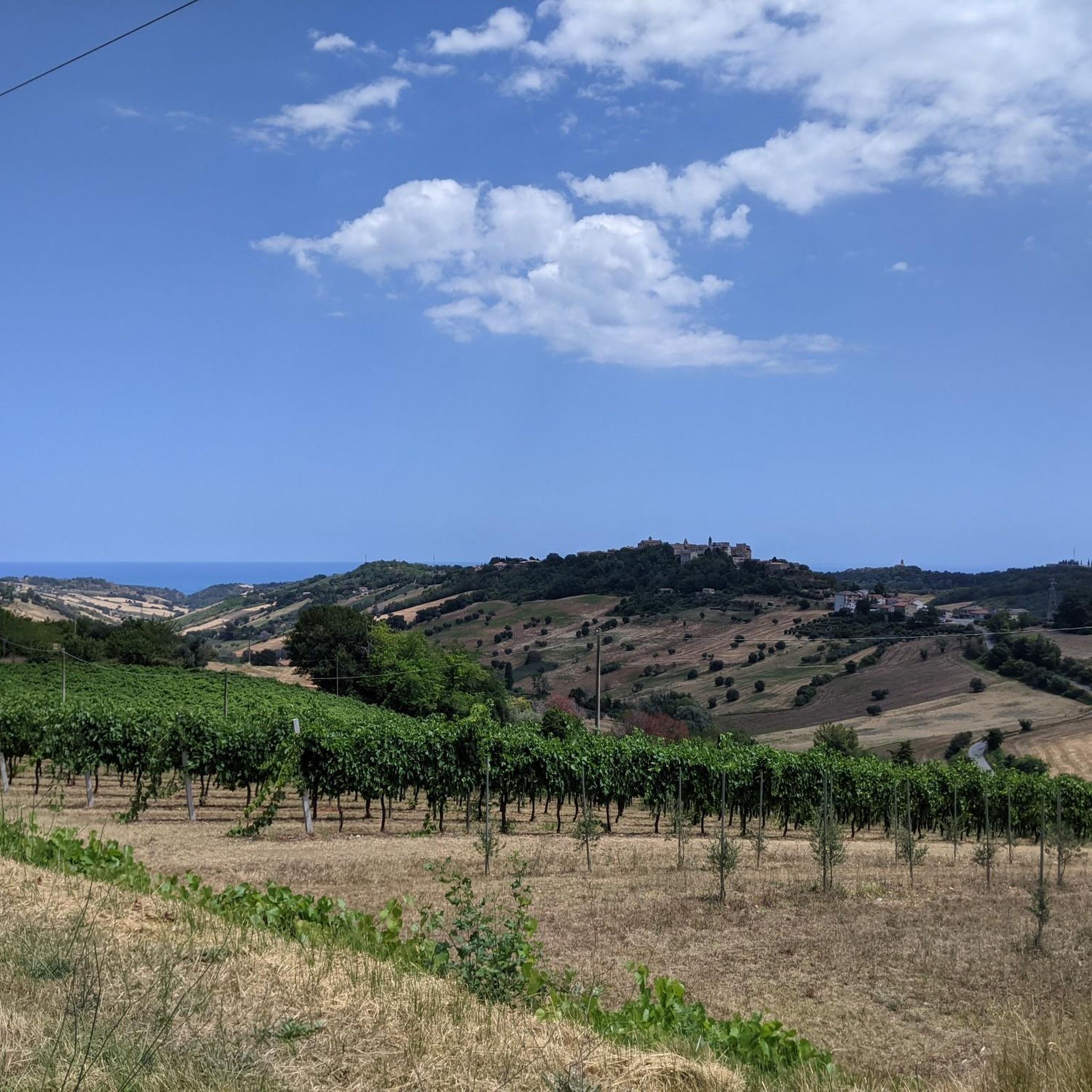
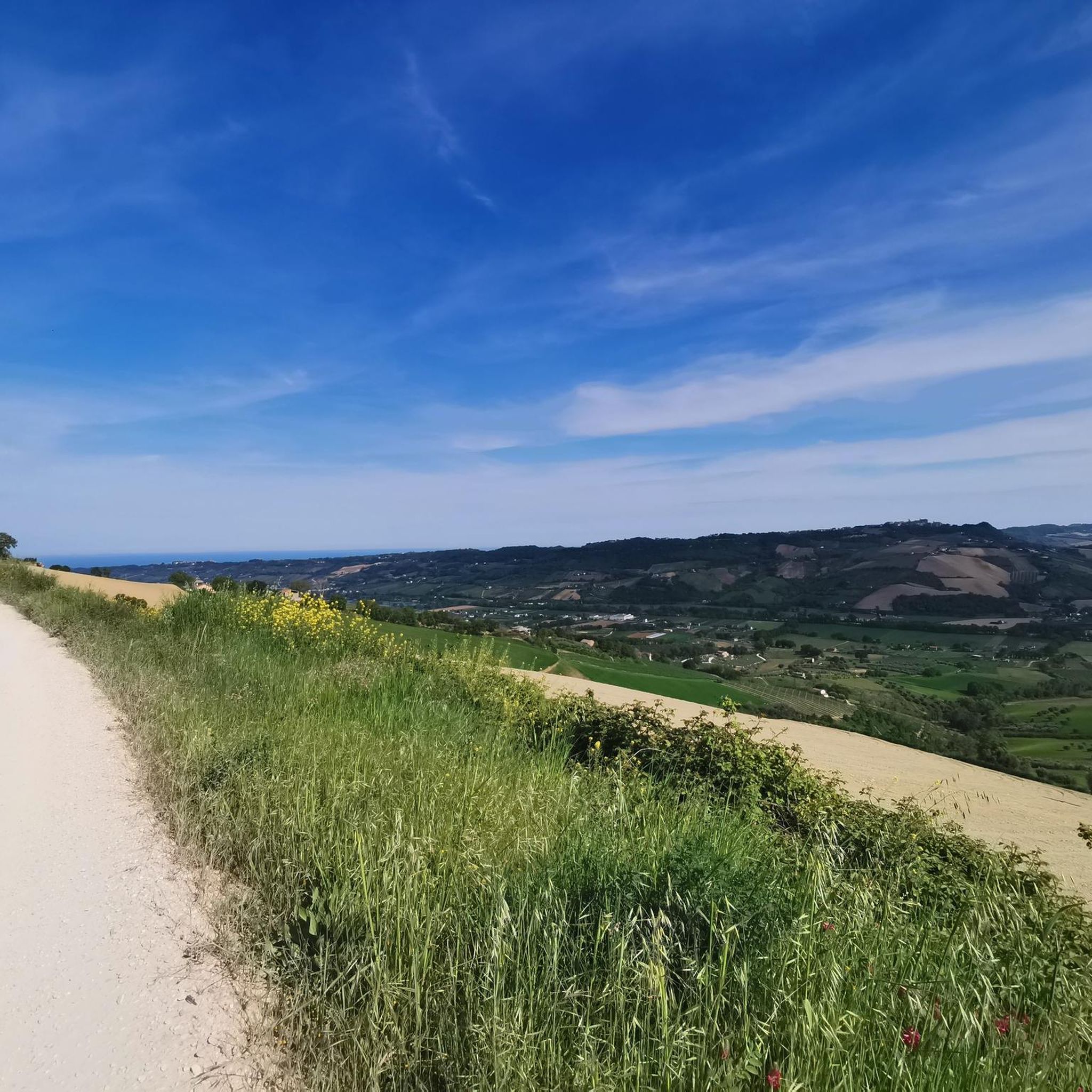
Castles around Monterubbiano are characterized by the region's medieval heritage and fortified town centers. Monterubbiano, a village in the Marche region, features a well-preserved historical core with remnants of a Sforza castle and extensive defensive walls. The area offers views of the surrounding countryside, including the Sibillini Mountains and the Adriatic Sea. Its historical significance is rooted in its authentic medieval urban fabric and historically significant palaces.
Best castles around Monterubbiano
- The most popular castles is Castello di Moresco,…
Last updated: June 30, 2026
Castello di Moresco
Highlight • Castle
Translated by Google •
Tip by

Moresco Historic Village
Highlight • Historical Site
IG: instagram.com/gravel_marche
Translated by Google •
Tip by

Sign up now to discover places like this
Get recommendations on the best single tracks, peaks, & plenty of other exciting outdoor places.
Sign up for free
Monteurano
Highlight • Settlement
Translated by Google •
Tip by

Ponzano di Fermo Historic Center and Sunflower Fields
Highlight (Segment) • Settlement
Translated by Google •
Tip by

Historic Towers of Rapagnano
Highlight • Historical Site
The toponym derives from the …
Translated by Google •
Tip by
Sign up for free to discover even more castles around Monterubbiano.
Sign up for free
Already have an account?
Start today with a free account
Your next adventure awaits.
Login or Signup
Tips from the Community

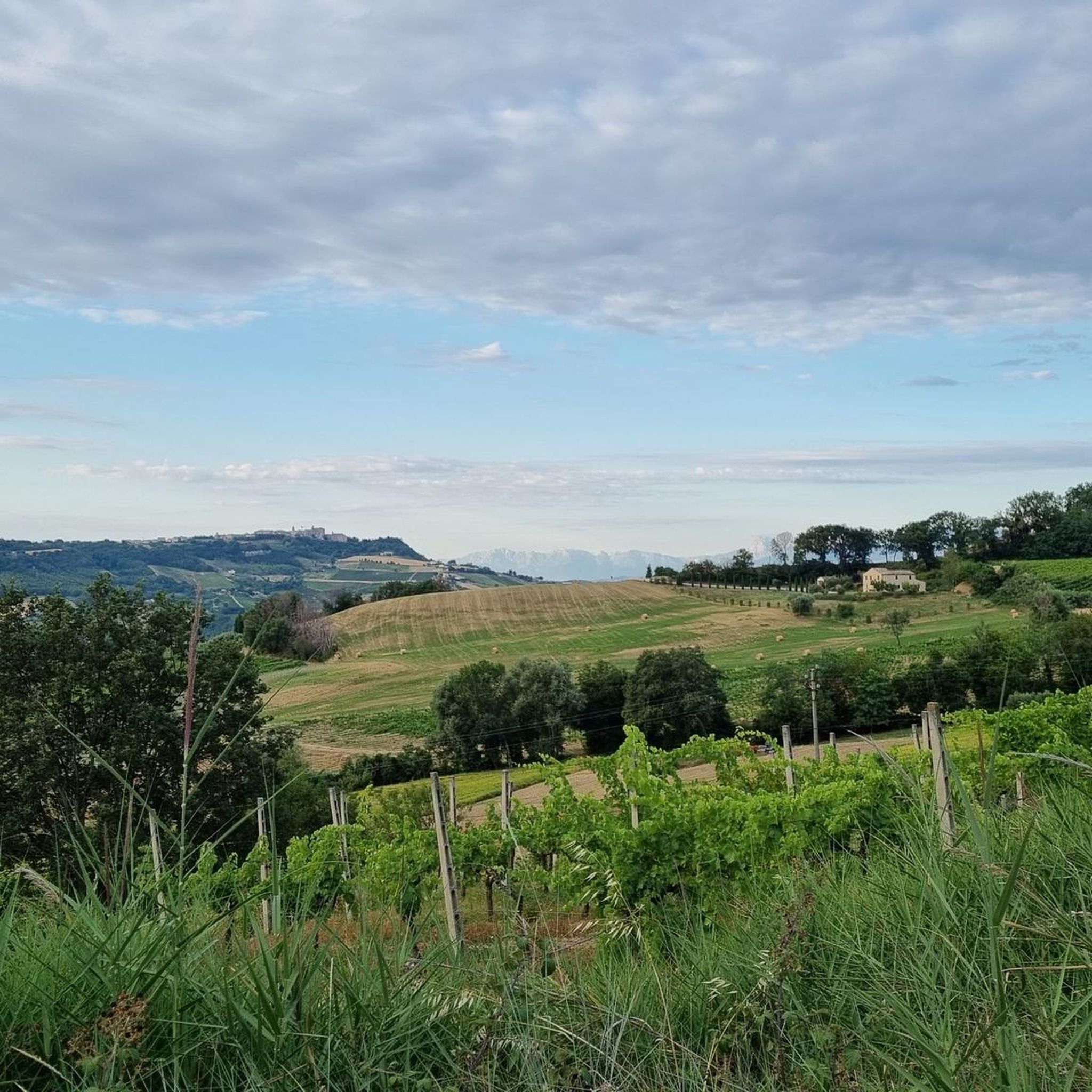
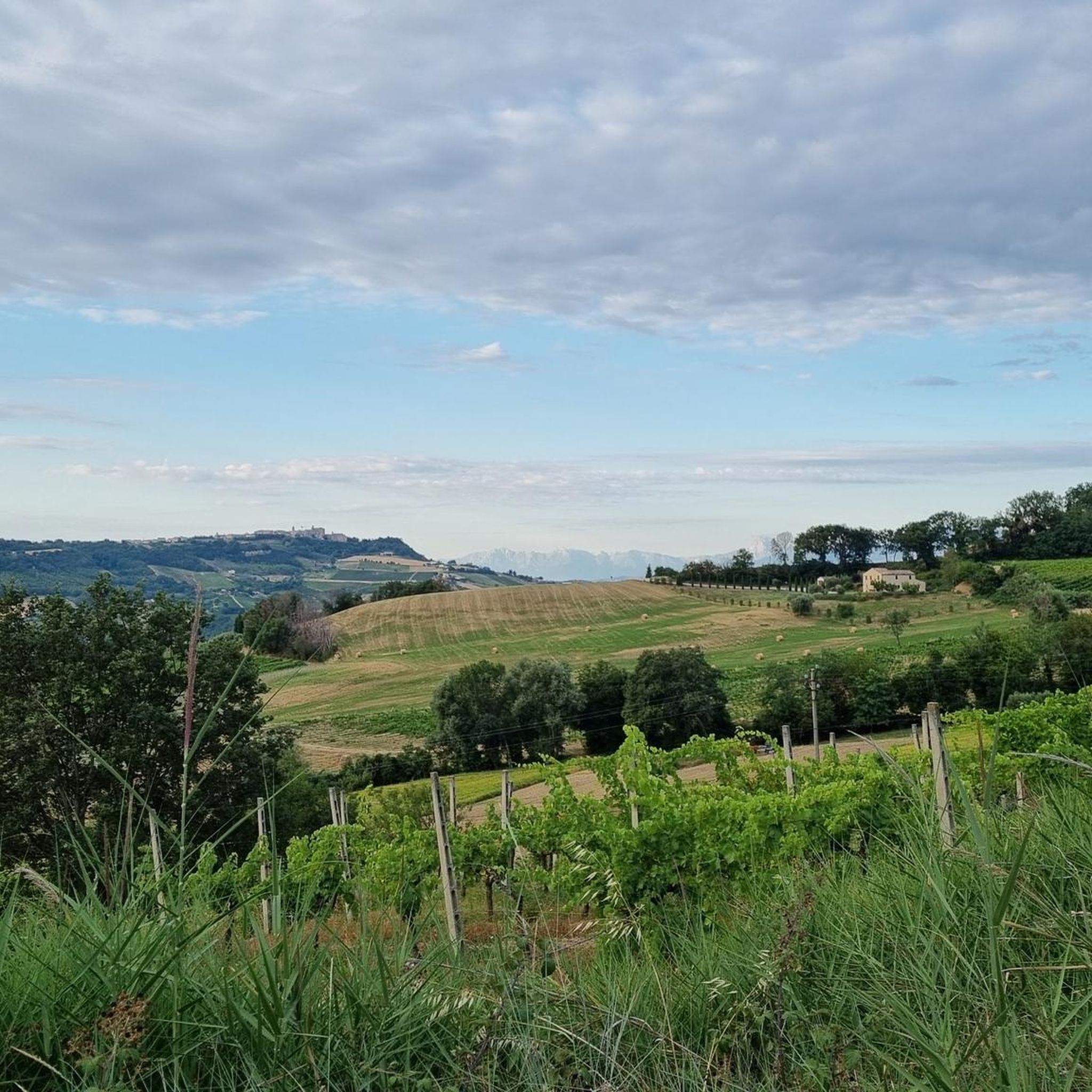
Ponzano di Fermo is a little gem that emerges among the rolling hills and the Apennine nature. Between castle and churches it is definitely worth a visit.
0
0
Beautiful village to visit with a very important history and interesting cellars nearby. Beautiful view from the tower. IG: https://www.instagram.com/gravel_marche/
1
0

It is a hilly municipality of very ancient origins, located in the sub-Apennines of the Marche region, in the lower valley of the Tenna river. The toponym derives from the god Janus, to whom a temple was dedicated on the top of the town's hill, where Roman and pre-Roman finds were found. During the Middle Ages it was a castle that depended on Fermo. The historic centre, with its elliptical shape, has the characteristics of a medieval castle, of which the remains of the fortified walls, three towers and Porta Marina are still visible, once the only access to the castle, dating back to the fourteenth century but which was rebuilt in the form current in 1707
0
0
A quiet town that has the Piazza della Libertà, the public gardens and the historic walls with the civic tower and clock tower.
0
0
Very well preserved medieval castle, characterized by two large towers, the Heptagonal Tower and the Clock Tower. Definitely worth visiting
0
0
The castle of Moresco, within the Association of the most beautiful villages in Italy, stands on the top of a hill overlooking the Aso valley below; in the Middle Ages it was a stronghold of the Municipality of Fermo in the war against Ascoli. Its strategic position is still evident: from the village you can in fact enjoy a spectacular view that ranges from Monte Conero to the Gran Sasso. The village, completely surrounded by walls, has a triangular shape with the imposing 12th-century heptagonal tower at the top. which is home, especially in the summer, to art and photographic exhibitions.
0
0

The fortified village develops on a narrow rocky ridge dominated by its high watchtower.
0
0

Good legs, and good training for the constant ups and downs of the road
0
0
Frequently Asked Questions
What kind of 'castles' can I expect to see in Monterubbiano?
Monterubbiano's historical significance lies in its well-preserved fortified town center rather than grand, standalone castles. You'll find remnants of a Sforza castle, extensive defensive walls, and historically significant palaces built upon or incorporating older fortifications. Key sites include the ancient walls, the Cassero (keep of the Sforza castle), Palazzo Comunale, Palazzo Secreti, and Palazzo Calzecchi Onesti. These structures collectively tell the story of the town's medieval past.
What are some of the most historically significant sites to visit in Monterubbiano?
Beyond the town's general fortified structure, you should explore the Palazzo Comunale, a 14th-century building with Romanesque-Gothic architecture and a tower overlooking the main square. The Palazzo Secreti is also significant as it was built upon the ruins of the Sforza castle's keep, incorporating parts of its original walls. Additionally, the Palazzo Calzecchi Onesti, a Renaissance palace, offers insight into the town's rich history.
Are there any other notable fortified villages or castles near Monterubbiano?
Yes, several other fortified villages and castles are worth visiting nearby. Don't miss Castello di Moresco, which stands on a hilltop with panoramic views. Moresco Historic Village is another well-preserved medieval site with a high watchtower. Also consider Monteurano, a small village featuring a triangular castle and narrow cobbled streets, and the Historic Towers of Rapagnano, which are remnants of a medieval castle.
What kind of views can I expect from Monterubbiano's fortifications?
Exploring Monterubbiano's ancient walls and gates offers tangible connections to its defensive past and provides panoramic views of the surrounding countryside. You can see the Sibillini Mountains and even the Adriatic Sea from various points within the fortified town. The Castello di Moresco also offers spectacular views ranging from Monte Conero to the Gran Sasso.
What outdoor activities can I do near the castles around Monterubbiano?
The area around Monterubbiano is excellent for outdoor activities. You can find numerous routes for gravel biking, road cycling, and hiking. For example, there are several gravel biking routes like the 'Ete River cycle and pedestrian path' and road cycling routes such as 'View of Grottammare'. Hiking options include the 'Bosco del Cugnolo Loop'. You can explore more routes and their details in the Gravel biking around Monterubbiano, Road Cycling Routes around Monterubbiano, and Hiking around Monterubbiano guides.
Are there family-friendly options when visiting the castles and villages?
Yes, many of the fortified villages and historic centers are suitable for families. Exploring the medieval streets of Monterubbiano, Moresco Historic Village, or Monteurano can be an engaging experience for children, offering a glimpse into history. The open spaces and views from the walls also provide opportunities for kids to enjoy the outdoors. The 'Bosco del Cugnolo Loop' hiking trail is an easy option suitable for families.
What is the best time of year to visit the castles around Monterubbiano?
The best time to visit is generally during the spring (April-June) and autumn (September-October) months. During these periods, the weather is pleasant for exploring the outdoor fortifications and medieval villages, and the natural scenery is particularly beautiful. Summer can be warm, but also offers opportunities for outdoor events. Winter can be chilly, but the historical sites remain accessible.
How long does it typically take to visit the main historical sites in Monterubbiano?
To thoroughly explore Monterubbiano's fortified town center, including its walls, palaces, and medieval streets, you should allocate at least half a day. If you plan to visit nearby fortified villages like Moresco or Monteurano, each would require an additional 2-3 hours, depending on how much you wish to explore and if you include a meal or coffee break.
What do visitors enjoy most about the castles and fortified villages in this region?
Visitors frequently praise the authentic medieval atmosphere and the stunning panoramic views. Many appreciate the well-preserved historical details, such as the heptagonal tower at Castello di Moresco and the narrow cobbled streets of Monteurano. The blend of history, culture, and natural beauty, often highlighted by the views of the Aso valley, Monte Conero, and the Sibillini Mountains, is a major draw.
Are there any specific natural features or landscapes to look out for near these historical sites?
Yes, the region is characterized by rolling hills and the Apennine nature. From the fortifications of Monterubbiano and Castello di Moresco, you can enjoy expansive views of the Aso valley, the Sibillini Mountains, and even the Adriatic Sea. Near Ponzano di Fermo, you might also encounter beautiful sunflower fields during the right season, adding to the picturesque landscape.
Is there parking available near the historical centers and castles?
In most medieval villages like Monterubbiano, parking is typically available just outside the historic center walls. These towns are often pedestrian-friendly within their ancient cores. Look for designated parking areas at the entrances to the villages. Specific information for each site may vary, but generally, you'll find convenient parking within a short walk of the main attractions.
Can I find cafes or restaurants near the castles and fortified villages?
Yes, the fortified villages and historic centers, including Monterubbiano, usually have local cafes, trattorias, and restaurants where you can enjoy traditional Marche cuisine. These establishments are often found within the main squares or along the charming medieval streets, offering a pleasant break during your exploration.
Most popular routes around Monterubbiano
Most popular attractions around Monterubbiano

Get inspired with the komoot mobile app


Explore more
Looking for the best castles somewhere else? Discover other guides around Monterubbiano:
