Top 19 Caves around Morciano Di Leuca
Best caves around Morciano Di Leuca are found in the southernmost part of Salento, offering a collection of sea caves shaped by the sea and wind. These karstic formations provide unique geological features and historical insights. The region's coastline, particularly around Santa Maria di Leuca, is rich in these natural wonders. Morciano Di Leuca serves as a gateway to exploring these diverse cave systems.
Best caves around Morciano Di Leuca
- The most popular caves is Cipolliane Trail, a trail…
Last updated: August 24, 2026
Ciolo Bridge
Highlight • Bridge
Translated by Google •
Tip by

Cipolliane Cave
Highlight • Cave
Translated by Google •
Tip by

Sign up now to discover places like this
Get recommendations on the best single tracks, peaks, & plenty of other exciting outdoor places.
Sign up for free
Cipolliane Trail
Highlight (Segment) • Trail
Translated by Google •
Tip by
Punta Ristola and Grotta del Diavolo
Highlight • Viewpoint
Translated by Google •
Tip by

Grotta delle Fate
Highlight • Cave
Translated by Google •
Tip by

Sign up for free to discover even more caves around Morciano Di Leuca.
Sign up for free
Already have an account?
Start today with a free account
Your next adventure awaits.
Login or Signup
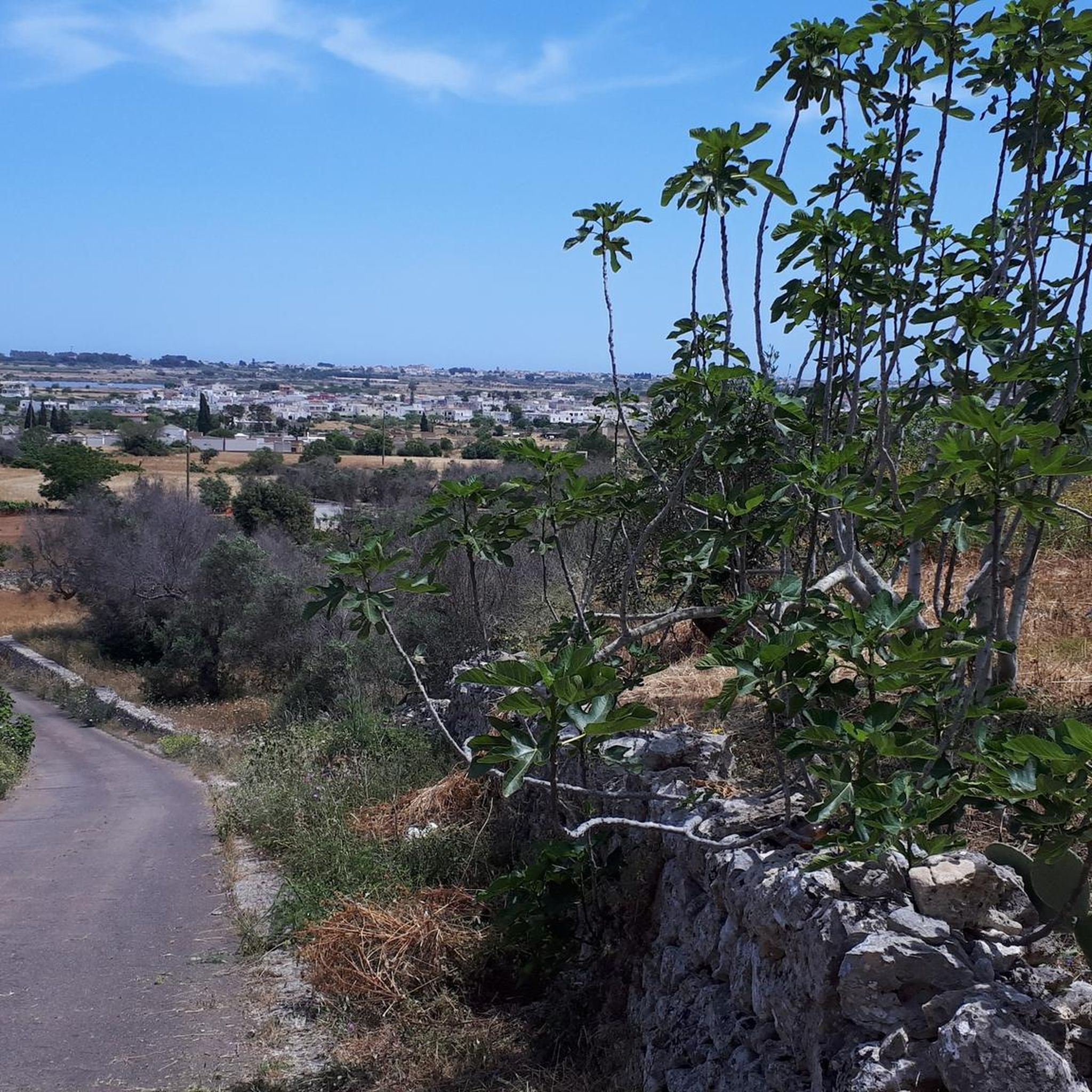
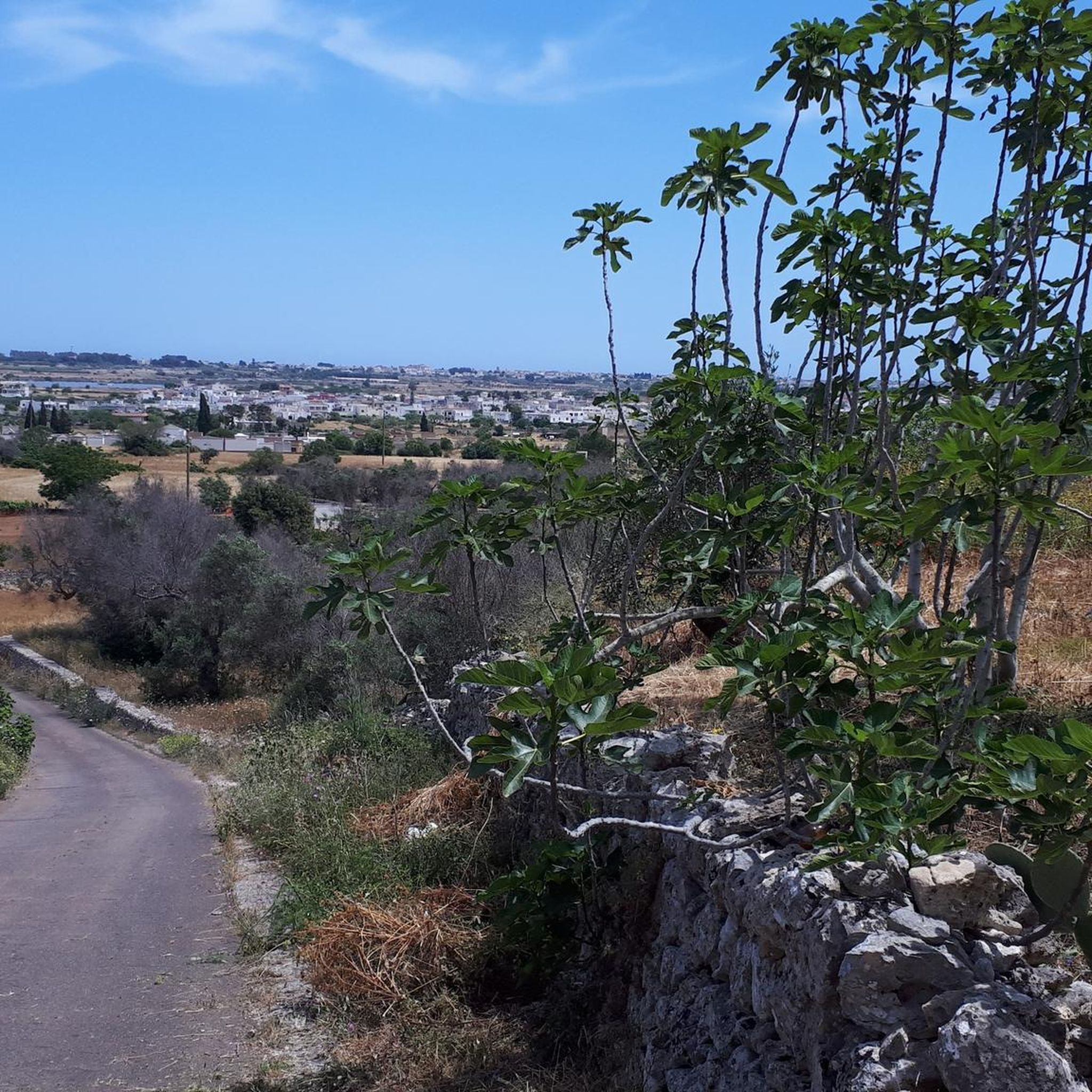
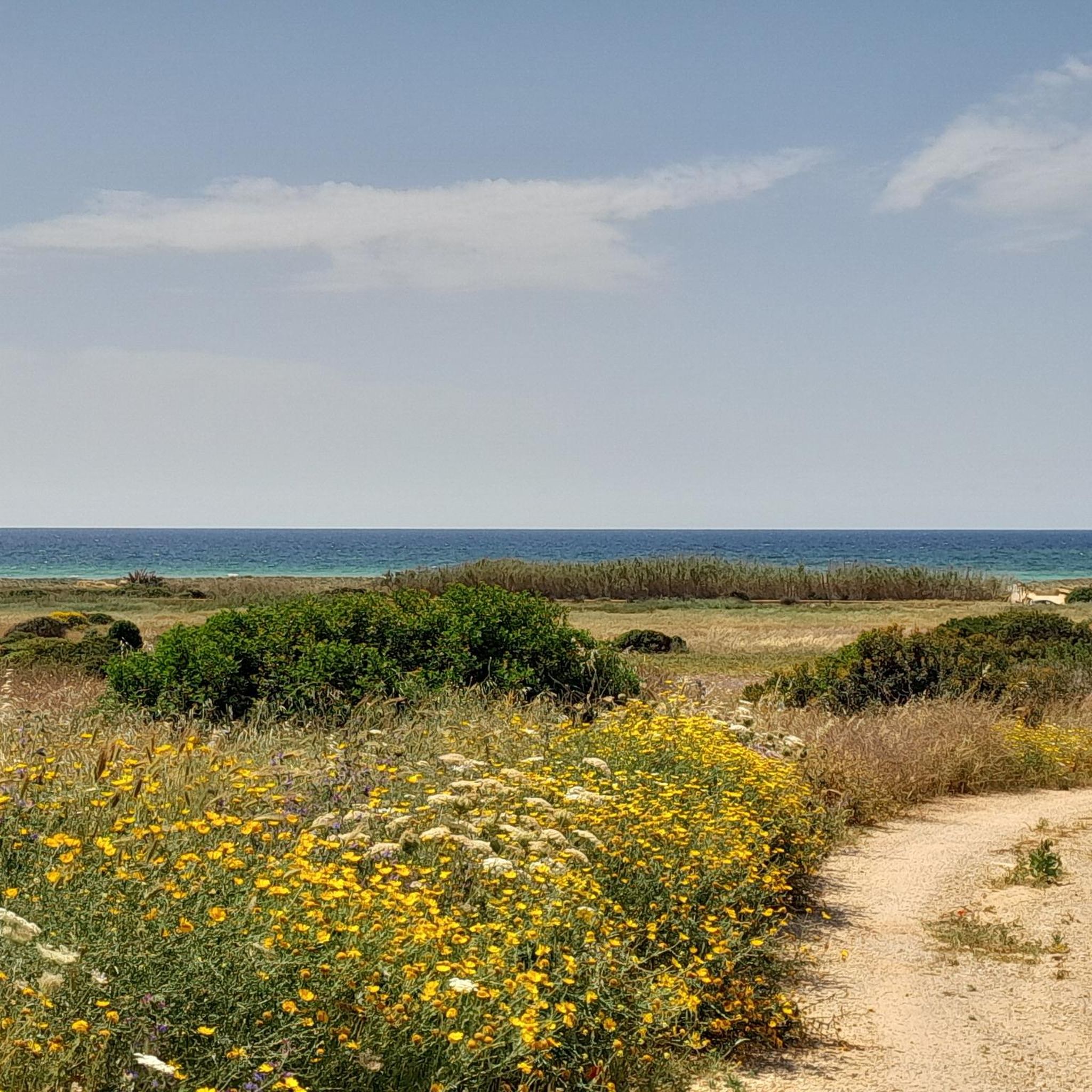
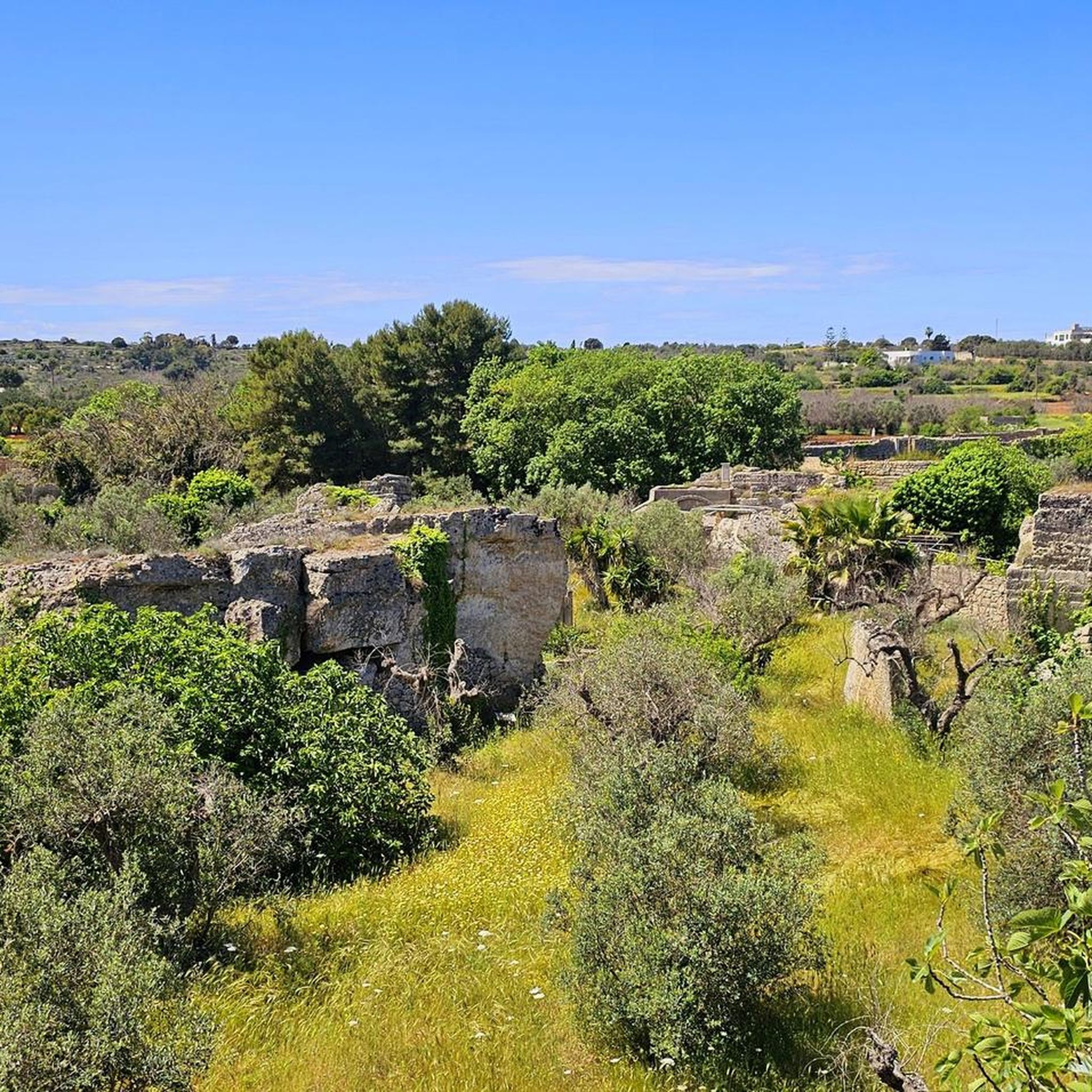
Tips from the Community

the point is magnificent, from here several single tracks wind down to the sea or into the countryside and you can enjoy a splendid view of the Ionian coast
0
0

Reopened on April 24, 2024, after renovations and refurbishments. There are now separate pedestrian lanes alongside the road. In the evening, the bridge is illuminated with rainbow colors—haha, just kidding 😅—thankfully, they're the colors of the Italian flag 🇮🇹.
1
0


The Ciolo bridge is the perfect destination for those who love diving from great heights. The bridge connects the canyon and below is a beach. 40 meters high, there is a breathtaking panorama occasionally interrupted by the "splash" of those who dive. Near the bridge there are many caves including the Ciolo cave. The name “Ciolo” derives from the Salento word “Ciole”, to indicate the numerous magpies that nested along the coast.
2
0

August 2023 unfortunately currently closed due to construction work.
0
0

Be careful when going down. the purple clay is very slippery in places!
1
0
Beautiful spot. I think it is also the starting point for a nice walk.
1
0
Frequently Asked Questions
What are some of the most popular caves to visit near Morciano di Leuca?
Beyond the well-known Cipolliane Trail and Ciolo Bridge area, which offer access to several cave formations, you can explore the historic Grotta Porcinara, known for its ancient epigraphs. The Grotta delle Tre Porte is famous for its three natural arches and archaeological finds, while the Grotta del Drago on the Ionian side is popular for its clear waters and unique rock formations.
Are there any caves with historical or archaeological significance in the region?
Yes, several caves in the Morciano di Leuca area hold significant historical and archaeological value. The Cipolliane Cave contains traces left by ancient ancestors, including engraved pebbles. Grotta Porcinara features Greek or Latin epigraphic testimonies. The Grotta delle Tre Porte is notable for the discovery of a Neanderthal child's molar, and Grotta dei Giganti has yielded numerous artifacts from the Middle Paleolithic period, indicating Neanderthal habitation.
What is the best way to access the caves around Morciano di Leuca?
Access methods vary depending on the cave. Many sea caves, such as Grotta del Drago and Grotta dei Giganti, are best explored by boat, often through guided tours. Others, like Grotta Porcinara and Grotta del Diavolo, can be accessed both by land via paths or by sea. The Cipolliane Trail provides land access to the Cipolliane Caves.
Are there family-friendly caves or activities suitable for children?
While specific 'family-friendly' designations aren't always given for caves, many boat tours visiting the sea caves like Grotta del Drago offer a fun and accessible experience for families, allowing children to enjoy the clear waters and unique formations from a safe distance. Exploring the accessible parts of caves like Grotta Porcinara by land can also be an engaging activity for older children interested in history.
What kind of natural features can I expect to see in these caves?
The caves around Morciano di Leuca showcase diverse natural features. You'll find impressive karstic formations, including stalactites and stalagmites in caves like Grotta delle Tre Porte and Grotta dei Giganti. Many sea caves feature crystal-clear waters that shift in color, dramatic rock arches (like Grotta delle Tre Porte), and unique eroded formations, such as the 'dragon's head' in Grotta del Drago. Some, like Grotta della Vora, have spectacular light effects from openings in their vaults.
Can I go swimming or diving in any of the caves?
Yes, several caves offer opportunities for swimming. Grotta del Drago is renowned for its crystal-clear waters, making it an idyllic spot for swimming, often visited during guided boat tours. The cove below Ciolo Bridge also provides access to clear waters and nearby caves suitable for a dip, though diving from the bridge itself is prohibited.
What outdoor activities can I do near the caves?
The area around Morciano di Leuca offers various outdoor activities. You can find numerous hiking trails, such as those leading to the Cipolliane Caves, or longer routes like the 'Grotta di San Pantaleone – Fani Canal loop'. For cyclists, there are road cycling routes like the 'Punta Ristola – Ciolo Bridge and Cove loop'. Running trails are also available, including the 'Port of Pescoluse – Baia di San Gregorio loop'. You can explore more options on the Hiking around Morciano Di Leuca, Road Cycling Routes around Morciano Di Leuca, and Running Trails around Morciano Di Leuca guide pages.
Are there any caves known for unique geological phenomena?
Absolutely. Grotta Soffio, or 'Sigh Cave', is known for the 'puffs' of air perceived inside, created by trapped air escaping, giving the impression of the sea breathing. Grotta del Fiume is characterized by a freshwater stream that flows into the sea, especially after heavy rains. Grotta della Vora is a deep cavity with an opening in its vault that creates spectacular light effects as sunlight penetrates through.
What do visitors enjoy most about the caves around Morciano di Leuca?
Visitors frequently praise the breathtaking natural beauty, the crystal-clear waters ideal for swimming, and the unique geological formations. The historical and archaeological significance of many caves, offering a glimpse into ancient human presence, is also a major draw. The dramatic coastal scenery, especially around viewpoints like Punta Ristola, adds to the overall appeal.
Which caves are best for photography?
The Grotta delle Tre Porte is highly photogenic due to its monumental entrance with three natural arches and the spectacular plays of light inside. Grotta del Drago, with its impressive entrance and varying water colors, also offers fantastic photographic opportunities, especially when captured from a boat. The dramatic coastal views and light effects in Grotta della Vora are also popular with photographers.
Are there any caves associated with local legends or folklore?
Yes, the Grotta del Diavolo (Devil's Cave), accessible near Punta Ristola, is named for the eerie sounds produced by the wind and waves, which local legends attributed to the devil. The imposing size and amphitheater-like shape of Grotta dei Giganti also inspired local legends of mythological giants.
Most popular routes around Morciano Di Leuca
Most popular attractions around Morciano Di Leuca

Get inspired with the komoot mobile app


Explore more
Extend your search for the best caves by checking out these guides of the top ones around Morciano Di Leuca:
