Top 6 Lakes around Marsala
Lakes around Marsala are primarily characterized by the vast Stagnone Lagoon, a significant saltwater lagoon and nature reserve on Sicily's western coast. This area is known for its shallow waters, historic salt pans, and an archipelago of islands including Mozia. Beyond the lagoon, Marsala features several man-made water bodies and historical sites that offer unique aquatic experiences. The region provides a blend of natural beauty, historical significance, and cultural experiences.
Best lakes around Marsala
- The most popular lakes is Salt…
Last updated: June 30, 2026
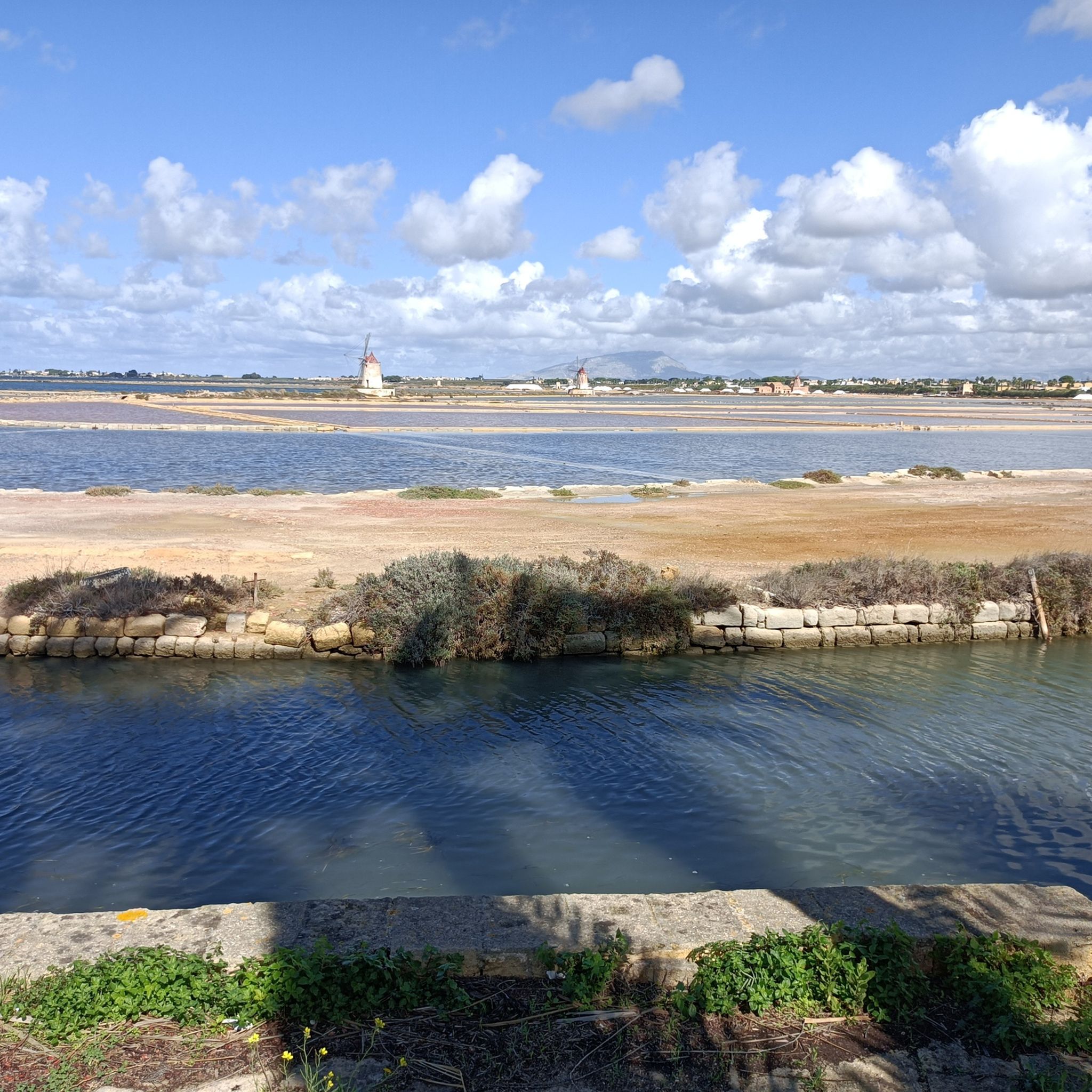
Salt Pans and Windmills of the Stagnone Lagoon Nature Reserve
Highlight (Segment) • Natural Monument
Translated by Google •
Tip by

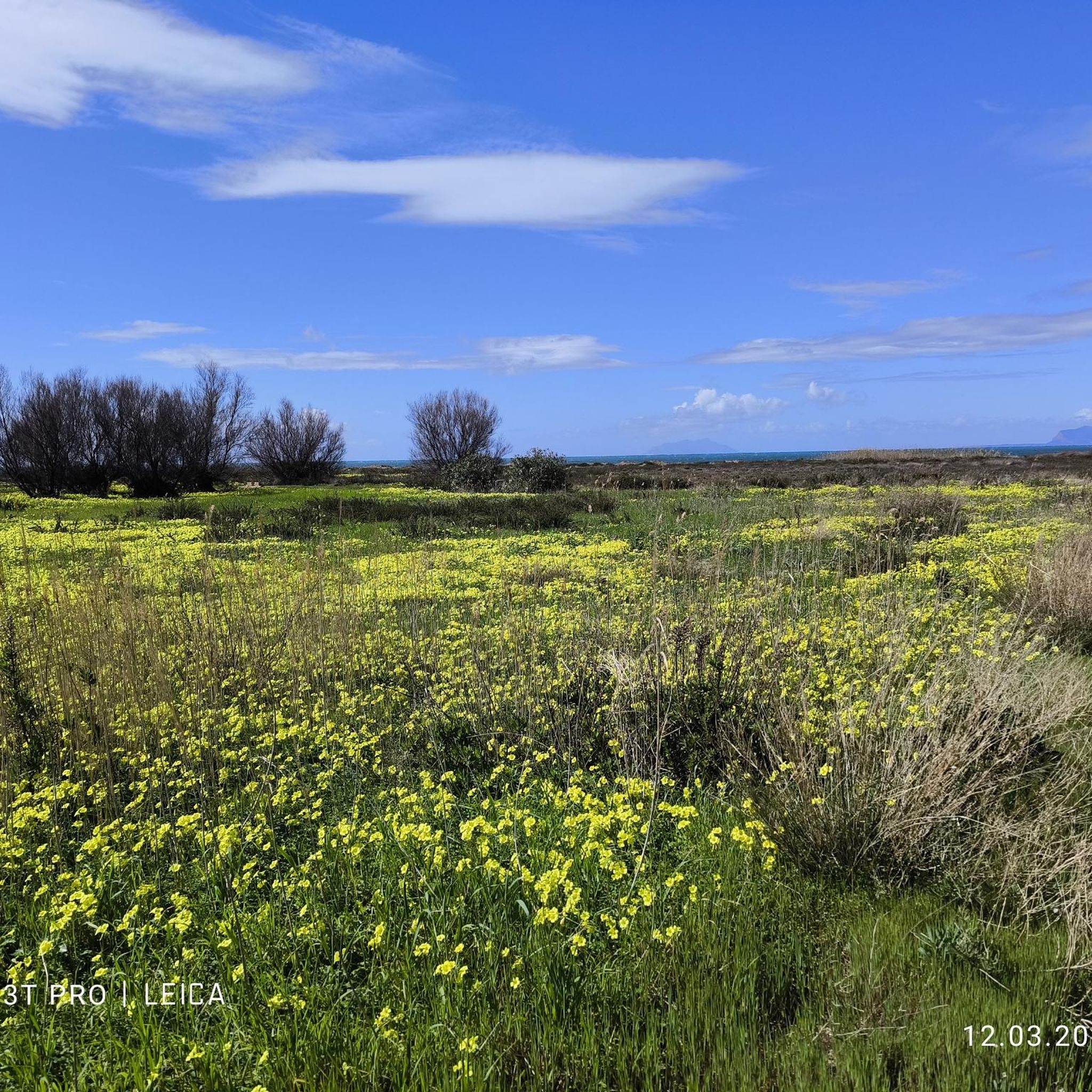
Cala San Nicola
Highlight • Beach
Translated by Google •
Tip by

Sign up now to discover places like this
Get recommendations on the best single tracks, peaks, & plenty of other exciting outdoor places.
Sign up for free
Saline di Trapani e Paceco Nature Reserve
Highlight • Natural Monument
Translated by Google •
Tip by

Lake Rubino
Highlight • Lake
Translated by Google •
Tip by
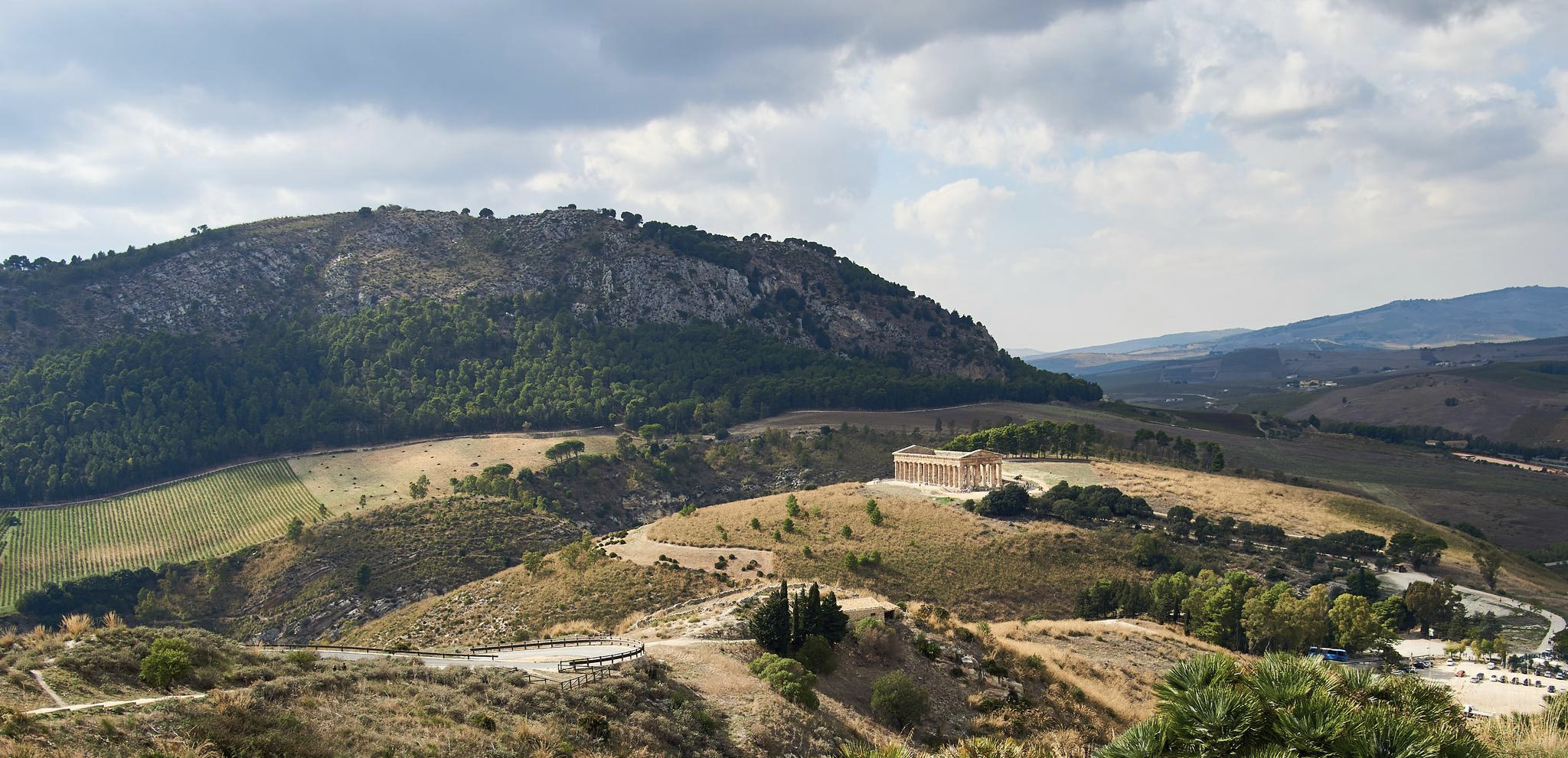
Old Road along Trinity Lake
Highlight (Segment) • Trail
Translated by Google •
Tip by

Sign up for free to discover even more lakes around Marsala.
Sign up for free
Already have an account?
Start today with a free account
Your next adventure awaits.
Login or Signup
Other adventures around Marsala

Tips from the Community

It is located immediately after Cala Graziosa, reachable via a beautiful walk along the coast
0
0

The basins used for salt extraction constitute an environment that hosts a great biological diversity.
0
0

A pretty little beach not far from the port, Cala San Nicola is perfect for those who want to indulge in a little relaxation without being among the crowds of better known beaches.
1
0

Majestic giants the windmills. Architectural symbol of the Trapani area. Already at the time of the Normans in the 12th century, Frederick II understood the commercial importance of the place and imposed the state monopoly on the production of salt, used for the preservation of food. After the Normans, it was the turn of the Aragonese, who privatized the salt pans. Subsequently the Spanish boosted the economy of the area, promoting Trapani as the most important European center for the production of salt. Until the 1960s, the windmills imposed themselves on the panorama of the Trapani salt pans. Majestic giants, with large arms with continuous and graceful movement, challenged the strong winds always present in the city of Trapani and managed under their push to create that indispensable mechanism to lift and move the water necessary for the production of sea salt.
14
0
Boats that allow you to visit the island of Mozia, where, among other things, it is possible to admire the house where Garibaldi stayed on 20 July 1862, to look for a few hours of peace and oblivion before embarking on a new adventure: the conquest of Rome.
15
0
Clear waters, uncontaminated nature, strips of land rich in history and archaeological remains, active salt marshes, shallow waters, which can also be traveled on foot in some places, characterize the Stagnone Islands Oriented Nature Reserve, one of the first to be established in Sicily (1984 ); it protects the Stagnone lagoon, a body of water, bordered by the open sea by the Isola Grande, with three small islands in its interior, Mozia, Santa Maria and Schola. At the edges of the canals of the salt pans there are halophytic plants, including suaeda maritima, salicornia, salsola soda, limonium, inula, limoniastrum. Since July, the Stagnone has hosted autumn migratory birds: curlews and glossy ibis; with the cold the ducks arrive, with the marsh harrier waiting for them in ambush, pochards, teals, coots, mallards, pintails and garganeys. Superb and haughty herons look for food among the tanks of the salt pans.
13
0

Cala San Nicola. Sandy beach with easy access to the water surface. Suitable for families with young children. The swimming depth is quite far from the shoreline.
1
0
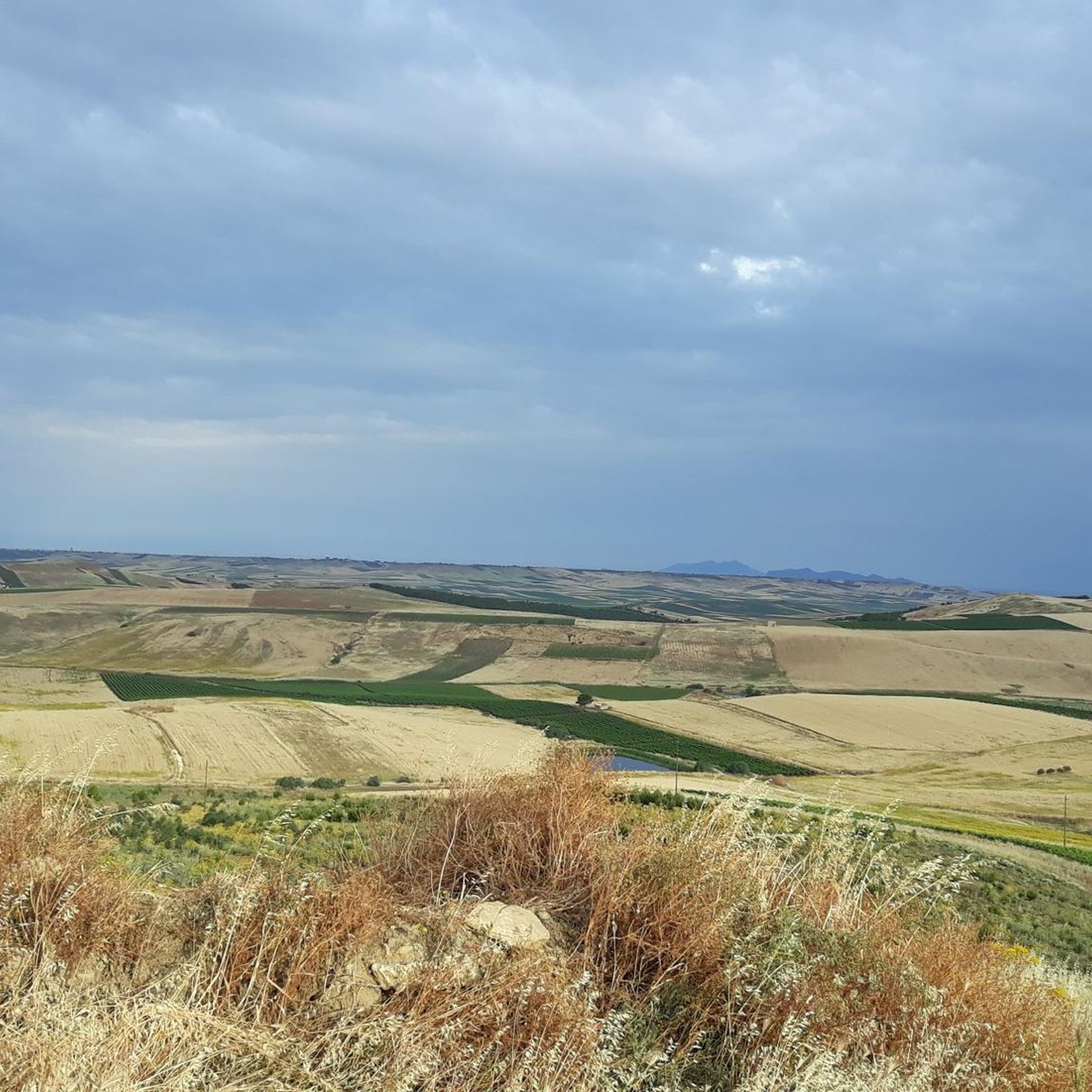
Lake Rubino is an artificial lake that allows farmers in the area to irrigate their land.
2
0
Frequently Asked Questions
What are the main aquatic features to explore around Marsala?
Marsala is primarily known for the vast Stagnone Lagoon, a significant saltwater nature reserve. This area features shallow waters, historic salt pans, and an archipelago of islands including Mozia, Isola Grande, Schola, and Santa Maria. Beyond the lagoon, you can find artificial water bodies like Lake Rubino and man-made features within Il Parco delle Cave.
Can I visit ancient historical sites near the lakes in Marsala?
Yes, the Stagnone Lagoon is rich in history. The island of Mozia (San Pantaleo) within the lagoon is home to an ancient Phoenician colony. You can visit archaeological treasures like the Motya Charioteer at the local museum and explore the ancient artificial lake known as the Kothon. The historic salt pans also offer a glimpse into centuries of traditional salt production.
Are there opportunities for nature observation, like birdwatching, around Marsala's lakes?
Absolutely. The Stagnone Lagoon is a crucial stop for migratory birds, making it a paradise for ornithologists. You can observe species like pink flamingos, herons, storks, curlews, and glossy ibis, especially from July onwards. The reserve's biodiversity also includes unique halophytic plants along the salt pan canals.
What kind of activities can families enjoy near the lakes in Marsala?
Families can enjoy the shallow, calm waters of the Stagnone Lagoon, which are ideal for safe exploration. Cala San Nicola is a sandy beach with easy access to the water, suitable for families with young children due to its shallow swimming depth. Boat trips to the islands, especially Mozia, are also a popular family activity.
What unique experiences are related to the salt pans in the Marsala area?
The salt pans of the Stagnone Lagoon, such as Saline Ettore e Infersa, offer a unique cultural and natural experience. You can witness traditional salt harvesting, see historic windmills, and observe the landscape transform with colors ranging from the pink of the salty waters to the white of the salt mounds. Guided tours are often available to learn about ancient salt production.
What outdoor activities, like cycling or hiking, are available near Marsala's lakes?
The area around Marsala's aquatic features offers various outdoor activities. For cycling, you can explore routes like the 'Stagnone Cycle Path' or 'Stagnone di Marsala and Salt Pans Loop'. Hikers can enjoy trails such as the 'Historic pier to Mozia Island' or 'Saline di Marsala'. You can find more details on these and other routes in the Road Cycling Routes around Marsala, Cycling around Marsala, and Hiking around Marsala guides.
Are there any artificial lakes or man-made water features worth visiting in Marsala?
Yes, beyond the natural lagoon, Marsala features several man-made water bodies. Lake Rubino is an artificial lake used for irrigation and is part of the 'Sicily Divide' route. Additionally, Il Parco delle Cave features small, man-made lakes and a stream within a botanical-naturalistic path, offering a blend of natural and industrial history.
What is the best time of year to visit the lakes and lagoons around Marsala?
The Stagnone Lagoon and surrounding areas are pleasant to visit during spring and autumn when temperatures are milder, making outdoor activities like hiking, cycling, and birdwatching more comfortable. Summer can be very warm, but the shallow waters of the lagoon are popular for kitesurfing and swimming. Migratory birds are particularly abundant from July onwards.
Can I go swimming in the waters around Marsala?
Yes, swimming is possible in certain areas. The Stagnone Lagoon has very shallow and calm waters, which are suitable for wading and water sports like kitesurfing. Cala San Nicola is a sandy beach near the port with easy access and shallow swimming depths, making it ideal for a relaxing dip.
Are there trails for walking or cycling around the Stagnone Lagoon?
Yes, there are several trails suitable for walking and cycling around the Stagnone Lagoon. The area offers routes like the 'Stagnone Cycle Path' for cyclists, and hikers can explore paths such as the 'Historic pier to Mozia Island' which provides views of the lagoon and its historical sites. The flat terrain around the salt pans also makes for easy walks.
What is the 'Kothon' on Motya Island?
The Kothon on Motya Island is an ancient artificial lake, originally a natural spring-fed pool, monumentalized by the Phoenicians between 550 and 520 BC. This rectangular basin, carved into the rock, was once thought to be a harbor but is now understood to have been a sacred religious site, with remains of temples nearby. It showcases advanced Phoenician engineering and religious practices.
Are there any challenging trails for mountain biking near Marsala's lakes?
Yes, for mountain biking enthusiasts, the Old Road along Trinity Lake offers a challenging experience. This trail is known for its wild nature and can be quite demanding, so it's advisable to pay attention to time and temperature when planning your ride.
Most popular attractions around Marsala

Get inspired with the komoot mobile app


Explore more
Still not found your perfect lake around Marsala? Check out the guides of these regions to see even more beautiful places.
