Top 20 Caves around Schio
Caves around Schio, a town in Italy's Vicenza province, offer access to diverse underground environments. The region features natural karst formations and historical man-made tunnels. These sites provide insights into both geological processes and the area's past. The landscape around Schio is characterized by mountains and valleys, contributing to the formation of various subterranean features.
Best caves around Schio
- The most popular caves is Gun Emplacement Tunnel of Monte Cengio, a historical site that served as an Italian military…
Last updated: June 30, 2026
Gun Emplacement Tunnel of Monte Cengio
Highlight • Historical Site
Translated by Google •
Tip by

Papalini Waterfall
Highlight • Waterfall
Translated by Google •
Tip by

Sign up now to discover places like this
Get recommendations on the best single tracks, peaks, & plenty of other exciting outdoor places.
Sign up for free
WW1 Command Gallery
Highlight • Historical Site
Translated by Google •
Tip by
Buso della Rana Cave
Highlight • Cave
Translated by Google •
Tip by

The WWI Fort
Highlight • Historical Site
With the great Spring Offensive of 1916—nicknamed the 'Strafexpedition,' or Punitive Expedition—the Imperial Army aimed to break through the …
Translated by Google •
Tip by
Sign up for free to discover even more caves around Schio.
Sign up for free
Already have an account?
Start today with a free account
Your next adventure awaits.
Login or Signup

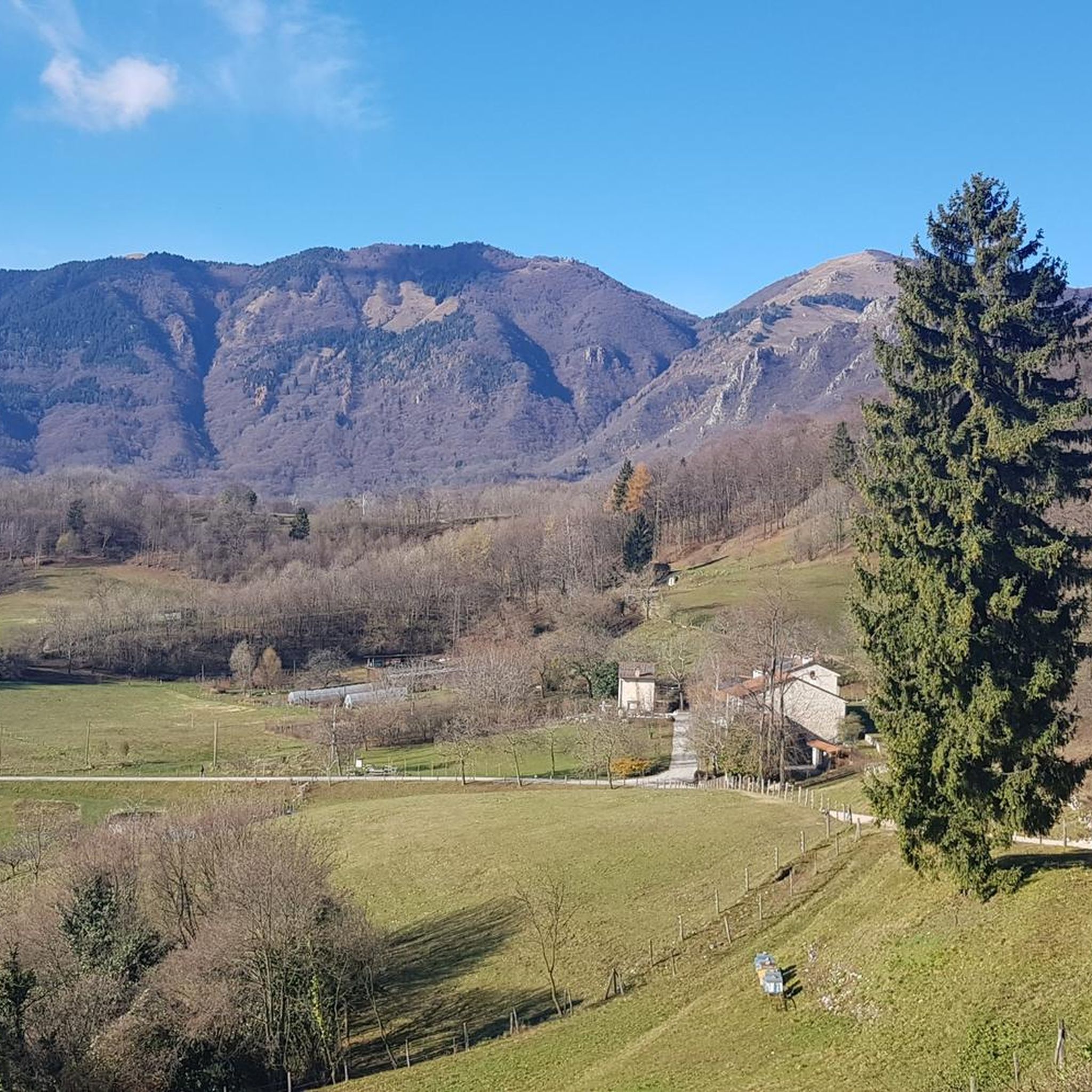
Other adventures around Schio

Tips from the Community

The Buso della Rana is the largest cave in the Veneto region and one of the most extensive in Italy, with a network of caves stretching almost 30 km in total (40 km including the Pissatèla complex above, to which it is connected). Located beneath the Faedo-Casaròn Plateau, it is an intricate karst system that collects and channels the plateau's waters into the Rio Rana, which flows at the entrance. It was formed when rainwater seeps into the permeable limestone surface layer and, encountering the underlying impermeable basalt (volcanic rock), flows laterally, eroding the rock. Over millions of years, this has created a complex labyrinth of horizontal tunnels, chambers, chimneys, siphons, and small lakes traversed by underground streams. Because it drains the plateau's waters, the cave is subject to flash floods, making exploration treacherous. Inside, the temperature remains constant between 10 and 12°C year-round. It is freely accessible through the monumental entrance and by proceeding along the Main Branch for about fifty meters, until reaching the first flooded corridor or Siphon, a horizontal constriction that requires crawling. From there, it is the preserve of speleologists or exciting and adventurous guided tours organized by associations like Biosphera (see link). The internal branches are not marked, and one must know the way. The name of the cave has nothing to do with the amphibian, but is an Italianized term from the Cimbrian word "roan," meaning "rocky wall," referring to the cliff at the entrance. https://www.busodellarana.it https://esplora.biosphaera.it/luoghi/buso-della-rana/
0
0

When you pass by and observe this place, try to imagine the work done by young people in their early twenties in prohibitive conditions.
0
0

It is very useful to bring a headlamp with you.
0
0

Bring a flashlight and go dark.
0
1
The Cascata dei Papalini suddenly appears in a small clearing in the heart of the forest, along the path: over time the falling water has formed a columnar deposit of gray limestone that descends like a drape and that partly acts as a springboard for the jet. But the peculiarity and spectacular nature of this waterfall is the possibility of seeing it even from behind the scenes: in fact, by climbing to the left on a short but steep path, you reach a natural roof of the rock from which you can observe the forest below through the curtain of water, without getting wet! The passage is not protected and is wet, so you need to pay particular attention. Like all torrential waterfalls, it is not always full and active: you need to look for the right period, perhaps after heavy rains, to visit it in all its thunderous splendor.
1
0

74 meter long tunnel with no exit and 4 final outlets where the artillery was positioned. A light was needed.
0
0

Frequently Asked Questions
What types of caves can I explore around Schio?
Schio offers a diverse range of underground environments. You can explore natural karst formations like the extensive Buso della Rana Cave, known for its intricate system of tunnels and underground streams. Additionally, the region features significant historical man-made tunnels and fortifications from World War I, such as the Gun Emplacement Tunnel of Monte Cengio and the WW1 Command Gallery.
Are there any family-friendly caves or accessible historical tunnels near Schio?
For a historical experience, the Gun Emplacement Tunnel of Monte Cengio is generally accessible and forms part of the 'La Granatiera Route' hike, offering a glimpse into WWI history. While the Buso della Rana Cave offers guided tours, these can be moderately strenuous, involving uneven terrain and potential water, making them more suitable for active families or those comfortable with a bit of adventure.
What is the difficulty level for exploring the Buso della Rana Cave?
The Buso della Rana Cave offers guided excursions that provide an introduction to speleology. These tours are moderately strenuous, involving rocky, slick, and uneven terrain. Visitors should be prepared for some unavoidable full-body crawls, scrambling over boulders, and water levels that can reach waist-high. Helmets and headlamps are provided, and visits with experienced guides are essential due to the cave's active hydrological system.
Can I visit the Buso della Rana Cave on my own, or do I need a guide?
While the monumental entrance of the Buso della Rana Cave is freely accessible for about fifty meters along the Main Branch, further exploration into the internal branches requires specialized knowledge or a guided tour. The cave is a complex and active hydrological system, prone to rapid flooding during rain, making guided tours with associations like Biosphaera crucial for safety and navigation. You can find more information about guided tours at Biosphaera.
What historical significance do the tunnels on Monte Cengio hold?
The tunnels on Monte Cengio, such as the Gun Emplacement Tunnel of Monte Cengio and the WW1 Command Gallery, are significant WWI military fortifications. They were constructed between spring and summer 1917 as part of the defensive system. The Gun Emplacement Tunnel features four cannon emplacements, while the Command Gallery housed the command post for the entire Cengio sector and served as a first aid station. These sites offer a powerful historical experience, showcasing the region's past and military engineering.
What should I wear when visiting caves around Schio?
For natural caves like Buso della Rana Cave, wear comfortable clothing that you don't mind getting wet or muddy, as water levels can be high and terrain slick. Sturdy, waterproof footwear with good grip is essential. The cave maintains a constant temperature of 13-15°C year-round, so layers are advisable. For historical tunnels like those on Monte Cengio, a headlamp is necessary due to the lack of natural light, and comfortable walking shoes are recommended for the surrounding trails.
Are there any other notable caves or underground sites near Schio besides Buso della Rana and Monte Cengio?
Beyond the well-known sites, the region around Schio is rich in underground environments. The local speleological group, Gruppo Grotte Schio CAI, actively explores numerous complex caves such as Bocca Lorenza, Buso della Pisatela, and various 'Abisso' (abyss) caves. These often involve extreme conditions and specialized equipment, catering to experienced cavers rather than general tourists. Another interesting site is The WWI Fort, an Austro-Hungarian artillery emplacement dug into the rock.
What outdoor activities can I combine with a visit to the caves near Schio?
The area around Schio offers various outdoor activities. You can find numerous mountain hikes, including challenging routes like the Achille Papa Hut loop, as detailed in the Mountain Hikes around Schio guide. Cycling enthusiasts can explore routes like the Strada dello Xomo – Passo Xomo Hut loop, found in the Cycling around Schio guide. For those who prefer off-road adventures, there are gravel biking trails, such as the Xomo Pass – Strada dello Xomo loop, available in the Gravel biking around Schio guide.
Is there parking available near the Buso della Rana Cave or Monte Cengio?
Specific parking details for Buso della Rana Cave are best checked with tour operators like Biosphaera or local tourism information. For Monte Cengio, parking is typically available at trailheads leading to the historical sites, as it's a popular hiking destination. It's advisable to check local signage or tourism resources for the most current parking information.
What is the best time of year to visit the caves around Schio?
The Buso della Rana Cave maintains a constant temperature of 13-15°C year-round, making it a viable option in various seasons. However, as it's an active hydrological system, heavy rainfall can lead to rapid flooding, making certain periods less ideal for exploration. Historical tunnels like those on Monte Cengio are generally accessible year-round, though the surrounding hiking trails are best enjoyed in spring, summer, or autumn when weather conditions are more favorable.
Are dogs allowed in the caves or on trails leading to them?
Policies regarding dogs can vary. For natural caves like Buso della Rana Cave, especially on guided tours, it's generally not advisable or permitted to bring dogs due to the challenging terrain and safety considerations. For historical sites like Monte Cengio, dogs are often allowed on the outdoor hiking trails leading to the tunnels, but may not be permitted inside the tunnels themselves. Always check specific site regulations or with tour providers beforehand.
What natural features can I expect to see inside the Buso della Rana Cave?
Inside the Buso della Rana Cave, you can expect to see a labyrinthine system shaped by water over millions of years. Features include active branches, underground lakes, chimneys, potholes, siphons, and various concretions. The cave also reveals significant paleontological finds, such as shark teeth, offering a glimpse into an ancient marine environment. The entrance itself is majestic, with the Rio Rana emerging from it.
Most popular routes around Schio
Most popular attractions around Schio

Get inspired with the komoot mobile app


Explore more
Extend your search for the best caves by checking out these guides of the top ones around Schio:
