Top 10 Castles around Santo Stefano Belbo
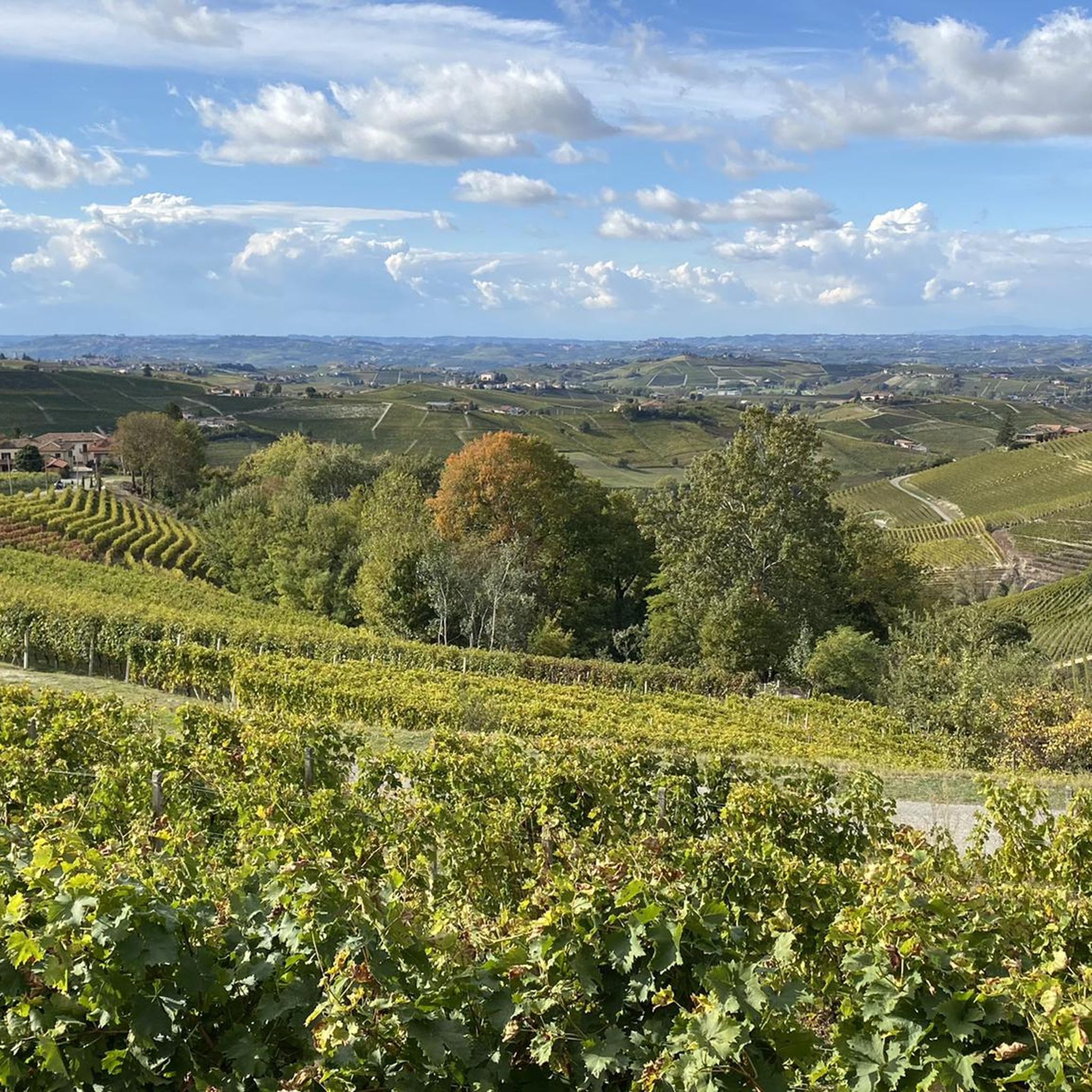
Best castles around Santo Stefano Belbo are found in Italy's Piedmont region, an area characterized by its picturesque vineyards and tranquil rural atmosphere. The town itself features historical sites, including the remnants of its medieval castle, primarily represented by its ancient tower. This location offers a glimpse into the town's rich past and its strategic importance in controlling the Belbo valley. The surrounding Langhe hills provide a scenic backdrop for exploring these historical structures.
Best castles around Santo Stefano Belbo
…Last updated: June 30, 2026
Costigliole d'Asti Castle
Highlight • Castle
Translated by Google •
Tip by

Monastero Bormida
Highlight • Settlement
Translated by Google •
Tip by

Sign up now to discover places like this
Get recommendations on the best single tracks, peaks, & plenty of other exciting outdoor places.
Sign up for free
Rocchetta Palafea
Highlight • Settlement
Translated by Google •
Tip by
Ascent from Canelli to Castello Gancia
Highlight (Segment) • Climb
Translated by Google •
Tip by

Casaforte of the Counts Cotti of Ceres
Highlight • Historical Site
Translated by Google •
Tip by

Sign up for free to discover even more castles around Santo Stefano Belbo.
Sign up for free
Already have an account?
Start today with a free account
Your next adventure awaits.
Login or Signup

Tips from the Community

The Castle of Monastero Bormida was not originally built as a defensive structure but as a Benedictine monastery, founded around 1050 by monks from the Abbey of Fruttuaria, called by the Aleramici Marquises to reclaim the lands devastated by Saracen raids. The 27-meter tower still visible today was originally the bell tower, and the river flowing a few meters from the southern tower confirms the non-military nature of the building. In 1393, the Benedictines abandoned the monastery, and its feudal history began: the fief passed to the Del Carretto marquises, who in the 15th century added the first defensive structures, transforming it into a castle. The building is a quadrangular structure with an internal courtyard, protected by towers on multiple sides and connected to the former bell tower by a small suspension bridge. On the south facade, there is a two-arched Renaissance loggia with a small stone column. Inside, the rooms on the main floor—transformed in the 17th century—feature mosaic floors and sail and cross vaults with frescoes of floral and geometric motifs. The castle later passed to the Della Rovere family and subsequently to the Genoese Polleri family, finally becoming the property of the Municipality starting in 1880. Today it is open to visitors and is part of the regional circuit "Castelli Aperti".
0
0

Beautiful old arched bridge.
3
1

"Castle" of Monastero Bormida Place of tourist, historical, architectural and cultural interest Piazza Castello, 1, 14058 Monastero Bormida AT http://www.comune.monasterobormida.at.it/ 014488450
3
0

A cannonball on the outer wall commemorates the battles and disputes surrounding the fort.
1
0

The tower joined to the castle by a medieval arch
2
0

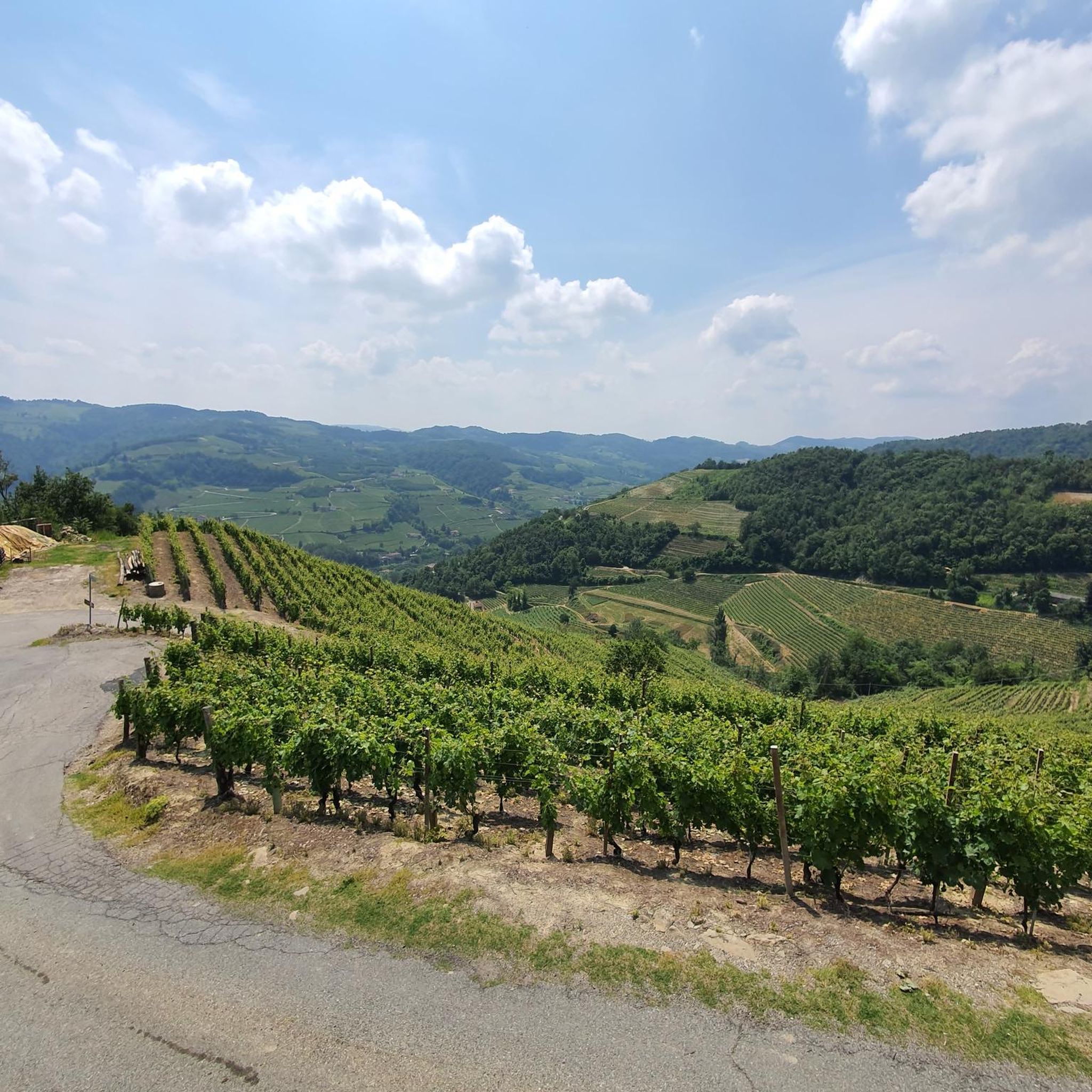
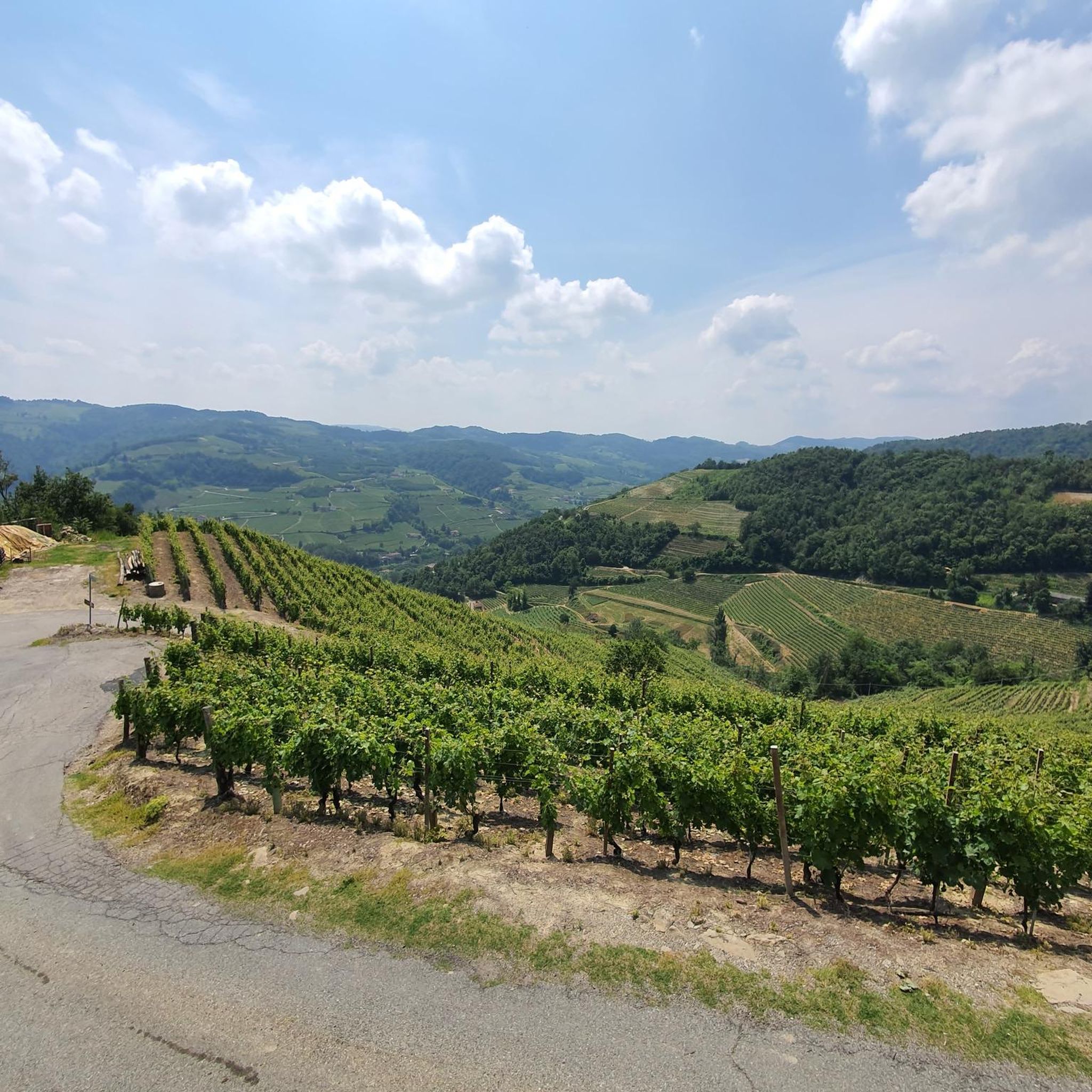
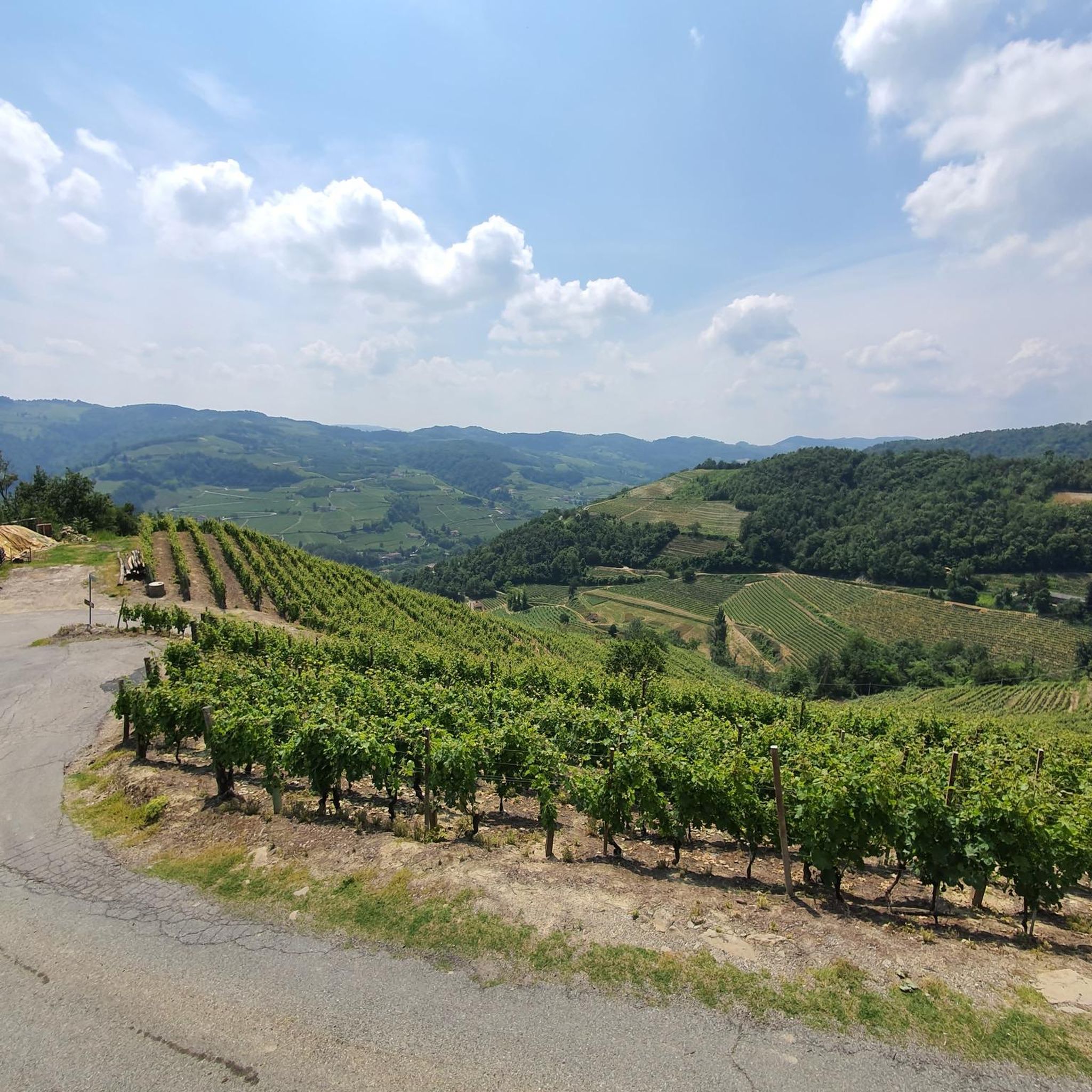
The climb that leads from Canelli to Gancia castle passes through splendid vines. This climb is steep at times and was tackled by the 2023 Giro d'Italia women. The Gancia castle is currently a private villa and cannot be visited: on the other hand, the panoramic views are magnificent.
6
1

The castle, configured in a single and imposing square volume, reveals evident architectural stylistic differences, originating from the layout choices undertaken in the 17th century by the legitimate owners. Starting from 1625, the Asinari nobles shared the rank of "counts of Costigliole" with the noble Verasis family. This complex was therefore divided between two feudal lords, who, with autonomous determination, gave rise to transformations and embellishments on subjective bases. The northern part of the manor, pertaining to the Asinari, retains the appearance derived from the interventions of the second half of the eighteenth century, duly inspired by the architectural canons propagated by Benedetto Alfieri. At the same time, the external aspect of the southern part, pertaining to the Verasis, constitutes an interesting example of neo-medieval stylistic re-proposition, dating back to the first decades of the 19th century.
5
0
The castle of Costigliole d'Asti, built in medieval times and subject to restoration over the centuries, is an important stage in the "Castelli Aperti" circuit of Lower Piedmont. In 1041, Arrigo III officially conferred possession on the Church of Asti. Subsequently, the castle passed under the authority of Bonifacio del Vasto. In 1198, it was Asti that took possession of the castle, establishing statutory regulations. Built on top of the Costigliole fortress, this mighty quadrangular castle, with a base of 60 meters on each side and a height of 25 meters, is one of the grandest in the Asti area.
8
0
Frequently Asked Questions
What historical sites can I explore in Santo Stefano Belbo itself?
In Santo Stefano Belbo, you can explore the remnants of its medieval castle, primarily represented by its ancient tower, also known as the Tower of the Belbo. This site offers a glimpse into the town's rich past, with origins dating back to the 6th century and the castle built in the 13th century. It holds historical significance, a literary connection to Cesare Pavese's *The Moon and the Bonfires*, and offers scenic views of the surrounding Langhe hills.
Which castles near Santo Stefano Belbo are known for their historical architecture?
The Costigliole d'Asti Castle is a mighty quadrangular structure, one of the grandest in the Asti area, showcasing architectural differences from 17th to 19th-century interventions. Rocchetta Palafea, originally a military garrison, has preserved some original structures alongside Baroque interventions, including a harmonious parish church and oratory.
Are there any castles with unique origins or literary connections in the area?
Yes, Monastero Bormida is unique as its current castle corresponds to the site of an original Benedictine monastery founded around 1050. The ancient tower in Santo Stefano Belbo itself is notable for its mention in Cesare Pavese's novel, *The Moon and the Bonfires*, making it a point of interest for literary enthusiasts.
What kind of outdoor activities can I do near the castles around Santo Stefano Belbo?
The region around Santo Stefano Belbo is excellent for cycling. You can find various routes for touring bicycles, gravel biking, and road cycling. For example, there are routes like the 'Santo Stefano Belbo and surroundings - ring tour' for touring bicycles, or the 'Roccaverano – Monastero Bormida loop' for gravel biking. You can explore more options on the Cycling around Santo Stefano Belbo guide.
Are there any castles that offer panoramic views?
The ancient tower in Santo Stefano Belbo, situated on a hill, likely offers scenic views of the surrounding Langhe hills. Additionally, the Ascent from Canelli to Castello Gancia, while leading to a private villa, is known for its magnificent panoramic views over the vineyards.
What is the best time of year to visit the castles and explore the region?
The Langhe region, where Santo Stefano Belbo is located, is celebrated for its picturesque vineyards. Visiting during spring or autumn often provides pleasant weather for exploring the castles and enjoying the scenic views, especially when the vineyards are in bloom or changing colors.
Are there any family-friendly castles or historical sites to visit?
Many historical sites and castles in the region, including Monastero Bormida and Costigliole d'Asti Castle, are generally considered family-friendly for exploration. The historical context and architectural grandeur can be engaging for visitors of all ages.
Can I visit the castles using public transport?
While specific public transport routes directly to every castle might be limited, Santo Stefano Belbo is a town in the Piedmont region. It's advisable to check local bus schedules or consider a combination of public transport to nearby towns and then local taxis or walking for the final leg to more remote castle sites. Information on public transport to specific castles like Barolo Castle (further afield) would require checking regional transport services.
What do visitors enjoy most about the castles and historical sites in this area?
Visitors appreciate the rich historical significance, the tangible links to the medieval past, and the strategic importance of these sites in controlling the Belbo valley. The picturesque setting amidst the Langhe hills, with vineyards providing a scenic backdrop, also adds to the appeal. The komoot community has shared over 40 photos and given more than 110 upvotes to the highlights in this area.
Is there a castle that was once a private residence of a noble family?
The Casaforte of the Counts Cotti of Ceres is a historic house built by a wealthy 13th-century family and later bought by a family of local earls and writers. It has been adapted over the centuries and features a courtyard with vines, offering a glimpse into the lives of noble families.
Are there any permits required to visit the castles or hike in the Langhe region?
Generally, permits are not required for visiting the exterior of castles or for hiking on established trails in the Langhe region. However, for specific castle interiors, there might be entrance fees or guided tour requirements. It's always best to check the official websites of individual castles for their specific visitor policies and opening hours.
Are there any dog-friendly options for visiting castles or walking nearby?
While specific castle interiors might have restrictions, many outdoor areas around castles and the numerous walking trails in the Langhe region are dog-friendly. It's recommended to keep dogs on a leash and clean up after them. Always check individual castle policies regarding pets before planning your visit.
Most popular routes around Santo Stefano Belbo
Most popular attractions around Santo Stefano Belbo

Get inspired with the komoot mobile app


Explore more
Looking for the best castles somewhere else? Discover other guides around Santo Stefano Belbo:
