Top 5 Castles around Seborga
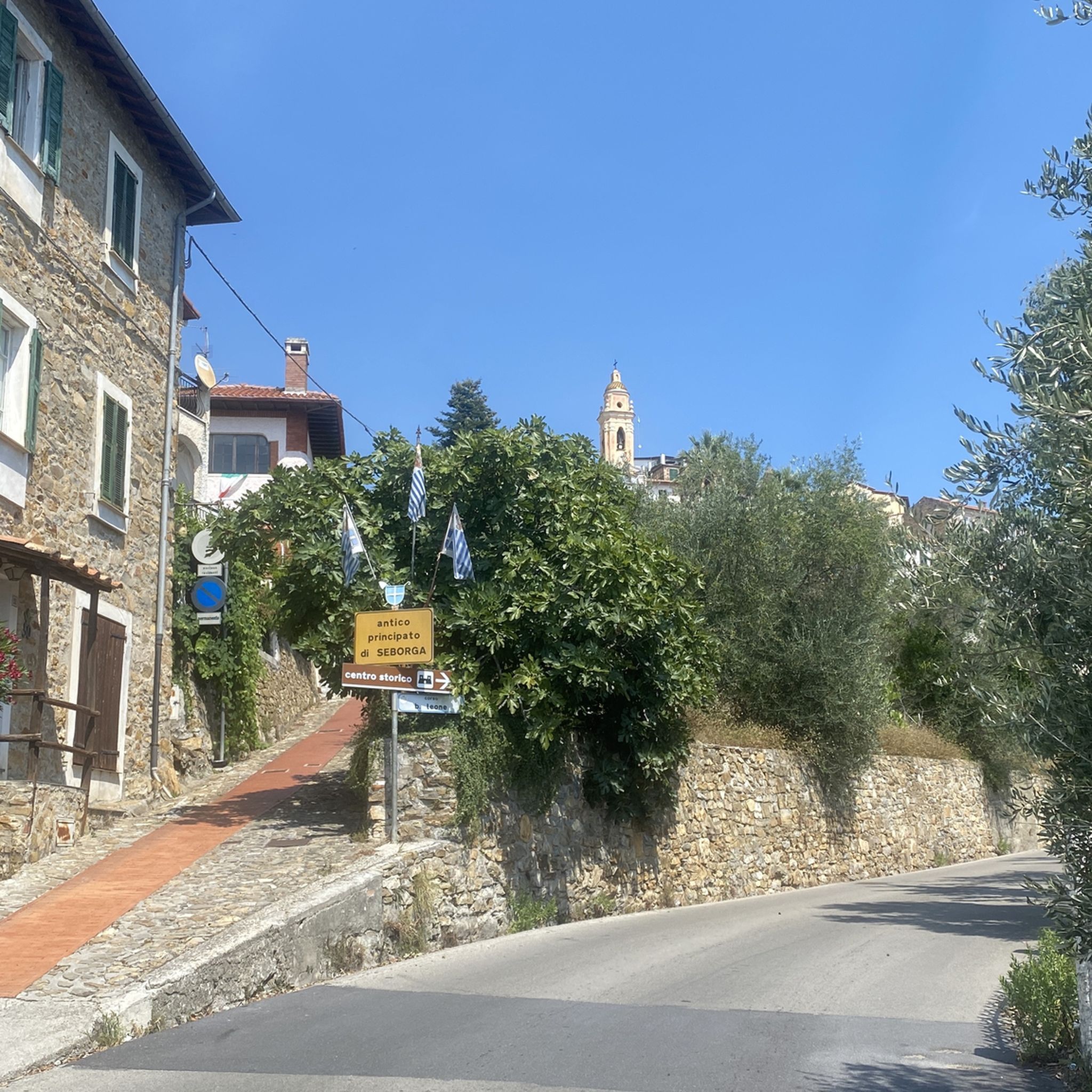
Best castles around Seborga are found within a charming hilltop village in Liguria, Italy. This area is historically significant, with its fortified center once known as the "Castle of the Four Towers." The region offers a glimpse into a rich past through its ancient structures and medieval architecture. The landscape features a mix of historical sites and natural beauty, providing diverse exploration opportunities.
Best castles around Seborga
- The most popular castles is Apricale Historic Village, a settlement that features…
Last updated: June 16, 2026
Doria Castle of Dolceacqua
Highlight • Castle
Tip by

Apricale Historic Village
Highlight • Settlement
Translated by Google •
Tip by

Sign up now to discover places like this
Get recommendations on the best single tracks, peaks, & plenty of other exciting outdoor places.
Sign up for free
Fort Santa Tecla
Highlight • Historical Site
Translated by Google •
Tip by

Apricale Village
Highlight • Settlement
Translated by Google •
Tip by

Dolceacqua Stone Bridge and Doria Castle
Highlight • Castle
Translated by Google •
Tip by

Sign up for free to discover even more castles around Seborga.
Sign up for free
Already have an account?
Start today with a free account
Your next adventure awaits.
Login or Signup

Tips from the Community

Fort Santa Tecla, near the Sanremo pier, tells a story of a turbulent past: built by the Genoese in the 18th century, the massive fortress served to control the city and suppress uprisings. Later, it was used as a military base and prison, which explains its austere, almost intimidating character. Today, the fort is a cultural hub: exhibitions, concerts, and events bring its historic walls to life. A visit offers a unique blend of history and contemporary culture.
0
0

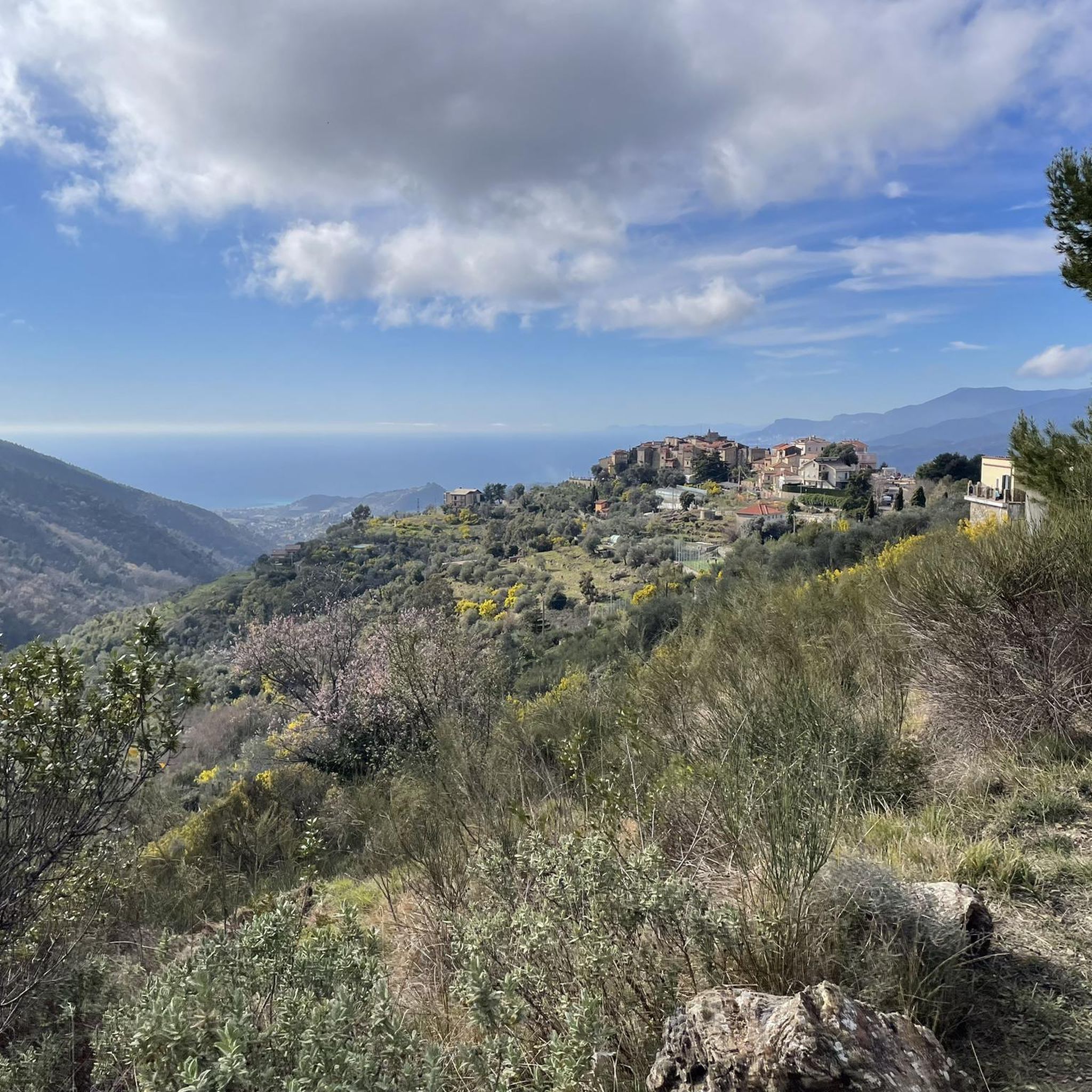
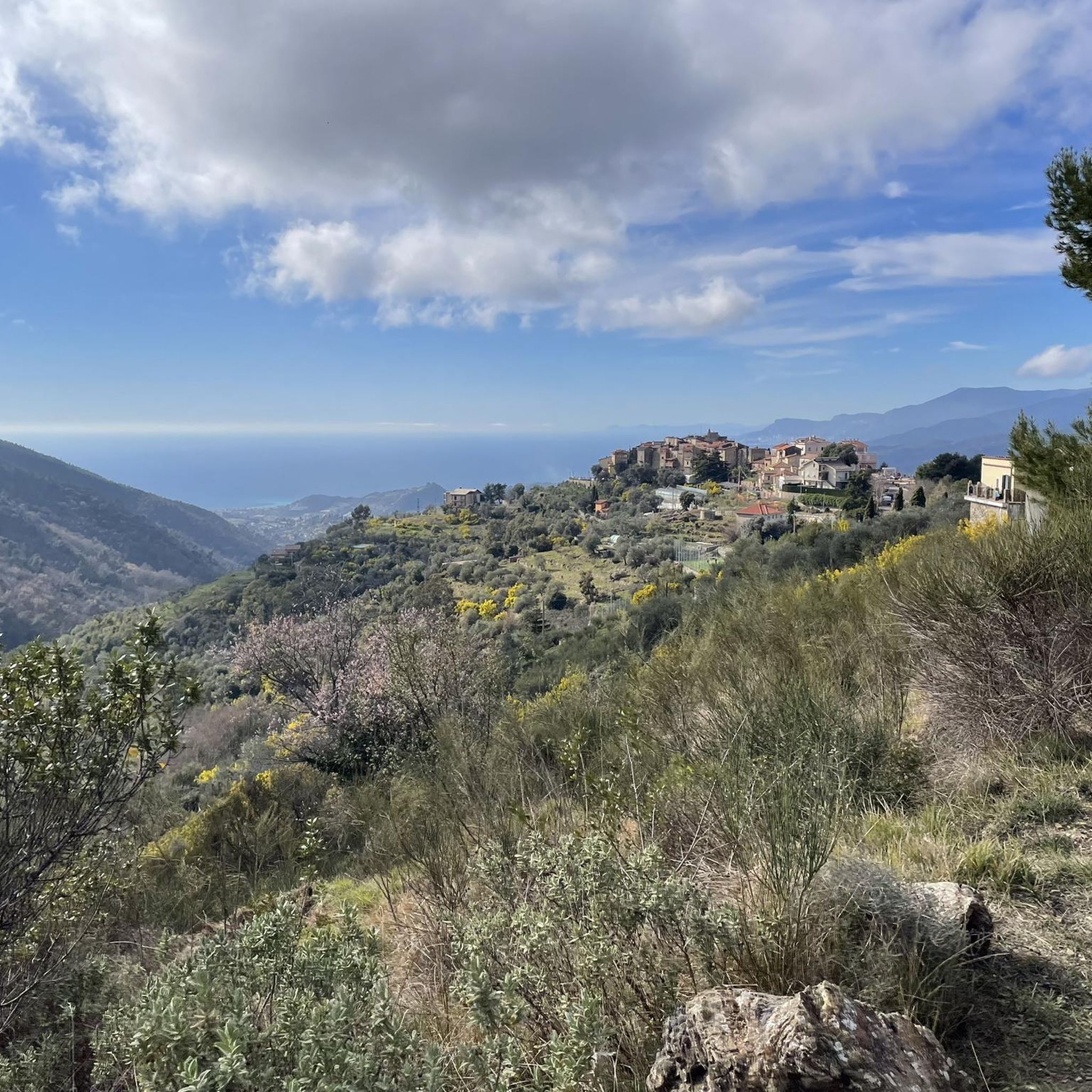
Here's an exciting and informative comment to add to Komoot for the historic village of Apricale: 🌞 Apricale is pure magic! 🏰 A village perched on the hill, where every alley seems to tell a story. The stone houses, vaulted passages, and hidden stairways create a fascinating labyrinth waiting to be explored. Ideal for gravel bikers who love slow climbs and scenic descents 🚴♂️🌄 The view at sunset is breathtaking, and the atmosphere... seems like something out of a medieval novel 📜✨ Don't miss the main square with its fountain, art galleries, and a café with a view. Perfect for those seeking beauty, silence, and authenticity.
0
1

Beautiful country landscape. Worth visiting everything... excellent sweets in the shops in the square: cruzetti and michette. They have two shops in the square.
2
0
Stunning village perched on the slopes of a mountain with a beautiful castle (of the lizard) and houses that gloriously lean on each other in a stunning miracle of architectural balance. Absolutely worth a visit.
0
0
Ancient village very well exposed to the sun. Stunning at sunset for exceptional photos. The village itself is a masterpiece of engineering, with houses built one on top of the other, huge cisterns to act as a water reserve and a castle, of the lizard, wonderfully clinging to everything else. The entire village is a gigantic “house of cards” made of stone. It is worth getting lost in its streets. Furthermore, it is also a widespread hotel with rooms scattered throughout the village.
1
0

Very nice place, impressive bridge
2
0

Very beautiful ancient village
0
0

Fountain in the square in front of the lake
2
0
Frequently Asked Questions
What makes Seborga's 'castles' unique compared to traditional castles?
Seborga's 'castles' are not grand, standalone fortresses in the conventional sense. Instead, the entire historical center of this charming hilltop village served as a defensive stronghold, once known as the 'Castle of the Four Towers.' Its ancient structures, like the Palazzo dei Monaci and the Ancient Prisons, are integral parts of the village's fortified past, offering a glimpse into its unique history as a self-proclaimed principality.
Can I visit historical buildings like the Palazzo dei Monaci in Seborga?
The Palazzo dei Monaci is a significant historical building in Seborga, once serving as the seat of government for the Prince-Abbots and housing the State Mint. While now privately owned and used for residences, its medieval architecture and historical significance make it a focal point in the village. You can admire its facade, which still displays the heraldic coat of arms of the principality.
What is the significance of the Ancient Prisons in Seborga?
The Ancient Prisons of the Principality, located within Seborga's narrow alleyways, are a tangible reminder of the village's judicial past. Dating back to at least 954 A.D., they underscore the historical autonomy and administrative authority held by Seborga's monastic rulers. While only viewable from the outside, they offer a fascinating insight into the principality's governance.
Is there a connection to the Knights Templar in Seborga?
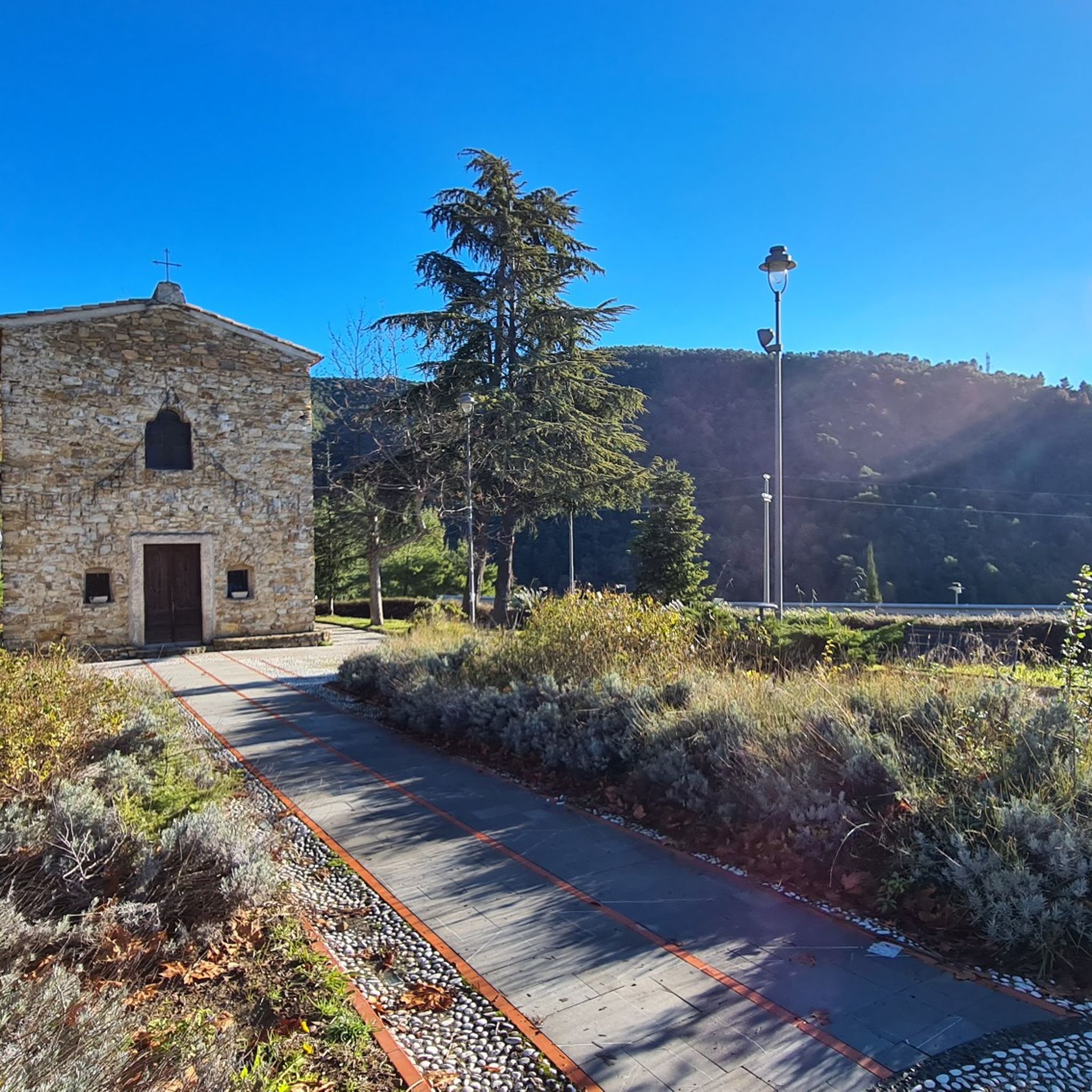
Yes, Seborga has an intriguing connection to the Knights Templar. The Chapel of the Knights Templar (Cappella di San Bernardo il Vecchio), a small stone chapel along a path to the ancient fortified village, is believed to have been a headquarters for the order. Legend suggests that the founder of the Knights Templar, Bernard of Clairvaux, appointed the first knights here in 1117, adding a mystical layer to Seborga's defensive and spiritual past.
What historical sites are recommended near Seborga?
Beyond Seborga itself, you can explore several fascinating historical sites. The Apricale Historic Village is a settlement with houses built one on top of the other and a castle, offering a panorama of the Maritime Alps. Another must-see is the Doria Castle of Dolceacqua, located in an enchanting medieval village famous for its Roman 'humpback' bridge. Additionally, Fort Santa Tecla, an 18th-century fortification near Sanremo, tells a story of a turbulent past.
Are there hiking trails near Seborga's historical sites?
Yes, the area around Seborga offers several hiking opportunities. You can find trails like the 'View of Sanremo – Seborga Historic Village loop from Monte Carparo' (12.5 km, moderate) or the 'Nice view – Seborga Historic Village loop from Seborga' (9.7 km, moderate). For more options, explore the Hiking around Seborga guide.
What other outdoor activities can I do around Seborga?
Besides hiking, you can enjoy various outdoor activities. There are numerous running trails, such as the 'Running loop from Ospedaletti' (4.6 km, easy) or more challenging routes like the 'Monte Caggio Summit – Panoramic View of Sanremo loop'. Mountain biking is also popular, with trails like the 'View of Sanremo – Trail Due Muri (Sanremo) loop'. You can find more details in the Running Trails around Seborga and MTB Trails around Seborga guides.
Are there good viewpoints near Seborga's castles and historical sites?
Yes, the region offers stunning viewpoints. The Apricale Historic Village itself provides a breathtaking panorama of the Maritime Alps. Additionally, the View of Dolceacqua and the Doria Castle offers picturesque scenes of the medieval village and its iconic castle, which was admired by painter Claude Monet.
What is the best time of year to visit Seborga's historical sites?
The best time to visit Seborga and its historical sites is generally during the spring (April to June) and autumn (September to October). During these months, the weather is pleasant for exploring the hilltop village and its surroundings, and the crowds are typically smaller than in the peak summer season. The Apricale Historic Village is particularly stunning at sunset for exceptional photos.
Are there family-friendly historical sites around Seborga?
Many of the historical sites around Seborga can be enjoyed by families. The charming medieval villages themselves, like Seborga and Dolceacqua, offer engaging exploration. The Doria Castle of Dolceacqua and Fort Santa Tecla are listed as family-friendly, providing historical context in accessible settings. Exploring the narrow streets and imagining the past can be a fun experience for all ages.
How long should I plan for a visit to Seborga's historical sites?
To fully appreciate Seborga's unique historical center and its integrated 'castles' like the Palazzo dei Monaci and Ancient Prisons, a few hours should suffice. If you plan to visit nearby sites such as the Doria Castle of Dolceacqua or the Apricale Historic Village, a full day trip or even an overnight stay would allow for a more relaxed and comprehensive experience, including time for local cuisine and scenic views.
Most popular attractions around Seborga

Get inspired with the komoot mobile app


Explore more
Looking for the best castles somewhere else? Discover other guides around Seborga:
