Top 14 Caves around San Vito Di Cadore
Best caves around San Vito Di Cadore are primarily historical war tunnels, offering a unique blend of history and mountaineering within the Dolomites. This region, known for its stunning mountain landscapes, serves as a base for exploring the broader Drei Zinnen Nature Park. While traditional natural show caves are not extensive here, the area provides distinct underground experiences. These sites combine historical significance with opportunities for challenging hikes and via ferratas.
Best caves around San Vito Di Cadore
- The most popular caves is Lagazuoi Tunnels, a historical site and cave that were created by Italian soldiers during World War I. This route is classified as a beginner via ferrata and is equipped with ropes and gear.
- Another must-see spot is Kaiserjägersteig Trail, a challenging trail, viewpoint, and historical site. This path was a crucial connection road during the First World War and has been restored for exploration.
- Visitors also love Goiginger Tunnel, a historical cave traversing nearly the entire east wall of the Hexenstein mountain. This tunnel is approximately 500 meters in length and can be explored with appropriate equipment.
- San Vito Di Cadore is known for historical war tunnels and military fortifications. These sites offer a variety of experiences, from challenging via ferratas to accessible historical walks.
- The caves around San Vito Di Cadore are appreciated by the komoot community, with more than 190 upvotes and over 240 photos shared by visitors.
Last updated: June 30, 2026
Kaiserjägersteig Trail
Highlight • Trail
Tip by

Lagazuoi Tunnels and World War I Trenches
Highlight • Historical Site
Descend better in the tunnel and choose a different route for ascent over the (quite simple) via ferrata
Translated by Google •
Tip by

Sign up now to discover places like this
Get recommendations on the best single tracks, peaks, & plenty of other exciting outdoor places.
Sign up for free
Cengia Martini World War I Outpost
Highlight • Historical Site
Translated by Google •
Tip by

Goiginger Tunnel
Highlight (Segment) • Cave
Some sections of the tunnel are pitch dark, the darkness is occasionally interrupted by a series of identical windows that open onto the mountainside. In the tunnel you can see the remains of a generator base and the supports of the electrical line.
If you continue from the tunnel exit towards the summit, you will reach the saddle and the tip of the Hexenstein, i.e. the Goiginger position.
Here you can see the remains of the Austrian bolt position with a system of trenches and trenches, remains of buildings and barracks, caves, material stores and kitchens.
Source: lagazuoi.it/DE/percorso27-Der-GoigingerStollen
Translated by Google •
Tip by

Forte Monte Ricco
Highlight • Cave
The Fort was built in the pre-Roman era with a defensive function, maintained also in Roman and medieval times. Before the year 1000, it was the seat of an important castle represented in the coat of arms of Cadore. From 1420 it became the seat of the Captain of Venice, but declined in the 17th century. During the Kingdom of Italy, two fortifications were built as part of the defensive system against Austria-Hungary. During the First World War, the Fort was relegated to a warehouse and logistics. Abandoned after 1918, restoration began in 2007 on the initiative of the Municipality of Pieve di Cadore, concluding in 2017.
Showing Translation
Tip by

Sign up for free to discover even more caves around San Vito Di Cadore.
Sign up for free
Already have an account?
Start today with a free account
Your next adventure awaits.
Login or Signup
Popular around San Vito Di Cadore
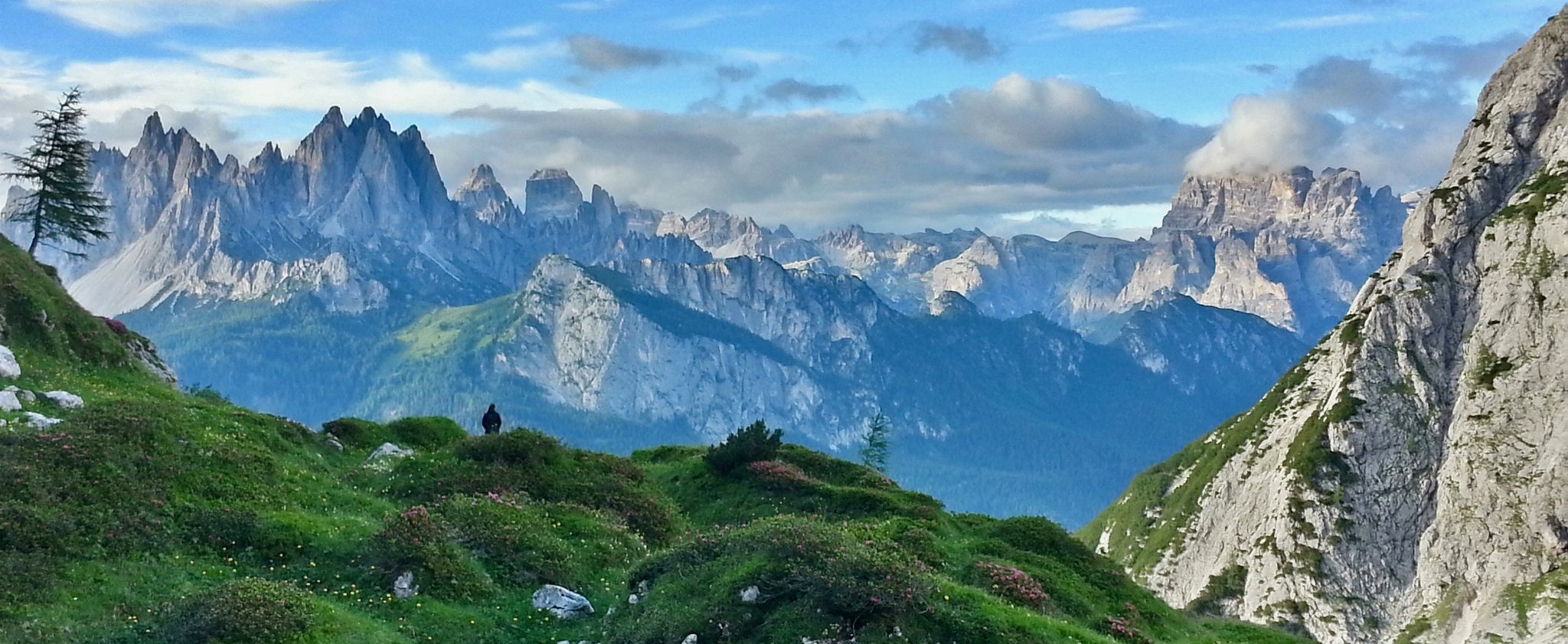
Alta Via No. 5 — Tizians High Route
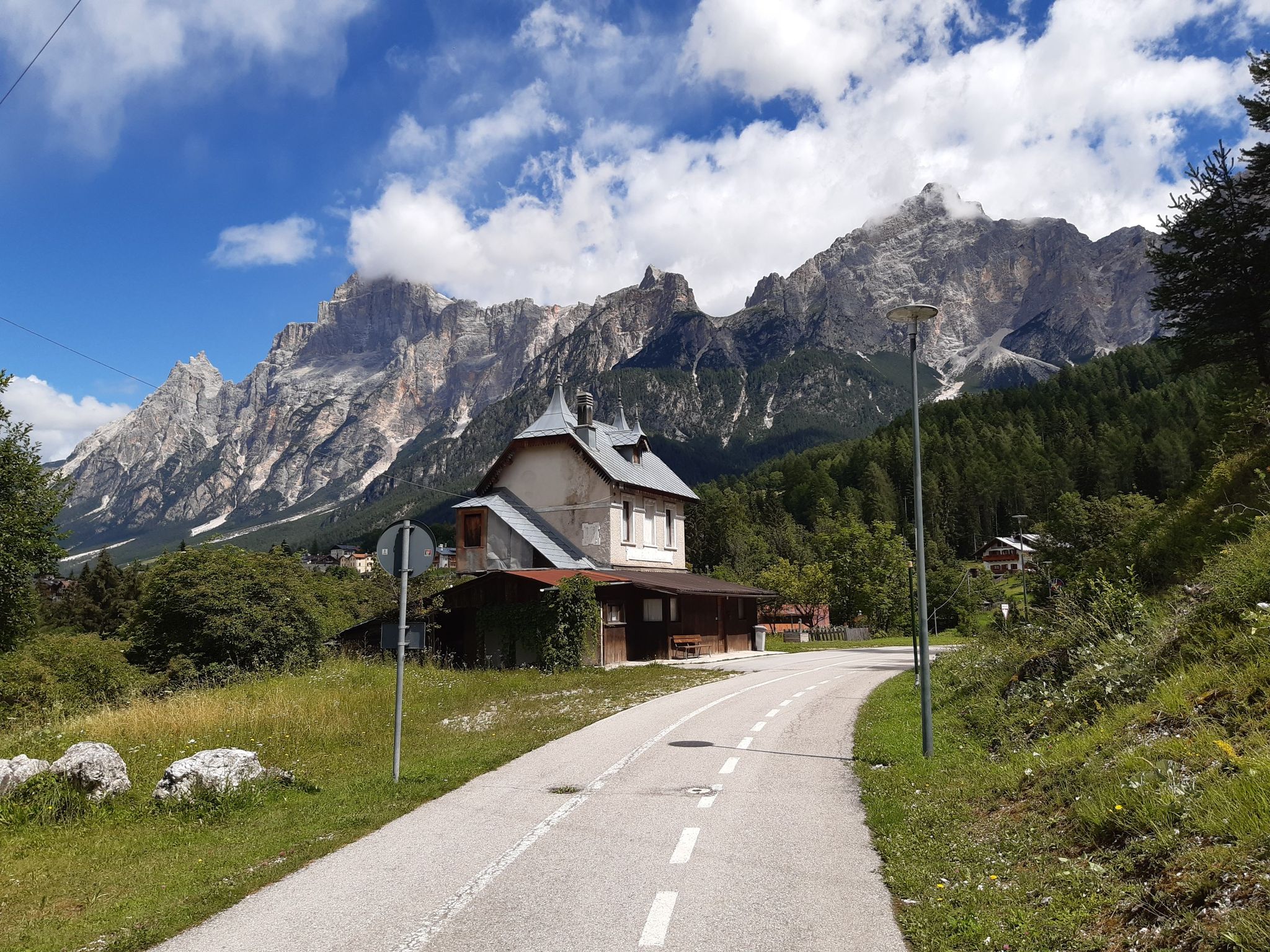
Two days of relaxation and mountains – Dolomites cycle route
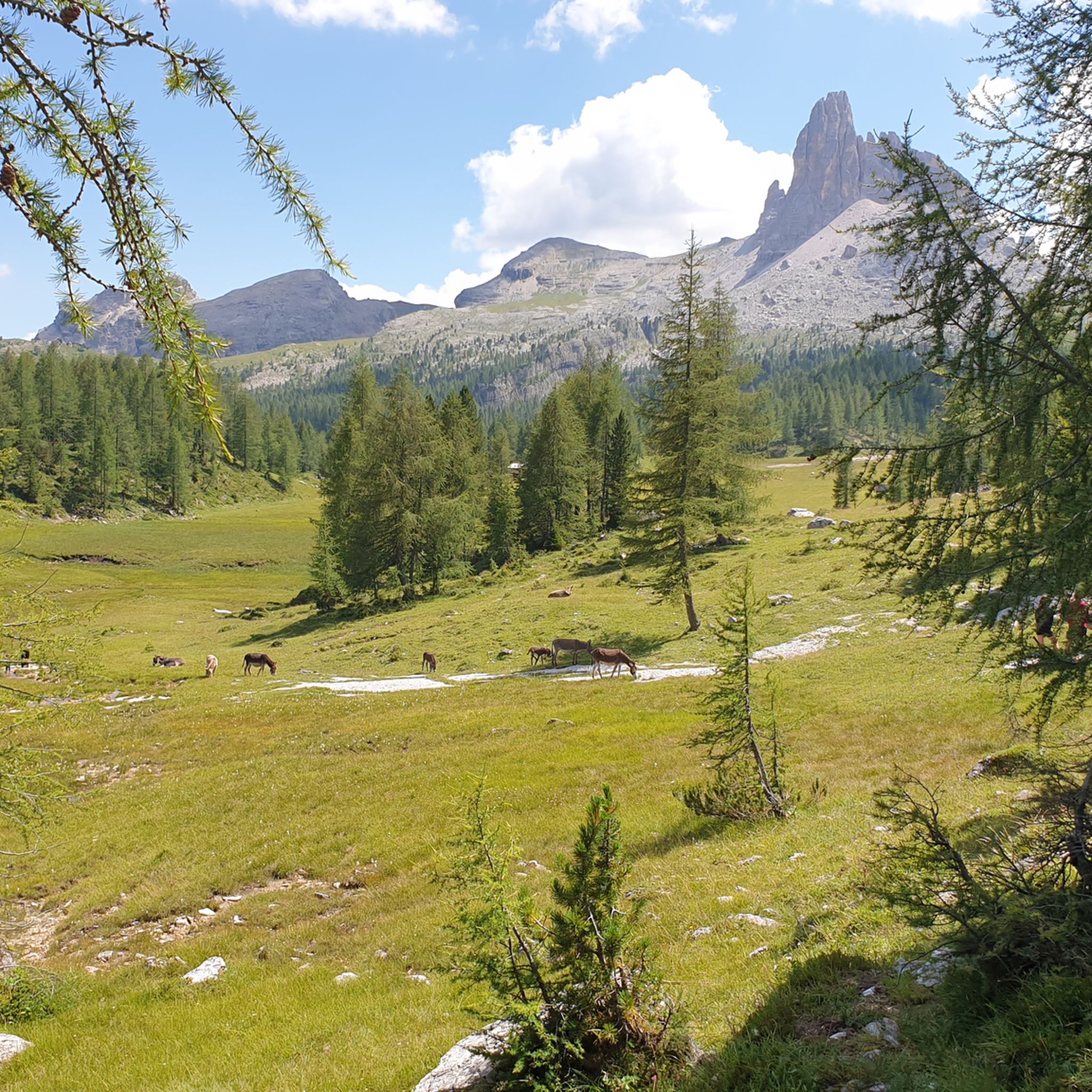
Hiking around San Vito Di Cadore
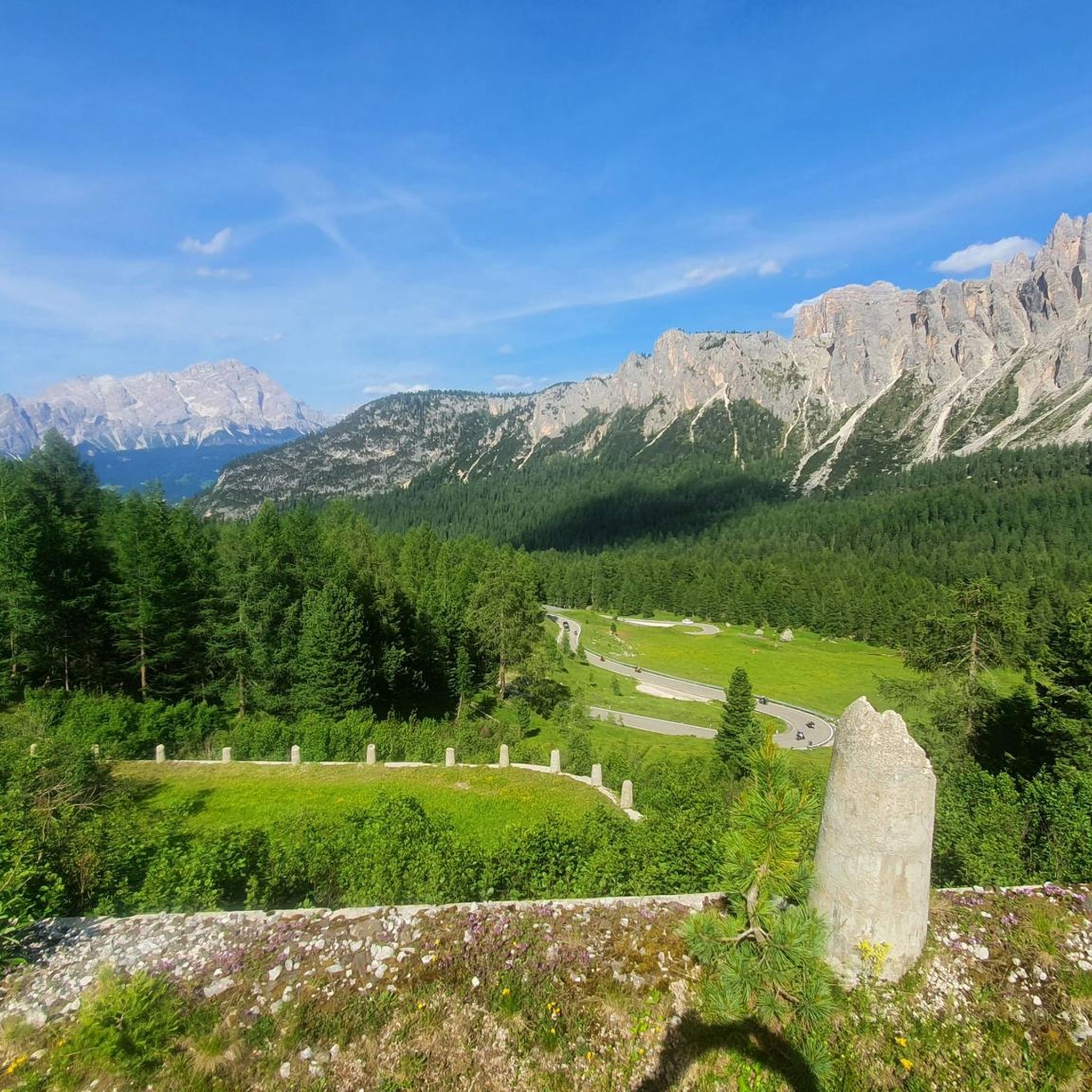
Road Cycling Routes around San Vito Di Cadore
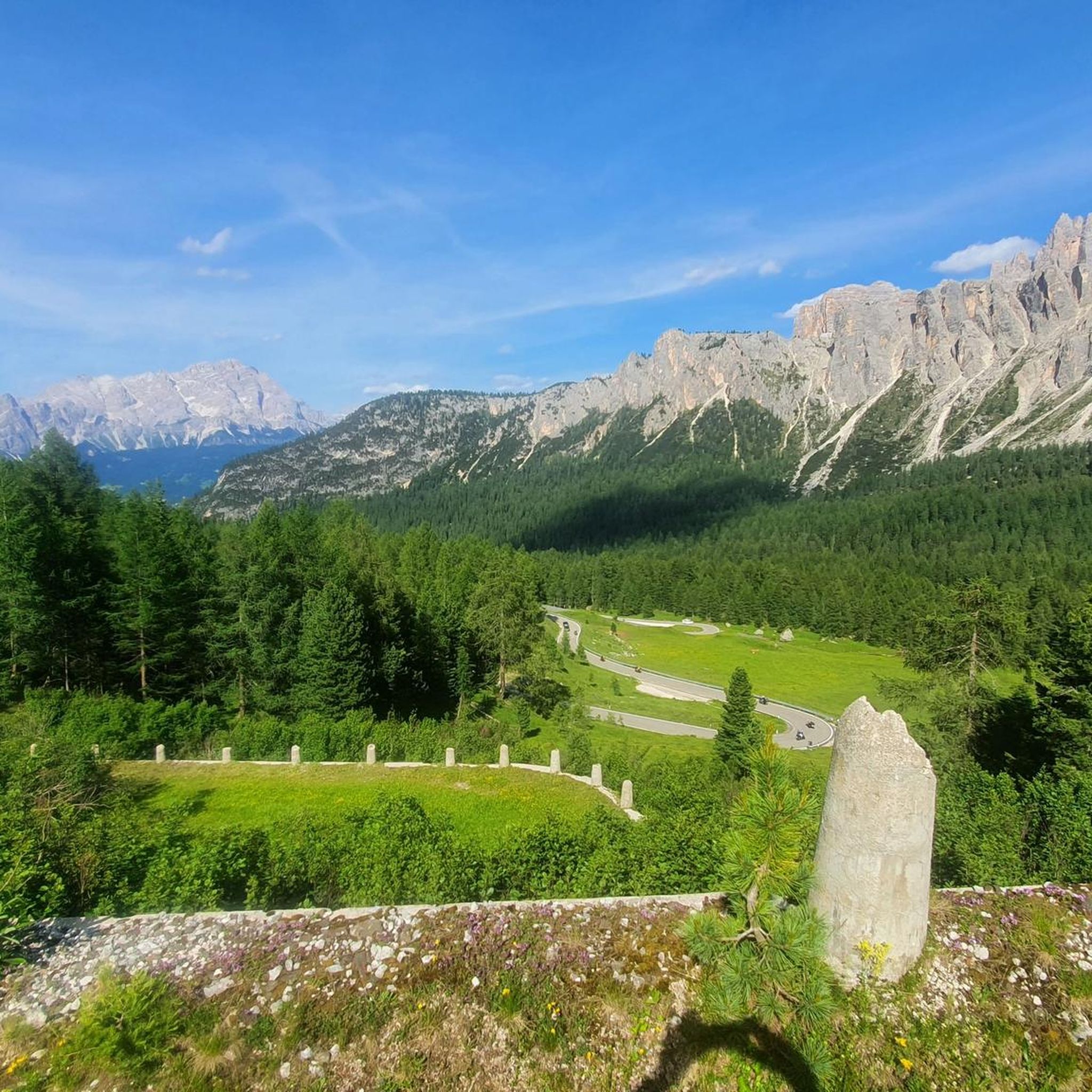
Cycling around San Vito Di Cadore
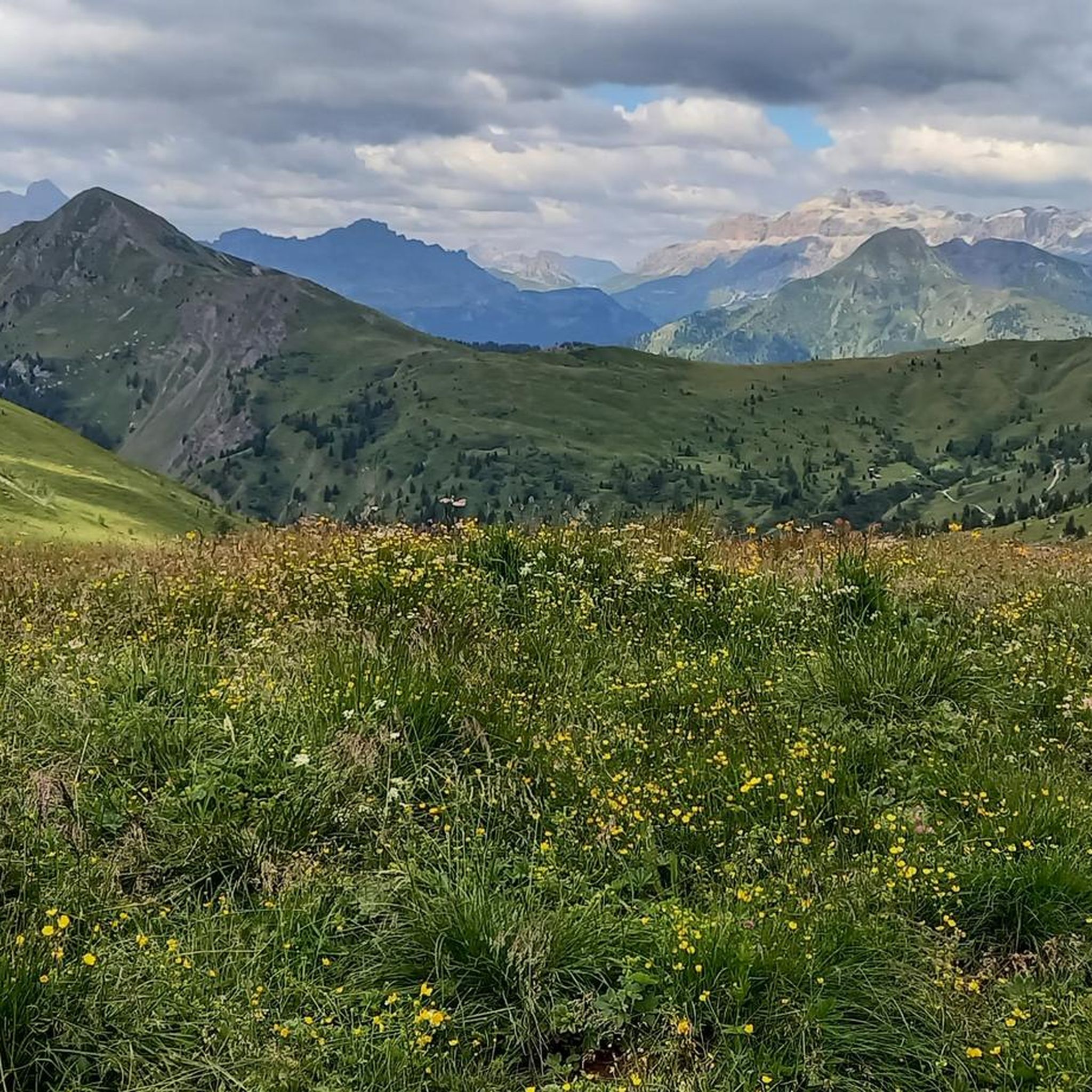
Running Trails around San Vito Di Cadore
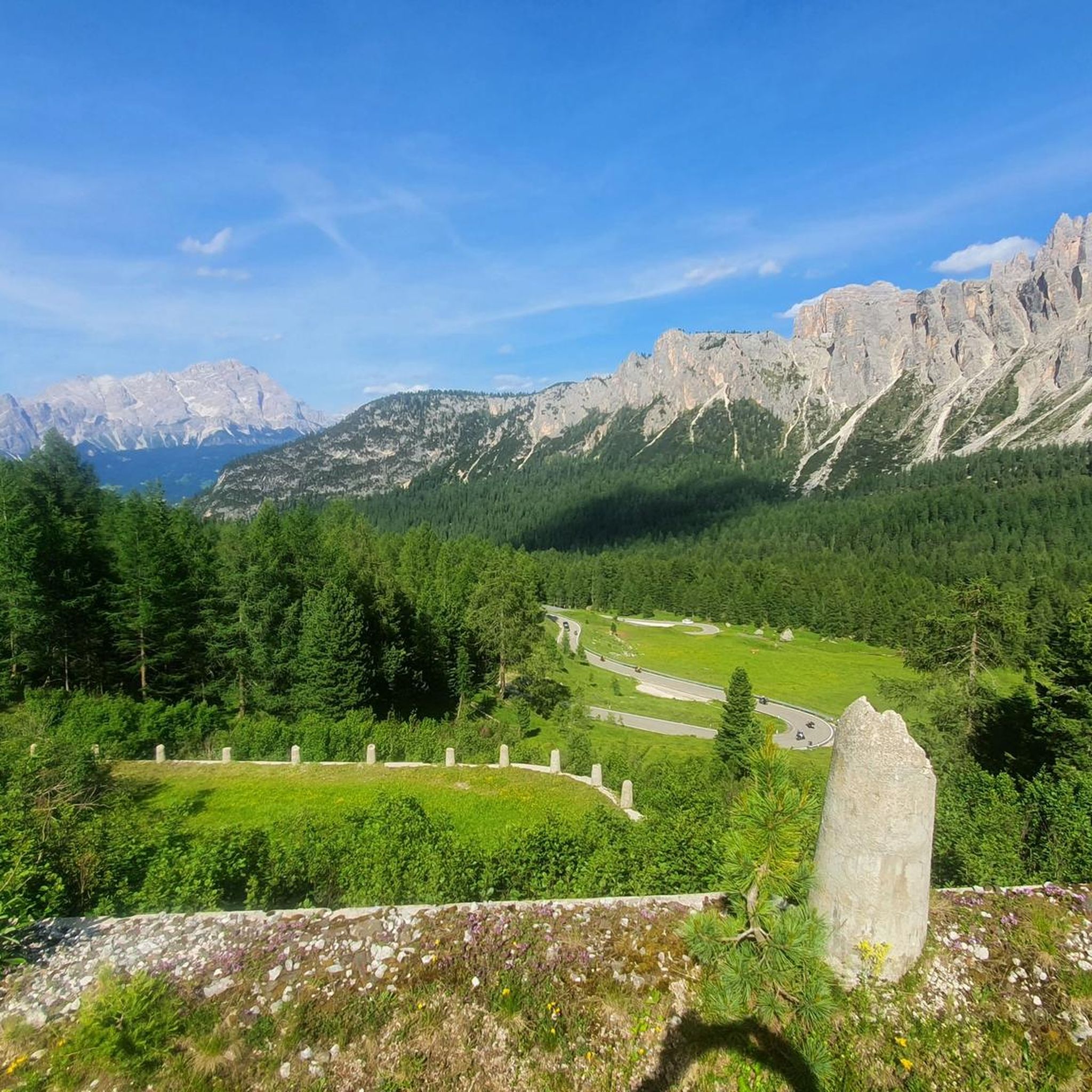
MTB Trails around San Vito Di Cadore
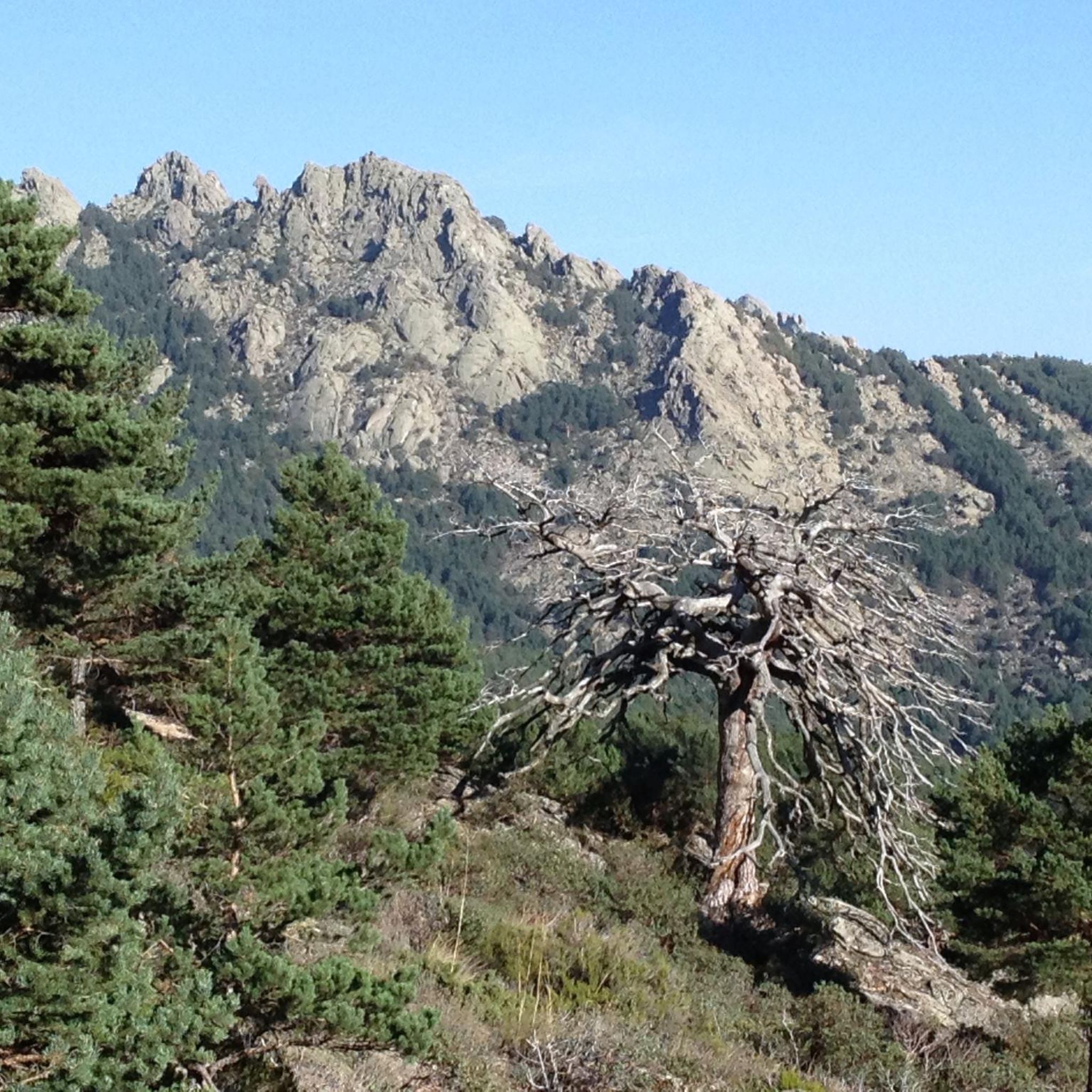
Gravel biking around San Vito Di Cadore

Mountain Hikes around San Vito Di Cadore
Other adventures around San Vito Di Cadore


Tips from the Community

Built in the last two decades of the 19th century, under the Kingdom of Italy, the Forte di Monte Ricco constituted the heart of the entrenched camp of Pieve di Cadore. It was conceived and built to interdict enemy approaches from the Tre Ponti narrows towards Pieve and Tai along the Piave valley and to act in close synergy with the nearby Batteria Castello, about 200 meters away, as well as with the various artillery positions on the overlying heights, on Monte Tranego, Monte Zucco, Col Vidà. Monte Ricco was probably the site of a prehistoric settlement, then of the castle of Cadore. Abandoned until 2007, it has undergone demanding restoration, consolidation, and enhancement works. Reopened to the public in 2017, it hosts exhibitions or classical music concerts. https://www.tizianovecellio.it/luoghi/il-forte-di-monte-ricco/
1
0

Wonderful panoramic viewpoint overlooking the Falzarego Pass.
0
0
The Forte di Monte Ricco, restored and reopened to the public in 2017, often hosts exhibitions and classical music concerts. However, it is advisable to call before visiting to check the opening of the main part. During a summer visit, in fact, it was found that access was allowed only by reservation. An entrance ticket is required but inexpensive. The Fort offers the possibility to walk around the front and internal perimeter, allowing appreciation of the pre-Roman structure. Protected by a moat and a drawbridge, the site also offers a panoramic view of Monte Cristallo. The Fort was built in the pre-Roman era with a defensive function, maintained also in Roman and medieval times. Before the year 1000, it was the seat of an important castle represented in the coat of arms of Cadore. From 1420 it became the seat of the Captain of Venice, but declined in the 17th century. During the Kingdom of Italy, two fortifications were built as part of the defensive system against Austria-Hungary. During the First World War, the Fort was relegated to a warehouse and logistics. Abandoned after 1918, restoration began in 2007 on the initiative of the Municipality of Pieve di Cadore, concluding in 2017.
1
0

Partially restored fortifications from the First World War, which make the tunnels even more tangible.
3
0

Imposing construction built by the army of the Kingdom of Italy to conquer the Austro-Hungarian lines positioned on the Lagazuoi. A mine tunnel was built to bring down the top of the mountain, but the operation failed and the huge crater can still be seen. To be covered with a minimum of attention and the right equipment
2
1

the route is provided by cables on some sections. There are a few wooden or metal steps. The route is feasible without belay equipment for people without vertigo and experienced. A helmet is definitely not a bad decision, although I didn't see any rockfall during my visit.
2
2
Walking through the tunnels is a great experience - it definitely leaves a lasting impression.
2
0

Easily possible without a via ferrata set, even for the inexperienced.
2
3
Frequently Asked Questions
What kind of 'caves' can I expect to find around San Vito di Cadore?
The 'caves' around San Vito di Cadore are primarily historical war tunnels from World War I, not traditional natural show caves with stalactites and stalagmites. They offer a unique blend of history, geology, and mountaineering experience within the stunning Dolomites.
Are there any natural caves to explore near San Vito di Cadore?
Traditional natural show caves are not extensive in the immediate vicinity of San Vito di Cadore. The region's underground attractions are predominantly the fascinating historical war tunnels, which provide a distinct and enriching experience.
What historical significance do the tunnels around San Vito di Cadore hold?
These tunnels are significant historical sites from World War I, dug by soldiers for strategic purposes. Exploring them allows visitors to walk in the footsteps of soldiers, gaining a tangible connection to the past and understanding the wartime history of the Dolomites.
Which tunnels offer a good experience for beginners?
The Lagazuoi Tunnels are classified as a beginner via ferrata (Via Ferrata Galleria del Piccolo Lagazuoi). They are fully equipped with ropes and gear, making them approachable for those new to via ferrata while still offering a unique historical experience.
Are the historical tunnels around San Vito di Cadore suitable for families?
Some tunnels, like the Lagazuoi Tunnels, can be suitable for families with older children who are comfortable with hiking and potentially some basic via ferrata elements. A headlamp and helmet are essential, and some routes involve many steps, so consider the physical capabilities of all family members.
What equipment is necessary for exploring the tunnels?
A headlamp or flashlight is essential for visibility in the dark passages. A helmet is also highly recommended for safety. For some routes, like the Lagazuoi Tunnels, a via ferrata set is not strictly necessary but can provide added security, especially for beginners.
What is the Kaiserjägersteig Trail and what does it offer?
The Kaiserjägersteig Trail is a challenging trail, viewpoint, and historical site. It was a crucial connection road during World War I, used to transport supplies. Today, it's restored for exploration, offering a demanding climb and historical insights.
What is the Goiginger Tunnel?
The Goiginger Tunnel is a historical tunnel traversing nearly the entire east wall of the Hexenstein mountain. Approximately 500 meters in length, it can be explored with appropriate equipment, offering another opportunity to delve into the military constructions of the Dolomites.
What other outdoor activities can I combine with a visit to the tunnels?
The San Vito di Cadore region offers a wide range of outdoor activities. You can find numerous gravel biking routes, MTB trails, and running trails. Popular options include loops around Lake Mosigo or routes offering views of the Tofane mountains.
What do visitors particularly enjoy about the historical tunnels in this region?
Visitors appreciate the unique combination of history and stunning Dolomite landscapes. Many find the experience of walking through the tunnels to be a 'historical goosebump moment,' connecting them directly to the past. The panoramic views from the tunnel exits are also a major highlight.
When is the best time of year to visit the historical tunnels?
The best time to visit is generally during the warmer months, from late spring to early autumn (May to October), when the trails leading to the tunnels are clear of snow and ice, and weather conditions are more favorable for hiking and via ferrata.
Can I visit the tunnels during winter?
Visiting the historical tunnels in winter can be challenging due to snow and ice, which can make the trails inaccessible or dangerous. Some routes may be closed, and specialized winter mountaineering equipment and experience would be required for any open sections.
Are there any permits required to visit the tunnels?
Generally, no specific permits are required to access the historical tunnels themselves, as they are part of public hiking and via ferrata networks. However, always check local regulations or park rules for the specific area you plan to visit, especially within the Drei Zinnen Nature Park.
Most popular routes around San Vito Di Cadore
Most popular attractions around San Vito Di Cadore

Get inspired with the komoot mobile app


Explore more
Extend your search for the best caves by checking out these guides of the top ones around San Vito Di Cadore:
