Top 11 Castles around Nervesa Della Battaglia
Castles around Nervesa Della Battaglia are primarily represented by historical structures and ruins, reflecting the region's past. The area, situated near the Piave River, holds significant historical importance, particularly from World War I. While intact castles are not prominent within the town, the surrounding landscape features remnants of medieval fortifications and historically significant sites. These structures offer insights into the region's feudal history and strategic importance.
Best castles around Nervesa Della Battaglia
- The most popular castles is Conegliano Castle,…
Last updated: October 16, 2026
Castello di San Salvatore (Susegana)
Highlight • Castle
Translated by Google •
Tip by

Conegliano Castle
Highlight • Castle
Translated by Google •
Tip by

Sign up now to discover places like this
Get recommendations on the best single tracks, peaks, & plenty of other exciting outdoor places.
Ser Belle Gate, Conegliano Castle
Highlight • Castle
veneto360.land/provincia-treviso/13-il-castello-di-conegliano
Translated by Google •
Tip by

Castello Papadopoli Giol
Highlight • Castle
Translated by Google •
Tip by
Via Sottocroda
Highlight (Segment) • Trail
Translated by Google •
Tip by

Sign up for free to discover even more castles around Nervesa Della Battaglia.
Already have an account?
Start today with a free account
Your next adventure awaits.

Tips from the Community

Porta di Ser Belle (or Ser Bele) is one of the historic access gates to the fortified circuit of the Castle of Conegliano. First mentioned at the end of the 13th century, it owes its name to Corradino Belle, who retained possession until 1313 before the structure came under the control of the municipality. Located along the northern slope of the castle hill, the gate served a strategic function, defending the steepest side of the castle and ensuring the connection to the Pascoli road and the city center. Today it represents a charming stop along the historic routes and walks that climb towards the top of the hill, offering a panoramic view of the vineyards and the Carraresi Walls of the city.
0
0
Located on the summit of Colle di Giano, the Castle of Conegliano is the historical emblem of the city and a privileged sentinel over the Venetian plain. Of the ancient medieval complex, the strategic heart of the village since the 12th century, the Bell Tower stands out today, the only surviving element along with part of the walls and the Guard Tower. Inside, the Civic Museum houses a precious collection ranging from archaeological finds to important pictorial works. From the top of the tower, the view is breathtaking: on clear days, the gaze sweeps from the rooftops of the historic center, adorned by the frescoed facades of via XX Settembre, to the crests of the Prealps and the Prosecco vineyards. Reachable via charming cobbled streets or staircases immersed in greenery, the castle is not just a monument, but a meeting place where history blends with the beauty of the Treviso landscape.
1
0

Conegliano Castle dominates the city from its hilltop position. The first document mentioning it dates back to 1016 AD, but the structure reached its maximum extension in the fourteenth century, thanks to the influence of the Scaligeri and Carraresi rulers.
0
0

the northern gate to the castle of Conegliano https://www.veneto360.land/provincia-treviso/13-il-castello-di-conegliano
0
0


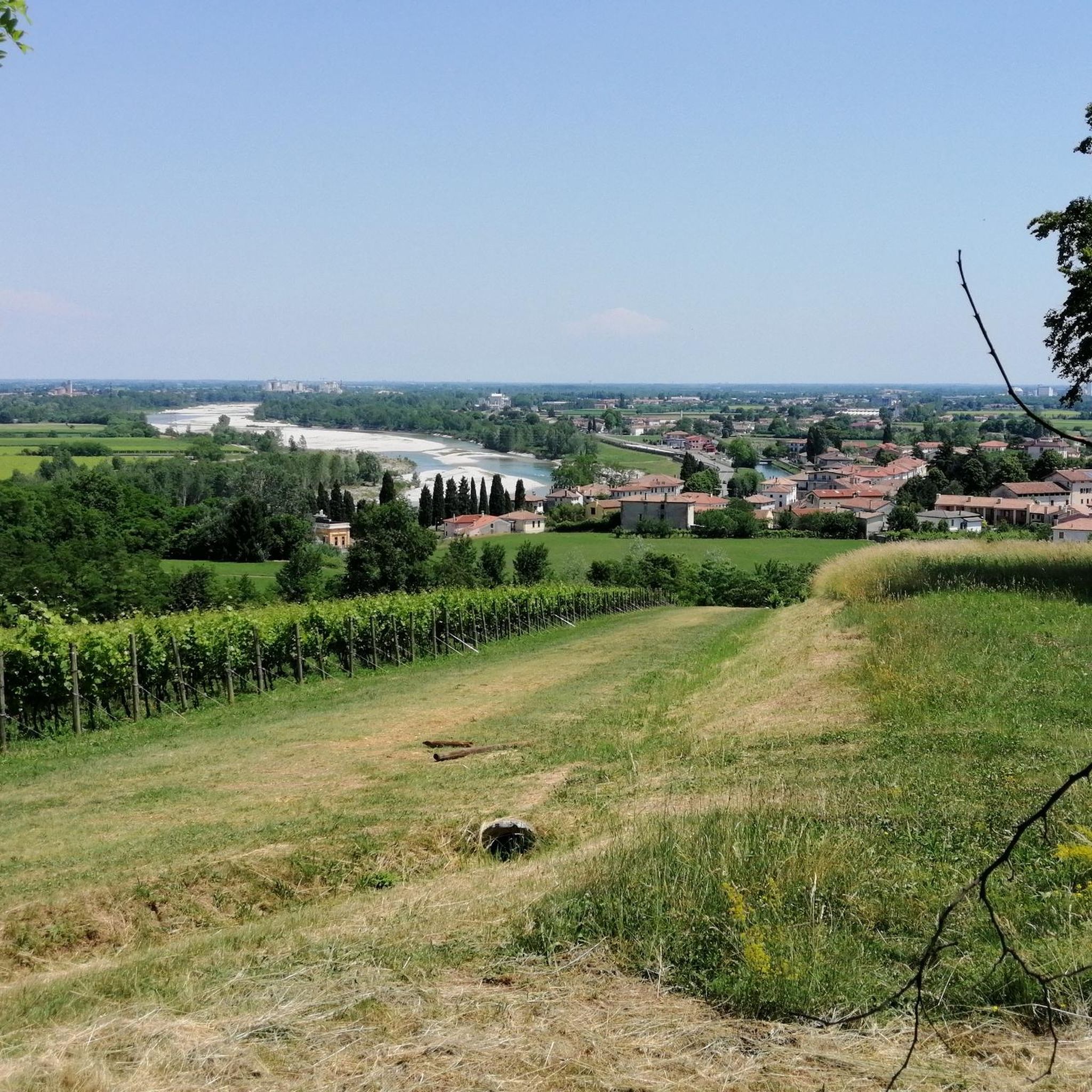
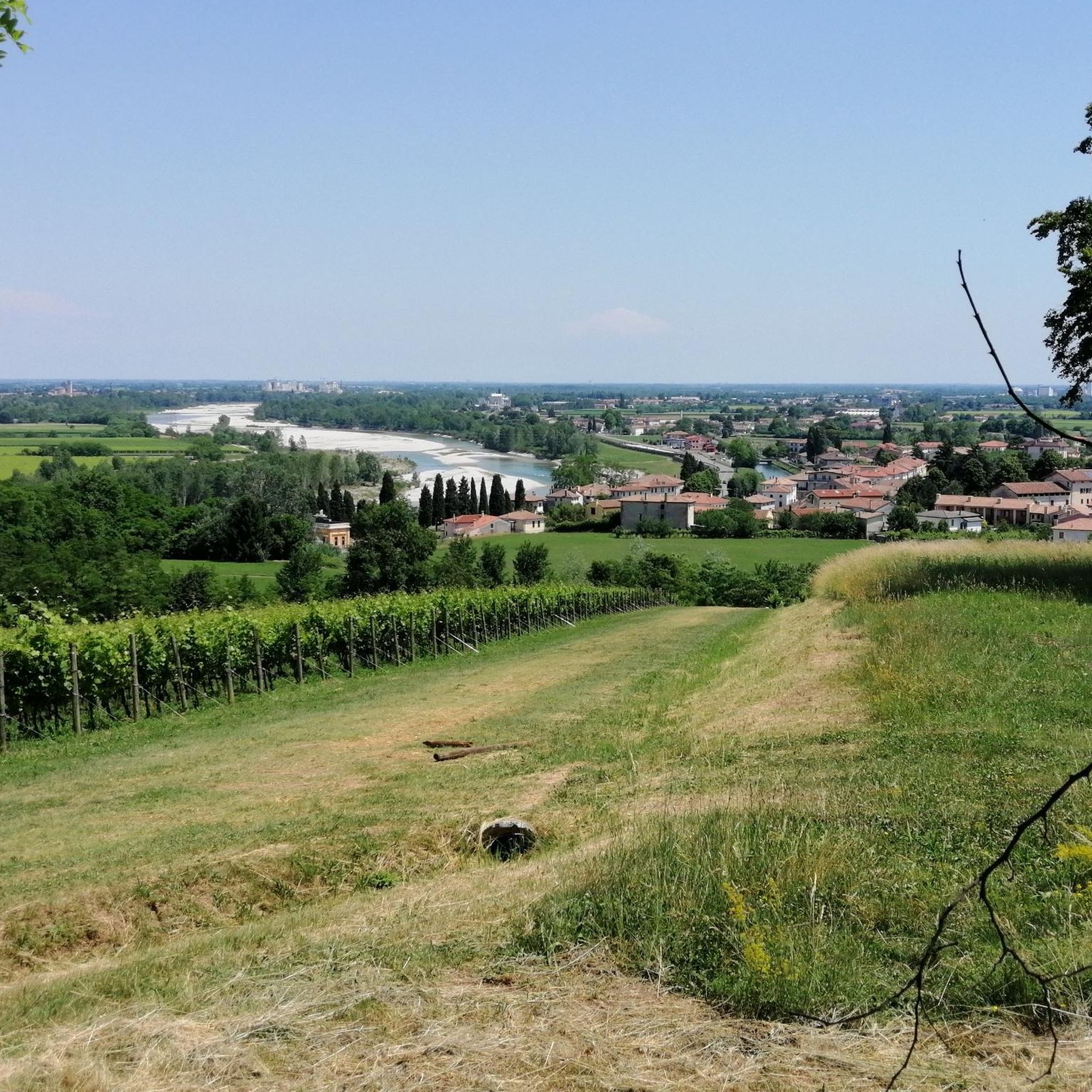
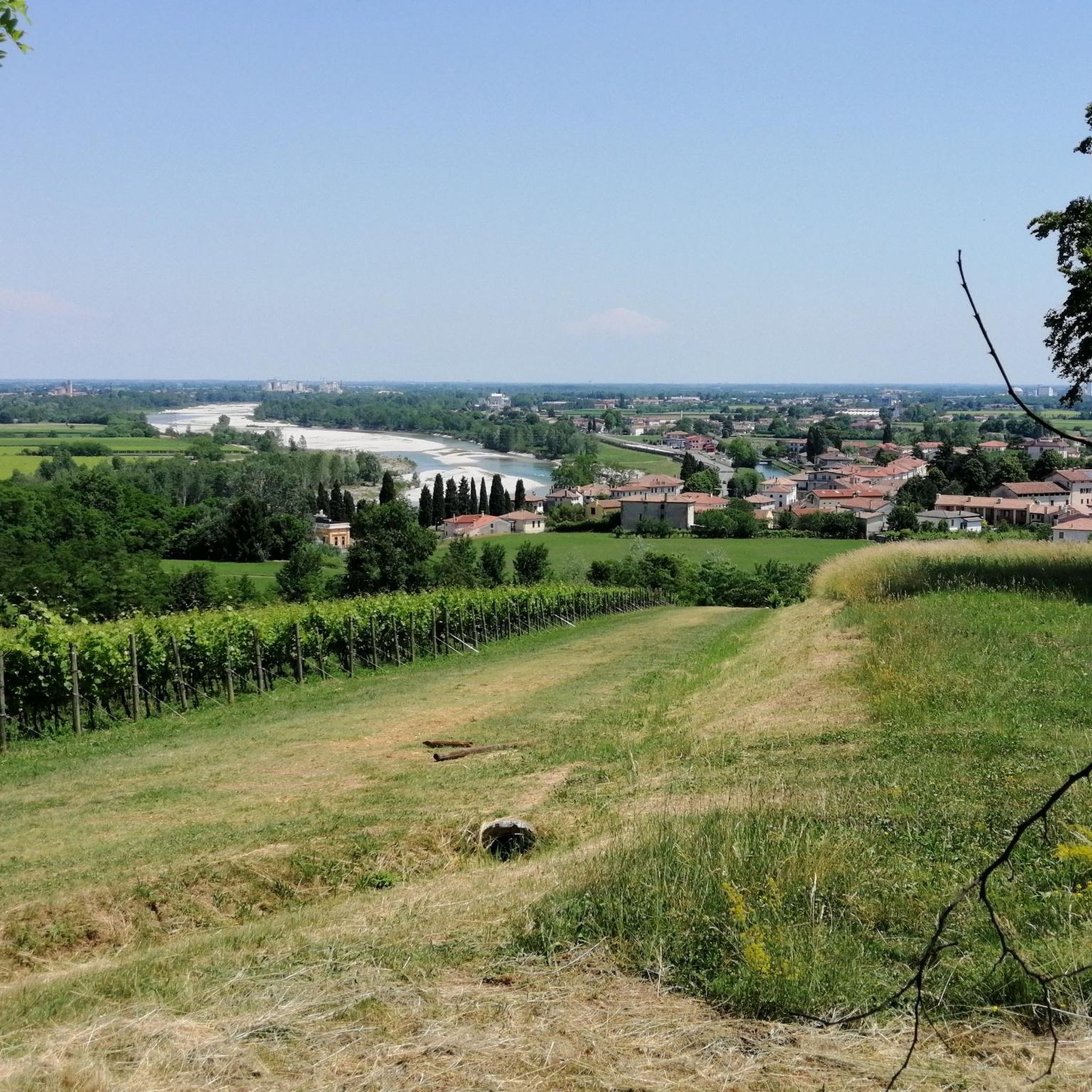
The best descent of Collalto. Absolutely to be avoided when climbing and with gravel bikes.
1
0
The most beautiful descent of Collalto. To be tackled only downhill, never uphill and with mountain bikes, no gravel.
0
1

Frequently Asked Questions
What historical sites, beyond traditional castles, can I explore in Nervesa Della Battaglia?
While Nervesa Della Battaglia doesn't feature many intact castles, the Abbey of Sant'Eustachio is a significant historical landmark. Founded around 1050, it was a major cultural center and, despite being destroyed in World War I, has been restored into a 'magnificent, vibrant symbol of its glorious past.' You can explore its ruins and enjoy unique views of the Piave River.
Which castles near Nervesa Della Battaglia offer the best historical insights?
For a deep dive into the region's medieval past, visit Castello di San Salvatore (Susegana). This structure functioned as an impregnable fortress and later an elegant stately home, with construction beginning in the late 13th century. The Torri di Credazzo also offer a glimpse into history, with origins dating back to the 9th-10th centuries and links to the powerful da Camino family.
Are there family-friendly castles to visit around Nervesa Della Battaglia?
Yes, Castello Papadopoli Giol is considered family-friendly. This neo-Gothic castle features an English garden and offers guided tours, making it an engaging visit for all ages. Its historical park and ancient palace provide a charming setting for exploration.
What kind of views can I expect when visiting castles in this region?
Many historical sites in the area offer scenic viewpoints. For example, View of Susegana provides excellent vistas of the surrounding territory, including the tower and walls of Castello di San Salvatore. Similarly, Conegliano Castle, perched on Colle di Giano, dominates the valley and offers a very nice view after the ascent.
What outdoor activities can I do near the castles around Nervesa Della Battaglia?
The region offers various outdoor activities. You can find numerous running trails, such as the 'Church of Saint Urban – Ristorante Agnoletti loop,' or explore MTB trails like the 'Murals Along the Railway – Scenic Countryside Path loop.' For road cycling, consider routes like 'Stradon del Bosco – Arditi Memorial loop.' You can find more details on these and other routes in the Running Trails around Nervesa Della Battaglia, MTB Trails around Nervesa Della Battaglia, and Road Cycling Routes around Nervesa Della Battaglia guides.
Are there any castles or historical sites with unique features or legends?
The Castello di San Salvatore (Susegana) is known for its breathtaking views and its transformation from an impregnable fortress to an elegant stately home. A local legend associated with the nearby Castle of Collalto (historically connected to Nervesa Della Battaglia) tells the tale of Bianca, a servant whose ghost is said to wander the ruins after being walled alive due to jealousy.
What is the best time of year to visit the castles and historical sites in Nervesa Della Battaglia?
The region's historical sites and ruins, including the Abbey of Sant'Eustachio and the various castle remnants, can be enjoyed throughout much of the year. Spring and autumn generally offer pleasant weather for exploring the outdoor ruins and enjoying the scenic views without the intense heat of summer or the chill of winter. These seasons also highlight the natural beauty of the surrounding landscape.
Can I find any hidden gems or less-known historical sites in the area?
While not a 'hidden gem' in the sense of being unknown, the Torri di Credazzo offers a unique historical experience. This fortified complex, located in the heart of the Prosecco Hills, stands on a hillside and provides a glimpse into medieval history with its three aligned towers and ancient walls. It's less commonly visited than the more prominent castles but offers rich historical context and beautiful views.
What do visitors enjoy most about the historical sites around Nervesa Della Battaglia?
Visitors particularly appreciate the blend of history and natural beauty. The 'fabulous castle with breathtaking views' at Castello di San Salvatore is a highlight. The peaceful setting and historical significance of sites like the Abbey of Sant'Eustachio are also highly valued, offering a poignant and interesting experience. The unique landscape of the Prosecco Hills, visible from viewpoints like the Torri di Credazzo, is also a major draw.
Are there opportunities for wine tasting or local experiences near these historical sites?
Yes, Castello Papadopoli Giol, owned by a wine entrepreneur's descendants, offers guided tours that include a visit to ancient cellars where you can taste excellent Giol wines. This provides a unique combination of historical exploration and local culinary experience.
What is the historical significance of the Collalto family in relation to these castles?
The Collalto family was a powerful feudal lord of Lombard origin, deeply intertwined with the region's history. They founded the Abbey of Sant'Eustachio around 1050 and the Castello di San Salvatore (Susegana) was one of their earliest possessions. They also controlled the fortified complex of the Torri di Credazzo for a period, demonstrating their extensive influence over the area's medieval fortifications.
Most popular routes around Nervesa Della Battaglia
Most popular attractions around Nervesa Della Battaglia

Get inspired with the komoot mobile app


Explore more
Looking for the best castles somewhere else? Discover other guides around Nervesa Della Battaglia:
