Top 9 Castles around Gualdo Tadino
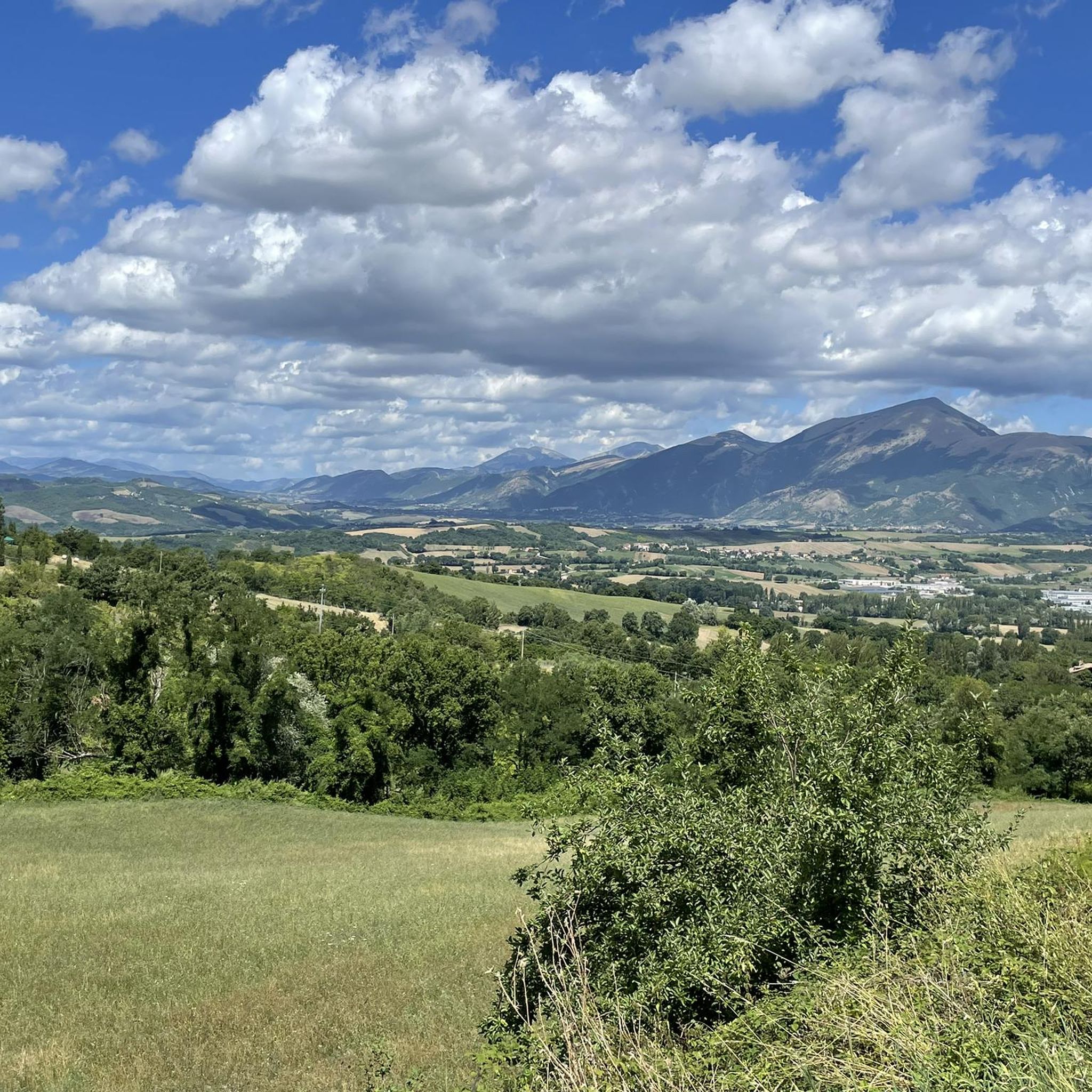
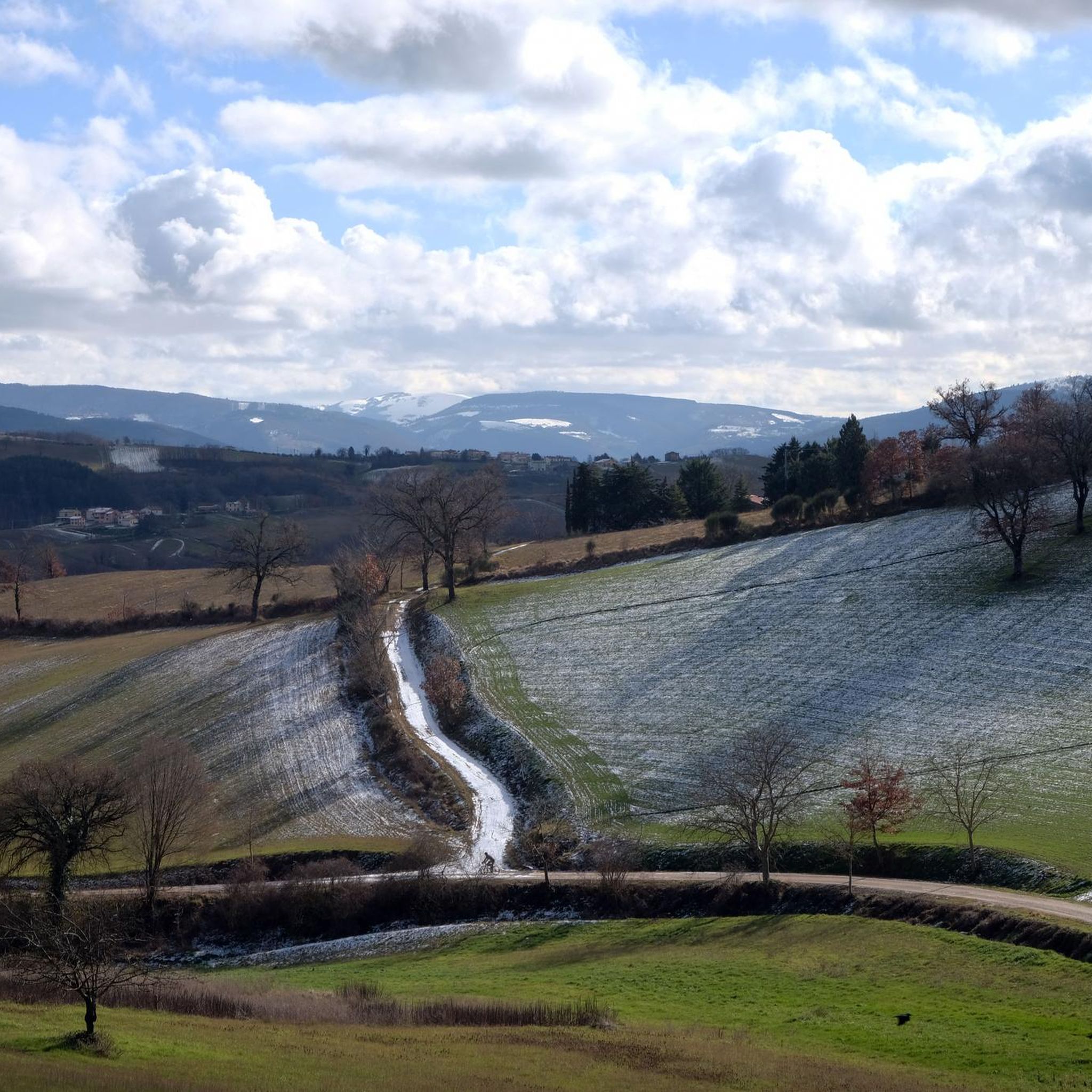
Best castles around Gualdo Tadino are found in a region known for its rich history and medieval architecture. Gualdo Tadino, an ancient city in the province of Perugia, is situated on the lower slopes of Monte Penna, offering access to various nature trails. The area is characterized by green Umbrian hills and historic hamlets, providing a blend of cultural significance and natural landscape. This part of Umbria features numerous fortified structures and historical sites that reflect centuries of regional development.
…Last updated: June 30, 2026
Biscina Castle
Highlight • Castle
Translated by Google •
Tip by

Valfabbrica Historic Center
Highlight • Historical Site
Translated by Google •
Tip by

Sign up now to discover places like this
Get recommendations on the best single tracks, peaks, & plenty of other exciting outdoor places.
Sign up for free
Gualdo Tadino
Highlight • Settlement
Translated by Google •
Tip by

Casacastalda Viewpoint
Highlight • Viewpoint
Translated by Google •
Tip by

Castello di Baccaresca
Highlight • Castle
Translated by Google •
Tip by

Sign up for free to discover even more castles around Gualdo Tadino.
Sign up for free
Already have an account?
Start today with a free account
Your next adventure awaits.
Login or Signup
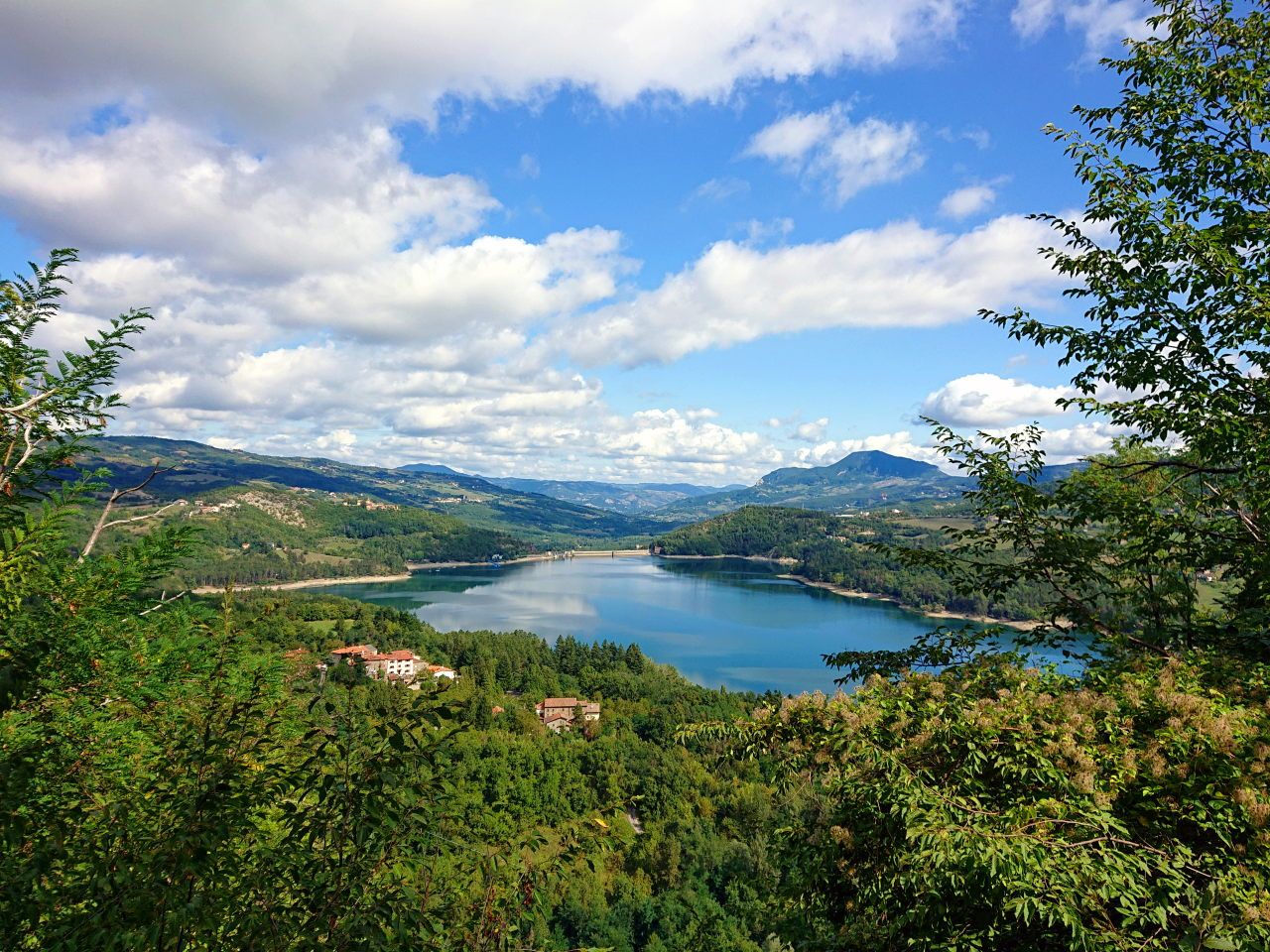
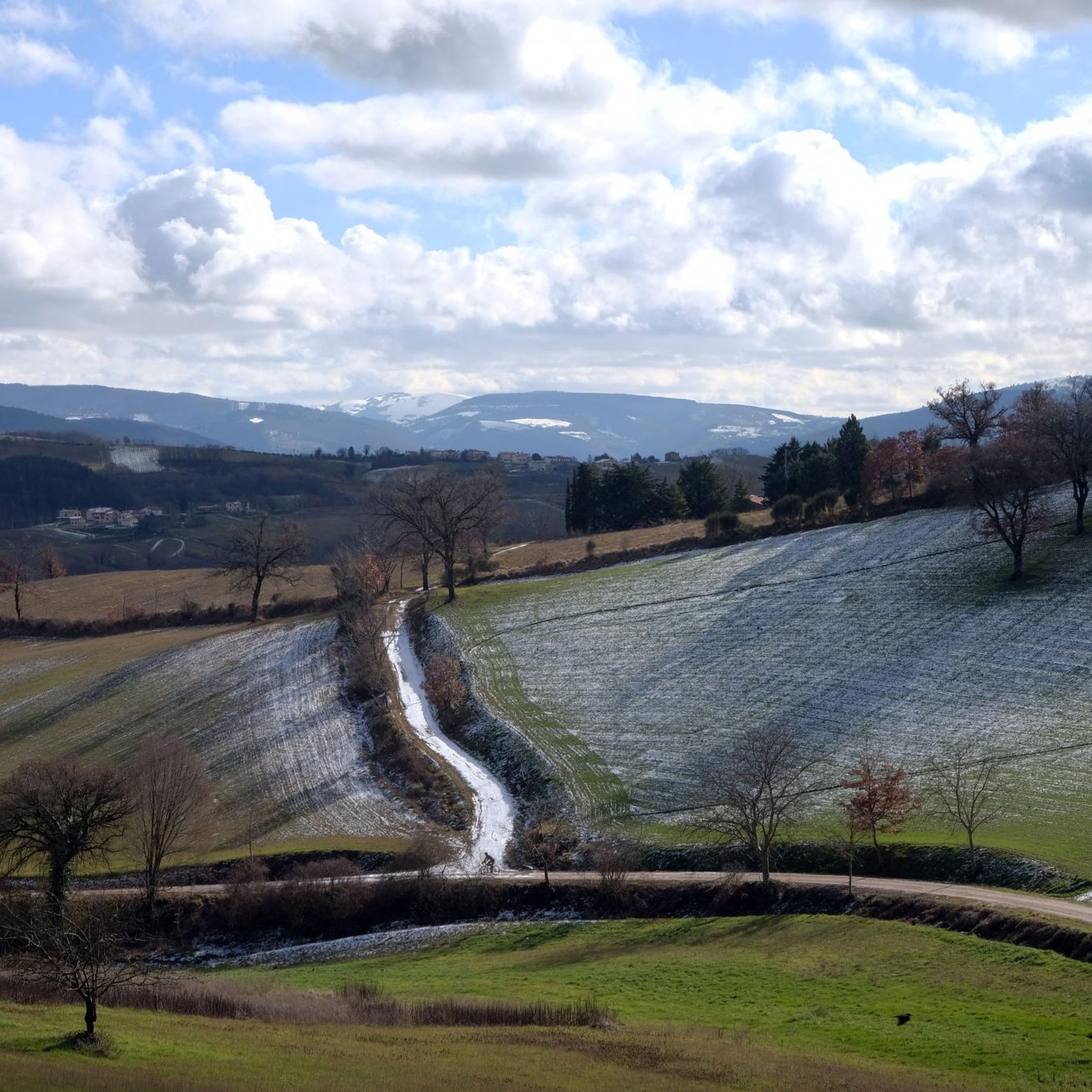
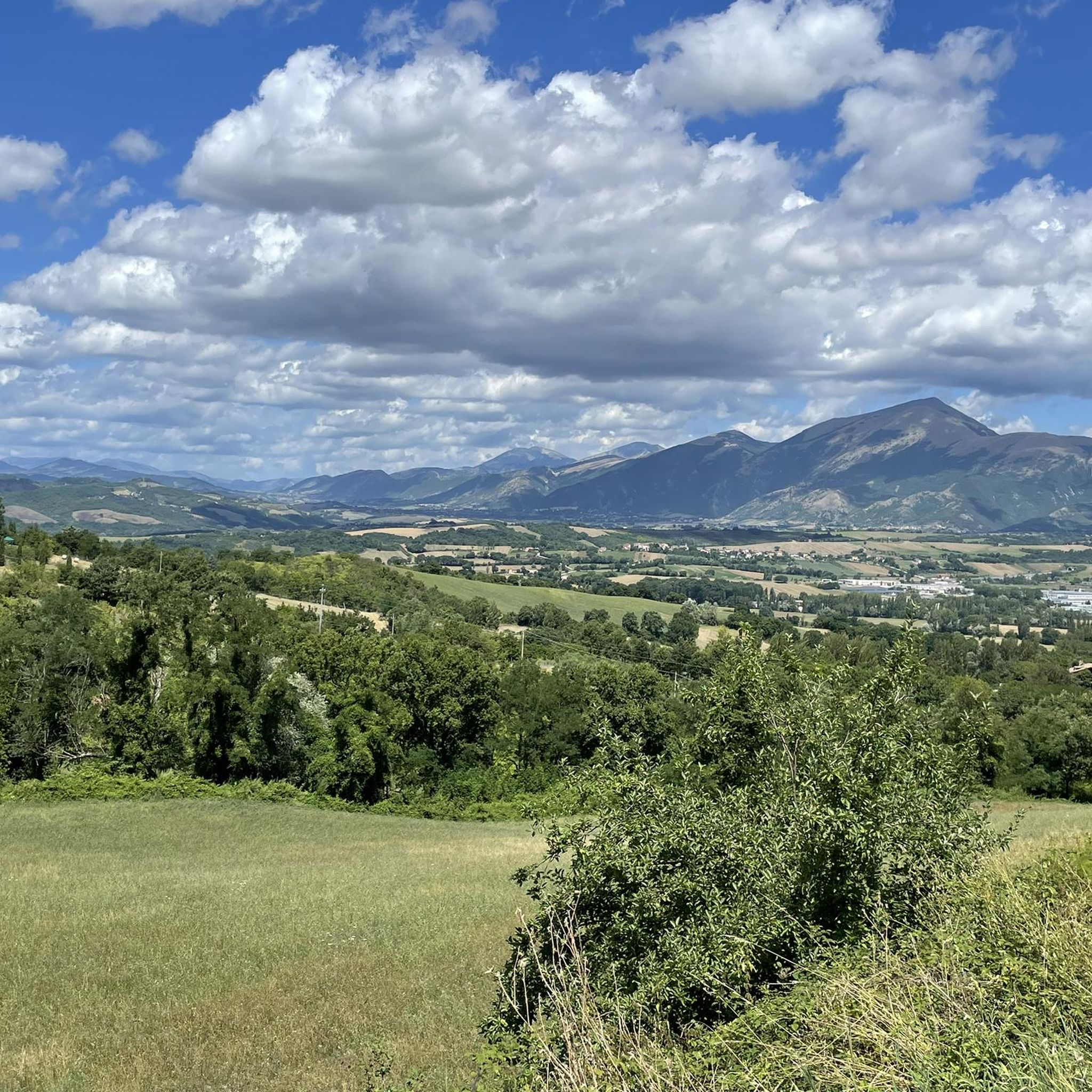
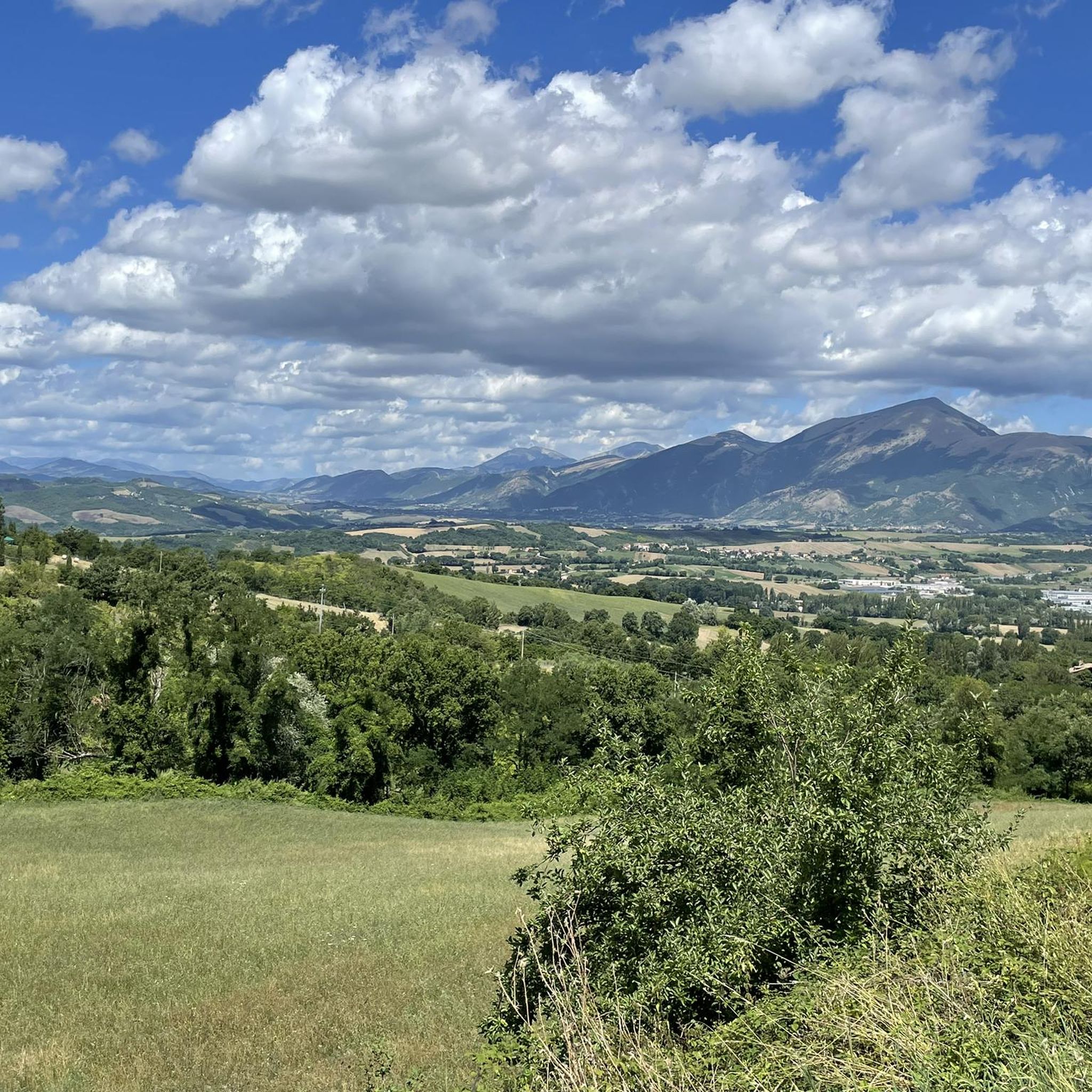

Other adventures around Gualdo Tadino

Tips from the Community

Nice place for a quiet stay
0
0

In the historic center, the ancient medieval Castle preserves beautiful 13th-century walls and a mighty keep. Inside the Castle, you can admire the church of San Sebastiano, once an Oratory, renovated in the 16th century. Outside the Castle is the small church of the Madonna di Foce, built between 1634 and 1636, with a large terracotta rose window and, along the road, the modern Parish church of Santa Maria Assunta with polychrome stained glass windows.
0
0

Casacastalda is a small hamlet in the municipality of Valfabbrica located over 500 meters above sea level, a crossroads between the territory of Perugia and that of the Eugubino Gualdese. A nucleus of Umbrian origins, it overlooks the Val di Rasina. The castle dates back to the 8th century AD
1
0

There is no certain information on the date of foundation of this castle nor on the origin of its name. Biscina, derived from the word "biscia", could refer to the course of the Chiascio river which draws curves downstream that recall the movement of a snake. What is certain is known that between the 10th and 14th centuries the castle was part of a complex of fortifications belonging to the Bigazzini di Coccorano, the local lords. Today the structure is in a state of abandonment, the last renovation dates back to the seventies but the complex was seriously damaged by the 1984 earthquake.
1
0

The castle complex, which can be seen from afar, dates back to the twelfth century and belonged to the Coccorano family. In earlier times it connected three important points in the surrounding region and was of strategic importance in order to be able to defend against possible enemies. Over the years it passed through the hands of numerous owners who had it restored several times.
4
1

Immersed in the green Umbrian hills, Valfabbrica is a delight for the eyes. With its historic hamlets of Casacastalda, Giomici and Monteverde, it offers an unforgettable journey through Italian history and culture. Between the end of August and the beginning of September there is the appointment with the historical re-enactments of the medieval palio.
4
1

Gualdo Tadino is an ancient city in the province of Perugia northeast of the Umbrian capital. It is located on the lower slopes of Monte Penna, from here several nature trails start. The city has a long history and was originally an Umbrian village called Tarsina.
2
0
Frequently Asked Questions
What other notable castles can I visit near Gualdo Tadino?
Beyond Gualdo Tadino's prominent Rocca Flea, you can explore other significant medieval castles in the surrounding region. Consider visiting Castello di Fossato di Vico, a well-preserved medieval village with unique arched passageways, or Borgo Castello Panicaglia in Nocera Umbra, a restored 13th-century castle offering panoramic views and cultural immersion. While Biscina Castle is historically significant, it is currently in a state of abandonment and cannot be visited internally.
Are there family-friendly activities or castles suitable for children in the Gualdo Tadino area?
Yes, several options are suitable for families. The Rocca Flea in Gualdo Tadino itself is a civic museum with archaeological and ceramics exhibitions, offering an educational experience for children. The historic center of Valfabbrica, which includes castle elements, is also listed as family-friendly. Borgo Castello Panicaglia in Nocera Umbra offers immersive activities like cooking lessons and vegetable garden help, which can be engaging for older children.
What is the best time of year to visit the castles around Gualdo Tadino?
The best time to visit the castles and enjoy the surrounding Umbrian landscape is generally during the spring (April to June) and early autumn (September to October). During these months, the weather is pleasant for exploring, hiking, and enjoying outdoor activities without the intense heat of summer or the chill of winter. This also aligns well with local events like Fossato di Vico's 'Festa degli Statuti' in May.
What kind of historical insights do these castles offer?
The castles around Gualdo Tadino provide a deep dive into medieval Italian history. Rocca Flea, for instance, showcases layers of history from its Lombard origins and reconstruction by Emperor Frederick II to its use as a papal residence and later a prison. Castello di Fossato di Vico highlights medieval village life and defensive architecture, while Borgo Castello Panicaglia reflects 13th-century fortified structures. These sites collectively illustrate centuries of regional development and conflict.
Are there hiking or cycling routes near the castles?
Absolutely! The region around Gualdo Tadino is excellent for outdoor activities. You can find numerous hiking routes, such as the 'Razzipante Trail' or loops around Monte Serrasanta. For cycling, there are options like the 'Madonna della Cima Pass – Gubbio loop' or routes towards Assisi. You can explore more detailed routes and their difficulties in the Hiking around Gualdo Tadino and Cycling around Gualdo Tadino guides.
What are the parking options for visiting Rocca Flea in Gualdo Tadino?
Gualdo Tadino, being an ancient city, has various parking areas. For Rocca Flea, which is located on the upper part of the hill, you will typically find parking available in the town center or designated areas within walking distance of the castle. Specific fees and capacity can vary, so it's advisable to look for local signage upon arrival.
Can I bring my dog to the castles or nearby areas?
While specific dog policies for each castle can vary, generally, historical sites and museums like Rocca Flea may have restrictions on pets inside the buildings. However, the surrounding natural areas and many outdoor spaces in Umbria are often dog-friendly. It's always best to check individual castle websites or local visitor information for their specific pet policies before your visit.
Are there any cafes or restaurants near Rocca Flea in Gualdo Tadino?
Yes, Rocca Flea is located within the town of Gualdo Tadino, so you'll find a variety of cafes, restaurants, and pubs nearby. The town center offers options for a meal or a coffee break before or after your visit to the castle and its museum.
What makes Fossato di Vico's castle unique?
The castle of Fossato di Vico is unique for its exceptionally well-preserved medieval village atmosphere. Its most distinctive features are the 'Le Rughe' (the Wrinkles), narrow streets covered by arched passageways from the 13th century, originally designed for defense. The town also hosts the 'Festa degli Statuti' in May, a historical re-enactment that brings its medieval past to life. You can learn more about this charming village on Italia.it.
How can I reach Gualdo Tadino and its castles by public transport?
Gualdo Tadino is accessible by train, with a station serving the town. From the train station, you can typically find local buses or taxis to reach the town center and Rocca Flea. For other nearby castles like Fossato di Vico or Nocera Umbra, regional bus services connect these towns, though schedules might be less frequent. Planning your journey in advance is recommended.
What are the main features of Rocca Flea that make it worth visiting?
Rocca Flea is a must-visit for its architectural significance as one of the most important examples of Italian fortified architecture from the late Middle Ages. It houses a civic museum with archaeological artifacts, a ceramics collection, and a picture gallery featuring works by local artists like Niccolò di Liberatore. Visitors can explore over forty rooms, courtyards, four towers, and a chapel, offering a comprehensive journey through its military, residential, and carceral past. For more details, you can visit the official cultural heritage site: Museo Civico Rocca Flea.
Are there any viewpoints near the castles to enjoy the Umbrian landscape?
Yes, the elevated positions of many castles naturally offer great views. For example, Casacastalda Viewpoint, near a hamlet with an 8th-century castle, provides scenic vistas. Borgo Castello Panicaglia in Nocera Umbra is specifically noted for its breathtaking views of the Umbrian mountains from its 800-meter elevation. These locations are perfect for appreciating the green Umbrian hills and historic hamlets.
Most popular routes around Gualdo Tadino
Most popular attractions around Gualdo Tadino

Get inspired with the komoot mobile app


Explore more
Looking for the best castles somewhere else? Discover other guides around Gualdo Tadino:
