Top 7 Castles around Saint-Vincent
Castles around Saint-Vincent in the Aosta Valley offer a glimpse into the region's rich history. This area is characterized by its mountainous landscape and the Dora Baltea river, providing strategic locations for historical fortifications. Visitors can explore a variety of medieval structures, from well-preserved castles to evocative ruins. The region's historical significance is reflected in these architectural landmarks.
Best castles around Saint-Vincent
- The most popular castles is Castello di Villa Ruins, a castle that is now closed to the public but remains a notable historical site. It is recognized as the first castle of the Challands family and offers many vantage points.
- Another must-see spot is Bridge over the Dora – Ussel Castle, a castle located on a steep rocky cliff overlooking the Dora Baltea valley. This medieval castle served to dominate the surrounding area.
- Visitors also love Chenal Castle, a castle ruin built no earlier than the 13th century. It was part of the heritage of the lords of Montjovet and later the Challant family, strategically controlling passages between Chenal and Montjovet.
- Saint-Vincent is known for its medieval castles, historical ruins, and a 20th-century palazzo. The region offers a variety of castle types to see and explore, each with its own unique history and architectural features.
- The castles around Saint-Vincent are appreciated by the komoot community, with 18 upvotes and 5 photos shared by visitors.
Last updated: June 30, 2026
Verrès Castle
Highlight • Castle
Translated by Google •
Tip by

Bovaye - Castello Gamba
Highlight • Castle
Translated by Google •
Tip by
Sign up now to discover places like this
Get recommendations on the best single tracks, peaks, & plenty of other exciting outdoor places.
Sign up for free
Bridge over the Dora – Ussel Castle
Highlight • Castle
Translated by Google •
Tip by
View of Verrès Castle
Highlight • Viewpoint
Translated by Google •
Tip by

Castello di Ussel
Highlight • Castle
Translated by Google •
Tip by

Sign up for free to discover even more castles around Saint-Vincent.
Sign up for free
Already have an account?
Start today with a free account
Your next adventure awaits.
Login or Signup
Popular around Saint-Vincent
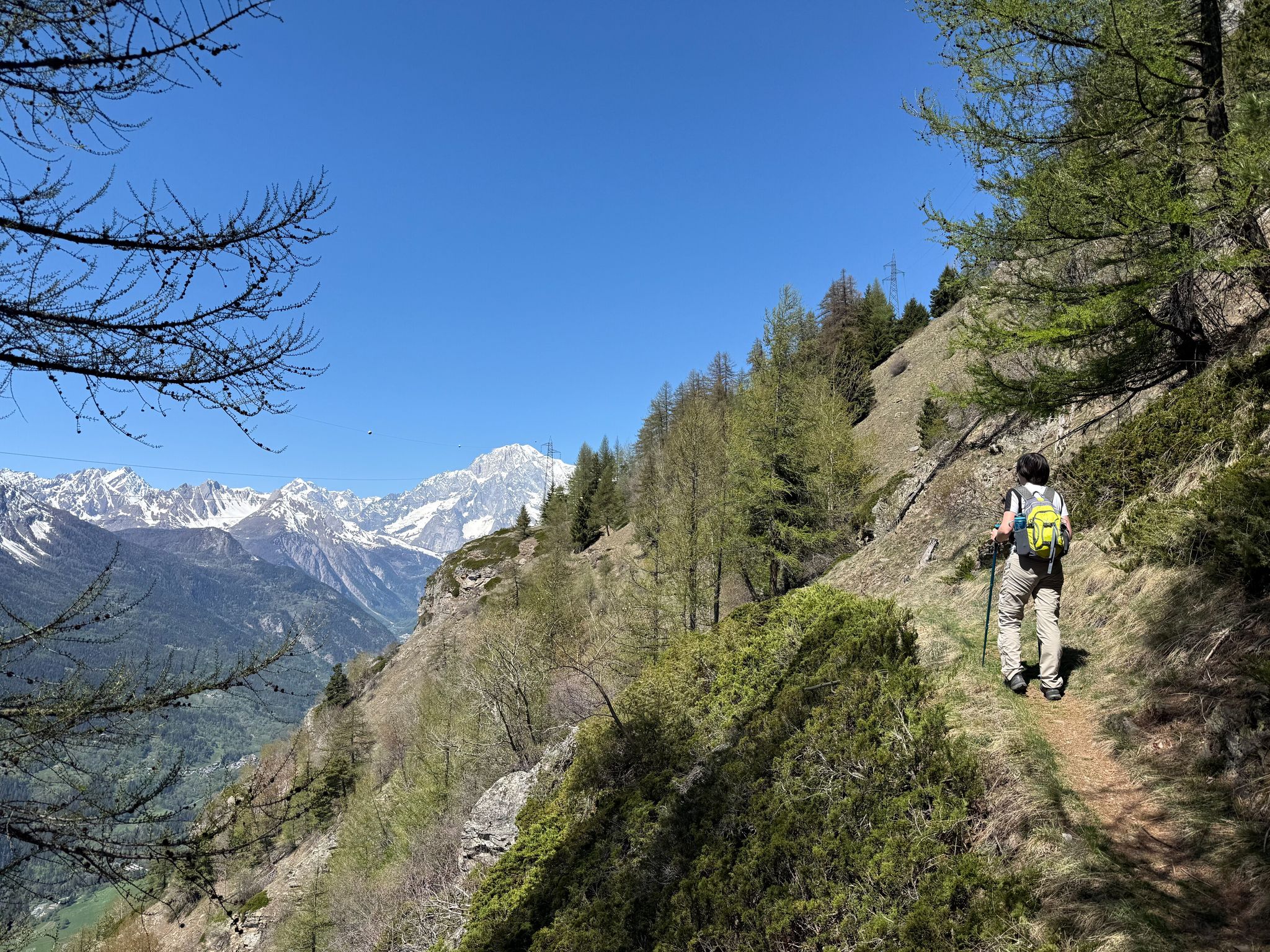
Cammino Balteo – castles, vineyards and trails of the Aosta Valley
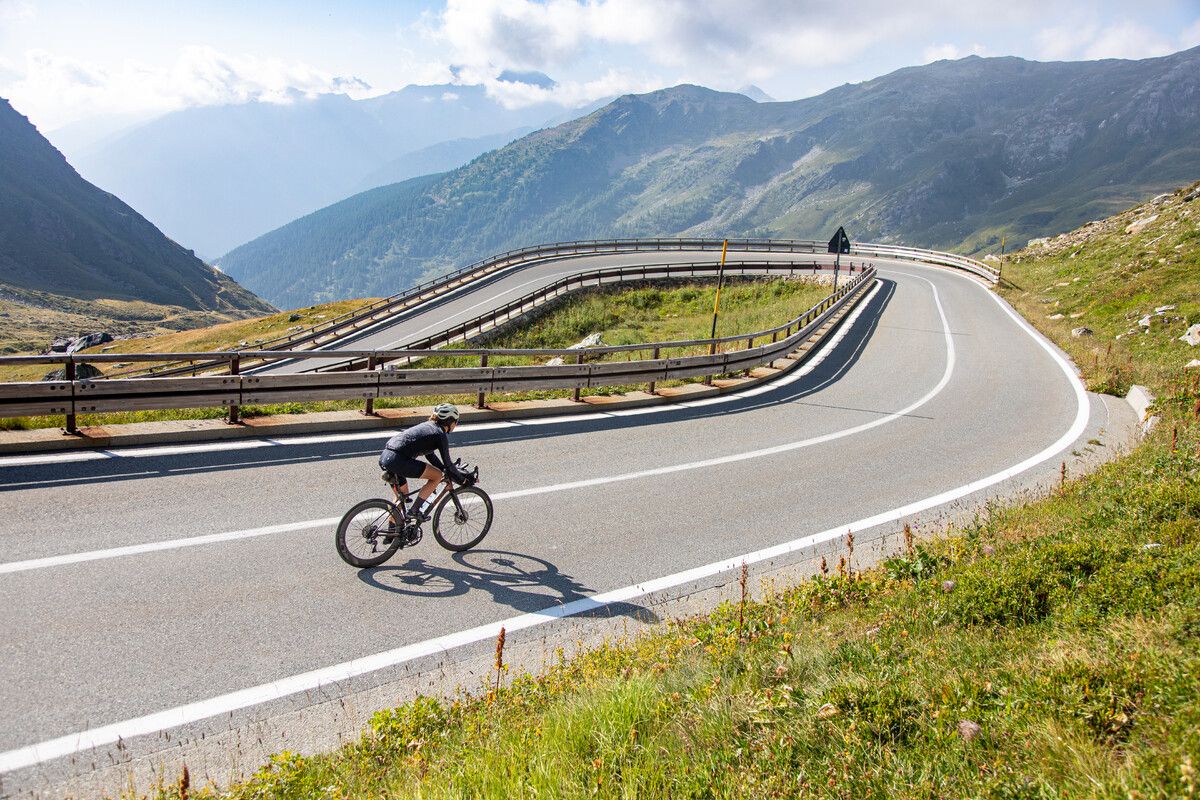
Road cycling in the Aosta Valley – major climbs and alpine routes
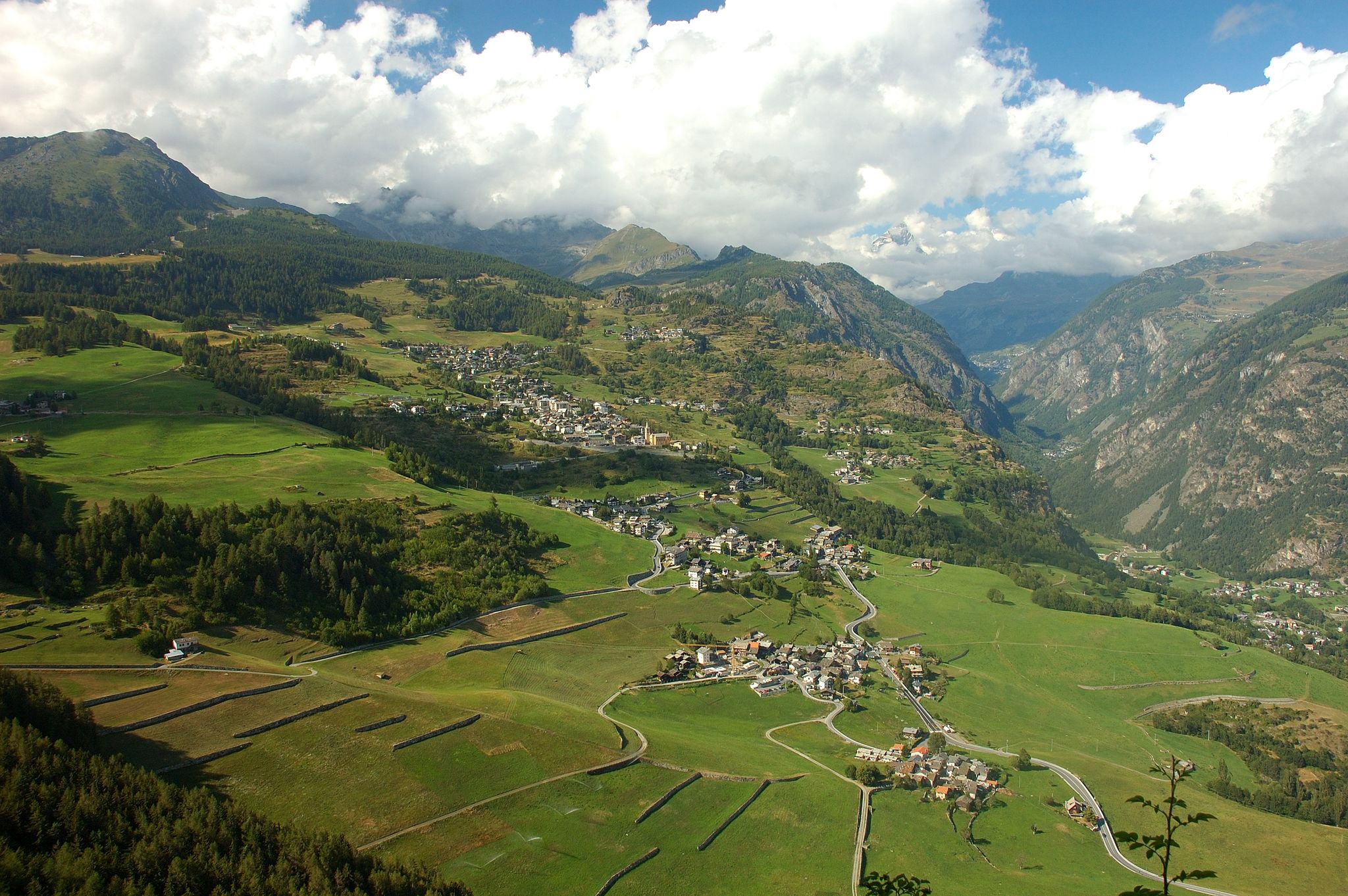
Paths, castles and views of Italy’s Aosta Valley – Cammino Balteo
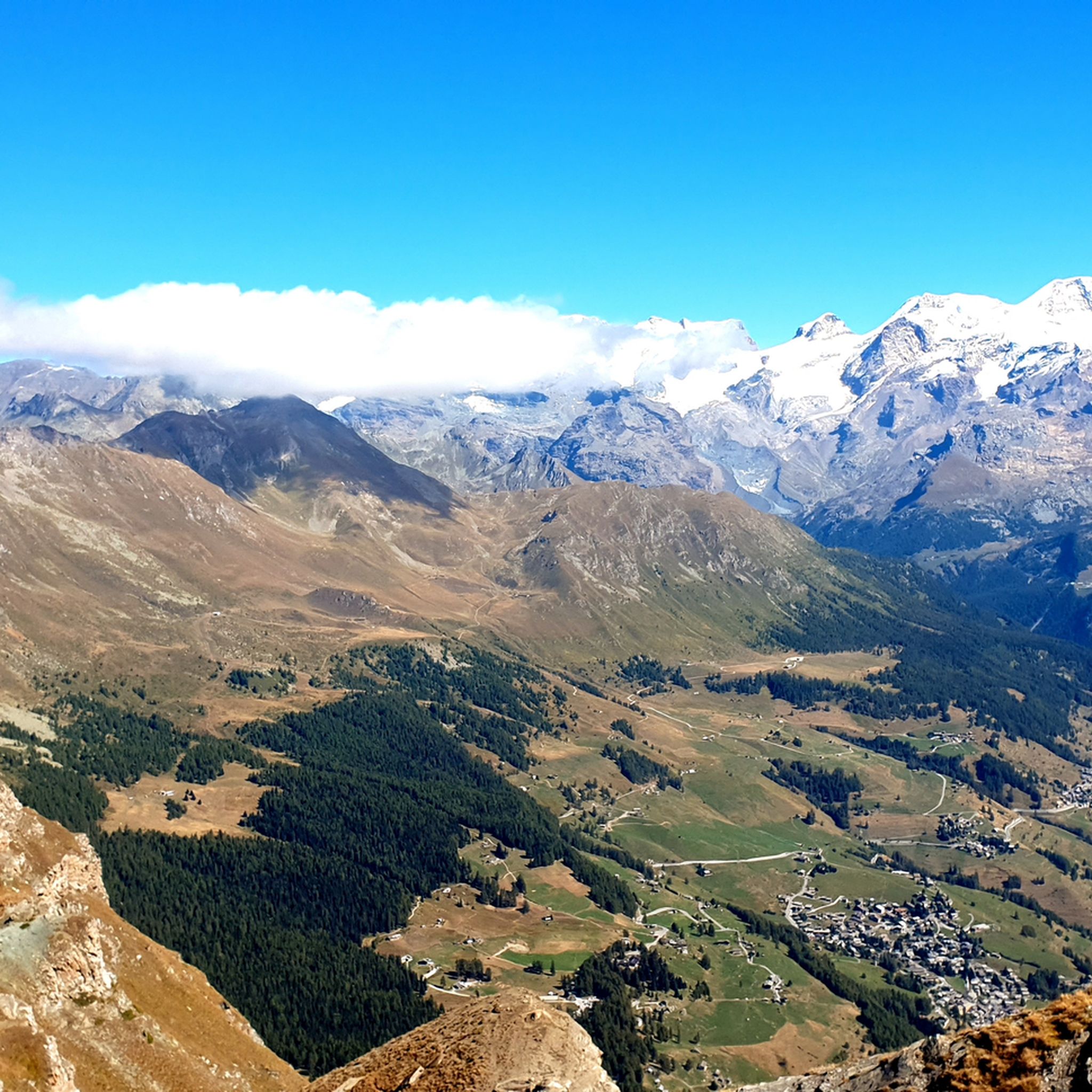
Hiking around Saint-Vincent
Road Cycling Routes around Saint-Vincent
Gravel biking around Saint-Vincent
MTB Trails around Saint-Vincent
Cycling around Saint-Vincent
Running Trails around Saint-Vincent

Mountain Hikes around Saint-Vincent
Other adventures around Saint-Vincent


Tips from the Community

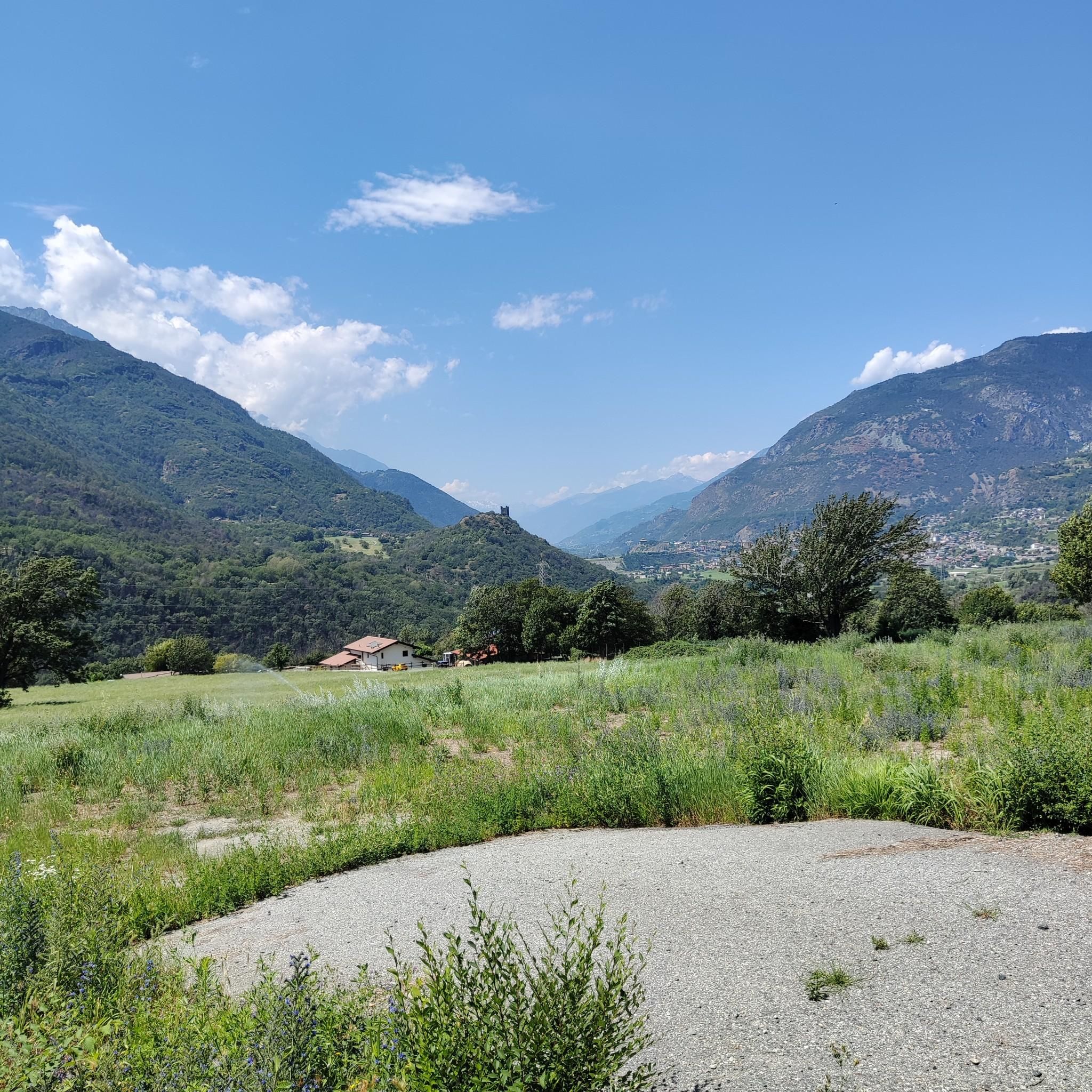
Great parking area for the start of the route
0
0

Ussel Castle is a fortress overlooking the Aosta Valley that marked an era. Built in the mid-14th century by Ebalo II of Challant, it is not a typical castle with many towers, but a single, large, and imposing compact structure. Its location is incredible: at 650 meters above sea level, on a rocky promontory seemingly designed to control the entrance to the Valtournenche and the entire Dora Baltea plain. From its walls, there is a breathtaking view that sweeps across the entire valley. After centuries of abandonment and ruin, in the late 1980s the castle was given a second life thanks to a restoration funded by Baron Marcel Bich (yes, the one with the BIC pens). Today, it is owned by the Regional Government and, after hosting several exhibitions, is a magnificent vantage point that tells a story of power, architecture, and rebirth, uniting nature and history in a single gaze.
0
0

Built on a rocky peak overlooking the village below, the castle is mentioned for the first time in 1287 as the property of the De Verretio lords
25
0

Bridge over the Dora - view of Ussel Castle: The Castello di Ussel, also known as Castello Baron Gamba, is an impressive medieval castle in the Valle d’Aosta region, Italy. The castle is located on a steep rocky cliff and overlooks the Dora Baltea valley.
6
0

Verres Castle is a fortress built on the rocky spur overlooking the village below. The first references to the castle date back to 1287, when it belonged to the De Verretio lords. It was renovated in 1390 by Ibleto of Challant who gave it its current appearance. In 1536 René of Challant updated the castle's defenses for modern firearms, adding a city wall, cannons and a drawbridge. Upon the death of Rene of Challant in 1565 without male heirs, the castle was acquired by the Savoy family. The castle was abandoned for almost two centuries, until the 19th century when a group of Piedmontese intellectuals passionate about the Middle Ages began its conservation. Today it can be visited, you can find information here: https://www.lovevda.it/it/banca-dati/8/castelli-e-torri/verres/castello-di-verres/864
2
0

The Castello di Verrès is an impressive medieval castle in the Aosta Valley, built in the 14th century by Yblet de Challant. The castle is known for its unique monolithic structure, which resembles a solid cube and differs from most other castles of the time which consisted of multiple buildings within a walled enclosure. Dominating the town of Verrès and the entrance to the Val d'Ayas, the castle has a military character that merges with elegant stone details that adorn the windows, doors and monumental mantelpieces. The castle has no corner towers nor a keep.
6
0
The Castello Gamba, also known as Castello Baron Gamba, is a palazzo of 20th century origins in the town of Châtillon, located on a hill in the western region of the city, near the regional hotel school. Surrounded by a park open to the public all year round, the castle offers spectacular views over the valley. It was built as a summer residence and is named after its owner, the Turin baron Carlo Maurizio Gamba. The building's architecture, influenced by the medieval revival style of the time, includes two symmetrical wings that protrude slightly from the front of the castle. Located on the rocky cliff of Crêt-de-Breil, the castle overlooks the Dora Baltea and was originally built as a declaration of love by Baron Gamba to his beloved wife, Angélique Passerin d'Entrèves, originally from Châtillon. Inside, the castle houses the Museo di Arte Moderna e Contemporanea della Valle d'Aosta, with a permanent exhibition of more than 150 works, including those of the famous Romantic painter J.M. William Turner and other artists of the 19th and 20th centuries.
6
0
Frequently Asked Questions
What types of historical castles can I expect to see around Saint-Vincent?
The Saint-Vincent area in the Aosta Valley is rich with medieval structures, ranging from well-preserved castles to evocative ruins. You'll find fortifications like Verrès Castle, known for its unique monolithic structure, and strategic sites like Bridge over the Dora – Ussel Castle, perched on a cliff overlooking the Dora Baltea valley. There are also significant ruins such as Castello di Villa Ruins, the first castle of the Challands family, and Chenal Castle, which was part of the heritage of the lords of Montjovet.
Which castles offer the best viewpoints of the Aosta Valley?
Several castles provide spectacular views. Bovaye - Castello Gamba, a 20th-century palazzo, offers panoramic views over the valley from its park. Bridge over the Dora – Ussel Castle is situated on a steep rocky cliff, providing commanding views of the Dora Baltea valley. Even the ruins of Castello di Villa Ruins offer many vantage points.
Are there any family-friendly castles to visit near Saint-Vincent?
Yes, Bovaye - Castello Gamba is categorized as family-friendly. It features a park open to the public all year round and houses the Museo di Arte Moderna e Contemporanea della Valle d'Aosta, which can be an engaging experience for families.
What outdoor activities can I do near these castles?
The region around Saint-Vincent offers a variety of outdoor activities. You can explore numerous hiking trails, including the 'Ru de la Plaine Trail' or the more challenging 'Balteo Trail: Saint-Vincent and Promiod Loop'. For cyclists, there are road cycling routes like the 'Arch of Augustus (Aosta) – Dora Baltea River Bridge loop'. Mountain hikes are also popular, with routes such as the 'View of the Lakes – Corno Bussòla loop'. You can find more details on these activities in the Hiking around Saint-Vincent, Road Cycling Routes around Saint-Vincent, and Mountain Hikes around Saint-Vincent guides.
Are there hiking trails near the castles?
Absolutely. Many castles are integrated into the region's extensive trail network. For instance, Chenal Castle is located along the route of the Via Francigena and the Cammino Balteo. You can find various hiking options, from moderate trails like the 'Ru de la Plaine Trail' to more difficult ones, in the Hiking around Saint-Vincent guide.
What is the best time to visit the castles in the Aosta Valley?
While specific seasonal advice isn't provided for individual castles, the Aosta Valley generally offers pleasant conditions for exploring castles and outdoor activities from spring through autumn. Summer provides warm weather for extended visits, while spring and autumn offer milder temperatures and beautiful scenery, especially for hiking around the castle sites.
Are there any castles that are currently in ruins but still worth visiting?
Yes, Castello di Villa Ruins, though closed to the public, is still considered a notable historical site with many vantage points. Similarly, Chenal Castle is reduced to a ruin but holds significant historical value, having been part of the Challant family heritage and strategically controlling passages.
Can I find any unique architectural styles among the castles?
Yes, Verrès Castle stands out with its unique monolithic structure, resembling a solid cube, which was an innovative building typology for its time in the 14th century. In contrast, Bovaye - Castello Gamba is a 20th-century palazzo built in a medieval revival style, offering a different architectural perspective.
What do visitors enjoy most about the castles around Saint-Vincent?
Visitors appreciate the rich history and strategic locations of these castles. Many enjoy the impressive views they offer, such as those from Bridge over the Dora – Ussel Castle. The opportunity to explore historical ruins like Castello di Villa Ruins and learn about the region's past is also a major draw. The komoot community has shared 5 photos and given 18 upvotes, highlighting the visual appeal and historical significance.
Are there any castles that are particularly significant historically?
Definitely. Castello di Villa Ruins is recognized as the first castle of the Challands family, a prominent noble lineage. Verrès Castle was built by Yblet de Challant in the 14th century and is a prime example of medieval military architecture. Chenal Castle played a strategic role in controlling passages between Chenal and Montjovet.
How long should I plan for a visit to the castles around Saint-Vincent?
The duration of your visit can vary depending on the castle and your interest. For well-preserved castles like Verrès Castle or Bovaye - Castello Gamba (which includes a museum), you might spend 1-2 hours. For ruins or viewpoints like Castello di Villa Ruins or Bridge over the Dora – Ussel Castle, a shorter stop of 30-60 minutes might suffice, especially if combined with a hike.
Are there any castles that are particularly good for photography?
Many of the castles offer excellent photographic opportunities due to their dramatic settings and historical architecture. Bridge over the Dora – Ussel Castle, perched on a rocky cliff, provides a striking subject. Verrès Castle, with its unique cube-like structure, and Bovaye - Castello Gamba, with its park and valley views, are also very photogenic.
Most popular routes around Saint-Vincent
Most popular attractions around Saint-Vincent

Get inspired with the komoot mobile app


Explore more
Looking for the best castles somewhere else? Discover other guides around Saint-Vincent:
