Top 5 Gorges around Gressoney-La-Trinité
Best canyons around Gressoney-La-Trinité are found within the Aosta Valley, a region characterized by its mountainous terrain and the Monte Rosa massif. This landscape features formations shaped by glacial activity and rivers, creating various natural features including gorges and valleys. Gressoney-La-Trinité provides access to these natural environments, offering opportunities for exploration.
Best canyons around Gressoney-La-Trinité
- The most popular canyons include Vallone di Verra, a gorge that is a beautiful valley, once a glacier, now an expanse of meadows and…
Last updated: June 30, 2026
Palasinaz Valley
Highlight • Gorge
Translated by Google •
Tip by

Sesia River Pile Bridge
Highlight • Bridge
Translated by Google •
Tip by

Sign up now to discover places like this
Get recommendations on the best single tracks, peaks, & plenty of other exciting outdoor places.
Sign up for free
Glacier Gate
Highlight • Natural Monument
Translated by Google •
Tip by

Vallone di Verra
Highlight • Gorge
Translated by Google •
Tip by
Findel Valley
Highlight • Gorge
Translated by Google •
Tip by

Start today with a free account
Your next adventure awaits.
Login or Signup
Popular around Gressoney-La-Trinité
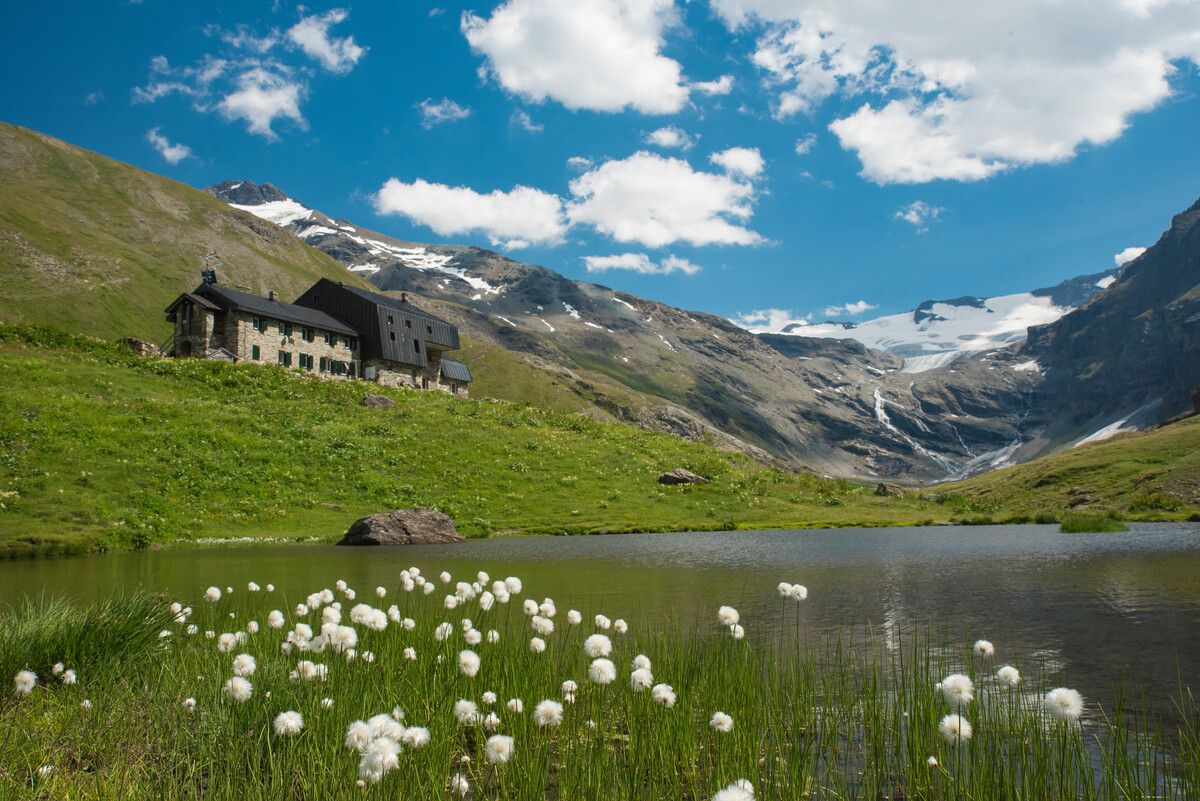
Hiking to the Aosta Valley’s mountain huts: 10 beautiful trails
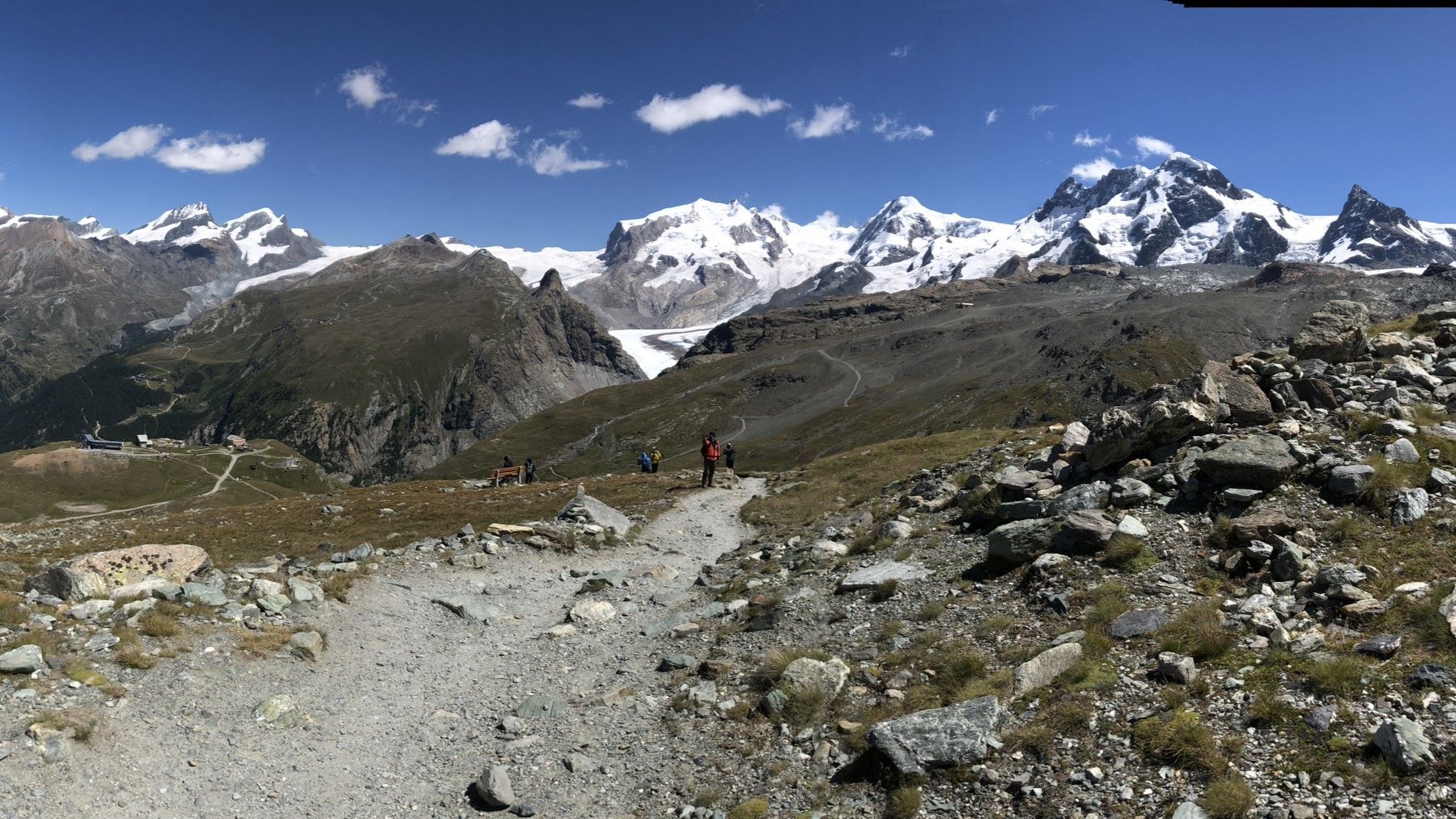
Between Italy and Switzerland – Tour of Monte Rosa
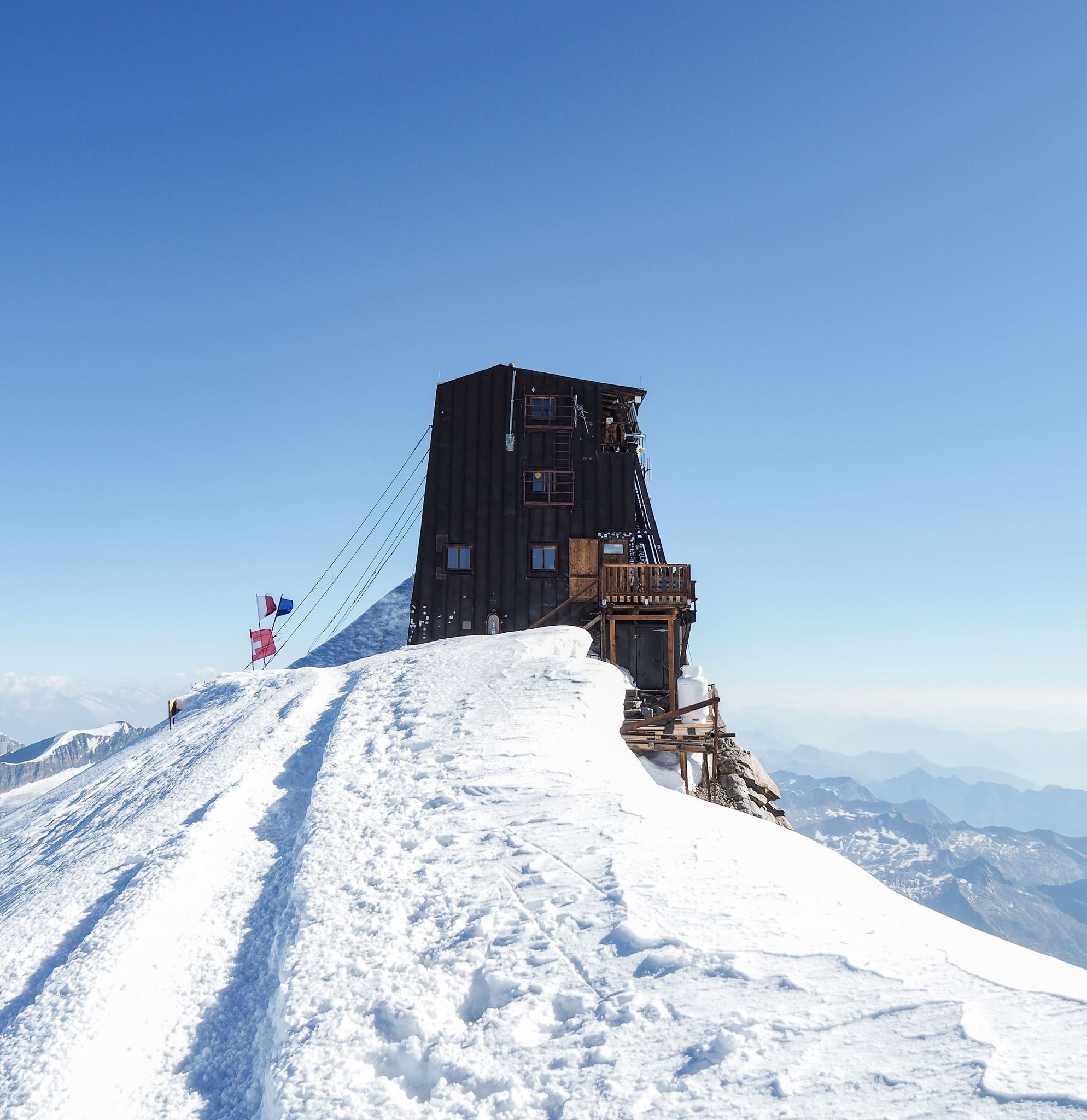
Capanna Margherita – 4,554 metres of thin air
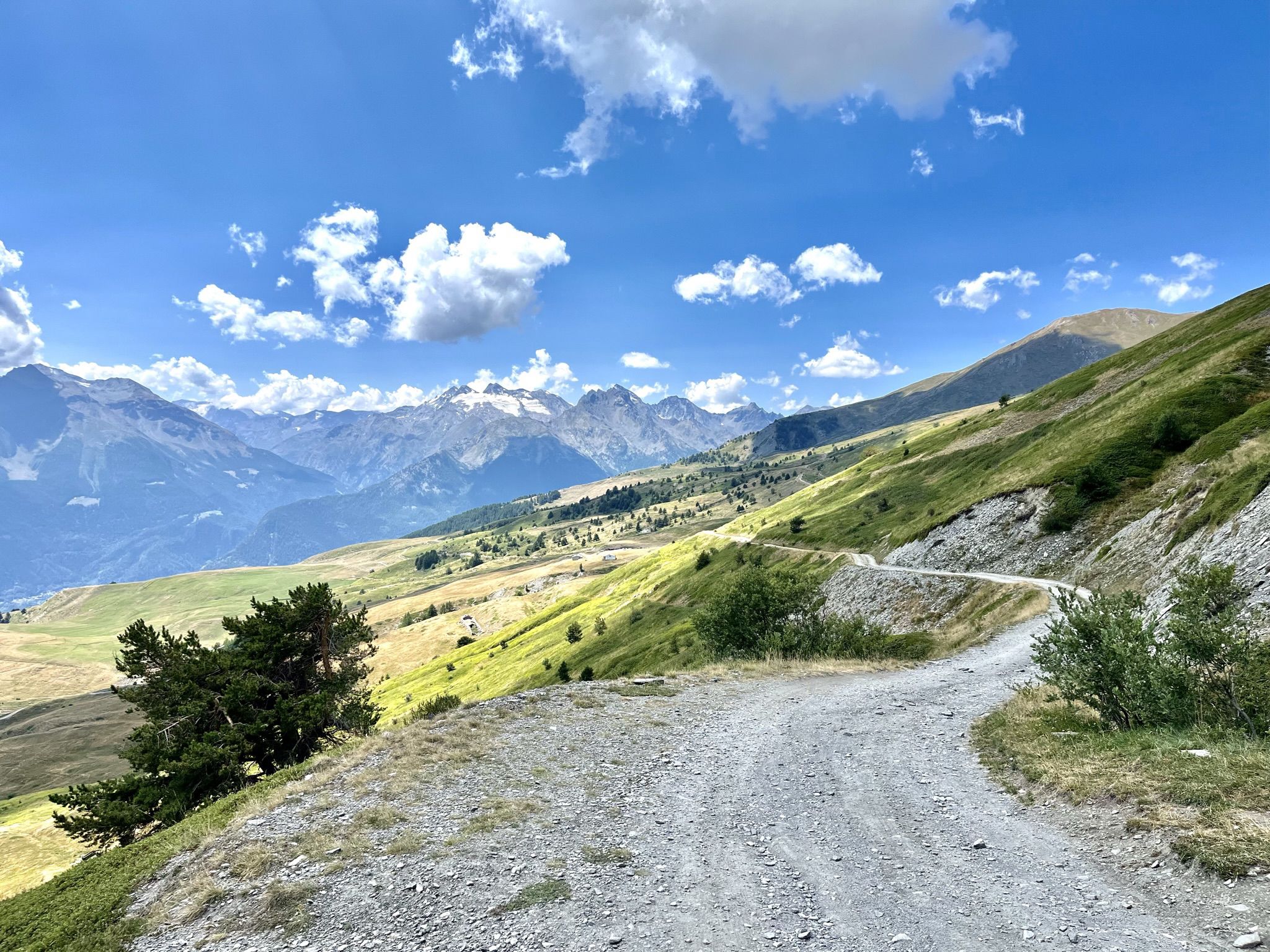
Mountain biking with a glacier backdrop – rides in Italy’s Aosta Valley
Tour of Monte Rosa – a trek among the Giants between Italy and Switzerland
Hiking around Gressoney-La-Trinité
Road Cycling Routes around Gressoney-La-Trinité
Running Trails around Gressoney-La-Trinité
MTB Trails around Gressoney-La-Trinité

Mountain Hikes around Gressoney-La-Trinité
Other adventures around Gressoney-La-Trinité


Tips from the Community

here the Sesia wedges itself into the meanders and then falls into the "boilers".
0
0
wooden bridge over the Sesia boilers
0
0

With enough power in your legs, you can ride up to the glacier gate at 2,100 meters and get ready for the upcoming descent in the wild surroundings. Of course, you can also park your bike at the turning point further down, where the gravel path ends, and walk up the last few meters - it's worth it! The Gornera, which springs from the Gorner glacier further up, flows through the narrow opening in the rock called the glacier gate.
1
0

Impressive natural spectacle at the Gornera glacier gate. We parked the bike and walked the last few meters.
0
0

pass it and you are at the ref. PASTORE, or in the direction of ref. Ferrero beard... don't look below if you suffer from vertigo... 🤩
1
0

A beautiful bridge that allows us to cross the Sesia river, very beautiful and characteristic
1
0

The Palasinaz valley is surrounded by beautiful peaks that reach 3000 meters and is dotted with alpine lakes. On a grassy clearing above a rocky knoll is the Arp refuge which dominates the whole valley.
0
0

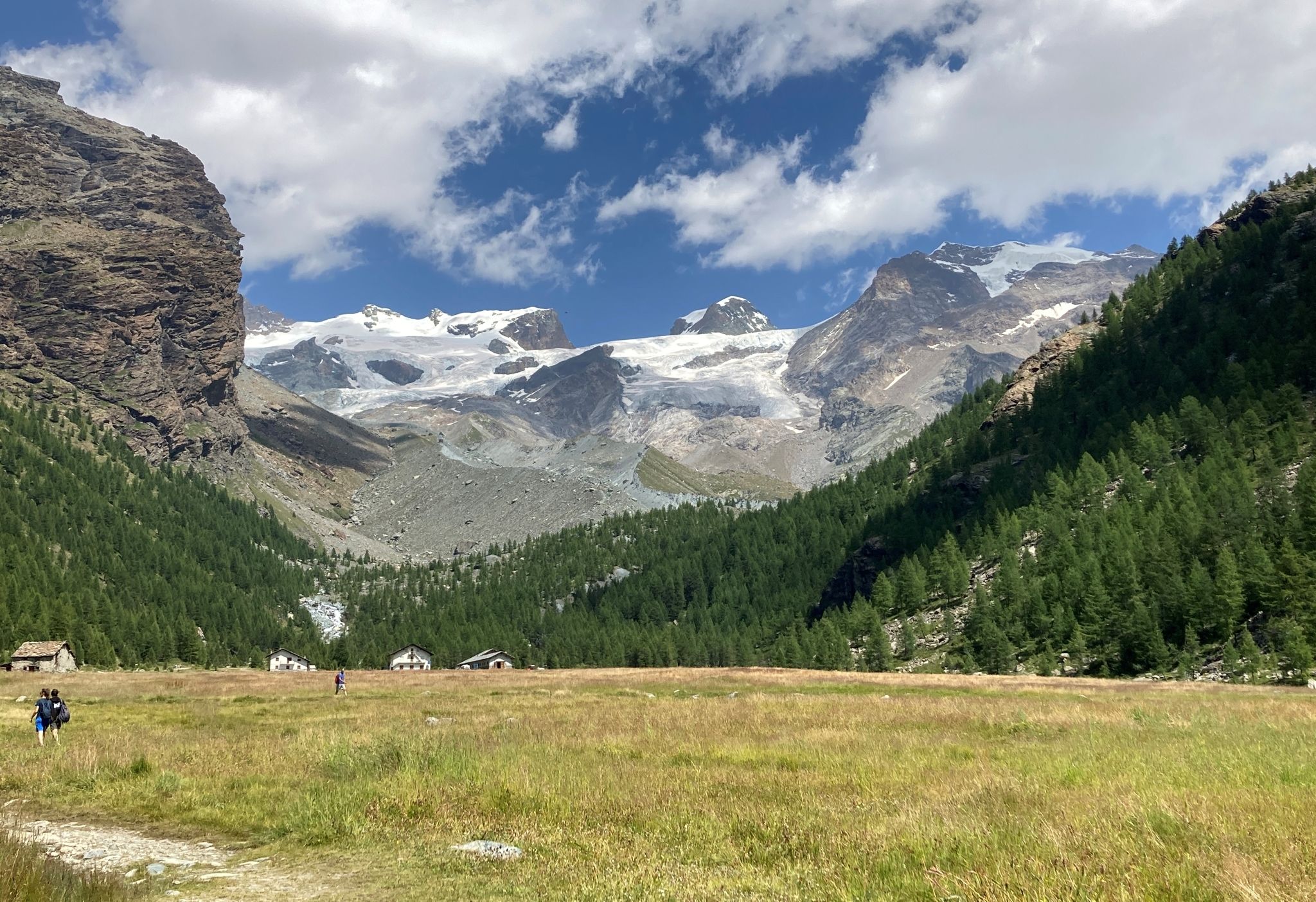
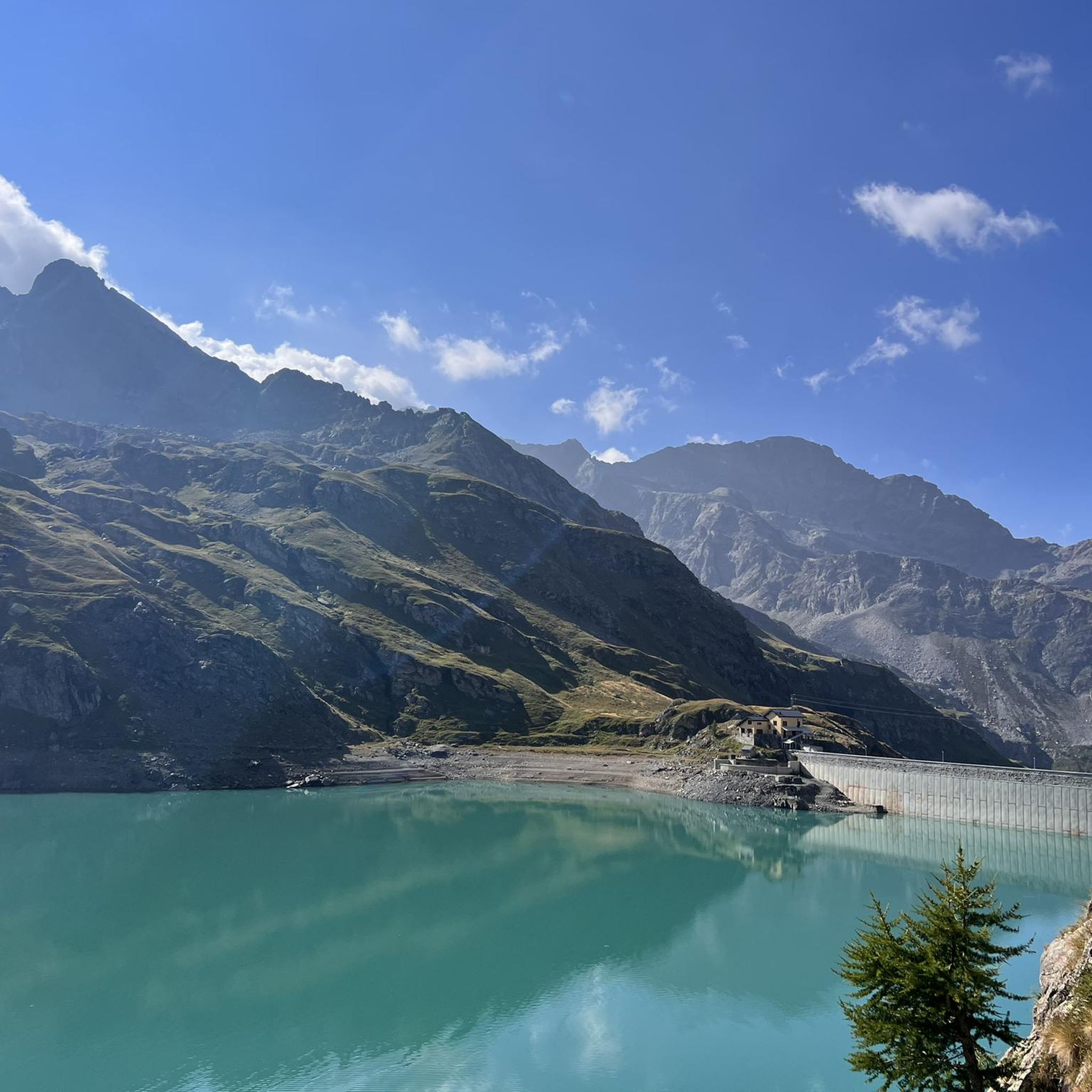
Beautiful valley, once a glacier and now an expanse of meadows and pastures and a starting point for numerous treks
1
0
Frequently Asked Questions
What are the main gorges and natural features to explore around Gressoney-La-Trinité?
The area around Gressoney-La-Trinité, within the Aosta Valley, offers several notable natural features. You can explore the Vallone di Verra, a beautiful valley that was once a glacier, now serving as a starting point for numerous treks. Another impressive sight is the Glacier Gate, where the Gornera river flows through a narrow rock opening at 2,100 meters. The Sesia River Pile Bridge also provides access to the Parco Naturale "Alta Val Sesia" and offers views of the river.
Are there specific canyons suitable for canyoning near Gressoney-La-Trinité?
While Gressoney-La-Trinité is a gateway to the Aosta Valley, which is known for canyoning, specific canyoning routes are found slightly further afield. The Torrente Pacoula near Fontainemore is a notable option, described as narrow with a series of abseils and a natural waterslide. Another highly recommended canyon in the Aosta Valley is the Fer stream in Donnas, known for its clear water, gigantic pools, and a mix of rope descents, jumps, and slides.
What kind of outdoor activities can I do near the gorges and valleys of Gressoney-La-Trinité?
Beyond exploring the gorges, Gressoney-La-Trinité is an excellent base for various outdoor activities. You can find numerous hiking trails, including the Sorgenti del Lys Trail and routes to high-altitude refuges. For more challenging adventures, there are mountain hikes and MTB trails that take you through the stunning alpine landscape.
Are there family-friendly options among the gorges or nearby activities?
Yes, the Sesia River Pile Bridge is considered family-friendly, offering easy access and a sturdy crossing over the river. While specific canyoning routes might require guidance, the broader area provides gentle walks and scenic spots suitable for families to enjoy the natural beauty.
What is the best time of year to visit Gressoney-La-Trinité for outdoor activities like canyoning or hiking?
The best time for canyoning and hiking in the Aosta Valley, including the Gressoney area, is typically during the warmer months, from late spring through early autumn (roughly June to September). During this period, the weather is more stable, water levels in canyons are generally suitable, and mountain trails are clear of snow, offering optimal conditions for exploration.
Can beginners try canyoning in the Aosta Valley?
Yes, the Aosta Valley caters to various skill levels. Several alpine guide associations and companies operate in the region, offering guided canyoning tours for beginners. These tours provide necessary equipment and professional instruction, ensuring a safe and enjoyable experience for those new to the activity. You can find more information on guided experiences via Visit Monte Rosa.
What should I wear or bring for canyoning in the Aosta Valley?
For canyoning, you'll typically need a wetsuit, helmet, harness, and appropriate footwear (like sturdy trainers or canyoning shoes). If you join a guided tour, the guiding company will usually provide the specialized equipment. It's also advisable to bring swimwear, a towel, and warm clothes for before and after the activity.
What do visitors enjoy most about the natural sites around Gressoney-La-Trinité?
Visitors appreciate the stunning natural spectacles and the opportunities for adventure. The Glacier Gate is noted for its impressive natural beauty, while the Vallone di Verra is loved as a starting point for numerous treks amidst beautiful meadows. The overall appeal lies in the dramatic landscapes shaped by glaciers and rivers, offering a sense of untouched wilderness.
Are there any hidden gem canyons or gorges in the Gressoney Valley area?
While the provided data highlights popular spots, the broader Gressoney Valley and Aosta region are rich with natural formations. The Torrente Pacoula near Fontainemore, with its narrow passages and natural waterslide, could be considered a less-trafficked but rewarding canyoning experience for those seeking adventure beyond the most well-known sites.
What kind of terrain can I expect on hiking trails near the gorges?
Hiking trails near the gorges and valleys around Gressoney-La-Trinité vary in terrain. You can expect a mix of well-maintained paths, rocky sections, and alpine meadows. Trails range from moderate to difficult, often involving significant elevation changes as you explore the mountainous landscape of the Monte Rosa massif and its glacial valleys.
Are there any cultural or historical points of interest near the canyons?
While the focus of this guide is on natural canyons and gorges, the Gressoney Valley itself has a rich Walser culture and history. Exploring the villages like Gressoney-La-Trinité and Gressoney-Saint-Jean will reveal traditional Walser architecture and local museums, offering a glimpse into the region's unique heritage.
Is it possible to access these natural sites using public transport?
Gressoney-La-Trinité is generally accessible by public transport, primarily buses connecting from larger towns in the Aosta Valley. However, reaching specific canyoning trailheads or remote natural features might require further planning, potentially involving local taxis or a private vehicle, as public transport routes may not extend directly to all starting points.
Most popular routes around Gressoney-La-Trinité
Most popular attractions around Gressoney-La-Trinité

Get inspired with the komoot mobile app


Explore more
Already discovered everything in this region? See additional gorges around Gressoney-La-Trinité for your next adventure:
