Top 7 Castles around Champorcher
Castles around Champorcher offer a glimpse into the region's medieval past. The area is characterized by its strategic historical sites, including the remains of the ancient Champorcher Castle, primarily its square-plan tower in the village of Château. While the tower itself is not open to visitors, its historical significance as a watchtower and the heart of the community under the Lords of Bard and the House of Savoy is notable. The adjacent parish church of Saint Nicholas of Bari further…
Last updated: October 16, 2026
Fort Bard
Highlight • Castle
Translated by Google •
Tip by

View of Fort Bard from the bridge
Highlight • Viewpoint
Showing Translation
Tip by

Sign up now to discover places like this
Get recommendations on the best single tracks, peaks, & plenty of other exciting outdoor places.
Verrès Castle
Highlight • Castle
Translated by Google •
Tip by

Castello di Issogne
Highlight • Castle
Translated by Google •
Tip by
Vallaise Castle and Lower Costa Castle
Highlight • Castle
Showing Translation
Tip by

Sign up for free to discover even more castles around Champorcher.
Already have an account?
Start today with a free account
Your next adventure awaits.
Popular around Champorcher
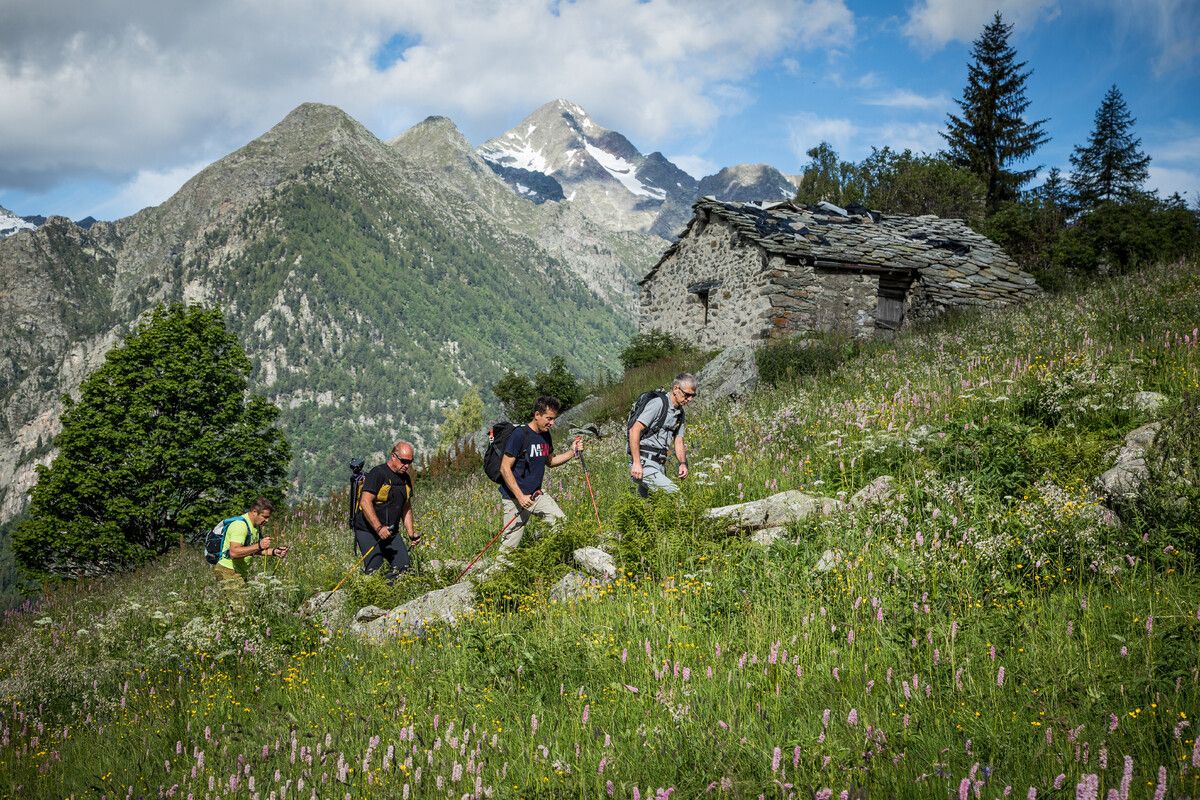
Hidden trails in the Aosta Valley – mountains you don't yet know
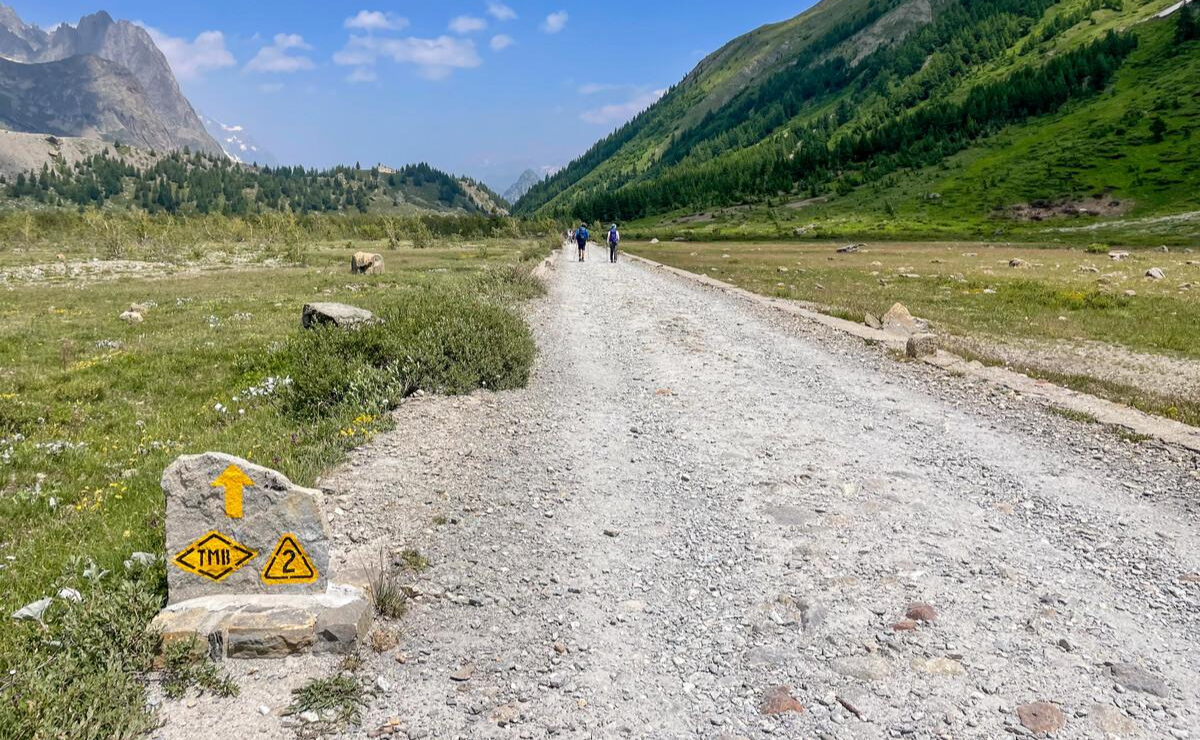
Alta Via n. 2 of the Aosta Valley — high peaks and beautiful valleys in Italy
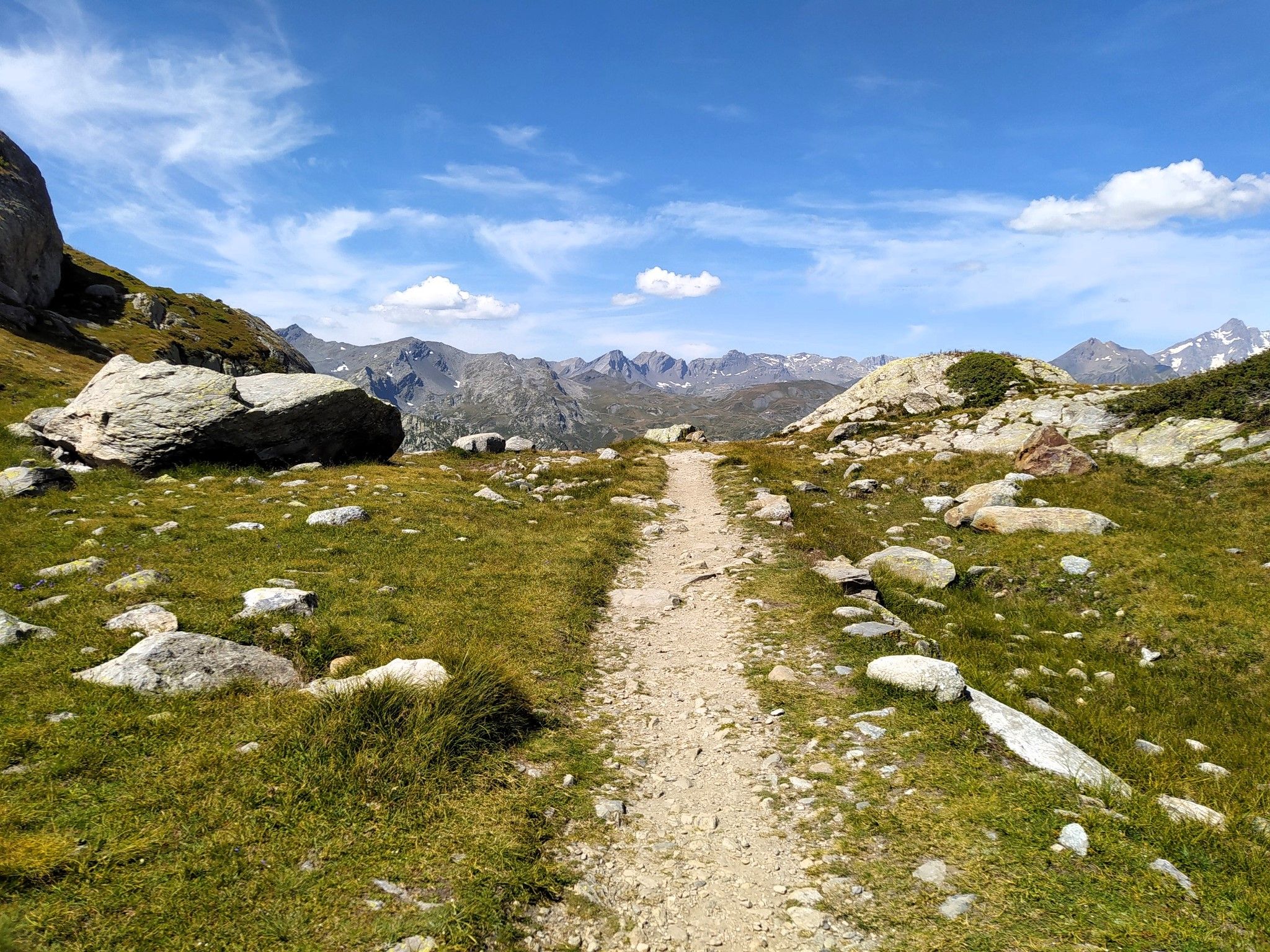
Running in paradise – Alta Via 2 of Valle d'Aosta
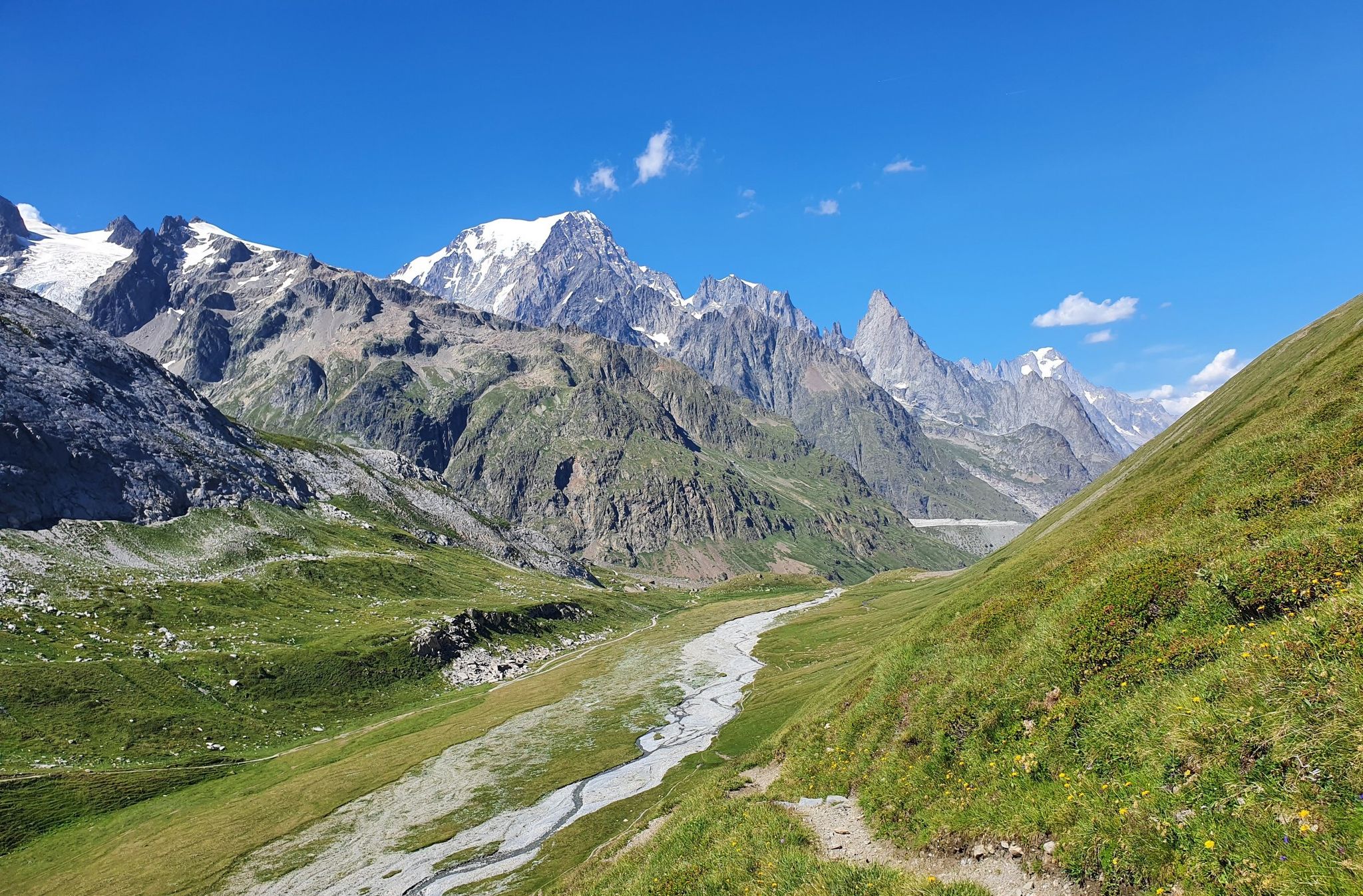
High peaks and beautiful valleys in Italy – Aosta Valley’s Alta Via Trail 2
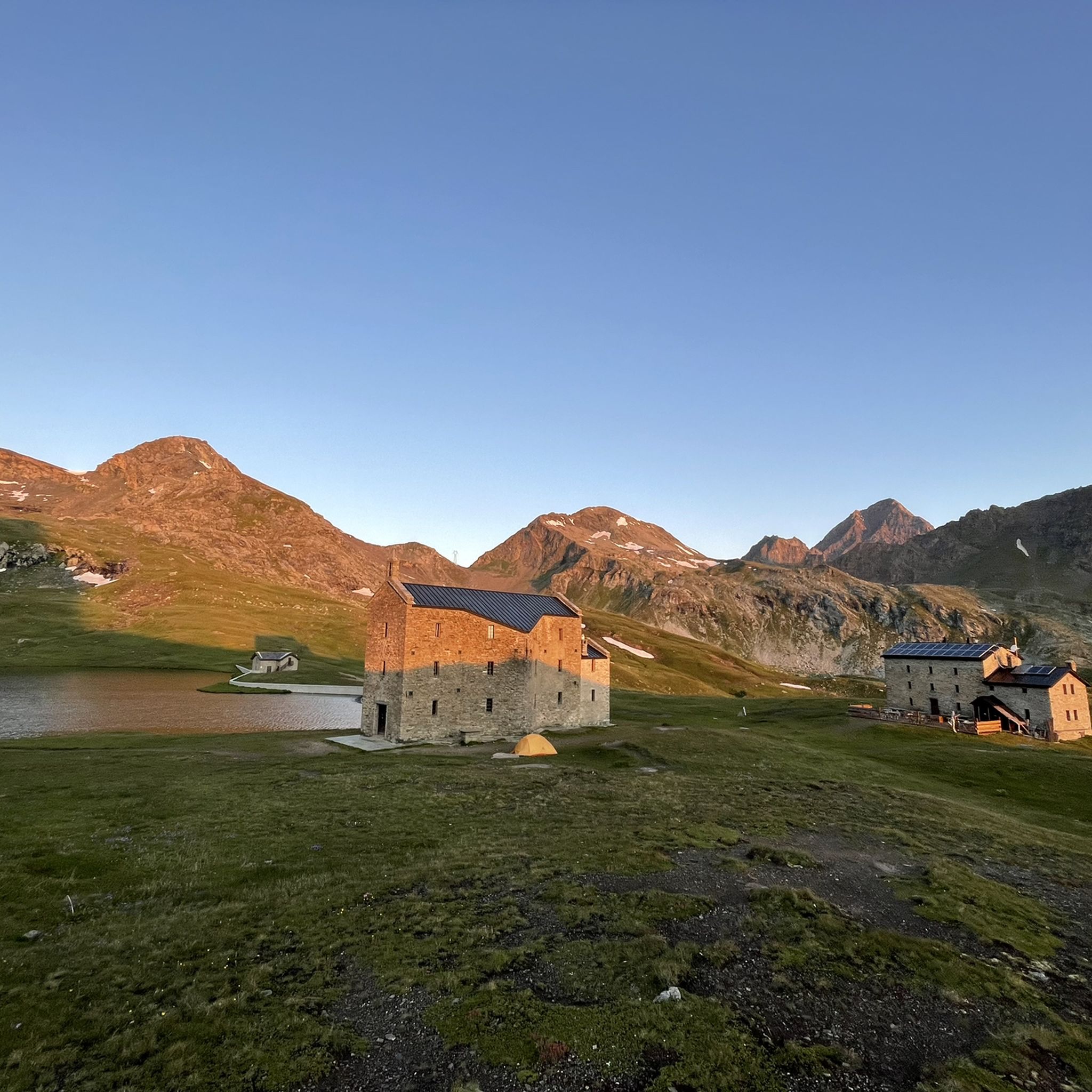
Hiking around Champorcher
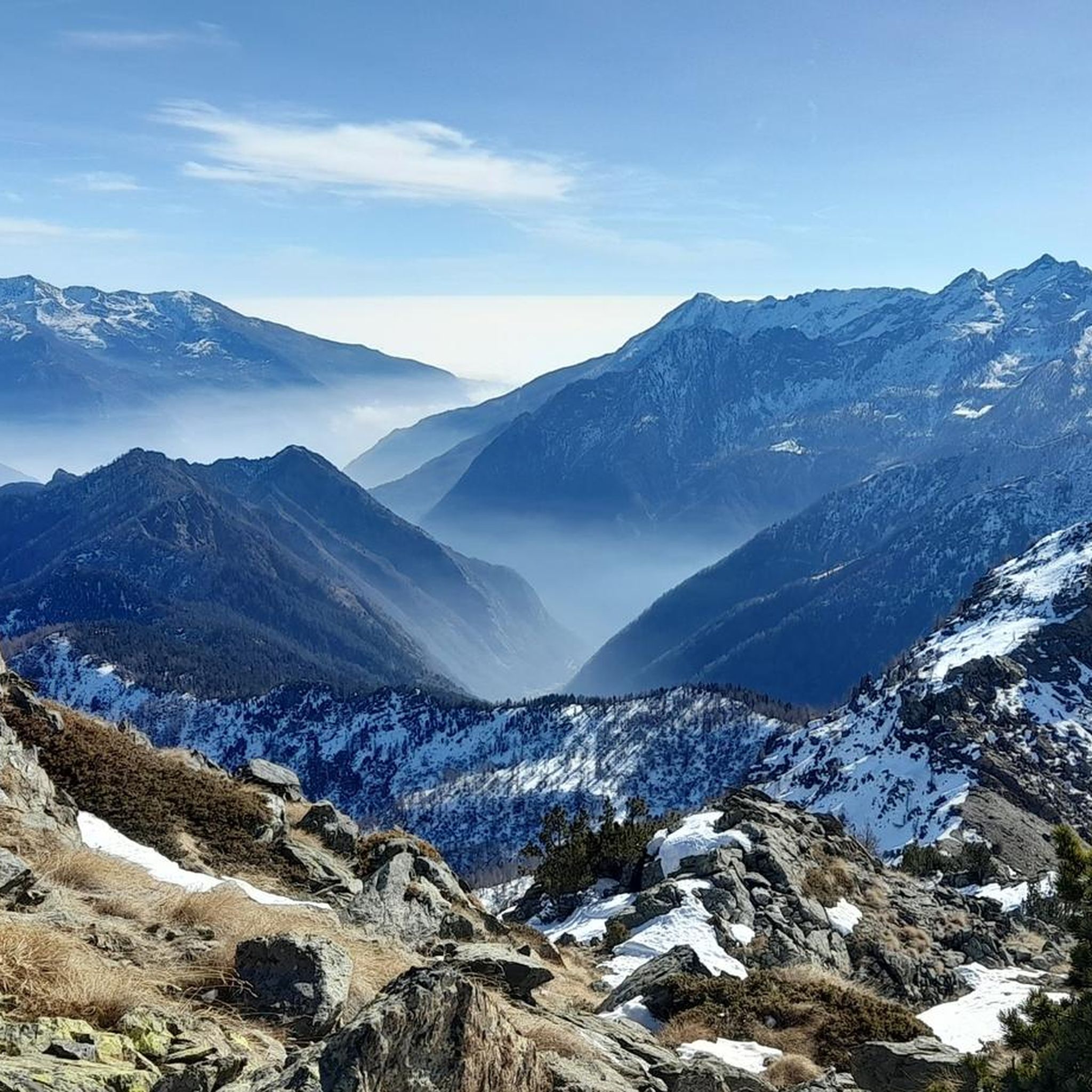
Running Trails around Champorcher
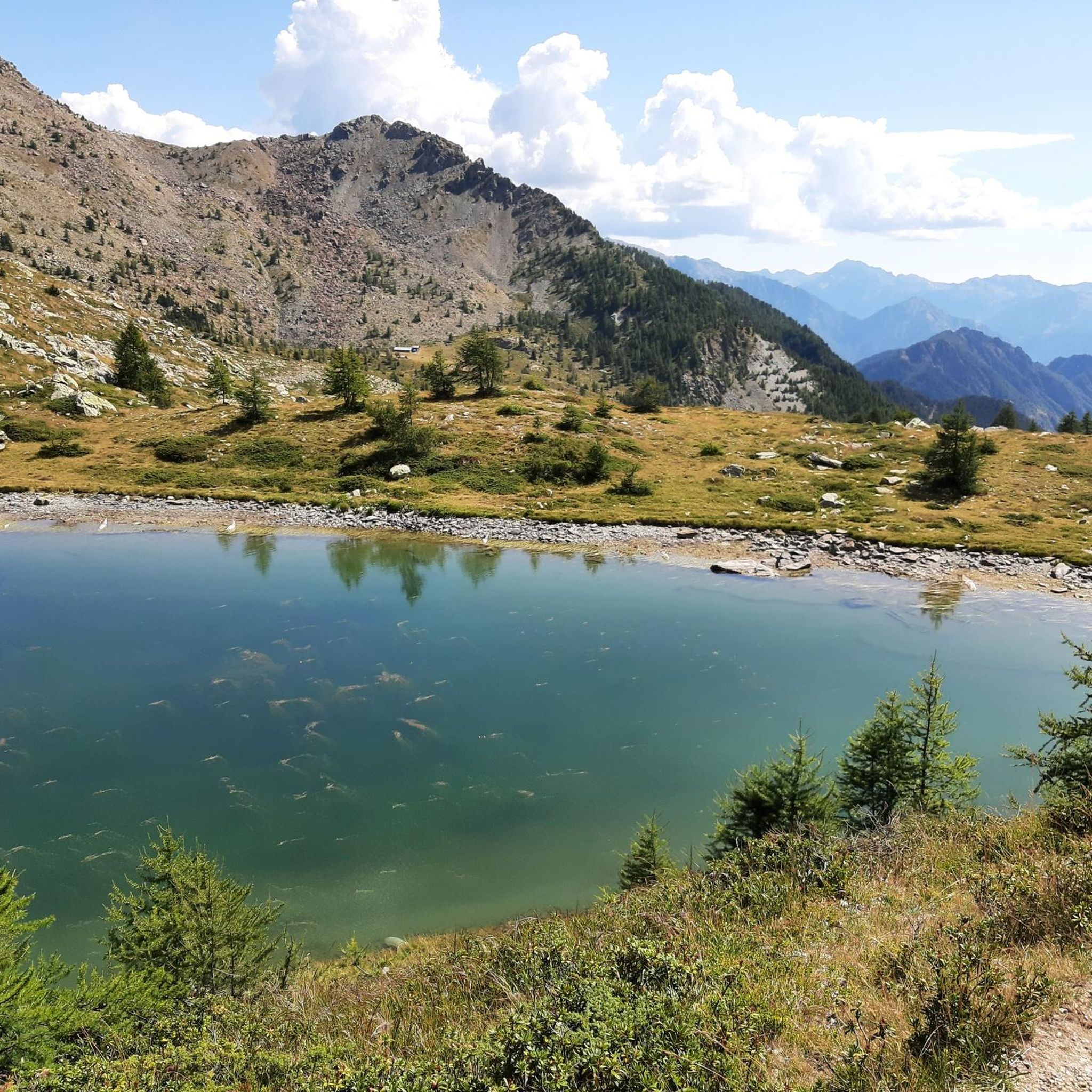
MTB Trails around Champorcher
Road Cycling Routes around Champorcher
Gravel biking around Champorcher
Cycling around Champorcher
Other adventures around Champorcher


Tips from the Community

The Forte di Bard seen from the bridge over the Dora Baltea river offers one of the most iconic and photographed views in the Aosta Valley. This spectacular perspective captures the imposing, craggy fortress that dominates the village below and the river waters.
0
0

Beautiful bridge connecting Hone to Bard. Magnificent view of the fort.
2
0

The origin of this bridge is uncertain, but it was most likely built as early as Roman times. The first documents in which this bridge is mentioned, however, date from the second half of the 13th century. From 1272, the bridge is called the Hôhne Bridge or Bard Bridge in Latin and then in Old French. Apart from its history, the bridge is a beautiful photo point of Fort Bard.
43
0
In addition to many temporary exhibitions, often aimed at promoting and learning about the culture and territory of the Aosta Valley and the Alps, the Forte di Bard includes three permanent museums. 1.) On the top floor is the Museum of the Alps. Here the secrets of the mountain have been presented through a multimedia path and interactive installations. A truly worthwhile and informative museum!!! 2.) A second museum room is dedicated to the prisons of the fort, twenty-four narrow cells (1.3 x 2 meters) distributed in four areas and accessed from a gallery decorated with historical prints and paintings that tell the story of the building. 3.) Finally, the Fortress and Border Museum of the Opera Ferdinando offers a journey through the history of the Bard through a parade of historical and plastic weapons, including scale models of defensive structures and miniature armies. Source: https://www.visititaly.eu/it/luoghi-e-itinerari/cosa-vedere-a-bard-borgo-in-valle-aosta
43
0

The Fort de Bard, which has remained almost unchanged since its reconstruction, represents one of the best examples of a dam fortress from the beginning of the 19th century. The stronghold has three main buildings, on several levels, between 400 and 467 meters high: from the lowest, the Ouvrage Ferdinand, to the middle one, the Ouvrage Victor and, at the top, the Ouvrage Charles-Albert, a whole of 283 rooms. The Ouvrage Ferdinand is shaped like pincers and has two buildings, the Ouvrage Ferdinand Inférieur and the Ouvrage Ferdinand Supérieur. The Ouvrage Mortai, placed behind the latter and the adjoining Powder Magazine house the rooms intended for the didactic laboratories. About halfway up the rock, stands the Ouvrage Victor where you will find "Les Alpes des Enfants", an interactive trail. At the top, the most imposing of the three structures has an enclosure on which all the buildings rest and which contains the Ouvrage de Gola, its courtyard, which can defend the south side, and the Ouvrage Charles-Albert and its large quadrangular courtyard of the Place d'Armes, surrounded by large arcades. The first floor of the Ouvrage Charles-Albert is dedicated to the "Musée des Alpes". Inside the structure, there is also a tour of the history of the Fort, in the Prison rooms. The Fort is accessible by an external road, on the south side, which leads to the courtyard of the Ouvrage de Gola, and by an internal road which winds in narrow steep bends, protected by large stone walls and which goes up the opposite slope towards the North, thus allowing one to reach the Ouvrage Charles-Albert. These two roads are only accessible on foot. The summit of the rock and the fortress is easily accessible thanks to the panoramic lifts which, from the village of Bard to the foot of the Fort, provide access to the Ouvrage Charles-Albert and therefore to the Museum of the Alps. https://www.viefrancigene.org/fr/resource/poi/forte-di-bard/
6
0
The impressive fortress of Bard dominates the upper valley of the Dora Baltea. After being dismantled by Napoleon in 1800, it was rebuilt in the 19th century by the House of Savoy.
8
0
The Castello di Issogne is one of the most famous castles in the Aosta Valley and is known for its Renaissance style that contrasts with the nearby, more austere Castello di Verrès. The castle has a remarkable courtyard with a fountain in the shape of a pomegranate tree and a colorful portico, a rare example of medieval Alpine painting, with frescoes depicting scenes from everyday life in the late Middle Ages. The castle's history dates back to a papal bull in 1151, and it has a rich history that includes its transformation from an episcopal fortress into an elegant princely residence. The castle is open to visitors and offers a unique look at the culture and architecture of the region.
6
0
The Castello di Verrès is an impressive medieval castle in the Aosta Valley, built in the 14th century by Yblet de Challant. The castle is known for its unique monolithic structure, which resembles a solid cube and differs from most other castles of the time which consisted of multiple buildings within a walled enclosure. Dominating the town of Verrès and the entrance to the Val d'Ayas, the castle has a military character that merges with elegant stone details that adorn the windows, doors and monumental mantelpieces. The castle has no corner towers nor a keep.
7
0
Frequently Asked Questions
What is the main historical castle in Champorcher itself?
The primary historical site within Champorcher is the ancient Champorcher Castle, specifically its medieval square tower located in the village of Château. This tower, with its distinctive swallowtail merlons, served as a crucial watchtower and represents the historical heart of the community.
Can I visit the Champorcher Castle tower?
The Champorcher Castle tower itself is not open to visitors, as access requires a ladder to a door four meters above the ground. However, you can explore the village of Château and appreciate the historical context of the tower and the adjacent Parish Church of Saint Nicholas of Bari, which was built atop the castle ruins.
What other significant castles are near Champorcher?
Beyond Champorcher, the region offers several impressive castles. You can visit Fort Bard, a formidable fortress dominating the valley entrance, or the unique monolithic structure of Verrès Castle, known for its 14th-century design.
Are there any castles near Champorcher currently closed for renovation?
Yes, Castello Vallaise, once a sumptuous residence of the Arnad family, is currently undergoing restoration and is closed to the public. Its historical importance as a former noble residence remains significant.
What historical significance do the castles in the Champorcher region hold?
The castles in the Champorcher region, including the Champorcher Tower, are remnants of the area's past as a strategic medieval stronghold. They tell stories of powerful families like the Lords of Bard and the House of Savoy, and their role in defense and governance of the Aosta Valley. Many have been rebuilt or modified over centuries, reflecting different eras of regional history.
What outdoor activities can I do near the castles around Champorcher?
The area around Champorcher offers diverse outdoor activities. You can find numerous routes for road cycling, mountain biking, and mountain hiking. For example, there are challenging road cycling routes like the 'Col de Joux – Ascent to Antagnod from Corbet loop from Verres' or scenic mountain hikes such as the 'Snow-Covered Mountain Peak loop from Champorcher'. Explore more options in the Road Cycling Routes around Champorcher, Mountain Hikes around Champorcher, and MTB Trails around Champorcher guides.
Are there family-friendly castles to visit near Champorcher?
Yes, Fort Bard is considered family-friendly. It features three permanent museums, including the Museum of the Alps, and often hosts temporary exhibitions. Additionally, the Avengers Statues at Fort Bard offer a fun attraction for families, commemorating its use as a filming location.
What is the best time of year to visit the castles around Champorcher?
The best time to visit the castles around Champorcher is generally during the spring, summer, and early autumn months (May to October). During these periods, the weather is milder, making it ideal for exploring the castle grounds and combining visits with outdoor activities like hiking or cycling in the surrounding valleys. Winter can be beautiful but may limit access to some sites or trails due to snow.
Are there any unique attractions related to the castles, like movie sets?
Yes, Fort Bard gained international recognition as a filming location for the movie 'Avengers: Age of Ultron'. You can find Avengers Statues at Fort Bard and totems indicating where scenes were filmed, adding a unique modern twist to its historical significance.
What do visitors appreciate most about the castles in this region?
Visitors to the castles around Champorcher highly appreciate their historical significance and the stunning views they offer. The komoot community has shared over 330 photos and given more than 170 upvotes, highlighting the appeal of these sites for both history buffs and outdoor enthusiasts. The blend of medieval architecture with the natural beauty of the Aosta Valley is a major draw.
Where can I find more information about the Champorcher Tower?
For more details on the Champorcher Tower and its historical context, you can visit the Visit Monterosa website, which provides information on this medieval site.
Most popular routes around Champorcher
Most popular attractions around Champorcher

Get inspired with the komoot mobile app


Explore more
Looking for the best castles somewhere else? Discover other guides around Champorcher:
